Reviewed · TOKYO FOOD TOURS
Tsukiji Fish Market Culture Walking and Food Tour
Tsukiji is easiest to enjoy when someone else handles the language, ordering, and route. This three-hour walk combines market tastings and a seafood lunch with visits to two important local religious sites, giving you more than a quick pass through food stalls.
In This Article
- Key details that shape the experience
- Why Tsukiji works best with a food guide
- Starting at Tsukiji Hongwan-ji Temple
- Two hours among Tsukiji’s outer-market stalls
- A local lunch that turns snacks into a meal
- Namiyoke Inari Shrine and the working market
- How the small group changes the day
- Timing, meeting point, and practical planning
- Who will get the most from this Tsukiji tour
- Should you book the Tsukiji Fish Market Culture Walking and Food Tour?
- FAQ
- How long does the Tsukiji Fish Market tour last?
- What time does the tour start?
- Where does the tour meet?
- Where does the tour end?
- Is food included?
- How many people can join the tour?
- Can I cancel for a full refund?
I like the small cap of 10 people, and I like that the guide may lead you to a restaurant you could easily miss. Guide Inoki is especially useful for explaining food, translating, and helping with purchases. The main consideration is that the $85.66 price makes the most sense if you want a guided meal experience, not simply a look around the market.
Key details that shape the experience

- Tuna, eel, daifuku, and more: Tastings can include seafood skewers, unagi, sweets, and other market bites before lunch.
- A working knowledge of Tsukiji: You see shops serving local buyers, not just the best-known tourist lanes.
- Two distinct religious stops: Learn temple manners at Tsukiji Hongwan-ji Temple and visit Namiyoke Inari Shrine.
- A guide who handles communication: Inoki translates, explains unfamiliar foods, and helps with ordering.
- Small-group format: The tour accepts no more than 10 people, and on some dates it may feel nearly private.
- A three-hour morning route: Meet at 10:00 a.m. and return to the starting point after the market, meal, and shrine visit.
Why Tsukiji works best with a food guide

Tsukiji’s outer market is not a single enclosed hall with one obvious path. It is a collection of streets, stalls, specialty shops, restaurants, and wholesale businesses. You can walk through on your own, but it is easy to miss the places that do not advertise in English or to spend your appetite on the first tempting snack.
This tour gives you a route and a purpose. You begin with local culture, move into food sampling, sit down for lunch, and finish with a shrine tied to the neighborhood. That order matters because the market feels less like a checklist of famous foods and more like a place where food, work, worship, and daily shopping overlap.
The guide also serves as your interpreter. That is useful when you want to understand what you are eating, ask about ingredients, or choose between unfamiliar items. You are not left to point at a display case and hope for the best.
The strongest feature is the food planning. Tastings are included, and lunch is included, so the price is easier to judge than a tour that charges for the walk and leaves every bite to you. Still, you should arrive ready for a seafood-heavy morning. The food examples include tuna, eel, unagi sticks, sashimi, and other market specialties.
A few more Tokyo tours and experiences worth a look

Starting at Tsukiji Hongwan-ji Temple
The meeting point is Tsukiji Hongwan-ji Temple, at 3-chome-15-1 Tsukiji. The tour begins at 10:00 a.m., and this is a sensible place to start. The temple gives you a quiet introduction before the food streets take over your attention.
During roughly 30 minutes here, you learn how to behave at a Japanese temple. That includes the traditional ritual before entering, the use of incense, and prayer in the Jodo Shinshu style. You are not simply taking a photograph of the facade. You get a short guide to what your actions mean and how to show respect.
This stop is free, as are the other listed stops. The value comes from the explanation rather than an admission ticket. If you have already spent time learning Japanese temple customs, this part may feel familiar, but it helps first-time visitors avoid treating the site as a backdrop.
The temple visit also gives your guide a chance to explain the neighborhood before the tour turns to food. I appreciate that transition. Tsukiji is famous for fish, but the area is not only a market. Starting with a religious site adds some local context without turning the tour into a long lecture.
Two hours among Tsukiji’s outer-market stalls
The main portion lasts about two hours and focuses on walking through the outer market, sampling street food, and eating lunch. The market is where this tour earns its keep, especially for people who want to taste several items without ordering full portions at every stop.
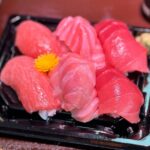
The food examples are appealingly specific. You might try tuna on a skewer, eel or unagi, daifuku, and other small bites. The exact selection can change, so do not book this expecting one fixed tasting menu. Think of it as a guided series of samples chosen around what is available and what suits the group.
That flexible approach can work well. One person in a group did not eat fish, and the guide found a mochi alternative. You should not treat that as a formal dietary guarantee, but it does show the kind of personal help the guide may offer. If you have allergies or strict dietary needs, ask before booking rather than relying on last-minute substitutions.
Inoki’s role is practical as much as educational. The guide can translate, explain foods, and help you navigate stalls where a language barrier might otherwise make you hesitate. One useful touch described by the tour experience is that the guide even stood in line for snacks while people shopped. That kind of assistance saves time and lets you focus on what you actually want to buy.
I also like the chance to see more than the obvious food counters. The route includes local wholesale shops and parts of the market that serve the neighborhood. You may see a less polished side of Tsukiji, with working businesses rather than only photo-ready displays. The tour data does not promise access to restricted areas, so expect a walking visit through the outer market, not a behind-the-scenes tour of every operation.
The main drawback is pace. Tsukiji can be crowded, and food stops involve standing, browsing, and moving between shops. Three hours is enough for an introduction, but it is not enough to understand every corner or shop at leisure. If you want to buy several gifts or spend time comparing seafood counters, save some time after the tour.
A local lunch that turns snacks into a meal

The included lunch is one of the clearest reasons to consider this tour. After sampling street food, you are taken to a restaurant in the market that you might not find on your own. The meal is described in the tour information as seafood lunch, and the food examples include sashimi lunches.
This arrangement is better than treating the market as a string of tiny samples. Street food can fill you up surprisingly fast, but it does not always make a complete meal. Sitting down gives you a chance to slow down and ask questions about what you have eaten.
The hidden-restaurant element is useful, but keep your expectations practical. The name and exact menu are not specified, and food choices may depend on the day. You are paying for guided access, translation, tastings, and the meal, not for a particular premium fish or a guaranteed restaurant reservation.
For seafood lovers, the meal should be a strong point. For anyone who does not eat fish, the value is less certain. The guide has helped with alternatives such as mochi, but the published details do not promise a full non-seafood lunch. Contact the provider before booking if this is central to your decision.
At $85.66 per person, the price is fair if you would otherwise spend money on several tastings and a seafood lunch anyway. It is less attractive if you mainly want to walk through the market and choose your own food. The small group and language help add value, especially for a first visit.
Namiyoke Inari Shrine and the working market

The final stop is Namiyoke Inari Shrine, a local shrine connected with the Tsukiji area. This 30-minute visit introduces Shinto customs and adds another layer to the market’s story.
The walk to the shrine passes local wholesale shops, giving you a look at businesses that many casual visitors miss. That is a worthwhile detail. You see how Tsukiji functions for local commerce, not only how it appears in travel photos.
The shrine also helps explain the relationship between the neighborhood and the sea. The tour connects the shrine with Tsukiji’s market story and local traditions, though the exact depth of the historical explanation will depend on your guide and the questions you ask.
I like the contrast between the temple and shrine. The first stop covers temple behavior and Jodo Shinshu practice. The last introduces Shinto and a local place of worship. In a short tour, that comparison gives you a better sense of Japanese religious life than a market-only walk would.
The route ends back at the original meeting point. That is convenient if you want to continue shopping in Tsukiji afterward, though the tour does not include extra time for independent browsing.
A few more Tokyo tours and experiences worth a look



How the small group changes the day

The maximum group size is 10, which is small enough for questions and close enough to hear explanations while walking. It also makes restaurant seating and food ordering easier than on a large coach-style outing.
Some departures may have only one or a few participants. In that case, the experience can feel nearly private, and the guide can adjust the food choices or conversation more easily. You should not assume a private tour is guaranteed, but the small limit gives you a better chance of personal attention.
The reviews supplied for this tour give it a 5 rating from 36 reviews, with 100 percent recommending it. The most consistent praise centers on the guide, the food, and the personal care during the market visit. Inoki is repeatedly singled out for enthusiasm, food knowledge, conversation, and answering questions.
That praise should be read alongside the tour’s limits. It is a food walk in a working market, not a formal cooking class. You will sample prepared foods, learn about the area, and eat lunch, but you are not promised demonstrations or access to the famous early-morning tuna auction.
Timing, meeting point, and practical planning

You meet at 10:00 a.m. in front of Tsukiji Hongwan-ji Temple. The site is near public transportation, and the tour returns to the same place. Confirmation arrives when you book, and mobile tickets are supported.
Arrive early. The guide waits up to 10 minutes after the start time, and if you miss that window, the tour continues without you and the fee is not refunded. Tsukiji’s streets and temple entrance can be confusing if you are rushing, so build in time to find the exact meeting point.
Wear comfortable shoes. The experience lasts about three hours and includes walking, standing at food stalls, and moving through market streets. The information does not specify accessibility arrangements, so contact Fantasy Travel before booking if you have mobility concerns.
Children can participate, but they must be accompanied by an adult. Group discounts may be available, though the supplied details do not state the discount amount. The tour can be canceled for a full refund if you do so at least 24 hours before the start time. Changes or cancellations inside that window are not accepted for a refund.
Who will get the most from this Tsukiji tour

I would choose this experience if you are visiting Tsukiji for the first time and want food decisions made easier. It suits people who enjoy seafood, want help with Japanese customs, and prefer a compact morning with a guide instead of wandering without a plan.
It is also a good fit if you want to ask questions. The guide’s translation and food explanations matter most when you are curious about unfamiliar dishes or want to buy something beyond the standard tourist choices.
Families can join if children are accompanied by an adult, but the food-focused route may be more appealing to older children and teenagers who are willing to walk and try small portions. The market can be a lot of stimulation in a short time, so a slower independent visit may work better for very young children.
I would be more cautious if you do not eat seafood, have serious food allergies, or dislike group pacing. Alternatives have been arranged for a person who avoided fish, but this is still built around seafood. Also consider the price if you are comfortable ordering on your own and do not need a guide.
Should you book the Tsukiji Fish Market Culture Walking and Food Tour?
Book it if you want a guided introduction to Tsukiji that includes real eating, not just sightseeing. The included samples and lunch, the small group, and Inoki’s hands-on help make the $85.66 cost reasonable for a first visit.
Skip it if your main goal is unhurried shopping, a highly specialized fish tour, or a fully non-seafood menu. For everyone else, this is a well-shaped three-hour introduction: temple customs at the start, market food in the middle, and a local shrine and wholesale streets at the end.
FAQ
How long does the Tsukiji Fish Market tour last?
The tour lasts approximately three hours.
What time does the tour start?
The tour starts at 10:00 a.m.
Where does the tour meet?
You meet at Tsukiji Hongwan-ji Temple, 3-chome-15-1 Tsukiji, Chuo City, Tokyo 104-8435, Japan.
Where does the tour end?
The activity ends back at the original meeting point.
Is food included?
Yes. Street-food tastings and a seafood lunch are included.
How many people can join the tour?
The tour has a maximum group size of 10 people.
Can I cancel for a full refund?
Yes. You can cancel at least 24 hours before the experience start time for a full refund. Cancellations or changes made less than 24 hours before the start time are not refunded or accepted.
More Walking Tours in Tokyo

More Tokyo Food Tours in Tokyo
More Tsukiji Market Tours in Tokyo
More tours in Tokyo we've reviewed












Tokyo Food Tours, compared.
 ★ 5.0Tokyo: Shinjuku Food Tour (13 Dishes at 4 Local Eateries)From $86
 ★ 4.9Tokyo: Shinjuku Food Tour (13 Dishes and 4 Eateries)From $97
 ★ 5.0Tokyo Night Foodie Tour in Shinjuku – Seasonal Sushi, Wagyu BeefFrom $111
 ★ 5.0Eat and Drink Like a Local: Tokyo Ueno Food Tour-Taverns&RamenFrom $95
 ★ 5.0Tokyo: Shibuya Food Tour (13 dishes and 4 Eateries)From $77
Tokyo: Shinjuku Food Tour – 15 Dishes, 3 Drinks, 4 EateriesFrom $723 hours
★ 5.0Tokyo: Shibuya Food Tour (13 dishes and 4 Eateries)From $77
Tokyo: Shinjuku Food Tour – 15 Dishes, 3 Drinks, 4 EateriesFrom $723 hours