Reviewed · TOKYO FOOD TOURS
Private Tokyo Food Tour with 10+ Tastings of Japanese Classics
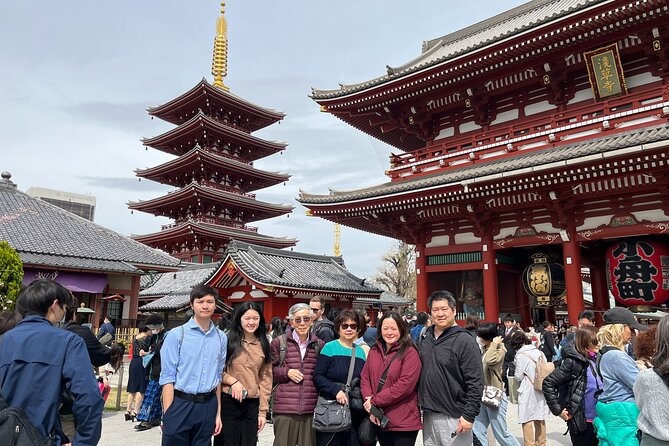
Ueno gives this private food tour its real appeal. In one afternoon, you move from Ameyoko market and old railway arches to cherry trees, Shinto worship, Buddhist prayer, and a long line of Japanese comfort foods. It is a useful way to see a less polished, more everyday side of Tokyo while eating as you go.
In This Article
- Key points at a glance
- Why Ueno is a smart setting for a food tour
- Starting at Ameyoko market
- Eating beneath the railway tracks
- A food walk through Ueno Park
- Visiting Ueno Toshogu Shrine
- Finding quiet at a Buddhist temple
- What the guides add to the afternoon
- What $460 per person really buys
- Who should book this Ueno food walk
- Booking, weather, and cancellation details
- Should you book this private Tokyo food tour?
- FAQ
- How long does the private Tokyo food tour last?
- Where does the tour start?
- Where does the tour end?
- What time does the tour start?
- Is this a private activity?
- What food and drinks are included?
- Are hotel pickup and drop-off included?
- Can dietary requirements be accommodated?
- What should I wear?
- Can I cancel for a full refund?
I like the private format because your guide can adjust the pace, answer your questions, and work around your interests. I also like the wide mix of tastings, from sushi and yakitori to gyoza, seasonal fruit, two teas, matcha ice cream, beer, and a secret dish.
The main caution is price. At $460 per person, this costs far more than a casual afternoon of eating in Ueno. You are paying for a private guide, planning, and a large meal, so the value works best if you want personal attention and have limited time.
Key points at a glance
- Private 3.5-hour walk: Your group has its own English-speaking guide, with no larger tour group to manage.
- Ten or more Japanese tastings: Expect sushi, gyoza, yakitori, fruit, matcha ice cream, tea, beer, and a secret dish, although the menu can change.
- Ueno beyond the museums: The route links Ameyoko, railway arches, Ueno Park, a Shinto shrine, and a Buddhist temple.
- A substantial afternoon meal: Pace yourself. The food can easily replace dinner.
- Flexible private-tour timing: The advertised start is noon, but private tours may have more date and start-time flexibility.
- Good shoes matter: The route lasts a little over three hours and includes walking outdoors.
Why Ueno is a smart setting for a food tour
Ueno sits northeast of central Tokyo and offers a useful mix of old and new. The district has major cultural sights, busy shopping streets, modest eating places, and open parkland all within a compact area.
That mix matters because you do not spend the whole tour inside restaurants. You get food, but you also see how the district works. Ameyoko brings street-level commerce and quick bites, while Ueno Park gives you a quieter break. The contrast helps place Japanese food in its daily setting rather than treating every dish as a formal dining event.
Ueno Park occupies land that once belonged to a major temple complex from the Edo period. Today, it is best known for its museums, open paths, and spring cherry blossoms. If you visit during cherry-blossom season, the park can be crowded, but the setting adds a strong seasonal touch to the walk.
The area also has a practical advantage. Ueno Station is served by public transportation, so it is a straightforward meeting point for a midday activity. The meeting point is at Ueno Station, at 7 Chome-1 Ueno, Taito City. Since one person had trouble finding the exact spot, I would allow extra time and confirm the meeting instructions before you set out.
A few more Tokyo tours and experiences worth a look
Starting at Ameyoko market
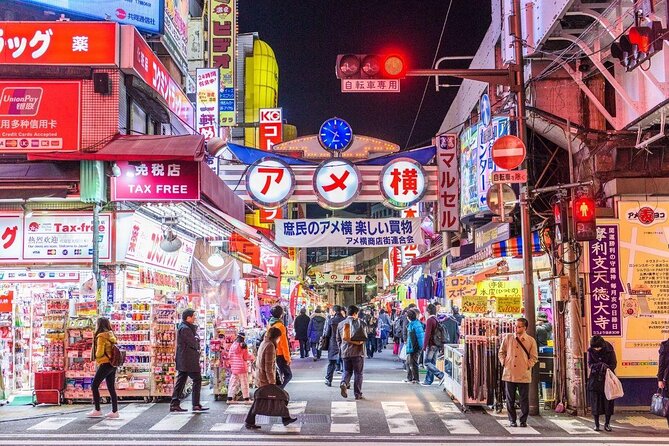
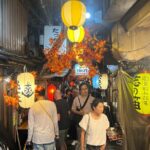
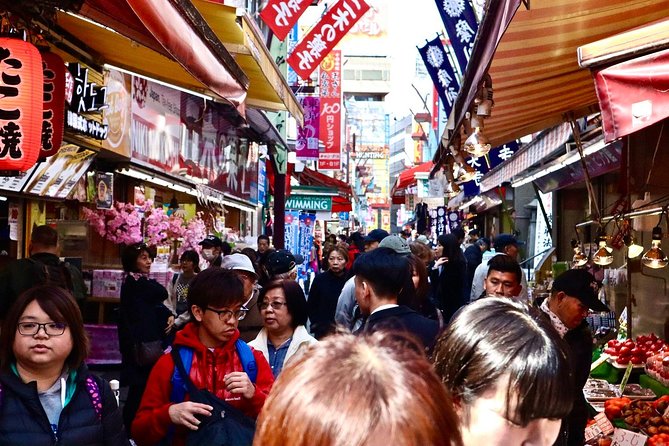
The tour begins near Ueno Station and moves into Ameyoko, a popular indoor-outdoor market district. Shops here sell food, gifts, clothing, and other everyday goods. It is not a quiet market designed only for sightseeing. It has a practical, local shopping feel, with food businesses mixed into the commercial streets.
This is a good first stop because it gives your guide room to explain unfamiliar ingredients and eating customs before the tastings build up. You can expect the route and menu to respond to shop availability, weather, and other conditions, so the exact order may vary.
Ameyoko is also a good place to watch Tokyo’s common touch. Ueno has links to the city’s older religious and cultural life, but this market district is direct and lively. I like that combination. You see a working shopping area before moving toward the park and its shrines.
The drawback is that market streets can be confusing, especially if you arrive late or are not comfortable navigating busy station areas. Wear comfortable shoes and keep your group together. This is not a tour where you should expect to stroll slowly at every moment.
Eating beneath the railway tracks
One stop takes place in an area beneath elevated train tracks. The Japanese term for this kind of space refers to the area under the girders, and these corridors often hold small restaurants, bars, and shops.
This setting fits the tour well. It is a reminder that Tokyo makes use of every available patch of urban space. Rather than treating the railway as something to ignore, the route uses it as part of the neighborhood’s character.
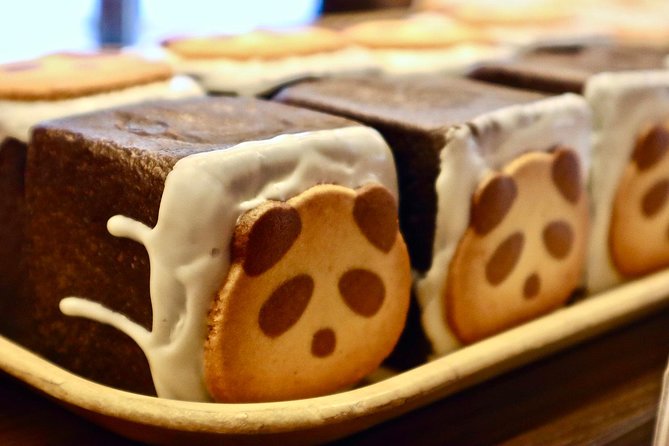
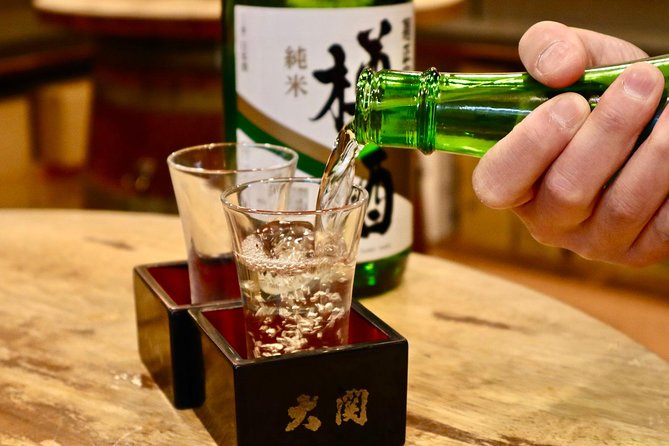
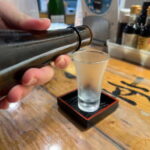
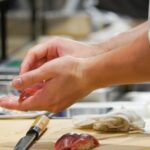
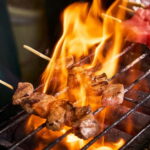
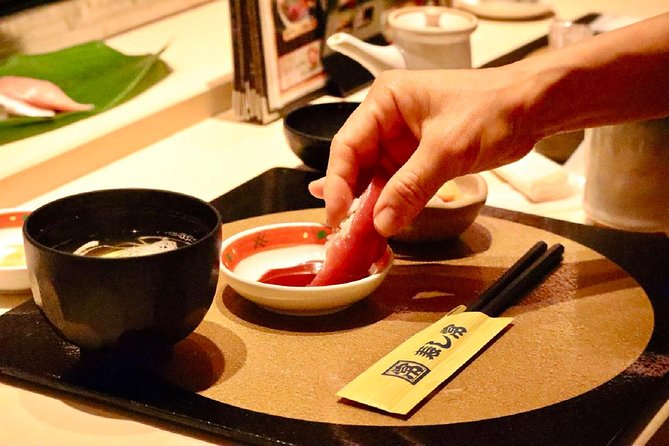
Your food stops are the main event here. The included menu lists fresh sushi, crisp gyoza, grilled yakitori, seasonal fruit, matcha ice cream, two types of tea, water, one draft beer, and a secret dish. The tour is described as having 10 or more tastings, though you should understand that the precise dishes can change.
The food is not limited to one style. Sushi gives you a familiar introduction to Japanese cuisine, while gyoza and yakitori show the appeal of casual, savory foods. Tea and fruit help break up the heavier items, and matcha ice cream provides a sweet finish. The secret dish adds an element of surprise, but you will not know its exact contents before the tour.
One practical point is portion control. The food may arrive in several small servings, but together they form a serious meal. One guide described the afternoon as filling enough that dinner was unnecessary. I would eat a light breakfast and avoid planning a large evening meal.
A food walk through Ueno Park
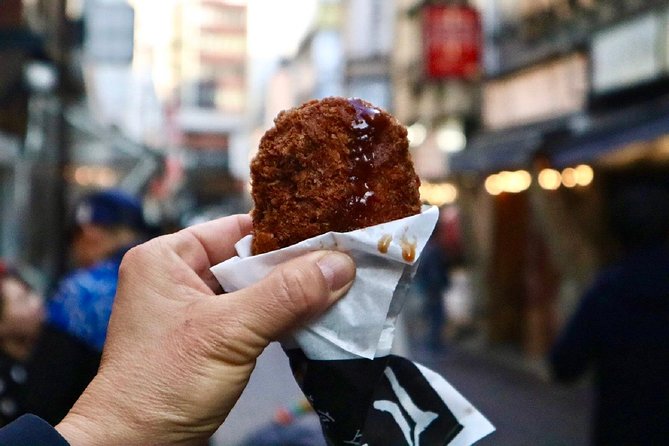
Ueno Park changes the rhythm of the afternoon. After the shops and food businesses, you reach a broad public park with open paths and seasonal appeal. In spring, the cherry blossoms make it one of Tokyo’s better-known hanami locations, though crowds are part of the experience at that time.
The park also supplies historical context. It occupies former temple grounds connected with Edo, the old name for Tokyo during the Tokugawa period. Your guide can connect the area’s religious past with the present-day park, giving the walking portion more meaning than a simple transfer between restaurants.
I like this part of the route because it gives you a chance to slow down between tastings. A food tour can become tiring when every stop means another plate. The park provides breathing room and lets you see a different side of Ueno.
Weather matters here. The tour takes place partly outdoors and can be canceled for poor weather. If rain threatens, the guide may adjust the plan to keep you dry. One afternoon guide, Shona Kirino, was praised for finding alternate solutions during bad weather. That is useful to know, but no route can remove every effect of rain, heat, or humidity.
Visiting Ueno Toshogu Shrine
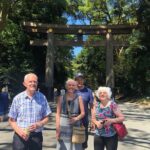
The route includes Ueno Toshogu, a Shinto shrine built in 1627 in memory of Tokugawa Ieyasu, founder of the Tokugawa shogunate. Its presence adds a formal, historic stop to an afternoon that otherwise focuses on food and neighborhood life.
You do not need to be a specialist in Japanese religion to enjoy this visit. The important point is the change in atmosphere. Market streets are noisy and practical, while the shrine offers a more ordered place for worship and reflection.
A guide can help you understand the difference between the food stalls, public spaces, Shinto customs, and the district’s broader past. That context is one reason the private format may be worth considering. You can ask basic questions without worrying that you are holding up a large group.
The shrine is not simply decoration along the route. It helps explain why Ueno feels different from a newer commercial district. Tokyo’s modern transport and shopping streets sit beside institutions that reach back to the city’s shogunate era.
A few more Tokyo tours and experiences worth a look

Finding quiet at a Buddhist temple
The itinerary also includes a long-established Buddhist center with peaceful grounds. Details about the exact temple are not provided, so you should expect a Buddhist worship site in the Ueno area rather than a guaranteed named monument.
This stop pairs well with Ueno Toshogu. Shinto and Buddhism have both shaped Japanese religious life, and seeing both in one walk gives you a more useful picture than visiting only one type of site. The quiet landscaping and prayer spaces also offer another pause from the food stops.
I would pay attention to the guide’s explanations here, especially if you are new to Japanese customs. The value is less about checking off a famous building and more about seeing how worship spaces fit into an active Tokyo neighborhood.
What the guides add to the afternoon
The tour uses a passionate local English-speaking guide, and the named guides associated with past departures include Shona Kirino, Shonan, Mary, Nozomi, and Mari. You should not assume a particular guide will lead your departure, but these examples show the personal style the tour aims for.
The strongest guide qualities are practical. Shonan made sure each person had a bottle of water during a hot, humid afternoon. Nozomi mixed food history with conversation about the visitor’s own culture. Mari was praised for combining useful facts with an efficient route. These details matter because a food tour can feel rushed or shallow if the guide only points at dishes and names them.
A private activity also means you can ask for clarification about ingredients, preparation, etiquette, or the places you pass. If you have a dietary requirement, contact the provider before booking. The menu is designed as a balanced food experience, and some restrictions may be difficult to handle.
What $460 per person really buys
The listed price of $460 per person is the biggest decision point. It is a premium cost for three and a half hours, especially in a district where many individual foods are affordable.
The comparison is not simply $460 against the price of sushi or gyoza. The fee includes a private guide, route planning, cultural stops, multiple tastings, drinks, and the convenience of having someone choose where to go. If you are traveling as a small group and place a high value on personal attention, that package may make sense.
The value is stronger if your time in Tokyo is short. One afternoon gives you a meal, an introduction to Ueno, and a basic cultural orientation. You also avoid spending your first days guessing which unfamiliar shops to enter.
The value is weaker if you enjoy researching food on your own or want a low-cost market crawl. You may prefer to buy small portions independently and spend the rest of your money on a special dinner. Group discounts are available, but the details are not provided, so check the total before booking.
The tour is booked an average of 163 days ahead, which suggests that you should not leave it until the last minute. Confirmation arrives within 48 hours, subject to availability. Since the activity requires a minimum number of participants, it can be moved or refunded if that minimum is not met.
Who should book this Ueno food walk
I would recommend it most to first-time Tokyo visitors who want a clear introduction to Japanese classics without spending days working out the food system alone. It also suits couples, families, and friends who want a private pace and do not mind paying for it.
The tour works well for people who enjoy both eating and walking. You should be comfortable on your feet for a little over three hours and wear shoes made for pavement and park paths.
It is less suitable for anyone seeking a quiet sit-down meal, a very cheap food tour, or a fixed menu with guaranteed dishes. The route and menu may change because of weather, availability, and other conditions. Dietary restrictions also require advance discussion, and some cannot be accommodated.
The noon start is convenient for lunch, but plan your day around a large midday meal. You may want a light breakfast and no major dinner reservation immediately afterward.
Booking, weather, and cancellation details
The tour ends back at the Ueno Station meeting point, and hotel pickup and drop-off are not included. A mobile ticket is available, and the meeting area is near public transportation.
You can cancel at least 24 hours before the local start time for a full refund. Changes made within 24 hours are not accepted, and late cancellations are not refunded. If poor weather or an insufficient minimum causes the tour to be canceled, you will be offered another date, another activity, or a full refund.
Should you book this private Tokyo food tour?
Book it if you want a guided introduction to Ueno that combines Japanese classics with cultural stops, and if the private format matters more to you than keeping costs low. The range of food, the park break, and the two religious sites create a fuller afternoon than a simple restaurant crawl.
Skip it if $460 feels hard to justify for one meal period, or if you prefer choosing your own market snacks. For the right budget and schedule, this is a useful way to get your bearings in Ueno, eat enough to replace dinner, and leave with a better sense of how food, commerce, worship, and public space meet in Tokyo.
FAQ
How long does the private Tokyo food tour last?
The tour lasts approximately 3 hours and 30 minutes.
Where does the tour start?
It starts at Ueno Station, at 7 Chome-1 Ueno, Taito City, Tokyo 110-0005, Japan.
Where does the tour end?
The activity ends back at the meeting point.
What time does the tour start?
The listed start time is 12:00 pm.
Is this a private activity?
Yes. Only your group participates in the activity.
What food and drinks are included?
Included items are sushi, gyoza, yakitori, seasonal fruit, matcha ice cream, two types of tea, one draft beer, water, and a secret dish. The tour is described as including 10 or more tastings.
Are hotel pickup and drop-off included?
No. Hotel pickup and hotel drop-off are not included.
Can dietary requirements be accommodated?
You should contact the provider before booking with your dietary requirements. Some restrictions may not be possible because of the planned food experience.
What should I wear?
Comfortable walking shoes are strongly advised because the tour runs for a little over three hours and includes walking.
Can I cancel for a full refund?
Yes, if you cancel at least 24 hours before the local start time. Cancellations made less than 24 hours before the start are not refunded.
More Private Tours in Tokyo

More Food Experiences in Tokyo
More Tokyo Food Tours in Tokyo
More tours in Tokyo we've reviewed












Tokyo Food Tours, compared.
 ★ 5.0Tokyo: Shinjuku Food Tour (13 Dishes at 4 Local Eateries)From $86
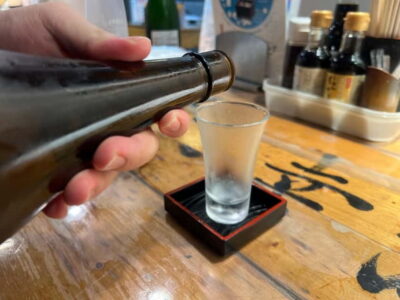 ★ 4.9Tokyo: Shinjuku Food Tour (13 Dishes and 4 Eateries)From $97
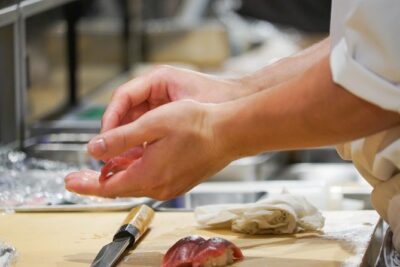 ★ 5.0Tokyo Night Foodie Tour in Shinjuku – Seasonal Sushi, Wagyu BeefFrom $111
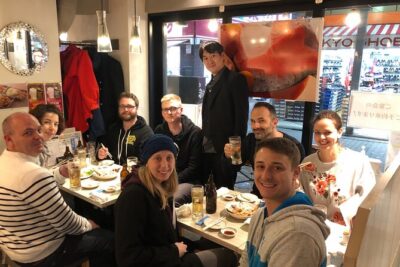 ★ 5.0Eat and Drink Like a Local: Tokyo Ueno Food Tour-Taverns&RamenFrom $95
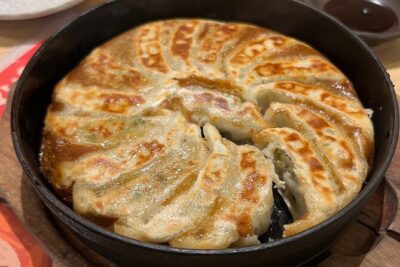 ★ 5.0Tokyo: Shibuya Food Tour (13 dishes and 4 Eateries)From $77
Tokyo: Shinjuku Food Tour – 15 Dishes, 3 Drinks, 4 EateriesFrom $723 hours
★ 5.0Tokyo: Shibuya Food Tour (13 dishes and 4 Eateries)From $77
Tokyo: Shinjuku Food Tour – 15 Dishes, 3 Drinks, 4 EateriesFrom $723 hours

![[1 Group Only] Tokyo Shibuya Food Tour for Family - Center-gai: food, conversation, and a local view](https://tokyoezine.com/wp-content/uploads/2026/08/1-group-only-tokyo-shibuya-food-tour-for-family.jpg)