Reviewed · SUSHI MAKING CLASSES
Tokyo Professional Sushi Chef Experience
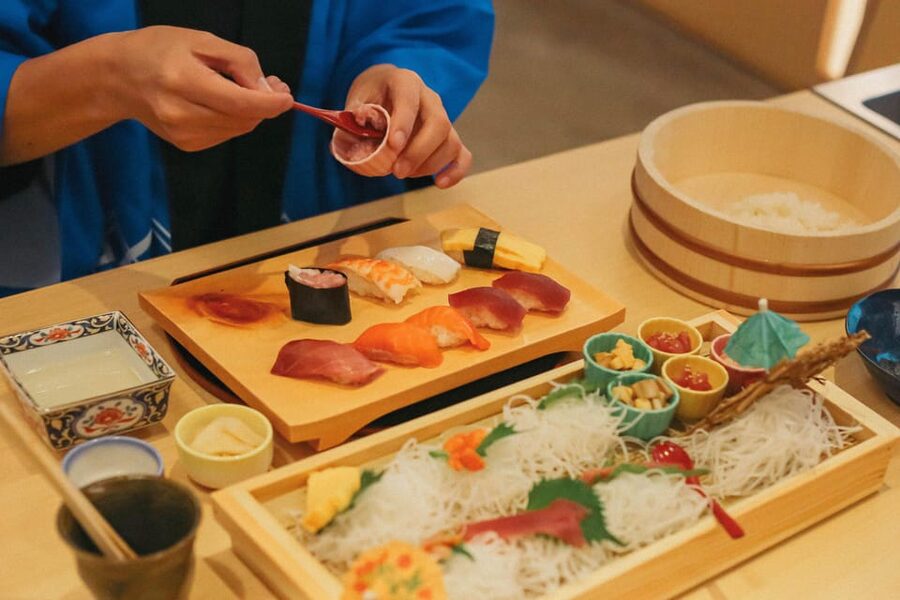
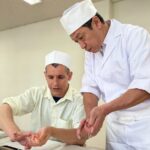
The most memorable part of this Tokyo class is the chance to work beside an itamae, a professional sushi chef with 30 years of experience, rather than simply watching a demonstration. You grate real wasabi, prepare sushi rice, handle premium nori, and shape pieces such as chutoro, akami, uni, and hirame in an actual restaurant setting.
In This Article
- Key points at a glance
- Starting with an Itamae in a Tokyo Restaurant
- Fresh Wasabi and the Secrets of Shari
- From Premium Nori to Hand-Rolled Sushi
- Watching Fish Preparation and Forming Nigiri
- A Two-Hour Meal with Wakame Udon
- Vegetarian and Allergy-Friendly Choices
- Is $161 Worth Two Hours?
- Timing, Group Size, and Cancellation
- Who Should Book This Sushi Class?
- Should You Book the Tokyo Professional Sushi Chef Experience?
- FAQ
- How long does the sushi chef experience last?
- How many people can join the class?
- Is the experience taught in English?
- What age group can take part?
- Are vegetarian and allergy-friendly options available?
- What is included in the price?
I like two things right away: the small group of up to eight keeps the lesson personal, and the menu gives you a proper look at sushi beyond the familiar California roll. The fresh wasabi, kuruma-ebi, negitoro, and special wakame udon make this feel like a food lesson, not just a quick tourist activity.
The main consideration is the price, $161 per person for two hours. That is a serious spend for a short class, and the exact meeting point and drink arrangements can vary by booking option, so check those details before paying.
Key points at a glance
- Grate fresh wasabi: Taste the clean, sharp flavor of real wasabi before it reaches your plate.
- Learn proper shari: Prepare seasoned sushi rice and see why rice is as important as the fish.
- Handle premium ingredients: Make sushi with uni, chutoro, akami, hirame, kuruma-ebi, and negitoro.
- Work in a real restaurant: The setting gives the lesson a stronger connection to Tokyo’s sushi culture.
- Keep the group small: No more than eight people take part, with English instruction and interpretation support.
- Plan for the age limit: The class is for elementary school students and older, but children under 10 are not accepted.
Starting with an Itamae in a Tokyo Restaurant
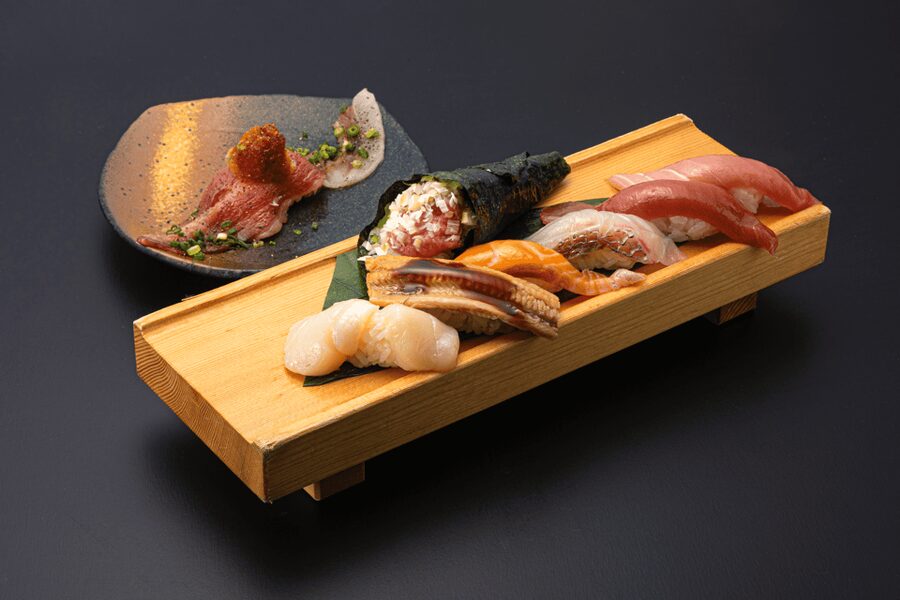
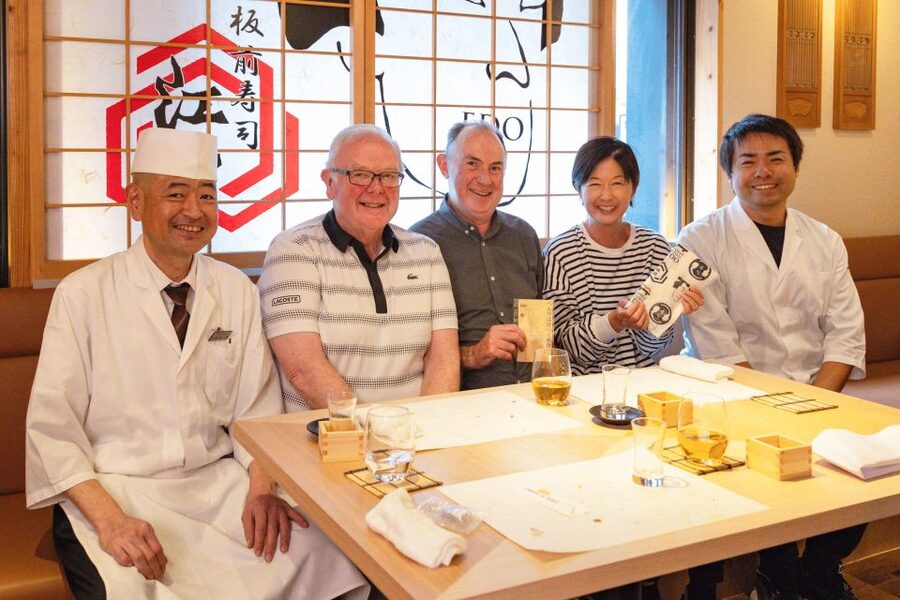
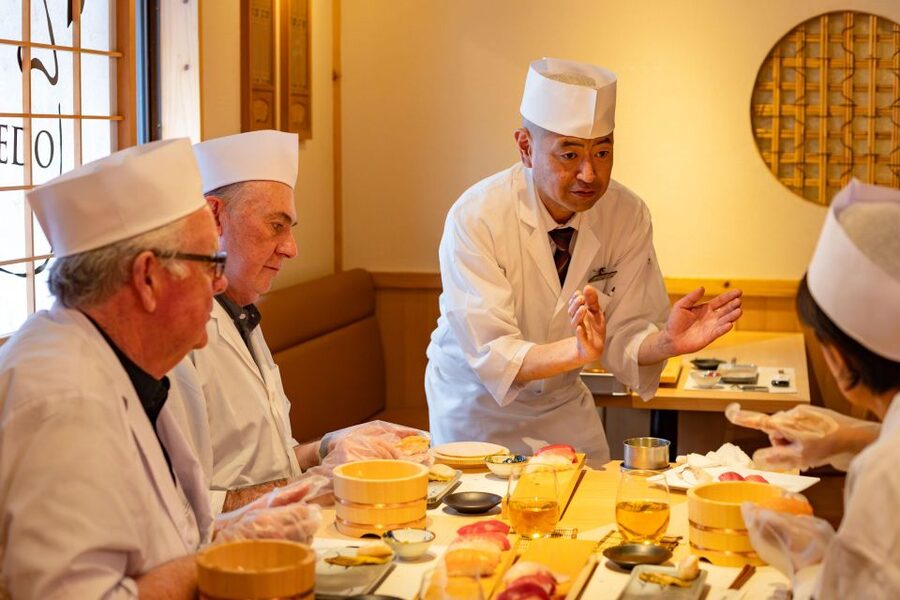
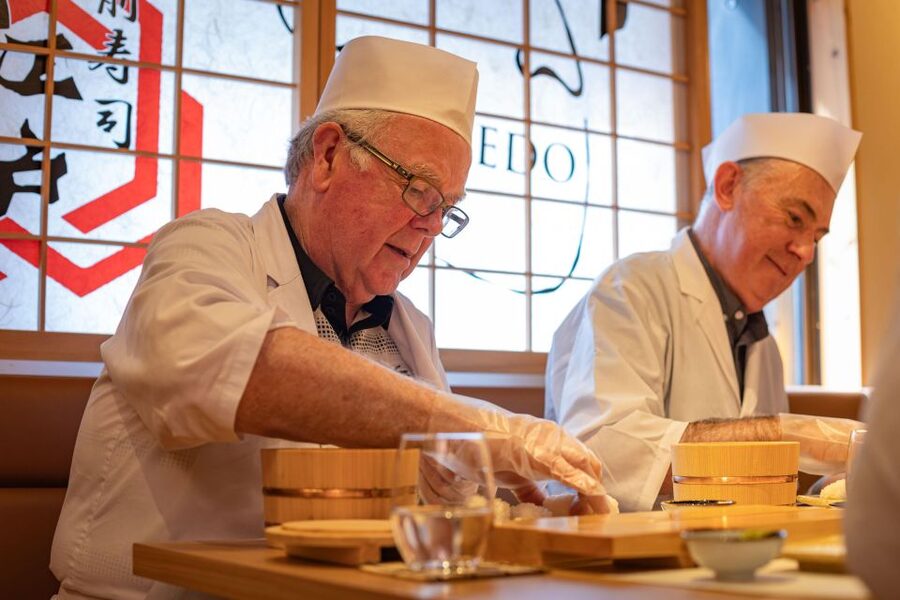
This experience begins with instruction from a professional sushi chef known as an itamae. The chef has three decades of experience, which matters because sushi depends on small movements that are hard to learn from a recipe alone.
You can expect demonstrations followed by hands-on practice. The supplied details do not give a fixed minute-by-minute schedule, but the lesson covers rice, wasabi, fish preparation, nigiri, and hand-rolled sushi within two hours.
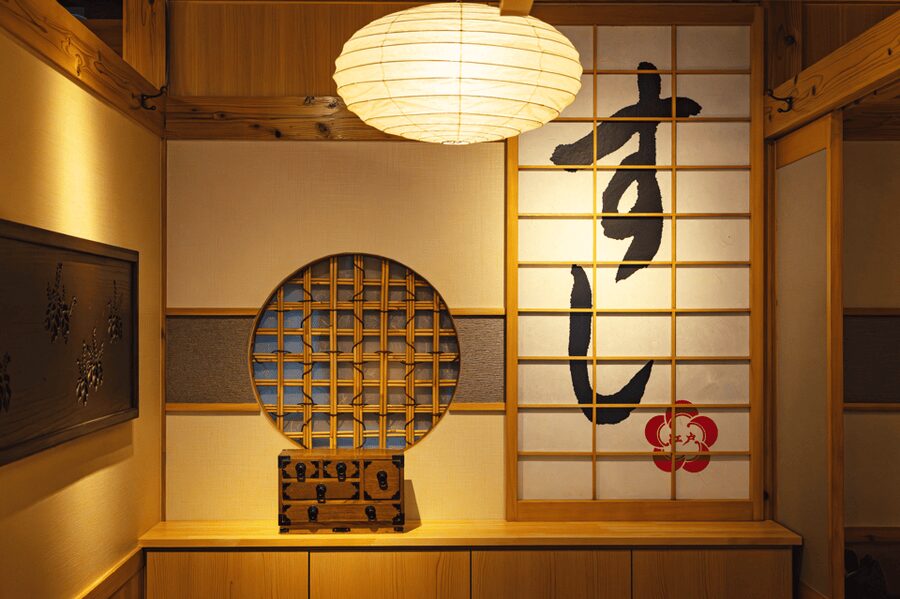
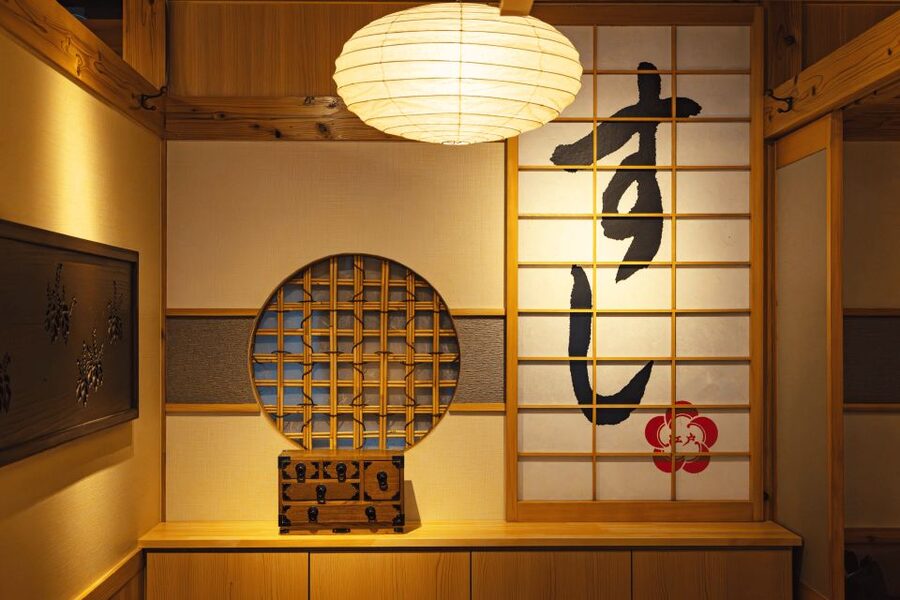
The restaurant setting adds useful context. You are not practicing in an anonymous conference room with generic equipment. You are learning in the kind of working environment where sushi is prepared and served, which helps you see how the tools, ingredients, and movements fit together.
English is the teaching language, with interpretation support. That makes the class easier to follow, especially when the chef explains details such as rice texture, knife handling, or how much pressure to use when forming nigiri.
The class has received a perfect five-star rating from 17 reviews, with praise focused on the warm staff, clear explanations, cleanliness, and organization. One participant specifically appreciated learning small details from tying the chef’s apron through slicing fish and forming nigiri. That is a good sign for beginners who want patient instruction rather than a fast demonstration.
A few more Tokyo tours and experiences worth a look

Fresh Wasabi and the Secrets of Shari
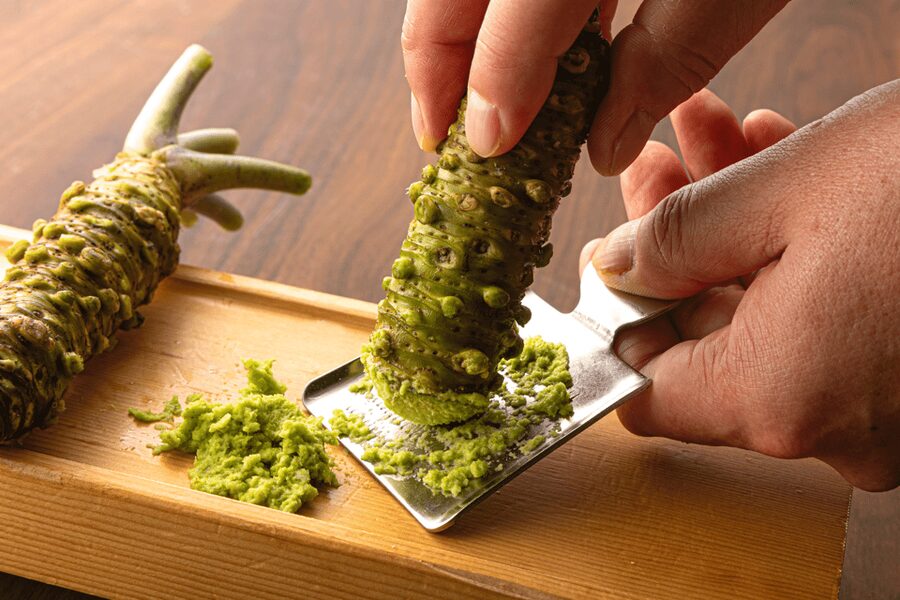
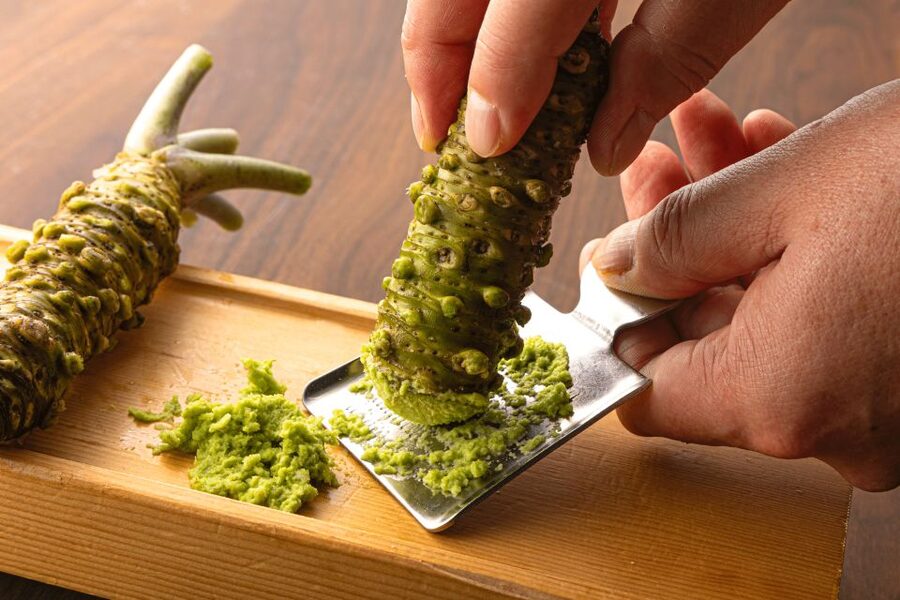
The wasabi portion is one of the most unusual parts of the class. You grate real wasabi yourself, then taste it fresh. This gives you a useful comparison with the stronger, more uniform paste often served outside Japan.
Fresh wasabi has a cleaner flavor and a different sort of heat. It is not simply about making your sushi hotter. The exercise shows how an ingredient can change when it is grated and served at the right time.
The class also covers shari, the seasoned rice used for sushi. Beginners often focus on the fish, but a sushi chef will tell you that rice controls the balance of the whole piece. Its temperature, seasoning, firmness, and shape all affect how the fish tastes.
You will prepare sushi rice and learn the basic principles behind good shari. The information provided does not specify the exact recipe or seasoning ratio, so you should not expect a full professional formula to take home. You will, however, leave with a better sense of why sushi rice is handled carefully and why it should not be packed into a hard lump.
This part makes the class useful beyond the two-hour session. If you later try sushi at home, getting the rice right will help more than buying a large selection of expensive fish.
From Premium Nori to Hand-Rolled Sushi
Next comes hand-rolled sushi using premium nori. This is a practical skill, and it is also forgiving for first-time cooks. A hand roll does not require the same precise shape as classic nigiri, so you can focus on ingredient balance and technique without worrying about producing a perfect restaurant piece immediately.
The lesson includes the preparation and tasting of several types of sushi. You may work with:
- Uni
- Negitoro
- Hirame
- Kuruma-ebi
- Chutoro
- Akami
Each ingredient brings a different texture and flavor. Uni gives you a chance to try sea urchin in the setting where it is meant to be appreciated. Negitoro combines minced tuna with green onion, while hirame is a delicate flatfish. Kuruma-ebi is Japanese tiger prawn, and chutoro offers a fattier tuna experience than akami, the leaner red portion.
The class does not just hand you a finished plate. You get to prepare and taste the ingredients as part of the lesson. That makes the experience more useful for anyone who wants to understand why sushi menus use different cuts and names.
The menu is also a good reason to choose this class over a basic roll-making workshop. You are introduced to ingredients that many first-time sushi makers might not buy for home use. The tradeoff is that a short class cannot turn you into a sushi professional. Expect a strong introduction, not mastery of every knife cut and restaurant technique.
Watching Fish Preparation and Forming Nigiri
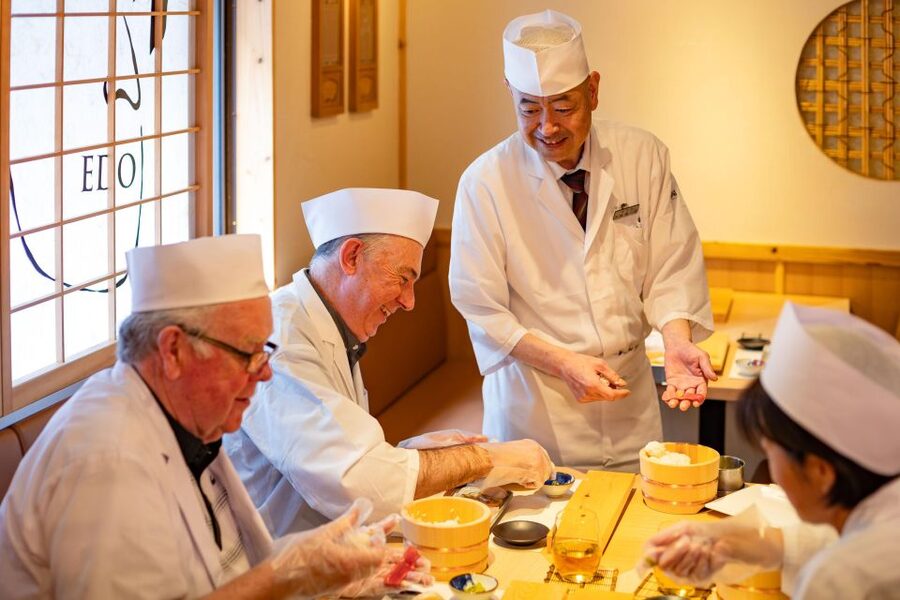
Professional demonstrations are built into the experience. The chef shows fish preparation and sushi techniques before you try parts of the process yourself.
This is where the chef’s experience becomes most valuable. Sushi preparation can look simple because the finished pieces are small and clean. In practice, the work depends on timing, pressure, and careful handling. A demonstration lets you see the movements before you attempt them.
One detailed account of the class praised the chance to slice fish and form nigiri, as well as the patient way the chef and team explained each step. That combination is important. A class can have excellent ingredients and still disappoint if the instructor rushes through the techniques.
You should also expect some hands-on work with tools and equipment supplied by the program. Tuition, food, tools, equipment, and other necessary items are included, so you do not need to arrive with specialist gear.
The course is best suited to curious beginners and home cooks. If you already make sushi regularly, you may find the introductory portions familiar, but the restaurant setting, premium ingredients, and professional demonstrations can still add value.
A Two-Hour Meal with Wakame Udon
The sushi is not the only food served. You also enjoy a special wakame udon, which gives the meal a warm, savory finish and adds variety to a menu centered on chilled or room-temperature sushi.
That extra bowl matters for two reasons. First, it makes the two-hour session feel more like a complete food experience. Second, it gives you another example of Japanese cooking built around texture and restraint, rather than piling on heavy sauces.
Drink arrangements need a careful look. The experience details mention a complimentary drink with choices such as beer, sake, cola, or green tea, but the inclusion notes also say beverages may be available separately from a drink menu. Since the meeting point and inclusions can vary by option, confirm what your selected booking includes before you go.
If your choice is included, beer or sake can make the meal feel festive, while green tea is the safer choice for families and anyone heading to another activity afterward. The class is short enough to fit into a busy Tokyo day, but allow time for the meal and instruction rather than treating it as a quick snack stop.





Vegetarian and Allergy-Friendly Choices
The class offers vegetarian and allergy-friendly options, which broadens its appeal. You should still communicate your needs when booking or as early as possible, since the exact replacement ingredients are not specified.
This is especially important in a sushi restaurant, where fish, shellfish, soy, seaweed, rice seasoning, and other ingredients may be handled in the same kitchen. The experience states that accommodations are available, but it does not list every possible allergy or guarantee a particular menu substitution.
For vegetarian participants, the class can still provide the central skills: preparing shari, grating wasabi, working with nori, forming hand rolls, and learning sushi presentation. Ask in advance what the vegetarian version includes so you know how closely it follows the standard menu.
Strong fragrances are not allowed, and smoking indoors is prohibited. That is a small but sensible rule in a compact food setting, where perfume or smoke can interfere with the chef’s work and the taste of delicate ingredients.
Is $161 Worth Two Hours?
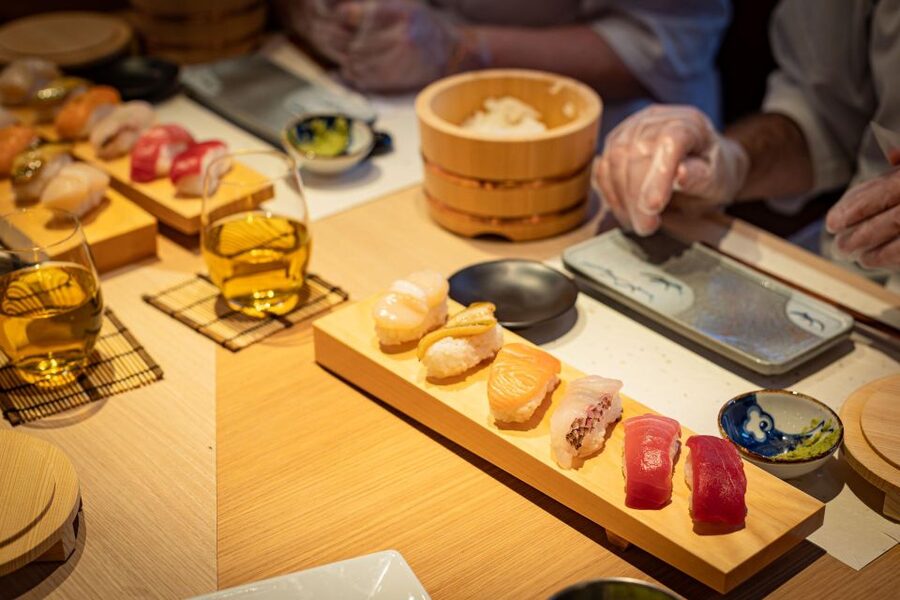
At $161 per person, this is not a budget cooking class. The price makes the most sense if you place a high value on instruction from an experienced chef, premium sushi ingredients, and the chance to work in a real Tokyo restaurant.
The cost includes tuition, food, tools, equipment, and the items needed for the activity. You are paying for more than a meal, but less than a full-day culinary course. The value depends on what you want from your Tokyo visit.
I would consider it worthwhile for a serious food lover who wants to understand sushi from the inside. It is also a good choice for someone who has already eaten plenty of sushi in Japan and wants a practical activity rather than another restaurant reservation.
For a family on a tight budget, the price may be harder to justify. The experience is limited to two hours, and the minimum group size is two participants. Children under 10 cannot join, even though the activity is available to elementary school students and up according to the supplied information. That age wording should be checked carefully when booking for younger children.
The small group improves the value. With a maximum of eight participants, you have a better chance to see the demonstrations and receive corrections than in a large workshop. The reviews also point to a clean, comfortable, well-organized setting, which supports the higher price.
Timing, Group Size, and Cancellation
The class lasts two hours, with starting times based on availability. Since the meeting point may vary by the option you choose, do not rely on a general map pin alone. Check the booking confirmation for the exact location and arrive ready to begin on time.
A group of up to eight is small enough for a personal lesson without making the experience feel like a private class. The minimum is two participants, so solo visitors should confirm availability before booking.
Cancellation is flexible compared with many food activities. You can cancel up to three days in advance for a full refund. After that point, the supplied information does not state the refund terms, so keep the cutoff in mind when arranging a Tokyo itinerary.
The class is taught in English, with interpretation support. That is helpful for detailed instruction, though the chef’s exact teaching approach may vary by session. The strongest fit is someone comfortable learning by watching, listening, and trying the technique right away.
Who Should Book This Sushi Class?
I would recommend this experience to:
- First-time sushi makers who want patient guidance
- Food lovers curious about premium Japanese ingredients
- Families with children aged 10 and older
- Couples looking for a shared activity in Tokyo
- Home cooks who want better rice and hand-roll technique
- Visitors who prefer a small group over a large food tour
I would be more cautious if you want a long culinary program or an inexpensive meal. Two hours gives you a useful introduction, but not enough time to cover every sushi style, fish cut, or restaurant skill.
You should also think about your menu preferences. The standard experience includes fish and seafood such as uni, tuna, flatfish, and prawn. Vegetarian and allergy-friendly options are offered, but ask what those versions contain before booking.
Should You Book the Tokyo Professional Sushi Chef Experience?
Book it if you want hands-on sushi instruction, a real restaurant setting, and the chance to taste ingredients such as fresh wasabi, uni, chutoro, and kuruma-ebi. The patient teaching, clean setting, small group, and broad menu make it more substantial than a simple roll-making class.
Skip it if $161 feels high for a two-hour activity or if you are looking mainly for a full meal. Before booking, confirm the meeting point, drink inclusion, age suitability, and food accommodations for your group.
For the right person, this is a practical Tokyo memory with value after the holiday ends. You do not just eat sushi and move on. You learn enough about rice, wasabi, nori, fish, and nigiri to make your next sushi order, and perhaps your next home meal, a little more thoughtful.
FAQ
How long does the sushi chef experience last?
The experience lasts two hours.
How many people can join the class?
The group is limited to eight participants. At least two participants are required.
Is the experience taught in English?
Yes. English instruction is available, along with interpretation support.
What age group can take part?
The activity is available for elementary school students and older, but children under 10 are not suitable for the experience.
Are vegetarian and allergy-friendly options available?
Yes. Vegetarian and allergy-friendly options are available. You should confirm the suitable menu when booking, since the exact replacement ingredients are not specified.
What is included in the price?
Tuition, food, tools, equipment, and other items needed for the experience are included. Drink arrangements can vary by booking option, so check the details for your selected session.
More Sushi Making Classes in Tokyo

More tours in Tokyo we've reviewed












Sushi Making Classes, compared.
 ★ 5.0Sushi Making Tokyo Roll and Authentic Japanese Sushi ClassFrom $59
 ★ 4.9Tokyo: Roll and Authentic Sushi Making Class in AsakusaFrom $581h 40m
 ★ 4.9Tokyo: Sushi Making Class in a Happi Coat near a Famous SpotFrom $421h 30m
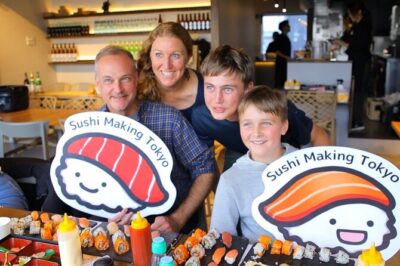 ★ 5.0Sushi Making Tokyo! Popular Maki Sushi & Japanese Sushi(+Recipe!)From $63
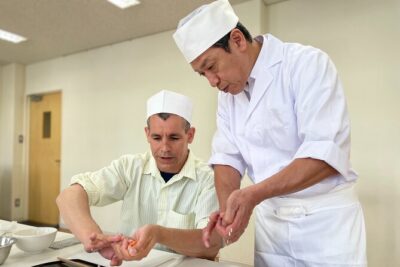 ★ 5.0Tokyo Sushi Making Class in Tsukiji with Professional ChefFrom $49
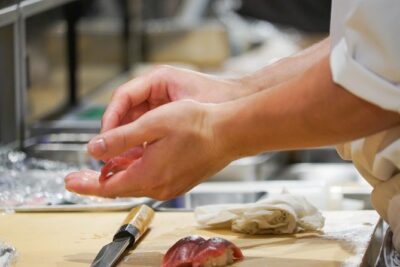 ★ 5.0Tokyo Night Foodie Tour in Shinjuku – Seasonal Sushi, Wagyu BeefFrom $111