Reviewed · UENO & YANAKA WALKS
Discover the Art of Ikebana in Tokyo’s Historic Yanaka District
The best part of this Tokyo activity is that you do not simply sit in a classroom and copy a flower arrangement. You choose seasonal flowers at a neighborhood shop, then shape them into your own ikebana piece with help from a master and an English-speaking assistant. The local flower shop visit gives the lesson a real connection to Yanaka life.
In This Article
- Key points to know before booking
- Why ikebana works so well in Yanaka
- Choosing flowers at a Yanaka shop
- Learning from the ikebana master
- Yanaka Ginza and Yuyake Dandan
- Yanaka Cemetery and Nezu Shrine
- A private class with a personal feel
- What the $108.99 price really covers
- Who will enjoy this most
- Timing, weather, and cancellation details
- Should you book the Yanaka ikebana workshop?
- FAQ
- How long does the ikebana experience last?
- Where does the activity begin?
- Is the ikebana class private?
- Is an English-speaking instructor included?
- How much cash should I bring for flowers?
- Can I cancel for a full refund?
I like the small private format, which lets the instructor protect your creativity instead of forcing every arrangement into one mold. I also like the setting: Yanaka Ginza, Yuyake Dandan, Nezu Shrine, and Yanaka Cemetery give you a feel for an older, slower side of Tokyo. The main drawback is the short schedule. At about 90 minutes, this is a focused introduction, not a full-day cultural tour, and you must bring extra cash for flowers.
Key points to know before booking

- You choose the flowers yourself: Bring about ¥1,000 to ¥2,000 in cash for fresh flowers at a local Yanaka shop.
- The class is private: Only your own group participates, so the lesson can feel calm and personal.
- English support is included: An English-speaking assistant helps you follow the master’s instruction and ask questions.
- Yanaka is part of the experience: The route includes Yanaka Ginza, Yanaka Cemetery, Nezu Shrine, and Yuyake Dandan.
- You make an arrangement to take pride in: The teaching leaves room for personal expression rather than demanding perfect imitation.
- The price is $108.99 per person: That includes the workshop and language help, but not your flowers.
Why ikebana works so well in Yanaka

Ikebana is more than putting flowers in a vase. The art pays attention to line, space, balance, season, and the character of each stem. A crooked branch can be useful. An open gap can matter as much as a blossom. The goal is not a crowded bouquet, but an arrangement with shape and feeling.
That idea fits Yanaka. This district has a more traditional character than many parts of central Tokyo, with narrow streets, small shops, temples, and a neighborhood rhythm that feels less hurried. The workshop uses that setting well. You are not only learning a Japanese art form. You are buying flowers from a local shop and meeting people connected with ordinary life in the area.
The experience is offered by the YANESEN Tourist Information & Culture Center, which meets you at 3-chōme-13-7 Yanaka. YANESEN refers to the Yanaka, Nezu, and Sendagi area, a part of Tokyo known for its old-fashioned streets and local culture. The meeting point gives you a practical place to begin, and the activity returns there at the end.
A few more Tokyo tours and experiences worth a look

Choosing flowers at a Yanaka shop
Your flower purchase is a small but important part of the activity. The shop visit means you are not working from a fixed kit prepared in advance. You select seasonal flowers, with guidance available if you need it, then bring them to the lesson for your final presentation.
Plan on carrying ¥1,000 to ¥2,000 in cash. The basic information asks for about ¥1,000, while the additional details suggest bringing up to ¥2,000. I would carry the higher amount so you can choose freely and avoid hunting for an ATM at the wrong moment.
This stop also gives the class a human touch. The flower-shop owner may help with the selection, and the activity encourages interaction with local residents and shopkeepers. You might learn why one branch catches the eye or see how seasonal choices shape an arrangement.
There is a practical advantage here. You do not need to know much about flowers before you arrive. The choice is part of the lesson. You can ask for help, make a personal selection, and then see how the master turns those raw materials into a balanced design.
Learning from the ikebana master
The workshop is led by a professional ikebana instructor, with an English-speaking assistant included. The teaching style allows you to learn the basic principles without losing the freedom to make something personal.
You can expect guidance on how to place the flowers, how to use height and angle, and how to leave space within the arrangement. The exact school or formal ikebana tradition is not specified, so you should not book this expecting a detailed survey of every ikebana style. Think of it as a hands-on introduction with a finished piece at the end.
The language support is a major benefit. Ikebana instruction often depends on subtle ideas such as balance, restraint, and the way a stem suggests movement. An assistant who can explain those ideas in English helps keep the session from becoming a silent demonstration.
The atmosphere is another strength. The class takes place in an intimate teaching space above a cafe, according to the details provided for the activity. That setting can make the experience feel more like a visit to a local home or studio than a large commercial class. One practical note: a past participant found it useful to leave extra time before the next scheduled activity. Even a 90-minute class can run longer if you are talking, selecting flowers, or finishing your arrangement.
The instruction also seems friendly rather than rigid. You are taught the basics, but the instructor does not stop you from making choices. That matters for beginners. A class that corrects every small detail can make ikebana feel like a test. Here, you have room to create.
Yanaka Ginza and Yuyake Dandan

Yanaka Ginza Shopping Street is one of the most useful stops for understanding the neighborhood. It is a local shopping street rather than a grand Tokyo attraction, so the appeal comes from its everyday character. You might see small food shops, household businesses, and residents going about their routines.
This is a good place to arrive early or remain after the workshop, since the area is pleasant for a walk and lunch. The activity itself is short, so Yanaka Ginza gives you a reason to spend more time in the district before or after your class.
Yuyake Dandan is the stairway near Yanaka Ginza. Its name refers to the evening glow, and the steps are associated with views toward the local street scene. The stop is simple, but it gives you a compact Tokyo moment: a slope, neighborhood shops, and people moving through a space that feels far removed from the towers of Shinjuku or the crowds around Shibuya.
Do not expect a major sightseeing presentation at either stop. These places work as part of the neighborhood setting, not as formal museum visits. Their value is in helping you notice the scale and texture of Yanaka before you sit down with the flowers.
Yanaka Cemetery and Nezu Shrine

Yanaka Cemetery adds a quieter note to the route. It is a historic cemetery within a district known for temples and older streets. The stop can help you understand why Yanaka feels different from newer parts of Tokyo, but you should treat it as a respectful neighborhood visit rather than a photo stop.
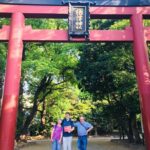
Nezu Shrine gives the walk a more recognizable religious landmark. Its traditional architecture and shrine grounds add cultural context to the ikebana lesson. Japanese flower arrangement developed alongside long-standing artistic and spiritual traditions, so visiting a shrine before or around the workshop can make the class feel connected to a wider part of Japanese culture.
The available details do not promise a formal guided tour inside each location. That is worth knowing. The main teaching happens in the ikebana workshop, while the four locations create a setting and orientation around it. If you want a detailed historical tour of Yanaka Cemetery or Nezu Shrine, you would need to arrange additional sightseeing on your own.
Other historical tours in Tokyo


A private class with a personal feel

The activity is private, meaning only your own group participates. That is one of its strongest features. You can ask basic questions without worrying about holding up a large class, and the instructor can respond to the style of arrangement you are making.
This format also suits families and couples. A parent and teenager can work side by side, and a couple can share a quiet activity that does not revolve around eating or shopping. It may also appeal to solo visitors who want direct instruction and a chance to talk with local people.
The class is not necessarily a fully isolated one-person lesson. The neighborhood element means you may interact with the flower-shop owner, local residents, or other people connected with the center. That is a plus if you want cultural contact, but less ideal if you prefer a completely private, silent art session.
The warmth of the staff is repeatedly emphasized in the supplied feedback. The teachers are described as kind, engaging, charming, and easy to spend time with. The English translation is also praised for being clear. One participant left feeling ready to try ikebana at home, which tells you the class aims to give you more than a pleasant hour. It tries to provide enough understanding to continue the practice.
What the $108.99 price really covers

At $108.99 per person, this is not a bargain activity in the usual Tokyo sense. You also pay for flowers, with about ¥1,000 to ¥2,000 recommended in cash. The value comes from the private format, the professional instruction, the English-speaking assistant, the local shop visit, and the connection to Yanaka.
If you compare it with a large group demonstration, the price may feel high. A demonstration can be cheaper, but it usually gives you less time to ask questions and less control over the finished arrangement. Here, you take part from the flower selection through the final presentation.
The value is better for people who care about personal attention and local contact. It is also a useful choice if you have already seen Tokyo’s major sights and want an activity with a slower pace. Group discounts may be available, so the cost can make more sense for families or friends booking together.
The average booking lead time is 41 days. That suggests you should not leave this until the last moment, especially if your Tokyo dates are fixed. Confirmation is provided at booking, and the mobile ticket makes the meeting details easier to keep on your phone.
Who will enjoy this most

I would recommend this class to you if you like making things with your hands, want a gentle introduction to Japanese culture, or prefer meeting local people to ticking off major attractions. It works especially well for couples, families with older children, and small groups of friends.
It also suits people who want a meaningful souvenir. You create the arrangement yourself, and the lesson can leave you with ideas to try at home. The finished flowers are more personal than a shop-bought gift, even if the design is not technically perfect.
You may want to skip it if you need a packed sightseeing schedule. The class has a calm pace, and the neighborhood stops are best appreciated without rushing. It is also not ideal for someone who wants a formal, advanced ikebana course. The information supports a beginner-friendly introduction, not a certification lesson or a deep study of one school.
Most people can participate, and the activity is near public transportation. Service animals are allowed. Specific details about wheelchair access or step-free movement are not provided, so ask the operator before booking if you have mobility concerns.
Timing, weather, and cancellation details
The listed duration is about one hour and 30 minutes, and the activity ends back at the meeting point. Since you may be walking among the neighborhood stops and choosing flowers before the class, I would avoid scheduling a tight connection immediately afterward.
Free cancellation is available up to 24 hours before the start time for a full refund. Changes or cancellations made less than 24 hours before the start are not accepted for a refund. The cut-off follows Tokyo local time.
The activity requires suitable weather and a minimum number of participants. If poor weather or an insufficient number of bookings causes cancellation, you are offered another date or experience, or a full refund.
Should you book the Yanaka ikebana workshop?
Book it if you want a small, hands-on cultural activity with real neighborhood contact. The combination of choosing flowers locally, learning from a master, and working with an English-speaking assistant gives the class more depth than a quick craft demonstration.
I would be especially happy to recommend it for a first visit to Yanaka, or for a return visit to Tokyo when you want a quieter change from temples, towers, and crowded shopping districts. Carry enough cash for flowers, leave breathing room in your schedule, and plan to walk around Yanaka Ginza before or after.
Skip it if the $108.99 price feels high for a 90-minute activity, or if you want a long guided tour of the four neighborhood sights. For the right person, though, the price buys personal attention, local interaction, and a flower arrangement tied to a particular Tokyo neighborhood. That is a worthwhile trade for a slower afternoon.
FAQ
How long does the ikebana experience last?
The activity lasts approximately one hour and 30 minutes and ends back at the meeting point.
Where does the activity begin?
It begins at the YANESEN Tourist Information & Culture Center, 3-chōme-13-7 Yanaka, Taito City, Tokyo 110-0001, Japan.
Is the ikebana class private?
Yes. Only your own group participates in this private activity.
Is an English-speaking instructor included?
An English-speaking assistant is included to help you communicate with the ikebana master and follow the lesson.
How much cash should I bring for flowers?
Bring approximately ¥1,000 to ¥2,000 in cash to buy fresh flowers for your final arrangement. The flowers are not included in the tour price.
Can I cancel for a full refund?
You can cancel at least 24 hours before the local start time for a full refund. Cancellations or changes made less than 24 hours before the start are not accepted for a refund.
More Historical Tours in Tokyo
More Ueno & Yanaka Walks in Tokyo
More tours in Tokyo we've reviewed












Ueno & Yanaka Walks, compared.
 ★ 5.0Eat and Drink Like a Local: Tokyo Ueno Food Tour-Taverns&RamenFrom $95
 ★ 4.5The Old Quarter of Tokyo – Yanaka Walking TourFrom $40
 ★ 5.0Yanaka Walking Tour: Historic and Traditional District of TokyoFrom $72
 ★ 4.8Tokyo: Old Quarter Yanaka Walking TourFrom $323 hours
 ★ 5.0Tokyo: Food Tour in Ueno with 10+ Tastings of Japanese ClassicsFrom $142
 ★ 4.9Tokyo:Stroll in Old traditional culture towns~Yanaka & NezuFrom $293h 30m