Reviewed · TSUKIJI MARKET TOURS
Tokyo Tsukiji Market Food and Culture Walking Tour
Tsukiji is at its best when you treat it as more than a place to grab sushi. This short walk links the Indian-inspired Tsukiji Hongwanji Temple with seafood stalls, produce counters, and the working food culture of Tokyo. You get a quick look at how tradition and daily commerce share the same narrow streets.
In This Article
- Key Points to Know Before You Book
- Why Tsukiji Still Matters After the Wholesale Move
- Starting at Tsukiji Station
- Tsukiji Hongwanji Temple: Ten Minutes of Calm
- Tsukiji Outer Market: The Main Food Walk
- Nippon Fish Port Market: Seafood After Toyosu
- What the Guide Adds to the Experience
- Is $14.30 a Good Deal?
- Who Will Enjoy This Tsukiji Walk
- Should You Book the Tsukiji Food and Culture Walk?
- FAQ
- How long does the Tokyo Tsukiji Market Food and Culture Walking Tour last?
- Where does the tour start?
- Where does the tour end?
- What places are visited?
- Is food included in the tour price?
- How many people can join the tour?
- Is the tour available by mobile ticket?
- What is the cancellation policy?
I like the small maximum of 10 people, which should make it easier to ask questions and keep up in crowded lanes. I also like the local angle: guide Yuji has been praised for clear English, useful restaurant advice, and explaining Tsukiji beyond the obvious photo stops.
The main point to check is food. The experience describes sushi and local tastings, but snacks are also listed as not included. At $14.30, the price is excellent for a guided walk, yet you should bring extra money if you want to eat your way through the market.
Key Points to Know Before You Book
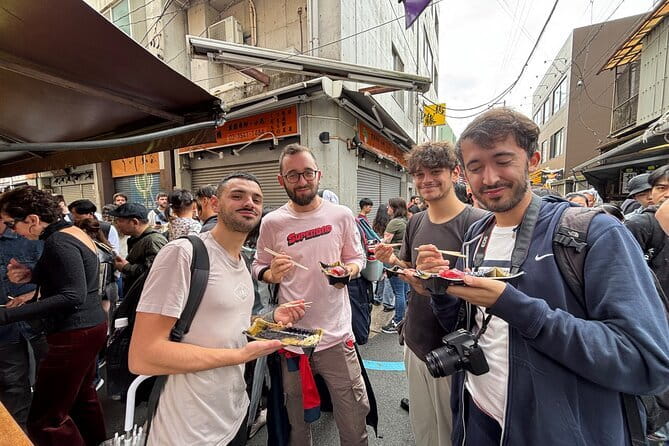
- A 90-minute introduction to Tsukiji: You visit three central stops without committing half a day to a market tour.
- Small group size: The tour accepts no more than 10 people, a useful limit in busy market lanes.
- Culture beyond seafood: The route includes Tsukiji Hongwanji Temple and its unusual architecture.
- Local food guidance: Guides point out places to eat and explain Japanese culinary customs.
- English-speaking help: Yuji has been praised for friendly service, clear English, and practical local recommendations.
- Low price, extra food budget: The $14.30 fee covers the guide, walking tour, photos, and market access, but snacks are not formally included.
Why Tsukiji Still Matters After the Wholesale Move
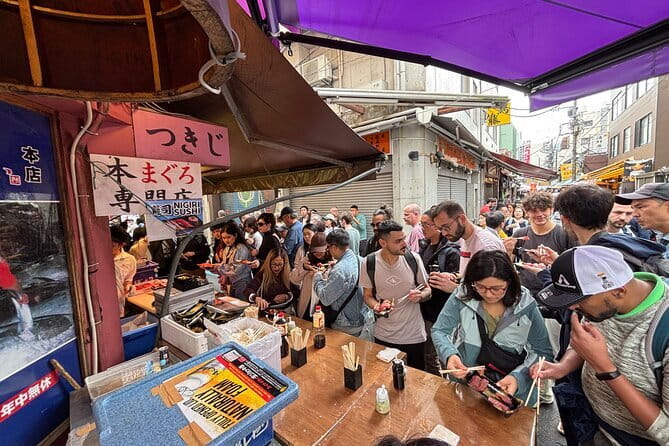
Many people know Tsukiji as Tokyo’s famous fish market, but the wholesale operation moved to Toyosu. That does not make Tsukiji irrelevant. The Outer Market remains a place where seafood shops, food counters, specialty stores, and long-running local businesses serve cooks, professionals, and curious visitors.
This tour helps you understand that change. You are not simply being led to one sushi counter and sent on your way. The route shows how the area continues to connect Japanese food traditions with everyday city life.
The market experience is close-up and practical. You might see seafood brought in from ports around Japan, watch vendors prepare products, and find stalls selling produce and specialty foods. The supplied route also refers to the excitement of fish auctions, but you should not assume that a full auction viewing is guaranteed during this 90-minute walk. Market activity changes with the day and the timing.
That matters because Tsukiji can be confusing on your own. There are plenty of signs, stalls, and tempting smells, but it is not always clear which places are meant for quick browsing, which serve meals, or which cater mainly to professional buyers. A guide gives you a better starting point and can steer you toward food that fits your interests.
A few more Tokyo tours and experiences worth a look


Starting at Tsukiji Station
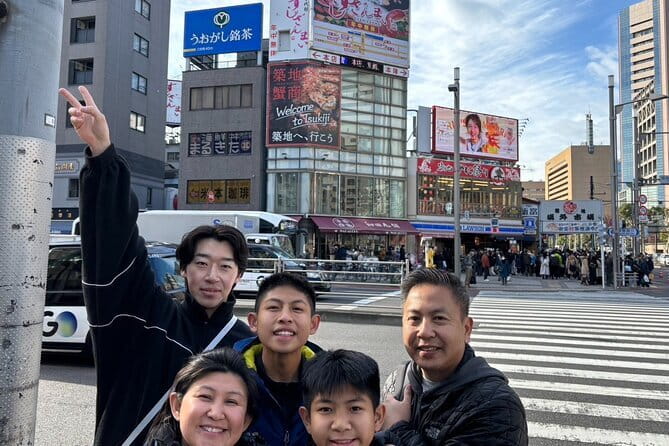
The meeting point is the Starbucks Coffee at Tsukiji Station, at 2-chome-12-8 Tsukiji in the Marumi Building. The tour ends back at the same place, which makes the outing easy to fit into a Tokyo morning or afternoon.
A fixed meeting point is useful here. Tsukiji’s streets can feel packed and confusing, especially if you are trying to find a guide while also watching bicycles, shoppers, and food deliveries. You receive confirmation when you book, so check the meeting details before leaving your hotel.
The walk lasts about an hour and a half. That is enough time for a clear introduction, but not enough for an unhurried meal, a cooking class, or a long visit at every stall. Think of it as a guided orientation with food culture at the center.
The group limit of 10 is another practical advantage. A guide can answer individual questions more easily than on a large coach-style outing. You should still expect to walk through busy areas at the market’s pace, with occasional stops rather than a relaxed seated tour.
Tsukiji Hongwanji Temple: Ten Minutes of Calm
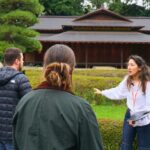
The first stop is Tsukiji Hongwanji Temple, only a short part of the walk but an important contrast to the market. Its exterior is notable for Indian-inspired design, which may surprise you if you expect a more familiar Japanese temple style.
The temple gives the tour a cultural opening. Before you start thinking only about sushi and seafood, you see how Tsukiji also connects to religious practice, architecture, and neighborhood life. The setting near the market makes the contrast especially clear: a place of quiet reflection sits close to one of Tokyo’s busiest food districts.
The scheduled visit lasts about 10 minutes, with free admission. That is a sensible amount of time for seeing the building and hearing its background, but it is not a full temple visit. If you want to attend a tea ceremony or try sutra copying, the temple offers those kinds of activities, yet they are not part of this walking tour.
I would treat this stop as context rather than the main event. It gives you a better sense of place and breaks up the food stops, but food-focused visitors should keep their expectations in check. You will not have time here for a long cultural workshop.
Tsukiji Outer Market: The Main Food Walk
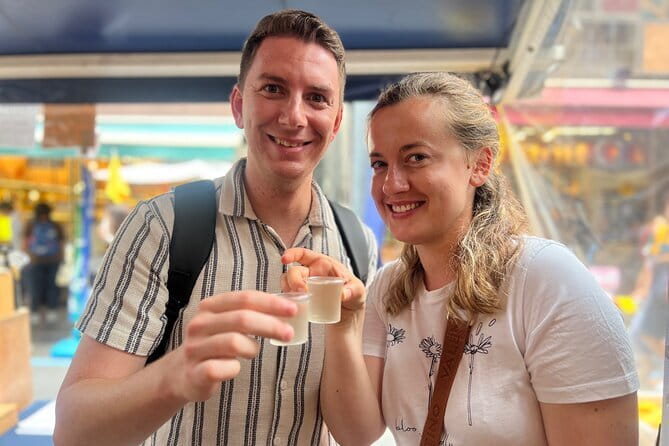
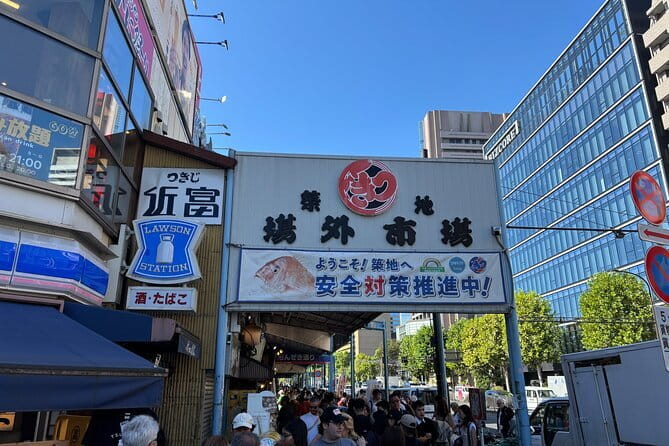
The Outer Market receives about 50 minutes, making it the heart of the tour. This is where you get the strongest sense of Tsukiji as a food district rather than a single attraction.
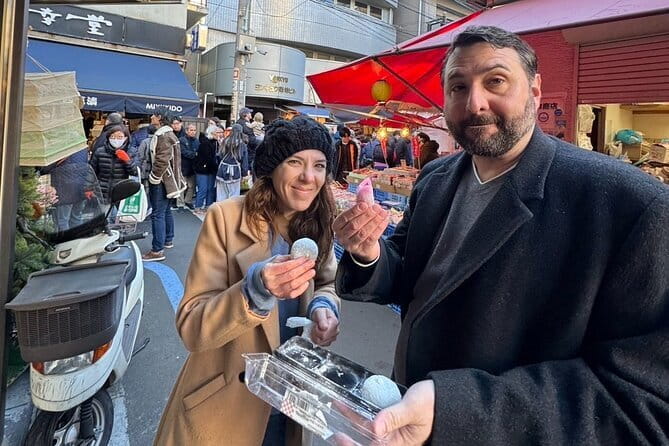
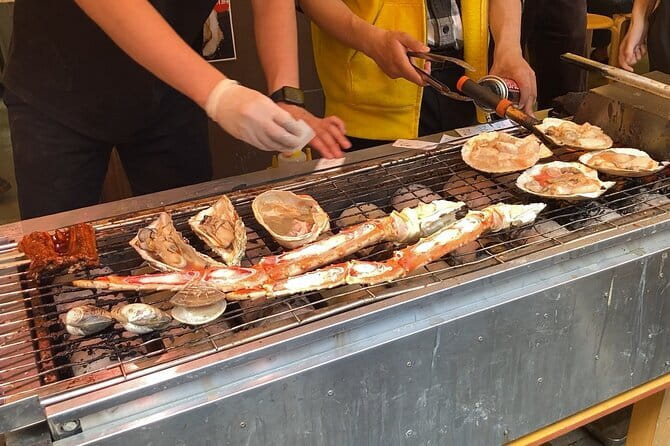
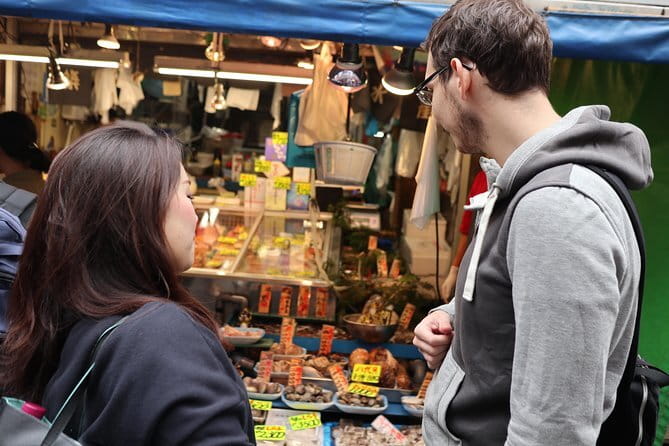
You can expect stalls filled with seafood, fresh produce, fruit, and Japanese specialty foods. The route describes a sushi breakfast using fresh ingredients, along with opportunities to sample local foods and unusual fruits. The exact food served can vary, so do not book this expecting a fixed tasting menu.
That flexibility is part of the appeal. A guide can respond to what catches your eye and explain foods that may be unfamiliar. You might learn how a particular ingredient is used, why a shop draws attention, or where to return later for a proper meal.
The food advice may be the most useful part of the tour. One of the strongest comments about the experience praised the guides for showing the best eating spots, while another singled out the sushi as the best eaten during that person’s trip so far. You should not assume every guest will receive the same dishes, but the route clearly aims to connect you with local flavors rather than offer only a sightseeing lecture.
There is one important money detail. The tour materials mention included tastings of sushi and other delicacies, while the formal inclusions say snacks are not included. I would ask the operator exactly what food, if any, is covered before booking. Bring some extra yen or a payment method for anything you choose to buy at the stalls.
The 50-minute limit also calls for realistic expectations. You will get a useful sample of the market, but you will not explore every lane. If you like to stop at each counter, compare prices, and eat a full breakfast, plan to return on your own after the walk.
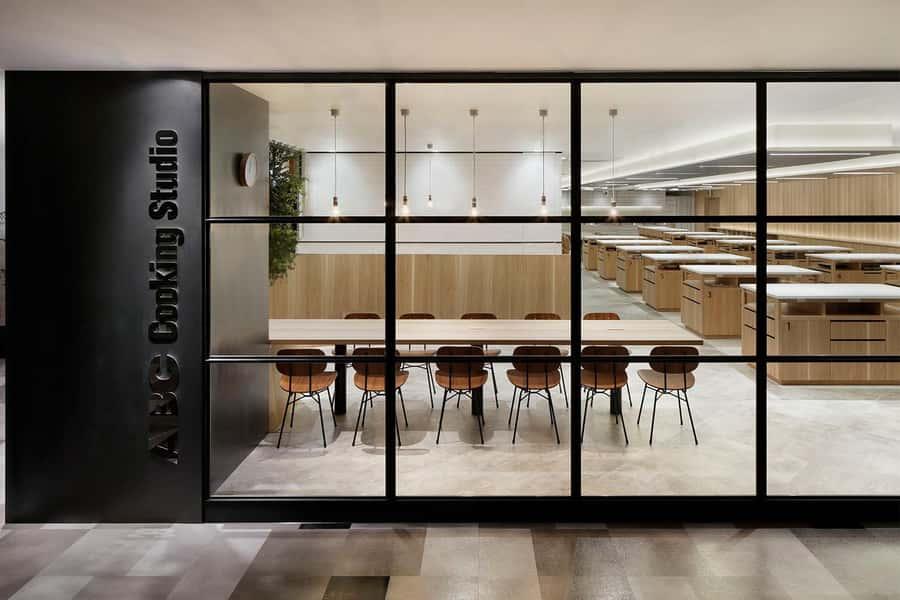
Cooking classes are associated with the Tsukiji area, but they are not part of this experience. The tour is a walking and tasting outing, not a hands-on lesson.
Nippon Fish Port Market: Seafood After Toyosu
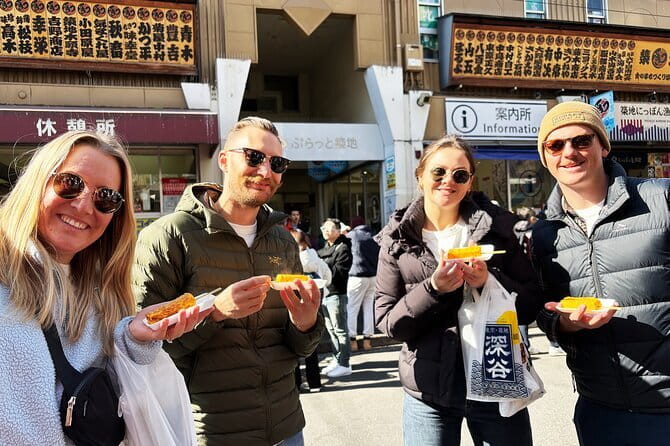
The final stop lasts about 30 minutes at Nippon Fish Port Market. This is where the tour explains the newer side of Tsukiji’s seafood story.
The market brings seafood from ports around Japan and remains open to the public. You can find fresh food stalls and eateries, and the setting shows how the area still serves people who care about ingredients, preparation, and regional seafood.
This stop is useful because it prevents an oversimplified view of Tsukiji. The district is not frozen in its famous past. It continues to adapt while keeping its connection to Japanese fishing ports and food traditions.
The route includes the possibility of seeing fish-market activity and learning about seafood culture. Again, the short visit does not guarantee a particular auction or a long look at wholesale operations. If your main goal is a major auction spectacle, you should confirm the day’s schedule and the operator’s exact plan.
For most people, the value is in the explanation. You see how the market links the harbors of Japan with Tokyo kitchens, restaurants, and shoppers. The guide can help you read the scene, rather than leaving you to guess what each counter does.
Other walking tours we've reviewed in Tokyo



What the Guide Adds to the Experience
A market tour succeeds or fails on the guide. Tsukiji is easy to walk through, but harder to understand without someone who can explain the food, point out good stops, and answer questions as you go.
Yuji received especially warm praise for being friendly, speaking English well, and offering recommendations from a local point of view. Another assessment described the guides as well informed and helpful with questions. That is exactly what you want here: not a formal speech, but useful information delivered while you are looking at real food and real businesses.
The guide also takes photos during the tour. This is a small inclusion, but it means you do not have to spend the entire walk holding your phone out. You can focus on the stalls, the architecture, and the people around you.
Because the group is capped at 10, the guide should have a better chance to respond to personal interests. Ask about sushi, seafood, produce, local customs, or places to eat later. If you want the most from the walk, arrive with a few questions rather than treating it as a passive introduction.
The quality may vary depending on who leads your departure. Yuji is the named guide praised in the available feedback, but the experience may also use other guides. The provider is Tokyo Asakusa guide Tour, so check the booking confirmation for the guide and meeting instructions.
Is $14.30 a Good Deal?
At $14.30 per person, this is priced as an affordable introduction rather than a full food tour. The fee includes the guide, walking route, photos, fish-market entry, and access to Hongwanji Temple. Those inclusions make the price attractive, especially if you want orientation before exploring Tsukiji independently.
The value comes from saved time and better choices. You can wander through Tsukiji for free, but you may not know which stalls deserve attention or how the market fits into Tokyo’s food system. A good guide can help you avoid random stops and give you ideas for returning later.
The price is less impressive if you expect a full breakfast, generous tastings, or a long market visit to be included. The formal information excludes snacks, and the entire experience lasts only 90 minutes. Budget extra for food and think of this as a compact guided walk.
The tour is also booked about 76 days ahead on average. That suggests you should reserve early if your Tokyo dates are fixed, especially if you want a particular morning. Free cancellation is available up to 24 hours before the start time, but changes or cancellations inside that window are not accepted. Poor weather can lead to a different date or a full refund.
Who Will Enjoy This Tsukiji Walk
I would recommend this tour to first-time Tokyo visitors who want a clear introduction to Tsukiji without spending several hours in a market. It also suits food lovers who want help choosing what to try and culture-minded visitors who appreciate the temple stop.
The tour works well for most people, and service animals are allowed. It is near public transportation, and most participants can take part. Still, this is a walking experience through a food market, so you should be comfortable moving through crowded lanes for 90 minutes.
You may want something longer if your main goal is a full meal, a cooking class, or detailed access to fish auctions. Families and serious food shoppers may also prefer to use this as a first look, then return later at their own pace.
The timing makes it easy to pair with other Tokyo plans. Since you return to the starting point, you can continue around Ginza or travel elsewhere without arranging a separate pickup. The tour itself does not include transportation, so you handle your journey to and from Tsukiji Station.
Should You Book the Tsukiji Food and Culture Walk?
Book it if you want a low-cost, small-group introduction to one of Tokyo’s best-known food districts, with a guide who can add local context and restaurant advice. The strongest reasons are the 10-person limit, the mix of temple and market stops, and the practical help with finding good food.
Do not book it expecting a long sushi feast or guaranteed auction viewing. Confirm what tastings are included, bring extra money for snacks, and allow time to revisit the market if you find a stall you love.
For $14.30, this is a sensible first step into Tsukiji. It gives you the lay of the land, a taste of the neighborhood, and enough local guidance to make your next meal there more rewarding.
FAQ
How long does the Tokyo Tsukiji Market Food and Culture Walking Tour last?
The tour lasts approximately 1 hour and 30 minutes.
Where does the tour start?
It starts at Starbucks Coffee near Tsukiji Station, at 2-chome-12-8 Tsukiji, Chuo City, Tokyo, in the Marumi Building.
Where does the tour end?
The activity ends back at the meeting point.
What places are visited?
The route includes Tsukiji Hongwanji Temple, Tsukiji Outer Market, and Tsukiji Nippon Fish Port Market.
Is food included in the tour price?
The experience includes food tastings such as sushi and other local delicacies, but snacks are listed as not included. Confirm the exact tasting details before booking.
How many people can join the tour?
The tour has a maximum group size of 10 participants.
Is the tour available by mobile ticket?
Yes. A mobile ticket is available, and confirmation is received at the time of booking.
What is the cancellation policy?
You can cancel at least 24 hours before the local start time for a full refund. Cancellations or changes made less than 24 hours before the start time are not accepted for a refund. If poor weather causes cancellation, you are offered another date or a full refund.
More Food Experiences in Tokyo


More Walking Tours in Tokyo
More Tsukiji Market Tours in Tokyo


More tours in Tokyo we've reviewed












Tsukiji Market Tours, compared.
 ★ 5.0Tokyo Tsukiji Fish Market Food and Culture Walking TourFrom $99
 ★ 5.0Tokyo: Tsukiji Fish Market Food and Walking tourFrom $30
 ★ 4.9Tokyo: Tsukiji Fish Market Guided Walking TourFrom $222 hours
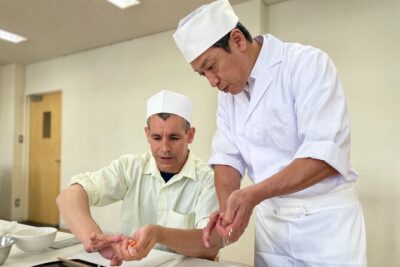 ★ 5.0Tokyo Sushi Making Class in Tsukiji with Professional ChefFrom $49
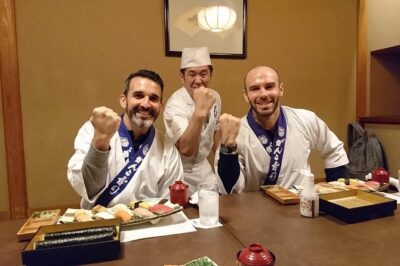 ★ 5.0Tsukiji Fish Market Guided Tour and Sushi Making with Pro ChefFrom $104
★ 4.7Tokyo: Tsukiji Fish Market Food and Culture Walking TourFrom $963 hours