Reviewed · SHINJUKU TOURS
Tokyo: Shinjuku Nightlife & Secret Backstreets Walking Tour
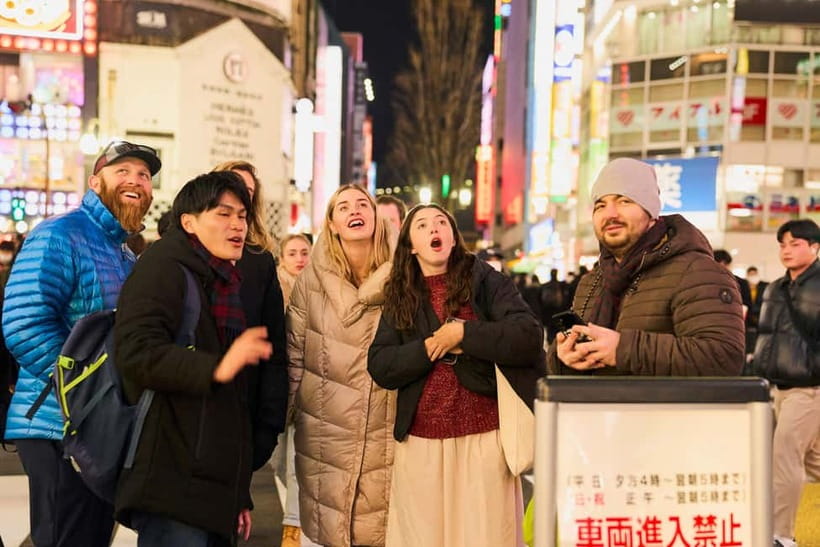
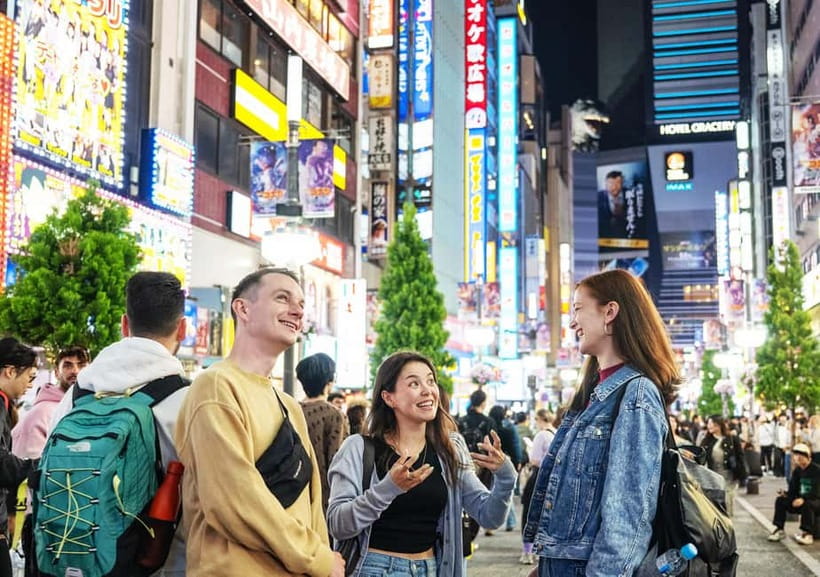
Kabukicho changes character every few steps. One minute you are under a wall of neon in Tokyo’s best-known entertainment district. The next, you are in a narrow lane of tiny bars, beside a quiet shrine, or looking at vending machines with slot machine-style features. This tour gives you a quick way into that contrast, with local guides such as Sota, Rinna, Akira, and Mao leading the walk.
In This Article
- Key points at a glance
- Why this short Shinjuku walk works
- Meeting at the East Exit Police Box
- Omoide Yokocho: a small lane with a big reputation
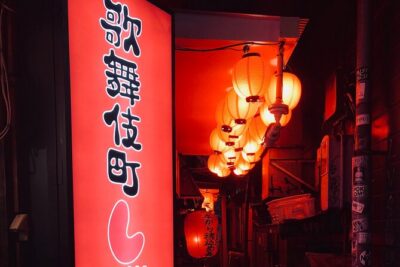
- Kabukicho and the changing face of nightlife
- Tokyu Kabukicho Tower: the longest stop
- Golden Gai: tiny bars, narrow lanes
- Hanazono Shrine after dark
- What $22 gets you
- Pace, comfort, and access
- Who will enjoy this tour most
- Booking, timing, and the final call
- FAQ
- Where does the Shinjuku nightlife tour meet?
- How do I identify the guide?
- How long does the tour last?
- Which places are included on the route?
- Is food included?
- What languages are available?
- Does the tour operate in bad weather?
- Is the tour wheelchair accessible?
I like two things right away: the guide points out places you would likely miss on your own, and the route mixes famous Shinjuku sights with less polished backstreets. At $22, it is also a sensible price for a 90-minute orientation. The main drawback is the pace. Ten minutes at several stops is enough for an introduction, but not enough for a long photo session or a full explanation of every street.
Key points at a glance
- Omoide Yokocho in ten minutes: See one of Shinjuku’s best-known dining lanes and get tips on small restaurants.
- Kabukicho beyond the neon: Learn how the district changed from a red-light area into a major nightlife center.
- Tokyu Kabukicho Tower for 30 minutes: Spend the longest part of the route in one of the area’s newer landmarks.
- Golden Gai after dark: Walk through a maze of compact bars and hear how to approach this unusual drinking quarter.
- Hanazono Shrine at night: Enjoy a calmer stop where the city noise gives way to a more reflective atmosphere.
- One local drink included: Your guide is meant to recommend one vending machine drink, though you should confirm this at the start.
Why this short Shinjuku walk works
Shinjuku can be hard to read at first. The station is huge, the streets are crowded, and the district changes from office towers to bars and restaurants with little warning. A good guide gives you a map in your head: this lane is for small eateries, that street is part of Kabukicho, and the quiet red gates ahead belong to Hanazono Shrine.
The tour is not built around entering a long list of attractions. It is a walking introduction to the area’s character. You move through streets, stop for short explanations, and collect ideas for the rest of your evening. That makes it useful early in a Tokyo visit, especially if you plan to return to Shinjuku for dinner or drinks.
The guide quality matters a lot here. The strongest comments describe guides who answer questions, adjust explanations to the group, and offer specific advice on food, bars, customs, and places to avoid. Guides including Kawa, Noa, Chihiro, Ai, Akihiro, and Yuta have been praised for making the walk friendly for solo visitors, families, and people who had already seen central Shinjuku.
You should not expect a formal lecture. The tone is casual, and the best use of the tour is to ask questions. Tell your guide if you care most about food, Japanese culture, photography, nightlife, or local history. Kawa, for example, has tailored explanations around group interests, while other guides have helped visitors find places for dinner after the walk.
A few more Tokyo tours and experiences worth a look
Meeting at the East Exit Police Box
The tour begins at Shinjuku Station East Exit Police Box, at 3-38-1 Shinjuku, Shinjuku-ku, Tokyo. The listed coordinates are 35.6917846, 139.7011327. Look for a guide holding a sign marked Local Guide Stars.
This meeting point is practical but can be confusing inside one of the world’s busiest station areas. Give yourself extra time to reach the East Exit rather than relying on a last-minute dash through the station. One visitor had trouble finding the meeting point through Shinjuku Station, so use the full name of the police box and check your route before you leave your hotel.
Once the group gathers, the guide leads you on foot and brings you back to the same spot at the end. That return is handy if you want to continue by train, though you may prefer to stay in the nightlife district for dinner.
Omoide Yokocho: a small lane with a big reputation
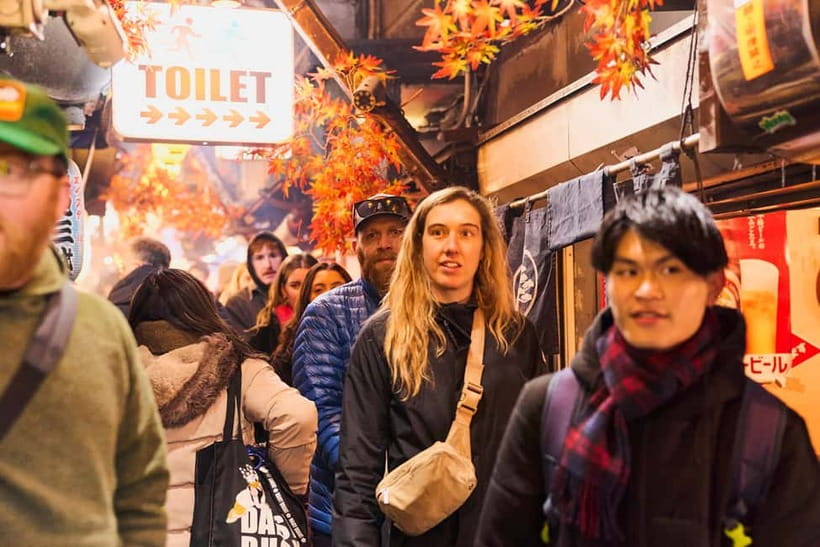
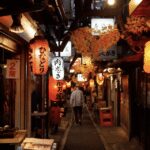
The first major stop is Omoide Yokocho, a compact dining area near the station. Its narrow lanes are lined with about 300 restaurants and bars, creating a close-up view of Shinjuku’s older eating culture.
You will get roughly ten minutes here, so think of this as an introduction rather than a meal stop. The guide can explain how to read the area and point out places that may suit your plans later. Several people have found the restaurant suggestions especially useful, including recommendations for small local spots they would not have noticed while walking alone.
Omoide Yokocho is also a good place to ask practical questions. You can ask what kind of food is served in a particular lane, how to behave in a tiny bar, or which places are better suited to a first visit. Since the tour does not promise a full tasting session, plan to return after the walk if you want to eat here.
Kabukicho and the changing face of nightlife
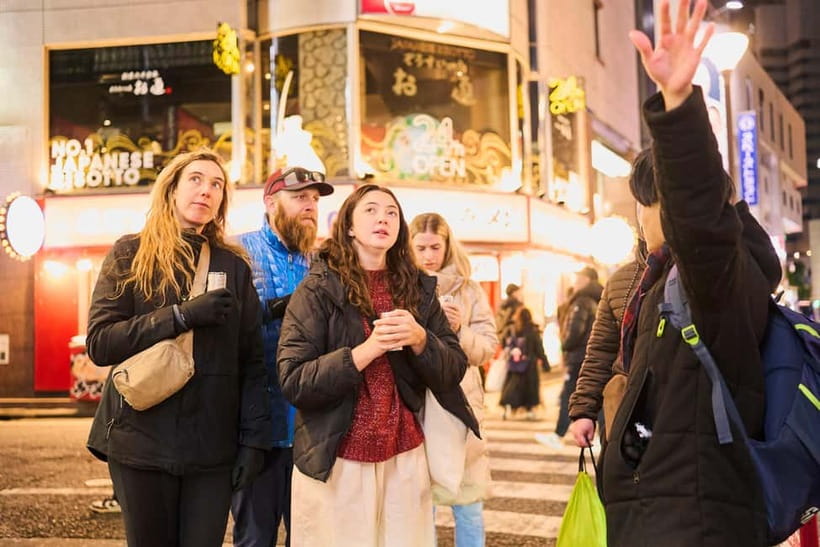
Next comes Kabukicho, the district most people picture when they think of Shinjuku at night. Neon signs, restaurant fronts, bars, entertainment venues, and constant foot traffic create an intense first impression.
The guide puts that scene into context by tracing Kabukicho’s shift from a former red-light district to a major nightlife hub. That background is one reason the walk is more useful than simply wandering with a phone in hand. You see the signs and streets, but you also get a sense of how the district developed and why it has such a distinctive reputation.
This is a place where you should stay close to the guide. The streets can be crowded, and the group needs to move together. One guide, Hannah, was praised for keeping everyone together in the busy area, a small but important skill in Shinjuku.
The tour focuses on observation and local advice. It is not an invitation to enter every bar or entertainment venue you pass. If you are traveling with children, the route can still work as a daytime or early evening introduction, but Kabukicho is an adult nightlife district and the atmosphere changes as the night gets later. The tour has also worked well for families with young children, though you should consider your own comfort with the setting.
Tokyu Kabukicho Tower: the longest stop
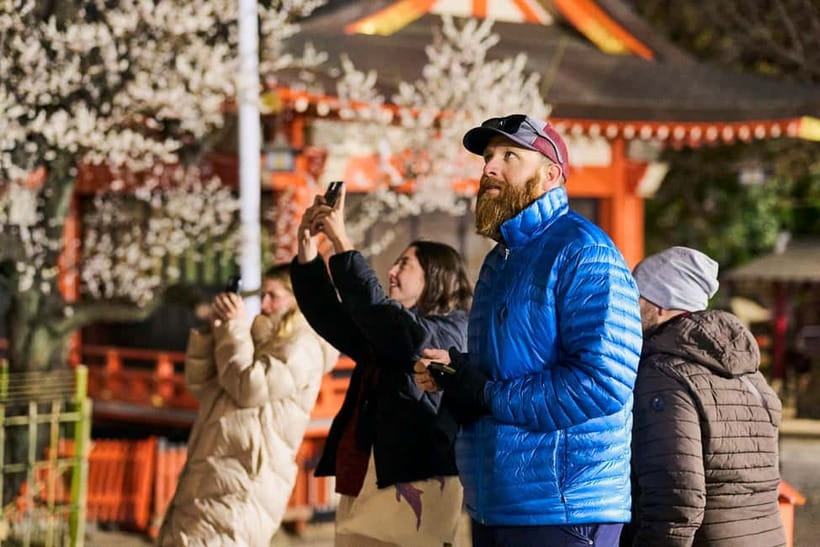
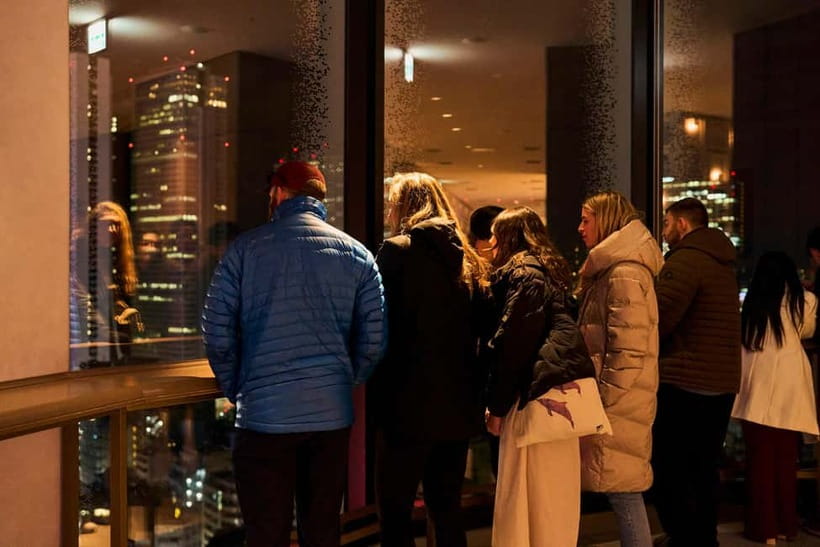
The itinerary allows 30 minutes at Tokyu Kabukicho Tower, making it the central stop of the walk. This newer landmark gives you a break from the tight lanes and offers a different view of how the district is being reshaped.
The tower stop is useful because it connects old and new Shinjuku. Omoide Yokocho and Golden Gai show compact, long-established nightlife quarters. Tokyu Kabukicho Tower represents the newer, larger-scale side of the area. Your guide can help you see those two versions of Shinjuku as part of the same neighborhood rather than unrelated sights.
Several people have especially enjoyed the observation area associated with this part of the route. One person described having the deck nearly to themselves, though crowd levels can change and the activity details do not promise a private viewing. Treat the tower visit as a chance to look around and ask questions, not as a guaranteed full observation-deck tour.
The 30-minute pause also helps the overall rhythm. After the first short stops, you have more time to take in the building and surrounding district. Still, the exact use of those 30 minutes may vary with the guide and group, so do not plan a long independent visit during the tour.
Other walking tours we've reviewed in Tokyo


Golden Gai: tiny bars, narrow lanes
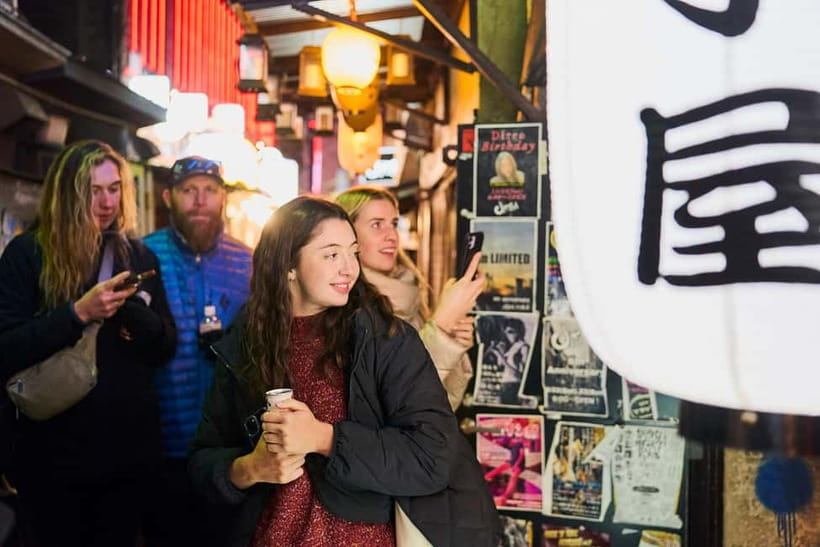
Golden Gai is another short guided stop, with about ten minutes set aside. This famous cluster of narrow lanes contains many small bars, often with only a handful of seats. It feels very different from the broad streets and tall signs of Kabukicho.
The value here is not checking off a landmark. It is learning how the area works. A local guide can explain the difference between a place suited to regular customers and one that welcomes first-time visitors, along with basic etiquette and practical points about entering small bars. You can also note locations for a return visit.
The short timing is the limitation. Ten minutes lets you walk through and hear the essentials, but it does not allow you to sample the bar scene. If you want a drink in Golden Gai, plan to come back independently and allow plenty of time for choosing a place.
For photographers, this is one of the more atmospheric sections of the walk. The lanes are tight, the signs are close together, and the nighttime setting gives the area its strongest character. Be considerate with cameras, and keep moving when the group does.
Hanazono Shrine after dark
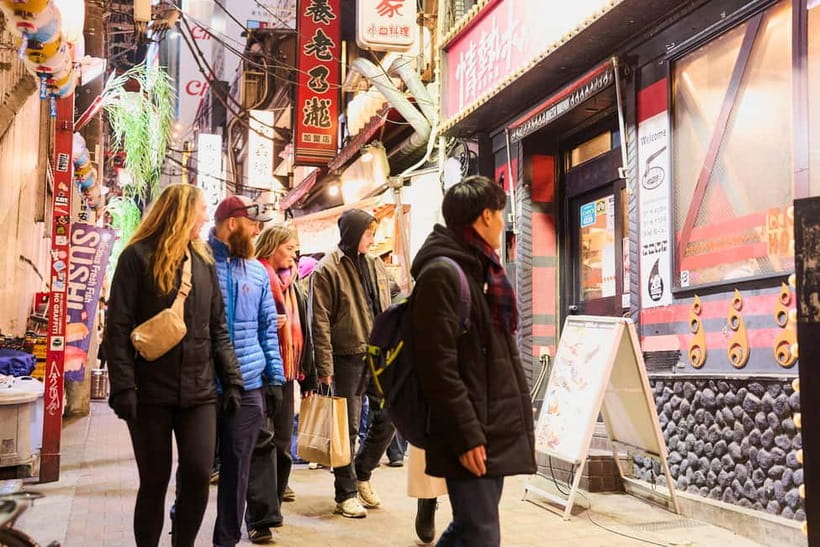
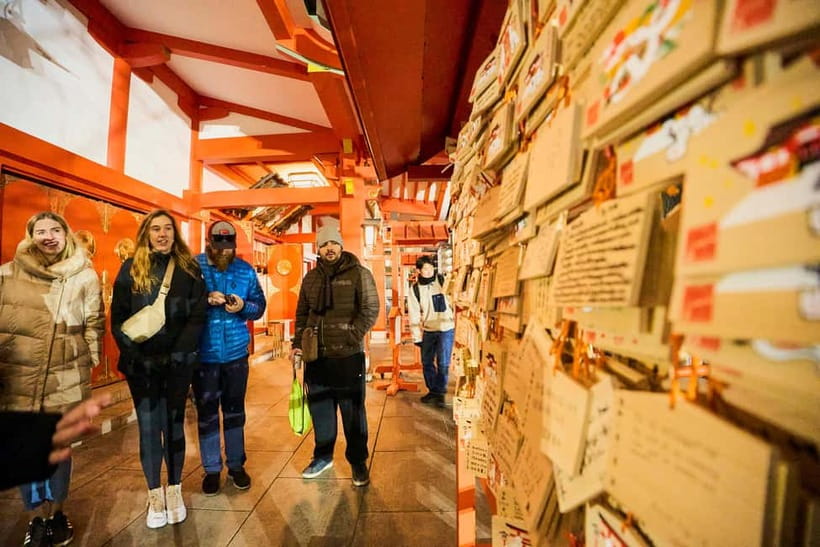
The final major stop is Hanazono Shrine, with about 15 minutes for a guided visit. It is a welcome change of pace after the neon and noise of Kabukicho and Golden Gai.
At night, the shrine offers a quieter atmosphere without requiring you to leave central Shinjuku. The guide can explain the site and help connect it to Japanese customs and local life. Several people have valued the cultural information woven through the walk, rather than receiving only directions to restaurants and bars.
This stop also shows why the route is not simply a nightlife crawl. Shinjuku is not just bright signs and late-night venues. It includes places of worship, older lanes, modern buildings, and ordinary neighborhood spaces. Hanazono Shrine gives the tour a calmer finish and a useful contrast.
You then walk for about five minutes back to the East Exit Police Box. The complete route lasts 90 minutes, so the schedule is compact. Expect steady walking and short stops, not a slow stroll with long breaks.
What $22 gets you
At $22 per person, this is good value if you use it as a practical introduction. You are paying for a local guide, a planned route through several different parts of Shinjuku, and advice that can shape the rest of your stay. A single useful restaurant suggestion or a better understanding of where to go next can make the fee worthwhile.
The value is strongest for first-time visitors. You can walk through Shinjuku on your own for free, but you may spend much of your time navigating, wondering which lanes are worth entering, or missing the story behind the district. This tour gives you a quick foundation, then leaves you free to explore independently.
It can also work for repeat visitors. People who had already walked through Shinjuku still found different streets and learned new details from guides such as Mao, Rinna, and Sota. That said, experienced Shinjuku visitors who already know Omoide Yokocho, Kabukicho, Golden Gai, and Hanazono Shrine may find the route too brief unless they want local dining advice.
One included feature is a vending machine drink recommended by the guide. This is a small touch, not a major financial benefit, but it fits the tour’s interest in everyday Tokyo. One person reported that the drink was not provided, so confirm the arrangement with your guide at the beginning rather than assuming it will appear later.
Pace, comfort, and access
Wear comfortable shoes. The tour is on foot, and the schedule leaves little room for slow walking or long rests. Warm clothing is also advised, especially during cooler evenings.
The activity runs rain or shine. Bring an umbrella or raincoat when rain is forecast. Wet streets can make the narrow lanes less comfortable, and umbrellas can be awkward in a group, so a compact rain jacket may be easier.
The experience is listed as wheelchair accessible. Because it passes through busy streets and narrow backstreets, you should still confirm current route details if you have specific mobility needs. The provided information does not describe the exact surface or access conditions at every stop.
The tour is offered in English and Japanese. English ability has been praised across guides including Chihiro, Akira, Ai, and Noa, but your experience will naturally depend on the guide assigned to your departure. The strongest guides keep explanations clear, answer questions carefully, and use humor without losing the thread of the walk.
Who will enjoy this tour most
I would choose this walk for a first evening in Shinjuku, particularly if you want to understand the area before deciding where to eat or drink. Solo visitors may appreciate having a friendly local guide, and several guides have made a point of welcoming people traveling alone.
It also suits couples and small groups who prefer orientation over a formal sightseeing program. Families can join, and the walk has worked well for groups with children, but remember that Kabukicho is an adult nightlife district and the evening setting may not suit every family.
Food-focused visitors should pay close attention to the recommendations. The route does not include a full dinner, but guides can point out restaurants, bars, snack shops, and newer places. One person used advice from the walk to find taiyaki and a memorable nearby dinner afterward.
You may want something else if you need a long history tour, a seated meal, or extended time at each sight. The 90-minute format is deliberately brisk. It gives you a broad look at Shinjuku, not a detailed visit inside every attraction.
Booking, timing, and the final call
You can cancel up to 24 hours before the activity for a full refund, and the reserve now, pay later option keeps your plans flexible. Starting times vary, so check availability for your date. The meeting point is easy to identify once you reach the correct East Exit, but allow extra time for the station.
I would book this tour if you want local orientation, practical food advice, and a look at Shinjuku’s contrasts in a single evening. The strongest part is the human guidance: Sota, Rinna, Akira, Mao, Kawa, Noa, Chihiro, Ai, and others have helped turn a confusing district into a place you can return to with confidence.
I would skip it only if you already know these neighborhoods well or prefer to explore at your own slow pace. For most first-time visitors, $22 is a fair trade for 90 minutes of direction, context, and street-level tips that are hard to gather on your own.
FAQ
Where does the Shinjuku nightlife tour meet?
It meets at the Shinjuku Station East Exit Police Box, located at 3-38-1 Shinjuku, Shinjuku-ku, Tokyo.
How do I identify the guide?
Look for a guide holding a sign that says Local Guide Stars.
How long does the tour last?
The walking tour lasts 90 minutes.
Which places are included on the route?
The route includes the Shinjuku Station East Exit Police Box, Omoide Yokocho, Kabukicho, Tokyu Kabukicho Tower, Golden Gai, and Hanazono Shrine. You return to the police box at the end.
Is food included?
A full meal is not included. One vending machine drink is included and recommended by the guide.
What languages are available?
The tour is offered in English and Japanese.
Does the tour operate in bad weather?
Yes. The walk operates rain or shine, so bring an umbrella or raincoat when it rains.
Is the tour wheelchair accessible?
Yes, the activity is listed as wheelchair accessible. You should still confirm any specific mobility needs because the route includes busy streets and backstreets.
More Nightlife Experiences in Tokyo




More Walking Tours in Tokyo
More Shinjuku Tours in Tokyo

More tours in Tokyo we've reviewed












Shinjuku Tours, compared.
 ★ 5.0Tokyo: Shinjuku Food Tour (13 Dishes at 4 Local Eateries)From $86
 ★ 5.0Tokyo Bar Hopping Tour in Shinjuku (All-You-Can-Drink + Dinner)From $106
 ★ 4.9Tokyo: Shinjuku Local Bar and Izakaya Guided Walking TourFrom $343 hours
 ★ 4.9Tokyo: Shinjuku Food Tour (13 Dishes and 4 Eateries)From $97
 ★ 5.0Tokyo Night Foodie Tour in Shinjuku – Seasonal Sushi, Wagyu BeefFrom $111
 ★ 5.0Tokyo: Shinjuku Local Bar & Izakaya Crawl TourFrom $39