Reviewed · MT FUJI DAY TRIPS
Tokyo: Mount Fuji and Hakone Private Sightseeing Day Trip
The best feature of this private Tokyo day trip is control. You are not tied to a large bus group or a fixed lunch break. Choose the Mount Fuji route for shrines, lakes, villages, and classic mountain views, or choose Hakone for the ropeway, Lake Ashi cruise, and outdoor art.
In This Article
- Key points at a glance
- Is $373 good value for up to six people?
- The Mount Fuji route: shrines, lakes, and classic views
- Arakurayama Sengen Park
- Kitaguchi Hongu Fuji Sengen Shrine
- Mount Fuji 5th Station
- Lake Kawaguchi and the Panoramic Ropeway
- Oishi Park
- Oshino Hakkai
- The Hakone route: ropeway, Lake Ashi, and outdoor art
- Arakurayama Sengen Park and Oishi Park
- Hakone Ropeway
- Hakone Sightseeing Cruise on Lake Ashi
- Hakone Open Air Museum
- The private vehicle changes the whole day
- Weather, timing, and the Fuji gamble
- Who should book this experience?
- Should you book the Tokyo private Fuji and Hakone trip?
- FAQ
- How long is the private Mount Fuji or Hakone day trip?
- How many people can join the private tour?
- Where is pickup available?
- Can I customize the itinerary?
- Is the Mount Fuji 5th Station fee included?
- Are meals and activity tickets included?
- What languages does the driver speak?
I like the included hotel pickup and drop-off in Tokyo’s 23 wards, and I like having a private air-conditioned vehicle for a long day outside the city. Drivers such as Doshi, Raj, Omi, Biky, Jiju, David, and Manjeet have been praised for calm driving, good communication, photo help, and flexible routing. The main drawback is traffic: a ten-hour plan can stretch badly, especially on weekends and holidays, and cloudy weather may hide Mount Fuji.
Key points at a glance
- Choose one regional route: Focus on Mount Fuji and the Fuji Five Lakes, or spend the day around Hakone.
- Private group up to six: The $373 price covers the vehicle and group, not each person individually.
- Ask for route changes: Your driver can often adjust the order of stops and help you make the most of road conditions.
- Carry cash: The Mount Fuji 5th Station fee, some activities, food, and small shops may require yen.
- Plan for long transfers: Tokyo to the Fuji or Hakone area can take a large part of the day when roads are crowded.
- Mount Fuji is never guaranteed: Clouds can block the mountain, and the 5th Station has seasonal vehicle limits.
Is $373 good value for up to six people?
At $373 per group, this trip makes the most financial sense for four to six people. Split six ways, the advertised price is roughly $62 per person before entry fees and meals. For a couple, the cost per head is much higher, but the value comes from privacy, hotel pickup, and avoiding the work of combining trains, buses, ropeways, and cruises yourself.
The price includes fuel, tolls, private transportation, and an English- or Hindi-speaking driver. That matters on a day with several far-flung stops. You are paying for time and convenience as much as for the car.
You still need to budget for food, drinks, and paid activities. The Mount Fuji 5th Station entry fee is ¥2,100 for a group of up to nine people. From July 5 through September 11, private vehicles cannot reach the 5th Station, so you must use a shuttle bus from the parking area, listed at ¥1,000.
The driver is not a separate tour guide, and admission fees are not generally included. Some drivers offer useful local advice, help with photographs, and suggestions for lunch, but you should not book this expecting a formal, expert-led walking tour at every stop.
A few more Tokyo tours and experiences worth a look
The Mount Fuji route: shrines, lakes, and classic views
The Mount Fuji option is the stronger choice if your main goal is seeing the mountain. It combines famous viewpoints with cultural sites and gives you several chances to catch Fuji between clouds.
The order can change. Your driver may adjust the route according to traffic, opening conditions, or your priorities. That flexibility is useful, but you should tell the driver early if the 5th Station, a lake cruise, shopping, or photography matters most.
Arakurayama Sengen Park
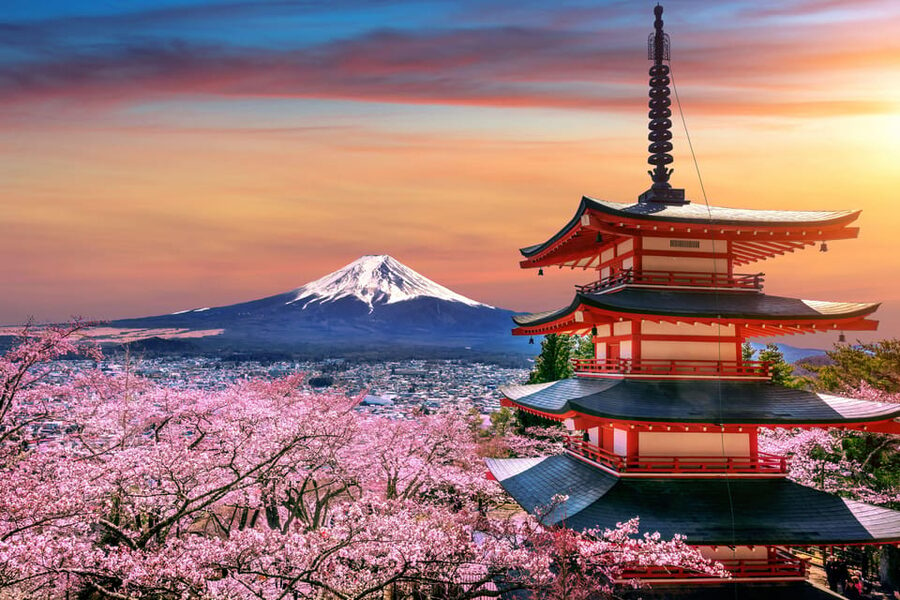
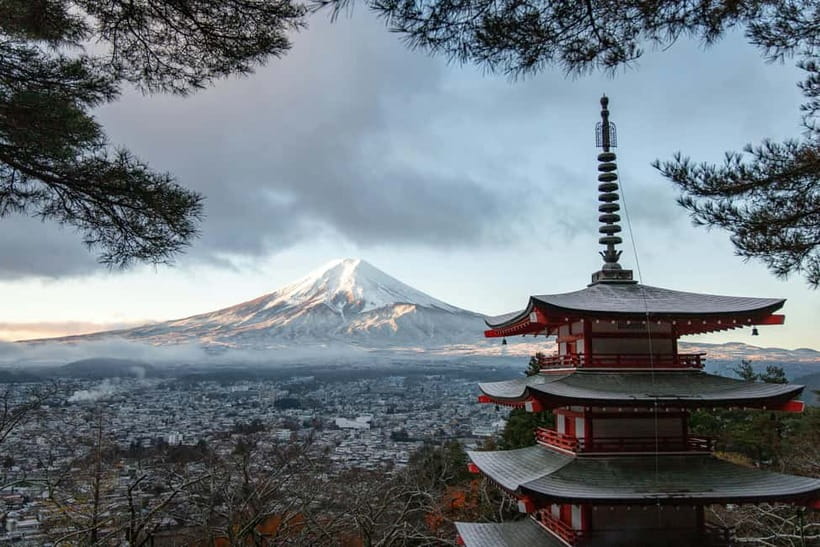
Arakurayama Sengen Park is one of the best-known picture stops in the area. From the hillside, you can frame Mount Fuji with the Chureito Pagoda and surrounding scenery. The stop includes walking and some uphill effort, so wear proper shoes.
The listed visit is about 50 minutes. That is enough for photographs and a short look around, but not for a slow hike. If the mountain is covered by cloud, the pagoda and town view still provide a worthwhile setting, though the famous composition loses its main subject.
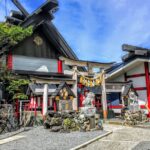
Kitaguchi Hongu Fuji Sengen Shrine
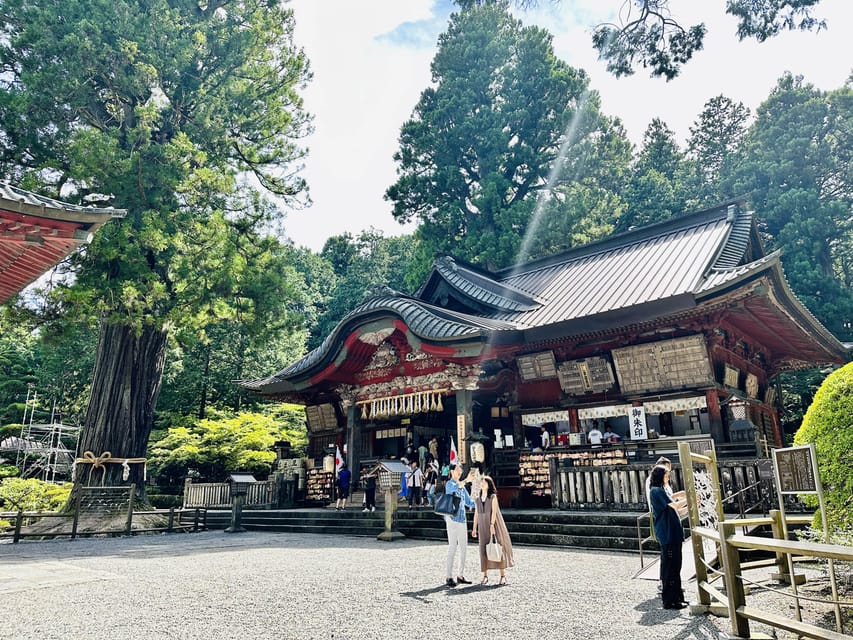
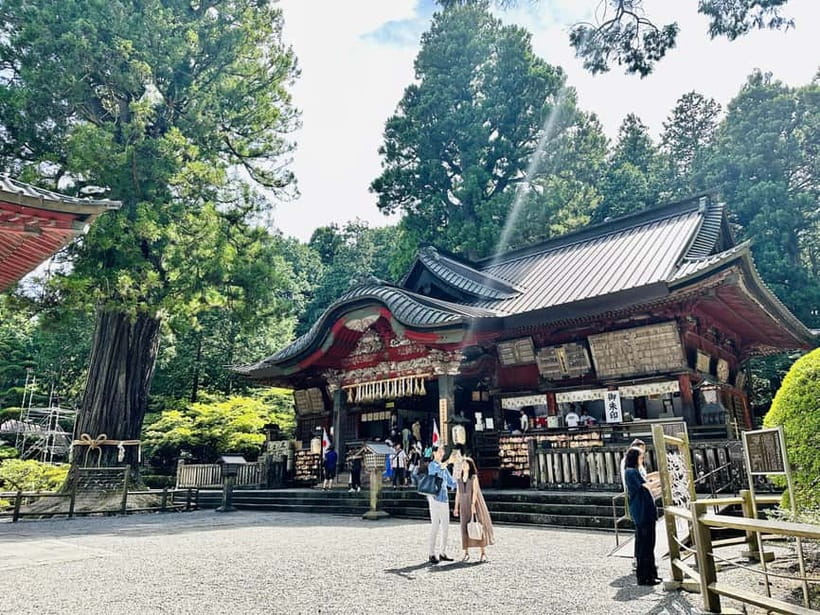
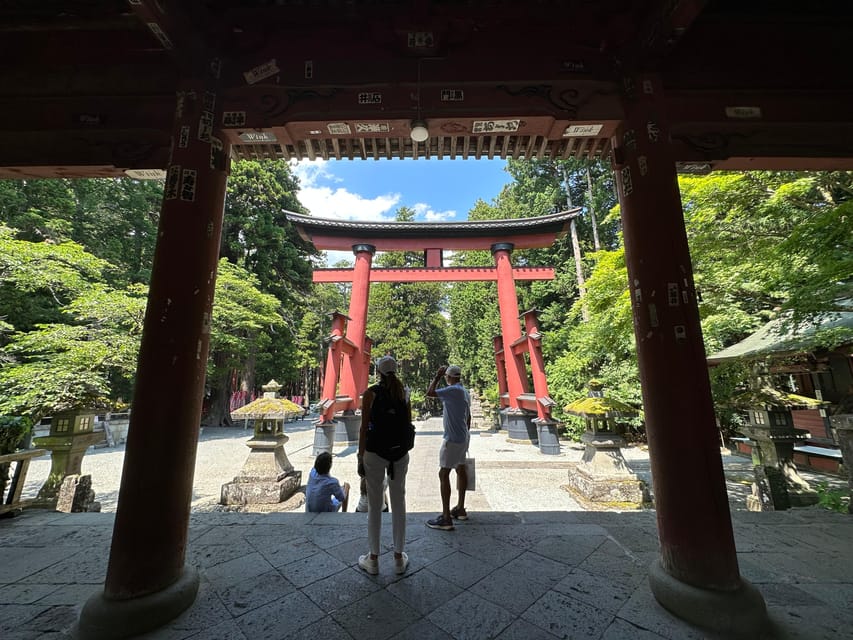
This shrine gives the day a quieter, more spiritual turn. It has long served as a pilgrimage point for people preparing to climb Mount Fuji, and its connection with the mountain feels more meaningful than a quick roadside photo stop.
Plan on about 35 minutes here. You can walk beneath the trees, see the shrine buildings, and take photographs. It is not a full guided cultural visit, so read any posted information or ask your driver for basic context if available.
Mount Fuji 5th Station
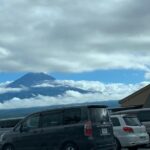
The 5th Station sits partway up Mount Fuji and offers broad views over the surrounding area. It is a high-altitude stop, so conditions can be cooler and less predictable than in Tokyo. The mountain itself may be hidden by cloud, even on a generally pleasant day.
This stop comes with two practical warnings. First, the ¥2,100 entry fee is extra. Second, from July 5 to September 11, your private car cannot drive all the way there. You will park and transfer to a shuttle bus, which costs ¥1,000 according to the supplied details.
Ask how much time you will have at the 5th Station. One useful criticism of rushed days is that time can be spent at less important stops while the mountain visit feels short. If Fuji is your priority, say so clearly.
A few more Tokyo tours and experiences worth a look
Lake Kawaguchi and the Panoramic Ropeway
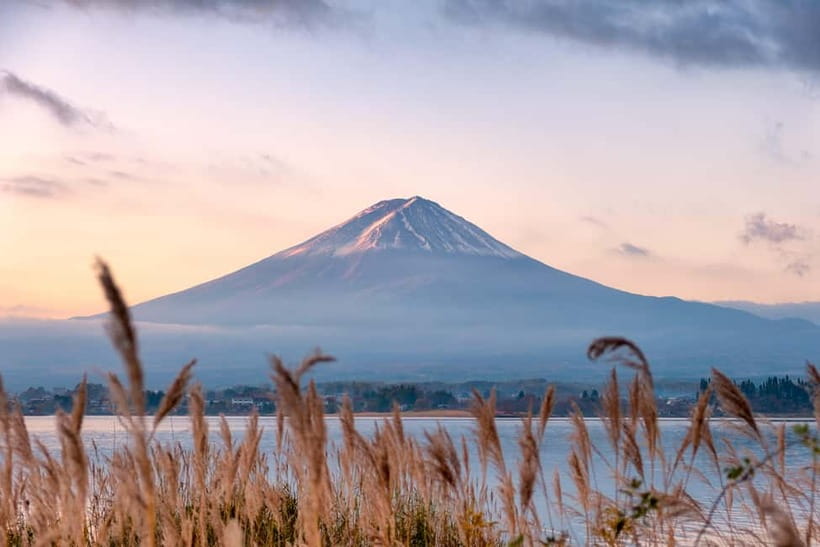
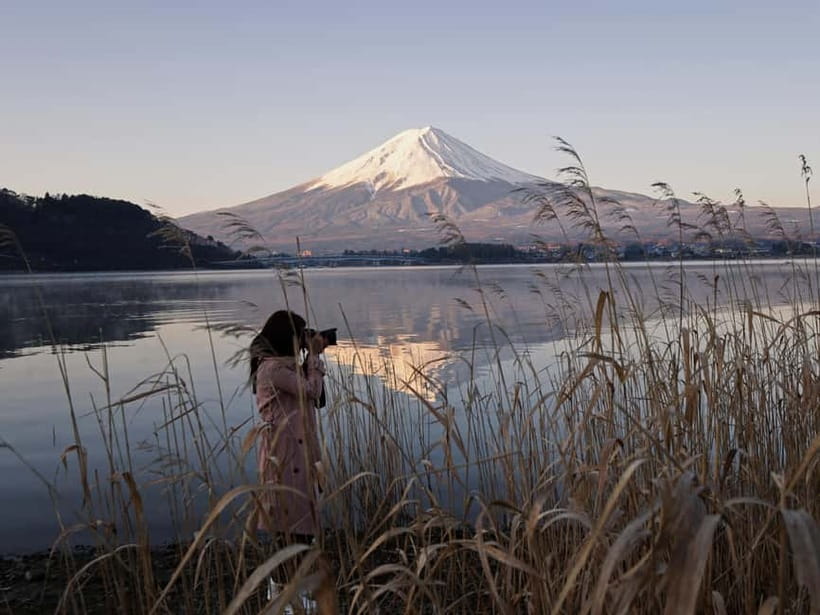
Lake Kawaguchi is one of the Fuji Five Lakes and one of the most dependable places for a mountain-and-water view. The lake area also gives you options: lunch, shopping, a boat ride, and the Mount Fuji Panoramic Ropeway up Mount Tenjo.
The listed stop is about an hour, which may not be enough for every activity. A ropeway ride, meal, and lakeside walk can easily compete for the same block of time. Ask your driver which activity is realistic before you start queuing or paying.
The ropeway is especially useful for a wider view of the lake and Mount Fuji. It is also a paid activity, so keep cash ready in case cards are not accepted.
Oishi Park
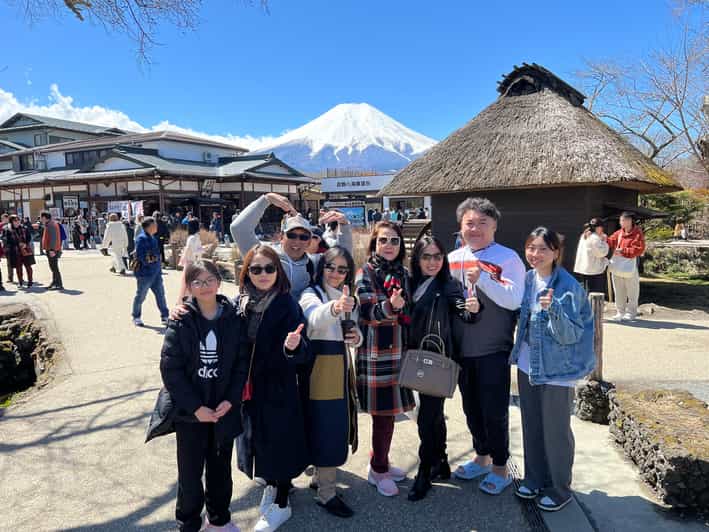
Oishi Park is a pleasant place for flowers, open views, and photographs with Mount Fuji behind them. The displays change with the season, so the exact color and appearance will vary. The stop is scheduled for about 45 minutes, giving you time to walk, browse, and take pictures without making it the whole focus of the day.
This is a good place to slow down after the shrine and before another drive. If the weather is poor, the park remains a pleasant break, but its value depends heavily on the view.
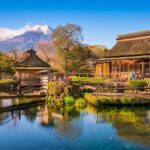
Oshino Hakkai
Oshino Hakkai is a traditional village area built around clear ponds fed by Mount Fuji snowmelt. The ponds, small streets, and rural setting offer a different experience from the broad lake views.
You will find shops and places to look around, but it can feel more commercial than the shrine stops. One useful way to handle it is to keep your visit focused: see the ponds, take a short walk, and avoid letting shopping consume time you would rather spend at the 5th Station or Lake Kawaguchi.
The Hakone route: ropeway, Lake Ashi, and outdoor art
Choose Hakone if you prefer a mix of mountain scenery, transport experiences, water views, and museum time. It is less centered on one perfect Mount Fuji photograph and more about moving through a varied resort area.
There is an oddity in the supplied route: Arakurayama Sengen Park and Oishi Park are associated with the Fuji area, while the main Hakone attractions lie farther south. Confirm the exact plan with the operator before departure. Trying to combine too many Fuji and Hakone stops can turn a scenic day into a long day in the car.
Arakurayama Sengen Park and Oishi Park
The Hakone option begins with the same Fuji-facing stops. This can work if you want a strong photograph early in the day, but it adds driving before the Hakone section begins.
If Hakone is your true priority, ask if these stops can be removed or shortened. The private format should allow a practical conversation about what matters most to you, though the total ten-hour limit still applies.
Hakone Ropeway
The Hakone Ropeway is one of the day’s main attractions. From above, you can see valleys, Mount Fuji when weather allows, and Lake Ashi. The ride gives you a better sense of Hakone’s terrain than a car window does.
Allow time for queues and transfers, even though the activity advertises skip-the-ticket-line access. Skip-the-line treatment does not mean every ride is instantly available, and the ropeway can be affected by operating conditions.
The ride toward Mount Komagatake offers a broad view across the region. If clouds cover Fuji, the valleys and lake can still make the trip worthwhile.
Hakone Sightseeing Cruise on Lake Ashi
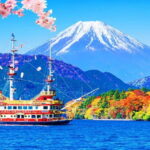
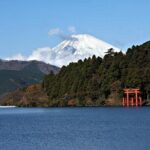
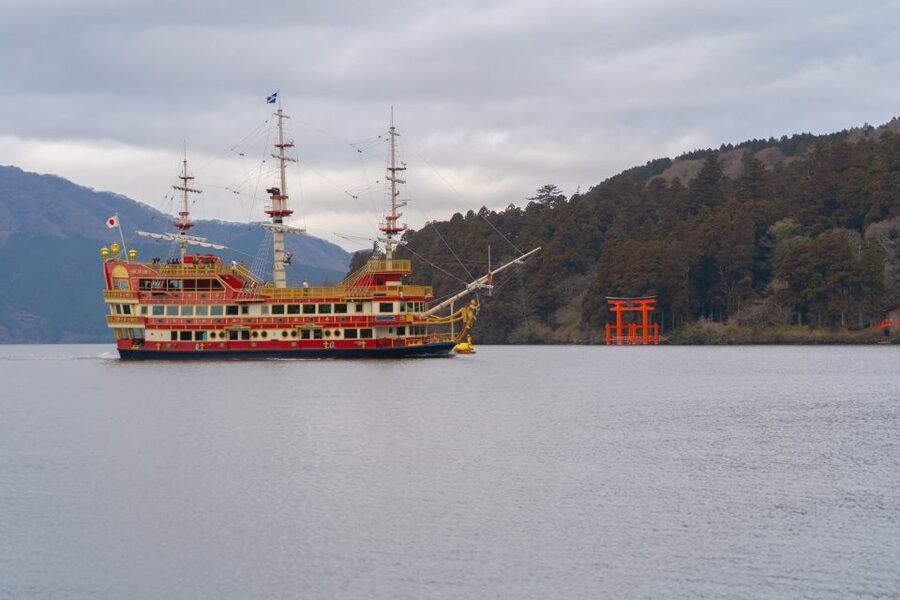
The cruise adds a relaxed change of pace after the ropeway. From the water, you can look toward the famous torii gate associated with Hakone Shrine and enjoy the lake from a different angle.
A cruise is a paid activity, and the cost is not included in the tour price. It is also one of the places where time matters. Confirm the departure schedule and how long you can stay before committing to the boat, particularly if you also want the museum.
Hakone Open Air Museum
The Hakone Open Air Museum blends sculpture with mountain scenery. It is a good final stop because you can walk at your own speed instead of following a tight series of photo stops.
The museum entry is extra. You will need comfortable shoes, and you should allow enough time to see more than the entrance area. If the day is running late, ask your driver how much museum time remains before paying admission.
The private vehicle changes the whole day
The most useful part of this experience is not simply having a car. It is having a driver who handles the route while you rest between stops. Public transport can reach both regions, but matching trains, buses, ropeways, and boats requires careful timing. A private vehicle removes much of that friction.
The tradeoff is road traffic. Tokyo to Hakone or the Fuji area can take far longer than expected. One reported schedule reached Hakone around 2 p.m. after leaving Tokyo at 8:30 a.m. because of a major road and toll-payment problem, then returned to Tokyo around 8 p.m. instead of 6 p.m.
That example is a useful warning, not a promise of delay. Highways can be slow during Golden Week, weekends, and other busy periods. The operator allows the driver to arrive up to 30 minutes late because of traffic, so do not schedule a tight dinner reservation, flight, or train immediately afterward.
Drivers have also helped make difficult days work. Doshi has been praised for changing the order of stops around road conditions and finding a soba and tempura lunch. Other assigned drivers, including Raj, Omi, Biky, Jiju, David, and Manjeet, have been singled out for friendly service, calm driving, photo help, and flexibility.
Keep your expectations clear. The driver may be an excellent host, but the package does not include a dedicated guide. If you want detailed shrine history or museum interpretation, arrange your own reading or ask the operator what guiding support is available.
Weather, timing, and the Fuji gamble
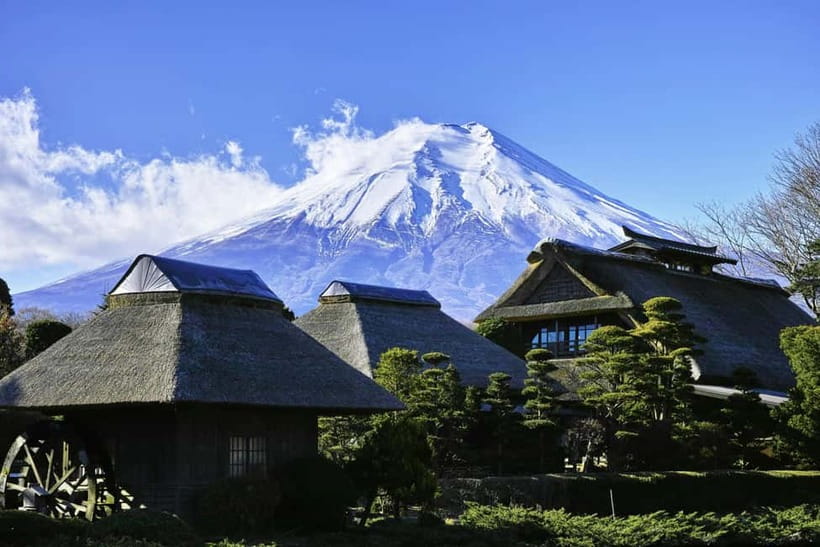
Mount Fuji is the star, but it is not a guaranteed sight. Clouds can hide the summit, including at the 5th Station. The tour normally operates despite poor weather, and cancellation for a full refund requires at least 24 hours notice.
That policy makes weather a real booking consideration. Check the forecast before the deadline if your priority is a clear Fuji view. If the prediction looks poor, you might still enjoy the shrine, lake, village, ropeway, or museum, but you should not assume the operator will cancel for you.
An early start may help with traffic, but the available starting times depend on the date you choose. For a ten-hour outing, comfortable clothes, good walking shoes, water, and cash are sensible. Bring a child seat request or share allergy and special-needs information before the day.
Pickup is available from hotels, hostels, Airbnbs, and apartments in Tokyo’s 23 wards. Airports, ports, and stations are not included, and pickup outside Tokyo requires a separate request.
Who should book this experience?
I would choose this trip for a family, small group, or several friends who value privacy and want to combine several destinations in one day. It is also useful if you dislike changing trains or need a more relaxed vehicle-based plan.
The Fuji route suits photographers and first-time visitors who want shrines, lake views, the 5th Station, and a traditional village. The Hakone route is better for anyone who prefers scenic transport, Lake Ashi, and the Open Air Museum.
I would hesitate if you want a slow, in-depth visit to every stop. Ten hours sounds generous, but the transfer can take two hours or more, and each optional ride or museum visit uses part of the day. You should choose three or four priorities rather than expecting to do everything at leisure.
Should you book the Tokyo private Fuji and Hakone trip?
Book it if your group can share the $373 cost and you value door-to-door comfort, route flexibility, and help from a friendly driver. The private setup is the real product, and drivers such as Doshi, Raj, Omi, Biky, Jiju, David, and Manjeet have shown how much that can improve a long sightseeing day.
Choose the Mount Fuji itinerary for the clearest focus. Choose Hakone for a more varied day of ropeway, cruise, and art. Before paying, confirm your chosen route, ask about the 5th Station fee and shuttle, and accept that weather and traffic may reshape the plan. If you do that, this is a practical way to reach two difficult day-trip regions without turning your vacation into a transport puzzle.
FAQ
How long is the private Mount Fuji or Hakone day trip?
The activity lasts 10 hours. Starting times depend on availability, and traffic can make the day run later than planned.
How many people can join the private tour?
The price of $373 covers a private group of up to six people.
Where is pickup available?
Pickup and drop-off are available at hotels, hostels, Airbnbs, and apartments in Tokyo’s 23 wards. Airports, ports, and stations are not included.
Can I customize the itinerary?
Yes. The private format allows you to adjust the route and spend more or less time at different sites, subject to the ten-hour duration and road conditions.
Is the Mount Fuji 5th Station fee included?
No. The entry fee is ¥2,100 for a group of up to nine people. From July 5 through September 11, a shuttle bus from the parking area is required and costs ¥1,000.
Are meals and activity tickets included?
No. Food, drinks, and activity entry fees are extra. Some shops and activities may not accept credit cards, so bring cash.
What languages does the driver speak?
The driver service is available in English and Hindi. A separate tour guide is not included.
More Private Tours in Tokyo


More Hakone Day Trips in Tokyo
More Mt Fuji Day Trips in Tokyo

More tours in Tokyo we've reviewed












Mt Fuji Day Trips, compared.
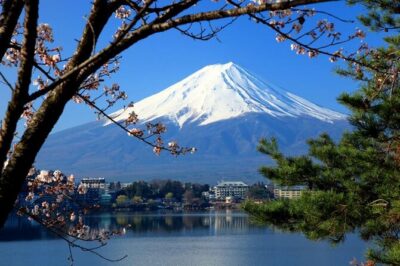 ★ 5.0Mt Fuji and Hakone 1-Day Bus Tour Return by Bullet TrainFrom $163
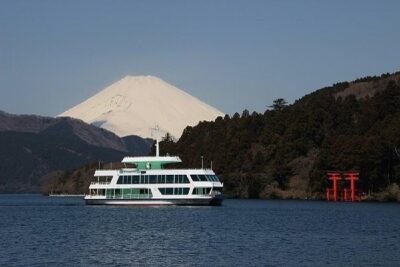 ★ 4.0Mt Fuji & Hakone Cruise, Drum Show Bullet Train 1 Day from TokyoFrom $149
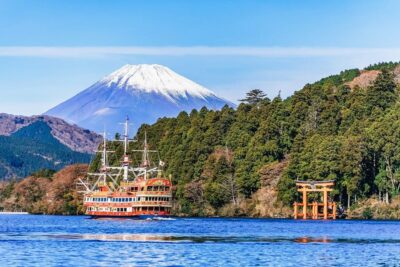 ★ 4.4Tokyo Mt Fuji 5th St & Hakone Cruise Bus Tour w/Bullet TrainFrom $15410 hours
 ★ 4.5From Tokyo: Mount Fuji Full-Day Sightseeing TripFrom $6810 hours
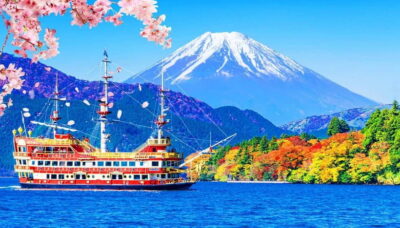 ★ 4.7Tokyo: Mt. Fuji Tour, Hakone Ropeway, Owakudani, Lake AshiFrom $5410 hours
 ★ 4.4Tokyo:Mt.Fuji,Kawaguchiko Oishi Park,Arakurayama Sengen ParkFrom $5410 hours