Reviewed · AKIHABARA & ANIME TOURS
Tokyo: Akihabara 2-Hour Guided Walking Tour
Akihabara’s appeal is easy to spot but harder to understand. Neon signs, game shops, figure displays, and rows of Gacha Gacha machines can feel like a colorful maze. This two-hour walking tour gives you a guide to the maze, then adds a maid cafe visit with food, drinks, and a drawing made by the maid.
In This Article
- Key points at a glance
- Why a guided walk helps in Akihabara
- Meeting at the Denkigai Exit
- Seeing Akihabara Electric Town in one hour
- The maid cafe portion and the drawing menu
- What the language arrangement means
- Is $99 a fair price for two hours?
- Who will enjoy this experience most?
- Useful ways to prepare
- What the experience does especially well
- Should you book the Akihabara walking tour?
- FAQ
- Where does the Akihabara tour meet?
- How long does the experience last?
- Is the tour conducted in English?
- What is included in the price?
- Can the route be changed?
- Are children allowed?
- Is the tour accessible to wheelchair users?
I like the small group, limited to 10 people, and the chance to ask for specific Akihabara sights. I also like that the tour covers both the neighborhood’s shopping culture and its past, rather than treating Electric Town as one giant store.
The main thing to consider is the language setup. The tour is guided in Japanese with an English translation service, so the experience may feel less direct than a fully English-led walk. At $99 per person, you should also remember that extra food and drinks are not included.
Key points at a glance
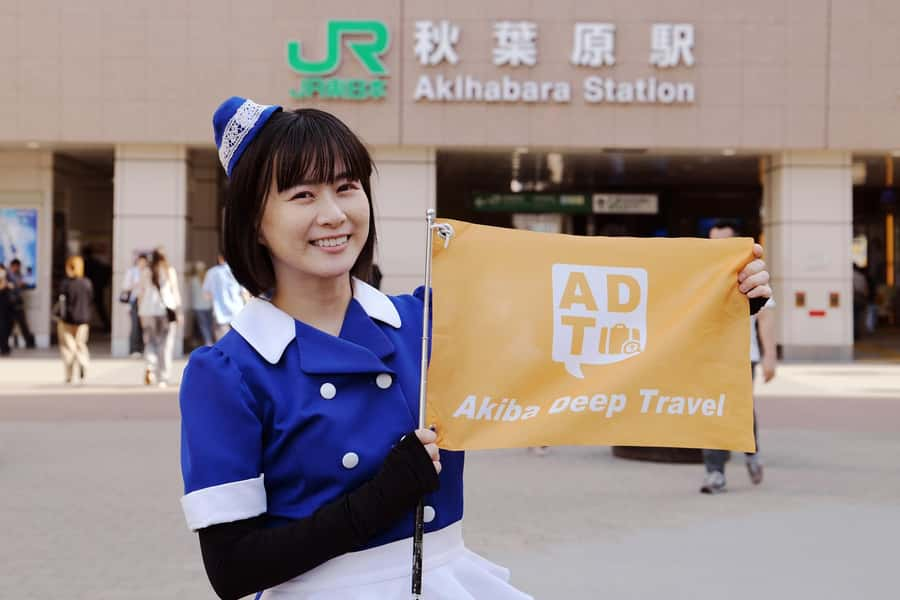
- Start at Akihabara Station: Meet in front of the Midori no madoguchi ticket office at the Denkigai Exit.
- See Electric Town with context: Your guide explains Akihabara’s development while pointing out shops and local sights.
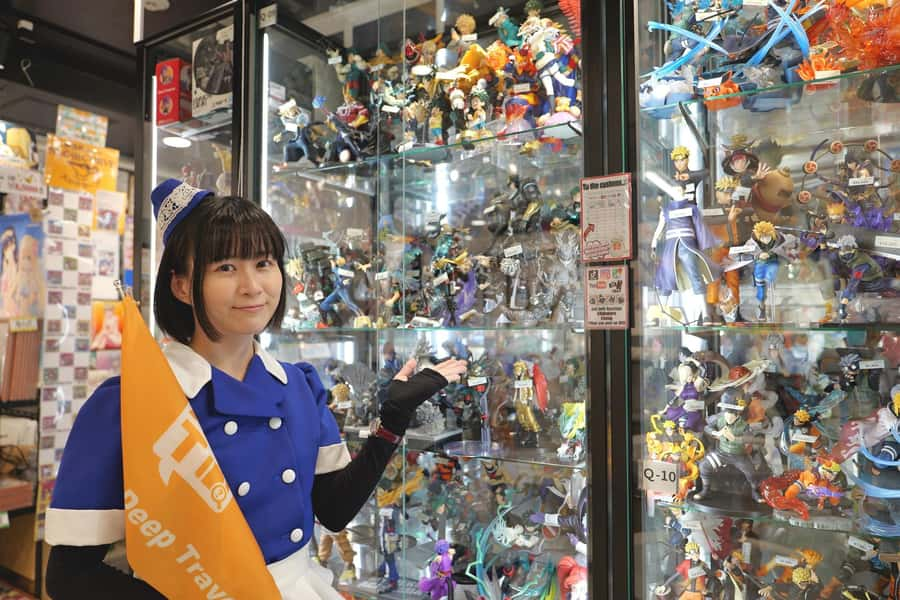
- Browse several types of stores: Expect figure shops, game shops, goods shops, and Gacha Gacha vending machines.
- Try a maid cafe: The one-hour cafe portion includes food and drinks, with a popular drawing menu by the maid.
- Keep the group small: The tour accepts up to 10 participants, making questions and route requests easier.
- Plan for a walking tour: Large bags, luggage, pets, and wheelchairs are not allowed.
Why a guided walk helps in Akihabara
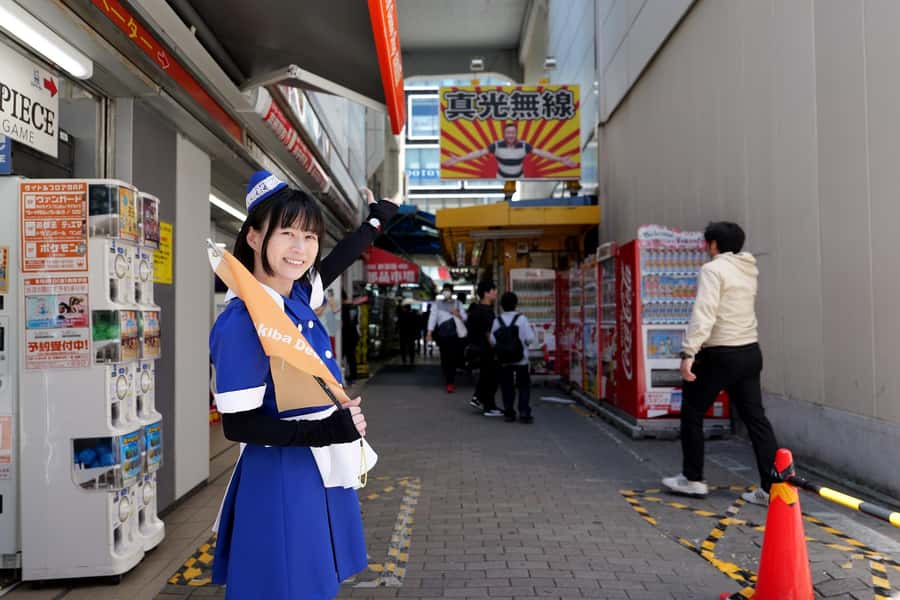
Akihabara is one of those Tokyo districts that can seem self-explanatory until you try to make sense of it. You see shelves of figures, game cases, character goods, and small toy machines, but the local story behind all that is easy to miss.
A guide gives the neighborhood some shape. Instead of wandering from one bright storefront to another, you can learn how Akihabara developed and ask about the parts that interest you. The tour description specifically invites requests, so you can tell the operator in advance if there are particular shops or spots you hope to see.
That flexibility matters. Akihabara means different things to different people. You might care most about games, anime goods, figures, unusual vending machines, or the district’s past. A fixed route cannot satisfy every interest, but an adaptable route has a better chance.
The group size also helps. With no more than 10 participants, you are not trying to hear a guide over a large crowd. You can ask a question, stop briefly at a shop, or point out an item that catches your eye without turning the walk into a large procession.
A few more Tokyo tours and experiences worth a look


Meeting at the Denkigai Exit
The tour begins at Akihabara Station, in front of the Midori no madoguchi ticket office at the Denkigai Exit. This is an important detail because Akihabara Station has several exits, and the wrong one can put you on the opposite side of the district.
Give yourself enough time to find the meeting point. The starting place is inside the station area by the ticket office, not at a separate cafe or shop. If you are carrying a suitcase, this is also the point to think about your luggage plan, since large bags are not allowed on the tour.
The tour returns to Akihabara Station after the cafe stop. That makes it practical if you are connecting to another Tokyo neighborhood by train, though you should avoid scheduling your next activity too tightly. Walking tours can run at a natural pace, and the cafe portion may take the full hour.
Seeing Akihabara Electric Town in one hour
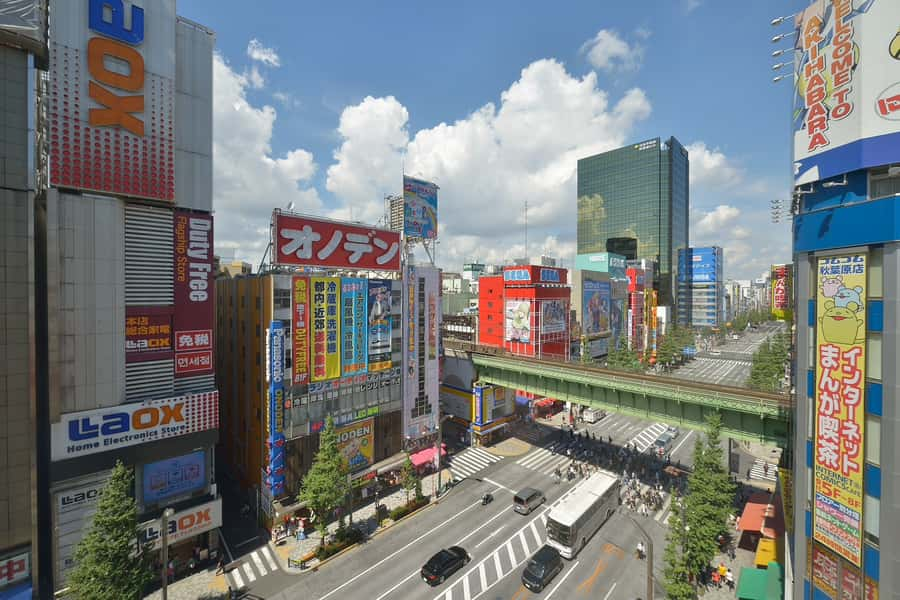
The first main section lasts about one hour and focuses on Akihabara Electric Town. You will walk with the guide through an area known for figure shops, game shops, and stores selling character goods.
I like this part because it gives you time to look without asking you to spend the whole day shopping. Akihabara can become expensive very quickly, especially when every shelf seems to offer a collectible you did not know existed. A two-hour visit lets you sample the district and decide which stores deserve a longer return visit.
The Gacha Gacha machines are another useful stop for families and curious adults. These vending machines sell small toys and collectibles in sealed capsules. The appeal is simple: you pay, turn the handle, and accept the surprise. The tour points out this part of local shopping culture so you can understand why these machines appear in so many Japanese entertainment areas.
You should not expect a full shopping expedition. One hour is enough for an introduction, not enough to carefully compare every figure store or search for a rare game. If you already have a long shopping list, treat this walk as a scouting visit and return later on your own.
The guide also provides information about Akihabara’s history during the walk. That context is valuable because the district’s current identity is more than bright signs and pop-culture merchandise. The tour promises background information while you are seeing the streets themselves, which is usually easier to remember than a list of facts delivered indoors.
The maid cafe portion and the drawing menu
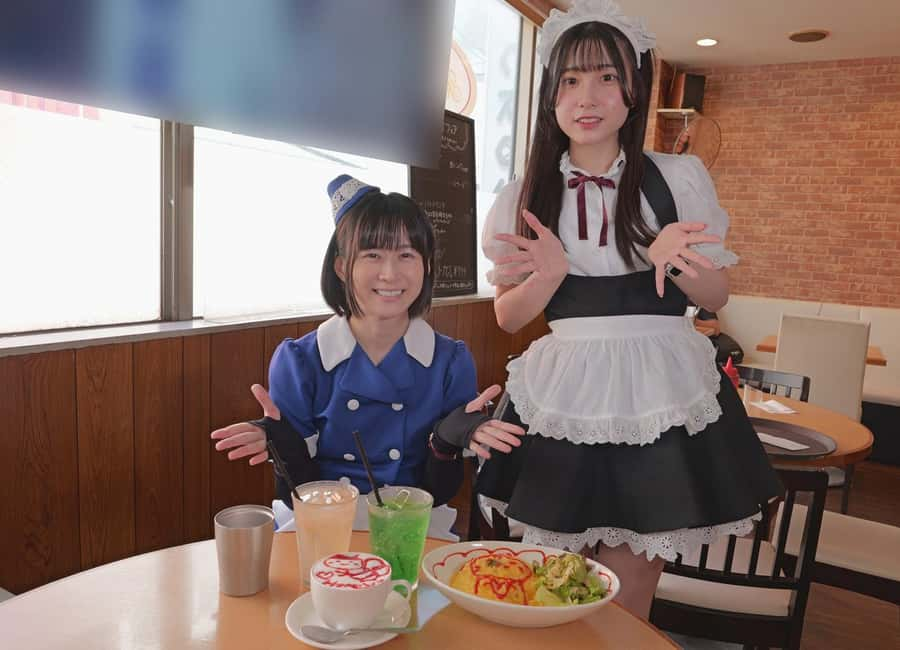
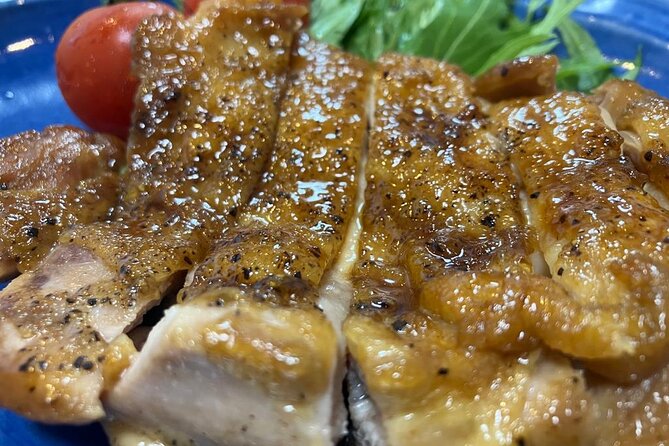
The second hour takes place at a local cafe and is described as lunch with food and drinks at a maid cafe. This is the tour’s most distinctive feature, since it turns a neighborhood walk into a cultural introduction with a performance element.
The drawing menu by the maid is especially popular. The information provided does not specify exactly what is drawn or which food and drink items are available, so you should think of it as a special cafe activity rather than a guaranteed art lesson or a set menu.
Food and drinks are not included in the $99 price. That makes the final cost higher than the headline price if you order during the cafe visit. Ask about the cafe choices and prices if your budget is tight, and remember that the tour description calls this a lunch stop.
A maid cafe may not suit everyone. Some people will enjoy the playful service and unusual setting. Others may find the style too theatrical or simply not feel drawn to it. If the cafe is the main reason you are booking, this tour gives you a straightforward introduction. If you are mainly interested in shopping and local history, the cafe still takes half of the tour, so be sure that balance works for you.
What the language arrangement means
The tour is listed with English language support, but the important note says the guide conducts the tour in Japanese with a translation service in English. That distinction matters.
You can expect help understanding the tour, but the conversation may not have the same flow as a walk led entirely in English. Questions may take a little more time to translate, and explanations may feel more structured than casual. On the positive side, a Japanese-speaking guide may offer local perspective that fits the neighborhood well.
I would contact the operator before booking if you have detailed questions about the translation process or specific language needs. The tour allows route requests in advance, so it is sensible to mention both your preferred sights and any communication concerns at the same time.
Other walking tours we've reviewed in Tokyo




Is $99 a fair price for two hours?

At $99 per person, this is not a cheap orientation walk. The price makes more sense if you value the guide, the small group, and the maid cafe visit as one combined experience.
You are paying for a guided introduction to a district that can be confusing, plus a cafe activity that might be awkward to arrange on your own. The group limit of 10 is useful, and the guide can adapt the route when requested. Those details add value for a first visit.
The price is harder to justify if you mainly want free time in the shops. You can walk around Akihabara independently, browse Gacha Gacha machines, and enter many stores without paying for a tour. You will also need to budget for additional cafe food and drinks.
For me, the value depends on your goal. If you want a quick, organized introduction and are curious about maid cafe culture, the cost may be reasonable. If you are a serious collector who wants hours of shopping, spend the $99 elsewhere and explore at your own pace.
Who will enjoy this experience most?
This tour suits first-time visitors who want someone to explain what they are seeing. It also works for adults and children interested in small toys, games, figures, and character goods. The Gacha Gacha stop gives children an easy point of interest, while the neighborhood background gives adults something beyond shopping.
It is also a good fit for solo visitors who prefer not to figure out Akihabara alone. The group size is small enough to make questions practical, and the route ends back at the same station.
You should think twice if you dislike walking, do not want a maid cafe visit, or need a fully English-speaking guide. Wheelchair users cannot take this tour, and pets and large bags are not permitted. Those are not minor details, so check them before paying.
Useful ways to prepare
Wear comfortable shoes. The experience is a walking tour, and the first hour is spent moving around Electric Town before you sit down at the cafe.
Keep your belongings light. Luggage and large bags are not allowed, so arrange storage before meeting the guide. A small day bag is the safer choice, though the operator should confirm what is acceptable.
Think about your priorities before you arrive. If you want figure shops, game shops, Gacha Gacha machines, or a particular part of Akihabara, tell the operator in advance. The route can be changed or adapted on request, but that works best when you provide your interests ahead of time.
Bring extra money for food and drinks. The tour price covers the walking tour, but cafe purchases are additional. Since the cafe portion is described as lunch, you should not assume the meal is included.
Finally, leave room in your schedule. The advertised duration is two hours, and the return point is Akihabara Station, but a relaxed walk and cafe visit are better enjoyed without a train connection breathing down your neck.
What the experience does especially well
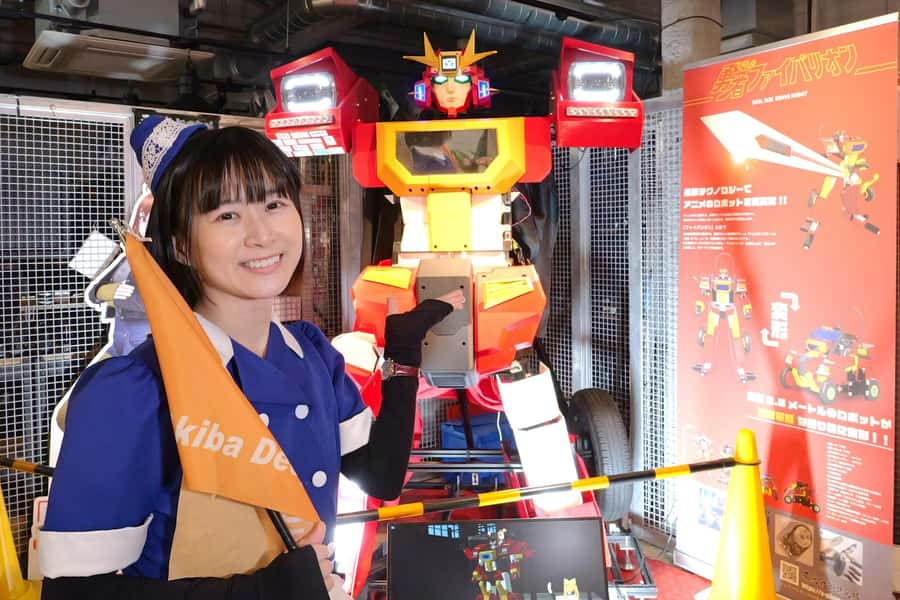
The strongest part of this tour is its mix of ordinary shopping streets and a very specific cafe experience. You get to see the stores that define Akihabara, then spend time in a setting that many visitors would not know how to approach on their own.
The guide’s energy also appears to be a major strength. One published five-star assessment describes the guide as highly excited, fun, and well informed, with particular praise for the unusual nature of the experience. That combination matters in Akihabara, where a dull explanation could easily get lost among the signs and shop windows.
Another four-star assessment simply praised the guides as very nice. That is modest wording, but it supports the broader impression that the human side of the tour is a key reason to book. You are not buying entry to a major attraction. You are paying for a person to help you read the neighborhood.
The small group and request-friendly route support that strength. You are more likely to get a useful answer when the guide is not handling a large crowd, and you can shape the walk around your own interests.
Should you book the Akihabara walking tour?
Book it if you want a short introduction to Akihabara, enjoy games and character goods, and are genuinely curious about trying a maid cafe. The combination is unusual, the group is limited to 10, and the guide can adapt the route when you make requests in advance.
Skip it if you want a low-cost shopping walk, a fully English-led tour, or a long stretch of independent browsing. The $99 fee is a serious price for two hours, and cafe food and drinks cost extra.
For the right person, this is a lively orientation with useful local context and a memorable cafe stop. Go in knowing that it is a guided sampler, not a complete tour of every corner of Electric Town.
FAQ
Where does the Akihabara tour meet?
Meet in front of the Midori no madoguchi ticket office at the Denkigai Exit of Akihabara Station.
How long does the experience last?
The tour lasts two hours. About one hour is spent sightseeing around Akihabara Electric Town, followed by about one hour at a local cafe.
Is the tour conducted in English?
The tour is listed with English language support, but the guide conducts it in Japanese with a translation service in English.
What is included in the price?
The walking tour is included. Additional food and drinks at the cafe are not included.
Can the route be changed?
The route can be changed or adapted upon request. Tell the tour operator in advance if there are specific Akihabara spots you want to visit.
Are children allowed?
The experience information says both adults and children can enjoy the Gacha Gacha machines. No separate age restriction is provided.
Is the tour accessible to wheelchair users?
No. The experience is not suitable for wheelchair users. Pets and luggage or large bags are also not allowed.
More Guided Tours in Tokyo


More Walking Tours in Tokyo
More Akihabara & Anime Tours in Tokyo



More tours in Tokyo we've reviewed




Akihabara & Anime Tours, compared.
 ★ 5.0Official Street Go-Kart Tour – AkihabaraFrom $61
 ★ 5.0Tokyo Go Kart: Asakusa, Skytree, and Akihabara **IDP MUST**From $99
 ★ 4.5Tokyo Studio Ghibli Museum and Ghibli Film Appreciation TourFrom $193
 ★ 5.0Akihabara Anime & Game Adventure Walking Tour (Group or Private)From $90
 ★ 4.6Asakusa/Tokyo Bay & Akihabara Go Karting ToursFrom $70
 ★ 4.8Akihabara: Private Anime and Pop Culture TourFrom $953 hours