Reviewed · SAMURAI & NINJA EXPERIENCES
Samurai themed Entertainment show in Shinjuku
Shinjuku’s Samurai Restaurant show is not a quiet lesson in Japan’s past. It is a 90-minute burst of music, costumes, performers, and theatrical madness, staged in a quirky space that treats samurai imagery as pop entertainment. The show aims for spectacle rather than historical accuracy, and that is exactly the point.
In This Article
- Key points to know before booking
- Shinjuku’s Samurai Show Plays by Its Own Rules
- What the 90-Minute Performance Feels Like
- Traditional Japanese Ideas Turned Into Modern Entertainment
- Food, Drinks, and the Real Value of the $102 Ticket
- The Venue Rules You Need to Know
- Who Will Enjoy This Show Most
- How to Make the Most of Your Visit
- The Strongest Part: Performer Energy
- The Main Weakness: Pacing and Price
- Should You Book the Samurai Restaurant Show?
- FAQ
- Where is the Samurai Restaurant show located?
- How long does the show last?
- How much does the experience cost?
- What is included in the ticket?
- Are souvenirs included?
- Can children attend the show?
- Can I take photos or videos inside?
- Can I smoke inside the venue?
- Can I cancel for a refund?
I like the high-energy performers and the mix of traditional Japanese ideas with modern stage entertainment. I also like the simple food choice: your ticket includes either one lunch box or two drinks, so you are not paying admission and then facing a second bill for every refreshment. The main drawback is value. At $102 per person, the show can feel expensive if your performance includes long pauses between short scenes.
Key points to know before booking
- Samurai fantasy, not a history lesson: Expect wild stage entertainment rather than a careful presentation of Japan’s military past.
- 90 minutes with possible pauses: The show may be divided into short performance scenes with breaks between them.
- Strong performers and musicians: Energy, passion, and colorful presentation are central to the experience.
- Adults only: Nobody under 18 is allowed to enter.
- Food or drinks are included: Choose one lunch box or two drinks with admission.
- Strict venue rules: No smoking inside, no sunglasses, and no flash photography.
Shinjuku’s Samurai Show Plays by Its Own Rules

You enter this experience in the middle of Shinjuku, one of Tokyo’s most famous entertainment districts. The setting matters. You are not walking into a preserved castle, a museum, or a traditional theater. You are entering a purpose-built show venue where samurai symbols, Japanese music, costumes, lighting, and modern spectacle are mixed into something deliberately strange.
That contrast is part of the appeal. The show takes familiar images from Japanese culture and pushes them into a loud, playful stage world. You may recognize swords, samurai-style costumes, drumming, and other traditional touches, but the presentation is not meant to recreate a historical scene.
I would book this for the mood, not for accuracy. If you want a thoughtful explanation of the samurai code or a refined classical performance, this is the wrong choice. If you want a wild night in Shinjuku with talented performers and an unusual visual style, it is much more promising.
The atmosphere is designed to be quirky and disconnected from the formal splendor often associated with Japanese history. That may sound odd, but it gives the show its identity. It is less like visiting old Japan and more like watching a Japanese entertainment company turn old Japan into a stage fantasy.
A few more Tokyo tours and experiences worth a look
What the 90-Minute Performance Feels Like

The basic running time is 90 minutes. That sounds like a compact evening activity, and it is, but you should understand how the time may be used.
The performance can be arranged as several short scenes rather than one continuous story. One account described scenes lasting about five minutes, followed by breaks of around 15 minutes. That pattern can change the way you judge the ticket. During the action, the performers may be excellent and full of force. During the pauses, you may feel that the show has lost momentum.
This format will suit you if you like a series of visual set pieces. It may frustrate you if you expect a tightly paced musical or a nonstop theater performance. I suggest going in with the right expectation: this is a spectacle built from separate bursts of action, not necessarily a single flowing drama.
The music and performers receive the strongest praise. You can expect musicians and stage artists to carry much of the experience through movement, sound, costume, and enthusiasm. The show’s success depends less on a detailed plot and more on whether you enjoy the energy of the people on stage.
There is also a deliberate sense of excess. The costumes, colors, and performance style may strike you as exciting, garish, or simply too much. That split reaction is easy to understand. The show does not aim for restraint. It wants to be crazy, wacky, and hard to describe in ordinary theater terms.
Traditional Japanese Ideas Turned Into Modern Entertainment
The show’s most interesting feature is the way it handles Japanese culture. It borrows the visual language of samurai stories, then places it inside modern entertainment built for an international audience.
You are not asked to know Japanese history before you arrive. The show communicates through action, sound, costumes, and visual jokes. That makes it easy to follow even if you do not speak Japanese. At the same time, you should not expect a guide to explain the historical background or translate each cultural reference.
I like this kind of experience as a counterpoint to temples and museums. Japan has plenty of quiet, formal places where the past is treated with care. This show offers something very different. It gives you a look at how Japanese themes can be reshaped for the stage, with a playful and sometimes outrageous result.
The tradeoff is authenticity. The show uses Japanese cultural images, but it is not a traditional cultural performance in the strict sense. Calling it a samurai show tells you the theme, not the level of historical detail. Think of it as neo-entertainment with samurai decoration and Japanese theatrical flavor.
That distinction helps prevent disappointment. You can enjoy the artistry without expecting a documentary. You can also decide that the style is too commercial for your taste. At this price, that is an important choice to make before you book.
Food, Drinks, and the Real Value of the $102 Ticket

The listed price is $102 per person. Admission includes one food menu, described as a lunch box, or two drinks. Souvenirs are not included.
The included food or drinks make the price easier to understand, but they do not automatically make it a bargain. Your value depends on how much of the 90 minutes feels like active performance and how much you enjoy the show’s exaggerated style.
If you would normally buy dinner or drinks before an evening performance, the package may work reasonably well. The lunch box gives you something concrete, while two drinks may be better for people who want a lighter visit. You should check the exact choice available when booking, since the food and drink arrangement is part of the ticket.
One important price point comes from the performance structure. If you find yourself waiting through several long pauses between short scenes, $102 may feel steep. A less expensive admission option without food may sometimes be available, so compare the choices carefully before paying. Do not assume the most expensive package is automatically the best one.
I would ask myself three questions:
- Do I enjoy theatrical spectacle enough to pay for it?
- Will I use the included lunch box or drinks?
- Am I comfortable with a show that may have gaps between performance scenes?
If your answer is yes to all three, the price may feel fair. If you mainly want a quick samurai-themed photo opportunity, the ticket is harder to justify.
The Venue Rules You Need to Know

The rules are simple, but they affect your visit.
Smoking is not allowed inside the show venue. Smoking is allowed in the waiting area on the ground floor. If you smoke, take care of that before entering the performance space, since you cannot continue inside.
Do not wear sunglasses. This may seem like a minor rule, but it is specifically listed, so leave them in your bag. Flash photography is also forbidden. Regular photography and video are allowed, which lets you record parts of the show, but your flash must remain off.
The venue does not allow anyone under 18. This is an adults-only activity, not a family show. If your group includes teenagers or younger children, you will need another plan for that part of the evening.
You may also be asked for a passport at entry. One visitor found the passport scan unusual, especially because it was the only non-hotel venue in Japan where this happened to them. The business was not accused of being illegitimate, but the check can feel unexpected. Bring the identification required by your booking details and expect the possibility of an entry scan.
The area around the venue has also been described as feeling rough or uncomfortable by one attendee. That does not mean the show itself is unsafe or dishonest, but Shinjuku’s nightlife streets can feel intense. Keep your usual city wits about you, especially when arriving or leaving at night.
A few more Tokyo tours and experiences worth a look


Who Will Enjoy This Show Most

This is a good fit for adults who want something unusual and visually loud. I would especially consider it if you have already visited more formal cultural sites and want a change of pace.
You are likely to enjoy it if you:
- Like live music, costume shows, and theatrical effects.
- Enjoy Japanese pop culture and unusual entertainment concepts.
- Want an easy evening activity in Shinjuku.
- Prefer a show that communicates through action rather than long explanations.
- Are happy to accept a playful version of samurai culture.
- Do not mind a performance made from short scenes and possible breaks.
You may want to skip it if you:
- Want historically accurate samurai content.
- Prefer quiet, polished, traditional theater.
- Dislike exaggerated costumes or commercial entertainment.
- Expect 90 minutes of constant action.
- Find the $102 price too high for a themed stage show.
The audience fit is especially important here. Some people can see the garish style and enjoy it as part of the joke. Others may see the same style as cheap or overdone. Neither reaction is unreasonable.
How to Make the Most of Your Visit

I would treat this as one part of a Shinjuku evening rather than the sole reason for a full day. The 90-minute length is manageable, and the central setting makes it easy to combine with other plans, though the supplied information does not give exact start times or transport instructions. Check the available time before booking and allow enough time to find the venue.
Arrive ready for a staged event, not a museum visit. You will have a better time if you accept that the show wants to surprise you rather than teach you. The most highly praised qualities are the performers’ energy, the musicians’ skill, and the colorful, dynamic presentation.
Use the included food or drinks as part of the package, but compare the available ticket types first. If a food-free ticket is offered at a much lower price, it could be the better choice for you, especially if you plan to eat elsewhere.
Keep your phone handy for permitted photos and video, but turn off the flash. Leave sunglasses behind, and remember that the venue is for adults only. These small details prevent needless trouble at the door.
The Strongest Part: Performer Energy
The performers are the main reason to book. Several high ratings focus on their talent, enthusiasm, passion, and energy. That matters because a show this unusual can easily feel like a collection of costumes and props without strong people to hold it together.
Here, the musicians and performers provide the life of the event. Their commitment helps sell the strange concept. Even if the costumes are not to your taste, the human effort on stage may keep you watching.
The best word for the performance is energetic, but not necessarily elegant. You may find it exciting and funny, or you may find it too loud and visually cluttered. The show does not hide its style, so you can make that judgment quickly once you enter.
The Main Weakness: Pacing and Price

The clearest concern is the relationship between the ticket price and the amount of active stage time. Short scenes can work well when they build toward something. Long gaps can make the show feel padded.
That is why I would not describe this as a guaranteed value for every adult in Shinjuku. The actual performance quality may be strong, but the pacing can reduce the sense of value. At $102, you should want more than a few excellent bursts surrounded by waiting.
The other concern is presentation. The venue may feel garish, and the surrounding area may not give the polished first impression some people expect from a premium ticket. If atmosphere and setting matter as much to you as performance skill, think carefully before booking.
Still, the oddness is also what makes the show memorable. A polished, restrained samurai performance would be a different product. This one works best when you want something that does not fit neatly into a normal theater category.
Should You Book the Samurai Restaurant Show?

Book it if you want a high-energy adult show in Shinjuku and you are curious about Japanese culture reworked into bold modern entertainment. The talented performers, musicians, colorful staging, and included food or drinks give the experience real appeal.
Be cautious if you are watching your budget or expect constant action. The $102 price is easier to accept when you value the spectacle and use the included food or drinks. It is harder to defend if you dislike garish staging or encounter long pauses between short scenes.
My practical advice is to compare ticket options, check whether a cheaper admission without food is available, and arrive with the right idea. This is not a lesson in samurai history. It is a strange, loud, adult night out that some people find phenomenal and others find over-priced. If that sounds like your kind of Tokyo memory, book it. If you want calm, context, and historical depth, spend the money elsewhere.
FAQ
Where is the Samurai Restaurant show located?
The show is located in Shinjuku, on Honshu, Japan.
How long does the show last?
The listed duration is 90 minutes.
How much does the experience cost?
The listed price is $102 per person.
What is included in the ticket?
Admission includes the Samurai Restaurant show and either one lunch box or two drinks.
Are souvenirs included?
No. Souvenirs are not included in the ticket price.
Can children attend the show?
No. Visitors under 18 are not allowed to enter.
Can I take photos or videos inside?
Yes. Photography and video are allowed, but flash photography is not permitted.
Can I smoke inside the venue?
No. Smoking is not allowed inside the show venue. Smoking is allowed in the waiting area on the ground floor.
Can I cancel for a refund?
Yes. You can cancel up to 24 hours in advance for a full refund. A reserve-now, pay-later option is also available.
More Shows & Performances in Tokyo


More Samurai & Ninja Experiences in Tokyo
More Shinjuku Tours in Tokyo

More tours in Tokyo we've reviewed












Samurai & Ninja Experiences, compared.
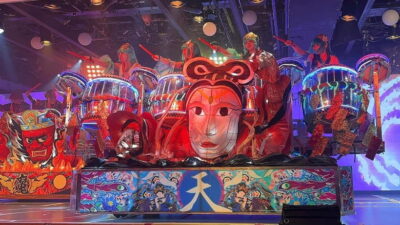 ★ 4.5Tokyo: Samurai Restaurant Show Ticket with 2 DrinksFrom $551h 30m
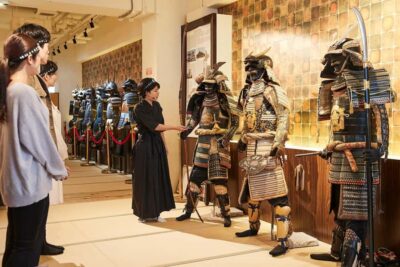 ★ 4.6Tokyo: Samurai Ninja Museum Guided tour and ExperienceFrom $27
 ★ 5.0Skip the lines Basic Ticket at SAMURAI NINJA MUSEUM TOKYOFrom $28
 ★ 5.0Tokyo: Authentic Samurai Training at a DojoFrom $211
 ★ 5.0Best Samurai Experience in TokyoFrom $65
 ★ 4.6Tokyo: Legend Samurai Entertainment Night in Kanda ShrineFrom $44