Reviewed · UENO & YANAKA WALKS
Private Ueno Park Architecture Walking Tour
Ueno Park is far more than cherry trees and museums. This private walk connects Le Corbusier’s UNESCO-listed museum with Kunio Maekawa’s Tokyo Bunka Kaikan, a 1906 library, and four buildings at Tokyo National Museum. I like the clear architectural theme and the fact that the tour is private, so your guide can shape the pace around your party.
In This Article
- Key points at a glance
- Why Ueno Park rewards an architecture walk
- Le Corbusier at the National Museum of Western Art
- Tokyo Bunka Kaikan and a conversation across the park
- The 1906 International Library of Children’s Literature
- Four eras at Tokyo National Museum
- What the private format changes
- Price, timing, and overall value
- Who will enjoy this walk most
- Practical advice before you book
- Should you book the Ueno architecture tour?
- FAQ
- How long is the Private Ueno Park Architecture Walking Tour?
- Is this a private tour?
- Can I choose a morning or afternoon departure?
- What buildings are visited?
- Is admission to Tokyo National Museum included?
- Is admission to the National Museum of Western Art included?
- Does the tour include hotel pickup and drop-off?
- Where does the tour start and end?
- Can I cancel for a full refund?
I also like the choice of morning or afternoon departure, plus the small drink break during the 3.5-hour walk. The main thing to consider is focus: this is an architecture tour, not an art or artifact tour, and admission to the National Museum of Western Art is listed separately from the included Tokyo National Museum admission.
Key points at a glance
- Le Corbusier’s Ueno building: See a UNESCO World Cultural Heritage Site recognized for its modern architectural value.
- Private from start to finish: Only your group takes part, with a professional guide and no larger tour crowd.
- Four Tokyo National Museum buildings: Compare Hyokei-kan, Hon-kan, Toyo-kan, and the Gallery of Horyuji Treasure.
- A useful modernist pairing: Tokyo Bunka Kaikan faces the National Museum of Western Art, creating an unusual architectural conversation.
- Morning or afternoon choice: You can fit the 3.5-hour walk around your day in Tokyo.
- Architecture over collections: The guide explains the buildings and their context, while museum art and objects remain secondary.
Why Ueno Park rewards an architecture walk
Many people enter Ueno Park with one goal: cherry blossoms, a museum visit, or a quick walk between Ueno Station and the park’s attractions. This tour asks you to slow down and look upward, outward, and across the park.
The setting gives you a compact lesson in Japanese architecture. You move from a major European modernist influence to Japanese architects who adapted those ideas, then to older buildings and careful renovation work. The appeal is not just seeing separate structures. It is noticing how different eras share one park.
I find the private format especially useful here. Ueno Park has several museums and important buildings, but their meaning is not always obvious from the outside. A guide can point out design choices, explain who built each structure, and connect one stop to the next without forcing you to follow a fixed group pace.
The experience lasts about three hours and 30 minutes. The listed stops account for about two hours and five minutes, leaving time for walking between buildings, explanations outside, and the included pause with drinks. Expect a steady outing rather than a quick photo stop.
A few more Tokyo tours and experiences worth a look

Le Corbusier at the National Museum of Western Art
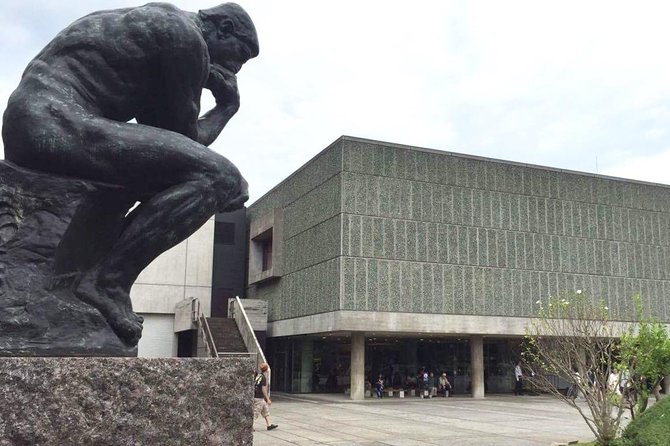
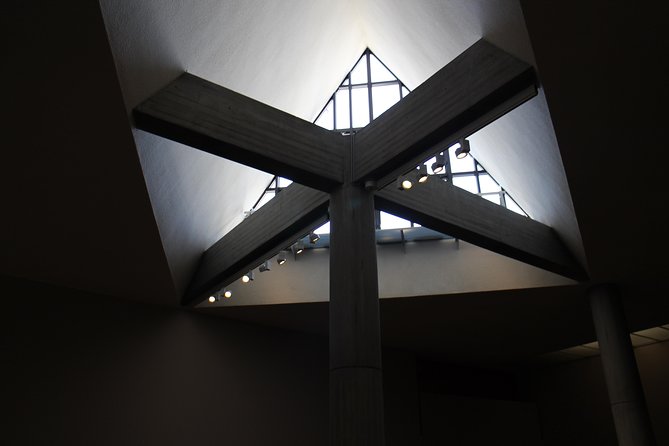
The tour begins at the National Museum of Western Art, the architectural centerpiece for many people. Le Corbusier designed the building, and its modern architectural value earned it UNESCO World Cultural Heritage recognition in 2016.
Your guide’s job here is to help you read the building as architecture. The museum houses Western paintings and sculptures from before the 18th century through the 20th century, but the tour’s stated focus is the structure itself. That distinction matters.
If you arrive expecting a full art museum visit, you may feel shortchanged. The scheduled stop is about 40 minutes, and the admission is listed as not included. You can appreciate the exterior and architectural ideas during the tour, but you should not assume this time covers a complete visit to the collections.
For architecture fans, the stop has real value. Le Corbusier’s presence gives the rest of the walk a starting point. You can then see how his ideas relate to Japanese work nearby instead of treating the museum as an isolated attraction.
The building also makes a strong first stop because it gives your guide a clear subject to explain. You are not simply looking at an old museum and hearing its opening date. You are considering a building recognized on an international level, then comparing it with what came next in Japan.
Tokyo Bunka Kaikan and a conversation across the park
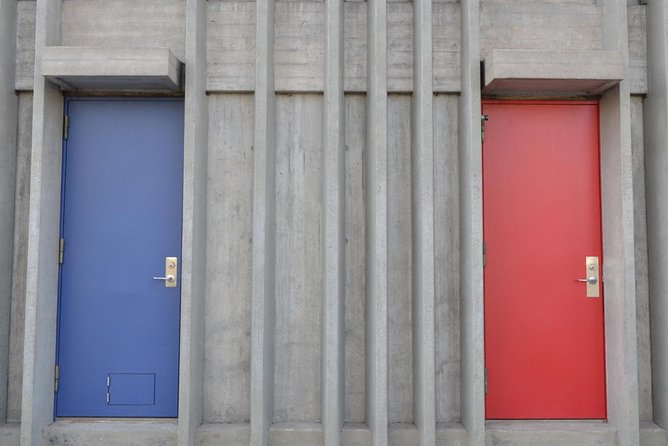
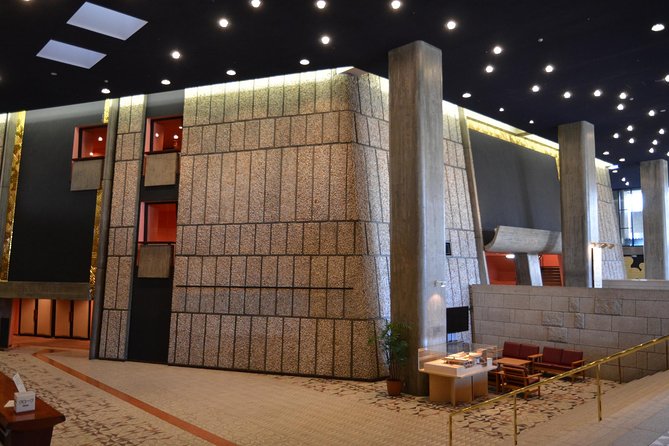
The next stop takes about 15 minutes and costs nothing to enter. Tokyo Bunka Kaikan was designed by Kunio Maekawa, one of three local apprentices of Le Corbusier.
Its location is part of the story. The building sits directly opposite the National Museum of Western Art, almost as if the two structures were speaking across the space. That visual relationship gives the guide a useful way to explain how architectural ideas moved from Le Corbusier into Japanese practice.
This is a short stop, so you should expect a focused explanation rather than an extended building visit. I like that it is included because it prevents the tour from becoming a single-architect study. You see influence, adaptation, and contrast within a few minutes.
The stop is also a reminder that architecture can work as a group. A building’s setting, facing direction, and relationship to its neighbor all affect how you experience it. You might appreciate this more on a guided walk than during an ordinary museum day, when you are likely to hurry inside.
The 1906 International Library of Children’s Literature
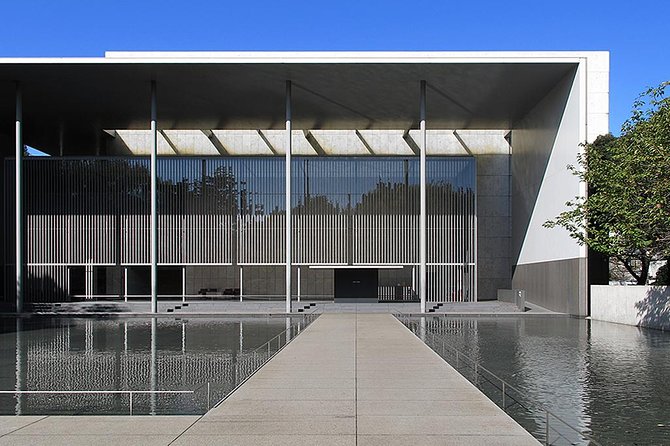
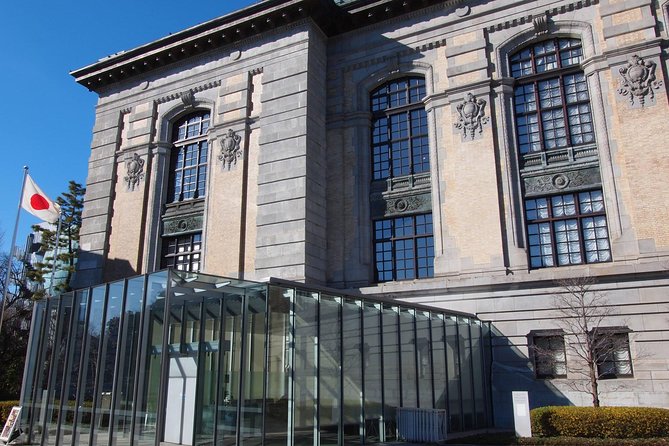
The International Library of Children’s Literature provides a sharp change in mood and age. Constructed in 1906, it is described as the oldest building in Ueno Park.
The tour spends about 40 minutes here. That gives your guide time to discuss both the original building and the work done to preserve and renovate it. You can also observe the contrast between the historic structure and a newer, striking addition.
This stop is valuable because it brings preservation into the discussion. A historic building is not always left untouched. It may need repairs, new systems, and added space, all while retaining the features that make it important. The library lets you consider how old and new construction can share one site.
I would pay close attention here if you enjoy restoration and adaptive reuse. The tour does not present Ueno Park as a frozen collection of old monuments. Instead, it shows a place where buildings continue to serve public purposes.
The library is also a welcome break from the polished modernism of the first two stops. Its 1906 construction places it in a different period, and the renovation work gives the guide another way to explain architectural change.
Four eras at Tokyo National Museum
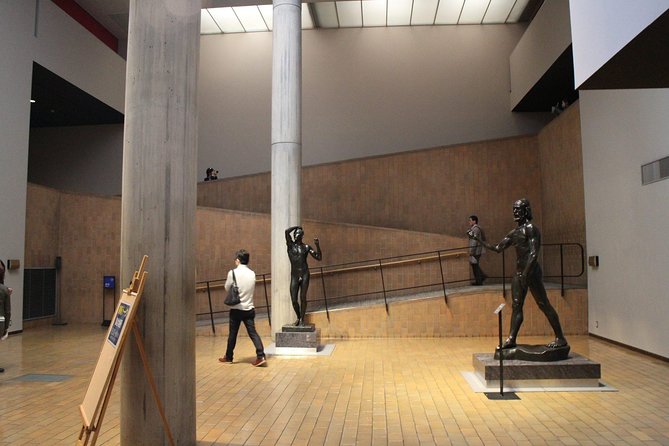
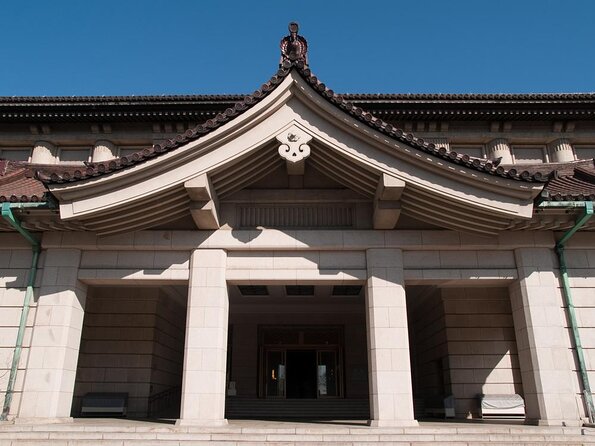
The final major stop is Tokyo National Museum. Here, the tour examines four architectural works: Hyokei-kan, Hon-kan, Toyo-kan, and the Gallery of Horyuji Treasure.
Together, these buildings reflect changing architectural periods from 1908 to 1999. You are not looking at one uniform museum complex. You are comparing structures built decades apart, each shaped by its own design concerns and historical setting.
The scheduled time is about 30 minutes. That is enough for an organized exterior overview, but not enough for a detailed visit to every building or its collections. The tour includes admission to Tokyo National Museum, listed at 1,000 yen, so you have the option of returning later for a longer museum visit if your schedule allows.
This is where the tour’s structure pays off. After seeing Le Corbusier and Maekawa, you have a frame for comparing the four museum buildings. Your guide can help you notice differences that might otherwise blur together during a regular park walk.
Do not expect the guide to lead a full exploration of the museum’s art and artifacts. The emphasis remains on architecture. One particularly useful point is understanding that a museum complex can tell a story through its buildings before you view anything inside.
Other walking tours we've reviewed in Tokyo




What the private format changes
The tour is exclusively for your party. That means you are not placed with strangers, and the guide can speak directly to your interests. If your group wants more attention on modernism, preservation, or the connection between Japanese and European design, the private format should make that easier to discuss.
A private tour also helps with pacing. Three and a half hours can feel long if every stop follows a rigid script, but it can feel well judged when the guide allows time for questions and photographs. The available morning and afternoon departures add useful flexibility.
The guide’s English ability received specific praise, and Aki signed the response to one participant. The supplied information does not guarantee that Aki will lead every departure, so you should treat the guide assignment as subject to availability. Still, the experience is designed around explanation rather than a simple escort between buildings.
You will need a moderate level of physical fitness. The tour involves walking through Ueno Park and moving between several sites. No hotel pickup or drop-off is included, so you begin at 7-chōme-7-7 Uenokōen and finish beside the ticket machines at the Park Exit of JR Ueno Station.
Price, timing, and overall value
The listed price is $146.59 per person. For a private 3.5-hour experience in Tokyo, that price makes the most sense when two or more people in your party care about architecture and want a guide dedicated to your group.
The value is not based on the number of admissions. Only Tokyo National Museum admission, listed as 1,000 yen, is included. The National Museum of Western Art stop is marked admission not included, so budget separately if you want to enter that museum beyond the guided architectural visit.
You are paying mainly for the private guide, planning, interpretation, and the chance to connect several buildings in one walk. Group discounts are available, though the exact savings are not provided. A larger private party may therefore find the per-person cost easier to justify than a solo visitor.
The fact that the experience is often reserved about 44 days ahead suggests that advance planning may be wise, especially if you need a particular date or departure time. Confirmation is received at booking, and free cancellation is available up to 24 hours before the start time. Changes or cancellations inside that window are not accepted for a refund.
Who will enjoy this walk most
I would choose this tour if you enjoy buildings as much as the objects displayed inside them. It suits visitors who want context, comparisons, and a guide’s eye rather than a checklist of famous Tokyo sights.
It is also a good match for:
- Architecture students and design professionals
- Visitors interested in Le Corbusier or Kunio Maekawa
- Couples and families who prefer a private schedule
- Museum lovers who want to understand the buildings first
- Repeat Tokyo visitors looking for a new way to see Ueno Park
I would be more cautious if your main goal is art, Japanese history, or a long look at museum collections. The tour gives you access to Tokyo National Museum, but its guided content stays centered on architecture.
Families should also consider the walking time and the subject matter. The library’s connection to children’s literature may add interest, but the tour is still an architecture lesson. Younger children who need constant activity may not enjoy a 3.5-hour discussion-led walk.
Practical advice before you book
Wear comfortable shoes and leave room in your schedule after the tour if you want to explore either museum properly. The guided stops are short compared with the amount of material inside these institutions.
Choose the departure time that matches your energy. A morning start may leave the rest of your day open, while an afternoon departure can work well if you want a slower start. The tour provider offers both options.
At the meeting point, look for 7-chōme-7-7 Uenokōen in Ueno Park. The walk ends near the Park Exit ticket machines at JR Ueno Station, which is convenient for continuing your day by train.
Bring questions. The private format is most worthwhile when you use it. Ask the guide to compare Le Corbusier with Maekawa, explain the renovation choices at the library, or help you understand the differences among the four Tokyo National Museum buildings.
Should you book the Ueno architecture tour?
Book it if you want a focused, private look at Ueno Park’s buildings and are happy to treat the museums as architecture subjects first. The strongest reasons are the direct comparison between Le Corbusier and Maekawa, the range of periods at Tokyo National Museum, and the attention a private guide can give your party.
Skip it if you want a standard museum tour with extensive time inside the galleries. At $146.59 per person, the price is harder to justify for someone who mainly wants to see paintings, sculptures, or Japanese artifacts.
For the right audience, this is a thoughtful way to see a familiar Tokyo park with fresh eyes. You leave with a clearer sense of how international modernism, Japanese design, historic preservation, and public museums meet in one compact part of the city.
FAQ
How long is the Private Ueno Park Architecture Walking Tour?
The tour lasts approximately 3 hours and 30 minutes.
Is this a private tour?
Yes. The activity is private, and only your group participates.
Can I choose a morning or afternoon departure?
Yes. The tour offers a choice of morning or afternoon departure.
What buildings are visited?
The tour visits the National Museum of Western Art, Tokyo Bunka Kaikan, the International Library of Children’s Literature, and Tokyo National Museum.
Is admission to Tokyo National Museum included?
Yes. The tour includes the Tokyo National Museum entrance fee, listed as 1,000 yen.
Is admission to the National Museum of Western Art included?
The National Museum of Western Art stop is marked as admission not included. You should budget separately if you want to enter.
Does the tour include hotel pickup and drop-off?
No. Hotel pickup and drop-off are not included.
Where does the tour start and end?
It starts at 7-chōme-7-7 Uenokōen in Ueno Park and ends beside the ticket machines at the Park Exit of JR Ueno Station.
Can I cancel for a full refund?
Yes, if you cancel at least 24 hours before the experience start time. Cancellations or changes made less than 24 hours before the start time are not accepted for a refund.
More Private Tours in Tokyo



More Walking Tours in Tokyo
More Ueno & Yanaka Walks in Tokyo
More tours in Tokyo we've reviewed












Ueno & Yanaka Walks, compared.
 ★ 5.0Eat and Drink Like a Local: Tokyo Ueno Food Tour-Taverns&RamenFrom $95
 ★ 4.5The Old Quarter of Tokyo – Yanaka Walking TourFrom $40
 ★ 5.0Yanaka Walking Tour: Historic and Traditional District of TokyoFrom $72
 ★ 4.8Tokyo: Old Quarter Yanaka Walking TourFrom $323 hours
 ★ 5.0Tokyo: Food Tour in Ueno with 10+ Tastings of Japanese ClassicsFrom $142
 ★ 4.9Tokyo:Stroll in Old traditional culture towns~Yanaka & NezuFrom $293h 30m