Reviewed · TSUKIJI MARKET TOURS
Inside Tokyo’s Kitchen: Tsukiji Market, Food & Culture Tour
Tsukiji is easiest to enjoy when someone helps you read the market. This three-hour walk leads you through narrow lanes of seafood stalls, snack counters, and food shops, with stops for sushi, sashimi, tamagoyaki, wagashi sweets, and other Japanese treats. I especially like the six-person limit, which makes it easier to ask questions, and the way the tour links food to Kabuki and shrine traditions. The main drawback is that the exact food lineup can vary, and some tastings may be prepared away from the stall rather than made directly in front of you.
In This Article
- Key points to know before booking
- Starting beneath Kabuki-za at 8 a.m.
- Reading Tsukiji Outer Market with a local guide
- What you may taste in the market
- The important catch: fresh food is not guaranteed at every stop
- From seafood to sweets and everyday Japanese food
- Namiyoke Inari Shrine provides a quiet finish
- Is $83.35 a fair price?
- Who will enjoy this three-hour walk?
- Practical details that affect your morning
- My verdict: book it for guidance, not a guaranteed feast
- FAQ
- Where does the tour begin?
- What time does the tour start?
- How long does the experience last?
- How many people can join the tour?
- Are vegetarian and vegan options available?
- Can children join the tour?
I also like the early 8 a.m. start, when Tsukiji is at its most useful for food shopping and fresh products, and the guide’s help with translation. You should wear sneakers and arrive early at the Kabuki Inari Shrine, since the meeting point is easy to miss in the Ginza area.
Key points to know before booking
- A tiny group of up to six: You get room to ask about fish, customs, and ingredients without shouting over a large crowd.
- Several kinds of tasting: Past menus have included sushi, tuna sashimi, sea eel roll, fish cake, tamagoyaki, white strawberries, dried anchovies, and wagashi.
- More than a market walk: Kabuki-za, Kabuki Inari Shrine, and Namiyoke Inari Shrine add useful cultural context.
- Food choices can change: Some outings offer a generous spread, while others may include fewer items or packaged food.
- Best for first-time Tsukiji visitors: The guide helps you find the right lanes and explains what you are seeing.
- Vegetarian and vegan options exist, but are limited: Tell the operator in advance and expect fewer tastings than a fish-focused group.
Starting beneath Kabuki-za at 8 a.m.
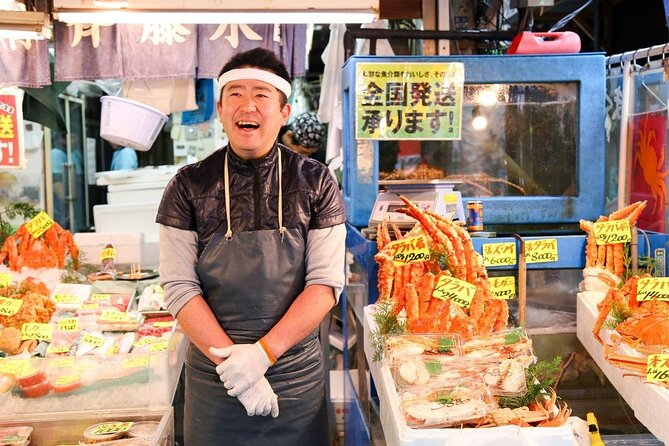
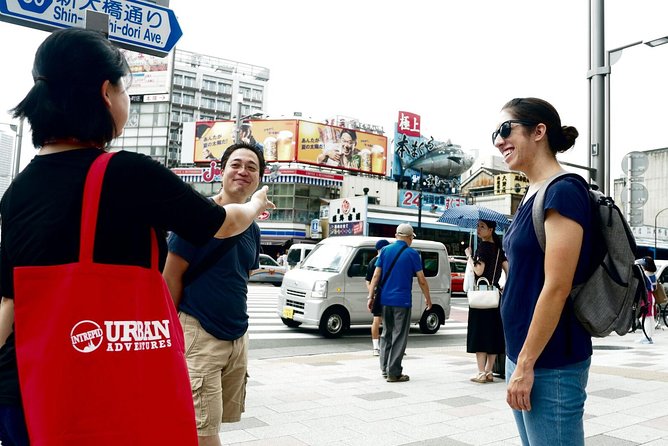
The tour begins at Kabuki Inari Shrine, in front of Kabuki-za at 4 Chome-12 Ginza. This is not simply a place to gather and leave. Your guide uses the setting to introduce Kabuki, Japan’s distinctive mix of drama and dance, while pointing out the unusual architecture of the Kabuki-za theater.
Allow extra time to reach the meeting point. The shrine sits in a busy part of Ginza, and one late arrival missed the group after walking past the spot and being unable to make contact in time. That is a painful way to lose an $83.35 booking. Put the meeting point into your map before leaving your hotel, and aim to arrive about 10 minutes early.
The shrine stop lasts about 10 minutes. It is brief, but it gives the morning a clear shape: first theater and tradition, then food and commerce, then another shrine at the end. I prefer this to a tour that treats Tsukiji as only a place to eat.
A few more Tokyo tours and experiences worth a look


Reading Tsukiji Outer Market with a local guide
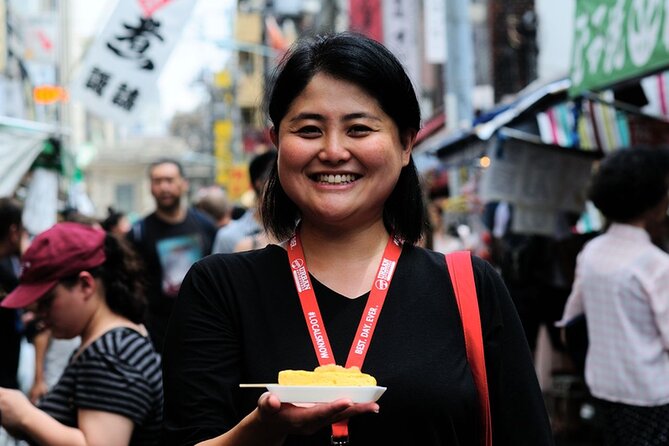
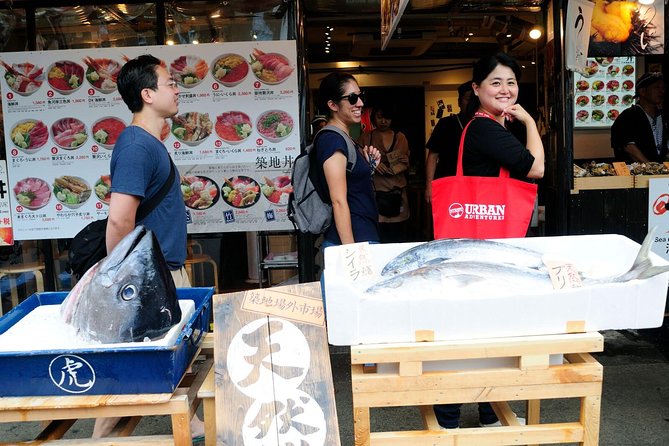
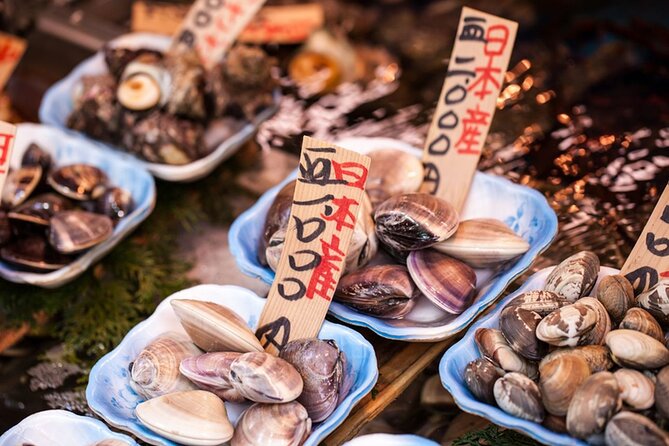
The main portion takes about two hours. You walk through the Outer Market’s close-packed lanes, looking at seafood, vegetables, cooking products, and ready-to-eat snacks. Tsukiji can feel confusing on a first visit, especially when several alleys seem to offer the same thing. A guide keeps you moving toward worthwhile stops instead of leaving you to guess.
The market is not a single hall with one entrance and one obvious route. It is an active district of small shops and food businesses. Your guide can explain what various fish are, help with translation, and point out how ingredients fit into Japanese cooking. That language support matters when labels and stall signs are unfamiliar.
The tour is best understood as a guided introduction, not a full shopping expedition. You will not have unlimited time to browse every shop. The benefit is that you see selected parts of Tsukiji without spending your whole morning trying to work out where to go.
The small group makes a real difference here. With no more than six people, your guide can pause to answer a question about a cut of tuna or explain a food you have never seen. Guides named in connection with this experience include Mihari, Yuri, Shino, Aya, and Koz. The strongest outings have been led by guides who are warm, precise, and willing to explain local habits rather than simply point at food.
What you may taste in the market
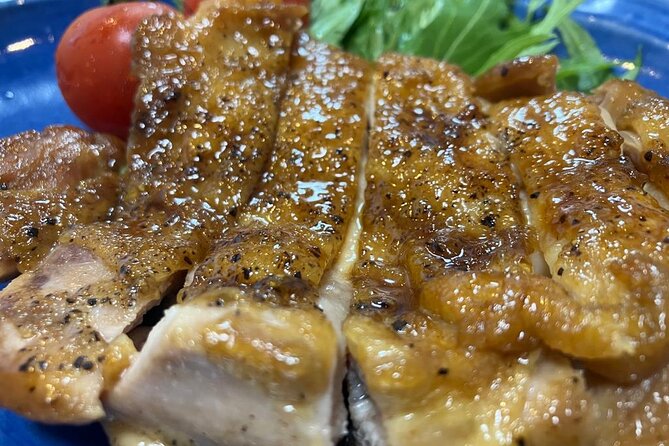
The food is the heart of the morning, but do not assume every departure includes exactly the same menu. The tour description promises freshly made sushi, local snacks, and wagashi sweets. Actual tasting combinations can vary with the day, the shop, availability, and the guide’s route.
A generous food-focused outing may include:
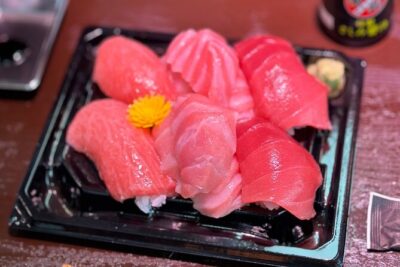
- Tuna sashimi in lean, medium-fatty, and fatty cuts
- Assorted tuna nigiri sushi
- Sea eel roll
- Satsumaage, a Japanese fish cake
- Tamagoyaki, or Japanese omelette
- Fried tuna
- Dried anchovies
- Fish broth omelette served on a stick
- White strawberries
- Sweetened rice balls
- Kawaii wagashi sweets
- Sake, if available, though drinks are not included
One particularly memorable version included real wasabi and a small tool for grating it. That is a better lesson than simply receiving a blob of green paste beside your sushi. You can taste the difference between freshly grated wasabi and the familiar commercial version.
Another outing encountered a large tuna being cut for sushi. That kind of moment cannot be promised, but it shows why a morning visit can be worthwhile for anyone curious about the market’s working side.
You should bring an appetite. Some groups have eaten enough to feel full before the tour ends, while others have found the food selection too small or oddly timed. The difference matters. This is not a fixed restaurant meal with a published tasting menu. It is a market walk that includes food along the way.
The important catch: fresh food is not guaranteed at every stop
The most useful caution concerns expectations. Fresh sushi and snacks are part of the advertised experience, but the exact presentation can disappoint if you expect every bite to be made in front of you. One outing included packaged tuna sushi and fried tuna from an indoor shop, followed by food at a barbecue place. The guide was helpful, but the arrangement did not match the expectation of watching market vendors prepare each roll on the spot.
That does not make the tour poor. It means you should book it for the combination of guidance, context, and tasting, not for a guaranteed chef-counter sushi meal. If your main goal is a seated sushi breakfast with a set number of pieces, this is the wrong format.
I would ask the operator about the current food plan if fresh preparation is especially important to you. The tour can include excellent seafood, but market conditions change. A stall may be busy, closed, or selling something different on the day of your visit.
The guide’s role is still valuable when a tasting is less theatrical. You learn what you are eating, how it is used, and how to order or recognize it later. That practical knowledge can be more useful than one polished restaurant meal, especially if this is your first visit to Japan.
From seafood to sweets and everyday Japanese food
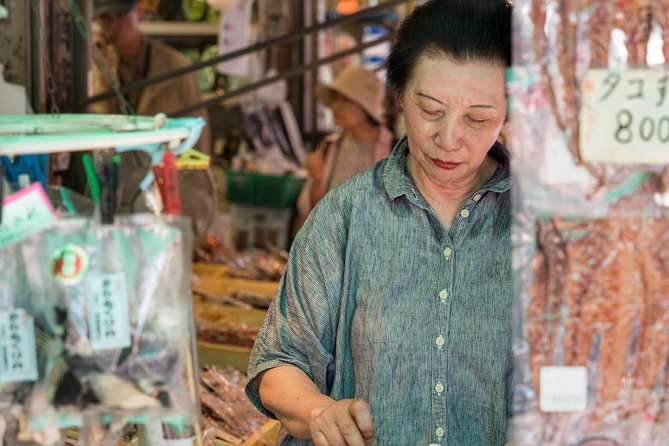
The strongest part of the food selection is its range. You are not limited to raw fish. Tamagoyaki shows how a simple omelette becomes a market snack. Satsumaage introduces a springy fish cake texture. Dried anchovies give you a salty, concentrated taste that may be more familiar in Japanese cooking than on a Western snack plate.
Wagashi brings the morning in a different direction. These small Japanese sweets are often designed with care, and the cute presentation explains the Kawaii reference in the tour description. The combination of seafood, cooked foods, fruit, and sweets gives you a better sense of how varied Japanese market eating can be.
Fish lovers will get the most from this outing, especially if you want to compare tuna cuts or learn about seafood names. You do not need to love raw fish to enjoy the walk. The market also offers cooked snacks, sweets, vegetables, and food customs that make sense even if sashimi is not your favorite.
Vegetarian and vegan choices are available, but the selection is limited. If you do not eat fish, eggs, or seafood, this is unlikely to be your best Tokyo food tour. Contact the operator ahead of time so the guide knows your needs, and understand that the group’s main focus remains Tsukiji’s seafood culture.
A few more Tokyo tours and experiences worth a look



Namiyoke Inari Shrine provides a quiet finish
The final stop is Namiyoke Inari Shrine, near Tsukiji Fish Market. After two hours of tight lanes and food displays, this small shrine gives you a calmer place to pause. Your guide can explain the shrine’s connection to the market area and local worship before the tour ends.
The official walking time at the shrine is about 10 minutes, followed by roughly another 10-minute walk toward the nearest station. The endpoint is near Tsukiji Station on the Hibiya Tokyo Metro Line, so you can continue sightseeing without returning to Ginza.
This ending is practical as well as cultural. You finish in Tsukiji rather than being sent back to the starting point, and you can keep exploring the market on your own if you still have room for lunch. Just remember that the guided portion is over. Any further food or shopping is your responsibility.
Is $83.35 a fair price?
At $83.35 per person, the price is reasonable if you value a small group and several included tastings. A private guide would cost more, while a self-guided market walk costs little beyond what you buy. This tour sits between the two: you share the guide, but the group is capped at six and the guide helps with language and food choices.
The value rises when the tasting selection is generous. Sushi, sashimi, local snacks, sweets, and cultural explanation can add up quickly in Tokyo, especially when you are unsure which stalls are worth choosing. A guide can also keep you from spending the morning on mediocre or overpriced items.
The value drops if you receive only a few small tastings or packaged food and had expected a full meal. Drinks and extra food are not included, and tips are separate. Bring money for anything that catches your eye after the included stops.
I would compare this price with your priorities. Pay for the tour if you want help making sense of Tsukiji and enjoy trying many small foods. Skip it if you are comfortable navigating markets alone and would rather put the same money toward a restaurant meal.
Who will enjoy this three-hour walk?
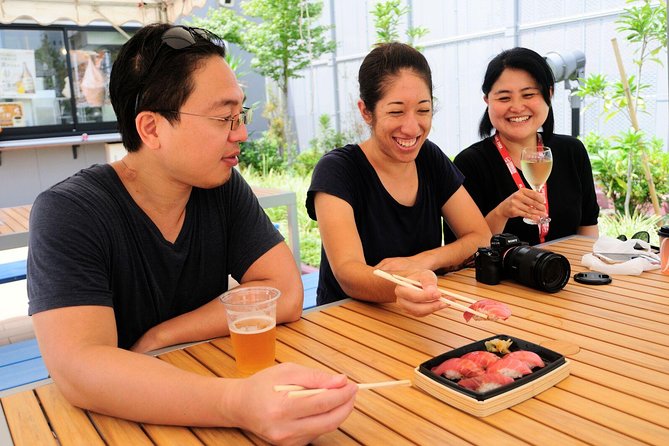
This experience suits a first-time Tokyo visitor who wants a guided introduction to Tsukiji without committing to a full-day food program. The route is short enough to fit into a busy itinerary, and the 8 a.m. start leaves much of the day open.
It is also a good match for curious eaters who want explanations, not just samples. You can ask about fish cuts, wasabi, omelette, sweets, and local customs as you go. Guides such as Mihari, Yuri, Shino, Aya, and Koz have been described as friendly and willing to answer questions, which is exactly what makes a small group useful.
Families can join, and children under six can participate free. The market’s tight spaces and wet floors mean you should keep a close eye on young children. Closed-toe shoes are required, and sneakers are the safest choice.
This is less suitable for anyone seeking a quiet, elegant breakfast, a fixed menu, or a guaranteed sushi counter. It is also not the best pick for strict vegetarians and vegans unless you are comfortable with a limited food selection.
Practical details that affect your morning
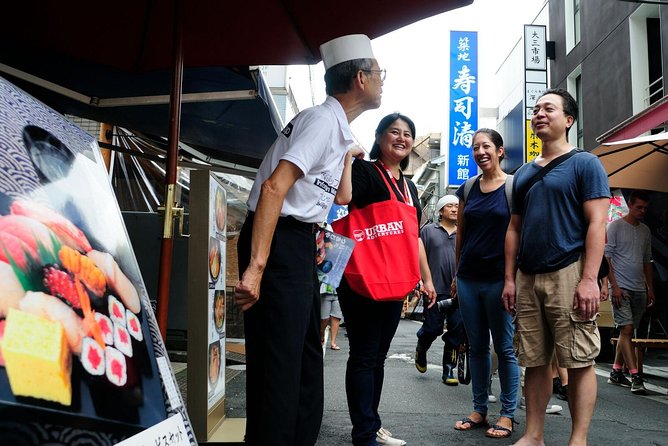
The tour lasts about three hours. The first 10 minutes take place at Kabuki Inari Shrine, about two hours are spent in Tsukiji Outer Market, and the final shrine visit takes about 10 minutes before the walk to the station.
You receive a mobile ticket and booking confirmation at the time of reservation. The tour runs near public transportation, and most people can take part. Closed-toe shoes are not a minor suggestion here. The market floors may be wet, so sandals and smooth-soled dress shoes are poor choices.
The group size is limited to six. That is small enough for personal attention but not private, so you should still expect to share decisions and tasting time with other people.
Free cancellation is available up to 24 hours before the start time. Cancellations or changes made inside that period are not refunded or accepted. The cut-off follows Tokyo local time, so check the clock carefully if you are changing plans from another time zone.
My verdict: book it for guidance, not a guaranteed feast
I would book this tour if you are visiting Tsukiji for the first time, enjoy trying several kinds of food, and want a guide to explain what you are seeing. The shrine stops, Kabuki introduction, translation help, and six-person limit make it more useful than simply wandering into the market and hoping for the best.
Go in with a flexible appetite. One morning may bring exceptional tuna, fresh wasabi, sushi, sweets, and a full range of snacks. Another may offer less food or include packaged items. If you accept that variation, the tour offers a friendly and efficient way to get oriented.
If fresh sushi prepared directly before you is your only goal, spend the $83.35 on a restaurant or choose a tour with a fixed menu. For everyone else, this is a strong choice for learning how Tsukiji works while tasting your way through one of Tokyo’s most rewarding food districts.
FAQ
Where does the tour begin?
It begins at Kabuki Inari Shrine in front of Kabuki-za, at 4 Chome-12 Ginza, Chuo City, Tokyo 104-0061.
What time does the tour start?
The start time is 8 a.m.
How long does the experience last?
The tour lasts approximately three hours. It includes about 10 minutes at Kabuki Inari Shrine, two hours in Tsukiji Outer Market, and about 10 minutes at Namiyoke Inari Shrine, followed by a walk toward the nearest station.
How many people can join the tour?
The maximum group size is six people.
Are vegetarian and vegan options available?
Yes. Vegetarian and vegan options are available, but the food selection is limited.
Can children join the tour?
Yes. The tour is child-friendly, and children under six can join free of charge.
More Shopping Tours in Tokyo

More Food Experiences in Tokyo
More Tsukiji Market Tours in Tokyo

More tours in Tokyo we've reviewed












Tsukiji Market Tours, compared.
 ★ 5.0Tokyo Tsukiji Fish Market Food and Culture Walking TourFrom $99
 ★ 5.0Tokyo: Tsukiji Fish Market Food and Walking tourFrom $30
 ★ 4.9Tokyo: Tsukiji Fish Market Guided Walking TourFrom $222 hours
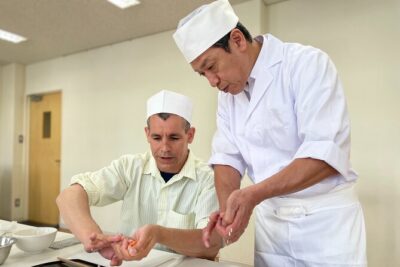 ★ 5.0Tokyo Sushi Making Class in Tsukiji with Professional ChefFrom $49
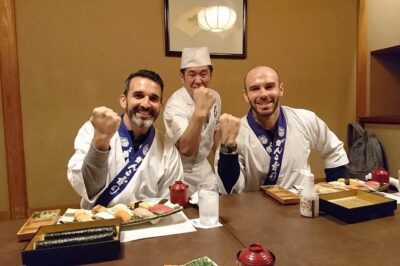 ★ 5.0Tsukiji Fish Market Guided Tour and Sushi Making with Pro ChefFrom $104
★ 4.7Tokyo: Tsukiji Fish Market Food and Culture Walking TourFrom $963 hours
★ 5.0Tsukiji Fish Market Guided Tour and Sushi Making with Pro ChefFrom $104
★ 4.7Tokyo: Tsukiji Fish Market Food and Culture Walking TourFrom $963 hours