Reviewed · GINZA TOURS
Tokyo: Know about Kabuki performing – Ginza Walking
Kabuki is one of Japan’s great traditional arts, but a full performance can take time and may feel hard to approach. This two-hour Ginza walk gives you a short, friendly introduction through the Kabukiza building, its exhibits, and nearby places linked to the theater.
In This Article
- Key points at a glance
- Why this short Kabuki walk works in Ginza
- Meeting at NISSAN CROSSING
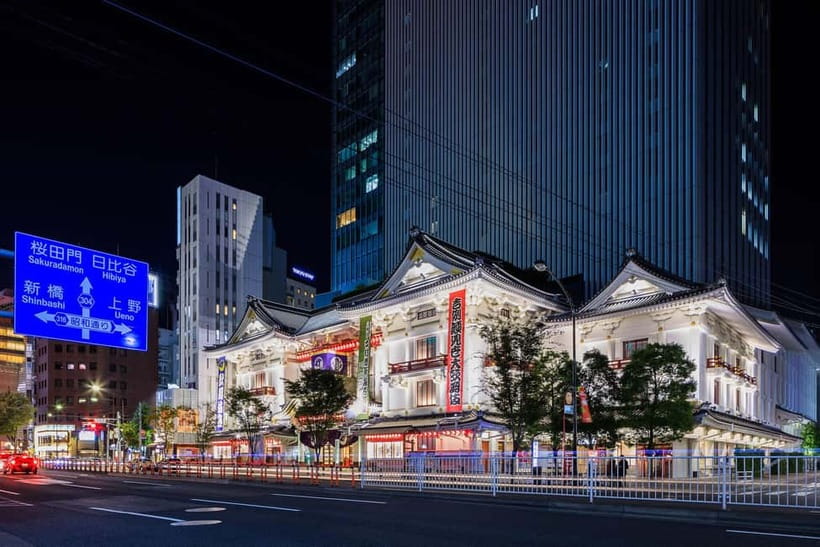
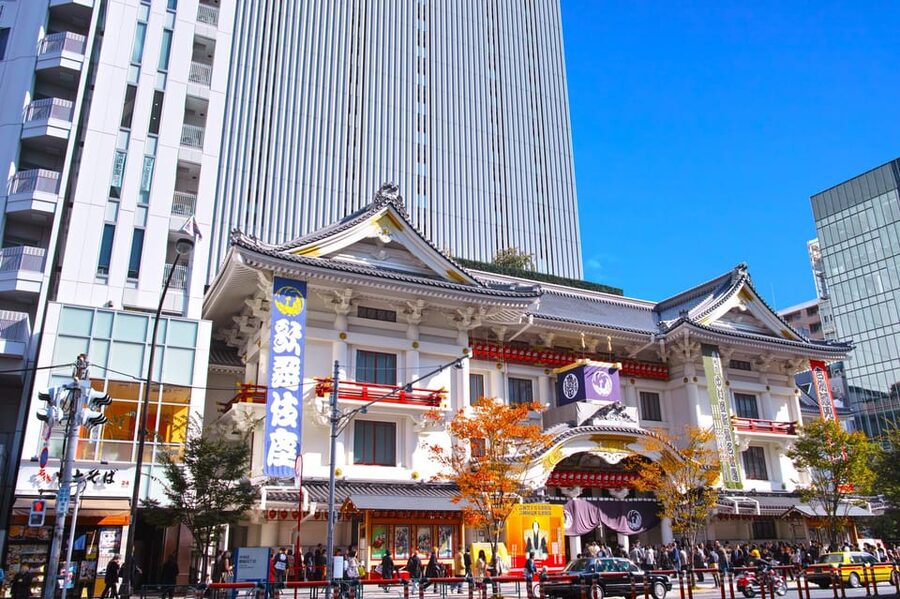
- Seeing the Kabukiza building up close
- The difference between learning about Kabuki and seeing it
- Kabukiza-only souvenirs and local shopping
- A shrine connected with Kabuki
- A famous Ginza clock tower
- What the guide adds to the experience
- Is $56 a fair price for two hours?
- Who should book this Kabukiza walk?
- Should you book the Ginza Kabuki walk?
- FAQ
- How much does the Tokyo Kabuki and Ginza walking tour cost?
- How long does the activity last?
- Is a Kabuki performance included?
- What is included in the price?
- Are shopping purchases included?
- Where is the meeting point?
- What language is the tour conducted in?
- How large is the group?
- Can I cancel or pay later?
I like the chance to buy Kabukiza-only souvenirs, and I like that the walk adds a shrine and a famous Ginza clock tower rather than keeping you inside one building. The main limitation is clear: you learn about Kabuki, but you do not watch a Kabuki performance.
A small group of no more than nine people keeps the walk personal. Guide Fumei received especially warm praise, and the guides also explain parts of Japanese theater beyond Kabuki itself. Still, if you already know Kabuki well, the tour may feel like a first look rather than a detailed study.
Key points at a glance
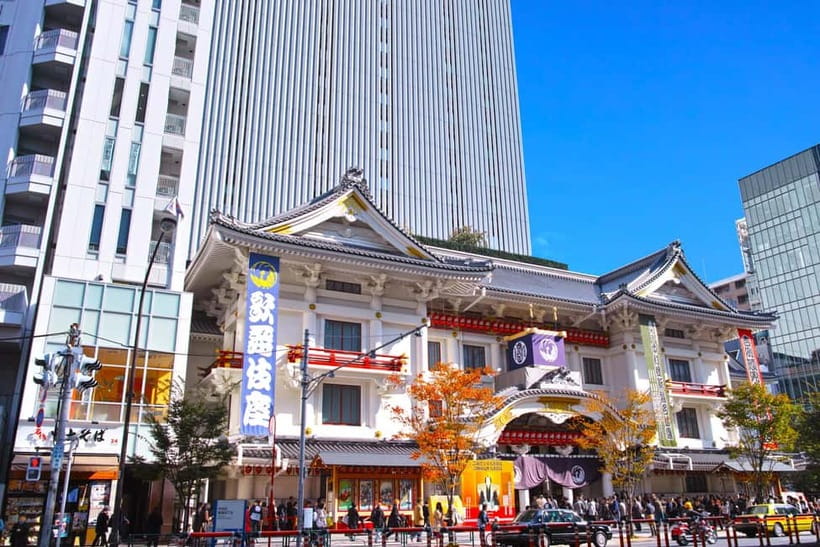
- Kabukiza without a full performance: Learn about Kabuki through exhibits if your schedule cannot fit a theater show.
- Exclusive shopping stops: Look for Kabuki goods, Japanese accessories, sweets, and souvenirs sold only around Kabukiza.
- Ginza sights beyond the theater: Visit a shrine connected with Kabuki and a famous clock tower.
- English-speaking small group: The tour is limited to nine participants, giving you more room to ask questions.
- A short introduction: The complete walk lasts two hours and costs $56 per person.
- Performance tickets are separate: The price covers the guide, not admission to a Kabuki show or shopping purchases.
Why this short Kabuki walk works in Ginza
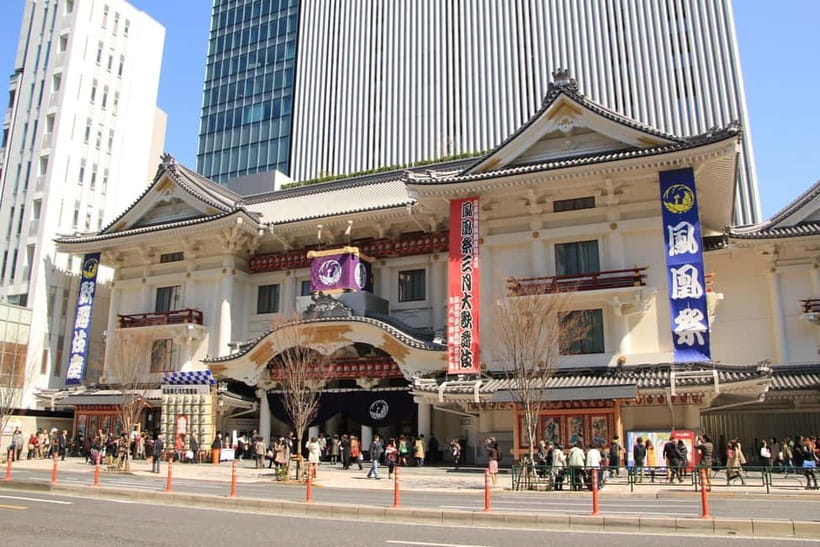
Ginza is known for polished department stores, famous brand shops, dining, and grand streets, but Kabukiza gives the district a different character. Here, old Japanese theater traditions meet one of Tokyo’s most modern commercial areas.
That contrast is the heart of this activity. You are not simply walking past a theater for a photograph. You are using Kabukiza as a starting point to understand a form of performance that can seem unfamiliar at first glance.
Kabuki uses stylized movement, elaborate costumes, dramatic makeup, music, and long-established performance conventions. The tour is designed for a basic introduction, not for a complete academic explanation. That makes it a sensible choice if you want some cultural context before moving on with your Ginza day.
I especially like the format for a first visit to Japan. You get a taste of traditional theater without committing several hours to a performance you may not yet understand. At the same time, you see how Kabuki remains part of daily sightseeing and shopping in the heart of Tokyo.
The two-hour length also matters. Ginza is easy to combine with other plans, and this walk should fit before lunch, after shopping, or alongside nearby sightseeing. You will need to check the available starting times when booking, since the schedule can vary.
A few more Tokyo tours and experiences worth a look

Meeting at NISSAN CROSSING
The meeting point is in front of NISSAN CROSSING. This gives you a clear place to begin in central Ginza, though you should allow enough time to find the exact spot before the scheduled start.
The activity does not include transportation from your hotel, so plan your route to the meeting point in advance. Since the walk moves through Ginza, comfortable shoes are sensible, even though the tour lasts only two hours.
A small group of up to nine participants is one of the practical strengths here. A guide can usually keep the pace more relaxed with a group this size, and you have a better chance to ask about Kabuki, Japanese theater, or the places visited along the way.
English is the tour language. Guide Fumei was singled out for being wonderful, but guide assignments can vary. You should expect an English-speaking guide rather than a particular guide unless your booking confirmation says otherwise.
Seeing the Kabukiza building up close

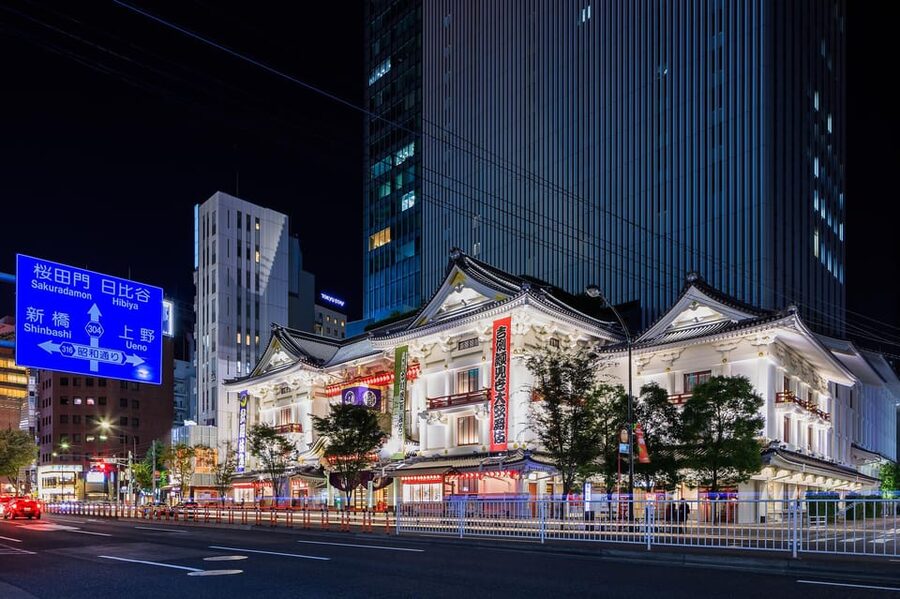
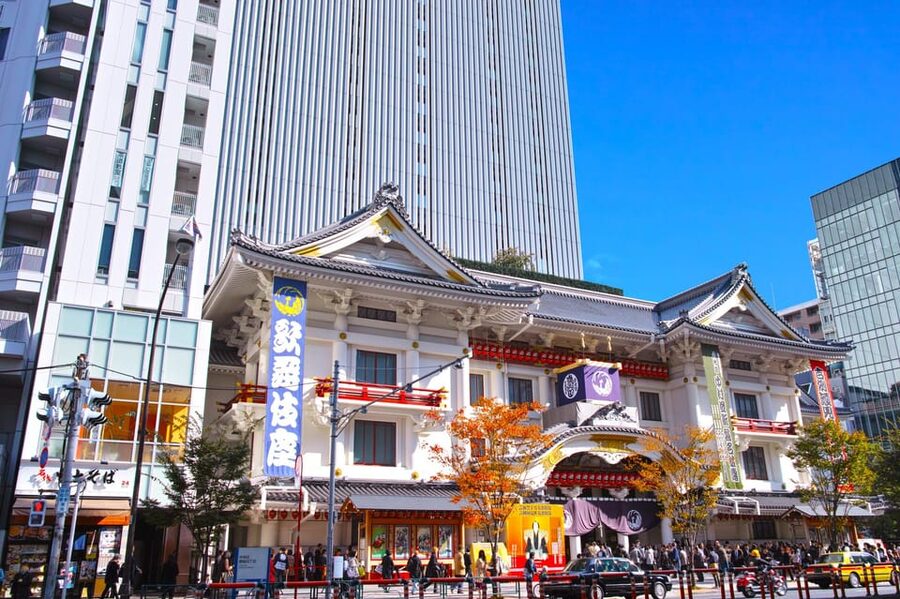
Kabukiza is the center of this experience. The building itself is part of the lesson, since it gives you a physical sense of how Kabuki is presented to the public in modern Tokyo.
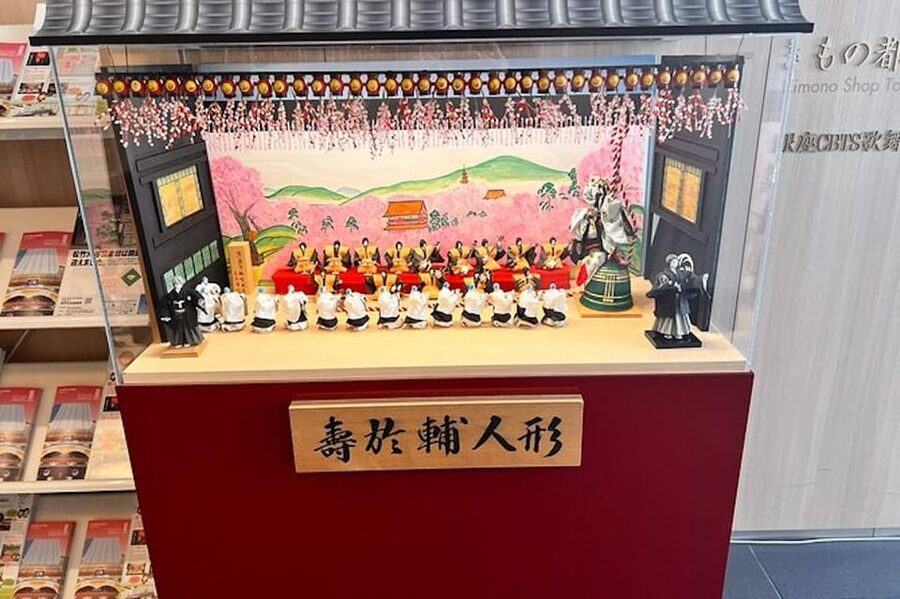
Your guide introduces the theater and explains the role it plays in Japanese performing arts. The visit is not just a quick exterior photo stop. You also tour Kabuki exhibits in the gallery, where the art form becomes easier to understand through objects and displays.
This is useful if you have never seen Kabuki before. A full performance can include unfamiliar conventions, and a brief explanation beforehand can help you recognize the importance of costume, gesture, stage presentation, and traditional theater customs.
The available information does not promise a particular exhibit or a fixed gallery route, so you should not expect an extensive museum visit. Think of it as a focused introduction attached to the theater, not a full day at a performing arts museum.
One participant wanted more detail about the ways of Kabuki, which is a fair warning about the tour’s depth. The guide explains a lot, but the experience is intended as a short look behind the theater curtain. If you want a serious study of Kabuki performance techniques, you may need a longer class, a full theater program, or additional reading.
The difference between learning about Kabuki and seeing it
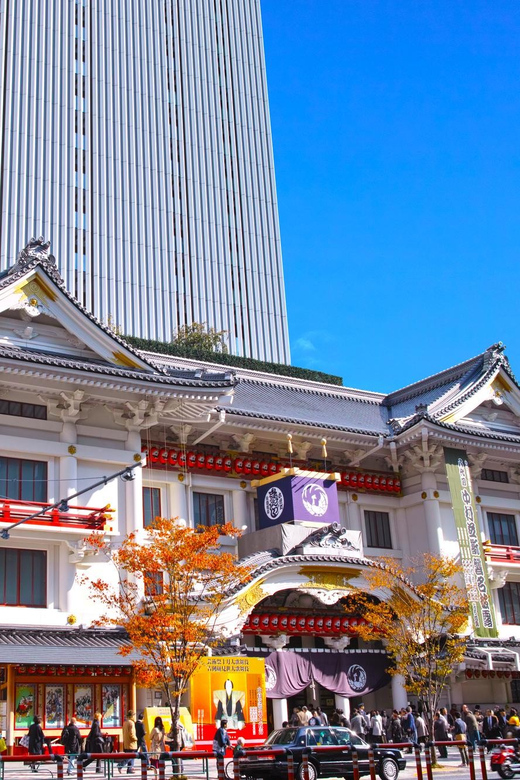
The most important point to understand before booking is that Kabuki viewing is not included. You will learn about the art form and see related exhibits, but you will not attend a live performance as part of the $56 price.
That distinction makes the tour a good fit for people who are short on time or unsure about committing to a show. You can decide later if you want to pursue a performance, armed with a little more background.
It also means the price needs to be judged correctly. You are paying for a guided cultural walk, not a theater ticket. The guide, the interpretation, the gallery visit, and the connected Ginza stops form the main value.
If your main goal is to sit in the Kabuki theater and watch actors perform, this activity will not meet that goal on its own. If your goal is to understand what Kabuki is and see its place in Ginza, the shorter format makes more sense.
The price also excludes shopping. That is normal for a walk built around stores, since each person will choose different souvenirs. Keep a separate budget if you want Kabuki goods, Japanese accessories, or sweets.
Kabukiza-only souvenirs and local shopping
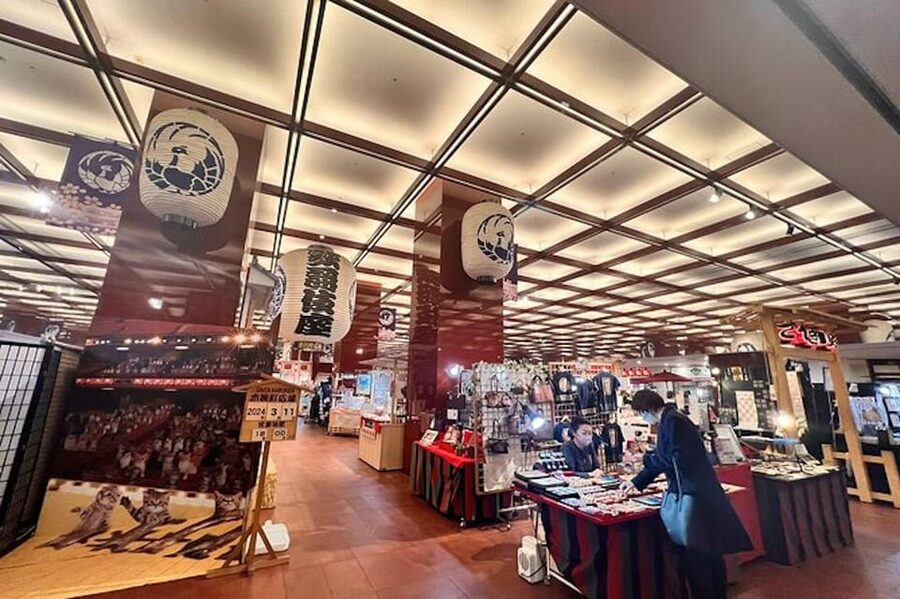
The shopping stops add a practical edge to the cultural introduction. Around Kabukiza, you can browse theater goods and souvenirs that are only available in this area, along with Japanese accessories and sweets.
This is more useful than a generic shopping stop because the goods connect directly with the subject of the tour. You might find a small Kabuki-themed gift, a traditional-style accessory, or a Japanese sweet that gives you a tangible reminder of the visit.
The guide can point out what makes these shops relevant, which is helpful when you are surrounded by unfamiliar products. You do not have to buy anything, and shopping costs are not included. The activity remains worthwhile if you simply want to look.
Still, shopping can take up time. If your priority is learning about Kabuki, tell yourself in advance how much attention you want to give the stores. If you love Japanese design and food gifts, the stops may be one of the best parts of the walk.
The wording of the experience suggests several shops rather than one fixed store. The exact selection may depend on opening hours and the guide’s route, so treat the shopping portion as part of the walk rather than a guaranteed shopping list.
Other walking tours we've reviewed in Tokyo



A shrine connected with Kabuki
The route also includes a shrine associated with Kabuki. This helps connect the theater to Japanese religious and cultural life rather than treating it as an isolated entertainment venue.
The shrine is likely to interest you if you enjoy seeing how traditions overlap in Japan. Kabuki is performed on a stage, but its world also includes customs, symbols, objects, and places that sit outside the theater itself.
No shrine name or detailed stop-by-stop explanation is provided, so you should not book this expecting a long religious history talk. The value is in seeing a place connected with Kabuki and gaining another piece of context during the Ginza walk.
As with the gallery, your guide is important here. One of the strengths of a small walking tour is that you can ask why the shrine matters and how it relates to Kabuki. The guide can also explain nearby Japanese cultural details that you might otherwise pass without noticing.
A famous Ginza clock tower
A famous clock tower is another stop around Kabukiza. It gives the walk a broader Ginza flavor and breaks up the theater-focused portion with a well-known local sight.
The tower is not presented as a separate major attraction with a long visit. Instead, it forms part of the surrounding sightseeing, helping you see the area as a mix of traditional culture, city landmarks, and high-end urban life.
I like this balance. A tour devoted only to theater can feel narrow, especially if you are trying to get a feel for Ginza during a short stay. Adding the shrine and clock tower gives you more visual variety without turning the activity into a rushed city tour.
The exact name of the clock tower is not specified, so it is best to think of this as a landmark stop rather than booking the activity for one particular tower. The main subject remains Kabuki and the streets around Kabukiza.
What the guide adds to the experience
The guide is the part of this activity that can turn a simple Ginza walk into something more useful. Without explanation, a theater building, shrine, and shop can be interesting but disconnected. With a guide, the stops form a story about Japanese performance and culture.
The available comments point to friendly guides who explain more than Kabuki alone. You may also hear about Japanese theater in a broader sense, which gives you a better sense of where Kabuki fits.
That extra context is valuable for first-time visitors. You do not need to arrive with knowledge of Japanese theater. The format is designed to help you get your bearings quickly and leave with a basic understanding.
At the same time, keep your expectations measured. One participant specifically wanted more insight into Kabuki itself. In two hours, the guide has to divide time between exhibits, shopping, the shrine, the clock tower, and general questions.
If you want the most from the walk, ask direct questions. You might ask about Kabuki costumes, stage traditions, the purpose of the exhibits, or the connection between the shrine and the theater. The small group makes that easier than on a large bus tour.
Is $56 a fair price for two hours?
At $56 per person, this is not the cheapest way to walk around Ginza. You can see public streets and landmarks without a guide, and you can browse shops on your own.
The value comes from the interpretation. You are paying for an English-speaking guide, access to the Kabuki exhibits, a planned route, and cultural context that is harder to gather by wandering. For someone with little time or limited knowledge of Kabuki, that can justify the cost.
The price is less attractive if you mainly want shopping or photographs. You still pay for purchases separately, and the tour does not include a performance. It works best when you place a real value on guided explanation.
The small group helps the price feel more reasonable. With a maximum of nine people, this is not a mass sightseeing experience. You get a more direct connection with the guide and a better chance to shape part of the conversation.
Free cancellation up to 24 hours before the activity and the option to reserve now and pay later also make the booking less rigid. Those policies are useful if your Ginza plans may change, but they do not alter what the price includes.
Who should book this Kabukiza walk?
I would recommend it to first-time visitors who want a short introduction to Kabuki without attending a full performance. It also suits anyone curious about Japanese culture but unsure where to start.
The tour is a good match for:
- People with only a few hours in Ginza
- Visitors who want an English-speaking guide
- Anyone interested in Japanese theater and traditional arts
- Shoppers looking for Kabukiza-related goods and sweets
- People who prefer small groups over large guided outings
- Visitors who want a mix of theater, a shrine, shopping, and a city landmark
I would be more cautious if you already have a strong background in Kabuki. The walk offers a first insight, not an advanced lesson. I would also skip it if your only goal is to watch a live performance, since no Kabuki viewing is included.
The best way to use this activity may be as an introduction before making your own theater plans. You learn enough to decide if Kabuki deserves more of your time, then continue exploring Ginza at your own pace.
Should you book the Ginza Kabuki walk?
Book this tour if you want a compact cultural introduction with an English-speaking guide, a small group, and several stops around Kabukiza. The combination of gallery exhibits, exclusive souvenirs, a Kabuki-linked shrine, and a clock tower gives you more than a simple theater exterior visit.
Do not book it expecting a live show or a detailed masterclass. The two-hour route gives you a useful first look, but the coverage is necessarily broad. At $56, the tour makes the most sense when you value explanation and a planned route more than independent wandering.
For many visitors, that is a fair trade. You leave with a clearer idea of Kabuki, a better sense of Ginza’s cultural side, and perhaps a souvenir that you could not have picked up elsewhere.
FAQ
How much does the Tokyo Kabuki and Ginza walking tour cost?
The tour costs $56 per person.
How long does the activity last?
The walking tour lasts two hours.
Is a Kabuki performance included?
No. Kabuki viewing is not included in the activity.
What is included in the price?
A tour guide is included.
Are shopping purchases included?
No. You pay separately for souvenirs, Japanese accessories, sweets, and any other items you choose to buy.
Where is the meeting point?
Meet in front of NISSAN CROSSING in Ginza.
What language is the tour conducted in?
The tour is conducted in English with a live English-speaking guide.
How large is the group?
The group is limited to nine participants.
Can I cancel or pay later?
You can cancel up to 24 hours in advance for a full refund. You can also reserve your place and pay later, keeping your plans flexible.
More Walking Tours in Tokyo
More Ginza Tours in Tokyo


More tours in Tokyo we've reviewed












Ginza Tours, compared.
 ★ 4.8Chopstick Making Workshop in GinzaFrom $251 hour
 ★ 4.5Tokyo: Art Aquarium Museum GINZA Entry TicketFrom $171 day
 ★ 5.0Tokyo: Best Ginza Food Tour at 3 Local EateriesFrom $150
 ★ 4.5Official Japan Go-Kart Through Tokyo Bay / Ginza (IDP Required)From $85
 ★ 5.0Private Ginza Architecture Walking TourFrom $132
 ★ 4.8Tokyo GINZA: KONPARU Japanese Cabaret Show with DrinkFrom $502 hours