Reviewed · SAMURAI & NINJA EXPERIENCES
Samurai Experience Tokyo : Samurai Signature (90 min)
The best part of this Tokyo activity is that you do more than pose in a costume. You kneel in a dojo, learn formal training etiquette, handle a wooden sword, and practice shuriken throwing under instruction from Suzak Shibata, described as the 19th-generation head of the Musashi Ninja Clan. The hands-on training gives the visit purpose.
In This Article
- What the 90-minute Samurai Signature session feels like
- Changing into samurai or ninja attire
- Meditation and dojo etiquette before the weapons
- Meeting Suzak Shibata and learning the clan tradition
- Watching an ancient technique demonstration
- Practicing with the bokken
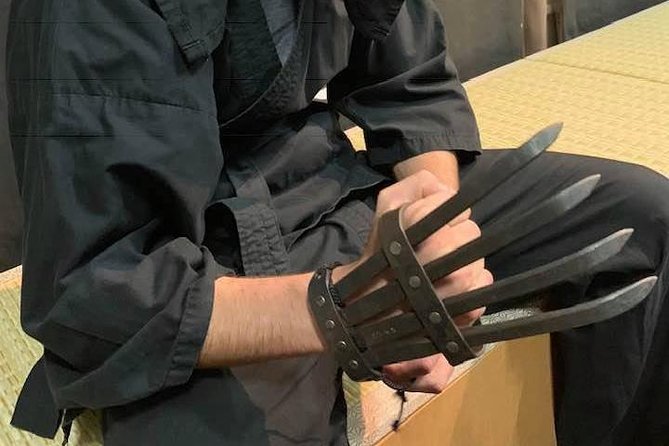
- Throwing shuriken, the family favorite
- Questions, oral teaching, and the final five minutes
- What the $122.15 price includes
- Who should book this dojo experience
- Timing, booking, and cancellation details
- Is Samurai Signature worth booking?
- FAQ
- How long does the Samurai Signature experience last?
- Where does the experience begin and end?
- Who leads the samurai experience?
- Is an interpreter included?
- Are costumes included?
- Are the practice weapons included?
- Can children take part?
- Is there a fee for spectators?
- How many people can join the activity?
- Can I cancel for a full refund?
I like the small group size, capped at six, and the clear mix of movement, history, and ceremony. I also like that the class includes a dogi, bokken, and shuriken, so you do not need to arrange costume rental or equipment separately. The main consideration is the price, $122.15 per person, and the fact that spectators pay an extra 4,400 Japanese yen.
- A 90-minute dojo lesson: Expect meditation, demonstrations, sword practice, shuriken throwing, and photo time.
- A living clan tradition: Suzak Shibata leads the session as the 19th-generation head of the Musashi Ninja Clan.
- Small-group instruction: The class has a maximum of six participants, which matters during weapon practice.
- Costume and gear included: You receive a dogi, wooden bokken, and shuriken for the session.
- Family-friendly, with limits: Children under 12 need a participating adult, and most people can take part.
- A focused Tokyo location: The dojo is in Matsugaya, Taito City, near the Asakusa area.
What the 90-minute Samurai Signature session feels like
This is a compact introduction to samurai and ninja training, not a full-day martial arts course. In 90 minutes, you move through several short sections, each with a different purpose: preparation, ceremony, explanation, demonstration, practice, and photographs.
That pace suits you if you want a cultural activity that keeps you active. You will not spend the whole session listening to a lecture, but you also will not simply swing a sword for an hour. The class tries to connect each physical exercise with discipline, etiquette, and older warrior customs.
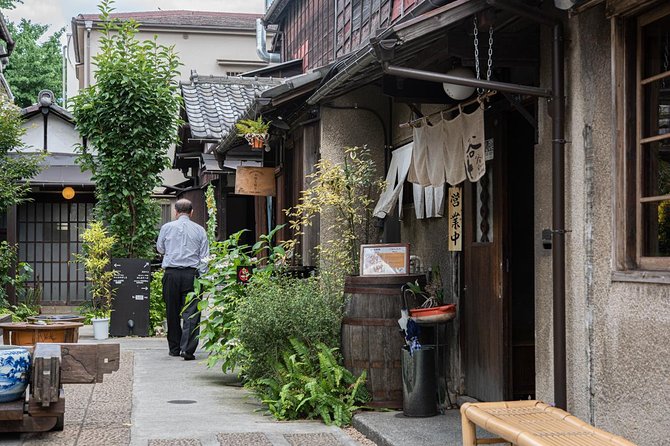
The experience takes place at Musashi Ninja Clan Honjin Dojo in Tokyo’s Taito City. The listed address is Matsugaya 3-chome, Mets Hachibankan, third floor, postal code 111-0036. The activity ends where it begins, so you do not need to arrange a separate return transfer.
Changing into samurai or ninja attire
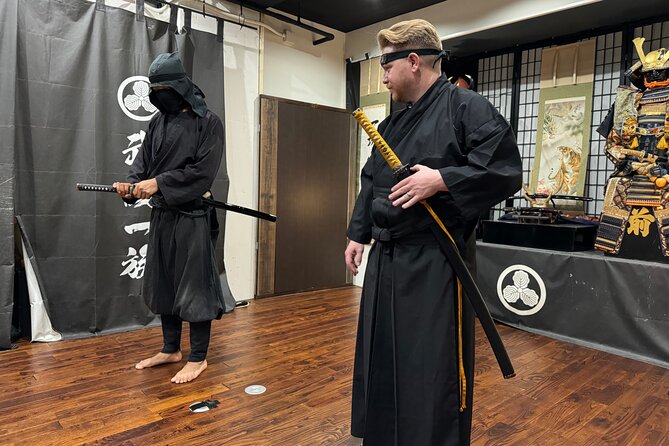
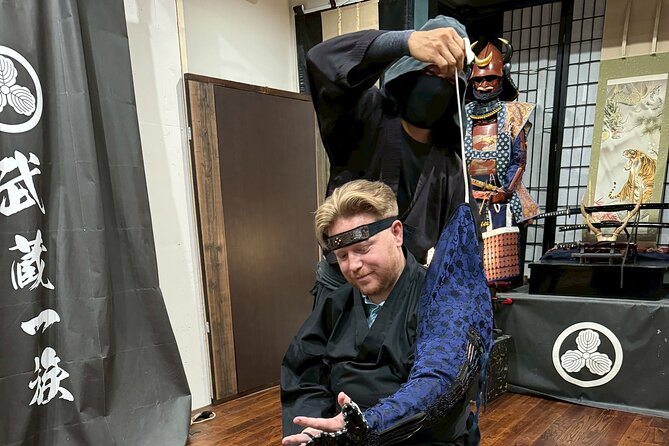
The session begins with a change into traditional-style training clothing. A dogi rental is included, which keeps the preparation simple and helps the class feel different from an ordinary sightseeing stop.
You may practice as a samurai or ninja, depending on the session and your preference. The clothing also sets up one of the useful teaching points: warrior clothing was not just decoration. The instructor explains the costumes associated with samurai and ninja, giving you a better sense of how popular images compare with the traditions being taught in the dojo.
This is also the point where you should get ready to follow instructions closely. The dojo asks participants to pay attention, and inattentive people may be asked to leave. That rule may sound strict, but it makes sense when people are handling practice weapons in a small room.
A few more Tokyo tours and experiences worth a look


Meditation and dojo etiquette before the weapons
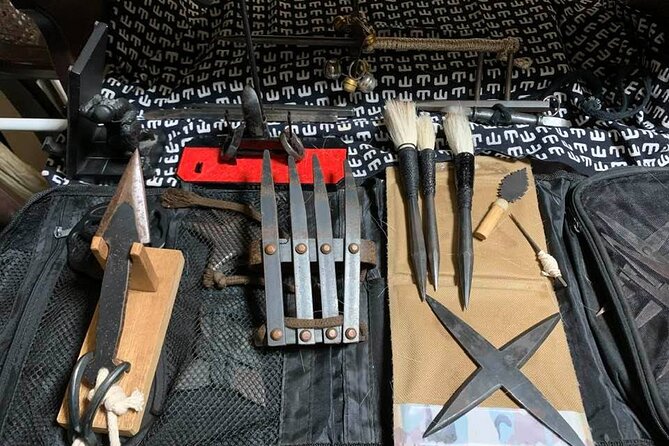
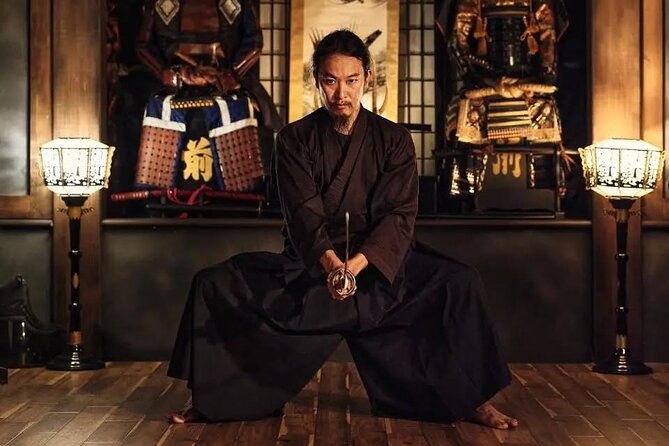
Before the physical exercises, you begin with meditation. You also learn traditional training etiquette and rituals, including how to sit and behave in the dojo.
I like this part because it prevents the activity from becoming a costume photo session with props. The formal opening gives the sword and shuriken exercises a cultural setting. You are being asked to slow down, listen, and treat the training space with care before you start moving.
Some families may find the ceremonial tone more serious than expected. That is part of the appeal for adults interested in Japanese traditions, but younger children may need reminders to stay focused. The minimum age details allow children from age seven to receive the first kuden, or oral teaching, upon request, while children under 12 must be accompanied by a participating adult.
Meeting Suzak Shibata and learning the clan tradition
Suzak Shibata leads the experience as the 19th-generation head of the Musashi Ninja Clan. The clan says its members served the Tokugawa Shogunate for 246 years and continue to preserve its Ninshi tradition today.
That lineage is a distinctive part of the session. You are not simply being shown a generic samurai routine created for tourists. The class presents training and oral teachings as part of a living clan tradition passed down through generations.
At the same time, you should keep your expectations sensible. This is still a short introductory experience for international visitors. The session gives you a doorway into the tradition, rather than enough time to master swordsmanship or understand every part of the clan’s background.
An online interpreter supports the lesson. That matters because precise instructions are important during sword forms and throwing practice. The instructor also welcomes questions during the session, so ask when a movement, term, or ritual is unclear.
Watching an ancient technique demonstration
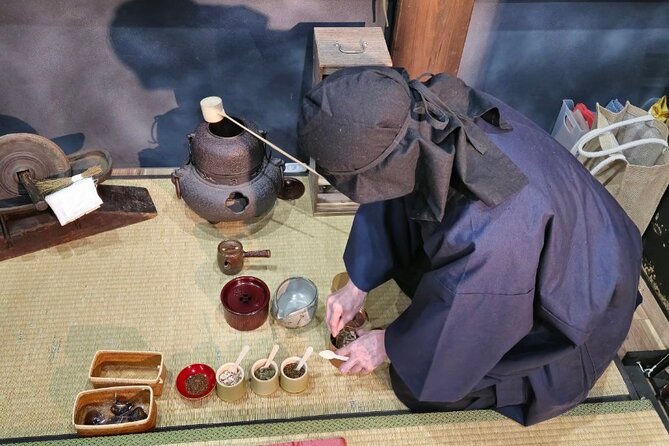
After the opening, you watch a live demonstration of older samurai and ninja techniques. This gives you a visual model before you try the movements yourself.
The demonstration is valuable for two reasons. First, it shows how controlled the actions should be. Second, it helps you recognize the difference between theatrical sword swinging and a measured training form. The class emphasizes posture, stances, movement, and etiquette rather than speed or mock combat.
One particularly memorable possibility is seeing a historic sword. A couple attending the class were allowed to hold a 600-year-old samurai sword that had been used in battle. That is not listed as a guaranteed part of every session, so you should not book solely for that moment, but it shows the kind of historical object that may be discussed or presented.
Practicing with the bokken
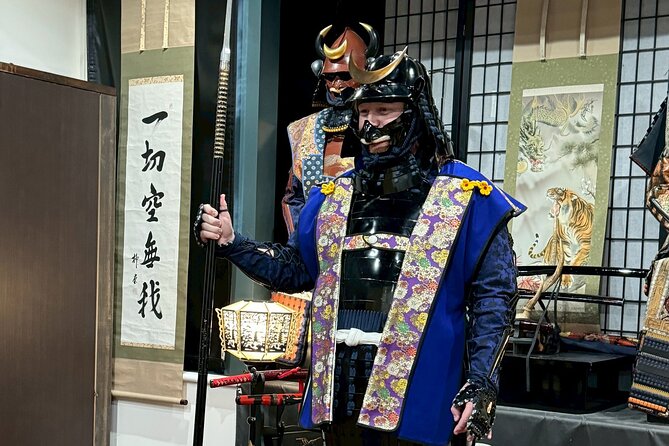
The bokken is a wooden training sword, and rental is included in the price. You learn typical stances and movements while the instructor watches and corrects the group.
This is the physical center of the class. You get to hold the sword, place your feet, work through basic movements, and feel how much control the forms require. The practice is structured, so you are not left to invent your own movie-style samurai routine.
The small maximum of six participants is a real advantage here. A large class would make it harder to see the instructor or receive corrections. With fewer people, you can pay attention to spacing and timing, and the instructor can keep a closer eye on safety.
You should wear something that allows comfortable movement beneath the rented clothing. The supplied information does not specify changing-room arrangements, footwear rules, or a dress code, so ask the provider if you need those details before booking.






Throwing shuriken, the family favorite
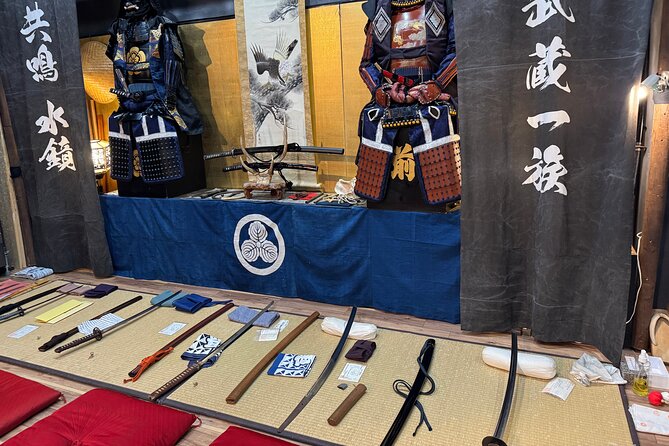
The shuriken portion is likely to be the most playful part of the session. You practice the art of throwing the familiar ninja star, using rented equipment under supervision.
This activity works well for families because it provides an immediate goal. Children can see what they are trying to do, then adjust their technique as the instructor gives direction. One nine-year-old described the activity as the best day of a Japan trip and wished it had lasted all day. A separate family found the throwing stars especially fun for the children.
Do not confuse this with a free-for-all target game. The class is built around instruction and attention, which is important when sharp throwing tools are involved. Listen carefully, wait your turn, and follow the dojo’s rules.
The shuriken practice also helps balance the more formal sword work. If you prefer cultural activities with a little action, this combination is stronger than a basic museum talk. If you dislike structured physical participation, the class may feel demanding.
Questions, oral teaching, and the final five minutes
Questions are welcome throughout the session. That is useful because many of the terms and rituals may be unfamiliar, and the online interpreter can help connect the instructor’s explanation with your questions.
Upon request, the first kuden of the samurai and ninja lineage, called the Sansai Teaching, may be shared with dedicated participants aged seven and older. This is described as a foundational oral transmission, not a standard entertainment segment. If this matters to you, request it rather than assuming it will automatically be included.
The final five minutes are set aside for photographs. You can use this time to record the costume and dojo setting after the training is complete. The short photo period is enough for a few keepsakes, but it is not a separate professional photo shoot.
What the $122.15 price includes
At $122.15 per person, this is not a bargain activity. The price makes more sense if you value personal instruction, a maximum group of six, traditional clothing, and access to several pieces of equipment in one session.
Included are the instructor, online interpreter, dogi rental, bokken rental, and shuriken rental. Food and drinks are not included, though the 90-minute schedule is short enough that this is unlikely to affect your day.
The value is strongest for a family or couple looking for one distinctive cultural activity. A museum visit may cost less, but it will not give you the same physical involvement. A casual costume rental may also cost less, but it will not include meditation, etiquette, demonstrations, and guided practice.
Remember the spectator charge. Someone who comes only to watch pays 4,400 Japanese yen on arrival. That can change the total cost for a parent who plans to observe while a child participates. Since children under 12 need a participating adult, the adult should plan to join rather than watch from the side.
Who should book this dojo experience
I would choose this for families with children who enjoy trying things, couples who want a cultural break from temples and shopping, and adults curious about martial traditions. The activity is also a good fit for anyone who wants a structured introduction rather than a performance viewed from a seat.
The class received a five-star rating with a 100 percent recommendation rate from 13 ratings, and the praise centers on the same features that make the session appealing: the fun of throwing stars, the educational balance, the quality of the instruction, and the chance to learn about samurai and ninja traditions.
It may not suit you if you want a long technical lesson. Ninety minutes passes quickly, and the class covers several elements. You will sample meditation, attire, swordsmanship, shuriken, and etiquette, but you will not become proficient in any one discipline during a single visit.
It is also not ideal for someone who wants to remain passive. The dojo expects attention, participation, and respect for its rules. The provider says most people can participate, and service animals are allowed, but you should raise any specific needs before booking.
Timing, booking, and cancellation details
The experience is generally booked about 69 days ahead, so reserve early if your Tokyo dates are fixed. Confirmation arrives within 48 hours, subject to availability. You are asked to provide second and third preferred dates if your first choice is unavailable.
The provider can coordinate a start time to fit your schedule, but you need to inquire about that in advance. This flexibility may help you place the session around a temple visit or another Asakusa-area plan.
Free cancellation is available up to 24 hours before the local start time. Cancellations made less than 24 hours ahead are not refunded, and changes inside that period are not accepted.
Is Samurai Signature worth booking?
Book it if you want to participate, not just watch. The strongest reasons are the small six-person limit, included clothing and equipment, the serious opening rituals, and the combination of sword forms with shuriken practice.
I would be especially comfortable recommending it to a family with an attentive child, since the activity has a good mix of explanation and movement. Adults should book it too, especially because children under 12 need a participating adult and the class works best when everyone follows the instruction.
Skip it if $122.15 feels too high for a short activity, if you want advanced martial arts training, or if you would rather spend your time at a museum. For the right audience, though, this is a memorable way to give samurai and ninja traditions a physical, personal context in Tokyo.
FAQ
How long does the Samurai Signature experience last?
The activity lasts approximately 90 minutes, including the training, explanations, practice, and five-minute photo period.
Where does the experience begin and end?
It begins and ends at Musashi Ninja Clan Honjin Dojo in Matsugaya, Taito City, Tokyo, postal code 111-0036.
Who leads the samurai experience?
Suzak Shibata leads the experience. He is described as the 19th-generation head of the Musashi Ninja Clan.
Is an interpreter included?
Yes. An online interpreter is included with the instructor.
Are costumes included?
Yes. A dogi, or training outfit, is included for use during the session.
Are the practice weapons included?
Yes. Bokken wooden swords and shuriken are included as rentals during the activity.
Can children take part?
Yes. Most people can participate, and children under 12 must be accompanied by a participating adult. The first kuden may be shared with dedicated participants aged seven and older upon request.
Is there a fee for spectators?
Yes. Spectators pay 4,400 Japanese yen per person upon arrival.
How many people can join the activity?
The maximum group size is six participants.
Can I cancel for a full refund?
Yes, if you cancel at least 24 hours before the local start time. Cancellations or changes made less than 24 hours before the start are not accepted for a refund.
More Samurai & Ninja Experiences in Tokyo


More tours in Tokyo we've reviewed











Samurai & Ninja Experiences, compared.
 ★ 4.5Tokyo: Samurai Restaurant Show Ticket with 2 DrinksFrom $551h 30m
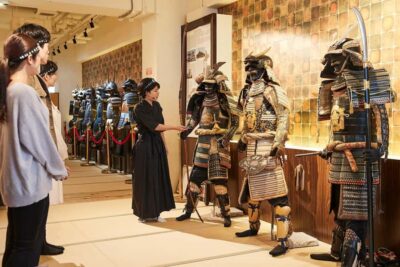 ★ 4.6Tokyo: Samurai Ninja Museum Guided tour and ExperienceFrom $27
 ★ 5.0Skip the lines Basic Ticket at SAMURAI NINJA MUSEUM TOKYOFrom $28
 ★ 5.0Tokyo: Authentic Samurai Training at a DojoFrom $211
 ★ 5.0Best Samurai Experience in TokyoFrom $65
 ★ 4.6Tokyo: Legend Samurai Entertainment Night in Kanda ShrineFrom $44