Reviewed · PRIVATE
Private Day Tour In Tokyo with a Native English Speaker
Tokyo is easier to understand when someone shows you how its neighborhoods fit together. This private tour pairs an English-speaking guide with a flexible route that can include Sensoji, Shibuya, Tsukiji, Harajuku, and Akihabara. I like the freedom to focus on your interests, and I like that the guide handles train directions and navigation. The main catch is that three to six hours is not enough time to see every listed area properly.
In This Article
- Key points at a glance
- A private way to get your Tokyo bearings
- Asakusa and Sensoji: Tokyo’s traditional first chapter
- Shibuya: crossing, crowds, and modern Tokyo
- Tsukiji: food culture without a required meal
- Harajuku: youth style and kawaii culture
- Akihabara: electronics, anime, and a very specific Tokyo
- The custom option is the real selling point
- Learning Tokyo’s trains along the way
- What the guide adds to the day
- Price, pickup, and the right group size
- Who should book this Tokyo tour?
- Should you book it?
- FAQ
- How long does the private Tokyo tour last?
- Which Tokyo neighborhoods can I visit?
- Is the tour private?
- Does the guide speak English?
- Is hotel pickup available?
- Are transportation, food, and drinks included?
- What happens if I need to cancel?
I especially like the practical help. Guide Ken has taken visitors through Tokyo by train and on foot, explained Japanese culture, and even helped with anime figure shopping. You should also expect to pay about $15 for public transportation, with food and drinks extra.
Key points at a glance
- A private route instead of a fixed group schedule: You can request favorite neighborhoods or ask the guide to shape the day for you.
- Five strong Tokyo choices: Asakusa, Shibuya, Tsukiji, Harajuku, and Akihabara each show a different side of the city.
- Train help is part of the value: The guide can lead you through Tokyo’s public transport, which is useful when station signs and connections feel confusing.
- Ken is one named guide: He is described as fluent in English and able to discuss Japanese culture, food, shopping, entertainment, and history.
- Pickup has a clear limit: Pickup is available only within a 7-kilometer radius of Tokyo Station.
- Plan for walking and transit costs: You need moderate physical fitness, and public transportation costs about $15 in addition to the tour price.
A private way to get your Tokyo bearings
Tokyo can feel like several cities stitched together. One stop gives you temple gates and incense, another gives you giant screens and a famous crossing, and another puts you among anime shops or youth fashion. A private guide helps connect those pieces instead of leaving you to guess which train, exit, or neighborhood makes sense next.
The price is $145 per person, which is not a bargain for a short sightseeing walk. Still, it can be fair value for a private group that wants personal attention, English conversation, and help using trains. The value rises if you are new to Tokyo, have limited time, or want to shape the route around a particular interest.
This is not a private car tour. You will use public transportation and walk between sights. That is important: you are learning how Tokyo works, not simply being delivered from one attraction to the next. The guide can keep the group moving and explain what you are seeing, but you should be ready for stations, stairs, sidewalks, and the pace of a city day.
Other private tours in Tokyo


Asakusa and Sensoji: Tokyo’s traditional first chapter
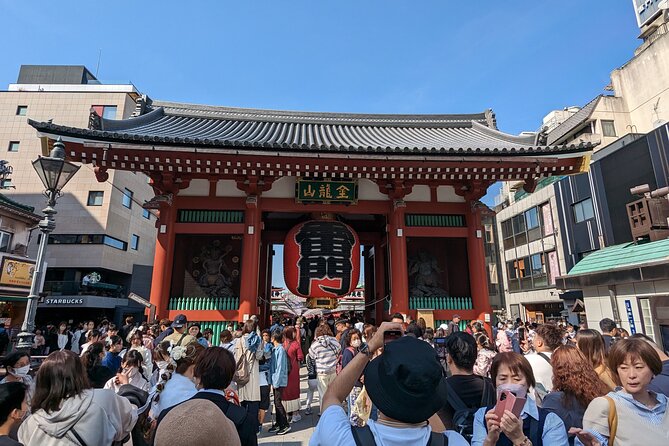
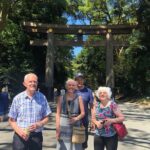
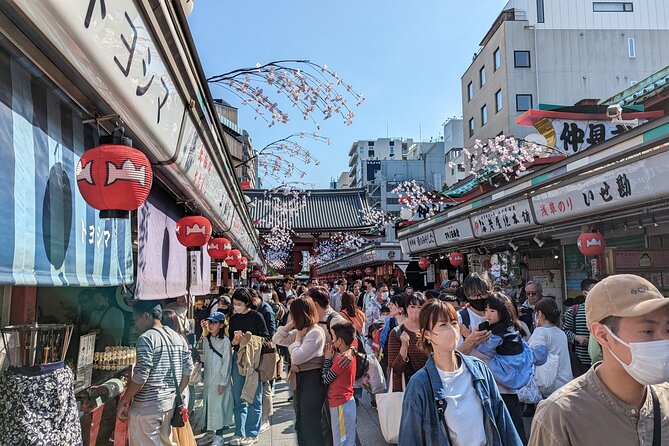
Asakusa is the clearest choice for a first look at old Tokyo. The area is known for Sensoji, a major Buddhist temple, and for its traditional feel. An hour here gives you time to see the temple area and take in the contrast between religious landmarks and the modern city around them.
I would make Asakusa a priority if you want culture rather than shopping alone. A guide can add context about temple customs and help you understand what you are looking at instead of treating Sensoji as a quick photo stop. The included admission is listed as free, so you are paying for the guide’s time and interpretation rather than a costly entrance ticket.
The limitation is time. One hour is enough for an introduction, but not for an unhurried exploration of every nearby street. If Asakusa is your main reason for booking, ask for more time here and trim the route elsewhere.
Shibuya: crossing, crowds, and modern Tokyo
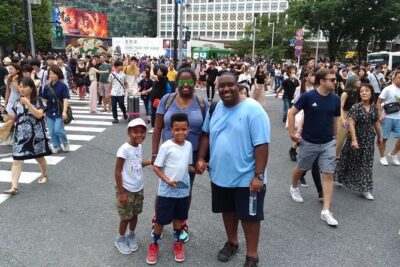
Shibuya offers the city image many people recognize before they arrive: the famous pedestrian crossing and the Hachiko statue. The neighborhood also mixes modern Japanese life with older elements, making it a useful stop for seeing how Tokyo’s public spaces work.
Your guide can help you reach the main sights without wasting time on the wrong station exit. That sounds small, but in Tokyo it can make a real difference. A private guide can also adjust the stop if you care more about photographs, neighborhood atmosphere, or learning about the area than simply checking off the crossing.
Shibuya is a poor choice for a long stop if you only want a quick photograph. The crossing and statue can be seen fairly quickly, and an hour may feel generous unless you plan to walk around. On the other hand, it is a strong pick for first-time visitors who want Tokyo’s modern side in the same day as Asakusa’s temples.
Tsukiji: food culture without a required meal
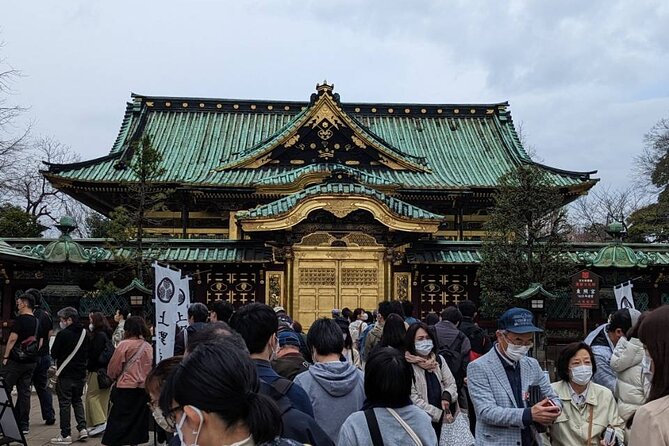
Tsukiji is presented as a place for fresh seafood, sushi, and sashimi, but you do not have to be a seafood lover to enjoy the stop. The market area gives you a chance to look at Japanese food culture and sample something if you choose. Food and drinks are not included, so any meal or snack is your own expense.
This is one place where a private guide can make the experience easier. You can ask about dishes, ingredients, or what to try, and you do not need to work out the transport route alone. If you have dietary limits or simply prefer browsing to eating, tell the guide early so the stop fits your interests.
The market may not suit everyone. Food-focused sightseeing is personal, and one hour can pass quickly if you want to browse and eat. If you are not interested in seafood, you may get more from Harajuku or Akihabara. Tsukiji works best when you want a taste of Tokyo’s everyday food culture, not only major monuments.
Harajuku: youth style and kawaii culture
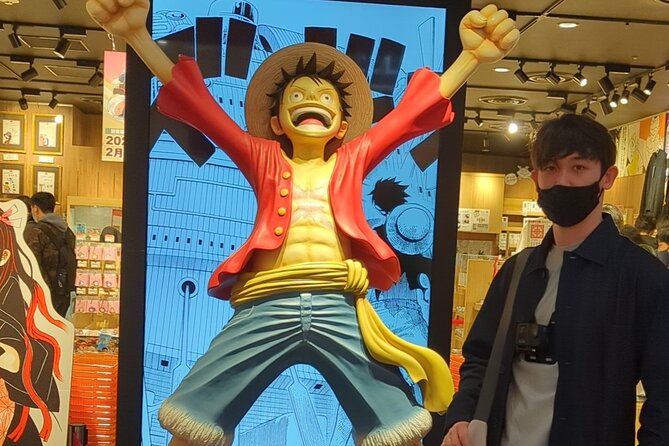
Harajuku brings a different mood to the route. It is associated with youthful energy, kawaii culture, shops, boutiques, and eye-catching street fashion. This is a good stop for anyone who wants to see a creative, playful side of Tokyo.
I like Harajuku as a counterpoint to Asakusa. Sensoji shows a more traditional Japan, while Harajuku shows how young people, fashion, and popular culture shape the city today. The guide can help you decide which streets and shops fit your interests, especially if you want shopping rather than a general walk.
A short stop may feel rushed here. Shops and boutiques are the point, and browsing takes time. You should also expect the area to be busy and full of visual distractions. If you want to buy gifts, fashion, or cute character items, consider giving Harajuku a larger share of your tour.
Akihabara: electronics, anime, and a very specific Tokyo
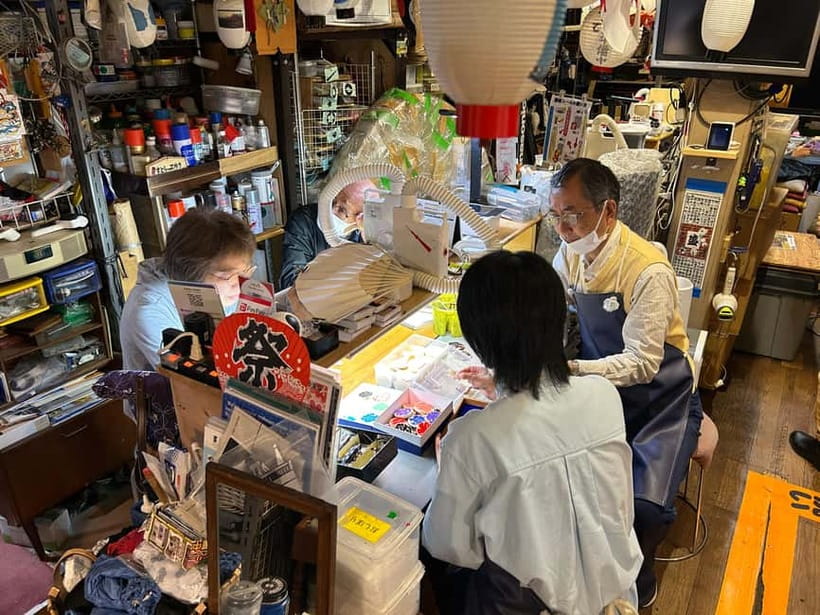
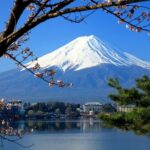
Akihabara is the natural choice for technology fans, anime followers, and anyone curious about cosplay culture. The district has electronics stores and shops selling manga, anime goods, and figures. It is also the stop most likely to benefit from personal guidance if you have a specific shopping goal.
One useful detail comes from the way Ken has guided visitors through the area. He has helped people use trains and find anime figures, so you can ask for practical assistance rather than wandering through stores without a plan. If you want a certain type of merchandise, share that before the tour if possible.
Akihabara is not a universal must-see. If electronics, anime, and shopping do not interest you, the hour may be better used in Asakusa, Tsukiji, or another custom stop. For fans, though, it can be the highlight of the day, especially when a guide helps you connect the district to the wider culture.
The custom option is the real selling point
The listed stops are examples, not a command to visit every one. You can tell the guide what you want to see, and the route can be adjusted around your interests. The tour also offers predetermined plans for people who do not know where to begin, so you do not need to arrive with a perfect schedule.
That flexibility matters because the stated duration is about three to six hours. You cannot give an hour to all five main neighborhoods and still have a relaxed day inside the shorter time range. In practice, you should choose two or three areas for a three-hour outing, or several more if you book closer to six hours and accept a brisk pace.
I would decide by theme:
- Choose Asakusa and Tsukiji for temples and food.
- Choose Shibuya and Harajuku for modern city life, fashion, and people-watching.
- Choose Akihabara with either Shibuya or Asakusa for a broad contrast.
- Ask for a custom route if you already have a specific district or activity in mind.
The guide’s job is not only to point out sights. Ken is described as able to discuss Japanese culture, society, food, shopping, and entertainment. That range is useful when you want the day to feel connected rather than like a string of unrelated photo stops.
Learning Tokyo’s trains along the way
Public transportation is not included in the $145 price. The additional cost is listed at about $15, and you should keep that in your budget. Food and drinks are also separate.
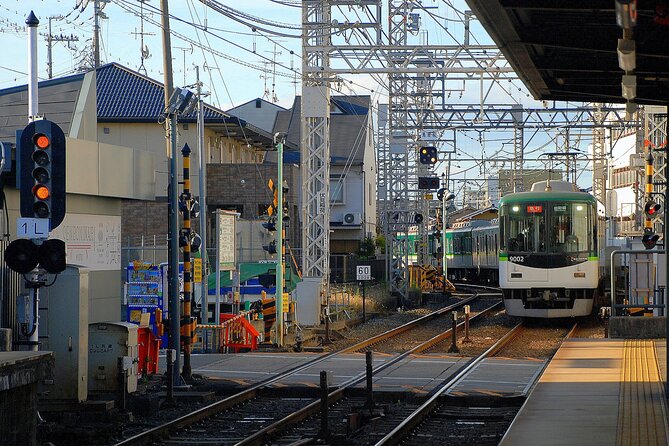
The train system is part of the experience rather than an inconvenience to hide. One direct benefit is that you can learn how to move around Tokyo during the tour. Previous outings with Ken have included guidance on trains and subway navigation, which can save time during the rest of your trip.
That help is especially useful for a first Tokyo visit. Stations can be large, and a wrong exit can put you several blocks from where you meant to go. A guide who handles the route lets you pay attention to the city while also picking up skills you can use later.
There is a tradeoff. A private tour built around trains and walking will not suit someone looking for a car, a quiet ride, or minimal physical effort. The tour asks for a moderate fitness level, and that is a practical warning, not a formality.
What the guide adds to the day
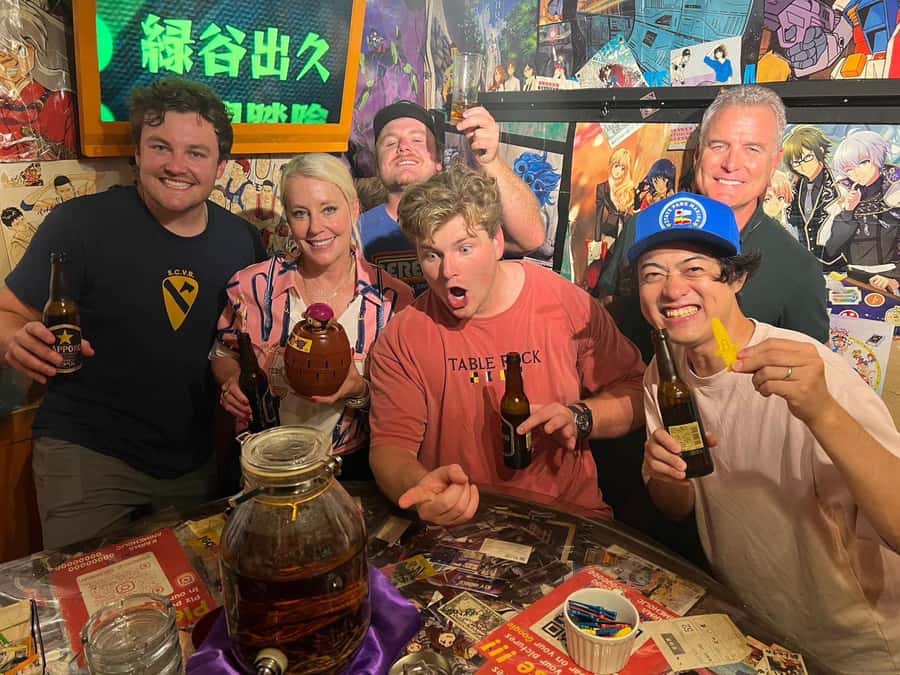
The guide speaks English and Japanese, and the tour is designed for your own group rather than a mixed group of strangers. That private setup makes it easier to ask questions, change the pace, or skip a neighborhood that does not interest you.
The strongest praise centers on communication and personal help. Ken is described as friendly, clear in English, and able to guide a full day through Tokyo’s main sights. He has also helped with anime shopping and shown people how to use trains. Another guide is described as a young local who translated during the outing and led the group to both anime figures and Asakusa temple.
Those details suggest a practical, involved style of guiding. You can ask for history, food advice, shopping help, or directions, depending on what matters to your group. Still, the exact guide is not guaranteed in the information provided, so consider Ken an example of the kind of support available rather than a promise that he will lead your tour.
Price, pickup, and the right group size
At $145 per person, this experience makes the most sense for people who place a high value on private attention. A solo visitor may find the cost harder to justify, while a family or small group can spread the benefit of one guide across several people. Group discounts are offered, though the specific discount is not stated.
Pickup is available within a 7-kilometer radius of Tokyo Station. Confirm that your accommodation fits this area before booking, since pickup is not described as citywide. The tour also has a mobile ticket and confirmation is provided at booking.
The activity receives a 4.8 rating from 18 reviews, with 94 percent recommending it. That is a strong early signal, but the sample is small. I would use those figures as reassurance, then make the decision based on the route, guide support, and private format.
Cancellation is free if you cancel at least 24 hours before the start time. Changes or cancellations made inside that window are not accepted for a refund.
Who should book this Tokyo tour?
I would recommend it to first-time Tokyo visitors who want help with trains and a clear introduction to several different neighborhoods. It also suits families, couples, and small groups with mixed interests, since one person can ask about temples while another focuses on food, fashion, or anime.
It is a particularly good match if you want to visit Akihabara but do not know where to start, or if navigating Tokyo feels more stressful than exciting. The English-speaking guide can explain what you are seeing and help with the practical parts of the day.
I would be more cautious if you prefer fixed sightseeing schedules, private vehicles, or long, quiet visits at one attraction. You should also skip the temptation to squeeze every neighborhood into three hours. The best experience will come from choosing a few priorities and letting the guide build a sensible route around them.
Should you book it?
Book this tour if you want personal guidance and flexible neighborhood choices, especially during a first visit to Tokyo. The strongest reasons are the private format, the chance to learn the subway, and the guide’s ability to tailor the day to culture, food, shopping, or anime.
Do not book it expecting a luxury transfer or a full city tour in one afternoon. You pay extra for the guide, transport is additional, and the day involves walking. For the right group, that is a fair trade: you get a human guide, a route shaped around your interests, and a better chance of spending your limited Tokyo time well.
FAQ
How long does the private Tokyo tour last?
The tour lasts approximately three to six hours.
Which Tokyo neighborhoods can I visit?
Possible stops include Asakusa, Shibuya, Tsukiji, Harajuku, and Akihabara. You can also request another destination and customize the route.
Is the tour private?
Yes. Only your personal group participates in the activity.
Does the guide speak English?
Yes. The guide speaks both English and Japanese. Ken is one guide associated with the experience and is described as speaking English very well.
Is hotel pickup available?
Pickup is offered within a 7-kilometer radius of Tokyo Station. The provided information does not state that pickup is available outside that area.
Are transportation, food, and drinks included?
No. Public transportation costs approximately $15, and food and drinks are not included.
What happens if I need to cancel?
You can receive a full refund if you cancel at least 24 hours before the experience start time. Cancellations or changes made less than 24 hours before the start time are not accepted for a refund.
More Private Tours in Tokyo
More tours in Tokyo we've reviewed












Private, compared.
 ★ 5.0Tokyo 6hr Private Tour with Government-Licensed GuideFrom $155
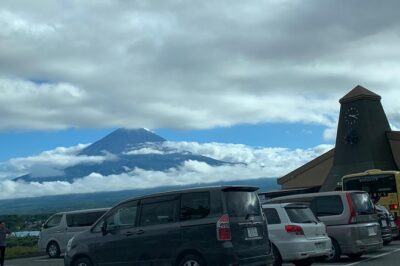 ★ 5.0Private Tour to Mt. Fuji and Hakone (Fully Licenced Operator)From $497
 ★ 5.0Tokyo Customized Private Tour (Must See Places in 1 Day)From $145
 ★ 4.8Tokyo: Private City Highlights Tour with Local GuideFrom $1064 - 8 hours
 ★ 5.0Private Custom Tour: Tokyo in a DayFrom $159
 ★ 5.0Tokyo 4hr Private Tour with Government-Licensed GuideFrom $109