Reviewed · NIKKO DAY TRIPS
1 Day Tour Explore Nikko’s World Heritage and National Park
Nikko packs striking shrines, quiet forest paths, a grand imperial villa, and mountain scenery into one long day from Tokyo. This tour makes the journey practical by pairing an English-speaking guide with a Nikko Heritage Area pass and limited express train tickets, so you do not need to work out each connection yourself.
In This Article
- Key points to know before booking
- Why Nikko works as a day trip from Tokyo
- Meeting in Asakusa at 8:40 am
- Kammangafuchi Gorge: a gentle start away from the crowds
- Tamozawa Imperial Villa: Edo and Meiji design under one roof
- Shinkyo Bridge: a famous view with a small extra fee
- Taiyu-in Temple: ornate details without the main shrine crowds
- Toshogu Shrine: the centerpiece of the day
- What the guide adds to a packed sightseeing day
- Food, walking, and the real pace of the day
- Is $208 a fair price?
- Who should book this Nikko tour?
- Should you book it?
- FAQ
- How long does the Nikko tour last?
- Where does the tour meet?
- Is transportation from Tokyo included?
- Which entrance fees are included?
- Do I need to pay separately for Shinkyo Bridge?
- Is the tour available in English?
I like the mix of famous sights and quieter corners, especially Kammangafuchi Gorge and Tamozawa Imperial Villa. I also like that admission is included for the villa, Toshogu Shrine and Museum, and Taiyu-in Temple. The main drawback is the pace: at 10 hours and 35 minutes, with much of the day spent in transit, this is a demanding outing rather than a relaxed visit.
Key points to know before booking
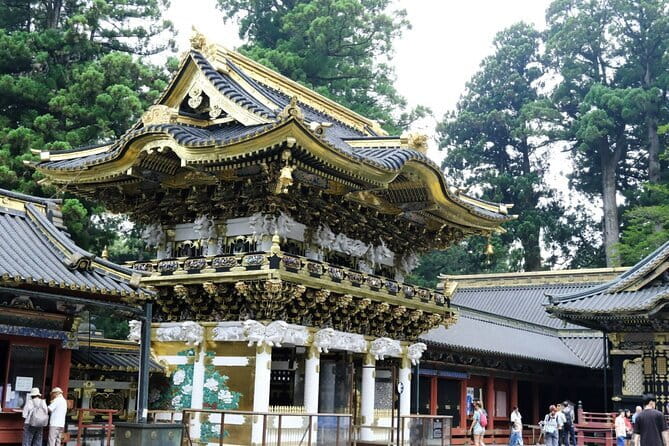
- Toshogu Shrine gets the most time: You have about 90 minutes at Nikko’s grandest shrine and its museum.
- Kammangafuchi Gorge adds a quieter Nikko: The 40-minute walk follows clear river water beneath trees, away from the busiest temple grounds.
- Transport is handled for you: The Nikko Heritage Area pass and limited express tickets cover the tour’s planned public transportation.
- Several major admissions are included: Tamozawa Villa, Toshogu Shrine and Museum, and Taiyu-in Temple are covered.
- Shinkyo Bridge costs extra: The bridge admission is ¥300 per person, and the visit lasts about 10 minutes.
- Plan for a long day: The tour starts at 8:40 am at EKIMISE in Asakusa and returns there after roughly 10 hours and 35 minutes.
Why Nikko works as a day trip from Tokyo
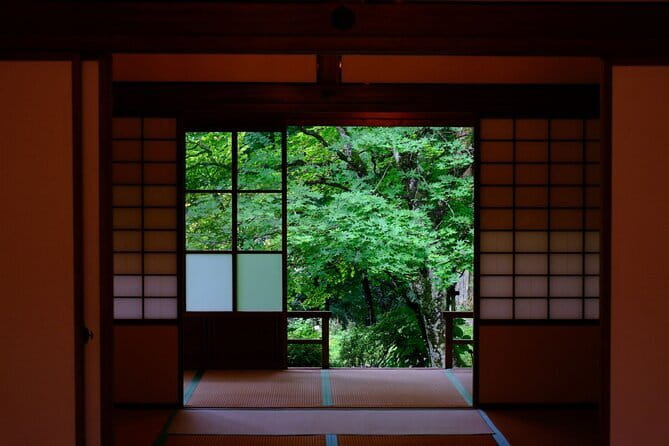
Nikko is far enough from Tokyo to feel like a proper change of scene. The city is known for its World Heritage shrines and temples, but it also has wooded walks, river views, and traditional buildings. That combination is what makes the trip worthwhile.
The catch is the distance. Going independently means sorting out trains, local transportation, walking routes, opening times, and the order of the sights. This tour removes much of that work. You meet in Asakusa, travel with a guide, and use the transport pass provided for the day.
That convenience matters most if you have only one chance to see Nikko. You will not have unlimited time to wander, so a planned route helps you reach several major sites without spending half the day reading station signs or checking maps.
The group can include up to 25 people. That is not a private tour, so you should expect a group pace and regular meeting points. Still, a group of this size is small enough for a guide to explain the sites and keep the day moving.
A few more Tokyo tours and experiences worth a look

Meeting in Asakusa at 8:40 am
The tour begins at EKIMISE, at 1-chōme-4-1 Hanakawado in Asakusa. This is a useful starting point if you are staying in eastern Tokyo or can reach Asakusa easily by public transportation.
You should arrive ready for a full day. The morning transport is part of the experience, but it also takes time. The tour description allows the remaining time for transportation, which is an important detail. You are not getting 10 hours of sightseeing on foot. You are getting a carefully arranged day that includes the round trip from Tokyo.
The transport pass and limited express tickets are included for the tour’s planned travel. Trains and transport before the meeting point and after the tour ends are not included, so you will need to handle your own route to and from EKIMISE.
This setup suits you if you prefer to let someone else manage the practical details. It is less appealing if you want complete freedom to linger at one shrine, stop for a long meal, or return to Tokyo at a time of your choosing.
Kammangafuchi Gorge: a gentle start away from the crowds
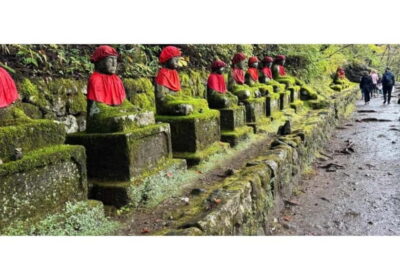
The first stop is Kammangafuchi Gorge, a small gorge surrounded by trees and greenery. The visit lasts about 40 minutes, with a walk beside clear river water.
I like this opening because it gives you a natural side of Nikko before the ornate temple grounds begin. The sound and shape of the river provide a change from Tokyo’s hard surfaces, and the walk offers a calmer introduction to the area.
The guide explains the gorge as you go, so you get more than a quick photo stop. The route is also a useful reminder that Nikko is not only about painted gates and gold decoration. Its appeal comes from the meeting of forest, water, and religious buildings.
There is no admission charge here. Forty minutes is enough for a short walk and photographs, but not for a long hike. You should see this stop as a pleasant taste of Nikko’s natural side, not as a full outdoor excursion.
Tamozawa Imperial Villa: Edo and Meiji design under one roof
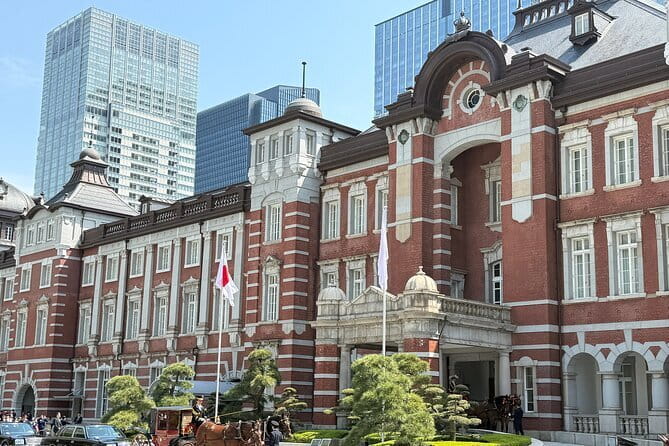
Next comes Nikko Tamozawa Imperial Villa Memorial Park, with about one hour inside the historic villa and its garden. Admission is included.
This is one of the most useful stops for understanding Japanese architecture. The building brings together Edo-period and Meiji-period elements, allowing you to notice changes in taste, construction, and court life within one site. The traditional rooms and garden give the visit a quieter mood than Toshogu Shrine.
I would pay close attention to the way the villa moves between formal interiors and garden views. Even without a long architectural lecture, the building gives you a sense of how an imperial residence differs from a religious complex.
The one-hour visit is fairly focused. You will have time to walk through the main areas and enjoy the garden, but you may need to keep moving with the group. If you prefer to inspect every room slowly, the schedule may feel brisk.
Still, including Tamozawa is a strong choice. It keeps the day from becoming a sequence of similar shrine gates and carved ornaments. It also gives you a different view of Japanese tradition, one based on residence and ceremony rather than worship.
Shinkyo Bridge: a famous view with a small extra fee
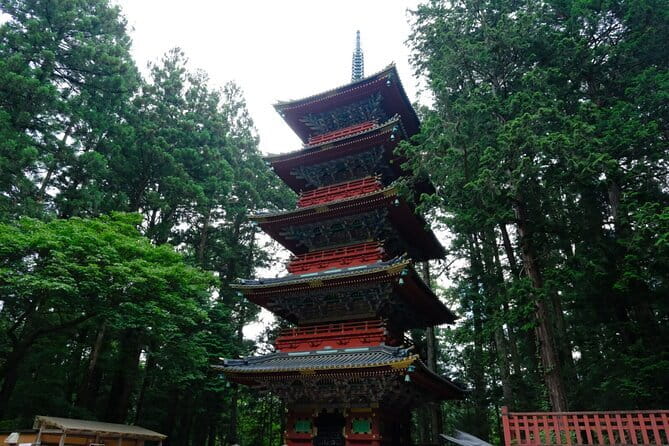
Shinkyo Bridge marks the approach to Nikko’s World Heritage area and National Park. The bridge dates from 1636 and is counted among Japan’s top three scenic bridges.
The scheduled stop is only about 10 minutes, so this is primarily a viewing and photo pause. You will not have time for a long walk around the bridge. The short visit makes sense in a packed itinerary, but you should set your expectations accordingly.
Admission is not included. The fee is ¥300 per person. That is a small additional cost, but it is worth knowing before you arrive, particularly because most of the day’s major admissions are already covered.
The bridge is visually different from the buildings you see later. Its red structure against the river and surrounding trees gives you a simple, memorable image of Nikko. If you want more time here, an independent visit would give you greater freedom. On this tour, it works as a compact stop between the villa and the main temple area.
Other historical tours in Tokyo



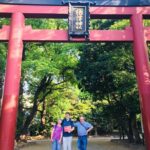
Taiyu-in Temple: ornate details without the main shrine crowds
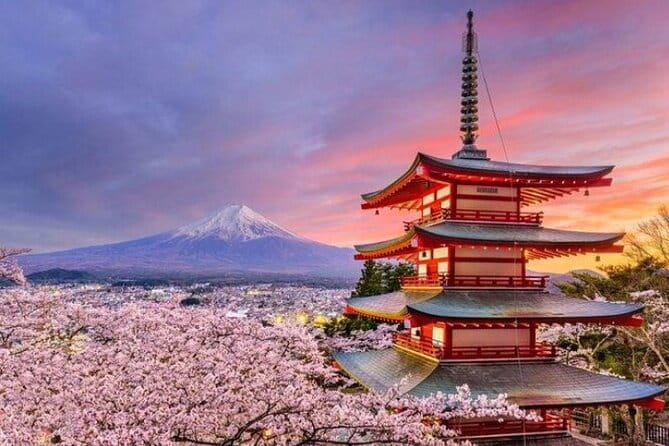
Taiyu-in Temple receives about one hour, with admission included. It is part of the Nikko Heritage area, where religious buildings are decorated with gold leaf, strong colors, and detailed wood carving.
This is a good place to look closely. Nikko’s major structures can overwhelm you at first, but a guide can point out the details that are easy to miss: carved figures, layered gates, painted surfaces, and the way the buildings are arranged.
The hour gives you enough time to see the key areas without turning the temple into a rushed glimpse. I would use this stop to compare the temple’s mood and decoration with Toshogu Shrine, which follows later and is even more elaborate.
The word ornate is important here. You should not expect the quiet simplicity associated with every image of Japanese temples. Nikko’s Heritage area is deliberately grand. Gold leaf, painted wood, and carved decoration are part of its appeal, but the amount of visual detail can also feel busy if you prefer spare design.
The guide’s role is especially useful at this point. Without context, you may remember only a series of impressive gates. With explanation, the buildings become easier to understand as part of Nikko’s religious and political story.
Toshogu Shrine: the centerpiece of the day
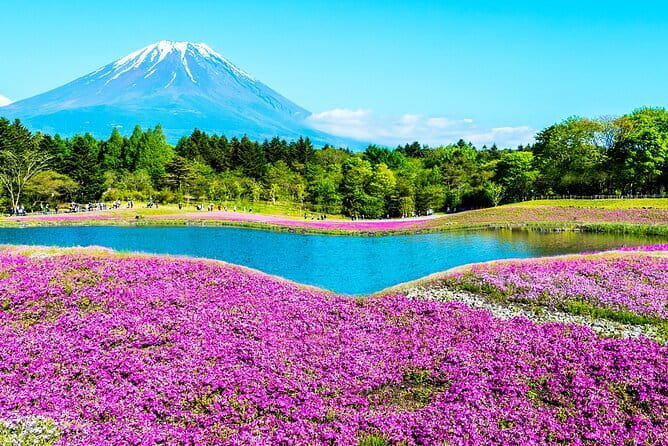
Toshogu Shrine is the tour’s main event, and the schedule gives it about 90 minutes. Admission to the shrine and museum is included.
Toshogu honors Tokugawa Ieyasu, the powerful shogun associated with the Tokugawa dynasty. The complex is famous for lavish decoration, vivid paint, gold leaf, and elaborate wood carving. This is not a quick, understated shrine visit. It is meant to impress.
You should expect many details competing for your attention. Take your time when the group pauses, and listen for the guide’s explanation of the structures and symbols. The well-known carvings and decorated gateways are easier to appreciate when you know what you are looking at.
The museum admission adds value, especially if you want more context for the shrine and its objects. It also gives the visit a second layer beyond outdoor photographs.
Ninety minutes is a sensible amount of time for a first visit, though it will not satisfy everyone. You can see the key parts, but you will not explore every corner at a slow pace. If Toshogu is your main reason for visiting Nikko, you may later wish to return independently for a longer look.
Even with that limitation, the guided visit makes sense. Toshogu is the sort of place where a guide can help separate the important from the merely eye-catching. The shrine’s fame is deserved, but its details are easy to blur together when you are seeing them quickly.
What the guide adds to a packed sightseeing day
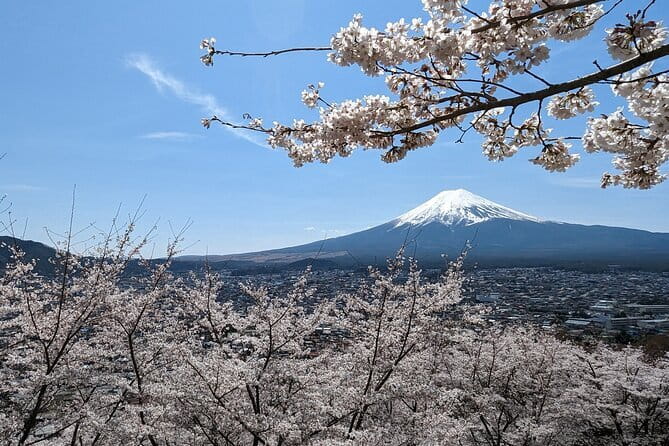
The guide handles navigation and explains the temples, shrines, and historic buildings. That is the core service here. You are not simply being taken to a station and handed a map.
Beth is one guide associated with this experience. Her approach, based on the available feedback, is welcoming, lively, kind, and strongly connected to Nikko. A guide with that kind of energy can make a long day feel more personal, particularly during the train rides and walks between sites.
The guide also helps with timing. Nikko’s World Heritage area contains several large sights, and it is easy to spend too long at the first impressive gate. A group schedule prevents that, though it also means you must be ready to leave when the group moves on.
The tour is conducted in English. If you want detailed cultural and architectural explanations while moving through the area, that is a major advantage over visiting on your own. If you prefer silence, photography, or setting your own pace, the same guidance may feel restrictive.
Food, walking, and the real pace of the day
The tour includes a fair amount of walking, but the listed stops are broken into manageable sections. Kammangafuchi Gorge involves a 40-minute riverside walk, while the villa, Taiyu-in, and Toshogu each receive about an hour or more.
One person described lunch as delicious and the amount of walking as just right. That is useful context, but food is not listed among the inclusions. You should budget separately for meals and drinks, and you should not assume lunch is covered in the tour price.
The day’s physical demand comes from the total, not from one extreme hike. You walk at several sites, stand and move through historic buildings, and spend time getting between Tokyo and Nikko. Comfortable shoes are a sensible choice.
The schedule begins early and ends back at the Asakusa meeting point. After a full day, you may be ready for a quiet evening rather than another Tokyo activity. I would avoid booking a restaurant reservation or evening performance that requires a tight arrival time.
Is $208 a fair price?
At $208 per person, this is not a budget day trip. The value depends on how much you value structure and time savings.
The price includes the Nikko Heritage Area pass, limited express tickets for the tour, admission to Tamozawa Villa, admission to Toshogu Shrine and its museum, admission to Taiyu-in Temple, and an English-speaking guide. Those inclusions cover the main costs once you are on the tour.
You still pay for your own transport to EKIMISE, transport after returning there, food and drinks, and the ¥300 Shinkyo Bridge admission. These extras are modest compared with the overall price, but they belong in your budget.
For me, the price is easiest to justify if you are visiting Tokyo for a limited time and want Nikko without planning the route yourself. You are paying for a full day, coordinated transport, interpretation, and access to several major sites.
The value is weaker if you are comfortable navigating Japanese trains and want to spend a whole afternoon at Toshogu alone. Independent travel may give you more flexibility, though it requires more preparation and leaves you responsible for transport and admission arrangements.
The tour is typically booked well ahead, with an average booking lead time of 96 days. That suggests you should not leave it until the last minute if the date matters to you. The maximum group size is 25, so the experience is structured rather than intimate.
Who should book this Nikko tour?
I would choose this tour if you want to see Nikko’s essential sights in one day and prefer a guide to handle public transportation. It is particularly useful for a first visit, a short Tokyo stay, or anyone who finds multi-step train trips tiring to organize.
It also suits you if you want a broad sample of Nikko. You see a gorge, an imperial villa, a famous bridge, a temple, and Toshogu Shrine. That range gives you a better sense of the place than visiting only the headline shrine.
Families and adults who can manage a full day of walking and transit should find the format workable, since most participants can take part. The group size and fixed schedule may be less suitable for very young children who need frequent breaks, but the supplied information does not give a specific age policy.
I would hesitate if you want a slow photographic visit, a long meal, or time to explore side paths. You should also think twice if you dislike organized transport or are already confident planning Nikko on your own.
Free cancellation is available when you cancel at least 24 hours before the 8:40 am start time. Changes or cancellations within that final 24-hour period are not accepted for a refund.
Should you book it?
Book this tour if your priority is seeing Nikko’s major sights without sorting out the route yourself. The combination of transport, admissions, and an English-speaking guide makes a complicated day much easier to manage.
The best reason to choose it is the range of stops. You get the quiet river walk at Kammangafuchi Gorge, the traditional rooms of Tamozawa Villa, the famous view at Shinkyo Bridge, the detailed decoration of Taiyu-in, and a substantial visit to Toshogu Shrine.
Skip it if you need a flexible schedule or want to give Toshogu a full day of its own. For most first-time visitors with one Nikko day available, though, this is a practical and well-planned way to make the trip from Tokyo.
FAQ
How long does the Nikko tour last?
The tour lasts approximately 10 hours and 35 minutes. It begins at 8:40 am and ends back at the EKIMISE meeting point in Asakusa.
Where does the tour meet?
The meeting point is EKIMISE, 1-chōme-4-1 Hanakawado, Taito City, Tokyo 111-0033, Japan.
Is transportation from Tokyo included?
The Nikko Heritage Area pass and limited express tickets cover the transportation arranged for the tour. Transport before the tour begins and after it ends is not included.
Which entrance fees are included?
Admission to Nikko Tamozawa Imperial Villa Memorial Park, Toshogu Shrine and Museum, and Taiyu-in Temple is included.
Do I need to pay separately for Shinkyo Bridge?
Yes. Admission to Shinkyo Bridge is not included and costs ¥300 per person.
Is the tour available in English?
Yes. An English-speaking guide accompanies the group and provides explanations at the temples, shrines, and other stops.
More 1-Day Tours in Tokyo



More Historical Tours in Tokyo
More Nikko Day Trips in Tokyo
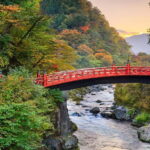
More tours in Tokyo we've reviewed












Nikko Day Trips, compared.
 ★ 4.5Tokyo: Nikko Toshogu Shrine and Kegon Waterfall TourFrom $8410h 30m
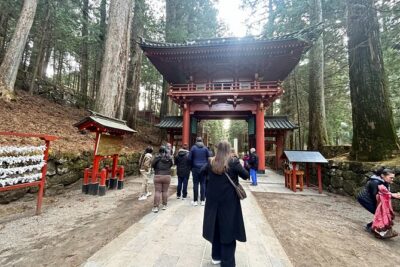 ★ 5.0Nikko, Kegon Waterfall & Chuzenji Lake from TokyoFrom $89
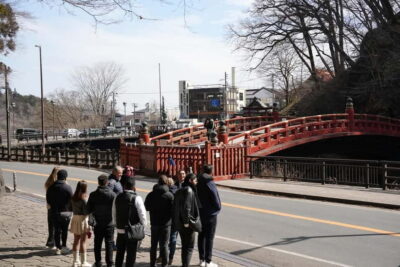 ★ 4.4From Tokyo: Nikko, Toshogu Shrine, Waterfall & Chūzenji LakeFrom $54
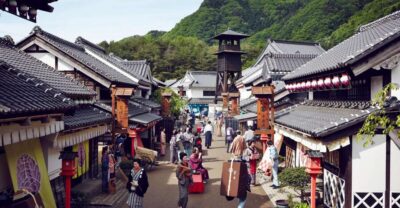 ★ 4.3Nikko: Edo Wonderland Edomura Cultural Theme Park TicketFrom $351 day
 ★ 4.8Tokyo: Nikko World Heritage Private Day Trip Hotel Pick-upFrom $39011 hours - 1 day
From Tokyo: Nikko World Heritage Sight Full Day Private TourFrom $36210 hours