Reviewed · SHIBUYA TOURS
Tokyo: Shibuya Local Food Walking Tour with a Local Expert
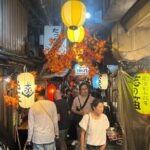
Shibuya is famous for its giant crossing, bright signs, and packed shopping streets. This tour takes you a few turns away from that familiar scene, into backstreets where dinner means three local food stops rather than one polished restaurant. You’ll eat yakitori, tonkatsu, sushi, and tempura while a local guide explains how these dishes fit into daily life.
In This Article
- Key points at a glance
- Shibuya beyond the famous crossing
- Stop one: yakitori in a backstreet bar
- Stop two: crisp tonkatsu and Japanese comfort food
- Stop three: sushi and tempura together
- What the guide adds between bites
- Why the three-stop format works
- The value of $66 for dinner in Shibuya
- Meeting under the Starbucks sign
- Who will enjoy this food walk most
- Booking flexibility and final practical points
- Should you book the Shibuya food tour?
- FAQ
- How much does the Shibuya food walking tour cost?
- What is included in the price?
- Which foods are served?
- How many restaurants do you visit?
- Are drinks included?
- What language is the tour offered in?
- Who are the guides?
- Where does the tour start?
- Where does the tour end?
- Can I cancel for a full refund?
I like the clear meal structure, with a full dinner and two drinks included for $66. I also like the cultural angle: guides such as Haru and Sophie do more than point out dishes. They answer questions about food customs, local traditions, and life in Tokyo. The main consideration is that this is a walking and eating tour, so it may feel like too much food if you prefer a light dinner or have a very restricted diet.
Key points at a glance
- Three local stops: Eat yakitori, tonkatsu, sushi, and tempura at separate neighborhood eateries.
- Backstreet Shibuya: See a less familiar side of the district away from its best-known crowds.
- Dinner included: The $66 price covers a full dinner, a guide, and two drinks.
- Local drinks: Choose from options such as draft beer and highballs.
- English guidance: The tour is offered in English, with food and etiquette explained along the way.
- Simple meeting point: Meet under the sign of Starbucks, then return to the same meeting point at the end.
Shibuya beyond the famous crossing
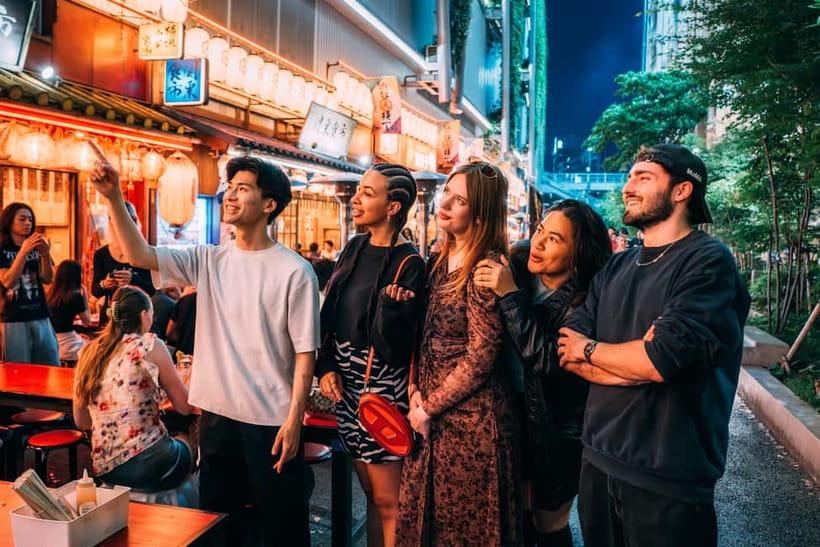
You probably do not need another tour to show you Shibuya Crossing. You can see that on your own. The appeal here is what comes next, when the route leaves the main sights and moves into smaller streets lined with casual places to eat.
That change matters. Food is one of the easiest ways to understand Tokyo because it brings together workday habits, social customs, cooking methods, and neighborhood life. A guide can explain details that are easy to miss when you simply order from a menu, such as how a dish is eaten, what kind of restaurant serves it, and why certain foods are popular.
The tour is built around three restaurants rather than one long meal. That gives you a useful range of settings and flavors. You are not just comparing dishes. You are also seeing how different types of Japanese food fit into ordinary evenings in Shibuya.
A few more Tokyo tours and experiences worth a look

Stop one: yakitori in a backstreet bar
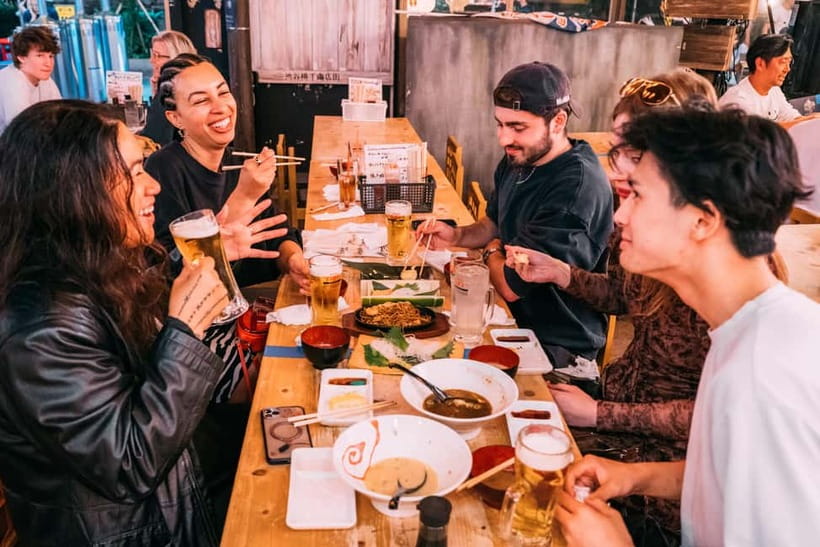
The first stop focuses on yakitori, chicken grilled on skewers. It is served in a cozy backstreet bar, a setting that suits the food better than a formal dining room would. Yakitori is casual, social food, often ordered with a drink and eaten a skewer at a time.
This is a good opening course because it gets you into the rhythm of the tour quickly. You can try grilled chicken while asking your guide about Japanese drinking customs, local restaurant habits, and the way people use small bars after work.
The listing does not specify the exact cuts of chicken or seasoning, so you should not arrive expecting a particular skewer. You can expect the broader experience: grilled yakitori in a local-style bar, accompanied by a guide who can help explain what is in front of you.
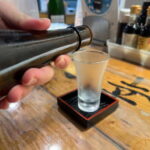
A draft beer or highball fits naturally here. Two drinks are included across the dinner, not necessarily one at every stop, so listen to your guide about when the drinks are served. If you do not drink alcohol, check what alternatives are available before booking, since the published details only name beer and highballs.
Stop two: crisp tonkatsu and Japanese comfort food
The second stop turns to tonkatsu, a deep-fried pork cutlet. The dish is known for its crisp coating and tender meat, and it is one of Japan’s most familiar comfort foods.
The contrast with yakitori is part of the fun. You move from food cooked over a grill to a hearty cutlet with a crunchy exterior. This is the point where the meal may begin to feel substantial, especially if you normally eat a small dinner.
I like this stop for readers who want more than delicate sushi bites. Tonkatsu shows the filling, everyday side of Japanese cooking. It is not presented as a rare specialty. That is precisely the point. A local food tour should make room for the dishes people actually eat, and tonkatsu gives you that practical view.
The exact restaurant name, side dishes, and portion size are not provided. You should think of this as a guided introduction to the dish rather than a fixed tasting menu with a published menu. If you have an allergy or avoid pork, ask before booking or contact the operator. The supplied information does not promise substitutions.
Stop three: sushi and tempura together
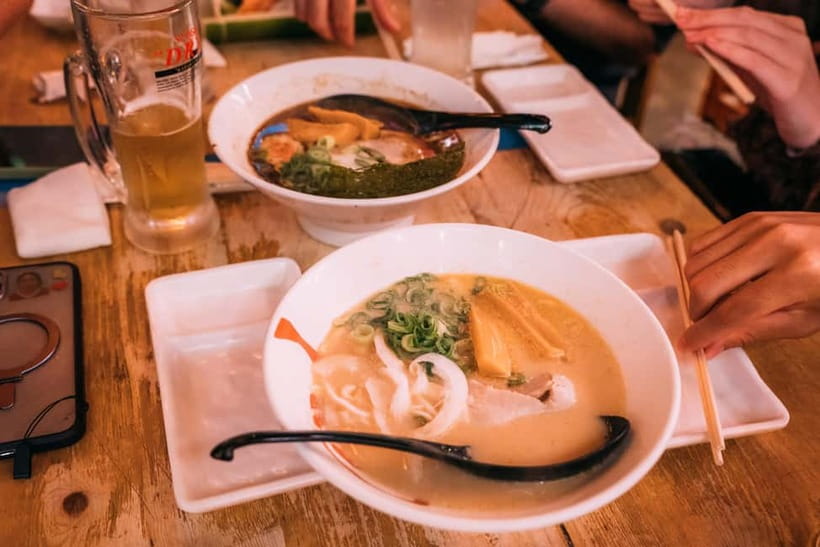
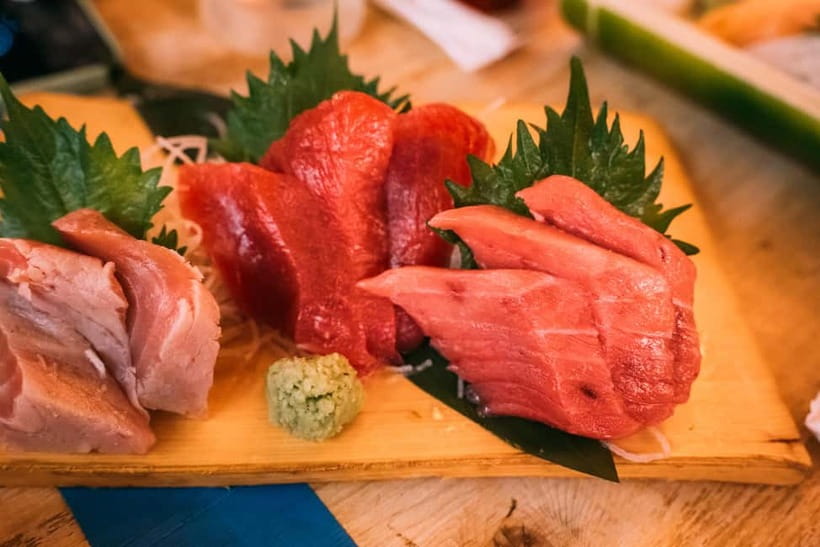
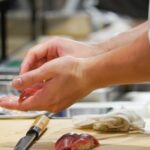
The final stop brings together two classics: freshly made sushi and tempura. One gives you seafood and rice, while the other offers battered food cooked until crisp. Having both in the same casual eatery lets you finish with a broad sample of Japanese dining rather than a single signature plate.
This also makes the final stop useful for first-time visitors. You can ask how to approach sushi, how tempura differs from other fried food, and which everyday etiquette rules matter. A guide can help remove the small uncertainties that make an unfamiliar meal less relaxed.
The description says the eatery is casual, but it does not give a name or promise specific fish, seafood, or tempura ingredients. Expect the food to depend on the restaurant and the day. That lack of a detailed menu gives the tour a local feel, but it also means you should not book it if you need every dish confirmed in advance.
By the end, you will have tried four well-known Japanese foods across three locations: yakitori, tonkatsu, sushi, and tempura. The meal is not a narrow specialty crawl. It is a wide introduction to popular Japanese flavors.
What the guide adds between bites
The strongest part of this experience is the conversation between stops. The guide is there to explain Japanese food customs, local traditions, and everyday life, not just translate a menu.
Haru and Sophie are named guides connected with the experience, and their role includes answering questions about both food and the local area. Another account describes a young guide who was attentive and acted as an excellent host. Those details suggest a personal, conversational format, though your own guide may differ.
You can get more from the tour by arriving with a few questions ready. Ask how locals use highballs, how restaurant etiquette changes from place to place, or which dishes people associate with quick weekday meals. The tour is designed for that exchange.
The language offered is English. That is helpful if you want explanations as you eat instead of trying to decode each menu on your own. Still, the experience is not presented as a formal cooking lesson or a detailed history lecture. Its strength is practical context delivered while you walk, order, and eat.
Other walking tours we've reviewed in Tokyo

Why the three-stop format works
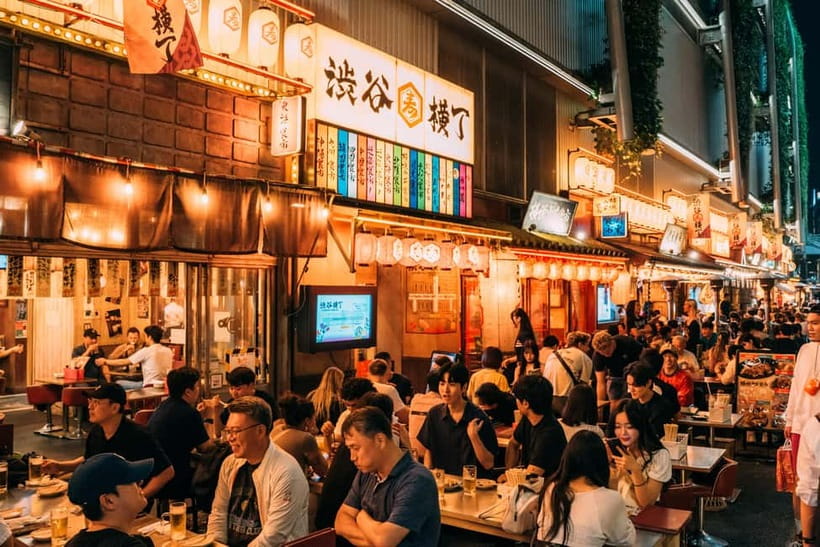
A three-stop food walk gives you variety without requiring you to plan several restaurants yourself. You can sample different styles of food and see more of Shibuya on foot while someone else handles the basic route.
There is also a useful sense of progression. Yakitori starts the meal in a relaxed bar. Tonkatsu adds a heavier comfort-food course. Sushi and tempura finish with two more familiar Japanese categories. The format keeps the evening moving and avoids making you sit in one place for the entire dinner.
The tradeoff is pace. You will need to walk between locations and keep eating as the tour moves along. The provided information does not give the total duration, walking distance, or group size, so you should ask the operator if those details matter to you.
Do not expect a quiet, private dinner at each stop. The settings are local and casual, which means the atmosphere may be lively and compact. That is part of the appeal, but people who want a slow meal with long pauses may prefer booking restaurants separately.
The value of $66 for dinner in Shibuya
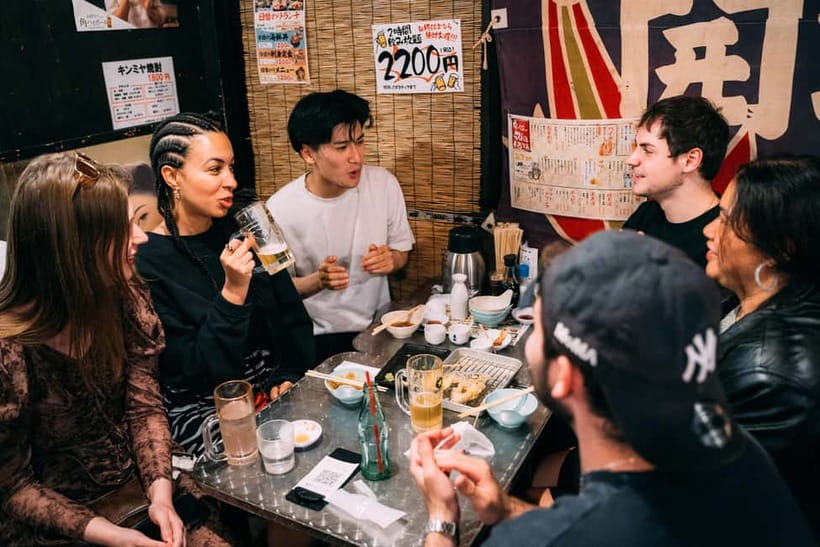
At $66 per person, the price covers a full dinner, three food stops, two drinks, an English-speaking local guide, and the walking tour. That is a solid bundle if you want both a meal and orientation in the neighborhood.
The value is not only the amount of food. You are also paying to avoid guesswork. The guide takes you to three places described as favored by locals rather than standard tourist stops, and helps connect the food with Japanese culture.
Still, value depends on how you eat. If you drink little, have a small appetite, or would rather choose one restaurant and order exactly what you want, the package may feel less attractive. The food sequence is broad, and the dinner is described as more than plentiful, so come hungry.
Two drinks are included. Examples given are draft beer and highballs. Any additional drinks, if available, would not be covered by the stated inclusions. Gratitude for the guide is also not included, so plan for that separately if you choose to offer it.
Meeting under the Starbucks sign
The meeting point is under the sign of Starbucks. That wording is a little general, since Shibuya has more than one Starbucks, so confirm the precise location when you book and allow time to find it.
The tour ends back at the meeting point. That makes the return simple, especially if you are using the experience as an introduction to the area. It also means you do not need to arrange a separate pickup or figure out where the meal finishes.
No transportation is included or needed according to the description. The experience is a walking tour, so wear shoes you can use comfortably for an evening on foot. The exact distance and duration are not published, so ask ahead if walking time is a concern.
Who will enjoy this food walk most
I would recommend this tour to a first-time Tokyo visitor who wants a guided introduction to Japanese food without spending an evening in a formal restaurant. It is also a good choice if you like asking questions and want everyday context, not just a list of dish names.
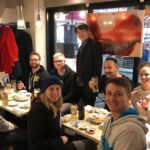
It suits couples, friends, and solo visitors who enjoy sharing food across several stops. The social setup, local drinks, and casual restaurants make it easier to chat with the guide and experience a different side of Shibuya.
You may want another option if you need a confirmed vegetarian, vegan, halal, kosher, or allergy-safe menu. No dietary accommodations are listed. The same applies if you dislike pork, seafood, fried food, or alcohol, since the main dishes and drinks are clearly built around those categories.
Families may need to judge the fit based on appetite and walking tolerance. The activity is not described as family-focused, and the evening takes place in casual bars and restaurants. Ask the operator for more detail if you are booking for children.
Booking flexibility and final practical points
You can reserve now and pay later, which is useful if your Tokyo plans are still shifting. Cancellation is allowed up to 24 hours in advance for a full refund.
The tour is offered in English. The price is $66 per person, and the included meal is described as dinner rather than a small snack crawl. Since the exact duration, group size, restaurant names, and full menu are not provided, those are the details I would confirm before paying.
The experience has received a top rating from the small number of published ratings, with especially strong praise for attentive hosting, generous local food, and the quality of the explanations. Treat that as encouraging rather than conclusive, since the number of ratings is limited.
Should you book the Shibuya food tour?
Book it if you want a generous, guided dinner that combines four classic Japanese foods with a walk through less familiar Shibuya streets. The best reason to choose it is the mix of food and conversation. You get yakitori, tonkatsu, sushi, and tempura, but you also get help understanding how those foods fit into daily Japanese life.
Skip it if you need a tightly specified menu, dietary guarantees, a private dining experience, or a short, light meal. For everyone else, $66 is a fair price for three local stops, two drinks, a full dinner, and an English-speaking guide who can make Shibuya feel more approachable.
FAQ
How much does the Shibuya food walking tour cost?
The tour costs $66 per person.
What is included in the price?
The price includes a full dinner, two drinks, a local guide, and a walking tour of Shibuya.
Which foods are served?
The tour includes yakitori, tonkatsu, sushi, and tempura across three local food stops.
How many restaurants do you visit?
You visit three different local restaurants or eateries during the tour.
Are drinks included?
Yes. Two drinks are included. The listed examples are draft beer and highballs.
What language is the tour offered in?
The tour is offered in English.
Who are the guides?
Haru and Sophie are named guides connected with this experience. The specific guide for your departure is not guaranteed in the provided details.
Where does the tour start?
The meeting point is under the sign of Starbucks in Shibuya. Confirm the exact Starbucks location before you go.
Where does the tour end?
The activity ends back at the meeting point.
Can I cancel for a full refund?
Yes. You can cancel up to 24 hours in advance for a full refund. You can also reserve and pay later, with no payment required today.
More Food Experiences in Tokyo
More Walking Tours in Tokyo
More Shibuya Tours in Tokyo
More tours in Tokyo we've reviewed












Shibuya Tours, compared.
 ★ 5.0Official Street Go-Kart in ShibuyaFrom $76
 ★ 5.0Shibuya Meltdown Nightlife Tour: All-You-Can-Drink Bar HoppingFrom $106
 ★ 4.9Tokyo: Street Kart Experience in ShibuyaFrom $99
 ★ 5.0Shibuya Official Street Go-Kart in Shibuya AnnexFrom $69
 ★ 5.0Tokyo: Shibuya Food Tour (13 dishes and 4 Eateries)From $77
 ★ 5.0Best of Shibuya Food TourFrom $217