Reviewed · HAKONE DAY TRIPS
Tokyo: Hakone’s Best Onsen Tour with Lake Ashi Cruise
Hakone’s best trick is how much variety it packs into one day: volcanic valleys, a mountain lake, a cedar-shaded shrine, and a hot spring soak. This private trip lets you move between them by car instead of wrestling with several trains, buses, and cable cars from Tokyo.
In This Article
- Key points to know
- Leaving Tokyo for Hakone’s mountain air
- Owakudani, where Hakone still shows its volcanic power
- Cruising across Lake Ashi
- Hakone Shrine beneath the cedar trees
- Choosing between Ryuguden and Tenzan Onsen
- What the private car changes
- The price, and who gets the best value
- Practical details before you book
- Is this Hakone tour right for you?
- FAQ
- How much does the Hakone tour cost?
- Is hotel pickup and drop-off included?
- Is lunch included?
- Are gondola tickets included?
- Which hot spring can I visit?
- What should I bring?
I like the choice between elegant lakeside Ryuguden and rustic forested Tenzan Onsen. I also like having a private, air-conditioned vehicle and a guide who can explain the cultural and natural sights as you go. The catch is the price: at $511 for up to three people, it makes far more sense for a small group than for a solo visitor.
Key points to know
- Owakudani gives you Hakone’s volcanic side, with steaming ground, pipes, chimneys, and views of Mount Fuji when clouds stay away.
- The Lake Ashi cruise is the calmest part of the day, with forested slopes around the water and a welcome break from sightseeing.
- Hakone Shrine is the most atmospheric stop, set among tall cedar trees with its famous lakeside torii.
- You choose the final onsen, either polished Ryuguden by the lake or more rustic Tenzan Onsen in the woods.
- Private transportation matters, since Hakone’s sights are spread across mountain roads and public transport can take time.
- Lunch and gondola tickets are extra, so budget for those if you want both.
Leaving Tokyo for Hakone’s mountain air
This is a private Hakone day trip from Tokyo with hotel pickup and drop-off. Your guide meets you at your hotel, then you travel in a private air-conditioned vehicle through the mountains rather than joining a larger coach group.
That setup is the main reason to book this experience. Hakone’s sights are not arranged in a neat walking circuit. You need to connect a lake cruise, shrine, volcanic valley, and hot spring, and the roads climb and twist between them. A private car gives you a simpler day and lets your guide adjust the flow as conditions change.
The tour is designed for up to three people per group. At $511, that works out to about $170 per person for three people, before lunch and any gondola tickets. For two people, the per-person cost is much higher, but you are paying for private transport, hotel transfers, guiding, fuel, parking, tolls, the cruise, and the onsen entrance.
I would look at this as a convenience purchase, not a budget excursion. If you are comfortable arranging Hakone’s trains, buses, and boats yourself, public transport will cost less. If you want to see several major sights without managing the connections, the private vehicle has real value.
A few more Tokyo tours and experiences worth a look
Owakudani, where Hakone still shows its volcanic power
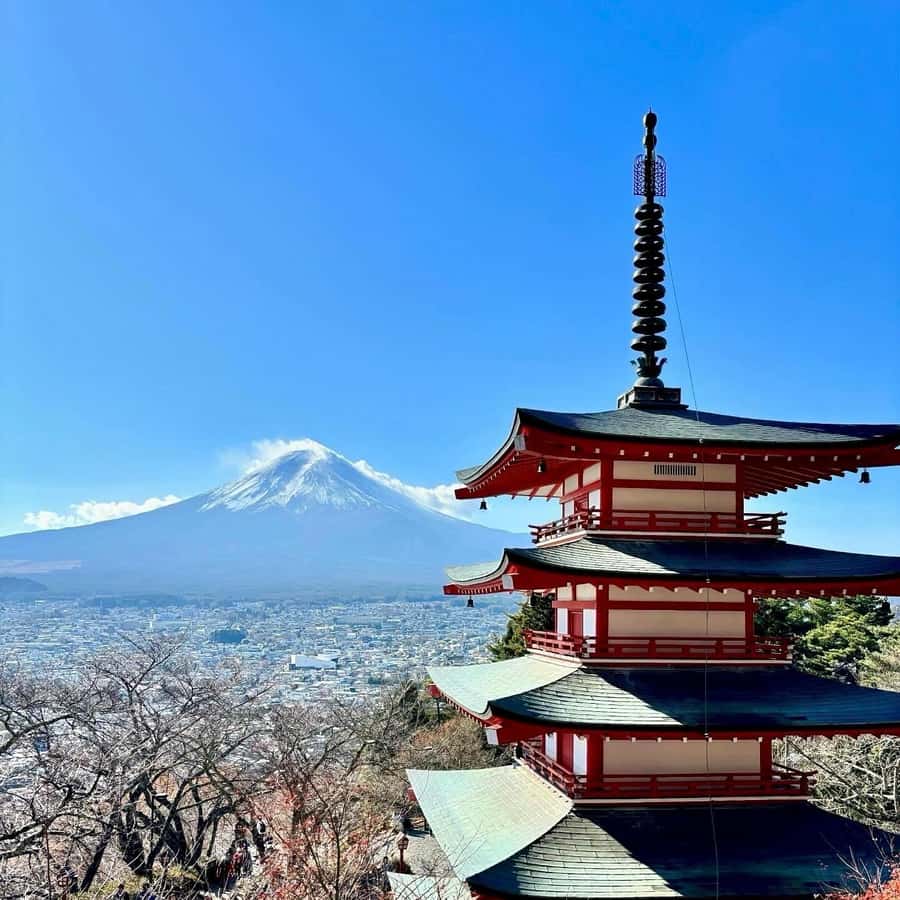
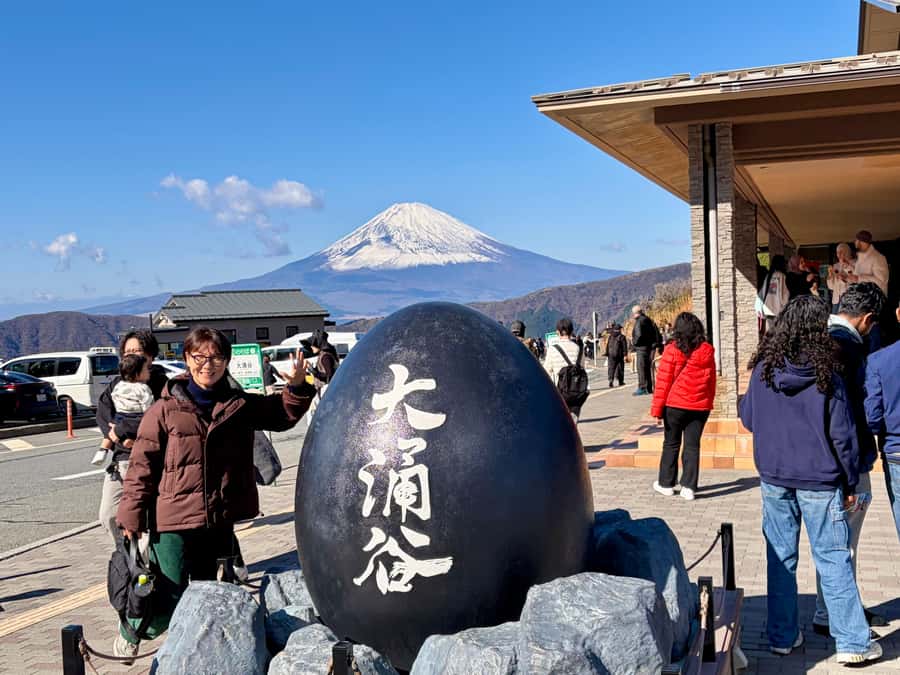
Owakudani is the most unusual stop. This is a volcanic area with steaming ground, vents, pipes, and chimneys connected to Hakone’s hot spring activity. The setting is not untouched wilderness. Engineering and tourism are plainly part of the scene.
That industrial side may surprise you. The volcanic valley has been altered to collect and channel water for the hot springs, so you should not expect a pristine mountain view at every turn. Some visitors may find the pipes and structures distracting. I think the contrast is part of what makes Owakudani worth seeing: you can see that Hakone’s famous baths are tied to active earth beneath your feet.
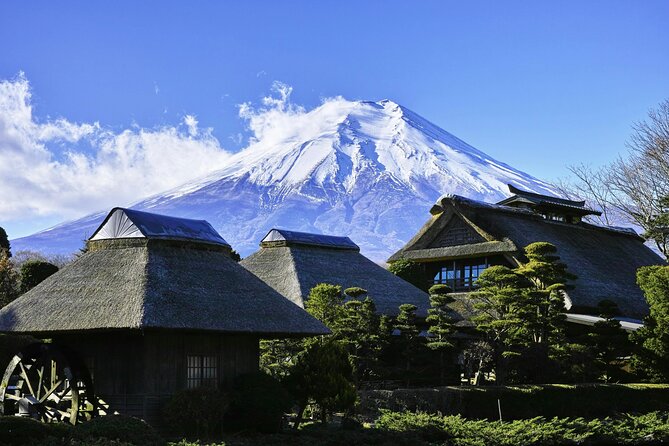
On clear days, this is also one of the places where you may see Mount Fuji. The view depends heavily on clouds, haze, and weather. Do not treat Fuji as guaranteed. Even without it, Owakudani gives the day a sharp change of mood from the quiet lake and shrine.
Your guide can add context here, which helps. A licensed English-speaking guide is included, and the tour is offered in English and Japanese. One guide associated with the experience is Oishi, praised for being kind, professional, and familiar with local sights. Guide assignments can vary, so do not assume Oishi will be the person leading your particular day.
Cruising across Lake Ashi
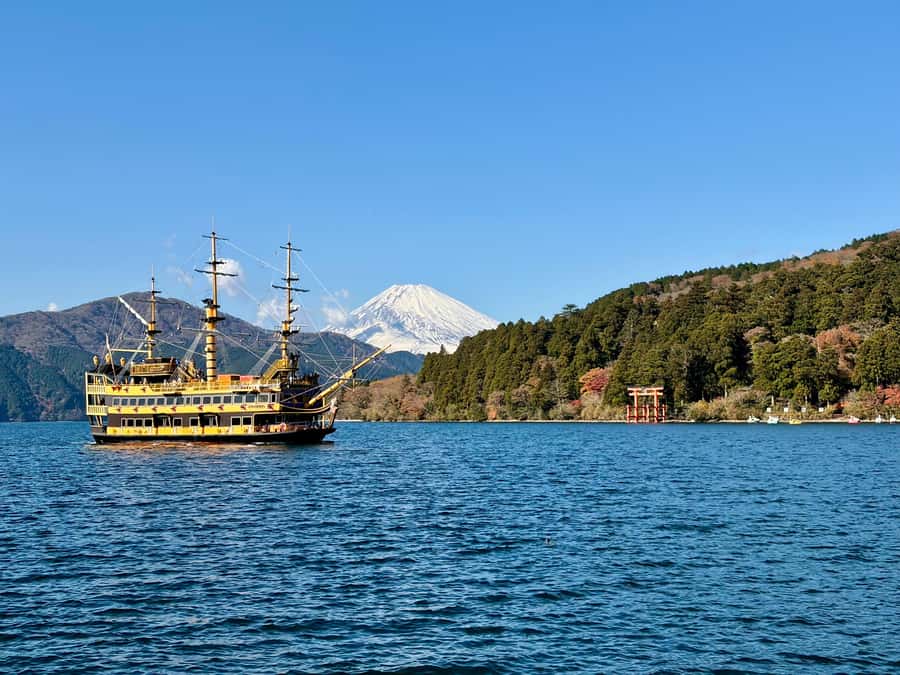
The Lake Ashi cruise is the tour’s easiestgoing stretch. You board a sightseeing boat and cross the lake, surrounded by wooded mountain slopes and clear water. After the drive and the sharper visual contrasts of Owakudani, the boat gives you time to sit, look around, and let the day slow down.
The lake is also where you may get another chance at Mount Fuji. Again, clouds can block the view. On one outing, the mountain was hidden, but the cruise still worked as a peaceful part of the route. That is the right way to approach it: Fuji is a bonus, not the whole point.
The water and forested shores provide a gentler view of Hakone. Bring a light layer if you are sensitive to changing temperatures, though the tour does not specify a required dress code beyond comfortable shoes.
The cruise ticket is included, which is helpful because it removes one of the small costs that can add up during an independent day. You will still need to plan for lunch separately, and gondola tickets are not included if you want to add that ride.
Hakone Shrine beneath the cedar trees
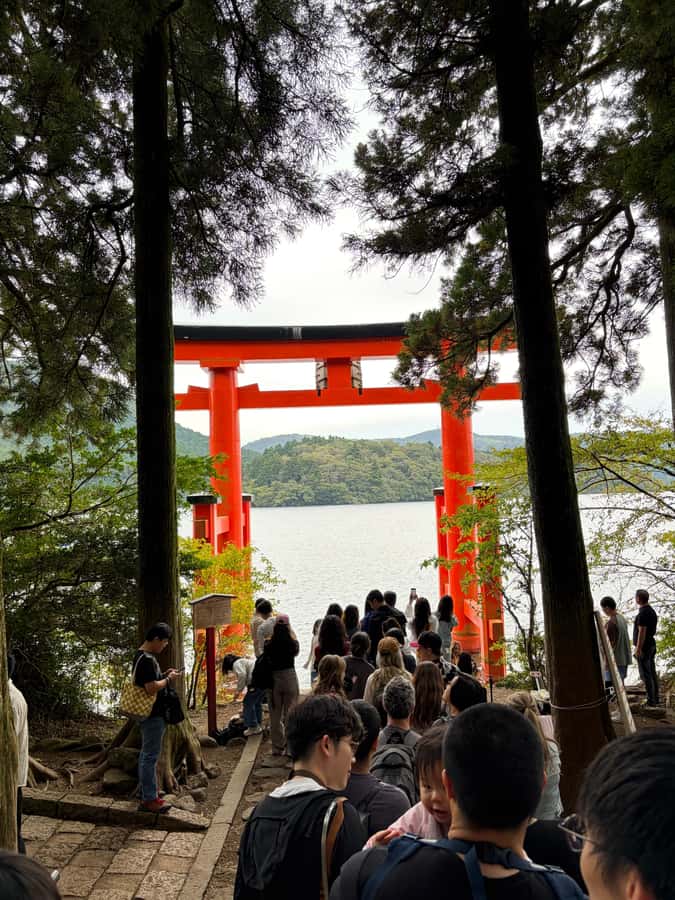
Hakone Shrine is likely to be the most memorable stop for many people. The shrine sits in a quiet cedar forest, giving it a very different feeling from the open volcanic ground at Owakudani and the broad views from Lake Ashi.
The famous torii at the lake is one of Hakone’s recognizable sights. The shrine itself offers more than a photo stop, though. Its setting shows how Japanese sacred places often use trees, shade, steps, and mountain surroundings to create a sense of separation from ordinary life.
You may find the main doors closed, so do not expect to see the deity inside. That does not make the visit pointless. The architecture, forest setting, and long connection between the shrine and Hakone’s mountain routes still make this a worthwhile stop.
I would allow yourself a slower pace here. The shrine is not best treated as something to photograph and leave in five minutes. Your guide can explain the religious and historical background, while you take in the cedar trunks and the change in atmosphere.
This is also the stop most likely to reward visitors who prefer a sense of place over a checklist of attractions. Owakudani explains the geology. The lake offers scenery. Hakone Shrine shows why the area has long carried spiritual importance.
Choosing between Ryuguden and Tenzan Onsen
The tour ends with an open-air hot spring, and you choose between two different styles.
Ryuguden is the elegant lakeside option. Its appeal is the setting, with a more polished atmosphere and views toward Lake Ashi. Choose it if you want your bath to feel tied to Hakone’s scenic identity.
Tenzan Onsen is the more rustic choice, surrounded by forest. It suits you if a wooded setting and a traditional-feeling bath matter more than a lake view.
A Japanese onsen is a shared bathing experience. You bathe without swimwear, and you should wash before entering the communal pool. The supplied information asks you to bring a towel, specifically noting a hand towel, so pack one rather than relying on the tour to provide it.
The communal nature of the bath can be a hurdle. If you feel uncomfortable sharing water with other bathers, the onsen may not feel relaxing at first. That concern is worth taking seriously. The experience is not a private hot tub.
Still, the timing makes sense. After several hours of mountain roads and sightseeing, soaking outdoors can reset your body before the drive back to Tokyo. For many people, it will be the emotional high point of the day, especially if you choose the setting that fits your taste.
A few more Tokyo tours and experiences worth a look


What the private car changes
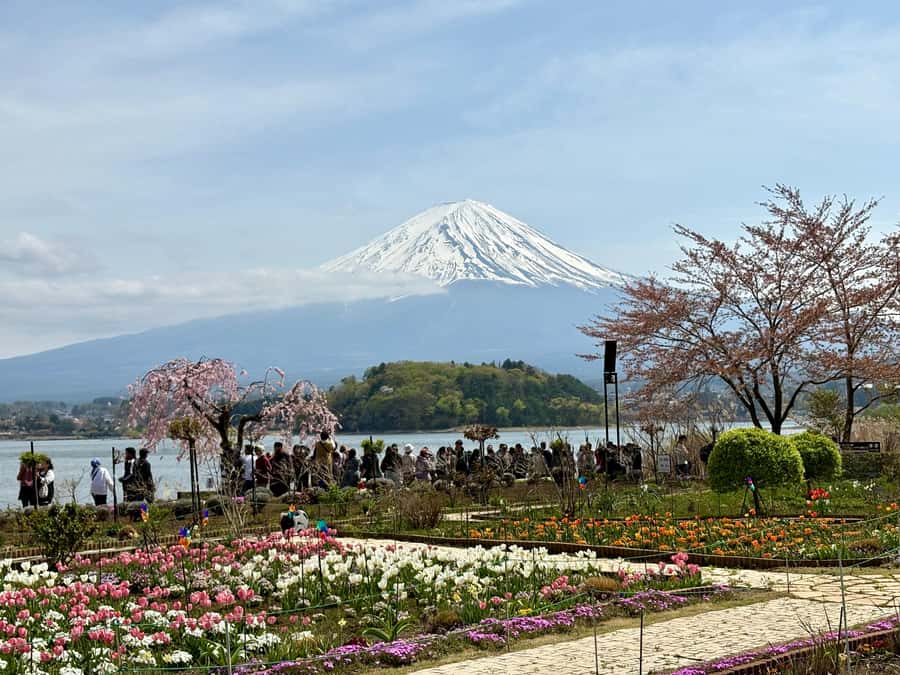
Hakone is easy to appreciate and easy to underestimate. The sights are close on a map, but the area is mountainous, and connections may involve trains, buses, boats, and ropeways. This tour removes much of that planning.
Your vehicle is private and air-conditioned, and hotel pickup and drop-off are included. Toll fees, parking, and fuel are also covered. Those details matter because they keep the day from turning into a series of small payments and transport decisions.
The guide is another useful part of the arrangement. You are not simply being driven between photo stops. A nationally licensed English-speaking guide can provide cultural and historical background at the shrine, explain the volcanic activity at Owakudani, and help you understand the onsen customs.
The private format may also suit you if your group wants a slower visit at one stop and a shorter visit at another. The provided details do not promise a fully customizable itinerary, so I would ask the operator about flexibility before booking. Still, a private group of up to three will normally feel less rigid than a large scheduled coach.
The tradeoff is that a private vehicle does not make Hakone magically quick. You are still spending much of the day moving through mountain roads, and traffic or weather can affect the pace.
The price, and who gets the best value
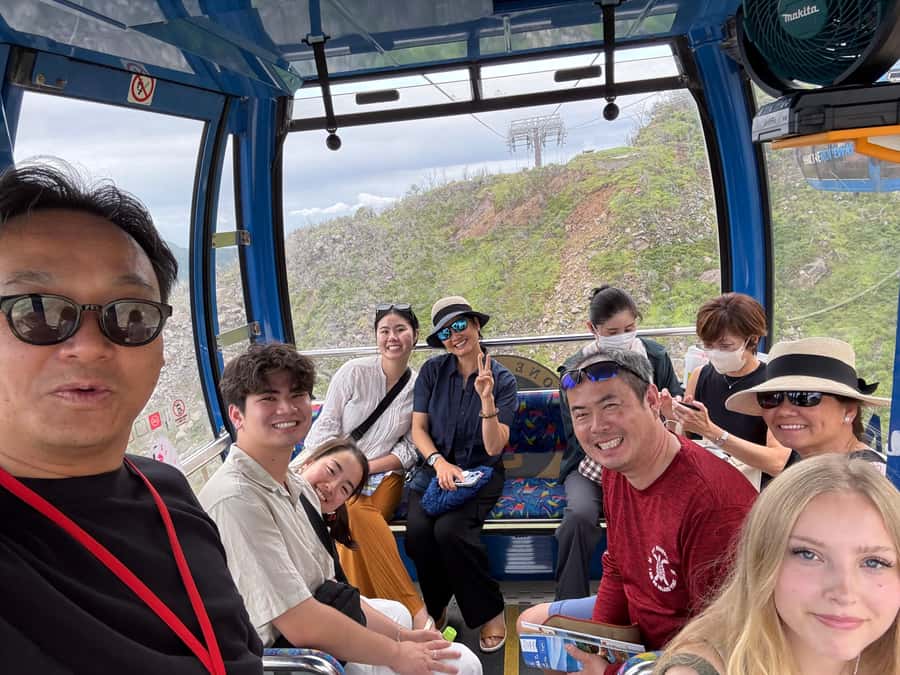
At $511 per group of up to three, this is a premium day trip. The price includes a lot: hotel transfers from Tokyo, private transportation, a guide, the onsen entrance, Lake Ashi cruise, tolls, parking, and fuel.
For three people, the cost is easier to justify. You are splitting the private vehicle and guide among the full group, while also avoiding the work of arranging several transport legs. For two people, it is a more personal but costly outing. For one person, I would compare it carefully with an independent Hakone visit.
Lunch is not included. Gondola tickets are also extra, so those are the two obvious additions to your budget. The itinerary already includes Owakudani, but you may want the gondola if you prefer to see more of Hakone from above. Since the ride is optional and not included, confirm the current route and ticket price before counting on it.
The strongest value here is time and ease. You are not buying a cheap way to reach Hakone. You are buying a private day with a guide, door-to-door transport, and a clean route through several spread-out sights.
Practical details before you book
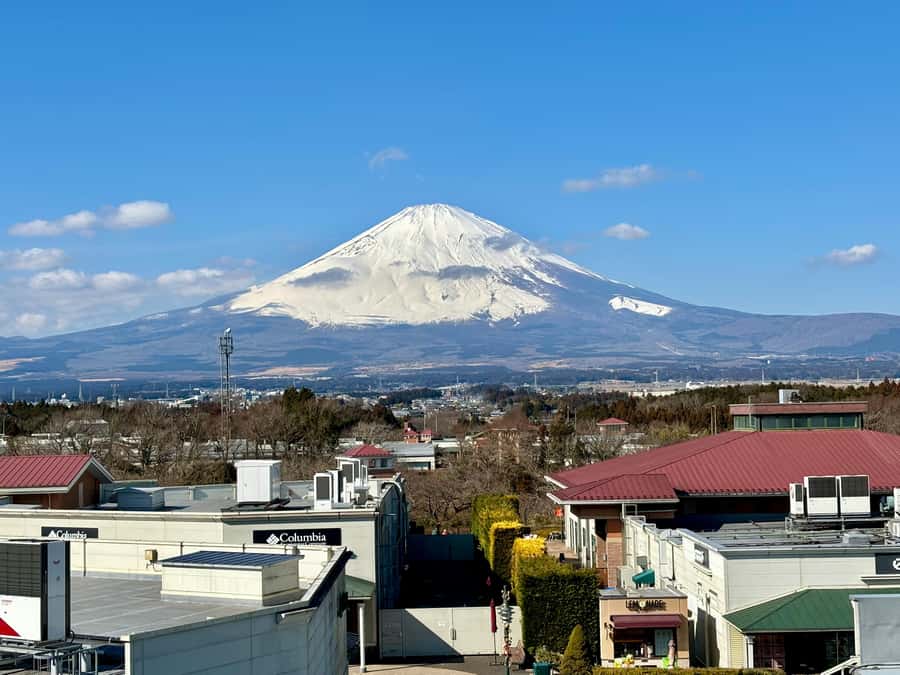
Wear comfortable shoes. Hakone Shrine is set in a forested area, and the day includes walking at several stops. The tour is not suitable for wheelchair users or people with back problems, and the mountain roads and walking surfaces may be tiring.
Bring a hand towel for the onsen. Smoking is not allowed, and drinks are not allowed in the vehicle. Lunch is not supplied, so plan for that with your guide or operator.
The tour can be booked with no payment today, which is useful if your Tokyo plans are still shifting. You can cancel up to 24 hours in advance for a full refund. Those terms are helpful, but I would still check the exact booking conditions before paying.
Weather deserves special attention. Clouds can hide Mount Fuji, and a Fuji-free day is entirely possible. Hakone remains worthwhile because the shrine, lake, volcanic area, and onsen each offer something different, but you should not book this solely for a Fuji photograph.
Is this Hakone tour right for you?
Book this tour if you are a small group that wants a private vehicle, hotel pickup, a guide, and a simple way to combine Hakone’s major sights. It is especially appealing if you want to finish with an open-air bath and do not want to manage mountain transport on your own.
Think twice if you are watching your budget, dislike shared bathing, or prefer to spend a full day at one or two places rather than move through several. The volcanic area can look more industrial than scenic, Fuji may be hidden, and lunch is an extra cost.
For three people who value ease, this is a strong choice. For a solo visitor, I would compare the $511 group price with an independent Hakone day before booking. The private car and guide are the reasons to choose it, while the Lake Ashi cruise, Hakone Shrine, and final onsen provide the day’s best balance of scenery, culture, and rest.
FAQ
How much does the Hakone tour cost?
The price is $511 per group of up to three people. The price includes the private vehicle, guide, hotel pickup and drop-off, onsen entrance, Lake Ashi cruise, tolls, parking, and fuel.
Is hotel pickup and drop-off included?
Yes. Pickup and drop-off from your hotel in Tokyo are included.
Is lunch included?
No. Lunch is not included, so you should budget for it separately.
Are gondola tickets included?
No. Gondola ride tickets are not included in the tour price.
Which hot spring can I visit?
You can choose between Ryuguden, an elegant lakeside onsen, and Tenzan Onsen, a more rustic hot spring surrounded by forest.
What should I bring?
Bring comfortable shoes and a hand towel. Smoking is not allowed, and drinks are not allowed in the vehicle.
More Boat Tours & Cruises in Tokyo
More Bay & River Cruises in Tokyo
More Hakone Day Trips in Tokyo
More tours in Tokyo we've reviewed












Hakone Day Trips, compared.
 ★ 5.0Mt Fuji and Hakone 1-Day Bus Tour Return by Bullet TrainFrom $163
 ★ 4.0Mt Fuji & Hakone Cruise, Drum Show Bullet Train 1 Day from TokyoFrom $149
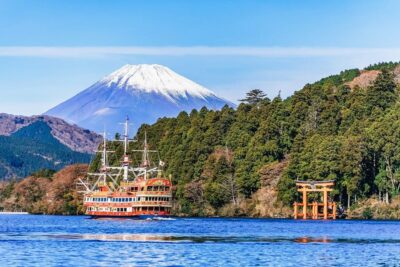 ★ 4.4Tokyo Mt Fuji 5th St & Hakone Cruise Bus Tour w/Bullet TrainFrom $15410 hours
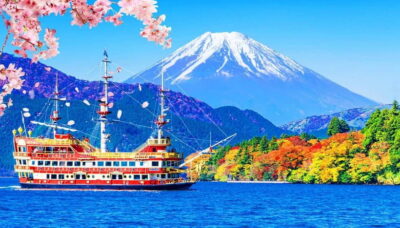 ★ 4.7Tokyo: Mt. Fuji Tour, Hakone Ropeway, Owakudani, Lake AshiFrom $5410 hours
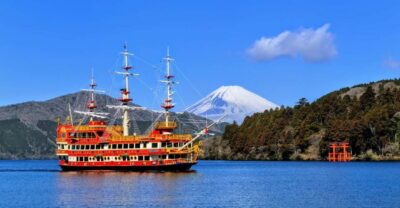 ★ 4.2Tokyo: Mt. Fuji 5th Station & Hakone Cruise 1-Day Bus TourFrom $12911 hours
 ★ 5.0Private Tour to Mt. Fuji and Hakone (Fully Licenced Operator)From $497