Reviewed · 1-DAY TOURS
Tokyo Fully Customized 1 day Private Tour with Local Guides
Tokyo rewards a personal plan. One day you might move from Meiji Shrine and Harajuku to Shibuya, while another could center on old temples, market food, local shopping streets, or a sushi lunch with decades of history. This private tour lets you choose the mix instead of following a fixed route.
In This Article
- Key points to know before booking
- A Tokyo tour that changes to fit your day
- Choosing between one and eight hours
- What the classic Tokyo stops can offer
- Asakusa and its temples
- Meiji Shrine, Harajuku, and Shibuya
- Tsukiji Market and Tsukiji Hongwan-ji Temple
- Ueno, Yanaka, and Akihabara
- Food stops can shape the whole experience
- Why the guide matters more than the route
- The $35 price and the real cost of the day
- Meeting, communication, and accessibility
- Who will get the most from this tour
- Should you book the customized Tokyo day tour?
- FAQ
- How long is the Tokyo private tour?
- Is the tour private?
- Is an English-speaking guide included?
- Are transport and entrance fees included?
- Is lunch included?
- How does the guide contact me before the tour?
I like the one-to-one attention and the freedom to change direction during the day. I also like the chance to see places that large groups often skip, with guides such as Yuri, Momo, Ken, Tamami, and Atsushi helping visitors understand local customs and everyday Tokyo. The main consideration is cost control: the $35 price covers the guide and walking tour, but you also pay for transport, meals, admission, and the guide’s necessary expenses.
Key points to know before booking
- A truly flexible route: Build your day around temples, food, shopping, pop culture, gardens, or Tokyo’s famous districts.
- Private English-speaking guide: You get a guide for your own group, not a seat in a large bus or a fixed walking line.
- Strong local focus: Guides can take you beyond headline sights to quieter temples, older streets, local diners, and specialty shops.
- Good for first visits and repeat visits: First-timers can cover major districts, while returning visitors can request a less familiar side of the city.
- Choose from one to eight hours: A short booking can focus on one area, while eight hours gives you room to connect several parts of Tokyo.
- Budget for extras: Admission tickets, food, transport, private vehicles, and the guide’s expenses are separate from the advertised price.
A Tokyo tour that changes to fit your day
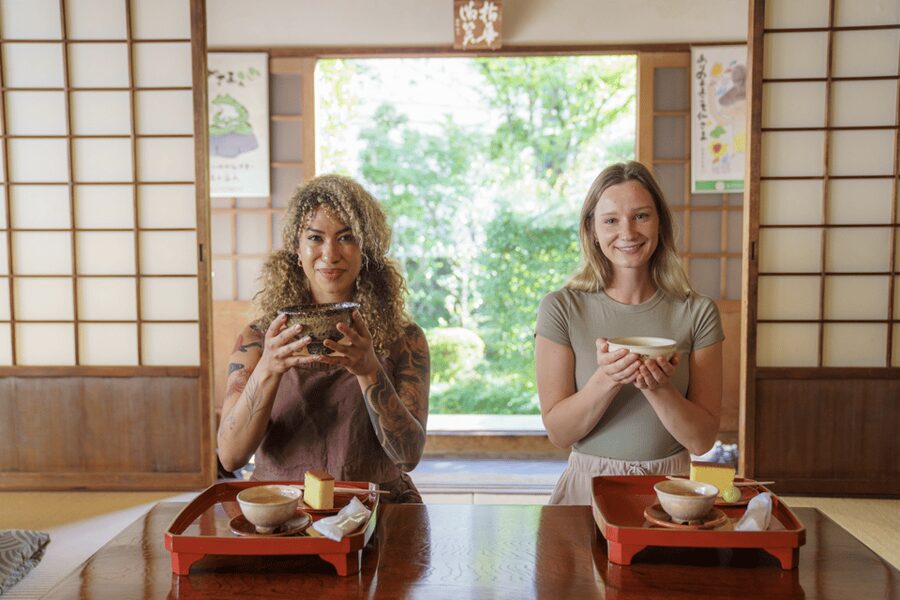
The most useful feature here is not a particular monument. It is the ability to shape the day around your Tokyo.
You can request classic stops such as Asakusa Temple, TeamLab, Shibuya, Meiji Shrine, Harajuku, Ueno, Yanaka, Akihabara, Tsukiji Market, or Tsukiji Hongwan-ji Temple. You can also ask for food, shopping, local neighborhoods, or places that do not appear on every standard sightseeing plan.
That flexibility matters in Tokyo because the city is not one single experience. Asakusa offers old religious sites and traditional streets. Shibuya is modern and fast-moving. Yanaka has a quieter neighborhood feel. Akihabara serves a very different interest, with its focus on anime, games, and electronics. A private guide can help you connect the areas that match your group rather than spending the day on sights you do not care about.
The day can also change as you go. Daniel, one of the guides, adjusted the plan during the tour, and Ken was praised for spending more time at favorite places while moving faster through less appealing stops. That is exactly the kind of control a private tour should provide.
Other private tours in Tokyo


Choosing between one and eight hours
The broad duration range is helpful, but it creates two very different products.
A one to two-hour tour works best when you have a narrow goal. You might focus on Tsukiji Market and Tsukiji Hongwan-ji Temple, as one two-hour plan did, or ask for an introduction to a single district. This format suits a cruise stop, a short layover, or a family that wants a manageable outing.
A five-hour tour gives you a more useful sample of central Tokyo. Yuri guided one group through Meiji Shrine, Harajuku, Shibuya, and nearby areas in that time. That route links a quiet shrine, youth fashion streets, and one of the city’s best-known modern districts. It is a sensible choice if you want several major sights without trying to cover half the city.
For a fuller day, choose seven or eight hours if your budget and energy allow. One seven-hour route included Asakusa, Ueno, Yanaka, and Akihabara, with time for a traditional sushi lunch. An eight-hour day can show you more of Tokyo’s different districts, but remember that walking, trains, crowds, and stops for food take time. You will see more variety, not every major attraction.
I would not try to force Asakusa, Shibuya, Tsukiji, Akihabara, and TeamLab into a short booking. Tokyo’s rail network can move you quickly, but transfers and station walking still consume part of the day. Tell the guide your top two or three priorities and let the route breathe.
What the classic Tokyo stops can offer
Asakusa and its temples
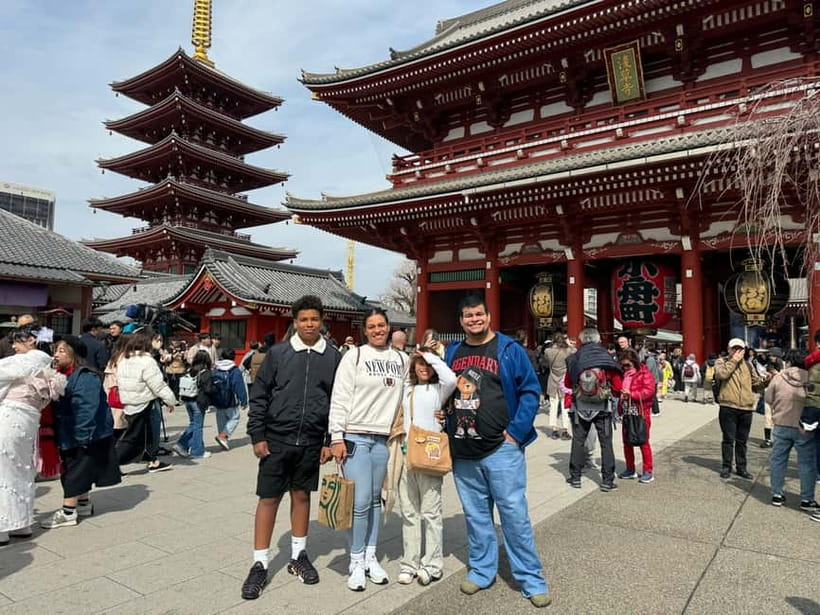
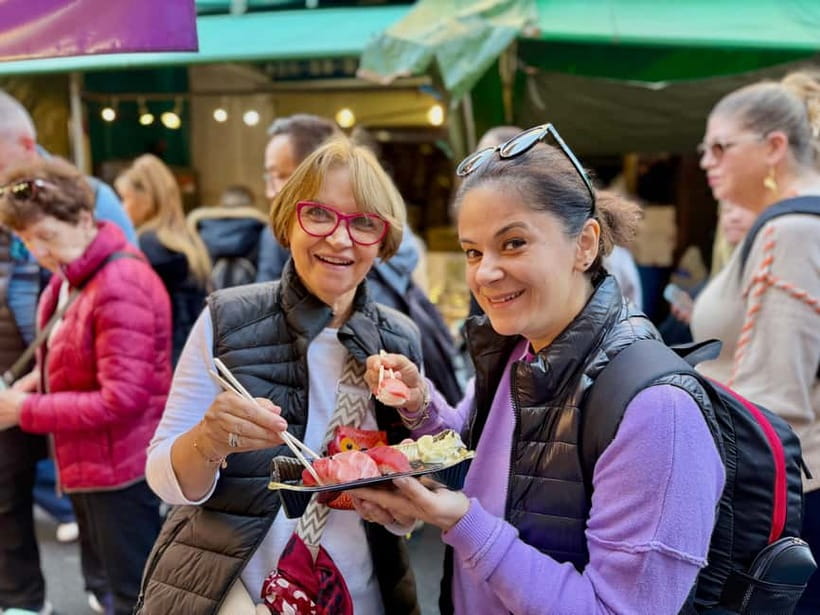
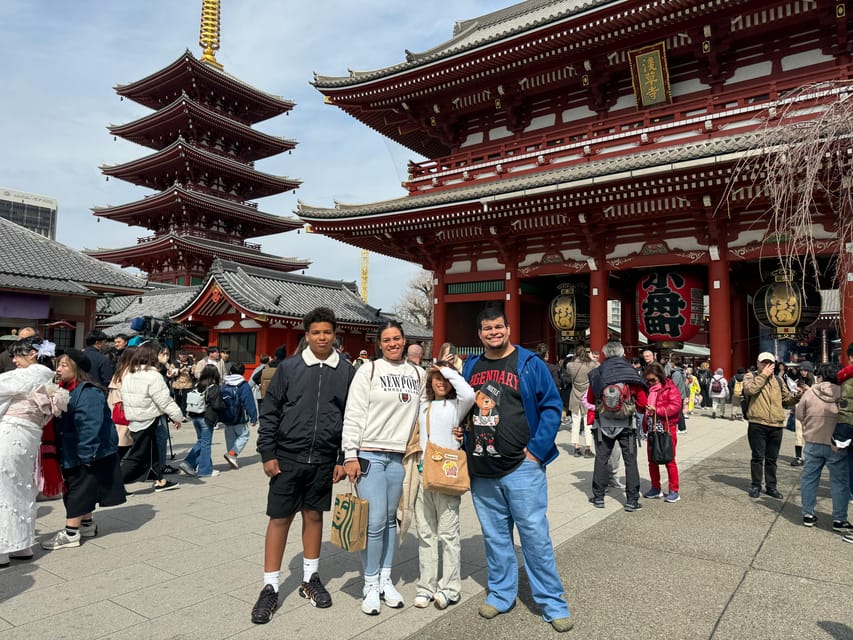
Asakusa is a strong choice for a first introduction to old Tokyo. The district gives you a major temple setting, traditional customs, and a chance to ask a local guide how to behave at shrines and temples.
Ken was especially useful on this front, explaining both the background of shrines and temples and the customs to follow. That practical explanation adds value because the rituals can seem confusing when you are moving on your own. You can learn what to do at the entrance, how to approach a worship hall, and why certain actions matter.
The drawback is that Asakusa is a popular stop. If you want quiet streets above all else, tell your guide early. They may be able to balance the temple with less familiar places nearby, but the experience will still include one of Tokyo’s most visited areas.
Meiji Shrine, Harajuku, and Shibuya
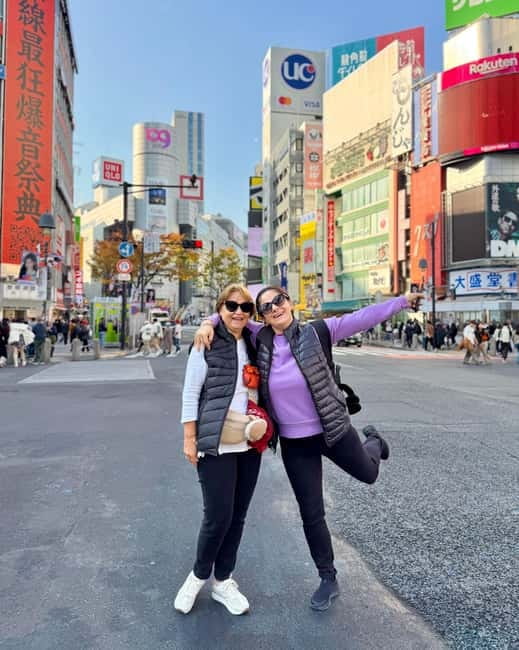
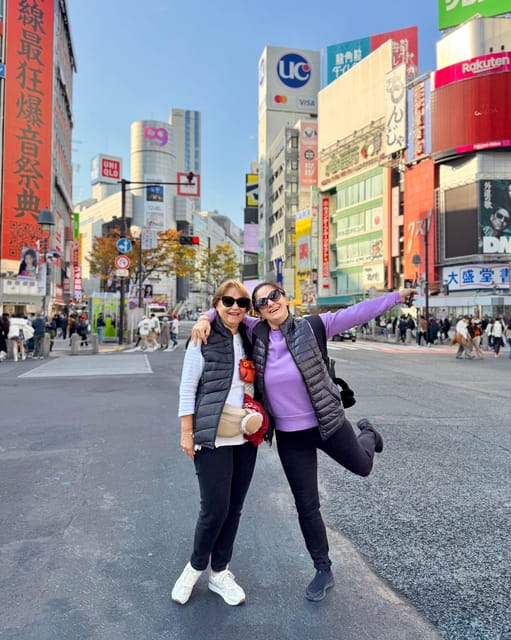
This combination makes a good half-day route. Meiji Shrine gives you a forested religious setting near the center of the city, while Harajuku brings fashion, youth culture, and shopping. Shibuya then shifts the mood again, with major city views and a busy modern center.
Yuri’s five-hour route used these areas effectively. A guide can explain the contrast rather than treating each stop as a photo opportunity. You will get more from the route if you ask questions about how the districts differ and how local life fits around the famous sights.
Harajuku and Shibuya can be tiring for young children or anyone sensitive to crowds. A private guide helps because you can slow down, take breaks, or change the balance of the day. One family with a four-year-old had a relaxed outing because the guide kept the child involved and adjusted the pace.
A few more Tokyo tours and experiences worth a look


Tsukiji Market and Tsukiji Hongwan-ji Temple
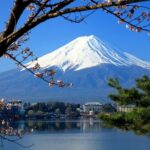
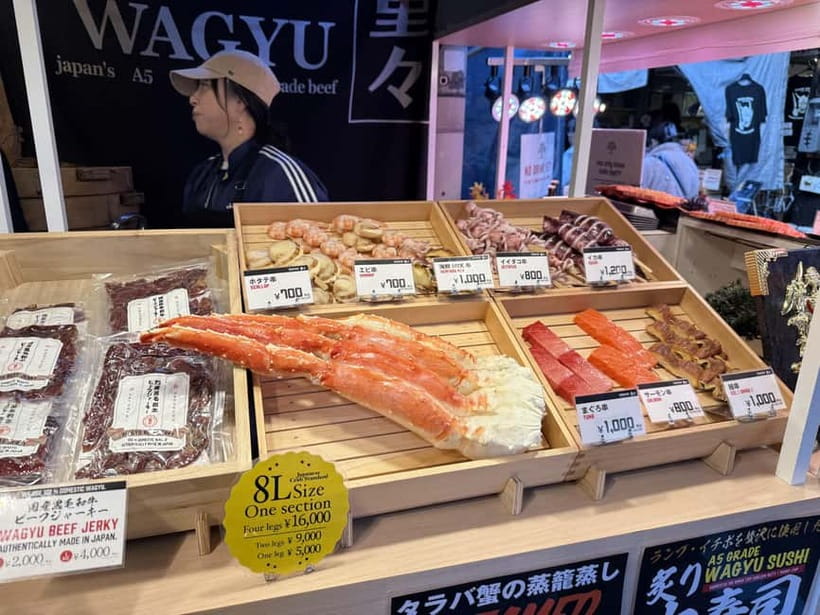
Tsukiji is a natural choice if food matters to you. It gives the tour a strong eating component, although food purchases and lunch are not included in the price.
Tamami guided a two-hour visit to Tsukiji Market and Tsukiji Hongwan-ji Temple, and also helped with practical matters beyond sightseeing. Her assistance with Suica cards was useful because a working public transport card can make the rest of a Tokyo stay easier. This is a good example of the extra value you can get from a private guide: not just facts, but help with the small systems that make Japan less intimidating.
Ask in advance if you have dietary needs. Mami found a vegan restaurant for one group, showing that food preferences can be built into the plan. Still, you should state those needs before the tour rather than hoping a suitable meal appears on the day.
Ueno, Yanaka, and Akihabara
This trio gives you a broad view of Tokyo without relying only on the biggest postcard sights. Ueno and Yanaka can offer a slower neighborhood contrast to the high-energy districts, while Akihabara appeals to visitors interested in anime, games, electronics, and Japanese pop culture.
Ken took one group through these four areas in seven hours, including Asakusa. The appeal was the variety: you see different sides of the city in one day, with a guide helping you understand why each district feels different.
This route requires stamina. It also involves transport and likely extra spending on food or shopping. If your group has mixed interests, a private format makes the route easier to manage because the guide can give each person part of the day.
Food stops can shape the whole experience
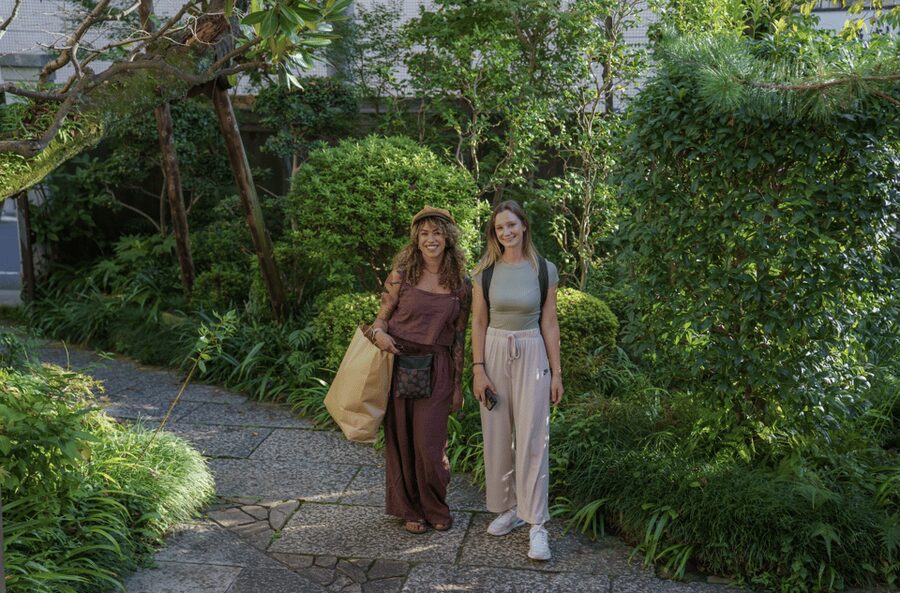
Food is one of the strongest reasons to book a private guide rather than simply walk between monuments. You can ask for sushi, a long-established restaurant, a vegan meal, or local diners that fit your comfort level and interests.
One seven-hour tour included lunch at a sushi restaurant with 70 years of history. That kind of stop gives the day a sense of place, especially when the guide explains what you are eating and why the restaurant matters. It also gives you a real break from walking.
Remember that lunch is not included. You pay for your own food, and the terms also state that the guide’s necessary expenses during the tour are separate. One guest found this cost arrangement insufficiently clear, particularly regarding the guide’s lunch and transport. I would settle that point before departure. If the guide eats with your group, ask whether you are expected to cover that meal.
The same advice applies to snacks and shopping. A market stop can be inexpensive or surprisingly costly, depending on what catches your eye. Keep a little room in the budget if food is central to your plan.
Why the guide matters more than the route
A custom itinerary is only as good as the person leading it. The strongest descriptions of this experience center on guides who were warm, flexible, clear in English, and good at matching different interests within one group.
Momo kept in regular contact before the tour and shaped the day around what the group wanted to see. Momo also selected food stops and points of interest after learning about the group’s preferences. Ken helped with navigation, explained shrine etiquette, and took visitors to places known mainly to locals. Tamami offered practical help with Suica cards and sent extra information afterward.
Other guide names connected with positive experiences include Yuri, Riku, Daniel, Sho, Mariko, Mami, Hana, Atsushi, and Shota. You may not be able to request every guide, but you should use the pre-tour contact to explain your priorities clearly.
The guides are not all described in exactly the same way, so expectations should remain realistic. This is a local walking experience, not a formal academic lecture or a chauffeured luxury tour. Its strength is conversation, personal adjustment, local context, and help navigating Tokyo.
The $35 price and the real cost of the day
At $35 per person, the starting price is attractive for a private experience. The value improves when you are traveling with family or friends because the guide’s attention is reserved for your group rather than divided among strangers.
That price does not cover many normal day expenses. You pay for your own:
- Train, subway, or other transport
- Admission fees
- Lunch and other food
- Personal purchases
- Private transportation, if requested
- The guide’s necessary expenses during the tour
There is no private vehicle included. The activity is a walking tour, so the route will depend on public transport, your meeting point, and your ability to walk between stops.
Think of the $35 as the cost of planning help, guiding, interpretation, and personal attention. It is not the total cost of sightseeing in Tokyo. For a group that wants a food-centered or shopping-heavy day, admission and meal costs may exceed the guide fee.
Meeting, communication, and accessibility
Pickup is optional. You meet the guide at a location near the first destination, so the starting point should match your chosen route. If you want to begin at Asakusa, for example, confirm the exact meeting place rather than assuming hotel pickup.
The guide will contact you through WhatsApp. Download the app before the tour and watch for the meeting instructions. This is especially important in Tokyo, where a large station can have several exits and a vague meeting point can waste valuable time.
The experience is listed as wheelchair accessible, but the exact route still matters. Tokyo districts differ in station layouts, pavement, crowds, and walking distances. If accessibility is important for your group, discuss the route and transport needs with the guide before the day begins.
Cancellation is free up to two days in advance for a full refund. The tour is for a private group, and English is the stated guide language.
Who will get the most from this tour
I would recommend this experience to a first-time visitor who feels overwhelmed by Tokyo’s size. A good guide can help you connect major sights, explain customs, and give you a workable sense of the city in one day.
It also suits families. The private format lets you adjust the pace, and one guide kept a four-year-old engaged throughout a full outing. Families should still avoid an overpacked route and plan for food and rest stops.
Repeat visitors may get even more value. Ask for Yanaka, lesser-known temples, local shopping streets, or food places rather than repeating sights you have already seen. Atsushi and Ken both led routes that focused on everyday Tokyo and places many independent visitors would miss.
This is less suitable if you want a fixed, low-cost group tour with all transport and admissions bundled together. It is also not ideal for someone who prefers to plan every detail alone. The benefit comes from sharing your interests and allowing the guide to shape the day.
Should you book the customized Tokyo day tour?
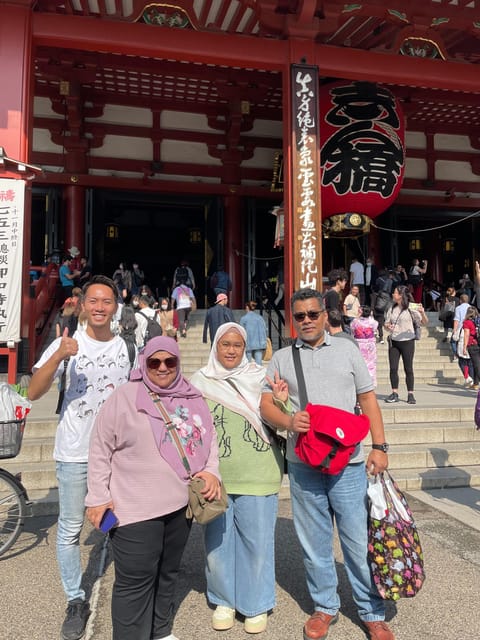
Book it if you want a flexible private day, direct help with Tokyo’s transport and customs, and a route built around your group. It is particularly useful for families, first-time visitors, mixed-interest groups, and repeat visitors seeking quieter districts or local food.
Choose five hours for a focused introduction, two hours for one neighborhood, or seven to eight hours if you want a broad look at Tokyo. Before booking, send a short priority list, mention dietary or mobility needs, and confirm how the guide’s transport and meal costs will be handled.
The price is a good starting point, not an all-inclusive total. If you understand that distinction and want a human guide rather than a rigid schedule, this is a practical way to make one Tokyo day feel personal.
FAQ
How long is the Tokyo private tour?
You can book the experience for between 1 and 8 hours. Starting times depend on availability.
Is the tour private?
Yes. The activity is offered for a private group, so the itinerary can be shaped around your own interests.
Is an English-speaking guide included?
Yes. A passionate local English-speaking guide is included, and English is the stated tour language.
Are transport and entrance fees included?
No. You pay your own transportation costs and entrance fees. Private transportation is also not included.
Is lunch included?
No. Lunch is at your own expense. The guide’s necessary expenses during the tour are also separate, so confirm the expected arrangements before the day.
How does the guide contact me before the tour?
The guide contacts you through WhatsApp. Download WhatsApp before the experience so you can receive meeting details and communicate smoothly.
More 1-Day Tours in Tokyo
More Private Tours in Tokyo
More tours in Tokyo we've reviewed












1-Day Tours, compared.
 ★ 5.0Mt Fuji and Hakone 1-Day Bus Tour Return by Bullet TrainFrom $163
 ★ 5.01-Day Tokyo Bus TourFrom $129
 ★ 4.0Mt Fuji & Hakone Cruise, Drum Show Bullet Train 1 Day from TokyoFrom $149
 ★ 4.5Tokyo: DisneySea 1-Day PassportFrom $571 day
 ★ 4.6Tokyo Disneyland 1-Day PassportFrom $571 day
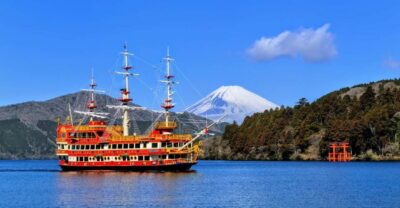 ★ 4.2Tokyo: Mt. Fuji 5th Station & Hakone Cruise 1-Day Bus TourFrom $12911 hours