Reviewed · UENO & YANAKA WALKS
Romantic Mizuhiki Knot and Omikuji Washi Charm Workshop Ueno
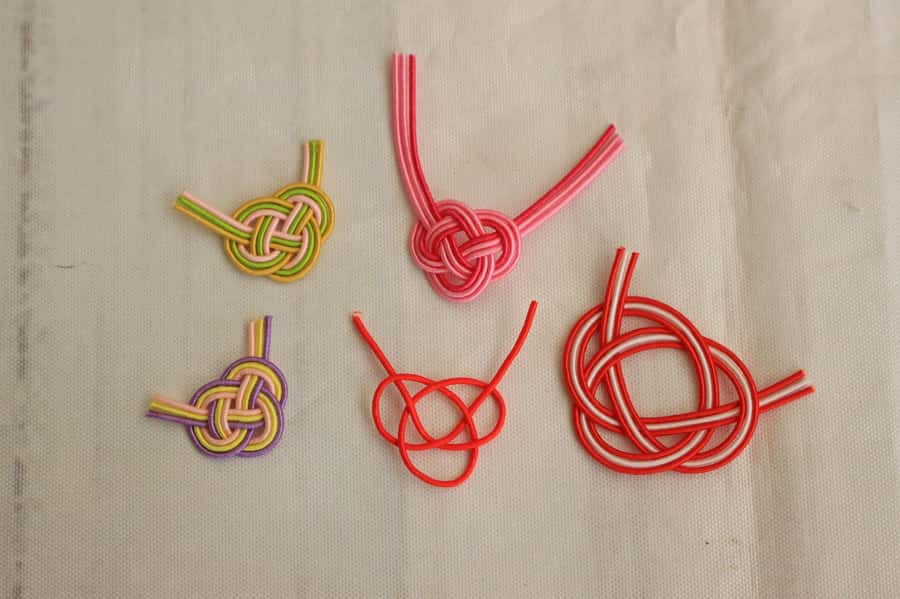
Mizuhiki is one of Japan’s most personal crafts: paper cords tied into symbolic knots for weddings, funerals, gifts, and other important moments. At this small workshop near Ueno and Asakusa, you make your own knot and omikuji washi charm, rather than simply buying a souvenir from a shelf.
In This Article
- Key points to know before booking
- Why this one-hour workshop feels more personal
- Mizuhiki, paper cord with a long ceremonial role
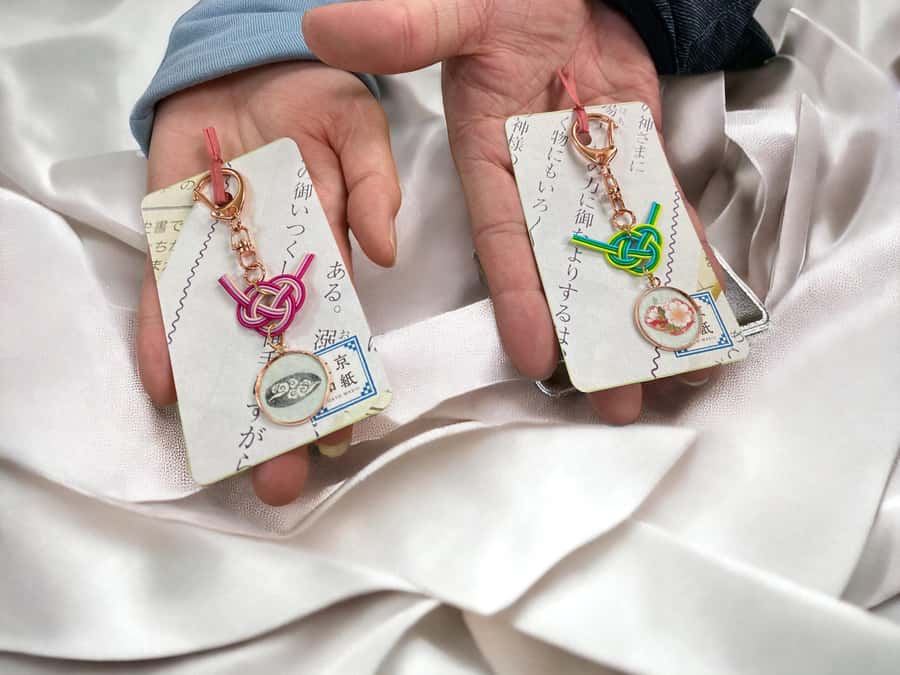
- What you make during the class
- Choosing colors, paper, and a design
- A calm stop between Ueno and Asakusa
- The shop cat and allergy warning
- How the instruction works for beginners
- Who will get the most from this activity
- Is $41 per person good value?
- Timing, booking, and cancellation
- My call: book it for the keepsake, not the checklist
- FAQ
- How long does the mizuhiki and washi charm workshop last?
- Where is the workshop located?
- How many people can join the workshop?
- Is instruction available in English?
- What is included in the price?
- Is there a cat at the workshop?
I like the small four-person limit, which keeps the class calm and gives you room to ask for help. I also like the choice of colors, designs, and washi papers, plus the option to make a gift box. The main consideration is simple: this is a one-hour craft session, not a broad cultural tour, and the shop cat may matter if you have allergies.
Key points to know before booking
- A hands-on Japanese craft: Make a mizuhiki knot and an omikuji washi charm with supplied materials.
- A personal souvenir: Choose your own paper, colors, and design, then create a small box for your charm.
- A tiny group: The class is limited to four participants, useful for couples, families, and friends.
- A relaxed Ueno to Asakusa location: The shop sits between two of Tokyo’s best-known sightseeing areas.
- English and Japanese instruction: Instructor Kaho has been praised for clear, friendly help.
- A resident cat: You may be able to take a picture with the cat, but contact the shop ahead of time about allergies.
Why this one-hour workshop feels more personal
Many Tokyo souvenirs are easy to buy but hard to connect with. You pick them up, wrap them, and move on. This workshop gives you a short period to slow down and make something with your own hands.
That matters most if you are visiting with someone close to you. The activity is designed for couples, but it also suits parents and children or two friends. You are not expected to make identical pieces. Each person can choose colors and paper that fit their taste, then leave with an object tied to the time you spent together.
The setting also helps. The shop is between Ueno and Asakusa, yet the workshop itself is described as quiet and relaxing. You get a break from Tokyo’s crowds without giving up a convenient place in your sightseeing plans.
At $41 per person, the price is higher than buying a ready-made charm. You are paying for the materials, instruction, a small group, and the chance to make a keepsake yourself. I consider that fair if you value personal activities and handmade souvenirs. If you only want a quick, inexpensive memento, a shop-bought charm will cost less and take less time.
A few more Tokyo tours and experiences worth a look


Mizuhiki, paper cord with a long ceremonial role
Mizuhiki is made from paper string and has been used in Japan for about 680 years. It remains part of wedding and funeral ceremonies, so the craft carries more meaning than a simple decorative braid.
You do not need prior craft skills to take part. The session is guided, and the supplied materials are included. The instruction is available in English and Japanese, which makes it practical for international visitors who want to try a traditional art without needing to understand a full Japanese-language class.
The knot itself is the heart of the activity. Its appeal comes from the process: several paper cords become a shaped design through careful tying and arranging. You get to see how a small piece of paper string can become a symbol of connection.
That symbolism makes the class a natural choice for a romantic outing. Still, you do not need to treat it as a couples-only activity. A parent and child can make matching or contrasting charms. Friends can choose colors that remind them of one another. The format leaves room for the meaning you want to give it.
What you make during the class
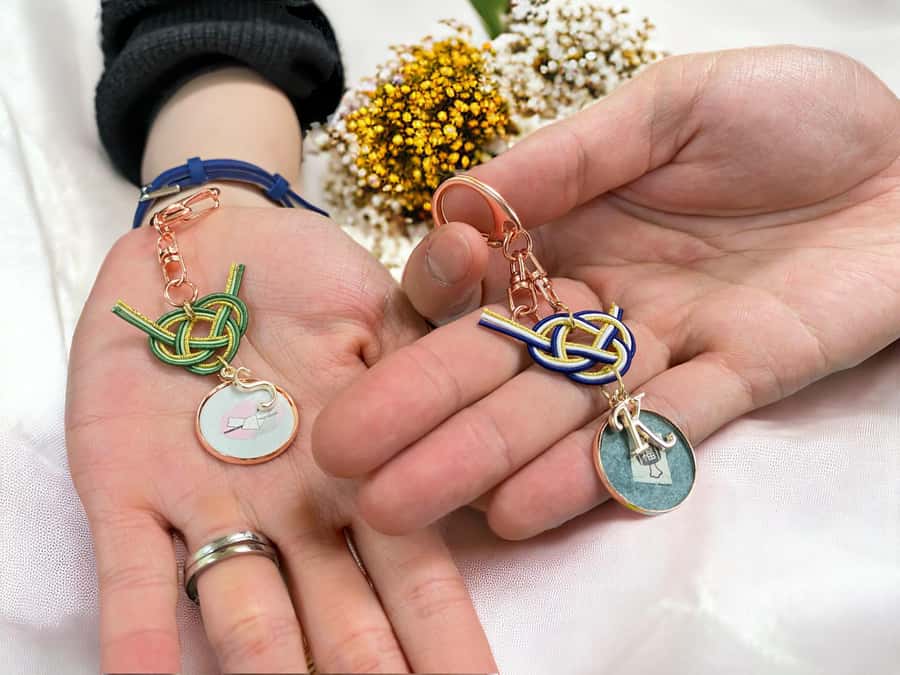
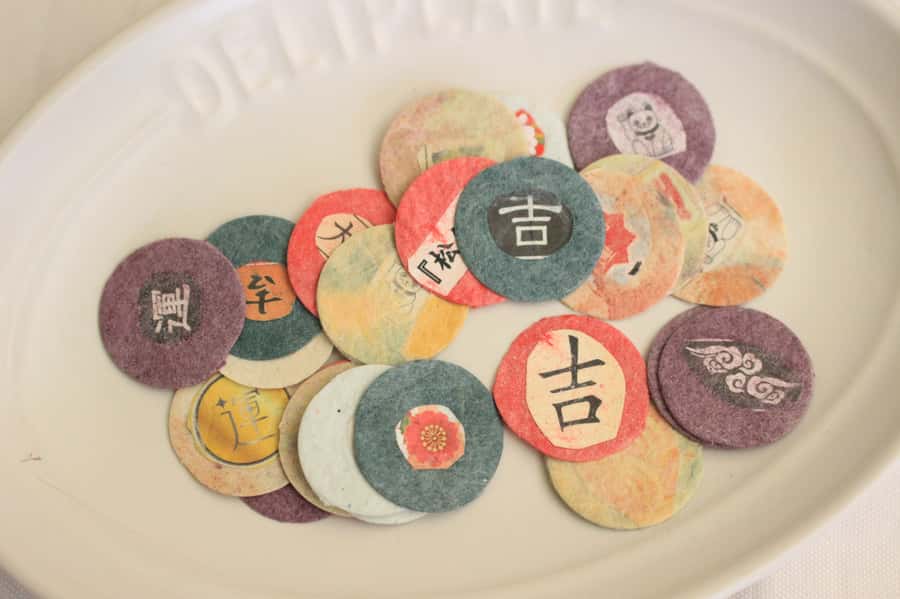
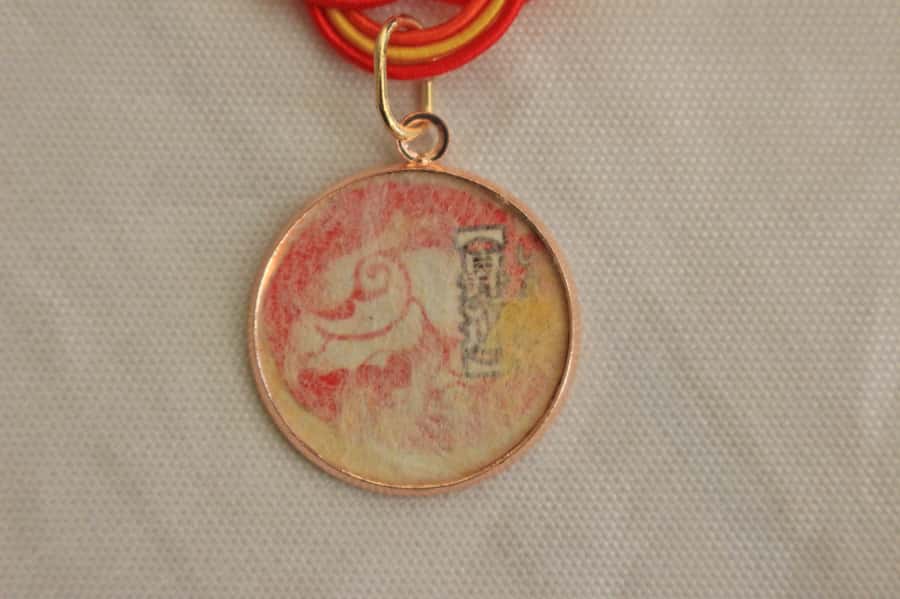
The workshop combines two related crafts. First, you work with mizuhiki cords. Next, you make an omikuji washi charm, using Japanese washi paper selected from the available choices.
The exact order may depend on the class flow, but you can expect the instructor to show you how to handle the materials and guide you through the main steps. This is useful if your hands are not used to paper cord. One participant noted that a boyfriend who lacked confidence at the start learned a great deal during the session, which tells you something important about the teaching style: beginners are not expected to arrive with craft experience.
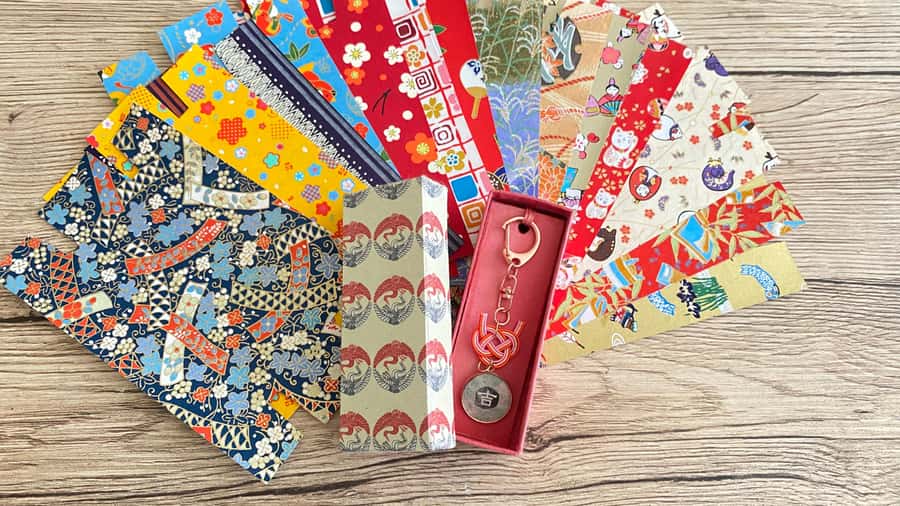
The washi charm gives you another chance to make the item your own. Washi is traditional Japanese paper, valued for its texture and decorative patterns. Here, you choose a favorite paper rather than receiving a fixed design. That choice turns the finished charm into a more personal souvenir.
You can also make a gift box for the charm. This is a small detail, but it improves the practical value of the activity. The box gives you a way to protect the piece in your luggage and makes the finished item easier to give to someone else.
Do not expect a large object. The charm is a small keepsake, and the one-hour length suggests a focused project rather than a full craft course. That is part of the appeal if you want an activity that fits neatly into a busy Tokyo day.
Choosing colors, paper, and a design
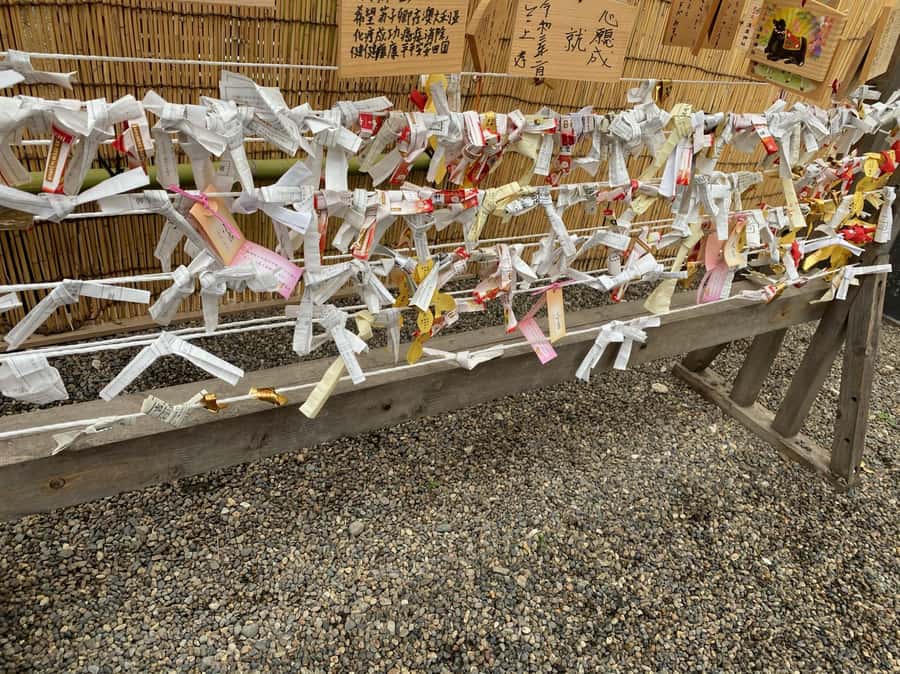
The creative choices are one of the best reasons to book this workshop. You can select from different colors and designs for the mizuhiki work, then choose the washi paper for your charm.
I like this approach because it avoids the factory-made souvenir problem. Two people can attend the same class and still leave with clearly different pieces. You might choose colors that match your partner’s taste, make a pair of complementary charms, or select paper that reminds you of Japan.
The information provided does not specify every color or design available, so you should think of the selection as a chance to choose from the shop’s current materials rather than a guaranteed catalog. If a particular color matters to you, ask before booking.
You also should not feel pressure to create a perfect piece. Mizuhiki has a neat, precise look, but the value of this class is in learning the method and making something personal. The instructor is there to help you correct a step and keep the activity moving.
A calm stop between Ueno and Asakusa
The location is useful for planning. Ueno and Asakusa are both major sightseeing areas, so you can place the workshop before or after temples, museums, markets, or parks in those districts. The shop sits between them, making it a practical midpoint rather than a special trip to an isolated suburb.
The one-hour duration is easy to fit into a day. You could schedule it as a quiet pause between sightseeing stops, or make it the main appointment in a slower afternoon. Because the group is limited to four, the atmosphere should suit people who prefer a personal class to a large demonstration.
The location description does not provide a precise street address or walking time from a station. Check the exact meeting details before setting off, especially if you are building a tight schedule around Ueno and Asakusa.
This is also a good choice for rainy weather. The activity takes place indoors, and the craft gives you something purposeful to do while taking a break from Tokyo’s streets. I would not book it as a substitute for seeing Ueno or Asakusa, though. Think of it as a compact addition to those areas.
A few more Tokyo tours and experiences worth a look




The shop cat and allergy warning
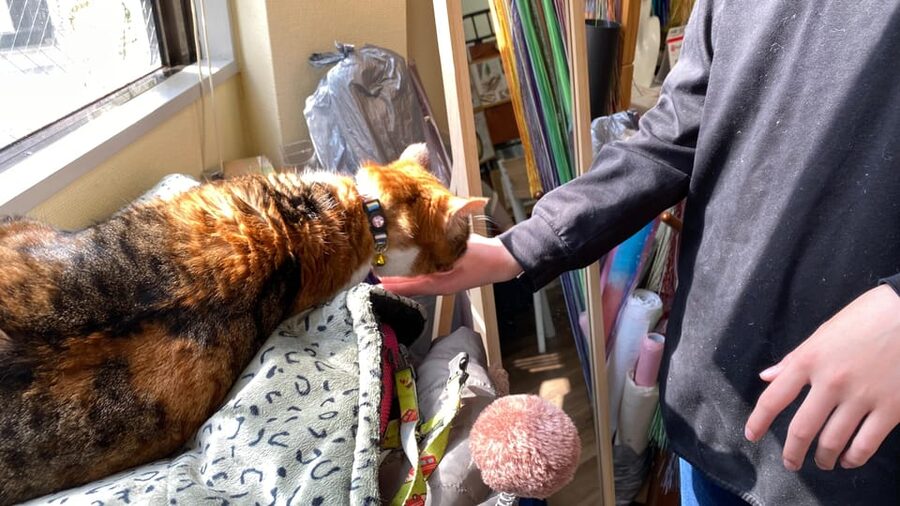
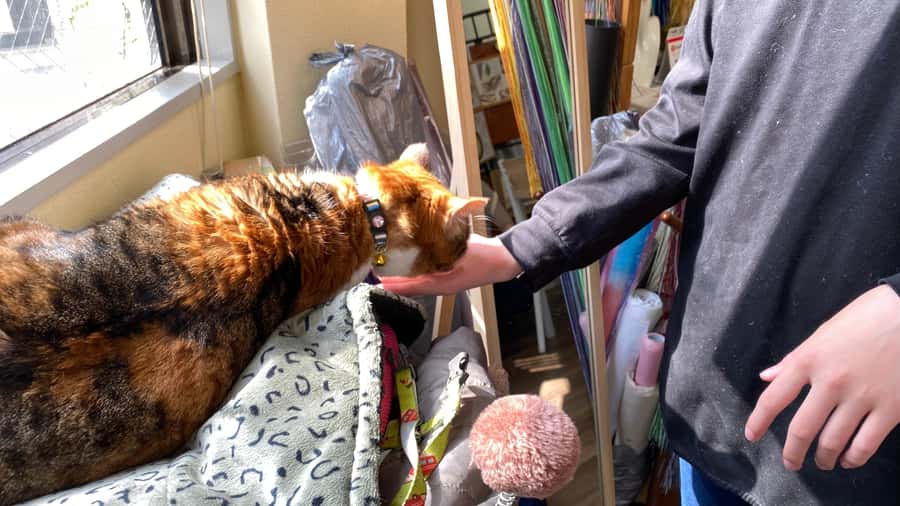
A cat lives in the shop. For many people, that adds warmth to the setting and gives the class one more memorable detail. If you like cats, you may be able to take a picture with it.
The cat is also the clearest practical warning. If you have allergies, contact the shop in advance. Do not assume that being in a craft shop means the animal will stay in another room. The available information specifically asks people with allergies to get in touch before the session.
If you are booking for someone who is nervous around cats, ask about the setup before paying. The animal is part of the shop environment, not a separate attraction that can necessarily be avoided.
How the instruction works for beginners
The class includes a friendly instructor, with English and Japanese available. Kaho is the named instructor connected with the experience, and her teaching has been described as easy to follow and helpful.
That is especially important for mizuhiki. The cords can look simple before you try to shape them. A calm explanation and a chance to copy the steps make a big difference. You will likely spend less time worrying about doing something wrong and more time choosing how you want the final piece to look.
The small group size is a real advantage here. With no more than four participants, you can ask for help without trying to catch an instructor’s attention across a crowded room. If one person in your group is less confident with crafts, the format gives that person a better chance to keep up.
The class is not described as a formal lecture, so do not expect a long presentation on every aspect of Japanese craft. You will receive cultural context through the activity itself, especially the role of mizuhiki in ceremonies and the traditional use of washi paper.
Who will get the most from this activity
I would recommend this workshop first to people who want a shared memory, not just another photograph. Couples can make meaningful keepsakes together, but the format works just as well for close friends and families.
It is also a good fit for:
- First-time craft participants: You receive guidance and do not need prior experience.
- Couples seeking a quiet date: The setting is intimate, and the finished pieces can represent your relationship.
- Parents and children: The one-hour length is manageable, though younger children may need help with the cord work.
- Souvenir hunters: You choose the paper and design, then take home something you made.
- Repeat Japan visitors: The class offers a cultural activity beyond the usual temples, shops, and food stops.
- Cat lovers: You may get a photo with the shop cat.
I would be more cautious if you want a long workshop, a large finished object, or a full history lesson. The session is short and focused. Its strength is the personal act of making, not the amount of material covered.
Is $41 per person good value?

The value depends on what you want from your Tokyo day. At $41, this is not a bargain activity in the sense of a free neighborhood walk or a low-cost museum visit. But it includes the materials, instruction, the mizuhiki project, the omikuji washi charm, and the chance to make a gift box.
You are also paying for a small group. A maximum of four participants is far more personal than a large craft demonstration. That matters when you need help with the knot or want to make deliberate choices about colors and paper.
The strongest value comes when two people book together. You are not only buying two souvenirs. You are sharing the process of making them, then carrying home a reminder of that afternoon. The activity works best as a relationship-focused outing, not as a way to fill an empty hour at the lowest possible price.
The price may feel less appealing if you are indifferent to handmade crafts or prefer to spend your budget on food and major attractions. In that case, you can still find traditional Japanese items in shops around Tokyo without taking a class.
Timing, booking, and cancellation
The workshop lasts one hour, with starting times based on availability. Since the group is capped at four, book ahead if you want a particular time or are visiting as a couple or small family.
You can reserve now and pay later, which helps if your Tokyo schedule is still changing. Free cancellation is available up to 24 hours in advance for a full refund. Keep that deadline in mind if your plans depend on weather or changing sightseeing reservations.
Instruction is offered in English and Japanese. The provided details do not list an age minimum, exact meeting address, or accessibility information, so ask the provider directly if any of those points affect your plans.
My call: book it for the keepsake, not the checklist
Book this workshop if you want a small, personal Tokyo memory and enjoy making things with someone you care about. The four-person limit, English-friendly instruction, custom paper choices, and gift box make it more thoughtful than a standard souvenir stop.
It is especially well suited to couples, friends, parents with children, and anyone who wants a calm indoor activity between Ueno and Asakusa. Kaho’s clear, encouraging instruction should help even if you are not confident with crafts.
Skip it if you want a long cultural tour, a large handmade item, or the cheapest possible souvenir. Also contact the shop first if you have cat allergies. For everyone else, $41 buys a relaxed hour, a traditional Japanese craft lesson, and a keepsake that carries your own choices rather than a shop label.
FAQ
How long does the mizuhiki and washi charm workshop last?
The workshop lasts one hour.
Where is the workshop located?
The shop is located between Ueno and Asakusa in Tokyo, Japan.
How many people can join the workshop?
The activity is a small-group session limited to four participants.
Is instruction available in English?
Yes. Instruction is available in English and Japanese.
What is included in the price?
Required workshop materials and a friendly instructor are included.
Is there a cat at the workshop?
Yes. A cat lives in the shop, and you may be able to take a picture with it. Contact the shop in advance if you have allergies.
More Workshops & Classes in Tokyo
More Ueno & Yanaka Walks in Tokyo

More tours in Tokyo we've reviewed












Ueno & Yanaka Walks, compared.
 ★ 5.0Eat and Drink Like a Local: Tokyo Ueno Food Tour-Taverns&RamenFrom $95
 ★ 4.5The Old Quarter of Tokyo – Yanaka Walking TourFrom $40
 ★ 5.0Yanaka Walking Tour: Historic and Traditional District of TokyoFrom $72
 ★ 4.8Tokyo: Old Quarter Yanaka Walking TourFrom $323 hours
 ★ 5.0Tokyo: Food Tour in Ueno with 10+ Tastings of Japanese ClassicsFrom $142
 ★ 4.9Tokyo:Stroll in Old traditional culture towns~Yanaka & NezuFrom $293h 30m