Reviewed · FOOD
REAL, All-Inclusive Tokyo Food and Drink Adventure (leave the tourists behind)
Tokyo’s best food night may begin far from Shinjuku’s neon and Shibuya’s famous crossings. This three-hour outing takes you through Oimachi and Kamata, two local neighborhoods where narrow backstreets, standing bars, older shopping streets, and everyday Tokyo life matter more than postcard sights.
In This Article
- Key points before you book
- Why Oimachi makes a better starting point than Shinjuku
- What a tachinomi evening is really like
- The short train ride to Kamata
- The guides shape the night
- Is $125 a fair price?
- What to know about walking, age, and comfort
- Who will enjoy this Tokyo food tour most?
- Should you book the Oimachi and Kamata food adventure?
- FAQ
- Where does the tour begin?
- Where does the tour end?
- How long does the experience last?
- How many people can join?
- What food is included?
- How many drinks are included?
- Is transportation included?
- Can I join if I am vegetarian?
- What is the minimum age?
- Can I cancel for a full refund?
I like two things right away: dinner and three drinks are included, and the short train ride between neighborhoods is covered. I also like the tiny group, limited to six people, which gives guides such as Andrew, Mini, Ryuhki, and Lukas room to adjust the evening to your tastes. The main caution is that all participants must be at least 18, and the minimum drinking age is 20, so this is not suitable for families with younger teens.
Key points before you book

- Two local neighborhoods: Walk the backstreets of Oimachi, then continue to Kamata for older architecture and a classic shopping street.
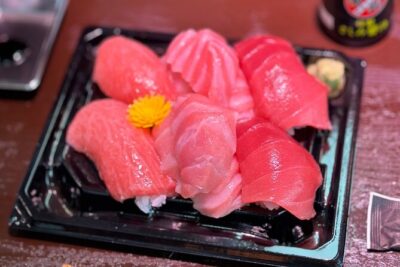
- Dinner is included: You visit several tachinomi, or Japanese standing bars, and receive enough food for an evening meal.
- Three drinks: Choose alcoholic or nonalcoholic beverages, with beer, sake, and other options available.
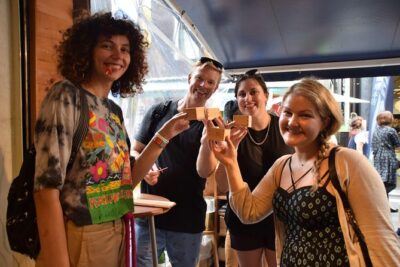
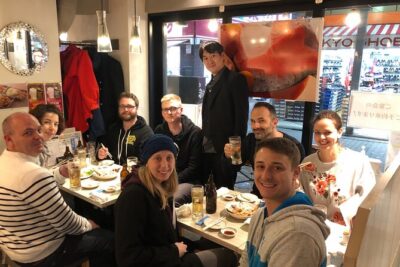
- Small-group format: The maximum is six people, making conversation with your guide easier.
- Local nightlife help: Your guide can explain Tokyo customs, train travel, food choices, and places to visit later in your trip.
- A practical route: The tour starts at Oimachi Station at 6:30 p.m. and ends near Kamata Station.
Why Oimachi makes a better starting point than Shinjuku

Oimachi is only about two minutes from Shinagawa on the Yamanote Line, yet it feels far removed from Tokyo’s major nightlife zones. That quick train connection makes the meeting point fairly easy to reach, while the neighborhood itself offers a more modest and local setting.
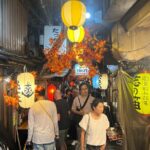
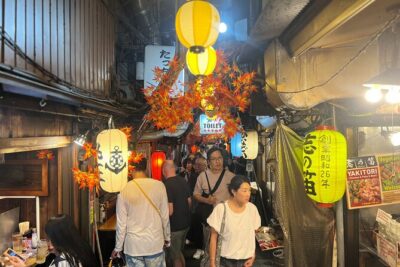
You start at Oimachi Station at 6:30 p.m. From there, your guide leads you into narrow backstreets and shopping lanes. The change is quick. Large stations and commercial towers give way to small storefronts and compact drinking spots where people stop in for a meal, a beer, or a quick chat.
The first restaurant is a tachinomi, a standing bar. The word literally refers to drinking while standing, though the point is not simply to avoid chairs. These places are usually casual, efficient, and social. They let you try several foods and drinks without spending the whole evening in one formal restaurant.
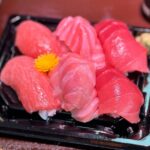
Your first drink can be beer or another available option. The food may include Japanese-style pub dishes, but Western-friendly choices are also available if you are not ready for more unusual flavors. That flexibility matters. You can be adventurous without being pushed into food you already know you will not enjoy.
The Oimachi portion lasts about 90 minutes. You should expect a mixture of eating, walking, and conversation rather than a long sit-down meal. Your guide also explains what you are seeing as you move through the neighborhood, including local customs and the character of the streets.
I especially like this format for your first night in Tokyo. You get food, a drink, and a useful introduction to neighborhood nightlife without having to decode a menu, locate a small bar, or work out train connections alone. Andrew has been praised for adding history, personal stories, and practical suggestions, while Mini has helped with Suica cards and souvenir ideas. Those small bits of help can be just as useful as the meal.
A few more Tokyo tours and experiences worth a look

What a tachinomi evening is really like
You should not book this experience expecting polished dining rooms or a long tasting menu. The appeal is the setting. Standing bars are often tight, informal, and designed for a quick meal with a drink.
That can be a strength or a drawback. If you like ordinary places with local customers, this is exactly the point. If you want a quiet table, careful service, or a fixed menu in a comfortable dining room, you may find the setup less appealing.
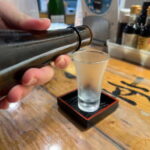
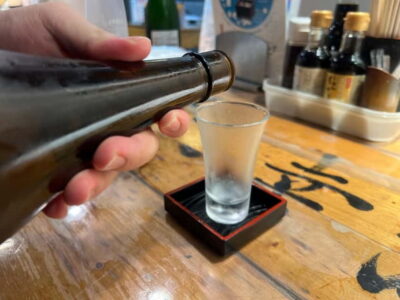
The food is described as enough for dinner, not as a separate appetizer before a later restaurant reservation. You receive a total of three alcoholic or nonalcoholic drinks across the evening. Beer and sake have been part of the experience, and guides can offer alternatives if alcohol is not your thing.
A useful benefit is the guide’s ability to judge your comfort level. One group with adventurous tastes received more unusual items, while other food options are available for people who prefer familiar flavors. Tell the provider about a vegetarian requirement when you book. The vegetarian option is available, but it must be requested ahead of time.
This is also a good setting to ask questions that do not always come up on a standard sightseeing tour. The neighborhood’s older entertainment culture, local bars, and even Tokyo’s love hotels have come up in conversation. You can ask about these subjects directly if they interest you, while keeping in mind that the evening is built around food and neighborhood life, not a formal lecture.
The short train ride to Kamata

After two restaurants and two drinks in Oimachi, the group takes a train about six minutes to Kamata. The transportation is included, so you do not need to plan this part yourself. Your guide can also help you get on the right train, which is useful if you are still getting comfortable with Tokyo’s rail system.
Kamata gives the evening a different feel. The neighborhood has architecture from Japan’s bubble period, roughly the 1980s through the early 1990s, mixed with more recent improvements. You also see an old-style shotengai, or covered shopping street.
The point is not to check off a famous sight. Kamata is valuable because it shows a less polished side of Tokyo, with streets shaped by ordinary shopping, dining, and nightlife. You might find some of the buildings plain or dated. That is part of the setting, but it also means you should come for local atmosphere rather than visual spectacle.
The group visits another friendly, relaxed place in Kamata. The exact food choices can vary, but the evening continues with local dishes, drinks, and conversation. The provider describes this area as one of Tokyo’s endangered older neighborhoods, so the visit offers a look at a part of the city that may change over time.
The Kamata section lasts about 75 minutes. The tour ends near Kamata Station, at an address on Nishikamata. That ending is practical if you plan to continue your night in the area or return to your hotel by train. Hotel pickup and drop-off are not included.
The guides shape the night

A small food tour depends heavily on the guide. Here, the guide is not just there to point out restaurants. The best part of the job is helping you understand how to move through Tokyo’s local bar culture.
Andrew has been especially praised for his warmth, history knowledge, personal stories, food recommendations, and help with buying a train ticket home. Mini has been described as friendly and accommodating, with useful help for Suica cards and souvenir shopping. Ryuhki has been praised for making the evening feel like time spent with a local friend, while Lukas has led families with adult children through unfamiliar restaurants and explained the culture along the way.
Yeman guided an evening that included sake, local food, and conversation about the neighborhood and its clientele. These details suggest that the tour can feel personal rather than scripted, though your exact guide will depend on the date.
The strongest benefit is the practical advice. You can ask where to eat later, how to use the train, what foods to try, or how to approach a small bar without feeling awkward. Several guides have also adjusted the food to suit the group’s appetite and sense of adventure.
Still, the experience is not identical every night. Different guides bring different personalities, and restaurant availability can affect the route. You should expect the same general structure, but not a perfectly fixed set of dishes or identical conversation.
Is $125 a fair price?

At $125 per person, this is not the cheapest way to eat in Tokyo. You could spend much less on dinner and drinks if you already know where to go and feel comfortable handling small Japanese bars on your own.
The price makes more sense when you count what is bundled in. You receive dinner, three beverages, transportation between Oimachi and Kamata, and a guide for roughly three hours. More important, you are paying for access to places that can be difficult to find and harder to enter with confidence if you cannot read the signs or understand the local routine.
The small group also affects the value. With a maximum of six people, you can ask questions and discuss food choices without being lost in a large crowd. For a solo visitor or couple, that personal attention may justify the cost. For a larger family group, the price rises quickly, though group discounts may be available.
I would see this as a food-and-orientation experience, not simply a meal. If you want to spend your first evening learning how Tokyo nightlife works, the price is reasonable. If you mainly want the most food for the least money, eat independently instead.




What to know about walking, age, and comfort

You need a moderate level of physical fitness. The evening involves walking through backstreets and shopping streets, standing in bars, and moving between train stations and restaurants. Comfortable walking shoes are a smart choice.
Standing for part of the meal may not suit everyone. Hot weather can also affect the experience. One evening was cut short because the conditions were especially hot, so check the forecast and dress lightly during Tokyo’s warmer months.
All participants must be 18 or older. The minimum drinking age is 20. This distinction matters for groups with older teenagers, since an 18 or 19-year-old may take part but cannot legally drink alcohol. Nonalcoholic beverages are available, but you should confirm the arrangements before booking if your group includes anyone under 20.
Vegetarian food is available with advance notice. The supplied information does not promise a particular menu, so you should explain your needs clearly when making the reservation.
Who will enjoy this Tokyo food tour most?

I would recommend it to you if you:
- Want local nightlife rather than major sightseeing districts
- Enjoy trying small restaurants and unfamiliar foods
- Prefer a relaxed group of up to six people
- Want help with Tokyo trains and neighborhood customs
- Are happy standing for part of the meal
- Need dinner and drinks arranged on your first night
- Like asking a guide for ideas for the rest of your trip
You may want another experience if you need a fully seated meal, have strict dietary requirements beyond the stated vegetarian option, dislike alcohol-centered settings, or want a tour focused on famous Tokyo landmarks.
The tour also works well for couples, solo visitors, and families with adult children. The mix of Japanese and Western-style food means you can try something new without making the whole dinner a gamble.
Book early if your schedule is fixed. The experience is commonly reserved about 42 days in advance, which suggests that popular dates can fill well before arrival. The cancellation policy is strict close to departure: a full refund requires cancellation at least six full days before the start time, while cancellations less than two full days before the tour receive no refund.
Should you book the Oimachi and Kamata food adventure?

Book it if you want Tokyo to feel like a city where people live, eat, shop, and meet after work, not just a collection of famous sights. The combination of standing bars, three drinks, dinner, a short train ride, and a very small group gives you a useful first look at local nightlife.
I would be especially inclined to book this on your first or second night. Andrew, Mini, Ryuhki, Yeman, and Lukas have each brought a personal touch to the route, and the advice you receive can help shape the rest of your stay.
Skip it if you want a refined restaurant meal or a predictable tasting menu. For everyone else, especially curious eaters who want to leave Shinjuku and Shibuya behind, this is a practical and enjoyable way to meet the quieter side of Tokyo.
FAQ
Where does the tour begin?
It begins at Ōimachi Station, 1 Chome-1 Ōi, Shinagawa City, Tokyo, at 6:30 p.m.
Where does the tour end?
It ends near Kamata Station in Nishikamata, Tokyo.
How long does the experience last?
The full experience lasts about three hours. The Oimachi portion is about 90 minutes, and the Kamata portion is about 75 minutes, with train transportation between them.
How many people can join?
The maximum group size is six people.
What food is included?
Dinner is included, with enough food for an evening meal. The tour includes Japanese-style pub food and may also offer Western-style options for people who prefer familiar flavors.
How many drinks are included?
Three alcoholic or nonalcoholic beverages are included in total. Beer and sake are among the possible choices.
Is transportation included?
Yes. Transportation during the tour, including the train ride from Oimachi to Kamata, is included. Hotel pickup and drop-off are not included.
Can I join if I am vegetarian?
Yes. A vegetarian option is available, but you must advise the provider when booking.
What is the minimum age?
All participants must be at least 18 years old. The minimum drinking age is 20.
Can I cancel for a full refund?
Yes, if you cancel at least six full days before the experience start time. Cancellations two to six full days before the start time receive a 50 percent refund, while cancellations less than two full days before the start time are not refunded.
More Food Experiences in Tokyo


More tours in Tokyo we've reviewed












Food, compared.
 ★ 5.0Tokyo: Shinjuku Food Tour (13 Dishes at 4 Local Eateries)From $86
 ★ 5.0Tokyo Tsukiji Fish Market Food and Culture Walking TourFrom $99
 ★ 5.0Tokyo: Tsukiji Fish Market Food and Walking tourFrom $30
 ★ 4.9Tokyo: Shinjuku Food Tour (13 Dishes and 4 Eateries)From $97
 ★ 5.0Tokyo Night Foodie Tour in Shinjuku – Seasonal Sushi, Wagyu BeefFrom $111
 ★ 5.0Eat and Drink Like a Local: Tokyo Ueno Food Tour-Taverns&RamenFrom $95