Reviewed · KAMAKURA & ENOSHIMA DAY TRIPS
Kamakura & Enoshima 1 day bus tour from Tokyo and Yokohama
Kamakura’s Great Buddha and Enoshima’s coastal views give you two very different sides of old Japan in one long day. You’ll move from shrine paths and Buddhist temples to food stalls, island gardens, and open views across Sagami Bay.
In This Article
- Key points at a glance
- Why pair Kamakura with Enoshima?
- Tsurugaoka Hachimangu begins the Kamakura story
- Komachi Street brings food and shopping
- Hasedera adds sculpture, flowers, and a hilltop view
- The Great Buddha gives Kamakura its defining image
- Optional lunch is a useful pause
- Enoshima changes the pace with sea views
- The guides make the schedule easier to handle
- Transport, timing, and the Yokohama pickup
- Who will get the most from this tour?
- Should you book this Kamakura and Enoshima day trip?
- FAQ
- How long is the Kamakura and Enoshima bus tour?
- Where does the tour start?
- What places are included?
- Is lunch included?
- Can I see Mount Fuji from Enoshima?
- How large is the tour group?
- What is the cancellation policy?
I like the varied itinerary, which covers the main Kamakura sights without asking you to manage several train connections. I also like the guides’ personal touch, including Romy’s chanting and Harry’s willingness to help with photographs, lunch choices, and free-time plans.
The tradeoff is simple: this is a long day, lasting about nine and a half hours. Traffic can delay the Yokohama pickup, and the schedule may change if roads, weather, or opening hours get in the way.
Key points at a glance
- Five major stops in one day: Visit Tsurugaoka Hachimangu, Komachi Street, Hasedera, the Great Buddha, and Enoshima.
- A bus saves time: You avoid planning several rail journeys between Kamakura’s separate sights.
- Hasedera adds more than a temple visit: See its eleven-headed Kannon, seasonal flowers, and hillside lookout.
- Enoshima brings coastal scenery: The island’s shrines, gardens, and observation decks may offer views toward Mount Fuji.
- Guides shape the experience: Romy, Harry, Hamate-san, and Ms. Awase have all led this route, with an emphasis on customs, history, and guest needs.
- Plan for a full day: The tour begins at 8:30 a.m., can include an optional lunch, and ends back at the meeting point.
Why pair Kamakura with Enoshima?
Kamakura and Enoshima work well together because they offer different moods within the same coastal region. Kamakura gives you historic shrines, temples, Buddhist sculpture, and traditional shopping streets. Enoshima shifts the focus to sea views, island paths, gardens, and a more relaxed seaside setting.
Doing both independently is possible, but it takes planning. The sights are spread out, and you need to keep an eye on train times, local connections, walking distances, and admission arrangements. This tour handles the main transport while a guide explains what you are seeing.
You should still expect a busy day rather than a slow spiritual retreat. Five stops, a possible lunch, and road travel leave limited time to linger at every site. I would choose this tour if you want a broad first look at the area, not if you prefer spending half a day at one temple.
The price is $109.63 per person. That is a fair package for a guided day with transport between Tokyo or Yokohama and the sights, especially if you value convenience. The cost is less compelling if you are comfortable arranging local trains yourself and want complete control over the schedule.
A few more Tokyo tours and experiences worth a look
Tsurugaoka Hachimangu begins the Kamakura story
The morning starts at Tsurugaoka Hachimangu, Kamakura’s major Shinto shrine. You have about 90 minutes here, enough to walk through the shrine grounds, take in the ceremonial approach, and learn about the site’s role in Kamakura’s spiritual and political past.
This is a good opening stop because it introduces the visual language of Japanese shrine visits. You can watch how the approach, gates, open courtyards, and worship areas fit together. Your guide can also help you approach the shrine in the proper way, a detail that was especially useful to one participant collecting goshuin, the calligraphic stamps and seals gathered from temples and shrines.
The free admission keeps the first stop easy on the budget. The main issue is that the site can feel large and formal, so the guide’s explanation matters. Without context, you may notice the architecture and rituals but miss why this shrine matters to Kamakura.
Komachi Street brings food and shopping
After the shrine, you get about an hour on Komachi Street. This is your chance to shift from formal religious sites to local food, small shops, and souvenirs.
Use this stop with a plan. You can browse Japanese sweets, snacks, gifts, and casual restaurants, but an hour passes quickly. If lunch is arranged later, avoid filling up too early. If you choose the optional lunch, allergy-friendly meals can be requested, though your first choice may not always be available.
Komachi Street is also useful for pacing. After a temple visit, you can take a break, find something small to eat, or simply watch the flow of people moving through central Kamakura. It is less about a single landmark and more about seeing how historic Kamakura functions as a living town.
The drawback is that shopping streets can feel crowded and commercial, particularly compared with the quieter temple grounds. I would treat this as flexible free time rather than the cultural heart of the day.
Hasedera adds sculpture, flowers, and a hilltop view
Hasedera gets about 75 minutes and is one of the strongest parts of the schedule. The temple is associated with an eleven-headed Kannon statue, a wooden figure measuring 9.18 meters. The extra heads are arranged above the central head, giving the sculpture an unusual and memorable form.
The temple sits on Kannon-zan, so the visit is not flat and purely architectural. You can expect paths, gardens, and higher sections with views from an observation platform. Flowers bloom at different points across the year, which gives the grounds a changing character rather than a single seasonal display.
This is where a guide can add real value. The details about the Kannon statue, the sacred tree from which two statues were carved, and the temple’s setting help turn a short visit into something more meaningful. You also get a chance to ask about Buddhist customs and proper behavior.
Keep your walking ability in mind. The hill setting and slopes may be tiring, especially in hot weather. One guide, Harry, adjusted the pace and plans to suit the heat and the group, which is the sort of practical help you want on a packed day.
The Great Buddha gives Kamakura its defining image
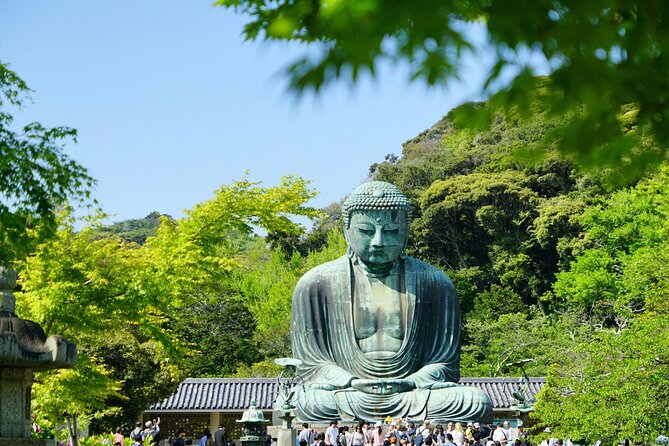
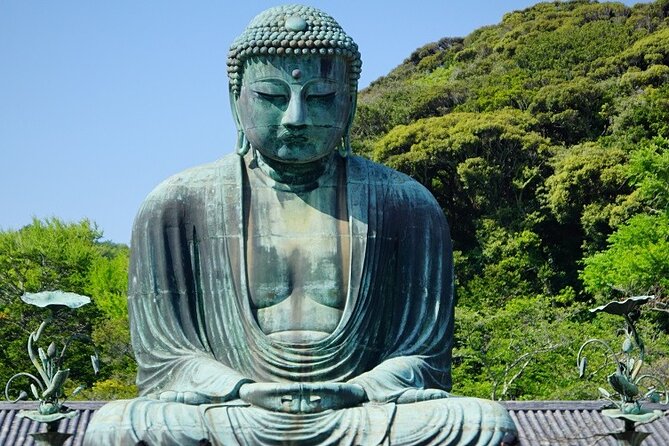
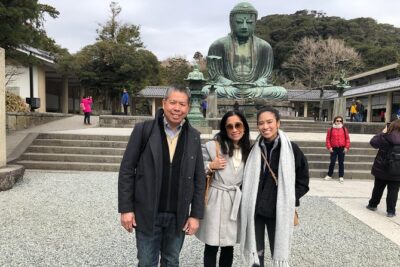
The visit to Kotoku-in takes about 30 minutes. Its main attraction is the Great Buddha of Kamakura, an enormous outdoor bronze Buddha that has become the area’s best-known image.
Half an hour is enough for the essential sight: arrive, look closely at the statue, take photographs, and listen to the explanation. It is not enough for a long, unhurried temple visit, so keep your expectations clear. This is a focused stop built around one major sculpture.
The statue’s outdoor setting gives it a different effect from the wooden Kannon at Hasedera. At Hasedera, you are thinking about carved wood, temple grounds, and a hillside. At Kotoku-in, the scale and exposure of the bronze figure do most of the work.
Admission is listed as free for this tour. Your guide may also help place the monument in the wider story of Kamakura Buddhism and explain how to behave at the temple. That guidance is useful if this is your first visit to Japanese religious sites.
A few more Tokyo tours and experiences worth a look


Optional lunch is a useful pause
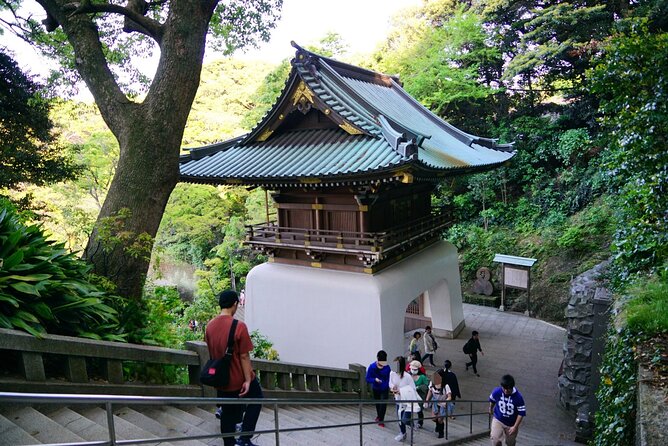
Lunch comes after the morning’s Kamakura visits, with an optional meal available. The exact meal choice is not guaranteed, and allergy-friendly requests can be accommodated when possible.
I like having lunch as an option rather than a compulsory add-on. You can choose the arrangement that suits your appetite and budget, though you should confirm what is included when booking. One experience included a Japanese lunch that made the day feel more local and social.
Lunch is also a practical reset. By this point, you have visited a shrine, walked a shopping street, climbed through a temple site, and seen the Great Buddha. Take the break seriously, especially during hot weather, because Enoshima still requires walking later in the afternoon.
Enoshima changes the pace with sea views
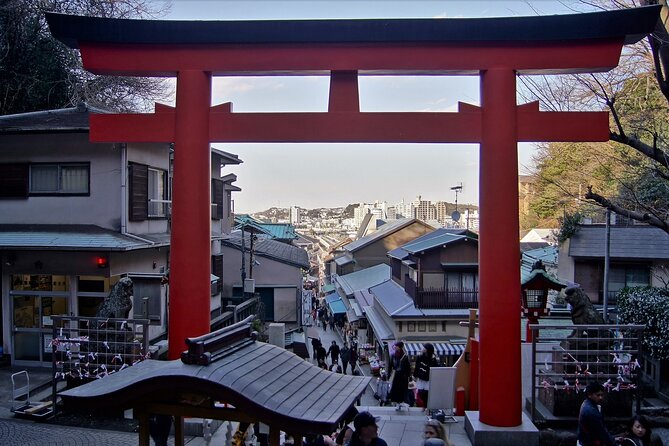
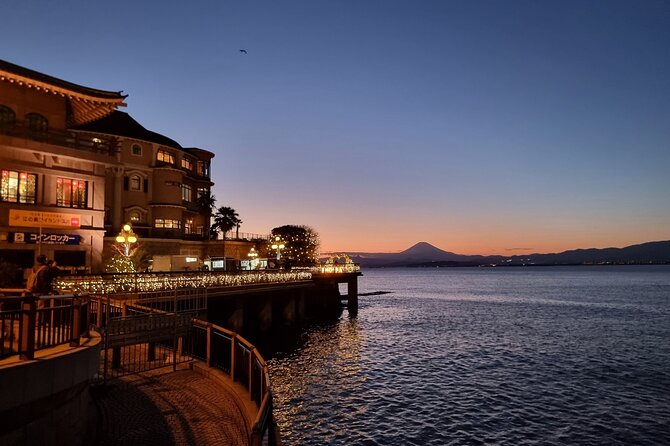
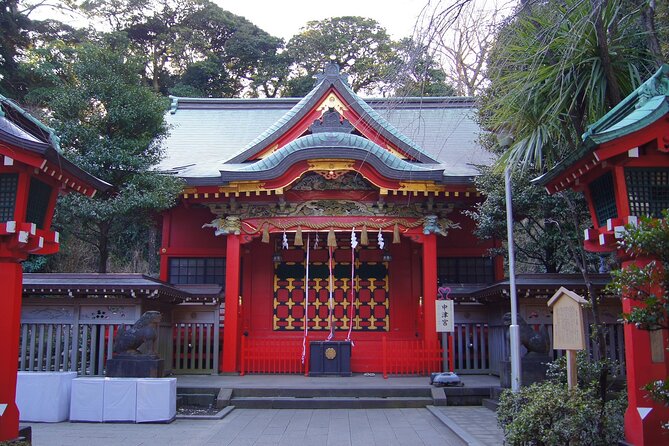
The final major stop is Enoshima Island, with about 90 minutes to explore. The island combines Enoshima Shrine, gardens, walking paths, and viewing points across the coast.
This stop works best when you accept that you cannot see every corner in the available time. Follow your guide’s advice about where to spend your free time. You may prefer the shrine and gardens, the observation decks, or simply the island’s views and atmosphere.
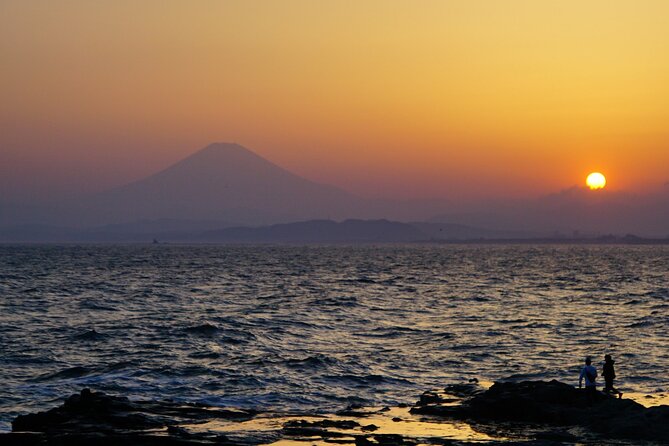
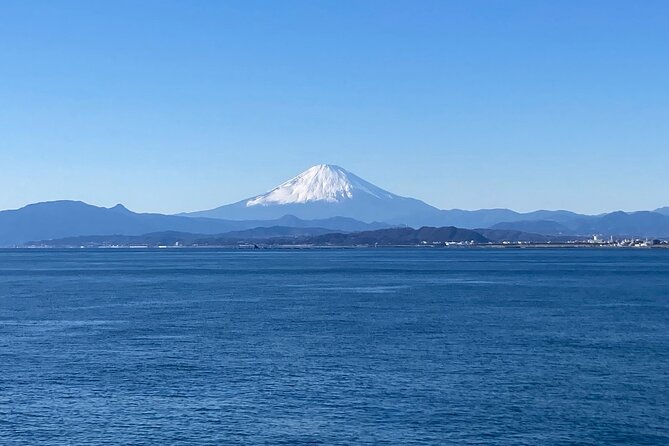
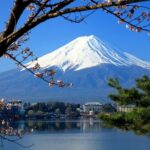
On a clear day, you might see the silhouette of Mount Fuji. That sight depends entirely on weather and visibility, so do not book the tour only for Fuji. Even without it, the coastal outlook gives the afternoon a welcome change from Kamakura’s temples and streets.
Enoshima can require more walking than its island size suggests. Paths and viewpoints may involve slopes or steps, and the 90-minute window is not generous. Still, it is a strong finish because the open coast helps break up a day centered on historic buildings.
The guides make the schedule easier to handle
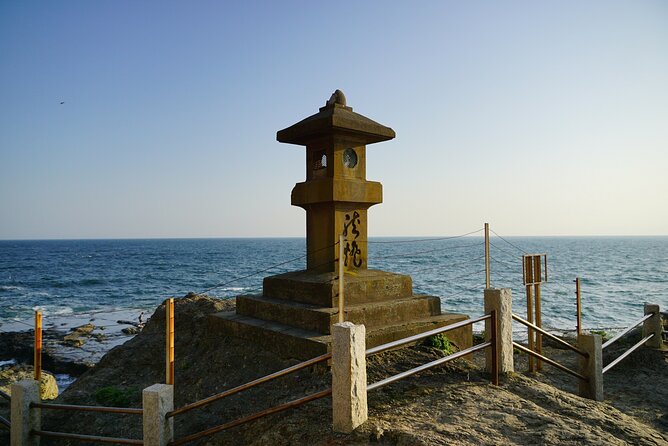
The guide is an important part of this experience. Several guides lead the route, including Romy, Harry, Hamate-san, and Ms. Awase. Their styles differ, but the useful pattern is clear: expect explanations of history and customs, help with the order of activities, and attention to group comfort.
Romy received especially warm praise for her energy, clear communication, and personal approach. Her mantra chanting and personal thank-you at the end gave the tour a distinct closing moment. That is not a standard sightseeing detail, so it may appeal to you if you value a guide who brings personality to the day.
Harry is described as a strong source of information and a helpful photographer. He also gave a small group choices about free time and adjusted plans during very hot weather. Hamate-san helped explain shrine and temple etiquette, while Ms. Awase offered context about both the historic sites and the coastal setting.
The group can reach 40 people, so the experience may feel more organized than intimate on a busy departure. At other times, it may be much smaller. One December departure had a small group, which allowed for more individual attention and flexible free time.
Transport, timing, and the Yokohama pickup
The tour begins at 8:30 a.m. and runs for about 9 hours and 30 minutes. You return to the meeting point at the end, and mobile tickets make access simple.
The bus is the main reason to choose this format. Kamakura’s attractions are not all clustered around one station, and Enoshima adds another leg to the day. A bus lets you see more without repeatedly checking local connections.
If you board in Yokohama, allow extra patience. The bus comes from central Tokyo, and road traffic can delay pickup. The general Yokohama pickup window is between 9:30 and 9:50 a.m., with the guide expected to provide an estimated arrival time on the day. Arrive at least 10 minutes before the stated pickup time.
Traffic can also change the order of the stops. The operator may substitute Engaku-ji, Kencho-ji, Kamakuragu Treasure Hall, or Ryuko-ji if operating conditions, opening hours, or roads require it. The tour does not promise a refund for those itinerary changes, so book it for the overall Kamakura and Enoshima day, not for one guaranteed sequence.
The minimum group size is 15. If that number is not reached four days before departure, the date may be cancelled. The group limit is 40, and most people can participate, but you should be ready for a full day of walking and outdoor sightseeing.
Who will get the most from this tour?
I would recommend this trip to first-time visitors based in Tokyo or Yokohama who want to see Kamakura and Enoshima without handling the transport themselves. It also suits anyone who wants cultural explanation rather than a simple bus transfer.
You will likely appreciate it if you enjoy moving between different kinds of places: shrine grounds, a shopping street, a wooden Buddhist statue, the Great Buddha, and a coastal island. The route also works well for people who want photos, since it includes major visual highlights and guides may help with photography.
I would be more cautious if you dislike fixed schedules, crowded shopping areas, or long days. You get limited time at each stop, and weather or traffic can force changes. Independent visitors who want a quiet temple morning or a long Enoshima walk may prefer to split the destinations across two days.
Free cancellation is available up to 24 hours before the start time for a full refund. If bad weather cancels the experience, you can receive another date or a full refund. The same applies if the minimum number is not reached.
Should you book this Kamakura and Enoshima day trip?
Book it if you want an efficient first look at two important coastal destinations and value a guide who can explain customs, history, and local details. The combination of Tsurugaoka Hachimangu, Hasedera, the Great Buddha, Komachi Street, and Enoshima gives you a satisfying range of experiences for $109.63.
The best reason to choose it is not any single stop. It is the way the bus connects Kamakura’s major sights with Enoshima in one day, while guides such as Romy and Harry help you use limited time well.
Skip it if you want a slow pace or total control over meals and free time. For everyone else, this is a practical, full-bodied introduction to Kamakura and Enoshima, with enough flexibility to feel personal when the group and guide allow it.
FAQ
How long is the Kamakura and Enoshima bus tour?
The tour lasts approximately 9 hours and 30 minutes. It starts at 8:30 a.m. and ends back at the meeting point.
Where does the tour start?
The tour is available from Tokyo and Yokohama. Pickup details and the exact meeting point are provided with the booking.
What places are included?
The planned stops are Tsurugaoka Hachimangu Shrine, Komachi Street, Hasedera Temple, Kotoku-in Temple with the Great Buddha, and Enoshima Island.
Is lunch included?
Lunch is optional. Allergy-friendly meals can be arranged when possible, but your preferred first choice may not always be available.
Can I see Mount Fuji from Enoshima?
You might see Mount Fuji from Enoshima’s viewing areas when the weather and visibility are favorable. The view is not guaranteed.
How large is the tour group?
The maximum group size is 40 people. The tour requires at least 15 participants and may be cancelled if that number is not reached four days before the scheduled date.
What is the cancellation policy?
You can cancel at least 24 hours before the start time for a full refund. Cancellations or changes made less than 24 hours before the start time are not accepted for a refund. If poor weather or an insufficient number of participants cancels the tour, you can receive another date or a full refund.
More 1-Day Tours in Tokyo
More Kamakura & Enoshima Day Trips in Tokyo


More tours in Tokyo we've reviewed












Kamakura & Enoshima Day Trips, compared.
 ★ 4.5Tokyo: Kamakura & Enoshima Day Trip including Temple TicketsFrom $589 hours - 570 minutes
 ★ 5.0Mount Fuji, Kamakura, Big Buddha, & Lake Ashi Day TripFrom $109
 ★ 4.7Tokyo: Mt Fuji, Kamakura, Lake Ashi & Big Buddha Guided TourFrom $50
 ★ 4.5From Tokyo: Kamakura & Enoshima 1-Day Bus TourFrom $66
 ★ 4.9Tokyo:Sea of Mount Fuji, Hakone Ropeway, Ōwakudani, EnoshimaFrom $5010 hours
 ★ 5.0Kamakura 8 hr Private Walking Tour with Licensed Guide from TokyoFrom $201