Reviewed · SHINJUKU TOURS
Tokyo: Shinjuku Bar Hopping & Night Walking Tour
Shinjuku after dark is best understood one narrow doorway at a time. This $30 walking tour takes you from red-lantern Omoide Yokocho to neon-lit Kabukicho and the tiny bars of Golden Gai, with local guides such as Ayaka, Yuki, Hajime, and Chihiro showing you places you might not find alone. I like the planned route and the chance to try sushi, gyoza, kushikatsu, beer, and sake without guessing how each small bar works.
In This Article
- Key points at a glance
- Why Shinjuku works so well at night
- Omoide Yokocho and the first plate of food
- Kabukicho under the neon lights
- Golden Gai and the smallest bars in Tokyo
- What the $30 price really covers
- The guides make the difference
- Food, dietary needs, and drinking rules
- Group size, timing, and comfort
- Who should book this Shinjuku night tour
- Should you book it?
- FAQ
- Where does the Shinjuku bar-hopping tour meet?
- How long does the tour last?
- Which areas does the tour visit?
- Are food and drinks included in the $30 price?
- Should I bring cash?
- Is the tour available in English?
- Can vegetarians join the tour?
- Can anyone drink alcohol on the tour?
- What happens if I arrive late?
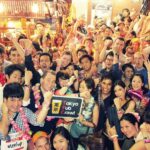
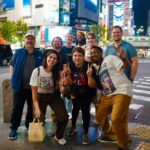
I also like the social side. Solo visitors can meet people over shared dishes, and guides such as Miko, Han, and Ayaka have been praised for their humor, local tips, and easy English. The catch is clear: food and drinks are not included, some bars have limited seats, and the evening may not suit you if you do not drink or prefer a quiet sightseeing walk.
Key points at a glance
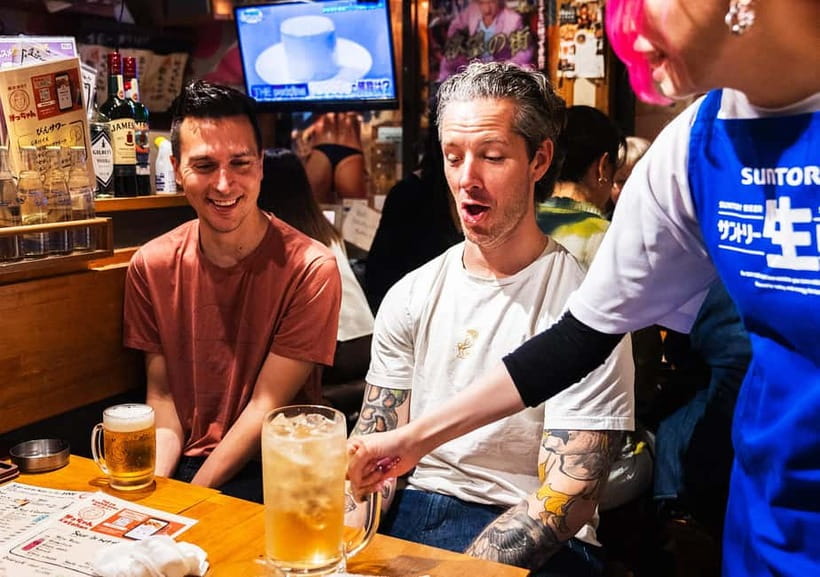
- Three contrasting Shinjuku districts: Omoide Yokocho, Kabukicho, and Golden Gai each offer a different view of Tokyo nightlife.
- Small local venues: You visit compact izakayas and bars where a guide can help with reservations and ordering.
- Food and sake tastings: Expect Japanese bar food such as sushi, gyoza, and kushikatsu, with drinks paid for separately.
- Strong guide-led experience: Guides including Yuki, Ayaka, Hajime, Chihiro, and Miko have been praised for culture, food, and sake explanations.
- A social evening: Small groups can make it easy to talk, though group size varies and some stops may require standing.
- Cash matters: Bring cash for your food and drinks, since the tour price covers the walk and guide, not your evening purchases.
Why Shinjuku works so well at night
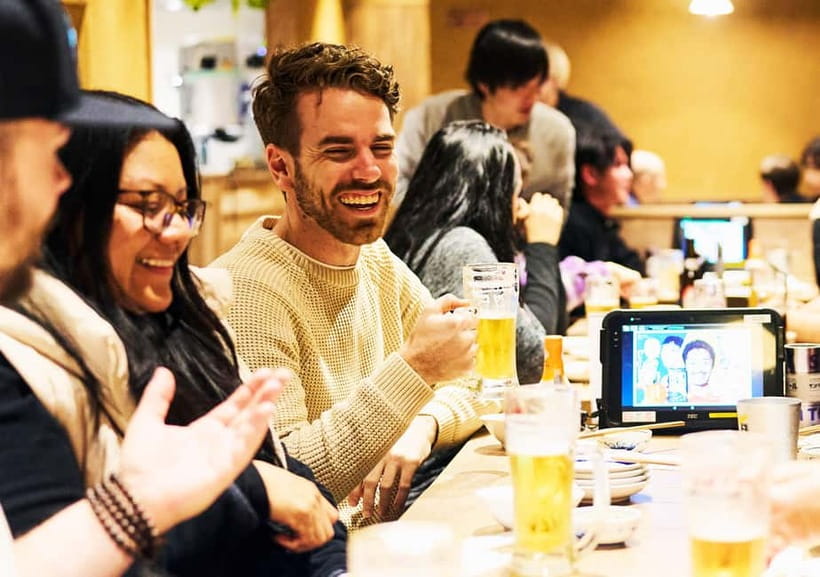
Shinjuku can feel like several cities packed into one district. A few steps from the enormous station, you find office workers eating at counters, bright entertainment streets, narrow lanes lined with tiny bars, and arcades glowing late into the evening.
That variety is the real reason to book this experience. You are not simply being led to three places for three drinks. You are moving through three different parts of Shinjuku and learning how each one functions.
I would not treat this as a formal food tour with a fixed tasting menu. It is closer to an introduction to Japanese nomikai, the social habit of meeting for drinks and small dishes after work. Your guide helps you read the setting, choose from unfamiliar menus, and understand customs that are easy to miss when you wander alone.
The meeting point is in front of the Shinjuku Station East Exit Police Box at 3-38-1 Shinjuku. Look for a guide holding a Local Guide Stars sign. This detail matters because Shinjuku Station has many exits and can be confusing, especially at night.
A few more Tokyo tours and experiences worth a look
Omoide Yokocho and the first plate of food
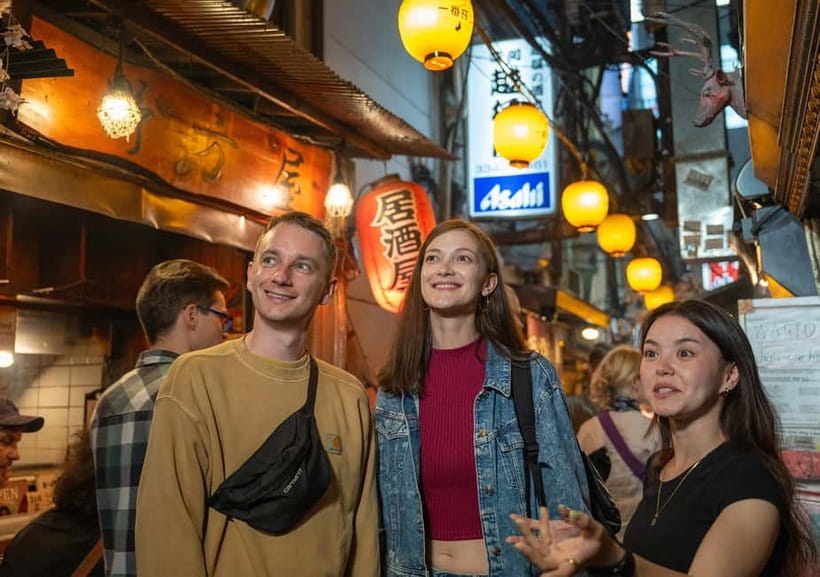
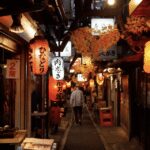
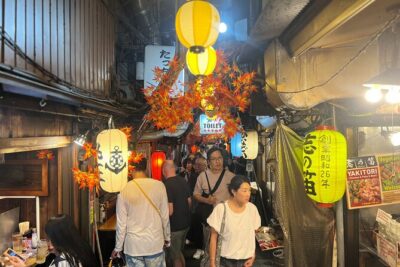
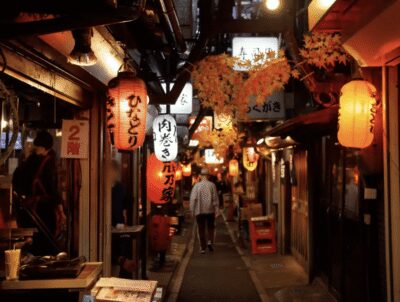
The tour begins with a short walk to Omoide Yokocho, a compact lane known for red lanterns, narrow restaurants, and after-work crowds. The atmosphere is intimate rather than polished. Tables and counter seats are close together, and the small scale is part of the appeal.
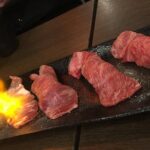
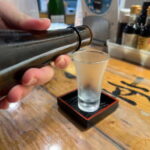
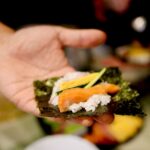
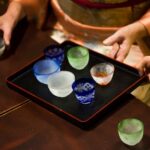
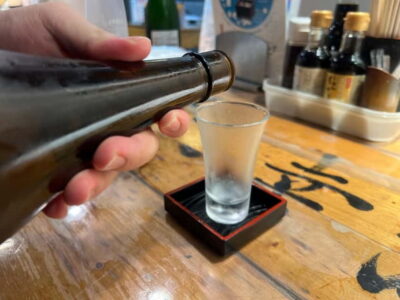
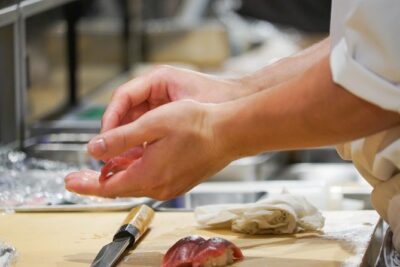
This is a useful first stop because your guide can ease you into the evening. You might try sushi, grilled dishes, gyoza, or another local specialty, depending on the venue and that night’s arrangements. One evening included particularly good sushi, while another included a sake tasting with an explanation of how the different types varied.
The guide’s role is important here. These restaurants can fill quickly, and the tour information notes that reservations are handled for the group. That saves you from standing outside a full restaurant, trying to work out the menu while a line forms behind you.
Still, do not expect a spacious dining room. Some places have limited seating, and you may need to stand. Food service can also be slow, which may extend the tour beyond three hours. I would see that as part of the small-restaurant experience, but it is worth knowing if you have a train reservation or another booking afterward.
Kabukicho under the neon lights
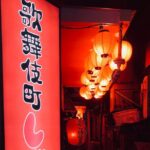
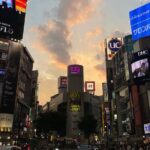
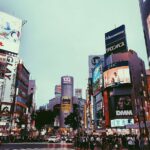
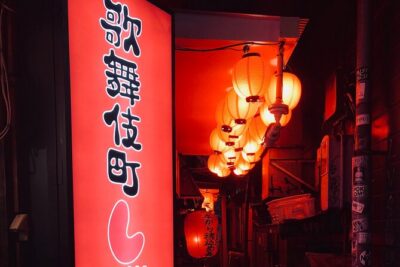
From Omoide Yokocho, the route continues into Kabukicho, Japan’s best-known entertainment district. Here, the mood changes quickly. Neon signs, arcades, unusual shops, and a constant flow of people replace the low-lit restaurant lanes.
The guide adds value by giving you context as you walk. You can ask about the area’s reputation, the difference between ordinary izakayas and entertainment venues, and the customs behind Japanese nightlife. Guides such as Yuki, Ayaka, Naruto, and Shun have been praised for making these explanations easy to follow rather than turning the walk into a history lecture.
The second food and drink stop takes place somewhere in this wider district. The exact venue can change, and the route may be adjusted because of seating, timing, or local conditions. That flexibility is sensible in Shinjuku, where a popular small bar may have no room at the scheduled moment.
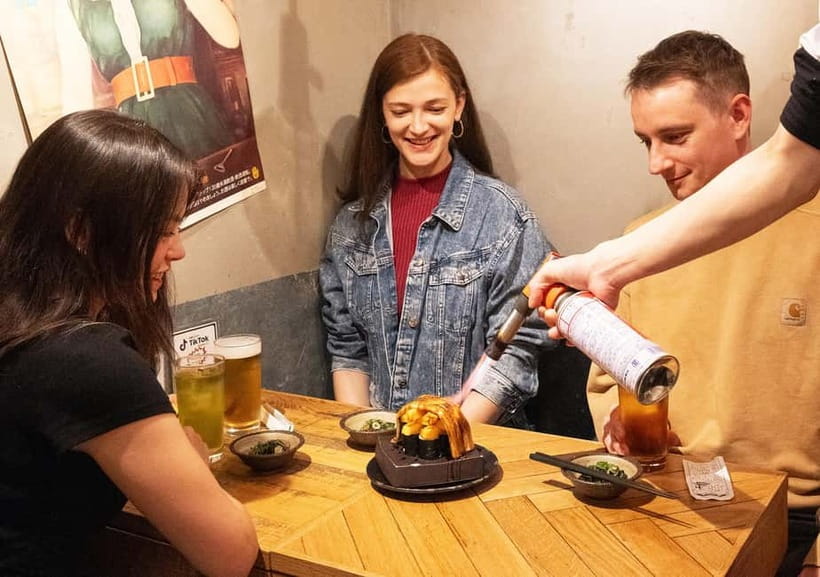
You might be offered crispy kushikatsu, juicy gyoza, local beer, wine, cocktails, or sake. The important point is that dishes are generally shared, so you get to sample more than you would if you ordered one large meal for yourself. If you are a solo diner, this is also a comfortable way to try food without committing to a full order.
The food can be adventurous in small ways. One tour included matcha alcohol, while another included snake sake. These are not reasons to book the tour by themselves, and availability is not guaranteed, but they show how the evening can move beyond the standard beer and sushi routine.
Golden Gai and the smallest bars in Tokyo
Golden Gai is the final major stop, and it is probably the part most visitors would find hardest to manage alone. The area is made up of very narrow lanes and tiny bars, many with only a handful of seats.
Some Golden Gai bars have a regular clientele or may hesitate to accept people who do not speak Japanese. A local guide with established connections can make the entry less awkward. The tour promises access to bars that may not welcome first-time walk-ins, though the exact place can vary.
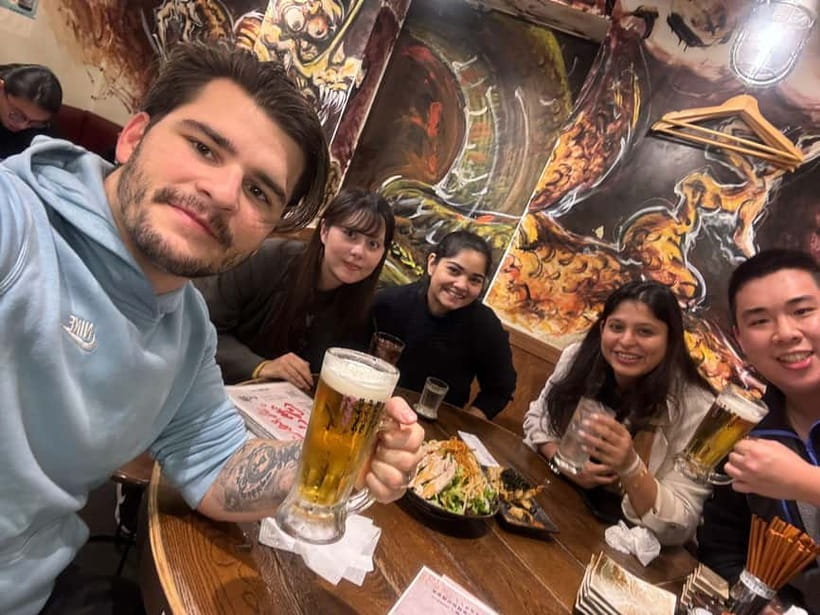
This is where the experience feels most personal. You may sit close to the bartender, share a drink with people from the group, and hear stories about the neighborhood. Karaoke is also possible, and several evenings ended with singing in a small bar. If you enjoy joining in, this can become the most memorable part of the night.
If you prefer sightseeing over drinking, Golden Gai is still interesting to see, but the format may not be right for you. The evening spends real time seated or standing in bars, and drinks are central to the experience. One person found the karaoke stop less appealing and considered the drinks there expensive, preferring more time to explore the neighborhood itself.
That is a fair criticism. You are paying $30 for access to the guide, route, and group experience, not for a bargain bar crawl. Your personal spending depends on what you order, and prices can vary from one venue to another.
What the $30 price really covers
At $30 per person, the tour is reasonably priced for a three-hour guided walk in one of Tokyo’s most confusing nightlife districts. You are paying for local planning, the route between the neighborhoods, help with restaurant access, and a guide who can explain what you are eating and drinking.
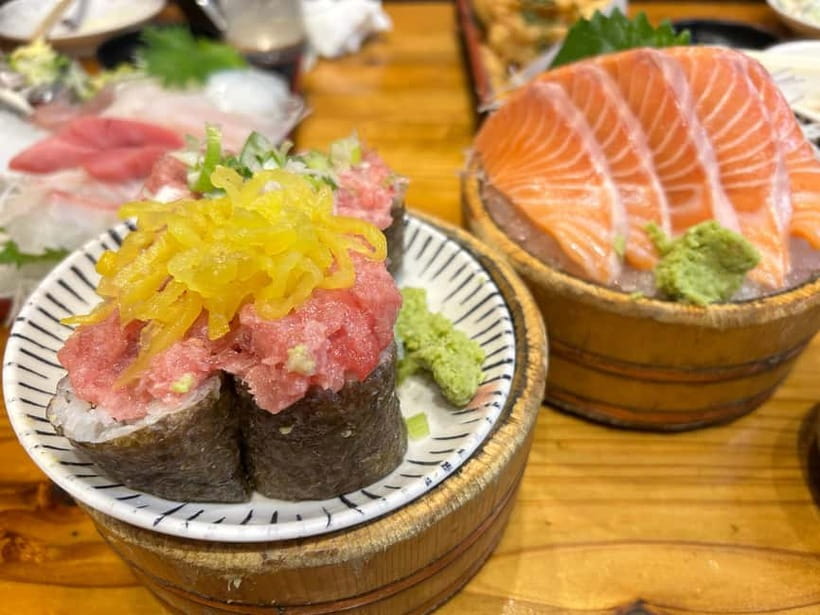
You are not paying for dinner. The price excludes all food and drinks, so budget extra cash for three stops. The final cost depends on how much you order and whether you choose beer, sake, cocktails, or other spirits.
I think the price makes the most sense on your first night in Shinjuku. You get an orientation to the district, learn a few useful customs, and can return later with a better idea of where you want to spend time. Several guides also suggest places to visit after the official tour ends, and some groups continued to karaoke afterward.
The value is lower if you already know Shinjuku well, speak Japanese comfortably, and are happy choosing small bars on your own. It is also lower if you want a full meal included in the booking. In that case, a dedicated food tour with prepaid tastings may suit you better.
A few more Tokyo tours and experiences worth a look
The guides make the difference
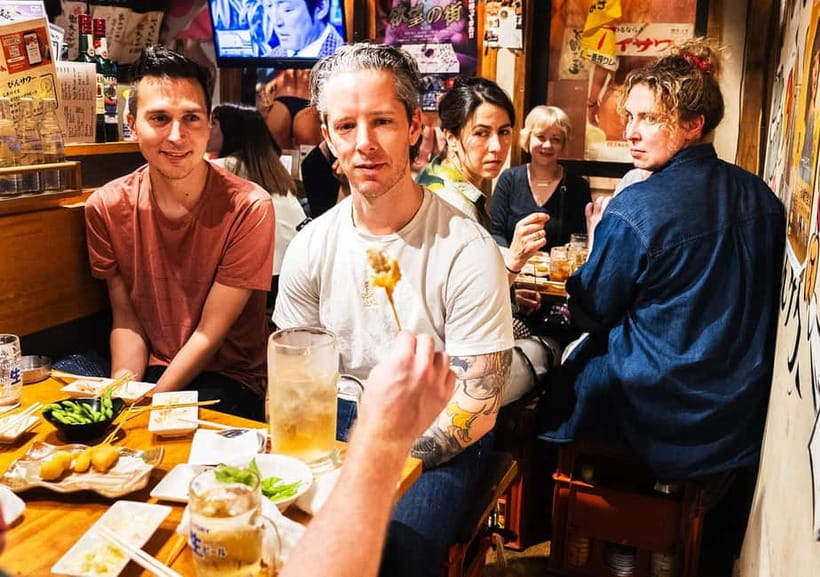
The format depends heavily on the individual guide. The strongest guide experiences have included clear explanations, good food choices, and a relaxed tone.
Ayaka is repeatedly praised for her energy, humor, food suggestions, and knowledge of Tokyo. Yuki is described as cheerful and well informed about local history, customs, drinks, and bar food. Hajime is noted for explaining Japanese culture and sake while helping solo visitors feel comfortable.
Chihiro is associated with lesser-known restaurants and an energetic approach. Miko has led sake tastings and helped visitors find a small karaoke bar. Han is known for humor and drink recommendations, while guides such as Shun, Ai, Nana, Maika, Naoto, Nanami, Rino, Aki, Luna, and Naruto have also received warm praise for their friendliness and organization.
Because different guides lead different departures, you cannot assume you will get one particular person. Still, the pattern is useful: the tour works best when you ask questions. Tell your guide what foods you like, what you cannot eat, and how adventurous you feel with drinks. Some guides have helped with dietary needs and offered suggestions for places to try after the tour.
English and Japanese are available. Language and cultural differences may still appear, especially in very small bars. I would not expect every menu or conversation to be fully translated, but the guide gives you a bridge into the setting.
Food, dietary needs, and drinking rules
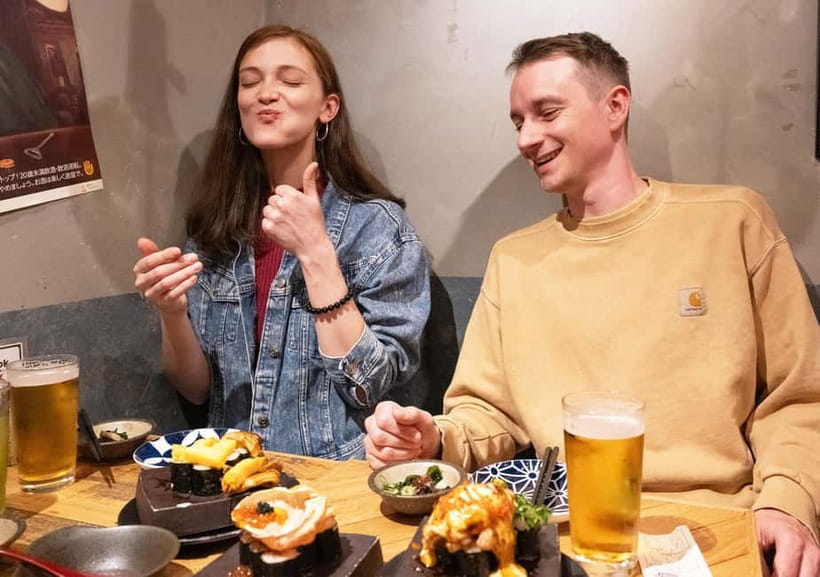
The tour can include sushi, kushikatsu, gyoza, Japanese beer, wine, cocktails, sake, and unusual drinks. Because the venues and menus can change, you should think of these as likely examples, not a guaranteed tasting list.
Vegetarian choices may be available, but they are limited. Japanese restaurants are not always set up with extensive vegetarian menus, and sauces or broths may contain ingredients you do not expect. If your diet is strict, explain your needs before booking and again at the meeting point.
Alcohol is central to the evening, and Japanese law permits drinking only for people aged 20 and over. Nonalcoholic options may exist at individual venues, but the activity is designed around bars and drinking customs. The tour may not be a good match if you do not drink at all.
Bring cash. This is one of the most useful practical tips because the listed price does not cover your purchases, and a cash payment may be needed at the restaurants or bars. I would also wear comfortable shoes and keep your belongings secure while moving through crowded streets and compact venues.
Group size, timing, and comfort
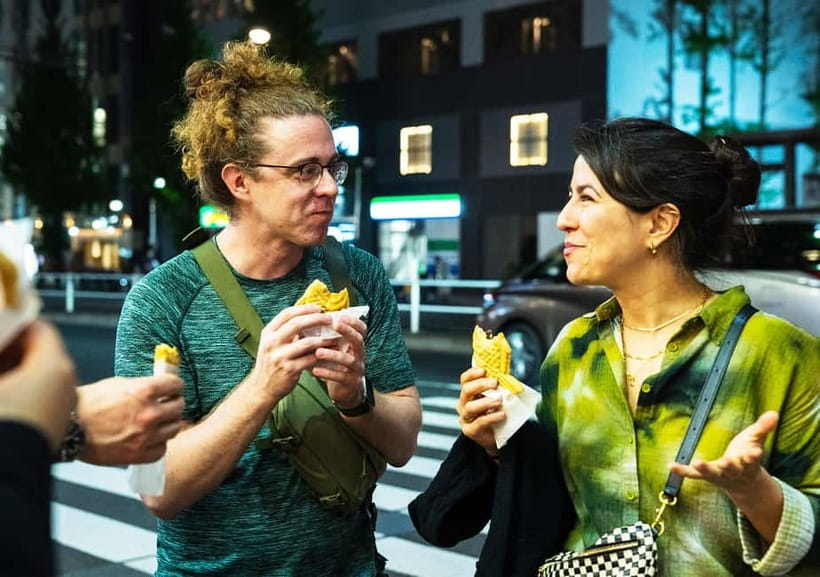
The group size is not fixed in the information provided. Some departures have had only one person or a group of four, while another participant felt a small group was a slight disappointment. A small group gives you more time to ask questions and share food, but it can also mean less of the lively social mix that makes a bar-hopping tour fun.
The meeting time is strict. The group starts on time, and no refund or rescheduling is offered if you arrive late and miss it. Shinjuku Station is large, so allow extra time to reach the East Exit Police Box rather than relying on a last-minute station transfer.
The tour runs in rain or shine. Carry suitable rain protection when the forecast looks poor, since the route includes outdoor walking between venues. Rain does not stop the evening, though wet streets and crowded covered lanes may make the walk slower.
The scheduled length is three hours, but delayed food service can extend it. Plan any onward evening plans with some flexibility. The tour returns to the same Shinjuku Station East Exit Police Box area after a short walk from the final stop.
Who should book this Shinjuku night tour
I would recommend it most strongly to:
- First-time visitors who want help choosing small bars
- Solo visitors who want an easy way to meet people
- Couples or friends who enjoy shared food and casual drinking
- People curious about sake, Japanese bar customs, and local nightlife
- Anyone who wants to see Omoide Yokocho, Kabukicho, and Golden Gai in one evening
- Visitors who enjoy karaoke and do not mind compact, informal venues
I would be more cautious if you need a strict vegetarian menu, dislike alcohol-centered activities, or want a quiet walk with long explanations at each sight. You should also skip it if you need to leave Shinjuku at an exact time, since service delays can push the evening past its planned finish.
Should you book it?
Book this tour if you want a friendly introduction to Shinjuku’s nightlife and would rather have a local guide handle the small-bar logistics. The strongest reasons are the three contrasting areas, the chance to try food you might not order alone, and the access to compact venues in Golden Gai.
Go in with the right expectations. The $30 fee covers the guide and walking experience, not your dinner or drinks. Bring cash, expect some standing, allow more than three hours if the bars are busy, and tell the guide about dietary needs early.
For a first evening in Shinjuku, I think it is a smart choice. It gives you a feel for the district, introduces you to Japanese drinking customs, and may leave you with a few places worth returning to on your own.
FAQ
Where does the Shinjuku bar-hopping tour meet?
Meet in front of the Shinjuku Station East Exit Police Box at 3-38-1 Shinjuku, Shinjuku-ku, Tokyo. The guide carries a Local Guide Stars sign.
How long does the tour last?
The scheduled duration is three hours. Delays at restaurants may extend the activity beyond that time.
Which areas does the tour visit?
The planned route includes Omoide Yokocho, Kabukicho, and Golden Gai. The route may change because of local conditions or venue availability.
Are food and drinks included in the $30 price?
No. The price includes the walking tour, local guide, and photos taken during the tour. You pay separately for all food and drinks.
Should I bring cash?
Yes. Cash is listed as an important item to bring, and you need to pay separately for food and drinks.
Is the tour available in English?
Yes. Live guides are available in English and Japanese.
Can vegetarians join the tour?
Vegetarian food may be available, but options are limited at most Japanese restaurants. Share your dietary needs in advance.
Can anyone drink alcohol on the tour?
Only people aged 20 and over may drink alcohol under Japanese law.
What happens if I arrive late?
The tour starts on time. If you are late and miss the group, the activity does not offer a refund or rescheduling.
More Night Tours in Tokyo


More Bar Hopping & Izakaya Tours in Tokyo
More Shinjuku Tours in Tokyo
More tours in Tokyo we've reviewed
Shinjuku Tours, compared.
 ★ 5.0Tokyo: Shinjuku Food Tour (13 Dishes at 4 Local Eateries)From $86
 ★ 5.0Tokyo Bar Hopping Tour in Shinjuku (All-You-Can-Drink + Dinner)From $106
 ★ 4.9Tokyo: Shinjuku Local Bar and Izakaya Guided Walking TourFrom $343 hours
 ★ 4.9Tokyo: Shinjuku Food Tour (13 Dishes and 4 Eateries)From $97
 ★ 5.0Tokyo Night Foodie Tour in Shinjuku – Seasonal Sushi, Wagyu BeefFrom $111
 ★ 5.0Tokyo: Shinjuku Local Bar & Izakaya Crawl TourFrom $39