Reviewed · COOKING CLASSES
Tokyo: Private Japanese Cooking Class with a Local Chef
Tokyo has plenty of food tours, but this one gets you past the restaurant counter and into Chef Sato’s small Shinjuku apartment, where you chop, season, cook, and sit down to eat what you made. The menu changes by day, so you might prepare ramen and gyoza, katsu curry, teriyaki chicken, or a traditional seasonal set meal.
In This Article
- Key points at a glance
- Meeting Chef Sato in Shinjuku
- Choosing between traditional and popular food days
- What cooking with Sato is like
- The meal you make is part of the lesson
- The optional Shinjuku and Nakano walk
- How the duration and group size affect the experience
- Is $120 per person a fair price?
- Who should book this apartment cooking class?
- Practical booking advice for the best fit
- Final verdict: book it for the connection, not just the food
- FAQ
- Where does the cooking class meet?
- Where does the cooking take place?
- What language is the class taught in?
- What dishes might I cook?
- How many dishes are included?
- Is a meal included?
- Can I join a tour after the cooking class?
- Can I cancel the booking?
I like the personal scale and the focus on seasonal ingredients. You are not watching a chef perform from across a kitchen. You take part, ask questions, and learn the home-cooking logic behind the dishes. I also like the optional walk after the morning class, which can show you parts of Shinjuku and Nakano you might otherwise miss. The main consideration is space: this is a private home class, not a large professional kitchen, so it suits people who want conversation and hands-on cooking more than polished culinary production.
Key points at a glance
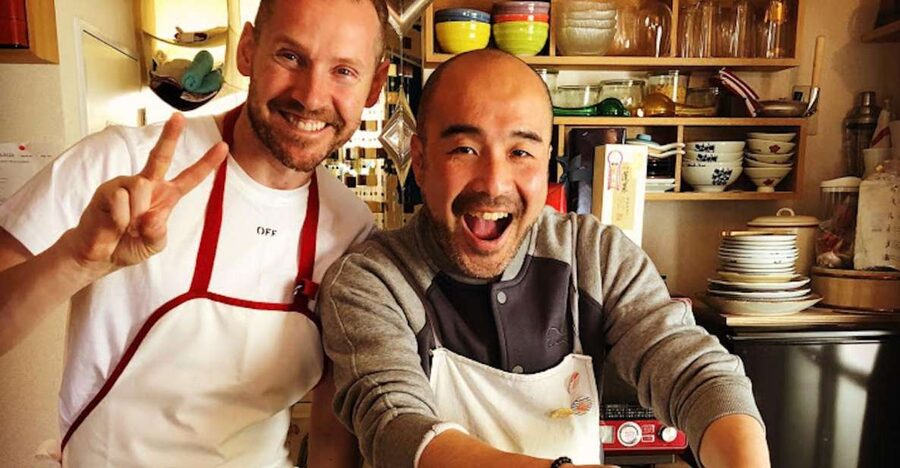
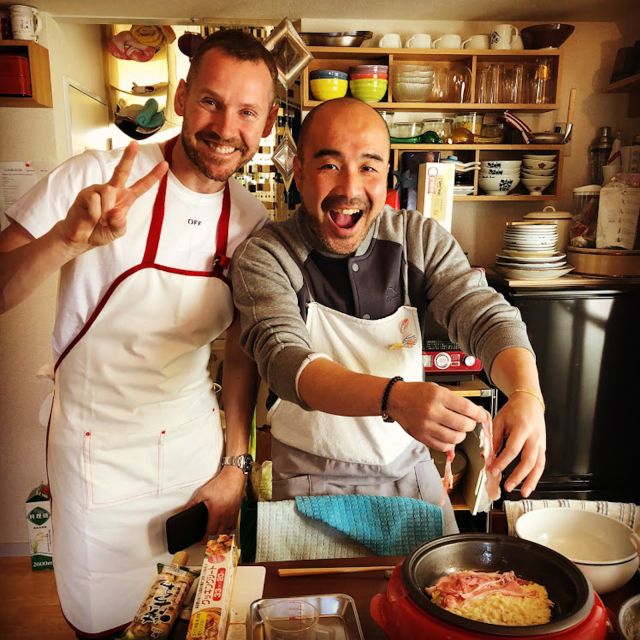
- Chef Sato teaches in his Shinjuku apartment, creating a relaxed, personal setting rather than a formal cooking school.
- The menu depends on the day, with traditional dishes on some days and popular foods such as ramen, gyoza, curry, and okonomiyaki on others.
- You cook two to four dishes, then eat the meal together at the apartment.
- Seasonal ingredients are central, giving you useful insight into an important part of Japanese food culture.
- Morning sessions can include a 1 PM to 3:30 PM local walk, with stops outside the usual guidebook route.
- English instruction and a private group make this a good choice for couples, families, or friends who want direct attention.
Meeting Chef Sato in Shinjuku
Your meeting point is the police box at the east exit of Shinjuku Station, at 3-38-38-1, Shinjuku, Shinjuku-ku. Shinjuku Station is famously large and confusing, so give yourself extra time. The east exit is the detail that matters here. Once you find the police box, Chef Sato meets you there and leads the short walk to his apartment.
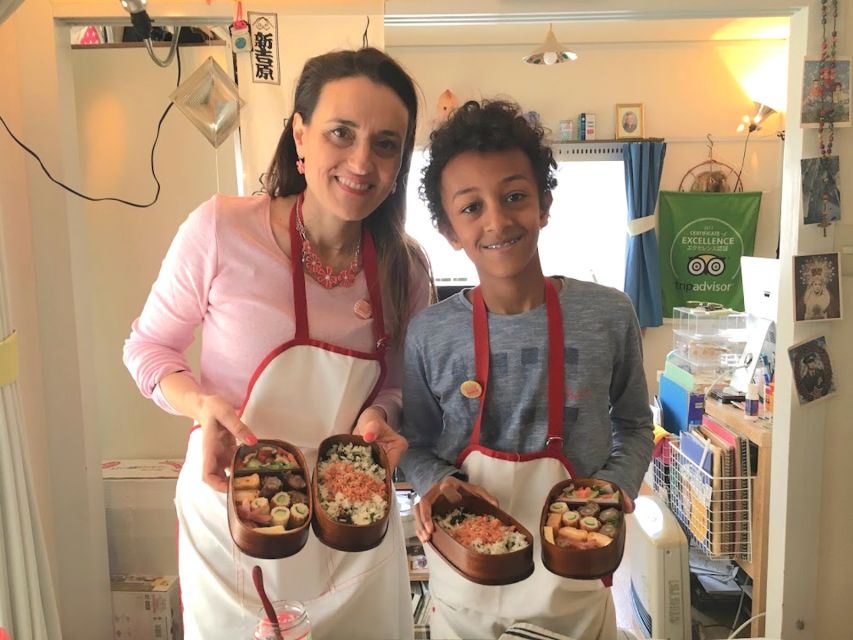
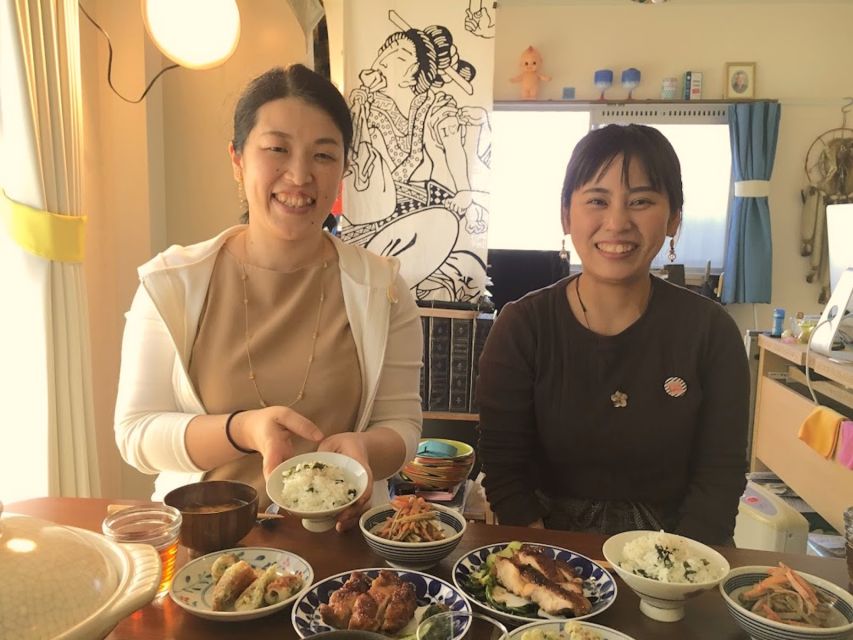
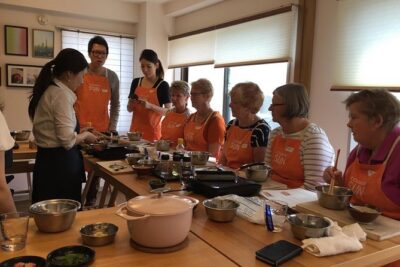
That walk is part of the experience. You leave the major station area and move into the more ordinary side of Tokyo, where the setting feels less like a sightseeing stop and more like someone’s neighborhood. The apartment is described as cute and small, which tells you what to expect: a home kitchen with limited room, not a restaurant-style classroom.
I see that as a plus if you want a personal visit. Sato’s story, family background, and love of cooking are woven into the lesson. He learned traditional Japanese food from his parents from a very young age, and he explains why cooking matters to him rather than simply handing you a recipe sheet.
The small setting also has a practical downside. You will want to be comfortable working close to the other people in your private group. If you prefer a spacious kitchen with separate workstations and lots of equipment, this will feel informal. If you like learning in a real home, it is exactly the point.
Other cooking classes in Tokyo

Choosing between traditional and popular food days
The weekly schedule gives you a useful way to choose the class that fits your appetite.
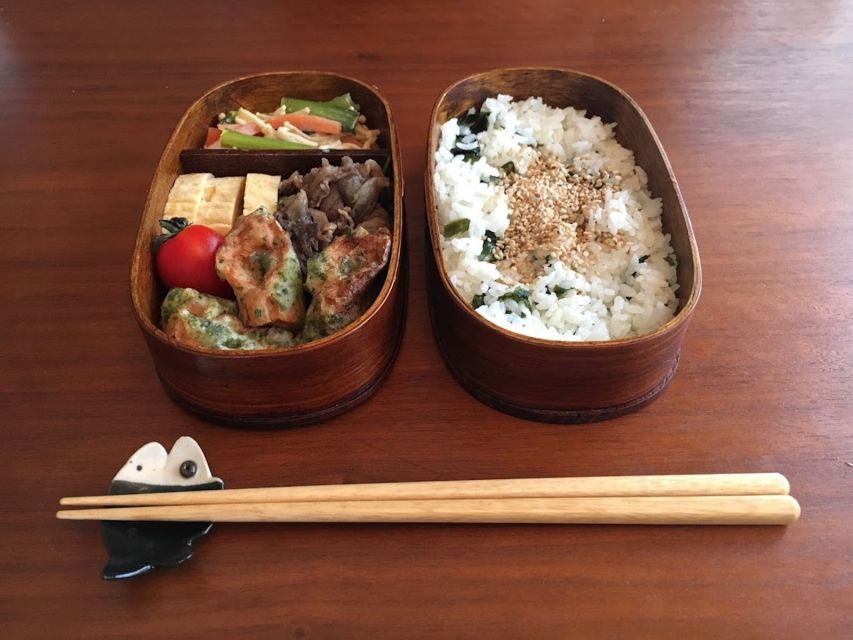
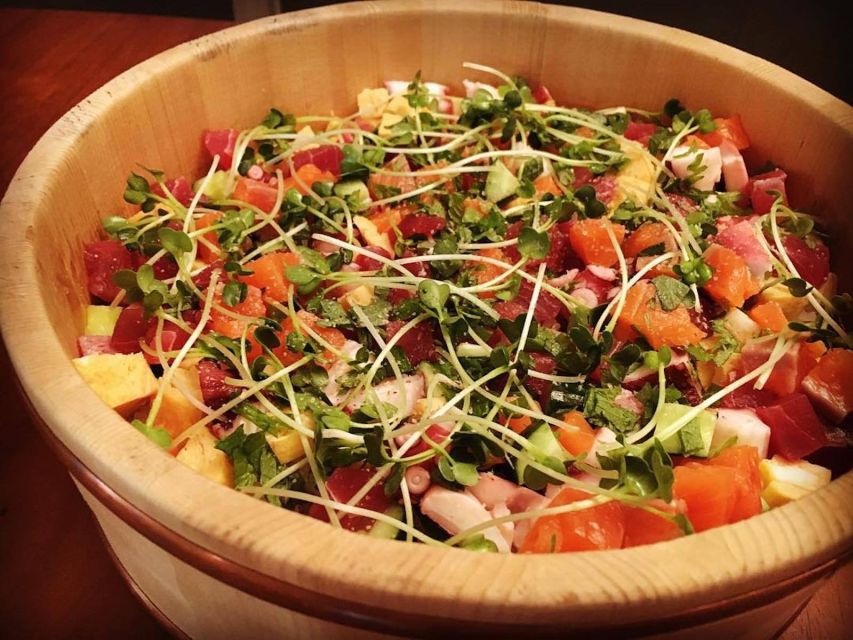
On Saturday, Sunday, Monday, and Tuesday, the class focuses on standard traditional meals. The possible menu includes teishoku, a Japanese set meal built around rice, a seasonal main dish, and two seasonal side dishes. Other possibilities include donburi, obento, tonjiru, and rice balls.
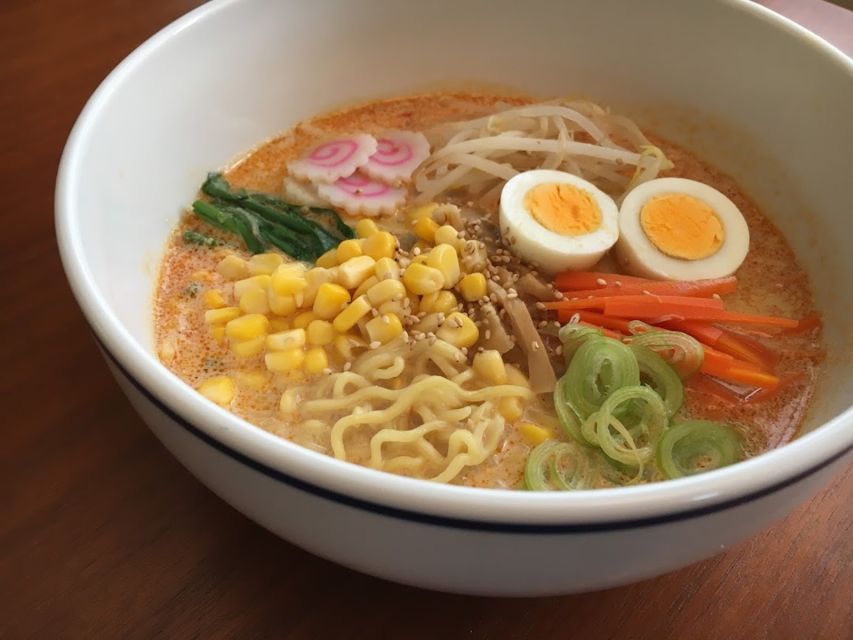
On Wednesday, Thursday, and Friday, the focus shifts to popular Japanese foods. The possible dishes include ramen, gyoza, curry rice, okonomiyaki, rice burgers, kara-age, and yakisoba. The menu still follows seasonal cooking, but these sessions may appeal more if you want familiar Japanese comfort foods that are easy to recognize and recreate at home.
The schedule does not promise one exact menu for every booking, so check the day carefully before reserving. If your main goal is homemade ramen and gyoza, choose a popular food day. If you want to understand the everyday structure of a Japanese meal, choose a traditional meal day.
The menu usually includes two to four items. That is enough variety for a full meal without turning the class into a frantic race through ten recipes. You may prepare several components that show how Japanese meals balance rice, soup, a main item, and small side dishes.
What cooking with Sato is like
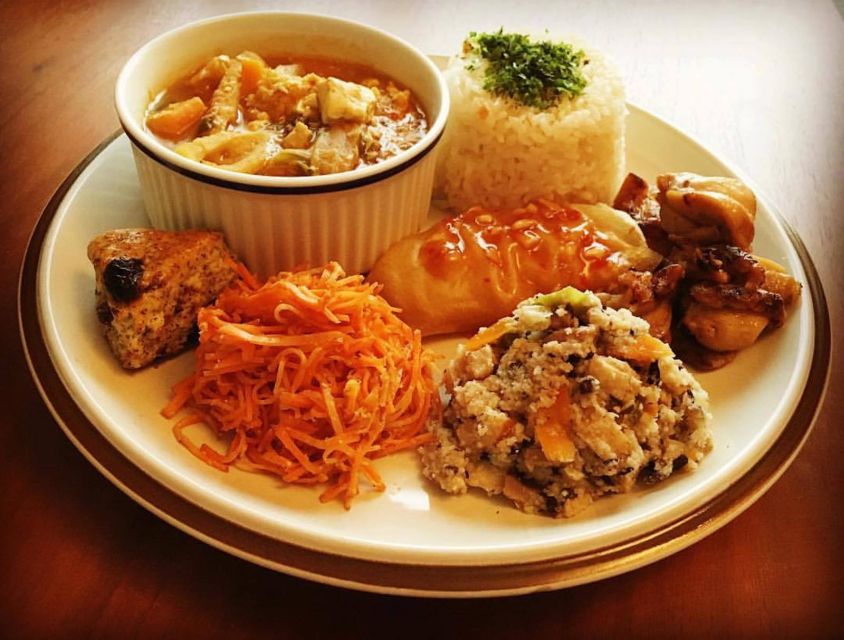
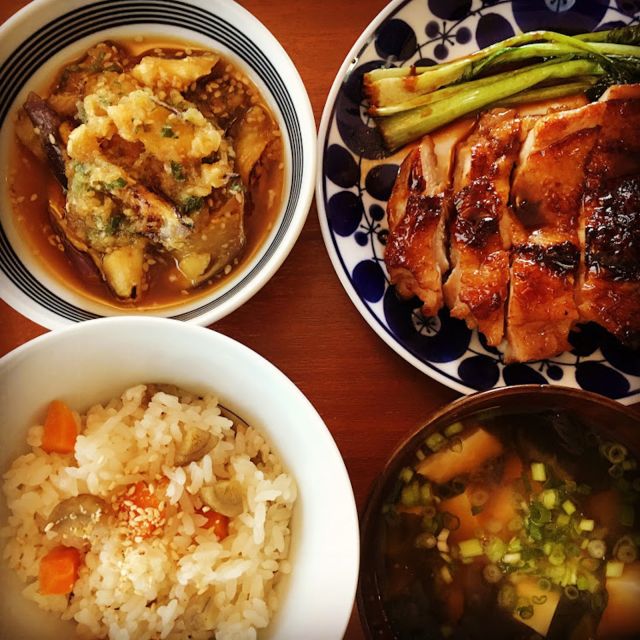
This is a participation class. You do not simply watch Sato prepare food while you sit back with a drink. You can expect to chop, season, prepare, and cook alongside him. The exact tasks depend on the day’s menu, but past dishes have included miso soup, salad, rice, teriyaki chicken, vegetable appetizers, katsu curry, spring tofu salad, ramen, and gyoza.
The strongest part of the teaching is the attention to small home-cooking techniques. One useful example from the class experience is learning how to remove black spots from potatoes. That sounds minor, but these are the practical details that help a recipe work in your own kitchen.
Sato explains ingredients and the role of each dish in Japanese cooking. He also talks about the importance of seasonal vegetables, which is more than a shopping tip. In Japanese cuisine, seasonality affects what is cooked, how it is prepared, and how it is presented. A seasonal set meal gives you a clearer picture of that than a standard restaurant order.
His English is described as excellent, and the class is offered in English. That matters because food vocabulary can get technical quickly. You need to understand not only what an ingredient is called, but when to add it, how to cut it, and what texture to look for.
Expect a friendly, conversational lesson rather than a strict culinary course. Sato shares stories about his family and life, and the atmosphere is intentionally relaxed. That makes it easier to ask basic questions, especially if you are a beginner or home cook without much Japanese food experience.
The meal you make is part of the lesson
After preparing the dishes, you sit down and eat the meal together. Japanese barley tea is included, along with the food you cook. This shared table is important because it completes the lesson. You see how the dishes work together, rather than tasting each item in isolation over the stove.
Presentation can also be part of the class. One earlier menu included salad, stuffed fishcake, miso soup, and teriyaki chicken with rice, with attention paid to arranging the dishes attractively. That gives you a look at the Japanese habit of treating appearance, balance, and portion as part of the meal.
Some menus may include family-made ingredients, such as homemade miso. That kind of detail adds a personal layer that you will not get from a generic cooking workshop. You are learning how one Japanese cook uses food in his own home, not just following a standard tourist recipe.
The food is also practical for home cooks. Ramen and gyoza made from scratch can look intimidating, but the class breaks them into manageable steps. Other dishes, such as miso soup, curry, teriyaki chicken, rice, or seasonal side dishes, may be easier to repeat once you return home.
You should leave with recipes or handouts for at least some menus, based on the class arrangements described by past participants. Still, you should confirm what recipe materials are provided when you book if taking written instructions home is essential to you.
The optional Shinjuku and Nakano walk
Morning class participants can add a short trip from 1 PM to 3:30 PM. The walk takes place after the cooking session and visits several places that are not typically found in guidebooks.
The exact stops are not listed, so do not book this expecting a fixed sightseeing itinerary or famous landmarks. Its value is local orientation. Sato can point out places in the Shinjuku and Nakano areas that you might walk past on your own, and he can add local context to streets that otherwise seem ordinary.
This add-on works especially well if you are still getting your bearings in western Tokyo. It gives you a more grounded look at the city after you have already spent time in Sato’s home. You are not switching from one large attraction to another. You are continuing a conversation and seeing the neighborhood through a local’s eyes.
There is one timing point to consider. The morning cooking class is listed from 10:30 AM to 1 PM, and the walk begins at 1 PM. That makes for a full block of activity, ending at 3:30 PM. If you have a major afternoon reservation, a museum ticket, or a long cross-city journey planned, skip the add-on and keep the class on its own.
The evening session runs from 6 PM to 8:30 PM. There is no afternoon walk attached to that option, so it is the better fit if you want to keep your daytime open or prefer cooking after sightseeing.
Other private tours in Tokyo




How the duration and group size affect the experience
The activity is described as three hours, or 270 minutes in the booking details, while the stated morning and evening class times each cover two and a half hours. Because those figures do not match perfectly, check the confirmed schedule when you reserve.
The class is a private group rather than a shared public session. That is a major part of the value. You can ask about ingredients, family traditions, knife work, or adapting a recipe without competing for the instructor’s attention with a large room full of people.
Private does not mean luxurious. The lesson takes place in a compact apartment, and the experience is home-based. You are paying for direct time with Sato, the meal, the instruction, and the chance to see a personal side of Tokyo. You are not paying for a spacious studio, restaurant service, or a large professional setup.
The relaxed pace is well suited to couples and small groups. Parents cooking with older children may also appreciate the hands-on format, though the supplied information does not specify a minimum age. If you have mobility, dietary, or allergy concerns, discuss them before booking because the exact menu changes by day and no specific accommodation details are provided.
Is $120 per person a fair price?
At $120 per person, this is not a cheap meal, especially in a city where you can find excellent ramen or curry for far less. The price makes more sense when you treat the activity as a private lesson, a home meal, and a cultural exchange in one package.
You receive an English-language class, the ingredients and meal, Japanese barley tea, meeting-point pickup, and direct time with Chef Sato. The private format is the key factor. A shared group class might cost less, but it would not necessarily offer the same chance to shape the menu, ask personal questions, or spend time in a local home.
The value is strongest for people who enjoy cooking or want a food memory they can repeat. If you plan to make ramen, gyoza, miso soup, curry, or teriyaki at home, the lesson may keep paying off after Tokyo. If you only want to eat Japanese food, a restaurant is the better bargain.
The class can also fill a gap in a longer Japan trip. After days of eating in restaurants, a home-cooked meal gives you a different view of Japanese food. You learn how ordinary dishes fit together and why seasonal produce matters, rather than simply ordering the most famous item on a menu.
Who should book this apartment cooking class?
I would choose this experience if you fit one or more of these descriptions:
- You enjoy cooking and want recipes you can attempt at home.
- You want a personal encounter rather than a large organized tour.
- You are curious about Japanese home life and family food traditions.
- You prefer direct English instruction.
- You are visiting Tokyo as a couple, family, or small private group.
- You want a morning activity that can lead into a local walk.
It is also a strong choice for repeat visitors who have already seen the major Tokyo sights. The food and conversation give you a different kind of access to the city.
I would hesitate if you need a fixed menu, a formal culinary qualification, a large professional kitchen, or a tightly timed sightseeing program. The menu changes with the weekday, the apartment is small, and the walk has no published list of exact stops.
Practical booking advice for the best fit
Look at the weekday before you choose. Traditional meal days are better for learning about teishoku, seasonal vegetables, soup, rice, and the structure of a normal Japanese meal. Popular food days are better for ramen, gyoza, curry, okonomiyaki, kara-age, and other dishes you may already be hoping to try.
Choose the morning session if you want the optional 1 PM to 3:30 PM walk. Choose the evening session if you want a cooking activity after a day in Tokyo or need the afternoon free.
Wear something comfortable for kitchen work, though no formal clothing guidance is provided. Bring questions. Sato’s teaching style makes conversation part of the class, and the experience is at its best when you are willing to talk about food, family, and your own cooking habits.
The meeting point is specific, but Shinjuku Station can be difficult to navigate. Allow extra time to reach the east exit police box. Pickup is included from that meeting point, not from your hotel.
Free cancellation is available up to 24 hours before the activity for a full refund, and you can reserve now and pay later. That gives you some flexibility while arranging a busy Tokyo schedule.
Final verdict: book it for the connection, not just the food
I recommend this class if you want to cook with a local person, eat a homemade Japanese meal, and learn techniques that can travel home with you. Chef Sato’s warmth, clear English, family stories, and patient teaching are central to the experience. The food is the welcome, but the conversation is what makes the afternoon or evening memorable.
Book a traditional meal day if your interest is Japanese home cooking and seasonal balance. Book a popular food day if ramen or gyoza is high on your list. Add the local walk when you have the time, especially if you want to see a less obvious side of Shinjuku and Nakano.
Skip it only if you want a polished studio, a guaranteed dish list, or the lowest possible food cost. For everyone else, the $120 price buys more than dinner. It buys a small, direct window into Tokyo life.
FAQ
Where does the cooking class meet?
You meet Chef Sato at the police box by the east exit of Shinjuku Station, at 3-38-38-1, Shinjuku, Shinjuku-ku, Tokyo, 160-0022, Japan.
Where does the cooking take place?
The cooking takes place in Chef Sato’s small apartment in Shinjuku.
What language is the class taught in?
The instructor teaches in English, and English is the listed activity language.
What dishes might I cook?
The menu changes by weekday. Possible dishes include seasonal set meals, donburi, obento, tonjiru, rice balls, curry rice, okonomiyaki, gyoza, ramen, rice burgers, kara-age, and yakisoba.
How many dishes are included?
You cook between two and four items, depending on the menu for that day.
Is a meal included?
Yes. The food you prepare is included, along with a free drink of Japanese barley tea.
Can I join a tour after the cooking class?
Morning class participants can add an optional short trip from 1 PM to 3:30 PM. It visits places that are not usually found in guidebooks.
Can I cancel the booking?
You can cancel up to 24 hours in advance for a full refund. The activity also offers a reserve-now-and-pay-later option.
More Cooking Classes in Tokyo
More Private Tours in Tokyo
More Cooking Classes in Tokyo
More tours in Tokyo we've reviewed












Cooking Classes, compared.
 ★ 5.0Ramen & Gyoza Cooking Class in Tokyo with Local Supermarket VisitFrom $122
 ★ 5.0Ramen and Sushi Cooking Class with Sake Pairing Set in TokyoFrom $79
 ★ 4.9Tokyo: Wagyu and 7 Japanese Dishes Cooking ClassFrom $673 hours
 ★ 5.0Tokyo Washoku 4-hour Cooking Class: From Market to TableFrom $79
 ★ 5.0Professional Ramen & Gyoza with Ramen Chef in a restaurant!From $159
 ★ 5.0Small-Group Wagyu Beef and 7 Japanese Dishes Tokyo Cooking ClassFrom $72