Reviewed · JDM & CAR CULTURE
Tokyo Night Drive: Daikoku PA Car Culture & Wangan Midnight
Tokyo’s car culture comes alive after dark at Daikoku PA, where tuned cars, rare models, and serious custom work gather beneath the sweeping curves of the expressway. This four-hour drive takes you there by way of A PIT Autobacs, Rainbow Bridge, and Tokyo Tower, giving you both the machines and the city lights.
In This Article
- Key points to know before you book
- Daikoku PA, the reason to take this tour
- Wangan Midnight atmosphere without the movie fantasy
- Starting in Akihabara and meeting your guide
- A PIT Autobacs Shinonome, a useful first stop
- Rainbow Bridge and the Tokyo Bay night view
- Tokyo Tower after dark
- The drive itself and what the four hours include
- Who will get the most from the $93 price
- Strengths, limits, and guide style
- Should you book Tokyo Night Drive?
- FAQ
- Where does the tour usually start?
- How long does the tour last?
- How many people can join?
- Which languages are available?
- What places are included?
- How long do you spend at Daikoku PA?
- Is food included?
- What should you bring?
- Can children join the tour?
- Can wheelchair users or people over 70 join?
I like the small group of four, since it keeps the ride personal and makes it easier to ask questions or take your time at the parking area. I also like the mix of car culture and night scenery, especially the Tokyo Tower drive-by and the futuristic bayside roads.
The main drawback is value. At $93 per person, you are paying for private-style transport, highway travel, and access to a hard-to-reach car meet, but the actual stops are fairly short apart from Daikoku PA. If you want a full evening of driving rather than a guided sightseeing tour, this is a better fit.
Key points to know before you book
- Daikoku PA is the main event: You get about one hour to see modified cars, rare models, special paint jobs, and the famous expressway setting.
- The group is limited to four people: This is a much more personal setup than a large coach tour.
- A PIT Autobacs adds a shopping stop: Expect tuner parts, car goods, and Japanese automotive memorabilia at the Shinonome store.
- Tokyo’s night views are part of the ride: The route includes Rainbow Bridge, Tokyo Tower, and the bayside skyline.
- Guides may include Lee or Kaku: Both have received strong praise for being friendly, communicative, and easy to spend an evening with.
- The tour is best for older children and adults: It is not suitable for children under 10, wheelchair users, or people over 70.
Daikoku PA, the reason to take this tour

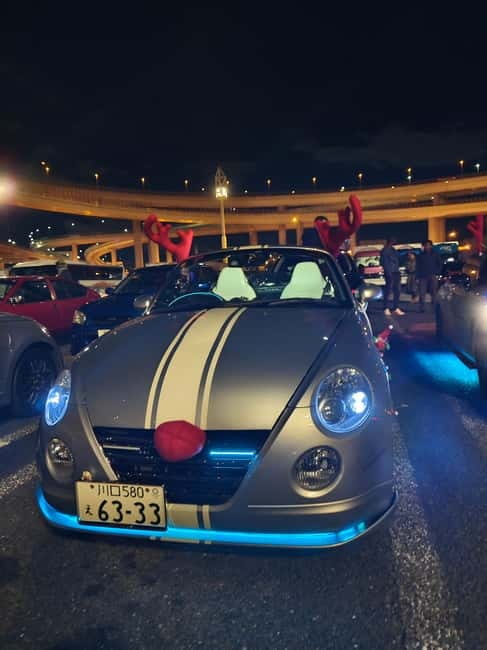
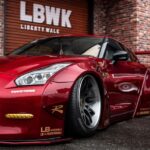
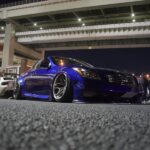
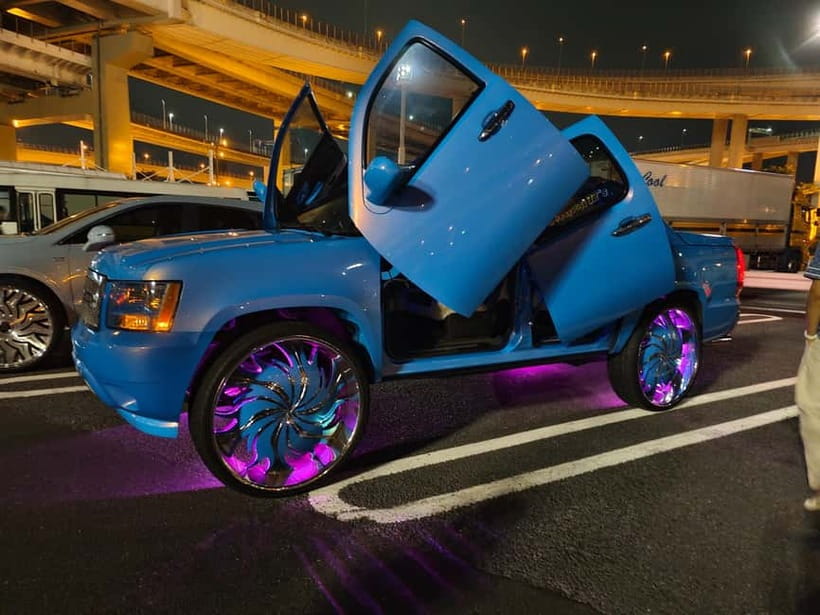
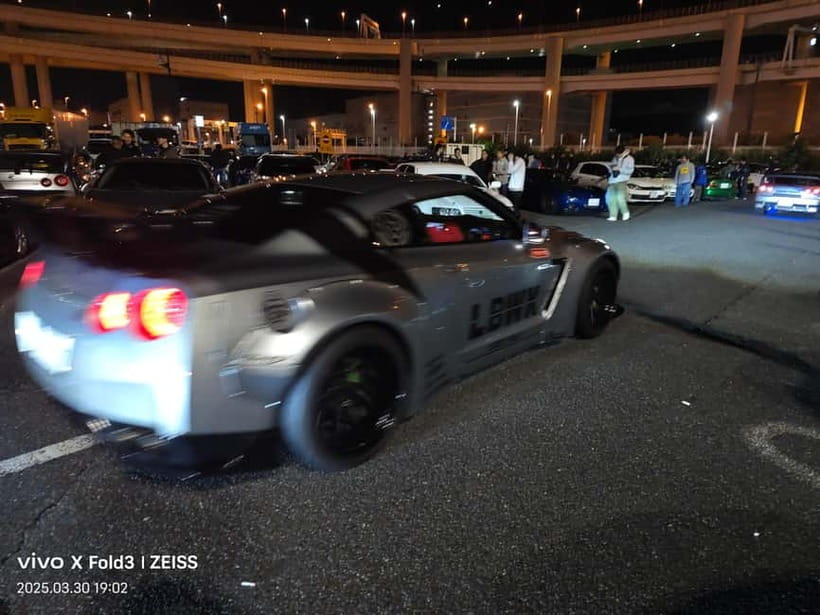
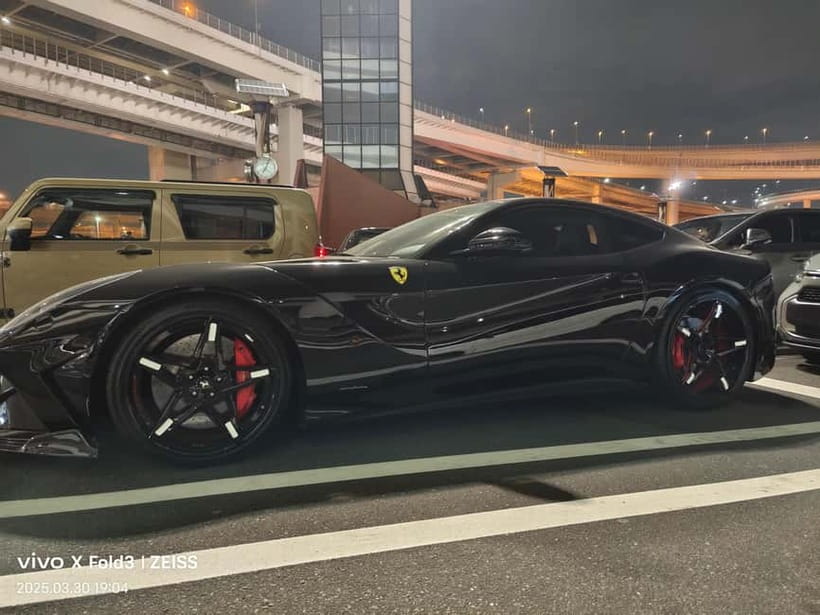
Daikoku Parking Area is not a normal roadside rest stop. For car fans, it is one of the most recognizable meeting places in Japan’s modified-car scene. Its location within the expressway network gives it a memorable setting, with broad pavement, overhead roadways, and the echo of engines under the concrete.
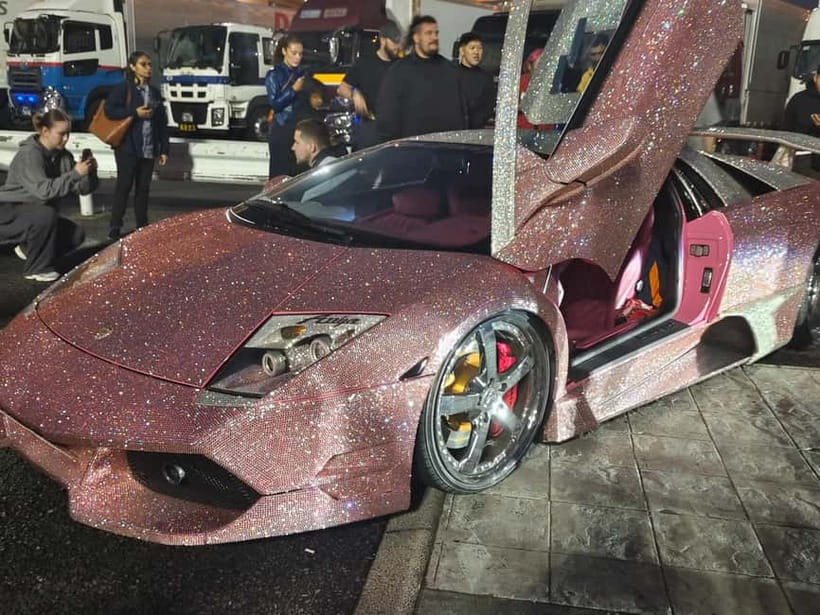
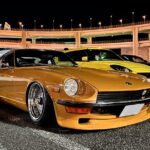
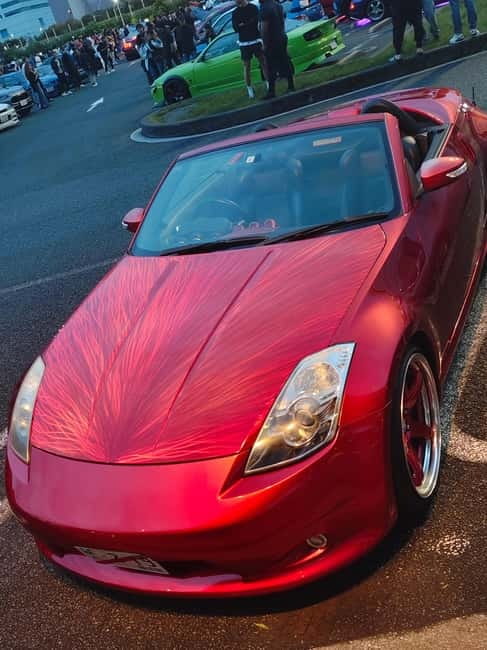
You will have about an hour here. That is enough time to walk around, look closely at the cars, and take photos without feeling rushed from one corner to the next. The exact mix of cars can change from night to night, so you might find older Japanese models, newer performance cars, heavily tuned machines, or unusual paint and bodywork.
That changing mix is part of the appeal. Daikoku PA is not a museum where every car is arranged for display. It is a live meeting place, and the atmosphere depends on who happens to arrive that evening. Some nights may bring a stronger gathering than others.
The setting also explains why this tour is useful. Daikoku PA is outside central Tokyo, and reaching it by ordinary public transport is not simple. The tour handles the transport and highway travel, allowing you to focus on the cars instead of working out a complicated route late at night.
You should treat the area with respect. These are privately owned vehicles, not props. Ask before getting too close, avoid blocking cars, and follow your guide’s instructions. The tour gives you a chance to see Japanese car culture up close, but it is not an invitation to touch vehicles or imitate illegal street racing.
A few more Tokyo tours and experiences worth a look
Wangan Midnight atmosphere without the movie fantasy
The Wangan route has a strong place in Japanese car culture and in the manga and anime series Wangan Midnight. The appeal is not only speed. It is the combination of expressway curves, industrial waterfront views, city lights, and highly prepared cars moving through Tokyo after dark.
This tour gives you that atmosphere from the passenger seat. You will cruise along the Wangan area rather than take part in racing. That distinction matters. The experience is about the setting, the cars, and the feeling of Tokyo’s expressway network at night.
For me, the driving between stops is almost as important as the formal visits. You see how quickly the city changes from central streets to broad bayside roads and elevated expressways. If you enjoy night photography, the movement of lights and the road views offer useful moments, though you will need to shoot from the vehicle unless the guide stops.
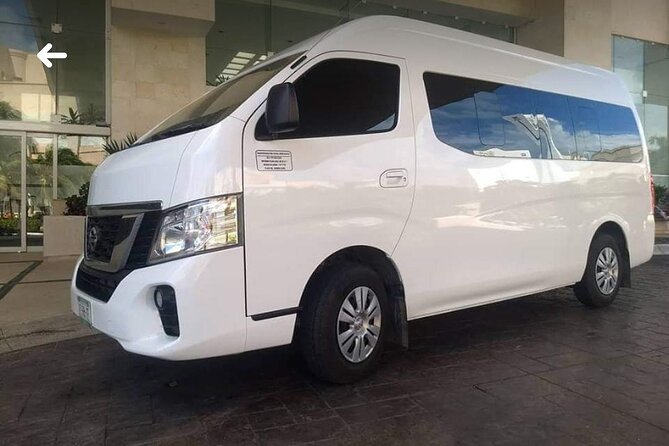
The package includes transportation, highway costs, an introduction from the guide, and a charger. The charger is a small but practical touch. Four hours of night photos, maps, messages, and video can drain a phone quickly.
Starting in Akihabara and meeting your guide
The tour usually starts in Akihabara, one of Tokyo’s easiest areas for visitors to recognize. The precise meeting details come through WhatsApp, and the guide confirms the arrangements by email or another contact method the day before.
That communication is worth paying attention to. Save the guide’s message, check the pickup time, and keep your phone charged. The meeting point is not fully fixed in the information provided, so do not assume that simply arriving at Akihabara Station is enough.
The small group format limits participation to four people. This matters in two ways. First, you are not sharing the night with a busload of people. Second, the cost is spread across a small vehicle rather than a large group, which helps explain the price.
Guides named in the feedback include Lee and Kaku. Lee was praised for clear communication and for waiting while people explored the venues. Kaku was described as friendly and passionate about Japanese car culture. The guide quality can shape the evening, since much of the value comes from having someone manage the route and explain what you are seeing.
English and Japanese guiding are available. Bring your passport, as it is listed as required. Alcohol and drugs are not allowed.
A PIT Autobacs Shinonome, a useful first stop
The first scheduled stop is A PIT Autobacs in Shinonome, where you spend about 30 minutes. Autobacs is a major name in Japanese automotive retail, and A PIT is aimed at people who care about cars, parts, accessories, and car-related goods.
You might find tuner parts, driving accessories, model items, clothing, and other automotive products. The stop gives you a different view of car culture than Daikoku PA. At the parking area, you look at finished vehicles and the people who bring them together. At A PIT, you see the products and equipment connected to that interest.
Thirty minutes is enough to browse and take in the atmosphere, but it is not a long shopping session. If you want to buy something, move quickly and keep track of your group. This is also a good place to find a small souvenir for someone who likes Japanese performance cars.
The order is useful. Visiting the store before the main car meet gives you a gentle introduction to the scene, then the evening moves toward the more striking setting at Daikoku. Some participants have considered the shop a strong part of the experience, while others have felt that the tour offers too little driving time for the price. Your reaction will depend on how much you value the retail stop.
Rainbow Bridge and the Tokyo Bay night view
The Rainbow Bridge stop lasts about 10 minutes. That is brief, so think of it as a photo pause rather than a long sightseeing visit.
The bridge connects the Tokyo Bay area and looks especially effective after dark, when its structure and lights frame the water and surrounding roads. The exact view depends on where the vehicle stops and on the night’s traffic conditions. Ten minutes gives you time to step out, take a few pictures, and get back on the road.
This stop helps break up the car-focused schedule. If you are traveling with someone who likes city views but is not a serious car fan, Rainbow Bridge gives the evening a wider appeal. It also provides a clear link between the Wangan road experience and Tokyo’s familiar skyline.
Do not expect a long waterfront walk. The tour is built around driving, not extended time at each viewpoint. Keep your camera ready and listen for the guide’s return instructions.
A few more Tokyo tours and experiences worth a look


Tokyo Tower after dark
The Tokyo Tower visit lasts about 30 minutes and is one of the tour’s strongest city sights. The route takes you past the tower at night, giving you a classic Tokyo image alongside the expressway and bay views.
The supplied schedule calls this a visit, while the tour description also emphasizes driving past Tokyo Tower. Confirm with the guide whether your timing includes a stop outside the tower or mainly a scenic pass. Either way, the half-hour allocation gives this part more weight than the short Rainbow Bridge stop.
Tokyo Tower changes character after sunset. During the day, it can feel like a standard sightseeing landmark. At night, its orange lighting fits naturally into a drive through central Tokyo. This is a good point in the evening to switch from car photos to city photos.
The stop also gives the tour a sense of progression. You begin in Akihabara, move through automotive retail and the bay roads, then return toward central Tokyo for one of the city’s best-known sights before reaching the main car meet.
The drive itself and what the four hours include
The listed stops add up to about two hours and 10 minutes: 30 minutes at A PIT Autobacs, 10 minutes at Rainbow Bridge, 30 minutes at Tokyo Tower, and one hour at Daikoku PA. The remaining time is spent driving, meeting the group, and moving between locations.
That arithmetic is important when judging the price. You are not getting four hours of guided walking or four hours parked among cars. A sizeable part of the experience is the road journey, and the route is the attraction.
The highway costs are included, which removes one extra expense. Transportation also saves you from arranging a late-night trip to Daikoku PA on your own. For a visitor who already knows Tokyo’s roads and has access to a car, $93 can feel high. For someone without a vehicle who specifically wants Daikoku, the price is easier to justify.
The tour finishes at 2-chome-4-1 Marunouchi, with the option to end in Akihabara or Ginza according to the advance information. Confirm your preferred ending point before departure, especially if you have a late reservation, hotel booking, or train connection.
Who will get the most from the $93 price
This is aimed first at car enthusiasts. If you follow Japanese tuning, enjoy rare models, or have dreamed of seeing Daikoku PA, the tour gives you a practical way to reach the place and combine it with several Tokyo night sights.
It also suits photographers, though you should keep expectations realistic. You can photograph the cars and city views, but the schedule moves on a fixed route. You will have the most freedom at Daikoku, where the one-hour stop lets you walk around and choose your subjects.
Adrenaline seekers should note that the excitement comes from the roads, sound, cars, and setting. There is no promise of racing, drifting, or high-speed driving. The safe and legal version of the Wangan Midnight mood is the point.
Families need to check the age rule carefully. Children under 10 are not accepted, while teenagers may enjoy it greatly if they already like cars. One parent found the experience a strong hit with a teenager. People over 70 and wheelchair users should choose another activity because the tour is specifically not suitable for them.
The small group can work well for two friends, a couple, or a parent with older children. Solo participants may also appreciate the chance to talk with a guide rather than sit on a large bus.
Strengths, limits, and guide style
The clearest strengths are the Daikoku access, the small group, and the easy combination of cars with Tokyo’s night views. Lee’s communication and patience were praised, and Kaku’s enthusiasm helped turn the car meet into more than a simple transfer.
The weaknesses are mostly about expectations. The tour does not include food or drinks, so eat beforehand or carry something suitable. The scheduled stops are compact, and the total time at Daikoku is one hour. If you want to browse A PIT Autobacs at length, spend a long time photographing each vehicle, and linger at Tokyo Tower, you may find the pace tight.
The price has also drawn criticism because the service is transport-heavy. That is a fair concern. You should book this for access and convenience, not because it offers a long guided program at each stop.
Free cancellation is available up to 24 hours before departure for a full refund, and you can reserve now and pay later. Starting times vary, so check availability for the date you want.
Should you book Tokyo Night Drive?
Book it if Daikoku PA is high on your Tokyo wish list and you do not have a practical way to reach it. The combination of a small group, highway transport, A PIT Autobacs, Rainbow Bridge, Tokyo Tower, and an hour at the car meet makes for a focused night out.
Skip it if you want a cheap transfer, a long shopping visit, or guaranteed rare cars. The $93 cost makes sense for the route and access, but not everyone will feel they received enough guided time for the money.
For the best match, book this as a specialist experience. Bring your passport, charge your phone, confirm the pickup message, and arrive ready for a moving night of cars and city lights rather than a traditional sightseeing tour.
FAQ
Where does the tour usually start?
The tour usually starts in Akihabara. Exact meeting details are sent through WhatsApp, with confirmation provided the day before by email or another contact method.
How long does the tour last?
The tour lasts four hours. Starting times vary, so check availability for your preferred date.
How many people can join?
The group is limited to four participants, making it a small-group experience.
Which languages are available?
The live guide service is available in English and Japanese.
What places are included?
The route includes A PIT Autobacs Shinonome, Rainbow Bridge, Tokyo Tower, and Daikoku Parking Area. The tour usually starts in Akihabara and may finish in Akihabara or Ginza.
How long do you spend at Daikoku PA?
The scheduled visit to Daikoku Parking Area lasts about one hour.
Is food included?
No. Food and drinks are not included, so plan accordingly.
What should you bring?
You should bring your passport. A charger is included as part of the transportation service.
Can children join the tour?
Children under 10 are not suitable for this activity. Older children and teenagers may join if they meet the tour requirements.
Can wheelchair users or people over 70 join?
The activity is not suitable for wheelchair users or people over 70. Alcohol and drugs are also not allowed.
More Evening Experiences in Tokyo
More Night Tours in Tokyo
More JDM & Car Culture in Tokyo

More tours in Tokyo we've reviewed












JDM & Car Culture, compared.
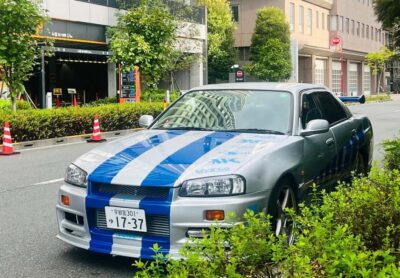 ★ 4.8Tokyo: Fast & Furious Tokyo Drift 3 Experience (Kaila Yu SP)From $157
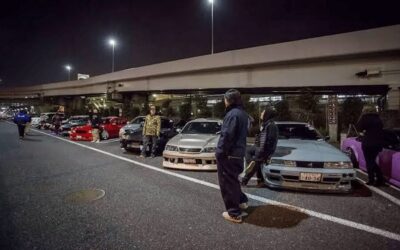 ★ 4.8Tokyo: FAST&FURIOUS EXPERIENCE Daikoku Tokyo Car ClubFrom $157
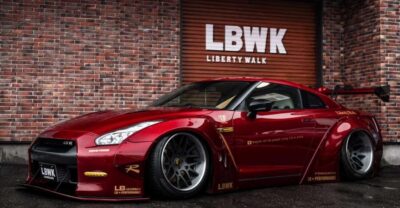
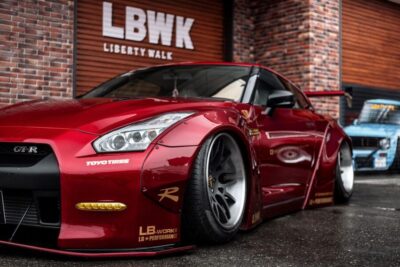 ★ 4.8Tokyo Drift: GT-R Car Club R35 Liberty Walk Daikoku meetingFrom $240
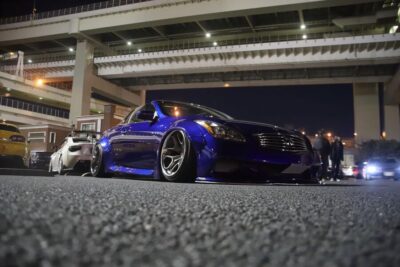 ★ 4.8Tokyo: Daikoku JDM Fast Furious Drift Style Car ExperienceFrom $123
 ★ 4.8Tokyo Drift: GO Daikoku Car Meet R34 Skyline Car ClubFrom $246
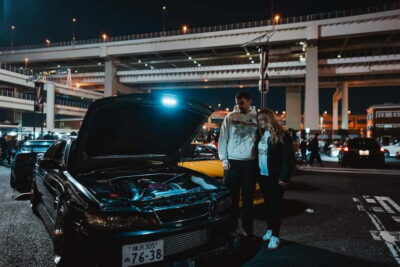 ★ 4.7Tokyo Drift: Daikoku PA Supreme Car Experience 大黒PAFrom $583 hours