Reviewed · GUIDED
Tokyo Baseball Experience Tour with Expert English-Speaking Guide
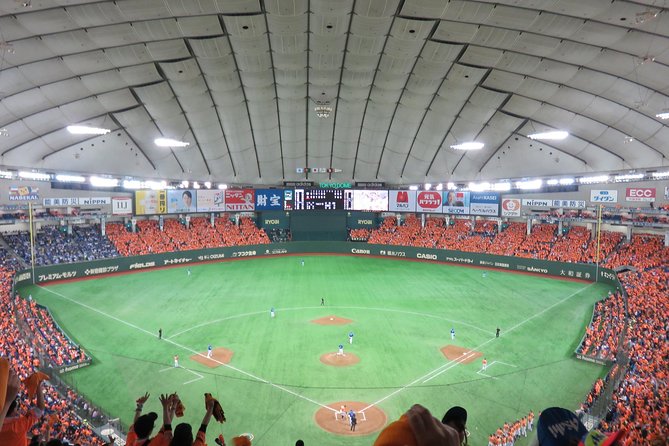
Japanese baseball is not simply a game on a field. It is a loud, organized, highly social event, with full sections of fans chanting in rhythm and supporting their team almost nonstop. This four-hour experience at Meiji Jingu Stadium gives you a guide to that culture before you settle into your seat. I like the small group, capped at 12 people, and the included S, A, or B seat, though the exact location depends on availability.
In This Article
- Key points to know before you book
- Why Japanese baseball feels different from an MLB game
- Meeting at Meiji Jingu Stadium
- What the guided portion adds
- Choosing between S, A, and B Seats
- The game at Meiji Jingu Stadium
- Is $98 a fair price?
- Who will enjoy this baseball tour most?
- Timing, cancellations, and practical details
- FAQ
- What does the Tokyo Baseball Experience Tour include?
- Is food included?
- Where does the tour meet and end?
- What happens if I arrive late?
- What happens if it rains?
- How many people are in the group?
- Should you book the Tokyo Baseball Experience?
I love that an English-speaking baseball expert explains the differences between Japanese baseball and MLB while you are at the stadium. I also like that you learn the chants and anthems instead of sitting quietly while everyone around you sings. The main drawback is timing: the tour ends when the game begins, so anyone hoping for a full pregame build-up with the guide, or extra time to find food and merchandise, should plan carefully.
Key points to know before you book
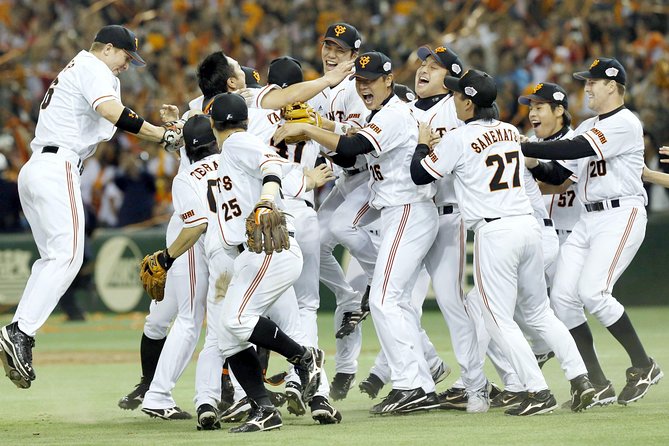
- You learn the fan chants before the first pitch: The guide teaches you the anthems and crowd routines so you can take part rather than watch from the outside.
- The tour is limited to 12 people: That keeps the explanations easier to hear and makes it more practical to ask questions.
- Your seat may be behind home plate or along the bases: S Seats sit behind the batter, A Seats are near first or third base, and B Seats are behind a foul pole.
- An audio headset is provided: You can hear the guide clearly while learning about Japanese baseball and its differences from MLB.
- Food and merchandise cost extra: Stadium stands sell snacks, drinks, and team goods, but none are included in the $98 price.
- The game itself may last about three hours: The guided portion finishes when the game starts, so your actual time at the stadium can extend beyond the advertised four hours.
Why Japanese baseball feels different from an MLB game
If you know American baseball, you will recognize the basic game. There are innings, pitchers, batters, outs, runs, and the same basic goal. The atmosphere around those rules is different, and that is where this experience earns its keep.
Japanese baseball fans often support the team through coordinated chants and anthems. These are not random bursts from a few loud people. They are part of the event, with fans joining in together at set moments. The guide helps you understand what is happening and teaches you enough to join the noise without guessing your way through it.
That matters because the crowd is part of the entertainment. You are not only watching the players. You are also watching the home and visiting sections respond to each batter, cheer for key plays, and keep the energy going through long stretches of the game.
The guide also covers the history of baseball in Japan and points out differences between Japanese baseball and Major League Baseball. That comparison is useful for American fans, but you do not need to know MLB rules to enjoy the tour. If baseball is new to you, the group setting gives you a simple way to ask questions before the action becomes fast.
Other guided tours in Tokyo
Meeting at Meiji Jingu Stadium
The tour begins at Meiji Jingu Baseball Stadium, at 3-1 Kasumigaokamachi in Shinjuku City. The stadium is near public transportation, but you are responsible for getting there yourself. Transportation to and from the attraction is not included.
Arrive at least 10 minutes before the stated meeting time. This is not a private tour, and the group may leave without anyone who arrives late. You receive the guide’s phone number before the activity, so you can call if you miss the start and need to meet the group at the next point. Still, arriving early is the smart choice. Tokyo station areas can take longer to navigate than a map suggests.
The meeting location is also the end point. That makes the outing easier to plan than a tour that leaves you across town after the game. Since the game can run for about three hours, you may want to leave your evening open rather than book a tight dinner reservation.
What the guided portion adds
The guide is an English-speaking local baseball expert and fan. No guide name is provided in the booking details, so you should not expect to select a particular person. The important point is the role: this is not just a ticket handoff. You receive an explanation of the sport, the stadium setting, and the habits that make Japanese baseball different.
The audio headset is a useful touch. Stadiums are noisy, and a spoken explanation can disappear quickly under drums, singing, and general crowd sound. With the headset, you can hear the guide’s comments without needing to stand close or ask for every point to be repeated.
The small group size helps here. With a maximum of 12 people, the guide can explain a chant, answer a question, or point out a feature of the crowd without trying to manage a bus-sized group. A minimum of eight bookings is required for the tour to operate, though. If that number is not reached, the activity can be canceled and you receive a full refund.
The guided portion is best viewed as a short cultural lesson before the game, not a four-hour lecture. The baseball game lasts about three hours, but the tour ends when the game starts. That wording is important. Once play begins, you continue watching from your assigned seat on your own rather than staying with the guide for inning-by-inning commentary.
Choosing between S, A, and B Seats
Your ticket includes one of three seat types, based on availability. You do not choose a precise seat category in advance.
S Seats are directly behind the batter. These offer the closest view of the action at home plate and are the most appealing choice if you want to study pitches, swings, and plays at the plate.
A Seats are behind first or third base. From here, you can see most of the field and the players on the bench. These seats offer a useful middle ground, with a broad view of the game and a good sense of how plays develop around the diamond.
B Seats are behind a foul pole. They provide a good view of outfield play, though the angle is less centered than an S Seat and may feel farther from home plate. For many fans, this is still a good way to watch the entire field, especially if you enjoy tracking long hits and outfield defense.
The price does not guarantee an S Seat. That is the main seating issue to understand before paying. You are buying access to one of the listed seat categories, not a specific location. If being directly behind home plate matters greatly to you, this tour may feel less predictable than buying a ticket with a confirmed section.
Even a B Seat can work well for a first Japanese baseball game because the main attraction is not only the view. The chants and shared fan routines remain part of the experience. Your guide’s explanation helps you understand the setting before you settle into whatever category has been assigned.
The game at Meiji Jingu Stadium
The game is scheduled for an open-air stadium, so weather affects the plan. In heavy rain, the match will be canceled and you receive a full refund. In light rain, play goes ahead. If rain begins after the game is already underway, no refund is provided.
That policy makes a little planning worthwhile. Check the forecast before leaving your hotel and bring suitable rain protection if the weather looks uncertain. The stadium is open-air, and the tour does not provide a weather guarantee once the game has started.
Food and drinks are not included. Stadium stands sell snacks and beverages, along with merchandise. This gives you the freedom to buy only what you want, but you should bring extra money if you want the full ballpark experience. The $98 price covers the guide, seat ticket, headset, service fee, and tax, not a meal.
The same goes for merchandise. A team item can be a fun reminder of the night, but it is an optional cost. If you want time to browse, arrive early enough to do so before the guided meeting. Because the tour ends when the game commences, you should not count on having a long shopping break once you reach your seat.
Is $98 a fair price?
At $98, this is not the cheapest way to attend a baseball game in Tokyo. You are paying for more than admission, though. The package includes an English-speaking guide, a ticket in one of three listed seat categories, an audio headset, service charges, and tax.
The value depends on what you want from the evening. If you already understand Japanese baseball culture, know the chants, and can arrange your own ticket, you may prefer to buy a seat directly and spend less. You would also have more control over your section and possibly your arrival time.
If this is your first Japanese baseball game, the guide can save you from feeling lost in a crowd whose customs you do not understand. The chant lesson is the part that gives the ticket added value. You get a way to participate, not just a seat with a view.
The price also makes more sense for solo visitors, couples, and small groups who would otherwise struggle to learn the fan routines. With up to 12 people, the cost supports a more personal introduction than a large sightseeing tour. It is less compelling for a large family or a group that already has a Japanese-speaking baseball fan among them.
Keep one expectation clear: you are not paying for a full four-hour guided game. The game may run three hours, but the guide’s active tour ends when the game begins. One of the main cautions for this experience is the possibility of arriving just before the start rather than having a long pregame period with the group.
Who will enjoy this baseball tour most?
This tour is a strong fit for an MLB fan who wants to see how another baseball culture organizes its crowd. The guide directly addresses differences between Japanese baseball and MLB, so you have a useful framework for comparing the two.
It also suits someone who does not follow baseball closely but wants a local evening activity. The chants, songs, stadium customs, and group atmosphere give you something to experience even if you cannot name every player or explain every strategy.
Families can take part, since there is no stated age requirement. Every person needs a reservation, and children must be accompanied by an adult. The four-hour duration, plus the length of the game, may be tiring for very young children, but the booking terms do not set a minimum age.
This is less suitable if you need a flexible schedule. The tour has a fixed meeting time, may not wait for late arrivals, and has strict cancellation terms. It is also not ideal if you want a guaranteed S Seat, a meal included in the price, or a guide present through the final inning.
Timing, cancellations, and practical details
Confirmation is sent within 48 hours of booking, subject to availability. Since the tour needs at least eight people to run, do not treat the reservation as fully settled until confirmation arrives.
The cancellation information needs careful reading. One section describes fees of 25 percent for cancellations within 20 days, 50 percent within 14 days, and 100 percent within seven days. Another states that the experience is non-refundable and cannot be changed for any reason. Because these terms do not match perfectly, contact Japan Awaits before booking if your dates may change.
The mobile ticket is convenient, but it does not remove the need to arrive at the right meeting point. Save the stadium address and the guide’s contact number before you leave your hotel. You should also allow more than the bare minimum travel time, especially if you are unfamiliar with Tokyo’s rail connections.
Most people can participate. No special age limit is listed, but all children need an accompanying adult and every person needs a reserved place.
FAQ
What does the Tokyo Baseball Experience Tour include?
It includes an English-speaking tour guide, a baseball seat ticket in an S, A, or B category, an audio headset, service fees, and tax.
Is food included?
No. Snacks and drinks are available for purchase at stadium stands. Merchandise is also available, but it costs extra.
Where does the tour meet and end?
The tour meets at Meiji Jingu Baseball Stadium, 3-1 Kasumigaokamachi, Shinjuku City, Tokyo 160-0013, Japan. It ends back at the meeting point.
What happens if I arrive late?
You should arrive at least 10 minutes early. Since this is a group activity, the guide may not wait. You can use the guide’s phone number to arrange a meeting point with the group later.
What happens if it rains?
Heavy rain can cause the match to be canceled, with a full refund. Light rain does not stop the game. If rain begins after the match has started, no refund is provided.
How many people are in the group?
The group can have up to 12 people, and at least eight bookings are needed for the tour to operate.
Should you book the Tokyo Baseball Experience?
Book it if you want more than a baseball ticket. The strongest reason to choose this experience is the chance to learn the chants, understand the fan culture, and compare Japanese baseball with MLB before the first pitch. The small group and headset make the introduction easier to follow, while the included seat removes the work of arranging a game ticket yourself.
Think twice if you need a guaranteed seat location, want food included, or expect the guide to stay with you throughout the game. You also need to accept the fixed meeting time, weather risk, and strict booking terms.
For a first Japanese baseball game, the $98 fee is reasonable if the cultural side matters as much as the score. Arrive early, budget for stadium snacks, check the weather, and remember that the guided part finishes when play begins. Do that, and you will be ready to join the crowd instead of merely sitting beside it.
More Guided Tours in Tokyo



More tours in Tokyo we've reviewed












Guided, compared.
 ★ 5.0Tokyo 6hr Private Tour with Government-Licensed GuideFrom $155
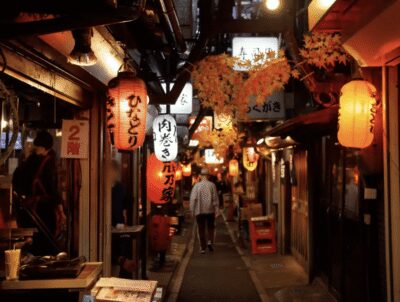 ★ 4.9Tokyo: Shinjuku Local Bar and Izakaya Guided Walking TourFrom $343 hours
 ★ 4.8Tokyo: Private City Highlights Tour with Local GuideFrom $1064 - 8 hours
 ★ 4.9Tokyo: Tsukiji Fish Market Guided Walking TourFrom $222 hours
 ★ 5.0Tokyo 4hr Private Tour with Government-Licensed GuideFrom $109
 ★ 5.0Tokyo Guided Small-Group Biking TourFrom $106