Reviewed · TOKYO
Creative Japanese Cooking in a Beautiful Tokyo Home with Makiko
The best part of this experience happens before the cooking even starts. Makiko takes you through neighborhood markets, butcher shops, produce stalls, convenience stores, and even a sweet shop, showing you how Tokyo residents buy everyday food. Then you head to her home for a hands-on lesson and a shared meal.
In This Article
- Key points to know
- From Tokyo station life to a local neighborhood
- The market tour is more than a warm-up
- Cooking with Makiko in her Tokyo home
- Sitting down to eat what you prepared
- What the $89 price really covers
- Timing, stations, and the meeting point
- Who will enjoy this experience most
- How to prepare before you go
- Cancellation and booking advice
- Is Makiko’s Tokyo cooking experience worth booking?
- FAQ
- Where does the experience take place?
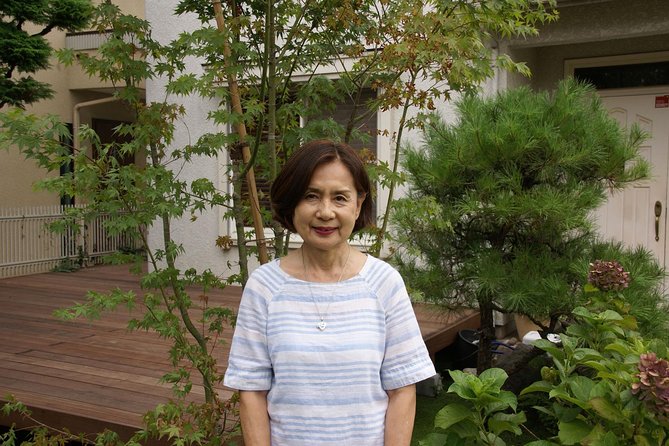
- Who hosts the experience?
- How long does the experience last?
- What is included in the price?
- Is this a private activity?
- Does the menu stay the same throughout the year?
- Can I share dietary restrictions or allergies?
- Is hotel pickup included?
- Where does the experience begin?
- Is there a cat in the home?
- Can I cancel for a full refund?
I like the small, private setting and the chance to ask real questions about Japanese ingredients. I also like that the menu changes with the season, and that you can discuss allergies, dietary needs, or cooking preferences in advance. The main point to consider is that this is a home visit, not a polished commercial cooking school, and the meeting information names both Sakurashinmachi and Komazawa-Daigaku station, so you should confirm the exact starting point before setting out.
Key points to know
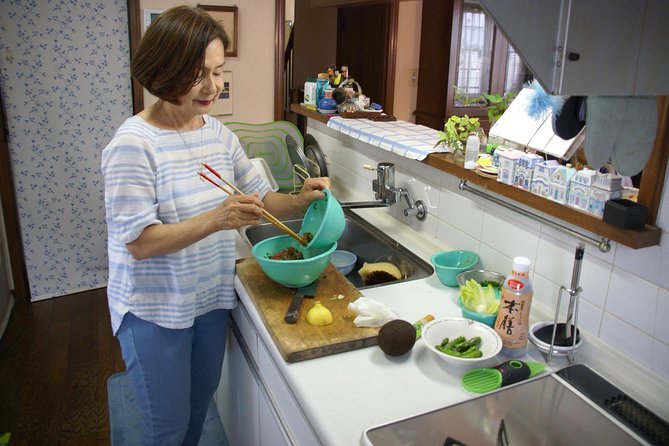
- Makiko leads both parts: She guides you through local food shops before teaching you in her own kitchen.
- The market walk is practical: You learn where locals buy meat, produce, sweets, and other daily ingredients.
- The cooking lasts about 1.5 to 2 hours: The pace depends partly on your group size.
- You eat what you make: The class ends around Makiko’s dining table with the dishes prepared together.
- Seasonal dishes are part of the appeal: The menu is not fixed year-round.
- It costs $89 per person: That includes the market tour, cooking class, meal, and private hosting.
From Tokyo station life to a local neighborhood
This experience gives you a look at Tokyo away from the usual sightseeing circuit. You meet Makiko near the residential Setagaya area, close to Komazawa Olympic Park, and begin with the food shops she uses in daily life.
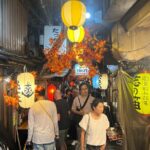
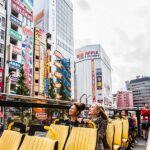
That change of setting matters. Tokyo can feel like a city of towers, neon, and train stations, but much of local life happens in small shopping streets and neighborhood stores. Here, you are not simply passing through a market with a guide pointing out famous products. You are learning how a Tokyo resident shops for dinner.
Makiko has shown visitors butcher shops, fruit and vegetable sellers, convenience stores, and a sweet shop. Each stop gives you a different view of Japanese food buying. A butcher shop tells you something about cuts and portion sizes. A produce shop shows what is in season. A convenience store reveals how practical Japanese food culture can be. The sweet shop adds a lighter, more playful stop to the walk.
You should expect this part to be conversational rather than a formal food lecture. Bring questions. Ask about ingredients you have seen in restaurants, items you cannot identify, or foods you want to find during the rest of your time in Japan. Makiko is happy to explain how ingredients are used at home, which is often more useful than memorizing a list of Japanese food names.
One detail makes this walk especially helpful: you are learning where locals actually shop. That can change the way you approach Japanese supermarkets and small food stores for the rest of your trip. Instead of seeing rows of unfamiliar packages, you will have a better sense of what belongs in a normal home kitchen.
If you're still narrowing it down, here are other tours in Tokyo we've reviewed.



The market tour is more than a warm-up
The shopping portion is included in the price, but it also prepares you for the class. Makiko can explain the ingredients before you handle them, so the cooking lesson has a clear setting.
You may see familiar foods presented in unfamiliar ways. Japanese cooking often depends on small choices that are easy to miss in a restaurant: the cut of an ingredient, the timing of a seasoning, the way vegetables are prepared, or the balance between several simple flavors. Makiko explains these points as you go.
This is also where the experience becomes personal. The shopping walk is private, so the pace can fit your group. If you have a special interest in fish, vegetables, sweets, or home-style dishes, you can guide some of the conversation toward those subjects.
The limitation is simple: the exact menu is not fixed. It changes with the season, and the dishes may also reflect what is available at the time. That is good news if you want a more natural home-cooking experience, but less ideal if you are booking because you want to learn one named recipe.
Cooking with Makiko in her Tokyo home
After the market walk, you go to Makiko’s home for the main part of the experience. This is the heart of the visit: a private cooking lesson in a real Tokyo kitchen, followed by a meal at her dining table.
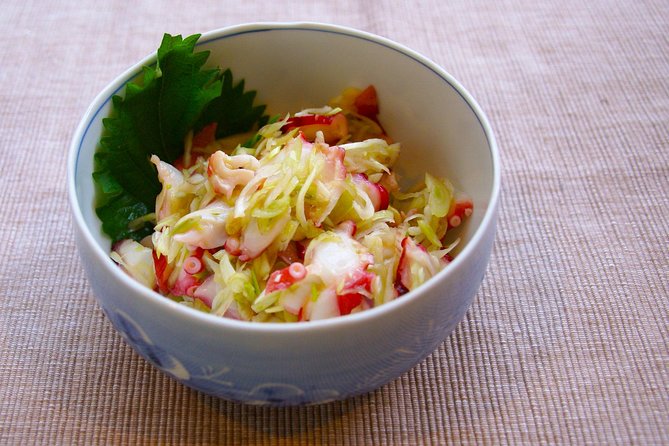
The cooking section lasts about 1.5 to 2 hours, depending on the number of people in your group. That gives you enough time to do more than watch. You should expect to take part in the preparation and learn the steps behind traditional-inspired, homemade Japanese dishes.
Makiko explains the cooking process in detail and shares tips that are not always found in cookbooks. That practical instruction is one of the strongest reasons to choose this experience over a standard demonstration. You can ask why a step is done in a certain order, how an ingredient is handled, or how a dish fits into everyday Japanese meals.
The class is also flexible. One account describes Makiko preparing dishes that guests had requested, and another notes that she accommodated the needs of a larger group. You should still provide all allergies, dietary restrictions, and cooking preferences when booking. The information specifically asks you to place these details in the special requirements box, which is the safest way to give Makiko time to plan.
Do not expect a restaurant kitchen, professional uniform, or a large teaching space. This is a home visit. That means the setting feels personal and informal, but it may not suit you if you want a highly structured class with printed recipes, multiple instructors, or a commercial-grade kitchen.
A cat lives in the house. It is described as shy and quiet, and usually hides upstairs when people are present. If someone in your group has a serious cat allergy, mention it before booking and decide if the setting is suitable.
Sitting down to eat what you prepared
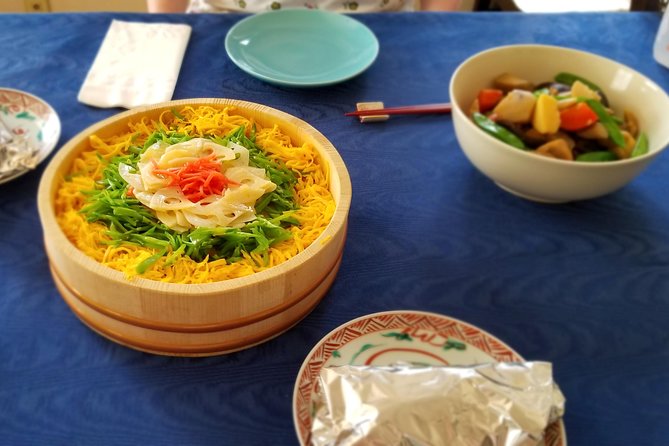
Once the dishes are ready, you sit with Makiko at her dining table and share the meal. This final part gives the class a relaxed finish. You are not rushing back to a restaurant reservation or being sent away as soon as the last dish is complete.
The meal also gives you a chance to connect the cooking steps with Japanese home life. You can ask how the dishes are served, when people might eat them, and how the ingredients fit into ordinary meals. The conversation is a major part of the value here.
Several details point to a warm, social evening. The experience is private, so only your group participates. Makiko has been described as an engaging host who shares stories as she teaches, and the strongest praise centers on the time spent talking about Japanese cuisine as well as cooking it.
That format works especially well for couples, families, and small groups who want to spend time with a local rather than move from one sight to another. It is also a good choice for anyone who enjoys asking questions. If you prefer a fast class focused only on technique, the shared meal and conversation may feel longer than necessary.
What the $89 price really covers
At $89 per person, this is not the cheapest way to eat in Tokyo. You can buy an excellent Japanese meal for less, and a basic cooking class may also cost less depending on the format.
But the price includes several parts that are easy to separate when comparing experiences:
- A private walk through local food shops
- Guidance from a Tokyo native
- A hands-on cooking lesson
- The ingredients used in the class
- The meal you prepare
- A private home setting
- Time for questions and conversation
That makes the price easier to justify if you value access and personal attention. You are paying for the complete visit, not just the food on the table. The market walk is useful, and the home setting gives you context that a restaurant meal cannot provide.
Value depends on how you use the class. If you take notes, ask about techniques, and pay attention to the shopping decisions, you can carry the lessons into your own kitchen. If you simply want to eat Japanese food, a restaurant offers better value.
The experience is also booked, on average, about 72 days ahead. That does not guarantee you need to book exactly that early, but it is a clear sign that advance planning matters. If your Tokyo dates are fixed, I would arrange this before leaving the rest of your food plans until the last minute.




Timing, stations, and the meeting point
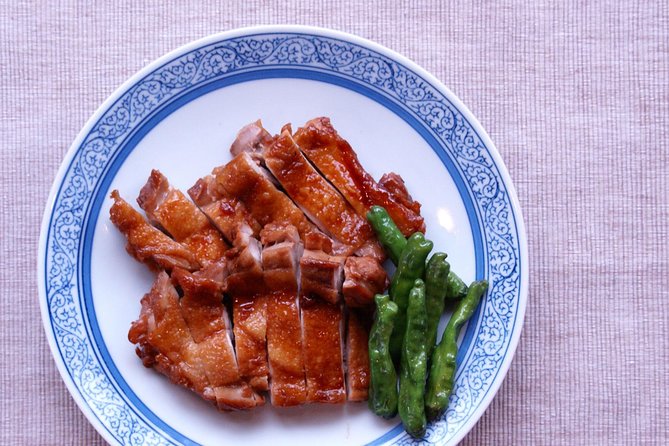
The activity lasts about three hours in total. The cooking itself takes 1.5 to 2 hours, with the remaining time used for meeting, shopping, walking, and the meal.
The pickup details need a careful look. The experience information says Makiko will greet you at Komazawa-Daigaku station, while the included pickup and meeting-point details identify Sakurashinmachi station on the Tokyu Denentoshi Line. The stated meeting address is 2-chome-8 Sakurashinmachi, Setagaya City, Tokyo 154-0015, and the activity ends back at the meeting point.
Because two station names appear, confirm the exact station and address after your booking is confirmed. Do not assume the station that is most convenient from your hotel is the correct one. A mobile ticket is provided, and confirmation is sent within 48 hours, subject to availability.
Hotel pickup and drop-off are not included. You need to make your own way to the meeting point and return from there after the meal.
The activity is private, which makes the station issue even more important. You are not joining a large group that might be easy to spot. Save the meeting details on your phone and allow time for Tokyo station navigation.
Who will enjoy this experience most
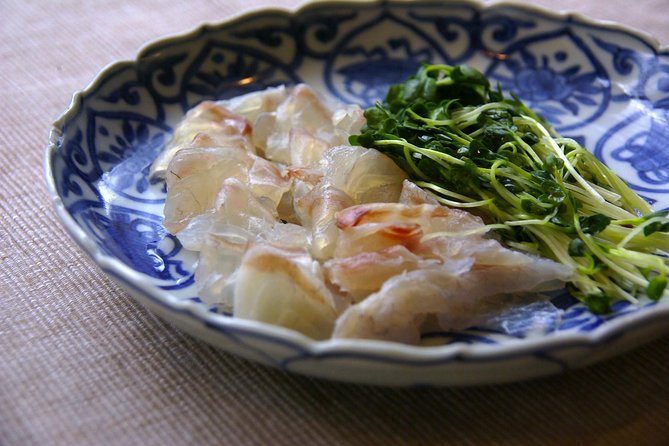
I would choose this for people who want a personal connection to Tokyo food culture. It suits you if you like home cooking, neighborhood walks, and learning through conversation.
It is particularly good for:
- Couples seeking a relaxed evening activity
- Families who want a food experience with hands-on participation
- Small private groups
- Home cooks who want techniques rather than restaurant trivia
- First-time visitors curious about everyday Japanese ingredients
- People who enjoy asking a host detailed questions
It may be less suitable if you need a guaranteed menu, dislike cats, have dietary concerns that cannot be accommodated, or want a large professional cooking studio. It is also not the best fit for someone looking for a quick, inexpensive meal.
Group size can affect the cooking time. The stated range is about 1.5 to 2 hours, and the longer end may apply when more people are involved. If you are booking for a larger party, allow room in your evening schedule.
How to prepare before you go
Tell Makiko about allergies, dietary restrictions, and cooking preferences when you book. Be specific. If you avoid certain ingredients, want a vegetarian meal, or hope to learn a particular type of dish, write it clearly in the special requirements field.
Wear clothing suitable for a home cooking lesson. The provided details do not specify an apron or dress requirements, so ask if you want to know what is supplied. Comfortable shoes are sensible because the experience includes walking through shops before the class.
Bring a phone for the mobile ticket and meeting details. Since the starting station information is not completely consistent, keep the confirmed address available as well as the station name.
Most of all, arrive ready to participate. You will get more from the experience if you treat the market walk as part of the lesson rather than a short transfer to the house.
Cancellation and booking advice
You can cancel for a full refund up to 24 hours before the start time. Cancellations or changes made less than 24 hours in advance are not accepted for a refund, and the cut-off follows Tokyo local time.
The experience is operated by Traveling Spoon. Confirmation arrives within 48 hours, subject to availability. Since the average booking point is about 72 days ahead, I would not wait if you want a particular date.
Is Makiko’s Tokyo cooking experience worth booking?
Yes, if you want more than a recipe. The strongest feature is the combination of a real neighborhood shopping walk, a private home kitchen, and an unhurried meal with Makiko. You learn how ingredients appear in daily Tokyo life, then use them yourself.
Book it if you value personal contact, seasonal food, and practical cooking advice. Skip it if you want a fixed menu, a formal cooking school, or the lowest-cost meal in the city. Before paying, confirm the correct meeting station and share every dietary requirement.
For $89, this is a fair choice for a private three-hour food experience that gives you skills, conversation, and a better sense of how locals shop and cook.
FAQ
Where does the experience take place?
The experience takes place in Tokyo’s Setagaya area, in a neighborhood near Komazawa Olympic Park. The cooking lesson is held in Makiko’s home.
Who hosts the experience?
A Tokyo native named Makiko hosts the market tour, cooking lesson, and meal.
How long does the experience last?
The experience lasts approximately three hours. The cooking portion takes about 1.5 to 2 hours, depending on the number of people in your group.
What is included in the price?
The price includes a private supermarket and local shop tour with Makiko, a Japanese cooking class, and the meal you prepare.
Is this a private activity?
Yes. Only your group participates in the activity.
Does the menu stay the same throughout the year?
No. The menu may change depending on the season.
Can I share dietary restrictions or allergies?
Yes. You should provide allergies, dietary restrictions, and cooking preferences when booking, using the special requirements field.
Is hotel pickup included?
No. Hotel pickup and drop-off are not included. Pickup from the stated station meeting point is included.
Where does the experience begin?
The supplied meeting details name Sakurashinmachi station on the Tokyu Denentoshi Line and give an address in Sakurashinmachi. Other activity details refer to meeting at Komazawa-Daigaku station, so confirm the exact starting point before you go.
Is there a cat in the home?
Yes. A shy, quiet cat lives in the house and usually hides upstairs when people are present.
Can I cancel for a full refund?
Yes. You can cancel at least 24 hours before the start time for a full refund. Cancellations or changes made less than 24 hours before the start time are not accepted for a refund.
More tours in Tokyo we've reviewed












Tokyo, compared.
 ★ 5.0Mt Fuji and Hakone 1-Day Bus Tour Return by Bullet TrainFrom $163
 ★ 5.01-Day Tokyo Bus TourFrom $129
 ★ 4.6Tokyo: teamLab Planets TOKYO Digital Art Museum Entry TicketFrom $251 day
 ★ 4.0Mt Fuji & Hakone Cruise, Drum Show Bullet Train 1 Day from TokyoFrom $149
 ★ 5.0Tokyo: Shinjuku Food Tour (13 Dishes at 4 Local Eateries)From $86
 ★ 4.4Tokyo Mt Fuji 5th St & Hakone Cruise Bus Tour w/Bullet TrainFrom $15410 hours