Reviewed · SAMURAI & NINJA EXPERIENCES
SAMURAI EXPERIENCE in Tokyo(Harajuku)【SAMURAI’ve】
The most entertaining part of this Tokyo workshop is that you do not simply watch a sword demonstration. You put on a samurai kimono, learn the manners expected of a warrior, and practice stylized sword movements yourself. The one-hour class takes place at a dojo near Harajuku, with a maximum of 10 people.
In This Article
- Key points at a glance
- A samurai workshop, not a museum demonstration
- Finding the red door near Harajuku
- Putting on the kitsuke kimono
- Reigi sahou and the manners of a warrior
- Learning basic sword-fighting movements
- Tachimawari brings the stage to life
- The final samurai photo session
- Is $70 a fair price for one hour?
- Who will enjoy this most?
- Planning your hour in Harajuku
- Should you book the samurai workshop?
- FAQ
- How long does the samurai workshop last?
- Where is the meeting point?
- What does the $70 price include?
- Is transportation included?
- What languages does the instructor speak?
- Can children join the activity?
- Can wheelchair users take part?
I like the mix of Japanese etiquette and stage combat. Reigi sahou gives the session some cultural substance, while Tachimawari turns the sword lesson into a lively, theatrical activity. I also like that the class ends with photos, so you leave with a clear souvenir rather than just a quick lesson.
The main drawback is the short running time. Dressing, etiquette, sword practice, stage movements, and photos all fit into one hour, so this is an introduction rather than serious martial arts training. Comfortable clothing helps, and the class is not suitable for children under 5 or wheelchair users.
Key points at a glance

- Small dojo group: The class is limited to 10 participants, which gives the instructor room to guide basic movements.
- Kimono dressing included: You learn how to put on a kitsuke kimono before handling the sword.
- Etiquette comes first: Reigi sahou introduces the manners and behavior linked with the samurai ideal.
- Tachimawari adds theater: You practice stylized sword-fighting movements used in stage and video productions.
- Photos finish the class: Pose with a sword while wearing the kimono, creating a fun record of the activity.
- Easy central location: The red-door meeting point is about five minutes from Kitasandou Station and eight minutes from Harajuku Station.
A samurai workshop, not a museum demonstration

This activity is built around participation. You are not being asked to stand quietly while someone explains a sword from across the room. The instructor brings you into the action, from getting dressed to learning how to stand, move, and handle a practice sword in a controlled, theatrical way.
That distinction matters. Tokyo has plenty of cultural attractions where you look at costumes, tools, or performances. Here, you get a short lesson in the physical side of the samurai image. You learn how posture, manners, clothing, and movement work together.
The instructor is active in video and stage productions, so the Tachimawari portion has a useful performance angle. These are stylized movements made for sword-fighting scenes, not a promise that you will become a trained swordsman in sixty minutes. I would book it for play, photos, and a taste of samurai culture, not as a replacement for a full martial arts course.
The class welcomes people of any age and gender, provided they have the samurai spirit. That broad approach makes it a good choice for families with older children, couples, and friends who want to do something more hands-on than sightseeing.
A few more Tokyo tours and experiences worth a look

Finding the red door near Harajuku
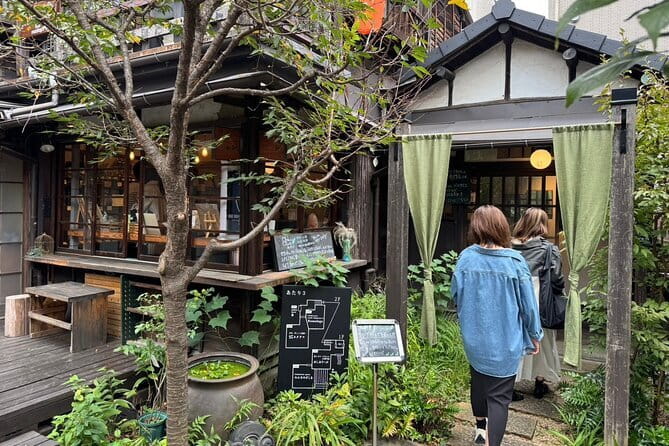
The dojo is in the Harajuku area of Tokyo, reached through a red door and located on the second floor basement level. That wording can sound confusing, so allow a few extra minutes to find the entrance, especially if you are arriving after a busy day in the city.
Kitasandou Station is about a five-minute walk away. Harajuku Station is about eight minutes on foot. The meeting point does not include transportation, so you make your own way there, but the central location fits easily into a day built around Harajuku.
You might pair the workshop with shopping and people-watching in Harajuku, then head to the dojo for your scheduled start time. The activity lasts one hour, so it can fit neatly between other Tokyo plans. Check the available start times before booking, since the exact schedule is not fixed in the basic activity details.
Wear comfortable clothes. You will be changing into a kimono and moving through basic sword positions, so stiff clothing or shoes that are hard to remove would only make the session less pleasant. Food and drinks are not included, but the short duration means you can eat before or after nearby.
Putting on the kitsuke kimono

The first hands-on stage is learning how to put on the kitsuke kimono. This is more useful than simply being handed a costume, because you get a small look at the care involved in traditional Japanese dress.
The kimono also changes the feel of the activity. Once you are dressed, the sword movements make more sense visually and physically. You are not just waving a prop in everyday clothes. The clothing encourages a more upright posture and gives the photo session a stronger sense of occasion.
Do not expect a full costume history lesson. The supplied details focus on learning how to wear the kimono and then using it during the samurai workshop. The value is practical and visual: you take part in the dressing process, then see how the outfit works with formal manners and choreographed movement.
For families, this can be a good point of connection. Parents and children can help one another remember the steps and then pose together. One family from the United States described having a great time with the children, which fits the broad, playful nature of the class. Remember that children under 5 cannot join.
Reigi sahou and the manners of a warrior

Before the sword work begins, the instructor introduces Reigi sahou, the etiquette and manners associated with samurai conduct. This section keeps the class from becoming only a costume photo opportunity.
You learn that the samurai image is tied to behavior as well as weapons. Respectful movement, controlled posture, and proper conduct help frame the sword practice. Even in a short workshop, this gives you a better sense of why the activity begins with manners instead of jumping straight to action.
I find this part especially worthwhile for anyone who wants a little cultural context with the fun. It does not turn the class into a history lecture, and that is probably the right balance for a one-hour session. You get enough background to understand the role of etiquette, then you put that idea into practice through your stance and movements.
The class is available in English, Japanese, and Chinese. That makes the instructions more accessible to an international audience. One French participant found the activity interesting and enjoyable even though the class was conducted in English, while another praised the guides for explaining the movements clearly and with friendly energy.
Learning basic sword-fighting movements

The sword lesson focuses on basic samurai sword-fighting moves. The word basic is important here. You are learning an introduction to posture and motion, not receiving a long technical course.
The instructor helps you pick up movements that you can demonstrate to friends and family at home. That promise is best understood as a fun souvenir skill. You should leave knowing a few stage-style actions and feeling more comfortable with the rhythm of a sword scene, rather than expecting a formal qualification.
The small group limit of 10 works in your favor. Sword movements are easier to follow when you are not lost in a large crowd, and the instructor can keep an eye on the group. The available feedback places strong emphasis on friendly instructors and clear explanations, which matters in an activity where timing and body position are part of the fun.
There is also a practical benefit to the short lesson. You do not need previous martial arts experience, and you are not committing half a day to a demanding physical class. For many people, that is the right level: enough action to feel involved, without turning a Tokyo holiday into a training camp.
Still, keep your expectations sensible. If you already study Japanese sword arts, this class may feel introductory. If your goal is a lively cultural activity with an easy learning curve, the simple movements are a strength rather than a weakness.






Tachimawari brings the stage to life

The most theatrical section is Tachimawari, a term used for stylized movements in sword-fighting scenes. This is where the class shifts from learning individual actions to trying them in a more dramatic sequence.
The instructor’s connection to video and stage productions is relevant here. You are not only learning how a warrior might move in a practical fight. You are learning the kind of controlled, readable motion that works in a performance.
That makes Tachimawari a good bridge between martial arts and entertainment. You get the thrill of holding a sword and acting out a scene, while the instructor keeps the focus on form and coordination. It is a playful part of the workshop, but it still gives you a reason to pay attention.
The activity information does not describe a specific story, opponent setup, or combat routine, so you should not book expecting a full theatrical show or a staged duel with elaborate scenery. The reward is the act of learning and performing the movements yourself.
For children over 5 and teenagers, this may be the most memorable part. For adults, it offers a harmless way to set aside the usual Tokyo sightseeing routine and do something physical and slightly silly. The atmosphere is helped by instructors who have been described as friendly, smiling, and good at explaining the moves.
The final samurai photo session

The workshop ends with photos while you are dressed in the samurai kimono and holding a sword. This is not an optional extra listed at the side. The photoshoot is part of the included experience, so you should have time to pose at the end of the class.
The photo session gives the hour a clear finish. You have dressed, learned the etiquette, practiced movements, and then get a visual record of the result. For a first-time visitor to Japan, the image can be a more personal souvenir than another photograph of a famous crossing or temple gate.
It is also a good reason to join as a group. Couples, families, and friends can create pictures together, and the costume makes the photos easy to share at home. You may want to think ahead about the kinds of poses you would enjoy, though the supplied details do not promise a particular number of photos or a specific delivery method.
The photos also reveal the nature of the class. This is designed to be fun and memorable, not solemn or highly formal from start to finish. If you dislike dressing up or posing, the final portion may feel less appealing. If you like playful holiday pictures, it is a fitting payoff.
Is $70 a fair price for one hour?

At $70 per person, this is not a bargain-priced drop-in activity. The value depends on what you want from your Tokyo day.
The price includes the instructor, samurai kimono, etiquette lesson, sword-fighting activity, and photoshoot. You are paying for a prepared cultural session with costume use and guidance, rather than simply renting an outfit for a picture. The small group cap of 10 also helps explain why the class can offer direct instruction instead of functioning like a large photo line.
I think the price is reasonable for someone who wants several elements in one compact booking. You get a cultural lesson, a costume change, physical participation, stage movement, and pictures in a single hour. That is useful when your Tokyo schedule is full and you want an activity that does not consume an entire morning or afternoon.
The value is weaker if you want serious sword training. The short duration means the lesson cannot cover much technique, and there is no indication of advanced instruction. In that case, your money may be better spent on a longer martial arts class.
There is also no food, drink, or transportation in the price. Those are minor concerns for a one-hour session near Harajuku, but they belong in your planning. I would judge the fee by the quality of the combined activity, not by the amount of time alone.
Who will enjoy this most?

I would recommend the workshop to families with children aged 5 and older, couples, groups of friends, and solo visitors who enjoy participatory cultural activities. It works especially well for people who want a break from temples, shopping, and observation.
You do not need to identify as a martial arts fan. The class is designed around the samurai spirit, costumes, manners, movement, and photos. That broad focus lets different people in the same group enjoy different parts. One person may care about etiquette, another about the sword moves, and another about the pictures.
It is also a good choice if you are comfortable following instructions in a group. The class is available in English, Japanese, and Chinese, but it remains a shared activity with a maximum of 10 participants. If you prefer private lessons or highly technical training, this may not be the right format.
The activity is not suitable for wheelchair users, and children under 5 cannot take part. Comfortable clothes are required, so plan your outfit with changing and movement in mind.
Planning your hour in Harajuku
Book this as a scheduled activity, not something to squeeze in between two appointments across Tokyo. The workshop itself is only one hour, but you need time to reach the red door, enter the building, and get ready.
Since the dojo is close to both Kitasandou and Harajuku stations, it is easy to combine with nearby plans. The walk from Harajuku Station is about eight minutes, while Kitasandou Station is about five minutes away. If you are unfamiliar with the area, arrive early enough to find the entrance without rushing.
The small-group format makes advance booking sensible, especially if you are traveling with several people. The reserve-now, pay-later option also gives you some flexibility while your Tokyo schedule is still taking shape. You can cancel up to 24 hours before the activity for a full refund, according to the stated booking conditions.
Should you book the samurai workshop?
Book it if you want an active, photo-friendly taste of samurai culture rather than a serious martial arts course. The strongest parts are the clear sequence from kimono dressing to Reigi sahou, basic sword movements, Tachimawari, and photos. Friendly instructors and language options make the class approachable, while the 10-person limit keeps it from feeling like a mass activity.
Skip it if you dislike costumes, have limited mobility, or want a long and technical sword lesson. At $70 for one hour, the activity earns its value through variety and personal participation, not depth.
For most first-time visitors, I would see it as a lively Harajuku add-on. You get to learn, move, laugh, and leave with pictures that show more than where you stood. That is a good use of one hour in Tokyo, provided you come with realistic expectations.
FAQ
How long does the samurai workshop last?
The activity lasts one hour. Starting times vary, so check availability when choosing your booking.
Where is the meeting point?
Enter through the red door and proceed to the second floor basement. The location is about a five-minute walk from Kitasandou Station and an eight-minute walk from Harajuku Station.
What does the $70 price include?
The price includes the instructor, samurai kimono, samurai etiquette lesson, sword-fighting activity, and photoshoot.
Is transportation included?
No. You are responsible for getting to the meeting point.
What languages does the instructor speak?
Instruction is available in English, Japanese, and Chinese.
Can children join the activity?
Children can join if they are at least 5 years old. Children under 5 are not suitable for this activity.
Can wheelchair users take part?
No. The activity is not suitable for wheelchair users.
More Samurai & Ninja Experiences in Tokyo


More tours in Tokyo we've reviewed












Samurai & Ninja Experiences, compared.
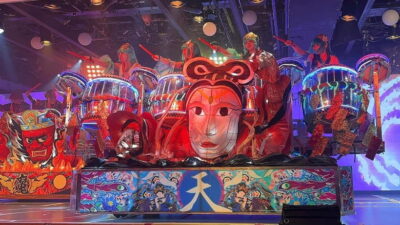 ★ 4.5Tokyo: Samurai Restaurant Show Ticket with 2 DrinksFrom $551h 30m
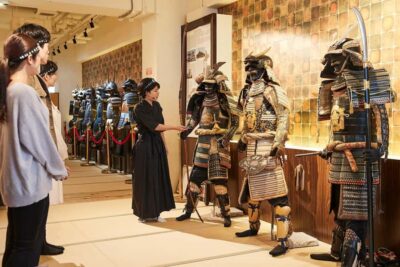 ★ 4.6Tokyo: Samurai Ninja Museum Guided tour and ExperienceFrom $27
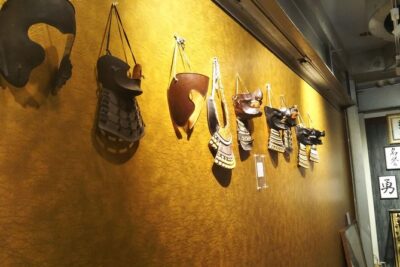 ★ 5.0Skip the lines Basic Ticket at SAMURAI NINJA MUSEUM TOKYOFrom $28
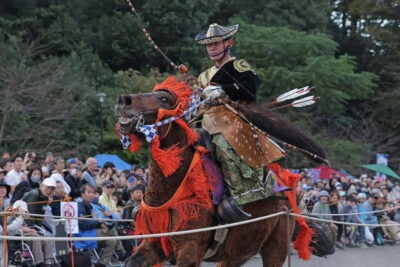 ★ 5.0Tokyo: Authentic Samurai Training at a DojoFrom $211
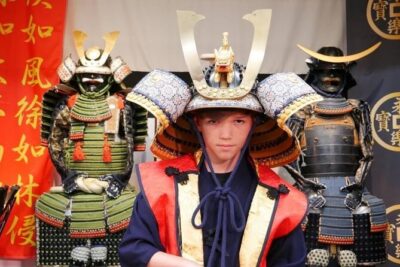 ★ 5.0Best Samurai Experience in TokyoFrom $65
 ★ 4.6Tokyo: Legend Samurai Entertainment Night in Kanda ShrineFrom $44