Reviewed · HISTORICAL TOURS
Edo Tokyo Small-Group Tour: History, Culture & Local Experiences
Tokyo’s old Shitamachi district gives this tour its real appeal. In four hours, you move from a dramatic Buddhist fire display to a Shinto shrine, a life-sized Edo street, a traditional sweet shop, and a quiet garden with a pond. It is a useful way to see several sides of old Tokyo without spending the day inside museums.
In This Article
- Key points to know before booking
- Why this tour works for understanding Edo Tokyo
- Starting at Monzen-nakacho Station
- Fukagawa Fudodo and the one-hour fire display
- Tomioka Hachimangu and its sumo connection
- Fukagawa Edo Museum and life-sized streets
- A traditional sweet shop in Koto
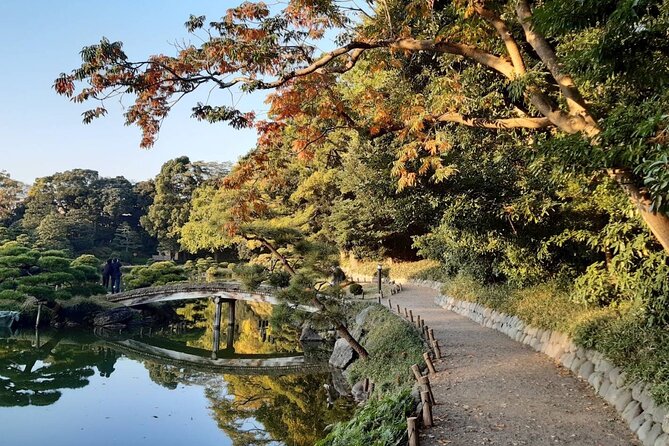
- Kiyosumi Teien, a quiet finish by the pond
- How the small group changes the experience
- Who will get the most from this outing
- Price, timing, and practical details
- Should you book the Edo Tokyo Small-Group Tour?
- FAQ
- How long is the Edo Tokyo Small-Group Tour?
- Where does the tour start?
- Where does the tour end?
- How many people can join the tour?
- Is lunch included?
- What happens if the tour is canceled because of weather?
I like the small maximum of seven people, which keeps the walking tour personal and makes it easier to ask questions. I also like the mix of places: Sandra, the guide named in the experience details, brings history to life for families and adults alike, while the sweets and garden keep the day from feeling like a lecture.
The main consideration is pace. The tour covers five stops in about four hours, and the fire display takes a large share of the morning. If you prefer long, unhurried visits at each site, this outing may feel tightly planned.
Key points to know before booking
- A rare look at an Edo-period fire ceremony: The visit to Fukagawa Fudodo includes a spiritual fire display connected with Japanese religious practice.
- A maximum of seven people: The small group suits anyone who wants direct contact with the guide rather than a large walking crowd.
- A life-sized Edo neighborhood: Fukagawa Edo Museum recreates streets and homes from the period, making daily life easier to picture.
- A taste of old-fashioned Japan: A traditional sweet shop adds a simple food stop to the history lesson.
- A calm finish at Kiyosumi Teien: The tour ends beside a pond and tea house in one of Tokyo’s classic gardens.
- A walk from Monzen-nakacho to Kiyosumi: You start at Monzen-nakacho Station at 10:00 a.m. and finish at Kiyosumi Gardens, not back at the starting point.
Why this tour works for understanding Edo Tokyo
Tokyo can feel like a city of glass towers, packed train stations, and bright signs. This experience takes you into a quieter historical pocket, where temples, shrines, old neighborhoods, food traditions, and garden design help explain how Tokyo developed before the modern city took shape.
The tour does not focus on one grand monument. Instead, it links several smaller experiences. That is its strength. You see religion at Fukagawa Fudodo, Shinto tradition at Tomioka Hachimangu, ordinary life at Fukagawa Edo Museum, local sweets in Koto, and formal garden design at Kiyosumi Teien.
I find this approach more useful than simply walking past old buildings with no context. The guide connects the stops and explains how they fit into life during the Edo period. Sandra is described as especially good with children, using facts and stories to keep younger family members involved. That matters if you are planning a day that needs to work for both adults and kids.
The tour has a listed price of $48.99 per person. For four hours, entrance fees, a small group, and a guide-led route, that is a fair price if you want cultural context rather than just independent sightseeing. You are paying for the structure and interpretation, not for lunch or a long private tour.
Other historical tours in Tokyo

Starting at Monzen-nakacho Station
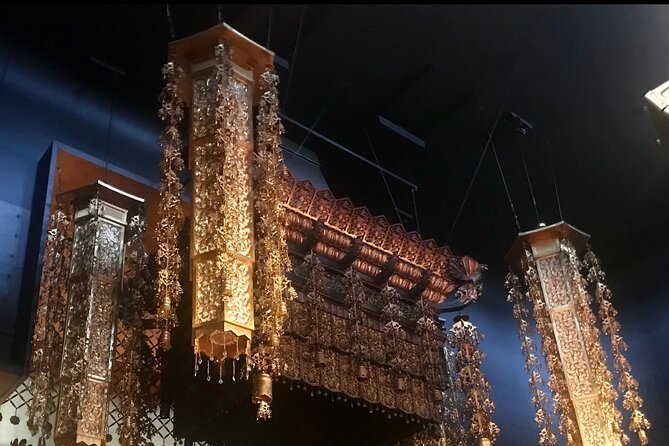
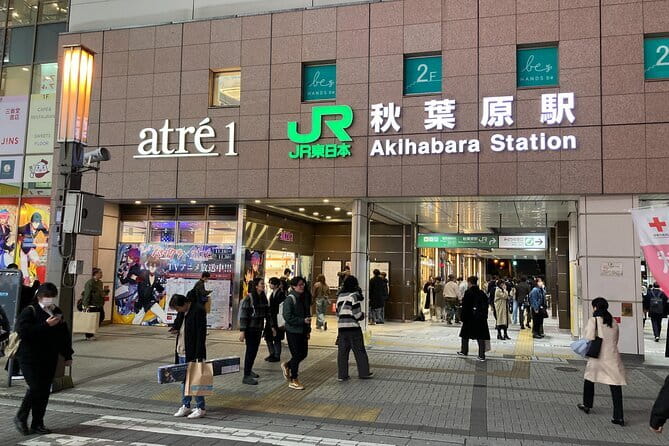
The meeting point is Monzen-nakacho Station, at 2 Chome-4 Monzennakacho in Koto City. The start time is 10:00 a.m., giving you a manageable morning beginning rather than a dawn departure.
Because the tour ends in a different part of Koto, I would treat it as a one-way neighborhood walk. Do not plan to return to the starting station immediately after the final stop without checking your route. The end point is Kiyosumi Gardens, at 3-chome-3-9 Kiyosumi.
The route is near public transportation, which makes it practical for a day of sightseeing. A mobile ticket is provided, and confirmation is sent within 48 hours of booking if space is available. The group can have no more than seven people, but the experience also requires a minimum number to operate.
Fukagawa Fudodo and the one-hour fire display
The first stop is Fukagawa Fudodo, where you see a spiritual fire display associated with the Japanese Edo period. The visit lasts about 1 hour and 20 minutes, making it the central experience of the morning.
This is the most distinctive part of the route. Many city tours show you a temple from the outside, explain a little, and move on. Here, the fire ceremony gives you a stronger sense of living religious practice. The display is described as stunning and dramatic, but you should also expect a serious spiritual setting rather than a staged entertainment show.
That distinction is important. You can enjoy the visual power of the fire while remembering that this is connected with worship. A guide is especially useful here because the ceremony may raise questions about Buddhist customs, symbolism, and the role of temples in daily life.
The long visit also shapes the day. If fire rituals and Japanese religious culture are high on your list, the time is well spent. If your main goal is architecture or shopping, you may find the first stop takes more time than expected.
Admission is included, so there is no extra entrance charge at this point. The tour description also indicates that the visit is weather dependent, so keep that in mind when arranging a tightly scheduled Tokyo stay.
Tomioka Hachimangu and its sumo connection
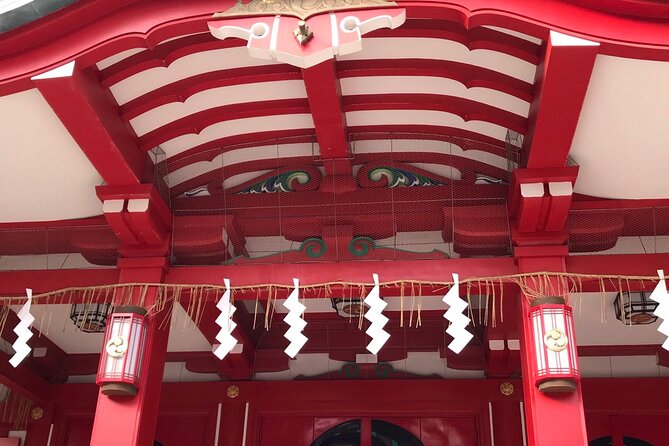
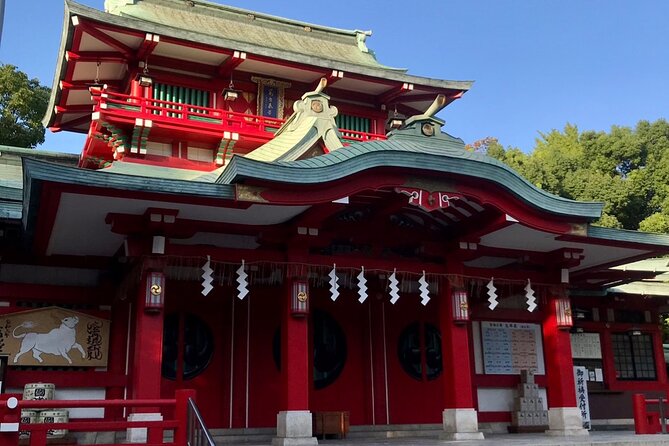
After Fukagawa Fudodo, the tour moves to Tomioka Hachimangu, a Shinto shrine established in 1627. The visit lasts about 30 minutes and includes a look at memorial stones connected with sumo.
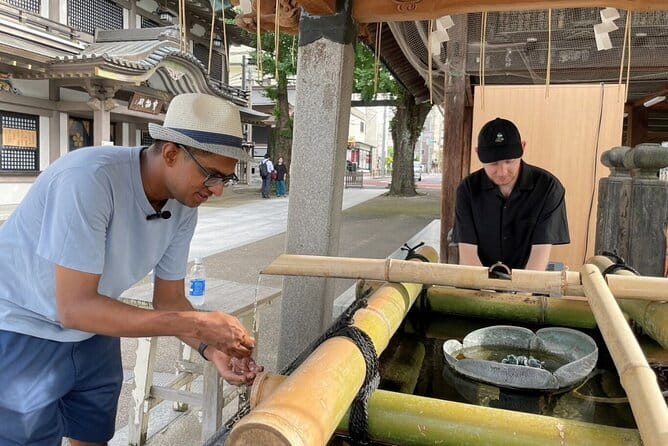
This stop gives the day a useful contrast. Fukagawa Fudodo represents Buddhist practice, while Tomioka Hachimangu introduces Shinto tradition. You do not need a background in Japanese religion to appreciate the difference. The guide can help you notice how the two traditions appear in the same city and how shrines function as places of memory and community.
The sumo memorial stones are a particularly good detail. Sumo is often presented to visitors as a modern sporting spectacle, but memorials connect it with older customs and local identity. The shrine’s long history also gives the guide a natural opening to explain how Tokyo’s neighborhoods changed over time.
Thirty minutes is enough for an introduction, but not a full shrine study. You will want to listen closely and use the time well. The stop includes admission, so you do not need to budget a separate fee.
Fukagawa Edo Museum and life-sized streets
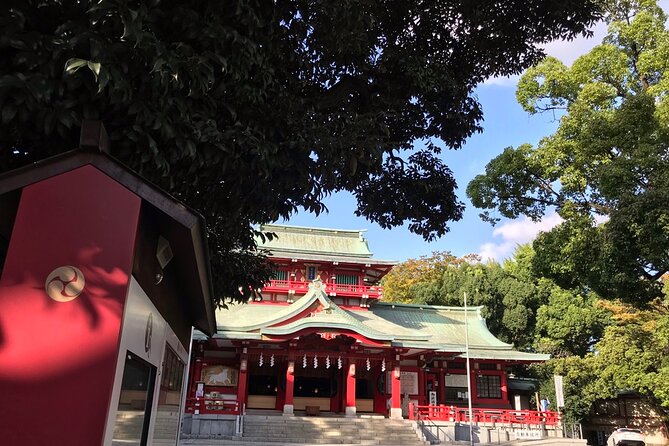
The tour then reaches Fukagawa Edo Museum for about an hour. The museum recreates streetscapes from the Edo period at full scale, allowing you to walk through scenes that represent everyday life rather than simply viewing small objects in glass cases.
This is likely the most accessible history stop for families. A written timeline can tell you when Edo existed, but a life-sized street helps you picture where people lived, worked, and gathered. The setting turns abstract history into something easier to grasp.
I especially like the balance between the religious sites and this museum. Temples and shrines show ceremonial life. The museum focuses on the ordinary world around them. Together, the stops give you a fuller picture of Edo culture than either type of visit would provide alone.
The information describes the museum as being at Fukagawa Library, and admission is listed as free within the tour details. Since the tour schedule allows about an hour, you get enough time to look around without turning the morning into a museum marathon.
One practical point: the museum is an indoor stop, while the rest of the route includes outdoor walking. That makes the day varied, but you should still dress for the weather because the tour depends on good conditions.




A traditional sweet shop in Koto
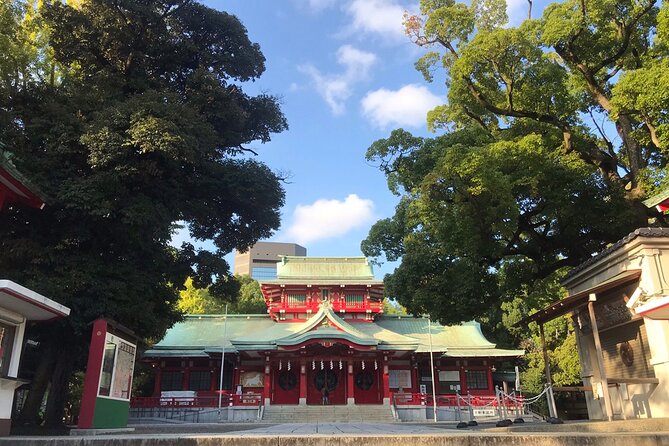
The sweet shop visit takes about 20 minutes. It is a small stop, but it adds a welcome taste of local life.
Traditional sweets can seem minor beside a temple or museum, yet food often makes cultural history easier to remember. An old-fashioned shop gives you a chance to see a long-running everyday tradition rather than another formal attraction. You get a short break, a taste of Japan, and a more personal sense of the neighborhood.
Do not expect this to replace lunch. Lunch is not included, and the stop is brief. If you need a full meal during the outing, plan ahead or eat before the 10:00 a.m. start. The tour is designed around several short cultural encounters, not a long restaurant visit.
Because the sweet shop is included as part of the route rather than presented as a major food tour, the exact item and amount are not specified. You should regard it as a tasting opportunity, not a guaranteed meal or a broad sampling of Tokyo cuisine.
Kiyosumi Teien, a quiet finish by the pond
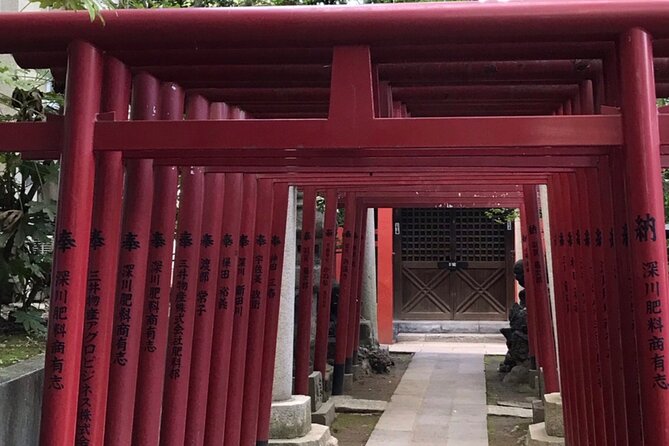
The final stop is Kiyosumi Teien, a classic Japanese garden with a tea house and pond. The visit lasts about 45 minutes, and the tour ends at Kiyosumi Gardens.
This is a smart ending. After the fire display, shrine visit, museum streets, and sweet shop, the garden slows the pace. You can look at the pond, enjoy the designed views, and let the day’s historical details settle.
The garden also shows another side of Japanese culture. Edo was not only temples, commerce, and neighborhood streets. It also valued careful garden design, quiet spaces, and the changing view from a walking path. The tea house adds to that traditional setting, even though the tour details do not promise a tea ceremony.
Forty-five minutes gives you time to appreciate the garden without making the stop drag. Since the tour finishes here, you can continue your own sightseeing afterward or use public transportation from the Kiyosumi area. The separate end point is useful if you want to build a full day around eastern Tokyo.
How the small group changes the experience
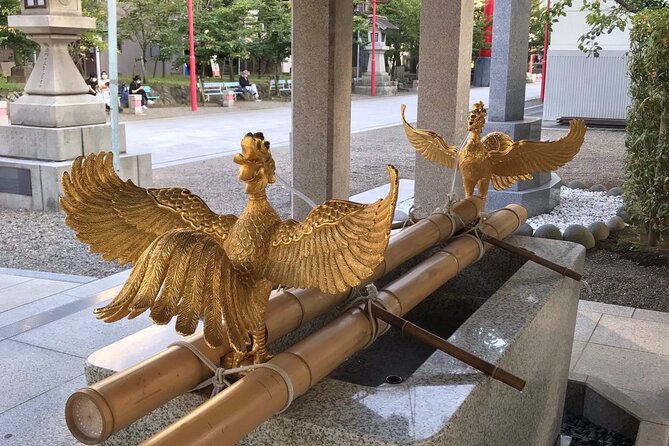
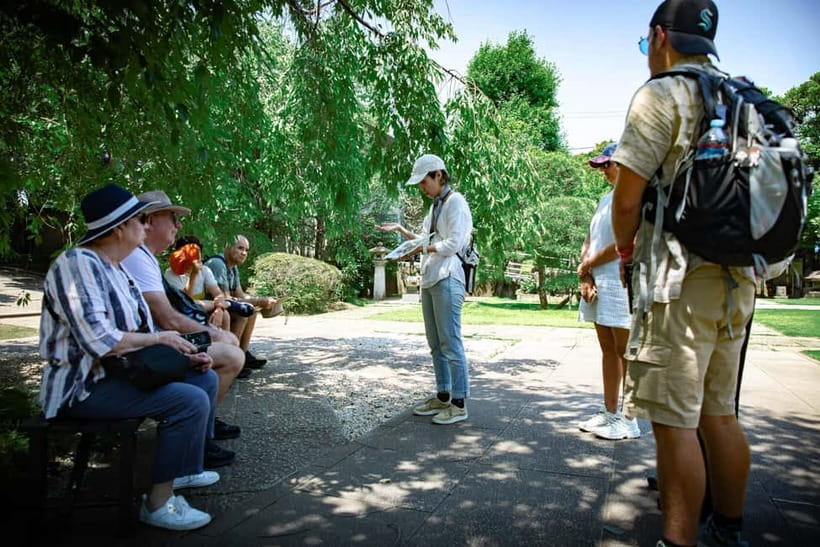
The maximum of seven people is one of the strongest practical features. A group this size is easier to manage on city streets and more comfortable at religious sites, museum exhibits, and small shops.
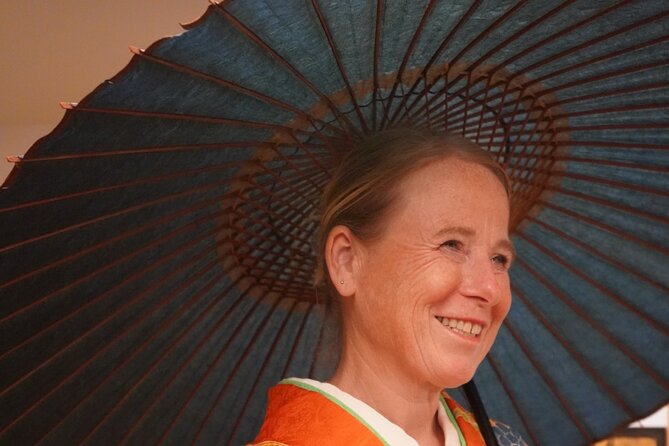
You also have a better chance to ask about details that catch your attention. Sandra is described as patient and engaging with children, and her explanations include fun facts that help keep a mixed-age group interested. Another account describes her enthusiasm for Japanese culture and her ability to explain the Shitamachi area clearly.
The small size does not guarantee a private tour. You are still sharing the guide, and the experience may depend on the minimum number needed to run. Still, it offers a more personal setting than a large coach or crowded walking group.
The experience has a 5.0 rating based on 11 published ratings, with 100 percent recommending it. That is a strong signal, though the sample is small. I would place more weight on the consistent themes: personal guiding, clear explanations, family appeal, and the unusual fire ceremony.
Who will get the most from this outing
I would recommend this tour to first-time visitors who want historical background but do not want to spend an entire day in formal museums. It also suits repeat visitors who have already seen central Tokyo and want a different side of the city.
Families should consider it because the route changes often. Children get a fire display, shrine stones, life-sized streets, sweets, and a garden instead of four straight hours of adult-oriented commentary. Sandra’s reported patience with children is another reason this may work well for a family group.
History fans will appreciate the Edo focus, especially at Fukagawa Edo Museum. People interested in religion will value the contrast between Fukagawa Fudodo and Tomioka Hachimangu.
You may want to skip it if you mainly want shopping, modern architecture, nightlife, or a food-centered outing. The route is cultural and historical from beginning to end. It also includes enough walking and outdoor time that comfortable shoes and weather-appropriate clothing make sense.
Price, timing, and practical details
At $48.99 per person, the tour offers a reasonable half-day package. All listed fees and taxes are included, along with admission for the included attractions. Lunch is not included, and the sweet shop visit should not be treated as a meal.
The outing lasts approximately four hours. The schedule adds up to about 3 hours and 55 minutes at the five stops, leaving little spare time for delays. That can be a benefit if you want a clear plan, but it means you should not expect long unscheduled breaks.
Service animals are allowed, and most people can participate. The experience is near public transportation, starts at Monzen-nakacho Station, and ends at Kiyosumi Gardens.
Free cancellation is available up to 24 hours before the start time. A cancellation inside that window is not refunded, and late changes are not accepted. If poor weather cancels the outing, you are offered another date or a full refund. The same applies if the minimum number is not reached.
Should you book the Edo Tokyo Small-Group Tour?
Book it if you want a compact, guided introduction to old Tokyo built around real places and daily traditions. The fire display and life-sized Edo streets are the strongest reasons to choose it, while the small group and garden finish make the route easier to enjoy.
I would especially choose it for a family, a first visit to Tokyo’s eastern neighborhoods, or anyone who wants a guide to explain what they are seeing. Skip it if you need a relaxed pace, a full lunch stop, or a tour centered on modern Tokyo.
For roughly $49, this is a good-value half-day when you want context, variety, and a personal guide rather than a checklist of famous sights.
FAQ
How long is the Edo Tokyo Small-Group Tour?
The experience lasts approximately four hours.
Where does the tour start?
It starts at Monzen-nakacho Station, at 2 Chome-4 Monzennakacho, Koto City, Tokyo. The start time is 10:00 a.m.
Where does the tour end?
The tour ends at Kiyosumi Gardens, at 3-chome-3-9 Kiyosumi, Koto City, Tokyo.
How many people can join the tour?
The tour has a maximum of seven participants.
Is lunch included?
No. Lunch is not included, although the route includes a visit to a traditional sweet shop.
What happens if the tour is canceled because of weather?
You are offered a different date or a full refund if poor weather causes the tour to be canceled.
More Historical Tours in Tokyo
More tours in Tokyo we've reviewed





Historical Tours, compared.
 ★ 4.9Tokyo: Imperial Palace Japanese History Walking TourFrom $32
 ★ 5.0Yanaka Walking Tour: Historic and Traditional District of TokyoFrom $72
 ★ 5.0Tokyo: Shinjuku Historical Walking Tour & Secret BackstreetsFrom $25
 ★ 4.5Mt. Fuji Heritage Tour: Traditional Villages, Lakes & ShrineFrom $5010 hours
 ★ 4.9Tokyo: The Best of Izakaya in Shinjuku Food & Cultural TourFrom $1293 hours
 ★ 5.0Yanaka Historical Walking Tour in Tokyo’s Old TownFrom $81