Reviewed · TSUKIJI MARKET TOURS
Tokyo: Tsukiji Market Guided Tour & Sushi-Making Experience
Tsukiji is best understood on foot, one narrow lane and seafood counter at a time. This 225-minute experience pairs that lively market walk with a hands-on sushi class, so you see where ingredients are sold before learning how to handle them yourself. The market visit and three-style sushi lesson are the real draw.
In This Article
- Key points to know before booking
- Starting at Tsukiji Hongwanji Temple
- Walking through the seafood lanes
- Why the guide matters at Tsukiji
- From Tsukiji to the sushi kitchen near Tokyo Tower
- Making nigiri, hosomaki, and gunkanmaki
- The meal is part lesson, part compromise
- Is $177 a fair price?
- Who will enjoy this experience most?
- Should you book the Tsukiji and sushi class?
- FAQ
- Where does the tour meet?
- How long does the experience last?
- What languages are available?
- What kinds of sushi will I make?
- Is transportation included?
- Are ingredients provided?
- Can dietary restrictions be accommodated?
- Is the tour wheelchair accessible?
I like the small group, capped at 10 people, and the public transport ride from Tsukiji to a modern kitchen near Tokyo Tower. I also like that the lesson covers nigiri, hosomaki, and gunkanmaki instead of stopping at one basic roll. The main caution is value: at $177 per person, this is a costly way to explore Tsukiji, especially if you expect to select or buy the fish used in your meal.
Key points to know before booking
- Tsukiji Outer Market comes first: Walk through seafood counters, produce stalls, dried goods shops, and narrow market lanes with an English-speaking guide.
- You make three kinds of sushi: The class covers hand-shaped nigiri, thin hosomaki rolls, and nori-wrapped gunkanmaki.
- The group stays small: A maximum of 10 participants gives you a better chance to follow the instructor and get help.
- Transportation is part of the plan: Public transport from Tsukiji to the sushi kitchen is included, but hotel pickup and drop-off are not.
- The fish quality may disappoint serious sushi fans: One detailed account found the sushi fish underwhelming, so do not book this solely for a top-end meal.
- The market visit is a tour, not a guaranteed shopping session: The description presents a walk through the market, but you should not assume you will purchase tuna or choose the fish for your class.
Starting at Tsukiji Hongwanji Temple
You meet your guide at the entrance to Tsukiji Hongwanji Temple, only about 30 seconds from Exit 1 of Tsukiji Metro Station on the Hibiya Line. This is a useful meeting point because it is easy to identify and close to the market, but give yourself enough time to reach the temple without rushing.
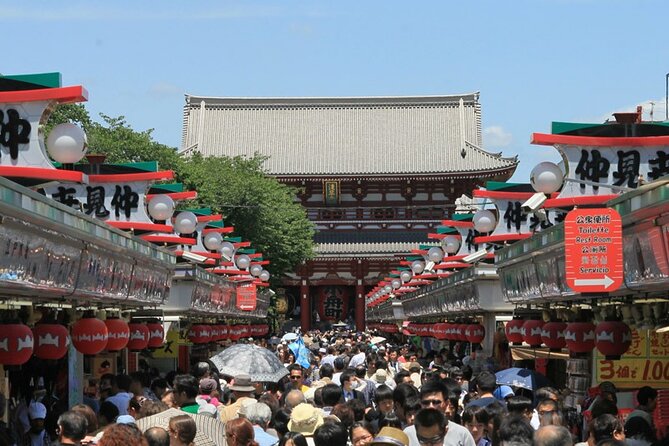
The tour begins in Tsukiji Outer Market, the part of the old market district that remains open to shoppers and food businesses. The wholesale market moved to Toyosu in 2018, but Tsukiji Outer Market still has the tight lanes, specialist stores, and food-centered energy that make the area worth visiting.
I like starting here rather than meeting inside a restaurant. You begin with the setting that shaped Tokyo’s seafood culture, then move to the cooking lesson with a better sense of where Japanese cooks buy ingredients. The temple also gives you a calm, clear landmark before the group enters the denser market streets.
Wear comfortable shoes. The walk takes place through market lanes, and the experience is not designed as a leisurely seated activity. The information says the tour is wheelchair accessible, yet it also lists people with mobility impairments as unsuitable for the activity. That conflict is worth clarifying with the operator before you reserve.
A few more Tokyo tours and experiences worth a look

Walking through the seafood lanes
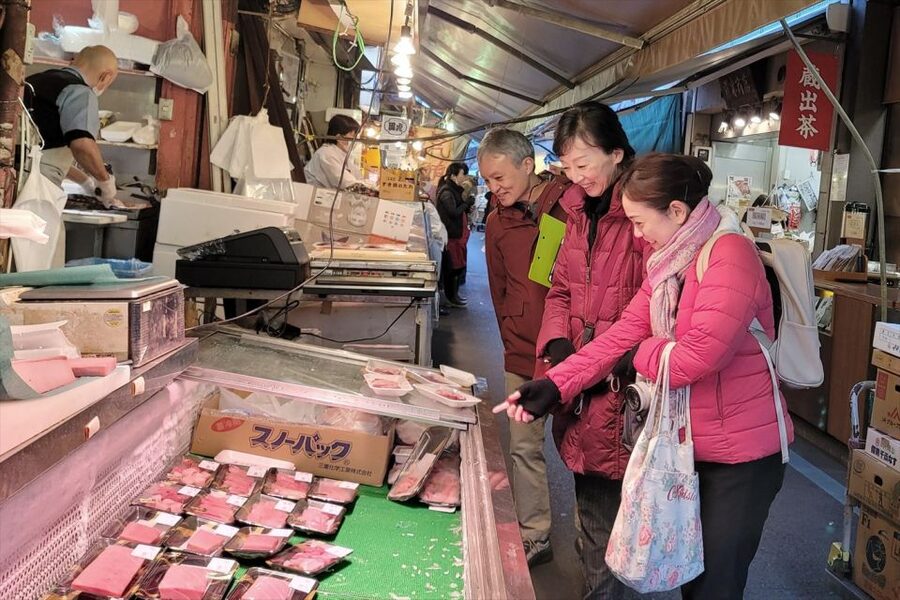
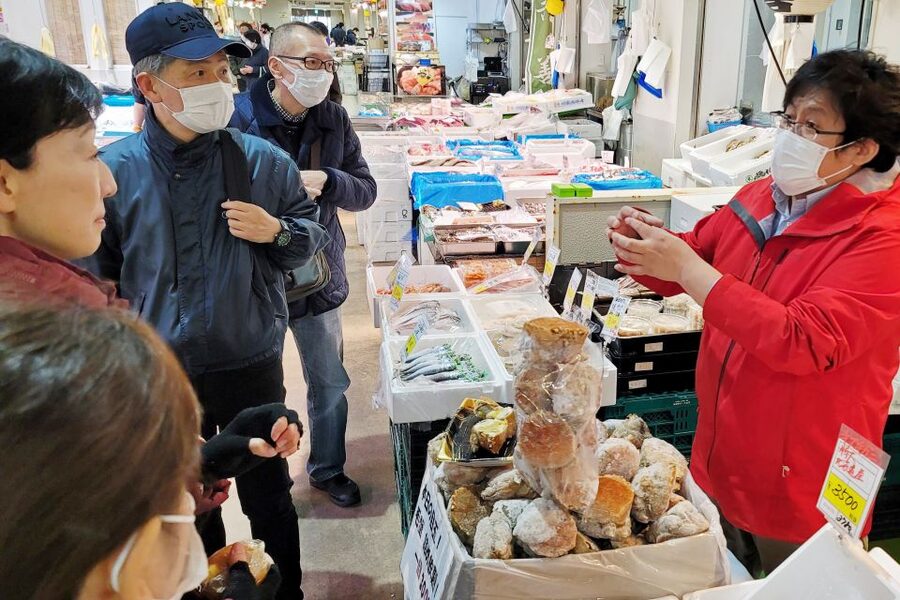
Tsukiji Outer Market is a place for looking closely. You may pass displays of freshly sliced sashimi, dried seaweed, tuna, fruit, vegetables, and other cooking supplies. The appeal is not one grand attraction. It is the steady change of sights and smells as you move between specialist shops.
Your guide explains the area’s past and points out stores used by high-end chefs. The tour also takes you through narrow alleys where merchants are working, which gives the market walk more purpose than simply wandering with a camera. You learn what different shops sell and how the market serves professional kitchens as well as ordinary shoppers.
The tuna focus sounds especially appealing. The supplied details describe hunting for freshly caught tuna and visiting places where top chefs shop. However, you should set your expectations carefully. A detailed account of the experience said the group only walked through the market and did not select or buy fresh fish for the sushi class, despite wording that suggested otherwise.
That distinction matters. If you want an introduction to the market, this walk can be useful. If your main goal is to choose a tuna cut, watch a purchase, or use market fish in your own sushi, you should confirm that point before paying. The market portion is best treated as a guided orientation, not a private seafood-shopping trip.
Why the guide matters at Tsukiji
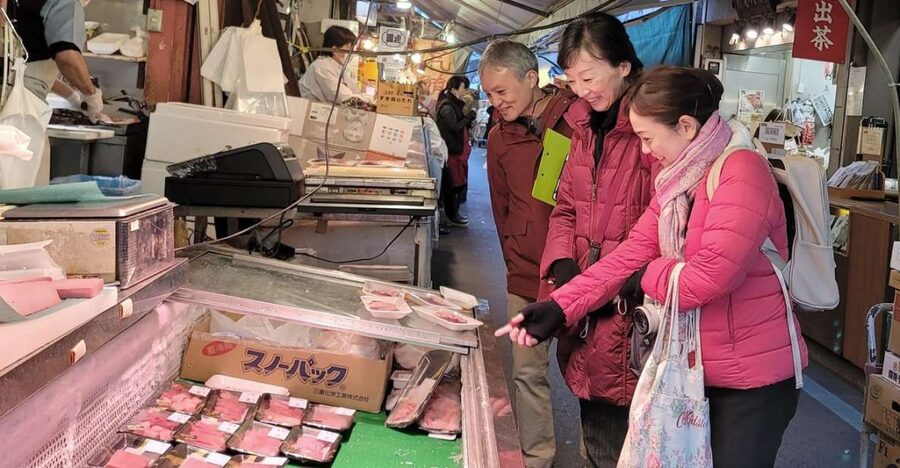
A guide adds value here because Tsukiji is easy to enter but harder to understand. You can walk the lanes for free, yet you may not know which products matter, how the district developed, or where the professional trade happens.
The English-speaking, nationally licensed guide provides that context. You can ask questions as you go, and the small group should make it easier to hear explanations in crowded areas. The guide also keeps the tour moving, which is useful when the market is full and the lanes are not built for large groups.
The strongest praise for this experience centers on the people leading it. The guides are described as friendly and helpful, and the sushi instructor is singled out as fun. That human element may be more important than the food itself. A good guide can turn a simple market walk into a clearer picture of Japanese food culture.
Still, no guide names are provided, so you cannot choose a particular guide when booking. The quality of the experience may depend on who leads your departure.
From Tsukiji to the sushi kitchen near Tokyo Tower
After the market visit, you use public transportation to reach a state-of-the-art kitchen near Tokyo Tower. The transport is included, which keeps the group together and removes the need for you to find the cooking venue on your own.
This change of setting gives the experience a useful rhythm. Tsukiji supplies the sights, sounds, and smells. The modern kitchen supplies clean work surfaces, organized instruction, and the space to practice without blocking a market lane.
The transfer does take time from the 225-minute schedule, so this is not a full morning or afternoon spent only at the market or only at the stove. The duration is approximate and can change based on the number of participants. If you value a relaxed pace, keep that flexibility in mind.
Hotel pickup and drop-off are not included. You meet at the temple and finish at the kitchen area near Tokyo Tower, so you should plan the rest of your day around that arrangement. The attraction is central, but the tour does not provide a private vehicle.
Making nigiri, hosomaki, and gunkanmaki
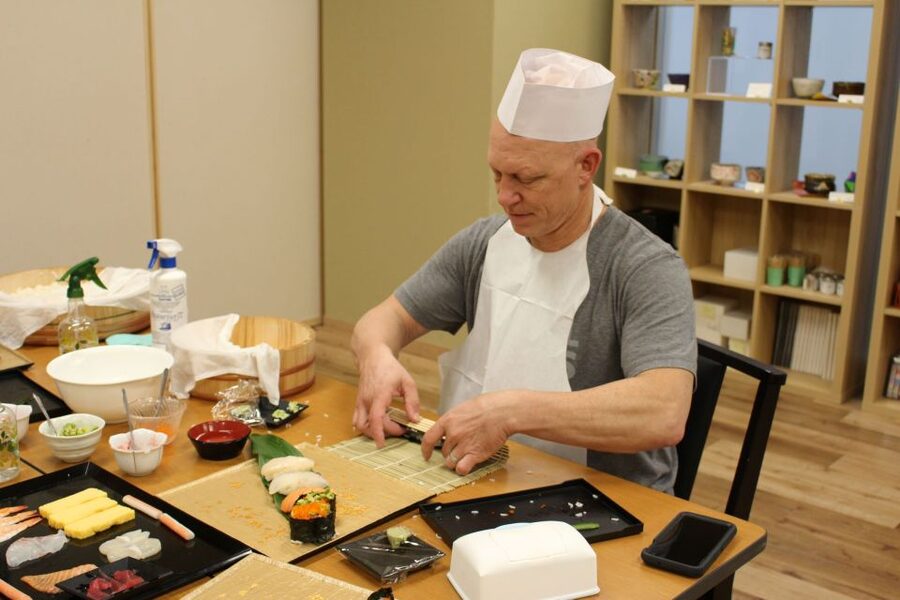
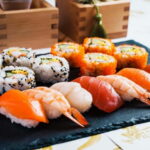
The cooking class covers three recognizable sushi forms. Nigiri is the traditional hand-shaped piece of rice topped with fish. Hosomaki is a thin sushi roll. Gunkanmaki uses nori seaweed around the rice, leaving space for a soft topping.
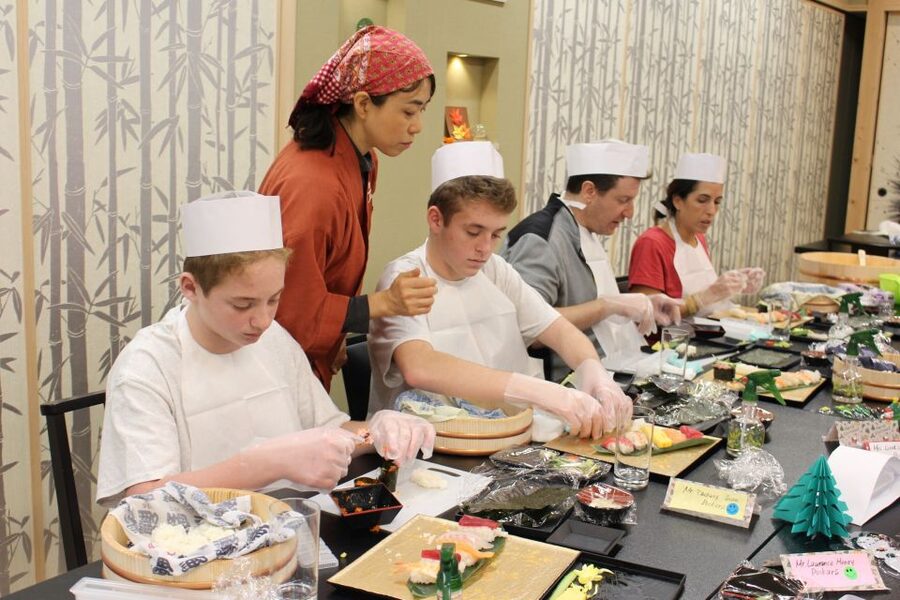
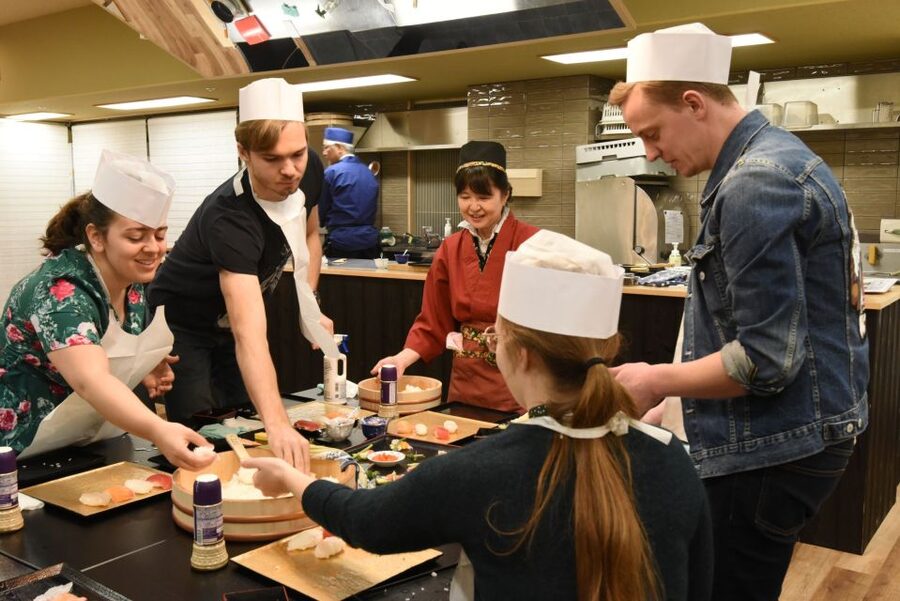
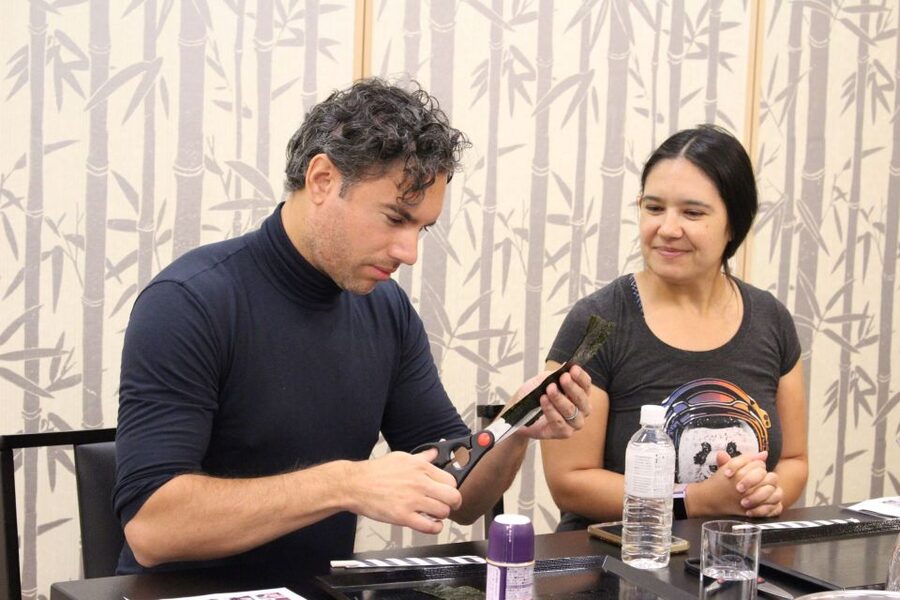
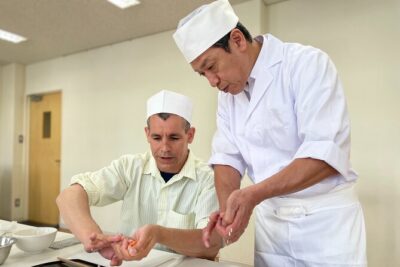
This range makes the class more worthwhile than a simple roll-making demonstration. You practice different ways to handle rice, seaweed, toppings, and presentation. The instructor first explains the food’s background and hygiene techniques, then shows you how to work under supervision.
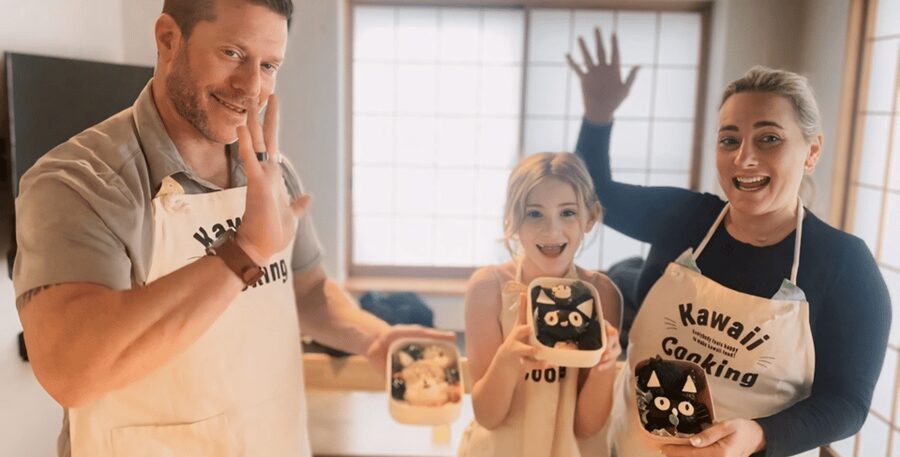
You make the sushi yourself rather than watching a chef do everything. That is the heart of the experience, and it also means the finished meal will depend partly on your own technique. The class is suited to beginners who want a clear introduction, not to experienced sushi makers seeking advanced knife work or professional training. No advanced skill level is required in the information provided.
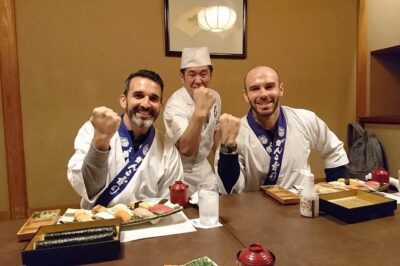
Ingredients are included, and you sit down to eat what you make. A sushi souvenir kit is also included, giving you a small reminder of the lesson to take home. The exact contents of that kit are not specified, so do not book expecting a particular tool or recipe set.
Dietary restrictions and requirements can usually be accommodated. Tell the operator in advance rather than waiting until you arrive. The wording says most needs can be handled, not all of them, so you should confirm any serious allergy or strict dietary rule before booking.
A few more Tokyo tours and experiences worth a look
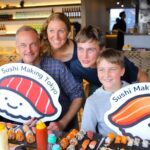
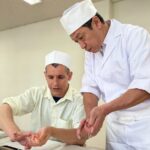
The meal is part lesson, part compromise
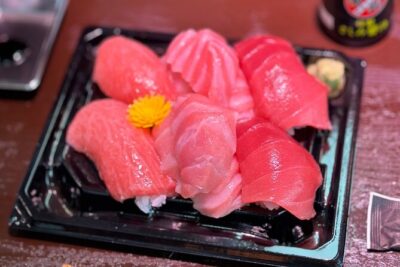
This is not presented as a premium sushi tasting. It is a class in which you learn, assemble, and eat. That difference is important when you compare the $177 price with a restaurant meal.
One detailed account found the fish quality disappointing and called the finished sushi the weakest part of the experience. The fact that you prepare the sushi yourself is part of the fun, but it does not solve a problem with the ingredients. If you have already eaten excellent sushi in Japan, you may judge the meal more harshly.
I would book this for the market context and the hands-on instruction, not for the promise of a memorable sushi dinner. If your priority is the finest fish for your money, a meal at a good sushi restaurant may offer better value. If you want to learn the basic forms and take part in the process, the class gives you something a restaurant cannot.
The dining etiquette portion adds a useful cultural note. You are introduced to Japanese table manners before sitting down to eat. It is a small part of the schedule, but it helps connect the food lesson with the way sushi is served and enjoyed.
Is $177 a fair price?
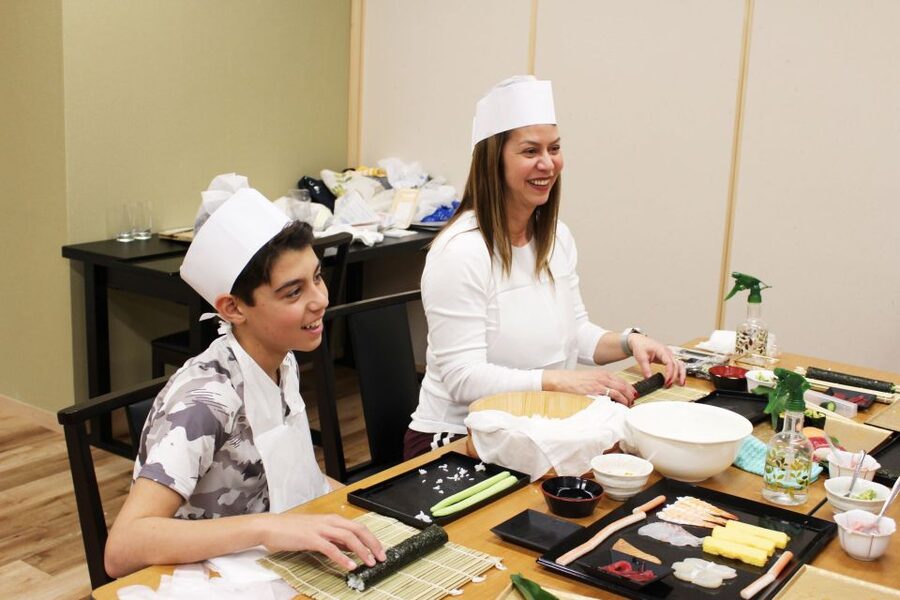
At $177 per person, this is an expensive half-day activity. You are paying for a licensed English-speaking guide, a small group, transport from Tsukiji, a licensed instructor, ingredients, the meal you make, and a souvenir kit.
The market itself does not require an admission fee, so the price is not justified by access alone. You can also visit Tsukiji Outer Market without joining a tour. The value comes from having the district explained to you and then moving into a structured class without arranging the pieces yourself.
For a first visit to Tokyo, that convenience may be worth the cost. You get two connected activities in one booking, and the group size is limited to 10. The experience also works well for families with older children, couples, and small groups of friends who want an activity rather than another restaurant reservation.
For a food-focused visitor who already knows Tsukiji or who cares most about fish quality, the price is harder to defend. The market walk can be done independently, and the food may not match what you could order at a strong sushi restaurant for a similar amount.
The free cancellation policy allows you to cancel up to 24 hours before the start for a full refund. You can also reserve and pay later, which helps if your Tokyo schedule is still changing.
Who will enjoy this experience most?
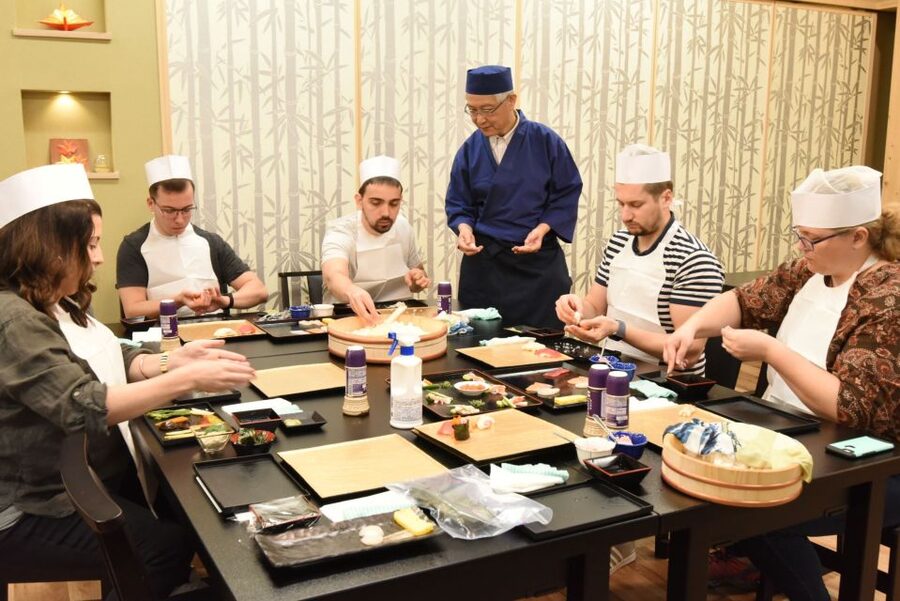
I see this as a good fit for you if you want a guided first look at Tsukiji and prefer learning by doing. The combination keeps the day active without requiring you to plan market stops, transport, and a cooking class separately.
It also suits anyone curious about sushi structure. Making three forms gives you more to remember than simply rolling one type of maki. The instructor’s friendly style, as described in the available feedback, is another reason the class may work well for people who want a relaxed, social activity.
You may want to skip it if you have a short Tokyo visit and need the best possible use of every hour. The 225-minute schedule is a significant block of time, and the market section may feel too brief if you want to shop carefully. It may also disappoint you if you expect to pick the tuna yourself or if premium fish is the main reason you are booking.
People with mobility concerns should ask for a precise description of the walking route and kitchen access. Babies under 1 year are not suitable for the activity. The provider says the activity may be canceled in bad weather, so keep a little flexibility in your plans.
Should you book the Tsukiji and sushi class?
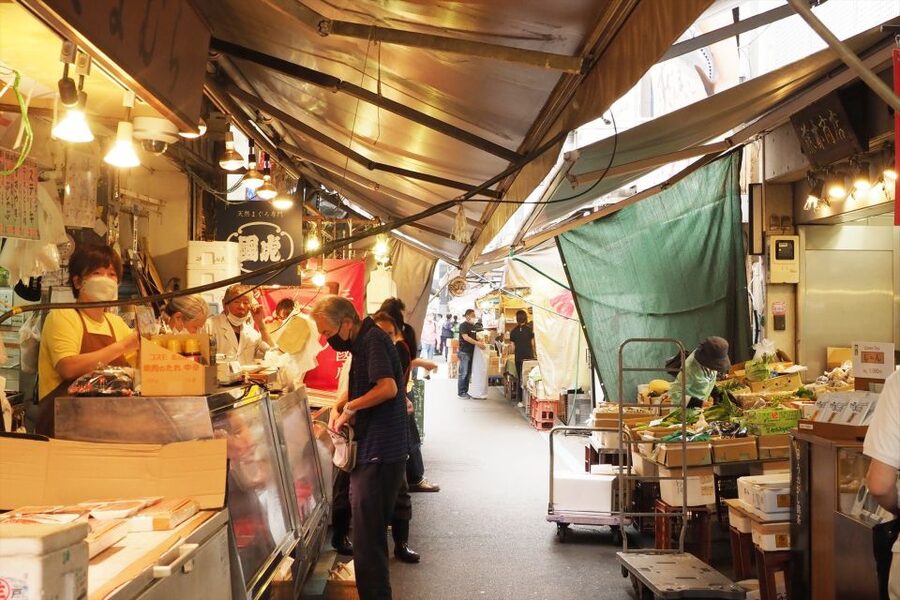
Book it if you want an organized introduction to Tsukiji plus practical sushi instruction and you value a small English-language group. The best parts are the market context, the three sushi styles, the friendly teaching, and the convenience of having transport and ingredients arranged.
Skip it if you want the cheapest market visit, a top-quality sushi meal, or a guaranteed chance to buy and select tuna. At $177, the experience needs to deliver more than lunch, and its real value lies in the guided learning rather than the fish on your plate.
My advice is simple: reserve this for the activity and the people, not for a luxury meal. Confirm the market-shopping details and any dietary or mobility needs before you pay. If those points match your expectations, it can be a lively and useful addition to a Tokyo itinerary.
FAQ
Where does the tour meet?
You meet your guide at the entrance of Tsukiji Hongwanji Temple. The entrance is about a 30-second walk from Exit 1 of Tsukiji Metro Station on the Hibiya Line.
How long does the experience last?
The stated duration is 225 minutes. The exact length can change depending on the number of participants.
What languages are available?
The tour is conducted in English with a live guide.
What kinds of sushi will I make?
You will learn to make nigiri, hosomaki, and gunkanmaki sushi.
Is transportation included?
Public transportation from Tsukiji to the sushi kitchen is included. Hotel pickup and drop-off are not included.
Are ingredients provided?
Yes. Sushi ingredients are included, along with the sushi-making experience and a sushi souvenir kit.
Can dietary restrictions be accommodated?
Most dietary restrictions and requirements can be accommodated. You should provide your needs in advance and confirm any strict allergy or dietary concern with the provider.
Is the tour wheelchair accessible?
The activity information says it is wheelchair accessible, but it also says the activity is not suitable for people with mobility impairments. Contact the provider before booking to clarify the walking route and access arrangements.
More Guided Tours in Tokyo


More Sushi Making Classes in Tokyo
More Tsukiji Market Tours in Tokyo
More tours in Tokyo we've reviewed




Tsukiji Market Tours, compared.
 ★ 5.0Tokyo Tsukiji Fish Market Food and Culture Walking TourFrom $99
 ★ 5.0Tokyo: Tsukiji Fish Market Food and Walking tourFrom $30
 ★ 4.9Tokyo: Tsukiji Fish Market Guided Walking TourFrom $222 hours
 ★ 5.0Tokyo Sushi Making Class in Tsukiji with Professional ChefFrom $49
 ★ 5.0Tsukiji Fish Market Guided Tour and Sushi Making with Pro ChefFrom $104
★ 4.7Tokyo: Tsukiji Fish Market Food and Culture Walking TourFrom $963 hours
★ 5.0Tsukiji Fish Market Guided Tour and Sushi Making with Pro ChefFrom $104
★ 4.7Tokyo: Tsukiji Fish Market Food and Culture Walking TourFrom $963 hours