Reviewed · CITY TOURS
Bonsai Tour & Experience at the Most Sacred City for Bonsai in JP
Saitama’s Bonsai City gives you a close look at an art that is easy to admire but harder to understand from behind a museum display. You visit working bonsai gardens, see trees cared for as living art, then practice pruning and shaping under guide Jun’s direction.
In This Article
- Key points to know before booking
- Why Bonsai City is worth the trip from Tokyo
- Meeting Jun at Toro Station
- Seeing the gardens and hundreds of bonsai trees
- The hands-on session at a neighborhood cafe
- What the guide adds to the experience
- How much value do you get for $55.52?
- Who will enjoy this most?
- Timing, meeting point, and small practical details
- The main tradeoff: a specialist outing outside central Tokyo
- Should you book this Bonsai-cho experience?
- FAQ
- Where does the bonsai tour start?
- What time does the tour begin?
- How long does the experience last?
- What is included in the price?
- Do I need to pay anything extra during the activity?
- What age group can participate?
- How many people can join the tour?
- Is the booking refundable or changeable?
I like the small maximum of 10, which leaves room for real questions. I also like the hands-on session, especially because Jun explains both the artistic choices and the practical work with tools and wire. The main drawback is location: the meeting point is at Toro Station in Saitama, not central Tokyo, and the tour price does not cover your cafe order or the 310-yen bonsai museum admission.
Key points to know before booking
- Bonsai-cho is a historic bonsai district: The area began about 100 years ago after the Great Kanto Earthquake and is home to five long-established bonsai gardens.
- Jun leads an unusually personal outing: He meets you at Toro Station, explains the area on the walk, and answers questions about bonsai and Japan.
- You see real nursery collections: The garden visit includes hundreds of high-quality bonsai pieces, not only a single demonstration tree.
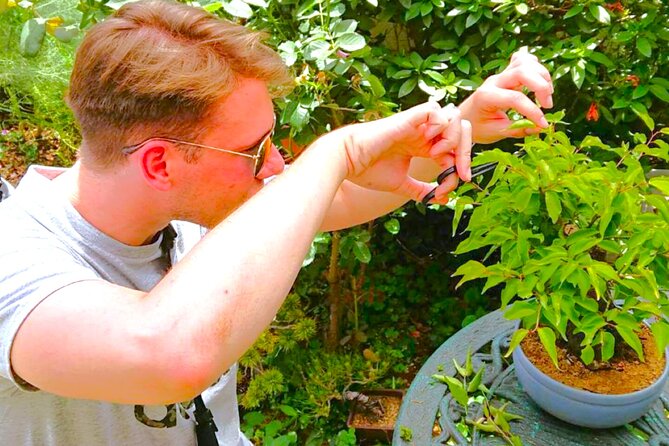
- The class is genuinely hands-on: You learn pruning and shaping techniques and use bonsai tools with the instructor’s guidance.
- The group is capped at 10 people: A smaller group makes it easier to ask about trimming, wire cutting, and tree care.
- Budget about 450 yen extra: The practical session takes place in a cafe, where you must order something. Museum entry, if you choose to go in, costs 310 yen.
Why Bonsai City is worth the trip from Tokyo
Bonsai-cho, translated simply as Bonsai City, was created by a group of bonsai gardeners after the Great Kanto Earthquake. Their settlement grew into a district devoted to the craft, with greenery, specialist nurseries, and five long-established bonsai gardens.
That setting gives the tour more weight than a basic workshop in a Tokyo shopping district. You are not just told that bonsai matters in Japan. You see the trees in a place where growers have tended them for generations and where the art remains part of daily work.
The meeting point is Toro Station, at 10:00 am. This is an important detail when planning your day. The experience is sold as a Tokyo outing, but the actual activity takes place in Saitama, north of central Tokyo. You will need to allow time to reach the station and return after the tour.
For me, that extra travel is justified if bonsai interests you. The point is not simply to make a miniature tree look neat. Bonsai expresses the beauty and severity of nature in a small container, using branches, roots, and careful shaping to suggest age and character. Bonsai City is a fitting place to see that idea in practice.
Other city tours we've reviewed in Tokyo


Meeting Jun at Toro Station
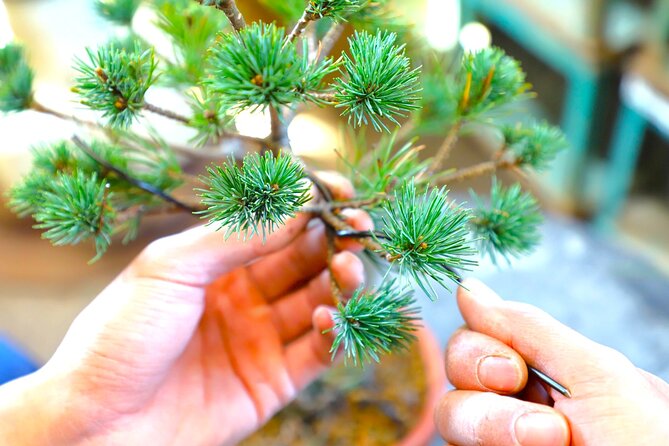
Your guide, Jun, meets you at Toro Station and leads you toward the bonsai area. The walk is useful from the start because it gives you a short introduction to the district before you begin looking closely at individual trees.
Jun’s role is central to the experience. He explains the background of Bonsai-cho, then responds to questions as the outing progresses. If you are new to bonsai, you can ask basic questions without needing prior knowledge. If you already care for trees at home, you can focus on technique and maintenance.
The small-group limit is a real advantage here. With no more than 10 people, the guide can point out details in the trees and give more direct help during the practical session. On one reported departure, the booking had only one participant, which shows that the group size may be much smaller than the advertised limit.
That flexibility matters during a bonsai lesson. Pruning is not a lecture topic you can fully understand from a distance. You need to see which branch is being considered, understand why it may be removed, and watch how the cut changes the tree’s shape. A crowded group would make that harder.
Seeing the gardens and hundreds of bonsai trees
The first main part is the sightseeing visit to an outdoor bonsai garden. You can expect to see many finished trees, including hundreds of high-quality pieces displayed at prominent bonsai nurseries.
This is where the art begins to make sense. A bonsai is not just a small tree in a pot. Its shape depends on years of care, and the arrangement of trunk, branches, foliage, and container affects the way you read it. Jun provides commentary so you can look beyond size and notice the choices that give each tree its character.
The visit also helps you understand the difference between a nursery and a formal museum. At a garden, the trees are connected to ongoing care and cultivation. You see examples that are being maintained, shaped, and presented as living works rather than fixed objects.
The tour description highlights an outdoor garden, and the area has five historic bonsai gardens. The exact garden sequence can vary, so you should not assume every one of the five is included in the 2.5-hour schedule. The experience does include a garden visit, and several accounts describe visits to two bonsai gardens, but the supplied details do not promise a fixed number.
The Bonsai Art Museum is another possible stop or add-on, but its 310-yen admission is not included. Think of it as a modest extra cost if the museum forms part of your plan. The garden visit and the museum serve different purposes: the garden shows bonsai in a working setting, while the museum can add formal context and displays.
The hands-on session at a neighborhood cafe

After seeing the trees, you move to the practical portion. The hands-on work takes place in a cafe, and you must order a drink or food item costing at least about 450 yen, roughly 3 US dollars.
This cafe arrangement keeps the session informal. You are not placed in a large classroom where the activity feels detached from the rest of the day. Instead, you can sit with the guide, handle the tools, and ask questions while working on the tree.
The lesson covers important maintenance skills, including pruning and shaping. The supplied details also point to wire cutting and trimming. These are basic actions, but they require judgment. Cut too much and you change the tree permanently. Leave too much and the shape may lose its purpose. Jun explains the process rather than simply handing you scissors and telling you to copy a model.
You also pay a tool usage fee as part of the tour price, so you do not need to arrange your own bonsai equipment for the class. The instructor provides guidance as you work. That makes this more useful than a sightseeing trip for anyone who wants to care for bonsai after returning home.
The cafe cost is easy to overlook. It is not a major expense, but the $55.52 tour price is not the full cost of the outing. Add your cafe order, possible museum entry, and transportation to and from Toro Station when comparing this with other Tokyo activities.
What the guide adds to the experience
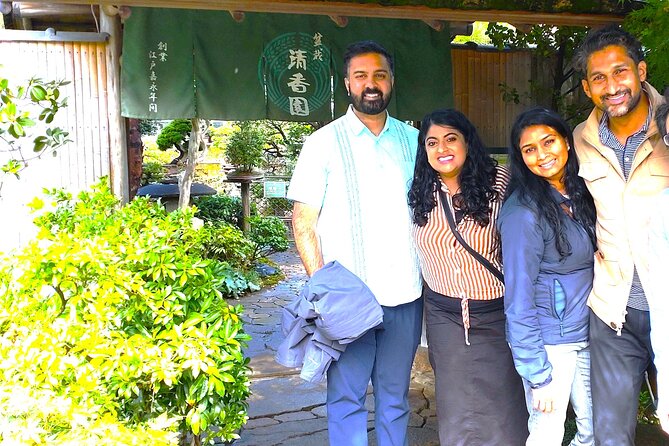
Jun receives especially strong praise for his explanations and patience. His value is not limited to naming trees or reciting dates. He discusses the history of bonsai, shows how to handle tools, and explains the reasoning behind pruning and shaping.
That personal approach is useful for mixed groups. One person may want to know about the cultural side of bonsai, while another may be more interested in wire cutting or trimming. Jun can move between those questions rather than forcing everyone through a rigid script.
He also answers questions about Japan in general. That can make the walk and garden visit feel more connected to the wider trip, especially if this is your first time outside central Tokyo. Still, the main subject remains bonsai, so you should book this for the craft rather than as a general Saitama sightseeing tour.
The guide’s attention is most valuable during the practical work. A tree can look simple until you must decide which branch to cut. Having an instructor explain the effect of a choice gives you a better sense of the patience involved. Bonsai is part art, part horticulture, and part long-term discipline. The class makes that clear.




How much value do you get for $55.52?
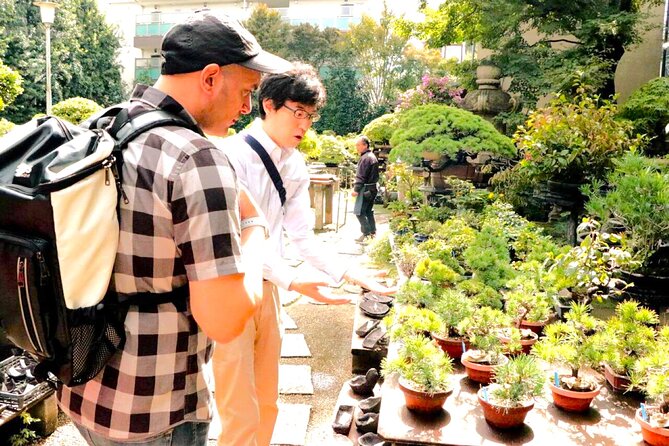
At $55.52 per person, this is priced above a basic drop-in craft activity, but the package includes more than the cafe lesson. You get a guide, a visit to a bonsai garden, interpretation of the trees, a small-group format, and use of bonsai tools during the practical session.
The garden visit is what helps justify the price. A short workshop alone might teach you how to trim a plant, but it would not show you hundreds of mature examples or place the craft in its historic district. Here, the sightseeing and the hands-on work support each other.
The value is strongest for three types of people:
- You are a bonsai beginner who wants a clear introduction before buying or caring for a tree.
- You already like bonsai and want to see important nursery collections in Bonsai-cho.
- You want a quieter, specialist activity outside the usual central Tokyo route.
The value is weaker if you only want a quick photo stop or a broad tour of Saitama. Two and a half hours is enough for a focused introduction, not a full study of every garden in the district. You also need to pay for your own cafe order and perhaps the museum.
The tour is booked around 30 days ahead on average, so planning early is sensible if your Tokyo dates are fixed. The group maximum is 10, and a small class can fill more quickly than a large bus excursion.
Who will enjoy this most?
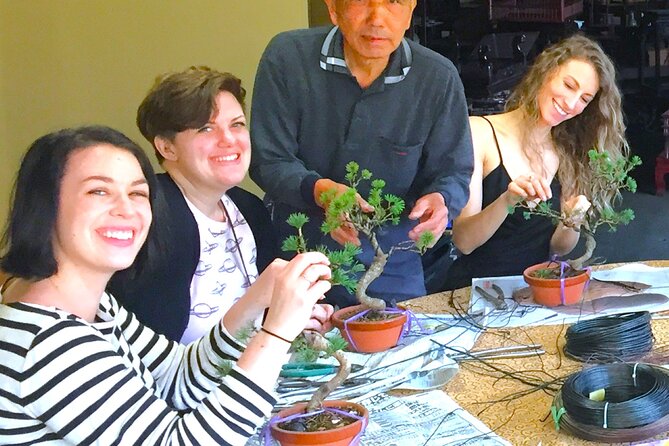
Bonsai lovers will get the most from the experience. You can compare trees, ask about shaping choices, and use the practical session to sharpen skills you already have. The visit to two gardens, when scheduled that way, gives you more than one collection to study.
Beginners are also well served. You do not need to arrive with pruning experience. The guide starts with the history and basic ideas, then introduces the tools and techniques. That progression helps you understand why bonsai care is deliberate instead of simply decorative.
Parents should note the age rules. Participants must be at least 13 years old, and anyone under 18 must be accompanied by an adult. The activity is not open to younger children, and the hands-on work requires attention and care.
The tour is also a good fit for visitors who prefer direct contact with a specialist. You are not merely walking past displays. You handle tools, make choices, and receive corrections. If you learn best by doing, that is the strongest reason to choose this outing.
Timing, meeting point, and small practical details
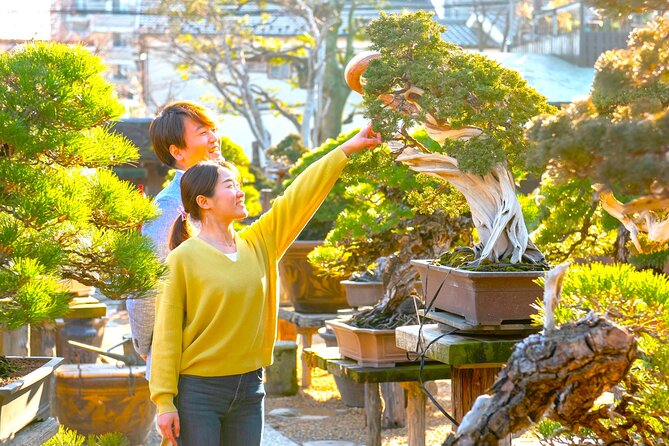
The tour starts at 10:00 am and ends back at the meeting point, Toro Station. The stated duration is about 2 hours and 30 minutes. Since the start and finish are at the station, you can plan your next activity from there, but allow a little extra time if you want to linger at the cafe or museum.
A mobile ticket is provided, and confirmation arrives when you book. The meeting point is near public transportation, which makes the station-based start straightforward once you reach Toro.
Wear something suitable for a careful practical session. The supplied information does not specify clothing requirements, but pruning and shaping are hands-on tasks, so you should expect to work with tools rather than only watch a demonstration.
You also need to arrive fit for the activity. Anyone who is unwell or under the influence of alcohol will not be admitted, and there is no refund in that situation. The booking is non-refundable and cannot be changed, so choose your date carefully before paying.
The main tradeoff: a specialist outing outside central Tokyo
The biggest choice is simple. Do you want a focused bonsai day in Saitama, or do you need to stay near Tokyo’s central sights?
If you choose this tour, you give up part of a Tokyo morning for a trip to Toro Station. In exchange, you get a setting built around bonsai, access to specialist gardens, and instruction from Jun in a small group. That is a fair trade for a plant enthusiast, but less appealing if your schedule is already packed.
The tour also asks you to accept some variable details. The exact garden stops are not fully fixed in the supplied information, and the museum admission is separate. The core experience is clear, though: meet at the station, visit bonsai gardens, learn the craft’s background, and practice pruning and shaping in a cafe.
The recommendation rate is 92 percent, with a 4.7 rating from 12 published ratings. The sample is small, so I would not treat those figures as a guarantee. The repeated strengths are more useful: Jun’s patient instruction, the quality of the bonsai collections, the relaxed cafe workshop, and the personal feel of a small group.
Should you book this Bonsai-cho experience?
Book it if bonsai is a real interest, even a new one. The combination of historic district, outdoor nursery visit, and hands-on pruning gives you a much fuller view of the art than a display-only stop. Jun’s direct instruction is the key benefit, especially when you want to understand how shaping decisions are made.
Skip it if you need a central Tokyo activity, dislike specialist tours, or want a completely all-inclusive price. You will need to reach Toro Station, buy something at the cafe, and possibly pay 310 yen for the bonsai museum.
For the right person, the $55.52 price is reasonable. You are paying for access, guidance, and participation, not just transport or a quick look at miniature trees. If you leave with a better eye for branch structure and the patience required to care for bonsai, the morning has done its job.
FAQ
Where does the bonsai tour start?
The tour starts at Toro Station, 1 Chome Torocho, Kita Ward, Saitama, 331-0804, Japan. The activity also ends back at the meeting point.
What time does the tour begin?
The start time is 10:00 am.
How long does the experience last?
The experience lasts approximately 2 hours and 30 minutes.
What is included in the price?
The price includes the instructor, use of bonsai tools, and consumption tax.
Do I need to pay anything extra during the activity?
Yes. The hands-on work takes place in a cafe, where you must order something costing about 450 yen or more. Admission to the Bonsai Art Museum costs an additional 310 yen.
What age group can participate?
Participants must be at least 13 years old. Anyone under 18 must be accompanied by an adult.
How many people can join the tour?
The group has a maximum of 10 participants.
Is the booking refundable or changeable?
No. The experience is non-refundable and cannot be changed for any reason.
More City Tours in Tokyo



More tours in Tokyo we've reviewed




City Tours, compared.
 ★ 4.8Tokyo: Private City Highlights Tour with Local GuideFrom $1064 - 8 hours
 ★ 4.8Tokyo: 3-Hour Bike or E-Bike City Highlights TourFrom $453 hours
 ★ 4.8Tokyo: Sumo Morning Practice Tour at Sumida CityFrom $1162 hours
 ★ 4.5Private Haneda Airport (HND) to Central Tokyo City TransferFrom $119
 ★ 4.8Tokyo: 3-hour Guided E-Bike Tour of the City’s Hidden GemsFrom $65
 ★ 5.0Tokyo: 3-Hour Bike/E-Bike Tour of the City’s HighlightsFrom $63