Reviewed · TOURS
Tokyo Underground Music Tours
Tokyo’s music scene is easy to miss. The best nights often happen behind an unmarked door, down a narrow stairway, or in a tiny room where the audience stands close to the performers. This tour takes you into that side of the city, beginning around Nishishinjuku and moving toward Shibuya.
In This Article
- Tokyo’s music scene starts behind ordinary doors
- The vinyl bar sets the tone
- A live house puts you close to the stage
- The final music bar is made for conversation
- What the $64 price really covers
- Lea’s personal approach is the main advantage
- This is not a standard nightlife crawl
- Smoking and stairs are serious considerations
- Who will get the most from this night
- Booking advice for a better evening
- Should you book Tokyo Underground Music Tours?
- FAQ
- How much does Tokyo Underground Music Tours cost?
- How long does the tour last?
- Where does the tour meet?
- What venues are included?
- Can the tour be adjusted to my music taste?
- Is the tour suitable for people with mobility or respiratory issues?
I like two things right away: the guide shapes the evening around your musical taste, and the group stays small, with no more than eight people. Lea, also called Leandra, has taken guests to surprising local venues and has adjusted plans when a different style or show suited them better. The main drawback is that the $64 price does not cover drinks or admission fees, and some clubs allow smoking.
- Vinyl DJ bar: Begin the evening with cocktails, city lights, and a classic sound system in Tokyo’s music center.
- Live-house stop: Hear bands or solo performers in a local venue built around close-up live music.
- Music-based planning: Lea can adjust the night to your tastes and seek venues with low-cost or free entry.
- Small English-speaking group: With a maximum of eight people, the evening feels more personal than a large nightlife outing.
- Three-hour evening: The advertised tour lasts three hours, while the detailed route describes about three and a half hours of music, drinks, and concert time.
- Important comfort note: Smoking is allowed in many venues, and stairs are common, so this is not suited to people with respiratory or mobility concerns.
Tokyo’s music scene starts behind ordinary doors
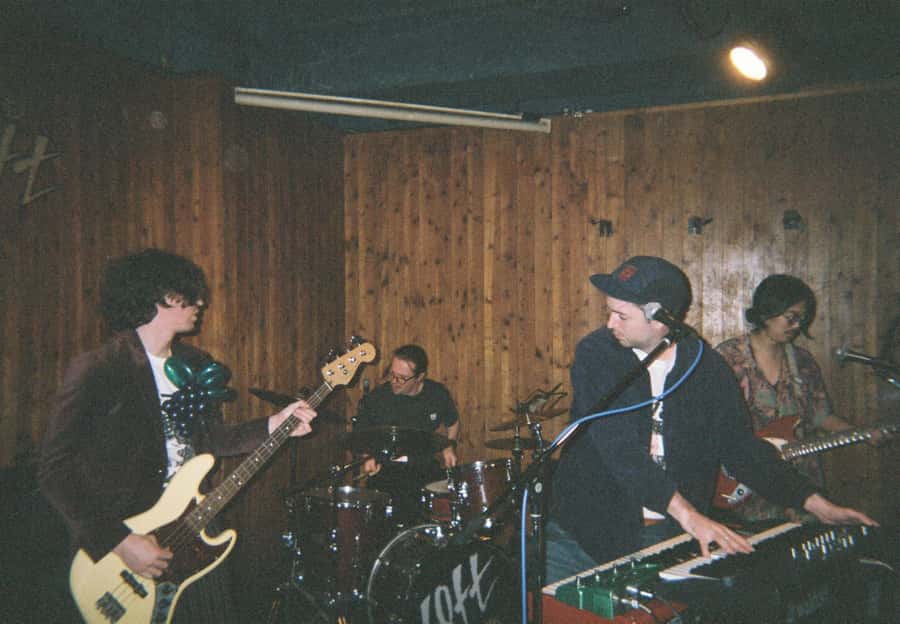
The appeal here is not a checklist of famous sights. It is the chance to spend an evening in places you probably would not locate on your own, guided by someone who knows how Tokyo’s small music communities work.
You meet at 1-chome-1-3 Nishishinjuku, where the guide holds a sign with the company logo. From there, the evening moves toward Shibuya City. Exact venues are not fixed in advance, which is important: your route depends on your musical preferences, local programming, and the best available show that night.
That flexibility is the heart of the experience. If you like rock, electronic music, jazz, pop, or another style, tell Lea before or at the start of the tour. The supplied information does not promise a particular band or venue, so you should book this for the kind of night it creates, not for a named performer.
The vinyl bar sets the tone
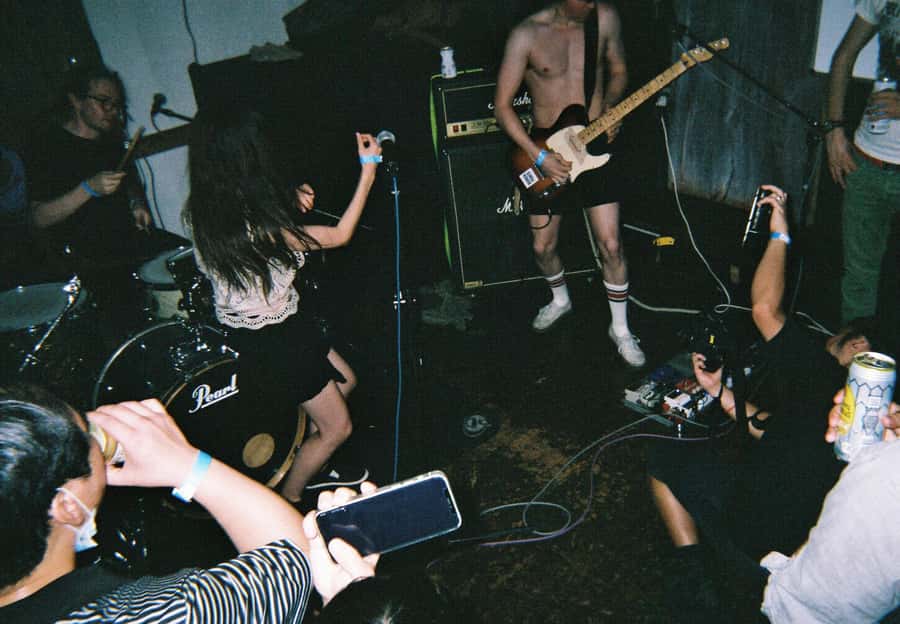
The first stop is a classic vinyl DJ bar in what is described as Tokyo’s music capital. You can expect a compact nightlife setting, a serious sound system, city lights outside, and drinks prepared at the bar.
This opening stop gives you time to meet the guide and settle into the evening before the live performance. It also offers a useful introduction to Tokyo’s bar culture. A vinyl bar is not simply a place to grab a beer. The music is part of the room’s identity, and the sound system may matter as much as the drinks.
The tour includes guidance and the route between venues, but beverages are extra. That makes the price worth examining carefully. At $64 per person, you are paying for local planning, company, and access to places that can be hard to find without Japanese language skills or local contacts. You should still budget separately for cocktails, beer, and any cover charges.
The first stop may suit you best if you enjoy listening as much as talking. It is also a good place to tell Lea what kind of night you want. Past guests specifically praised her friendly approach and her ability to select places that matched personal preferences.
If you're still narrowing it down, here are other tours in Tokyo we've reviewed.



A live house puts you close to the stage
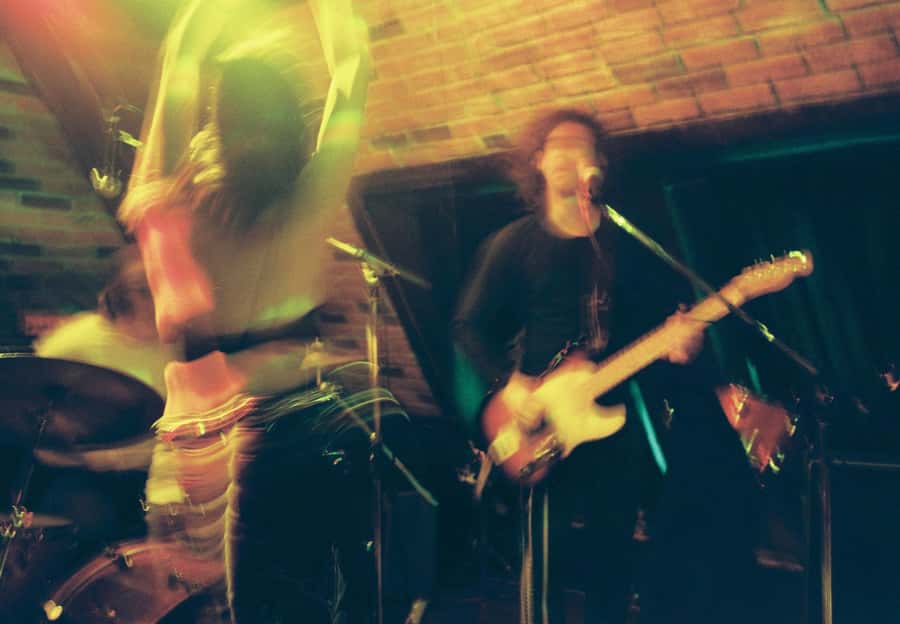
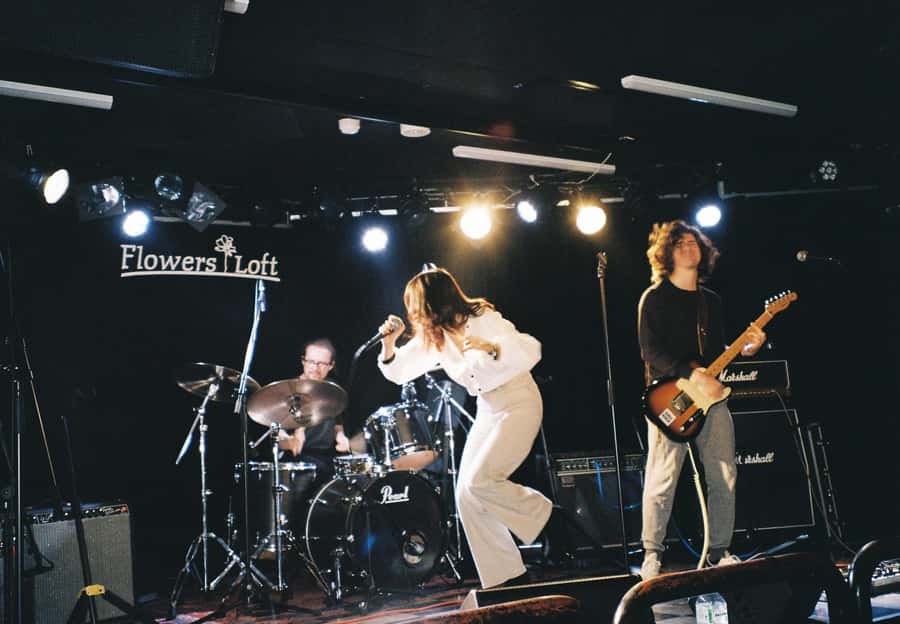
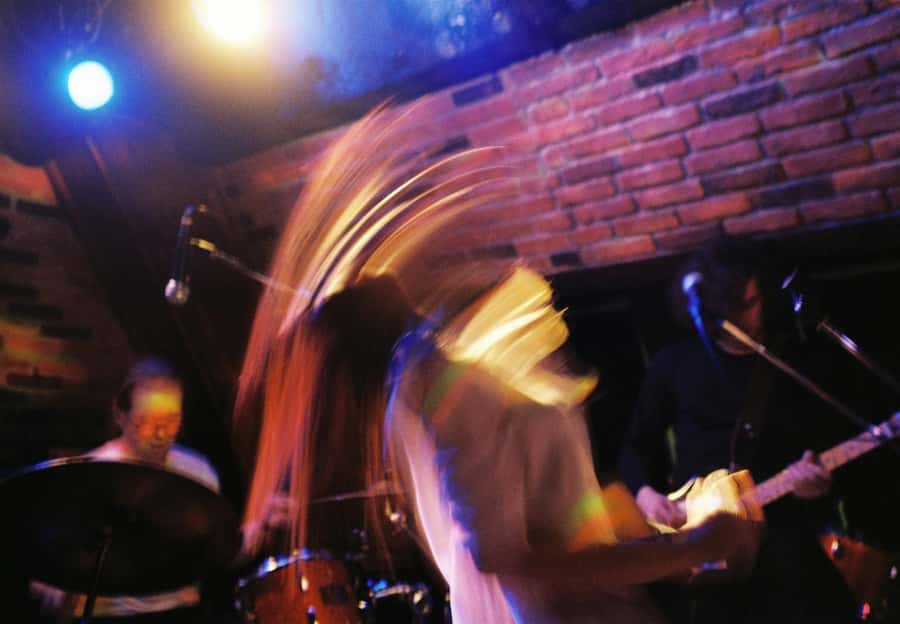
The second part takes you to a live house, one of the most useful settings for discovering Japanese music. These venues are designed around performances by bands and solo acts, with the audience close to the stage and little separation between performer and listener.
The exact sound will depend on the night. You might find an emerging act, a more established local performer, or a bill with several artists. That uncertainty is part of the point. You are not being taken to a guaranteed arena concert. You are being guided toward a smaller room where the evening’s music is shaped by who is playing that night.
I like this part of the route because it connects the bar conversation to an actual performance. You are not just hearing about Tokyo’s music culture. You are spending time where local artists work and where regulars return for the sound.
Entry fees are not included. The tour aims to keep those costs low and can sometimes accommodate requests for venues with free admission, but free entry is not guaranteed. Ask Lea early in the evening how much the planned show costs. If you have a strict budget, say so before choosing the venue.
The final music bar is made for conversation
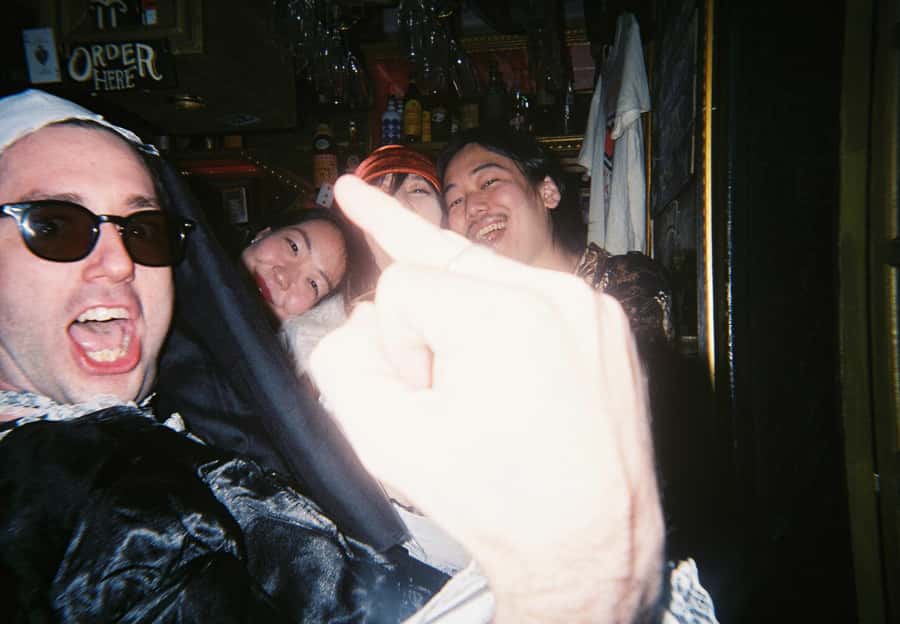
The evening finishes at a small, relaxed music bar. Classic songs provide the background, and the setting is meant to be comfortable rather than loud or formal.
This final stop gives the night a softer landing. After the energy of a live show, you can sit with a drink, talk with the guide and other group members, and compare what you have heard. It also gives you another look at local music culture, this time through the social side of the scene.
The format works best for people who enjoy a mix of music and conversation. If you want nonstop dancing or a major club night, this may feel too low-key. If you want to understand how small venues and music fans fit together, the ending adds useful context.
Again, drinks are your responsibility. The tour does not include a set number of beverages, so you control how much you spend at each stop.
What the $64 price really covers
The $64 fee is neither a cheap night out nor an unreasonable one. Its value depends on how much you would pay for local help and how difficult you would find the venues on your own.
You receive an English-speaking guide, a small group capped at eight people, route planning, and help choosing a show that fits your taste. You also receive access to a night built around smaller music spaces rather than standard sightseeing stops.
The total cost will be higher than $64 because admission and drinks are separate. That matters most if you want cocktails at the first bar and several drinks later. On the other hand, the tour may save you from paying for a random cover charge at a venue that does not suit you. Lea’s role is to help find a good match and keep entry costs as low as possible.
Ask yourself three questions:
- Do I want local music rather than a major tourist attraction?
- Am I comfortable paying extra for drinks and possible admission?
- Would I benefit from someone adjusting the evening to my music preferences?
If you answer yes to all three, the fee can be fair. If you want every expense included, it will feel less convenient.
Lea’s personal approach is the main advantage
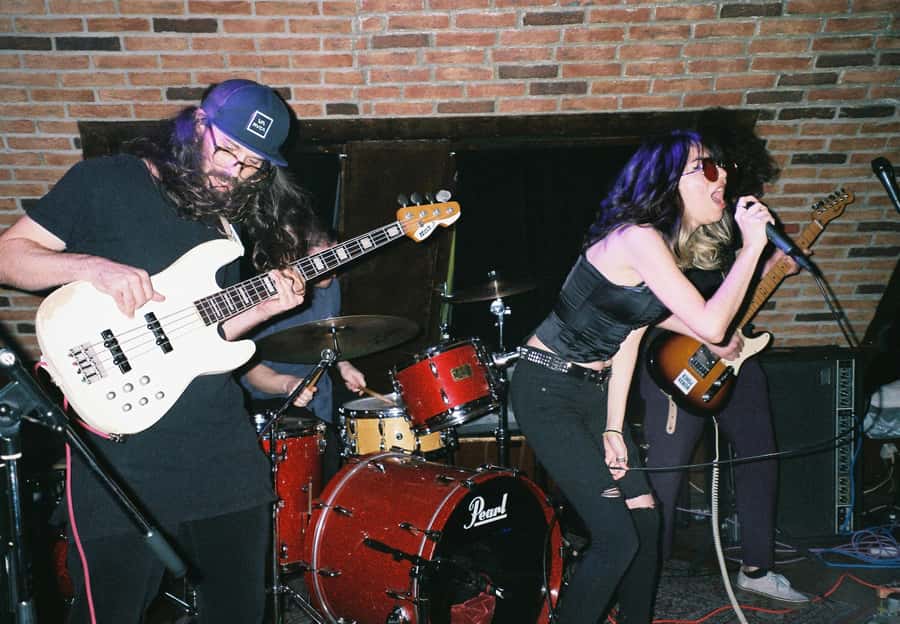
The strongest feature is the guide, especially Lea or Leandra. The experience depends on her judgment, communication, and ability to adjust the plan.
You should tell her what you already enjoy, what you want to avoid, and how much you are willing to spend. The supplied guest comments describe her as friendly, personable, and willing to offer several options. One person credited her with choosing the right gig for a personal taste, while another appreciated that the route changed according to musical preference.
That is more useful than a fixed itinerary. Tokyo’s music calendar changes from night to night, and a rigid route could lead to a poor match. A flexible guide can point you toward a different bar or performance when the first idea does not fit.
The small group also matters. With eight people or fewer, you can ask questions and explain your taste without shouting across a coach. It should be easier for the guide to keep track of everyone, though the experience will still depend on the group’s shared interests and energy.



This is not a standard nightlife crawl
Many nightlife tours focus on famous districts, busy bars, or large clubs. This one is more specific. It is designed around local music spaces, live performance, and the social habits that grow around them.
You are not promised a particular genre, a famous artist, or a private performance. You may end up at a venue that is quiet, crowded, smoky, or musically different from what you expected. That is the tradeoff for following the local scene rather than buying a packaged show.
The route also does not appear to be a simple walk. It begins in Nishishinjuku and includes a stop in Shibuya City, but the supplied details do not specify transportation between venues. Wear comfortable shoes and keep your evening flexible. Do not plan a tight reservation immediately after the tour.
The timing needs a little attention. The activity is described as three hours, while the detailed concert itinerary lists about three and a half hours. Check the starting time and expected finish when you book, especially if you have a late train or another reservation.
Smoking and stairs are serious considerations
Many of the venues allow smoking, and some do not have elevators. This is not a minor footnote for people with asthma, respiratory sensitivity, or limited mobility.
You may need to use stairs to reach a bar or performance space. The route is not recommended for people with mobility impairments, and it is also not suitable for people with respiratory issues. If smoke makes you uncomfortable, ask about the planned venues before committing, but do not assume every stop will be smoke-free.
The compact nature of Tokyo’s small music venues can be part of their charm, but it also means less space, fewer facilities, and more informal conditions than you would find at a major concert hall.
Who will get the most from this night
I would recommend the tour most strongly to solo visitors, couples, and small groups who want an unusual evening and are open to unfamiliar artists.
It is especially useful if you are young or young at heart and want to meet local music culture rather than simply visit a famous bar. A solo visitor may find the small group helpful, while a music fan can use the customization to focus the evening on a preferred style.
It is less suitable for anyone seeking a polished, predictable product. Families with young children may not find the late-night bar format appropriate, though the supplied details do not set an age limit. People who dislike smoke, stairs, or changing plans should choose another activity.
You should also avoid booking it if your main goal is a specific concert. Since the venue and performers are not fixed in the information provided, the experience is about discovery and guidance.
Booking advice for a better evening
Before you go, prepare a short description of your music taste. Name a few artists or styles you like, and mention anything you do not want to hear. This gives Lea something useful to work with.
Set a spending limit that covers the $64 tour fee, drinks, and possible entry charges. Since the tour works to keep admission low and may accommodate free-entry venues, you can ask for a lower-cost plan, but make that request clearly.
Arrive at the Nishishinjuku meeting point with enough time to find the guide holding the logo sign. Keep your schedule open for the full evening, since the route may take around three hours and the detailed concert plan describes roughly three and a half.
Free cancellation is available up to 24 hours before the activity for a full refund. You can also reserve and pay later, which helps if your Tokyo plans are still shifting.
Should you book Tokyo Underground Music Tours?
Book it if you want small venues, local performers, and a flexible night shaped around your taste. Lea’s personal guidance is the key reason to choose this over wandering into random bars, and the small group keeps the evening manageable.
Do not book it expecting an all-inclusive price or a smoke-free, step-free route. The $64 fee covers the guided experience, but drinks and admission come later. For an independent-minded music fan who values access and local judgment, that can be good value. For anyone who needs predictable costs, major venues, or easy physical access, it is a poor match.
FAQ
How much does Tokyo Underground Music Tours cost?
The tour costs $64 per person. Admission fees and beverages are not included, so you should budget extra for entry charges and drinks.
How long does the tour last?
The activity is advertised as three hours. The detailed evening plan describes about three and a half hours, including beer, cocktails, the guided route, and a concert, so check the schedule when booking.
Where does the tour meet?
The starting location is 1-chōme-1-3 Nishishinjuku. The guide will hold a sign with the company logo.
What venues are included?
The route includes a vinyl DJ bar, a live house with bands or solo acts, and a cozy music bar with classic music. Exact venues and performers are not specified in advance.
Can the tour be adjusted to my music taste?
Yes. The tour is customized to requests, and the guide can offer options based on your musical preferences. Venues with free admission may also be requested, though they are not guaranteed.
Is the tour suitable for people with mobility or respiratory issues?
No. Many venues allow smoking, some do not have elevators, and the activity is not recommended for people with mobility impairments or respiratory issues.
More tours in Tokyo we've reviewed












Tours, compared.
 ★ 5.0Mt Fuji and Hakone 1-Day Bus Tour Return by Bullet TrainFrom $163
 ★ 5.01-Day Tokyo Bus TourFrom $129
 ★ 5.0Tokyo: Shinjuku Food Tour (13 Dishes at 4 Local Eateries)From $86
 ★ 4.4Tokyo Mt Fuji 5th St & Hakone Cruise Bus Tour w/Bullet TrainFrom $15410 hours
 ★ 5.0Flagship 2-Hours Official Street Go-Kart Tour – Tokyo Bay ShopFrom $642 hours to 2 hours 30 minutes (approx.)
 ★ 4.7Tokyo: Mt. Fuji Tour, Hakone Ropeway, Owakudani, Lake AshiFrom $5410 hours