Reviewed · SHINJUKU TOURS
Tokyo: Shinjuku Bar Hopping & Karaoke Night Tour
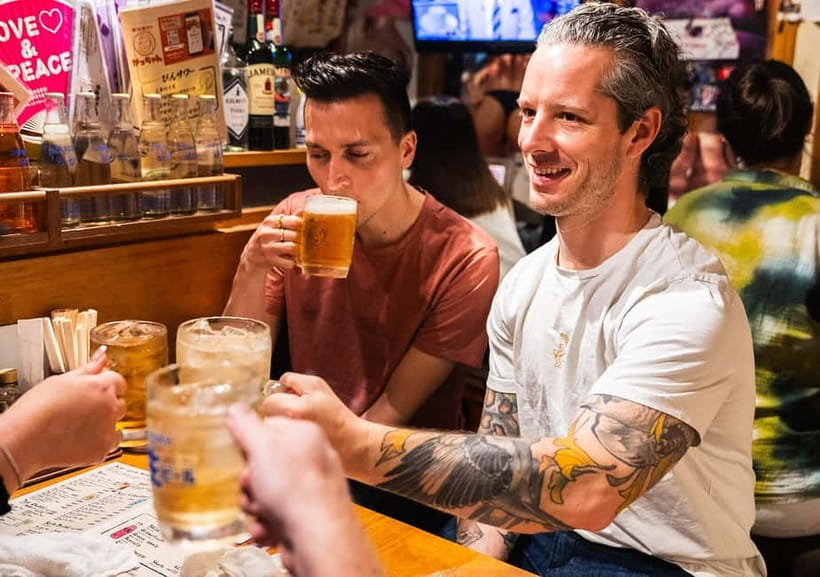
Shinjuku after dark is best understood one small bar at a time. This tour leads you from the neon streets of Kabukicho into the maze of Golden Gai, then finishes with karaoke, giving you a social introduction to Tokyo nightlife without asking you to figure out the etiquette alone.
In This Article
- Key points to know before booking
- Why Shinjuku nightlife is easier with a guide
- Starting at the East Exit Police Box
- Kabukicho: Tokyo nightlife in full neon
- Golden Gai and the art of the tiny bar
- Izakaya stops and the value of paying as you go
- Karaoke: the most social part of the night
- The human side: guides, language, and group mood
- Practical details that shape the evening
- Who should book this Shinjuku night?
- FAQ
- Where does the tour meet?
- Where does the tour end?
- Are food and drinks included in the $32 price?
- Is karaoke included?
- Can people under 20 join?
- Do I need to bring cash?
- What happens if I arrive late?
- Will the tour run if it rains?
I like the local guide connection, which can open doors at small places that feel intimidating on a first visit. I also like the karaoke finish: you do not need a good singing voice, only a willingness to choose a song and laugh at yourself. The main drawback is that the $32 price covers the walking tour, guide, and photos, but not food or drinks, and limited seating may mean standing.
Key points to know before booking
- Kabukicho and Golden Gai: Walk through two of Shinjuku’s most distinctive nightlife areas, from neon entertainment streets to tiny, character-filled bars.
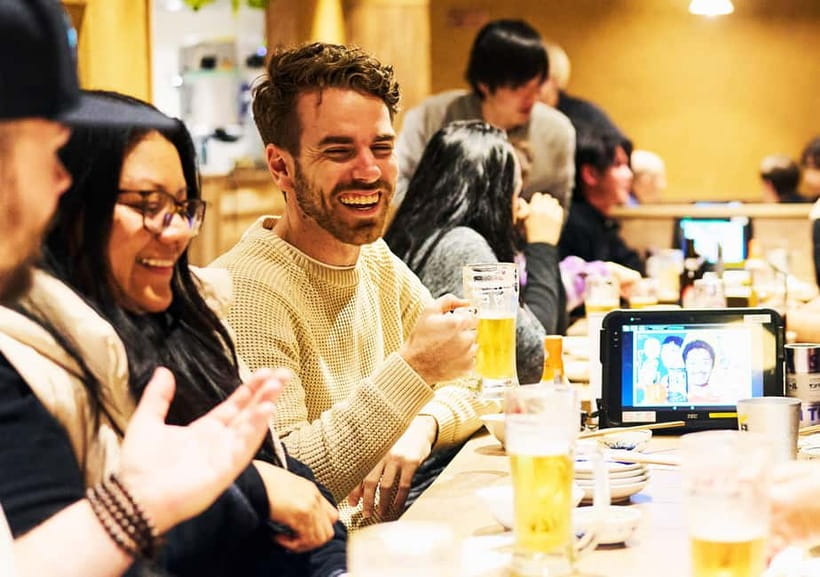
- Karaoke with the group: End the evening in a local karaoke bar where you can sing, order a drink, and join in at your own comfort level.
- Named local guides: Guides including Shun, Chihiro, Kann, Naoto, Ayaka, and Meiko have led evenings with food suggestions, cultural context, and plenty of encouragement.
- Separate spending: The $32 fee does not include food or drinks. Bring cash, and expect to pay as you go.
- Strict start time: Meet at the Shinjuku Station East Exit Police Box. If you miss the group, there is no refund or alternate departure.
- Adults only: Japanese law allows alcohol consumption only for people aged 20 and over, and the activity is not suitable for anyone younger.
Why Shinjuku nightlife is easier with a guide
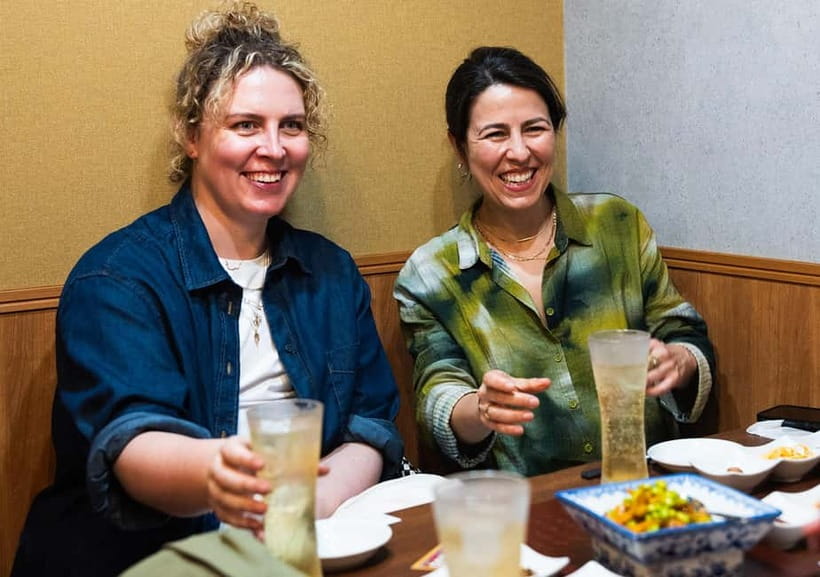
Shinjuku can feel like several cities pressed into one district. Huge signs, narrow lanes, station crowds, office workers, nightlife promoters, and hundreds of restaurants all compete for your attention. It is exciting, but not especially simple to read at first glance.
A local guide gives the evening a clear shape. Instead of wandering until you find a doorway that looks promising, you meet at a fixed point and follow someone who knows the streets and the social rules. That matters most in Golden Gai, where many bars are tiny and some are aimed at regular customers.
The guides listed for this experience include Shun, Chihiro, Kann, Naoto, Ayaka, and Meiko. The exact guide depends on the date, but the role is consistent: explain what you are seeing, suggest food and drinks, help with language gaps, and make introductions easier.
Shun is described as joining in with karaoke and helping people feel at ease. Chihiro and Kann have been praised for their recommendations and friendly manner. Naoto is noted for explaining that many Golden Gai bars are welcoming to first-time visitors. Ayaka and Meiko have also tailored an evening to the preferences of their group, including a mix of snacks and healthier choices.
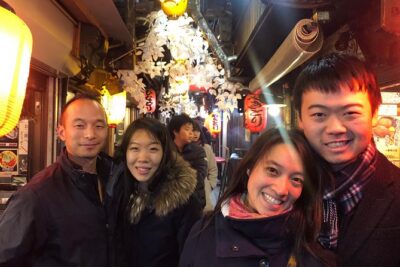
That range matters. This is not a silent street walk followed by a bar reservation. The social side is the point, and the guide helps turn a group of strangers into a temporary night-out crew.
A few more Tokyo tours and experiences worth a look
Starting at the East Exit Police Box
Your meeting point is in front of the Shinjuku East Exit Police Box, at 3-38-1 Shinjuku, Shinjuku-ku. Look for a guide holding a sign marked Local Guide Stars.
Give yourself extra time to find the East Exit. Shinjuku Station is large and can be confusing, especially after dark when you are trying to match several exits, signs, and street levels. The tour starts on time, and if you arrive late and miss the group, you cannot receive a refund or reschedule.
This firm start is reasonable for a walking evening. Small bars have limited space, and a delayed group can lose a reservation or disrupt the plan. Still, I would treat the meeting time as an appointment, not a loose suggestion.
The activity ends back at the same meeting point. That is useful if you want to return to your hotel by train or continue your own evening nearby. Food, drinks, and hotel pickup are not included.
Kabukicho: Tokyo nightlife in full neon
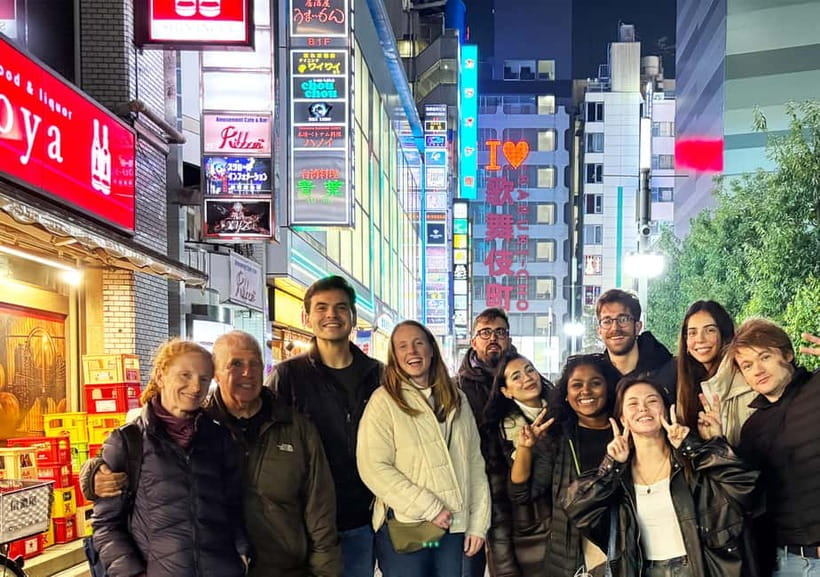
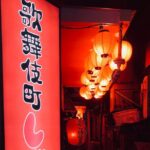
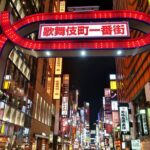
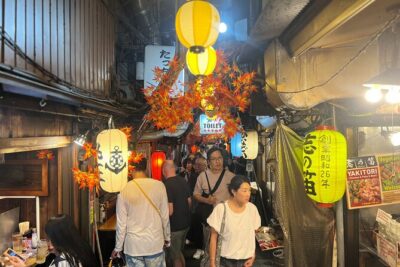
The first part of the evening takes you through Kabukicho, Shinjuku’s famous entertainment district. It is the broadest and most visually intense section of the route, with bright signs, narrow side streets, unusual storefronts, and a constant flow of people.
Kabukicho is not a single type of nightlife. You will pass places aimed at different budgets and interests, from casual food counters to more specialized entertainment venues. A guide can help you focus on the bars that fit the group rather than wasting time on places that are not suitable.
The experience is deliberately local in feel, but do not expect a perfectly polished restaurant crawl. Tokyo nightlife can involve compact rooms, quick decisions, and a little uncertainty over what to order. Language and cultural differences may come up. Here, that is part of the evening rather than a problem the tour promises to remove entirely.
The guide may point out local habits around ordering, seating, and drinking. You also get a chance to ask questions about ordinary life in Japan, which can be more useful than a formal lecture. The best moments may be small ones: learning why a bar is popular, understanding a menu item, or seeing how a narrow drinking district works after office hours.
Golden Gai and the art of the tiny bar
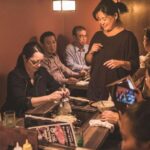
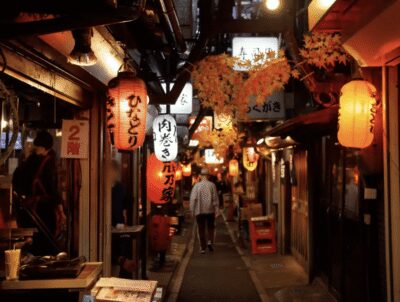
Golden Gai is the atmospheric heart of the walk. Its narrow lanes are packed with small bars, many occupying rooms with only a handful of seats. The area feels old-fashioned and personal compared with the bigger streets around it.
That small scale creates both the charm and the catch. A bar may have only a few seats, so some stops may require standing. Seating can also depend on the night, the group size, and the flow of the area. If you need a guaranteed chair throughout the evening, this is not the safest choice.
With a guide, the doorways become less mysterious. Naoto, for example, has helped explain which Golden Gai bars are comfortable for first-time visitors. Other guides have used local relationships to bring groups into tucked-away places that you might not confidently enter alone.
Do keep expectations sensible. The bars and stops can change from one evening to the next. The route is not fixed as a museum itinerary, and you can ask about the planned stops in advance if you want more detail. That flexibility is useful because small venues can fill up or alter their service.
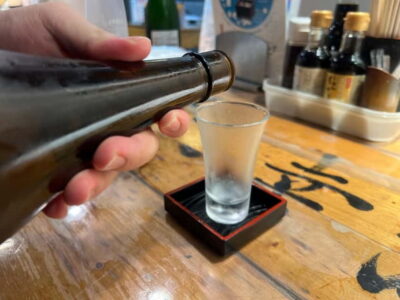
You may order a drink, share a snack, or simply take in the setting. Food and beverages cost extra. Vegetarian choices exist but are limited, since many Japanese restaurants are not designed around a full vegetarian menu. If that matters to you, tell the guide early and keep your expectations practical.
One evening included sushi and sake, while another included a generous mix of snacks at the restaurant stops. A useful cost detail is that one outing placed the food bill at about ¥1,200 per person across two restaurants, though this is not a guaranteed price for every route. Since stops vary, cash is the safest way to handle small purchases.
Izakaya stops and the value of paying as you go
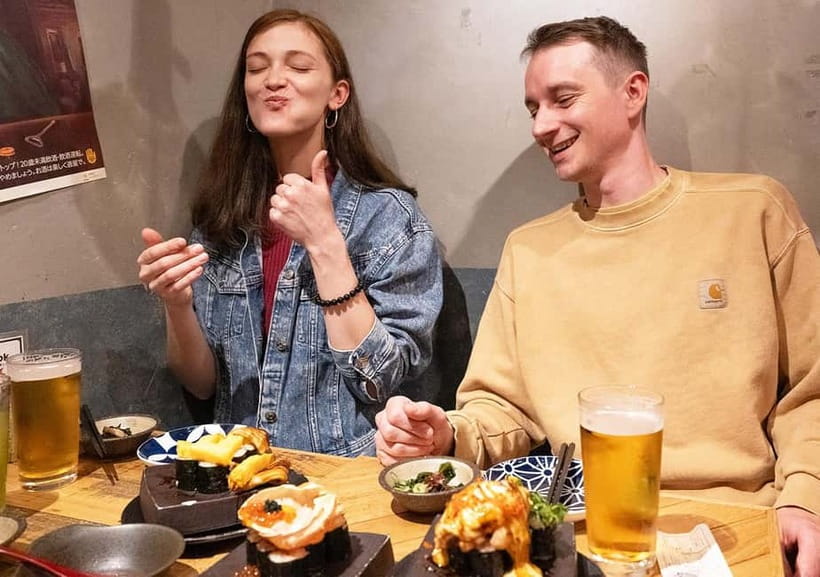
Izakaya are casual Japanese drinking places where food and drinks share the table. They are not necessarily formal dining rooms, and the meal may come as several small plates rather than one large dish.
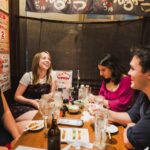
This format suits a bar-hopping night. You can taste something, have a conversation, and move on without committing to a long dinner at one address. It also lets the guide adjust the plan to the mood and the group’s preferences.
The tradeoff is cost control. The $32 booking fee is easy to understand, but it is only the base price. You pay separately for every drink and food order, and service may take time in small or busy venues. Delays can extend the tour beyond its planned finish.
For a careful budget, decide before you start how much you want to spend on drinks. Cash is specifically recommended, and splitting bills may happen at the restaurants. One account described paying separately at each restaurant and then handling the karaoke bar on its own. The exact arrangement can vary, so ask the guide when you arrive.
I see the $32 as a fair entry price for access to a guide, a planned route, local introductions, and a group karaoke session. It is not a cheap night out once you add food and alcohol, but it can save you from paying for a larger, more formal nightlife package that gives you less contact with the local scene.
A few more Tokyo tours and experiences worth a look
Karaoke: the most social part of the night
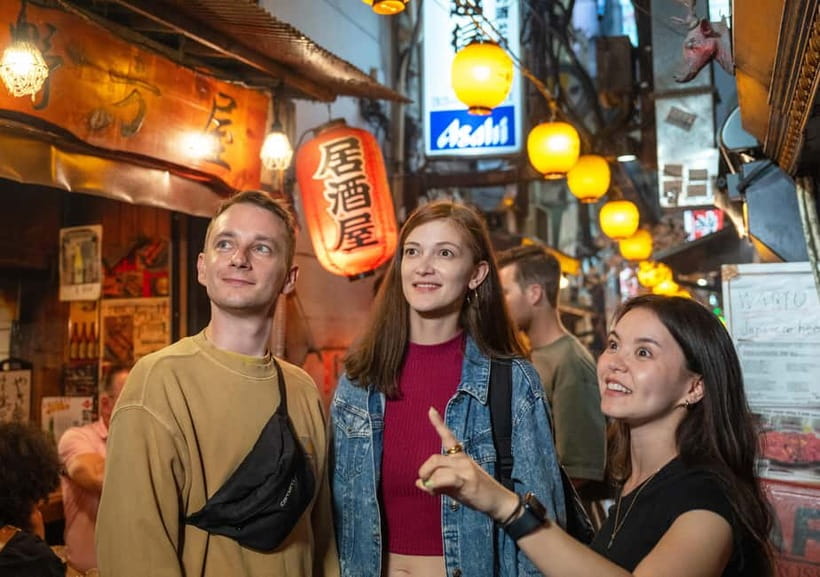
The evening ends at a local karaoke bar. You can order a drink, choose a song, and sing with the group. If you have never tried karaoke in Japan, this is a gentle way to start because the focus is on participation, not performance.
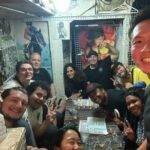
The karaoke stop also changes the rhythm of the night. The walking and small bars give you conversation in short bursts. The private singing room, or another small karaoke setting, gives everyone a shared activity. Even people who do not want to sing can join the room and enjoy the spectacle.
Several guides are known for joining in, including Shun, who has sung with younger members of a family group. That kind of participation can make the room less awkward, especially when nobody knows one another at the start.
A Golden Gai stop may lead to a particularly small karaoke room tucked below street level. The appeal is not luxury. It is the feeling of finding a place you would probably never locate on your own, then spending part of the evening there with a new group.
Karaoke costs are not included, so check the arrangement before ordering. Some accounts describe the karaoke bill being handled separately from the restaurant costs. Drinks are also extra, and the tour does not promise unlimited service.
The human side: guides, language, and group mood
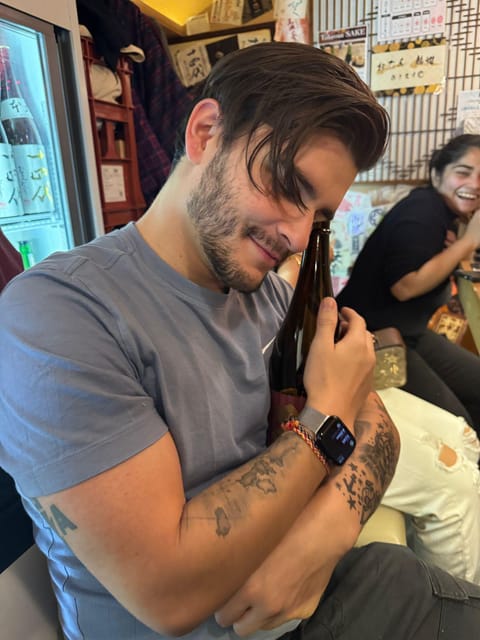
The strongest part of this experience is likely to be the guide. The route itself is appealing, but a good host determines whether the evening feels comfortable or merely like a walk between bars.
You can expect English and Japanese support. That does not mean every conversation will be perfectly smooth. The activity notes that language and cultural barriers may appear, and that is fair. A translation app can still be useful, especially for food preferences or more detailed questions.
The tone appears to be friendly and informal. Guides have helped with recommendations, joined karaoke, shared insights into Japanese life, and adjusted food choices to suit the group. Ayaka and Meiko, for example, have been described as letting a group move at its own pace and shaping the evening around individual preferences.
That does not mean the tour is fully private or custom-built. The route and bars may change, and the guide must balance the needs of the whole group. If you want a fixed list of venues, a quiet meal, or a highly structured cultural lecture, this may not suit you.
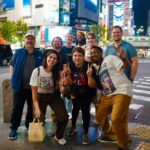
It is a better match if you want conversation, local context, and a bit of night-time uncertainty. Solo visitors can meet people without having to enter unfamiliar bars alone. Couples and friends can use the tour as a first-night orientation before exploring on their own.
Practical details that shape the evening
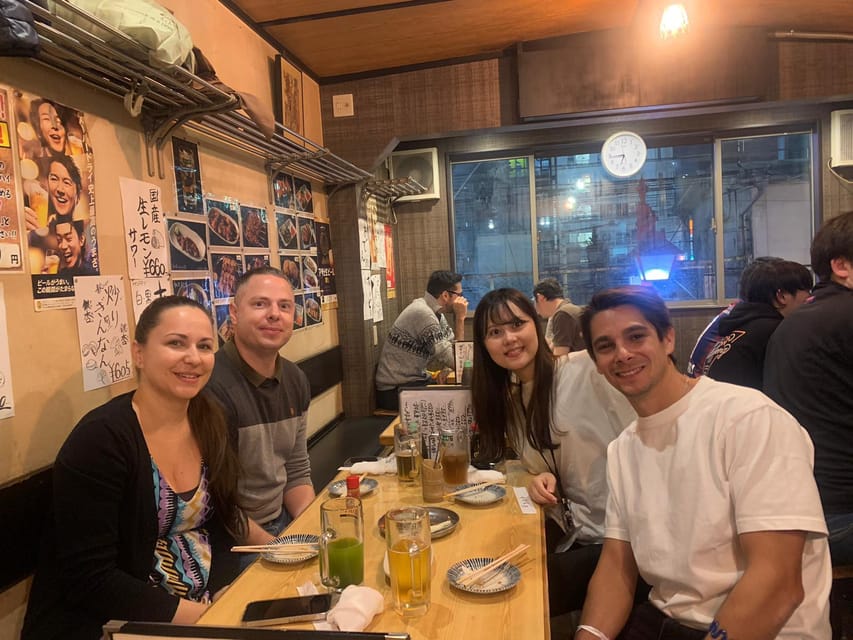
Bring cash. You will need it for food and drinks, and the tour price does not cover either.
Wear comfortable shoes. The experience is a walking tour through streets and lanes, with several bar stops. The pace may be easy, but you will be on your feet, and standing is possible in small venues.
Plan for rain or shine. The tour operates in wet weather, so bring suitable protection if rain is forecast. There is no hotel pickup or drop-off, but the return to the original meeting point keeps the end simple.
The activity is for people aged 20 and over. Japanese law permits alcohol only from age 20, and the tour is not suitable for anyone younger.
Vegetarian food is available in limited form, but Japan’s casual restaurants may not offer a broad meat-free selection. State your needs clearly before ordering, and consider eating a little beforehand if your diet is strict.
Cancellation is allowed up to 24 hours before the start for a full refund. You can also reserve now and pay later, which helps if your Tokyo plans are still changing.
Who should book this Shinjuku night?
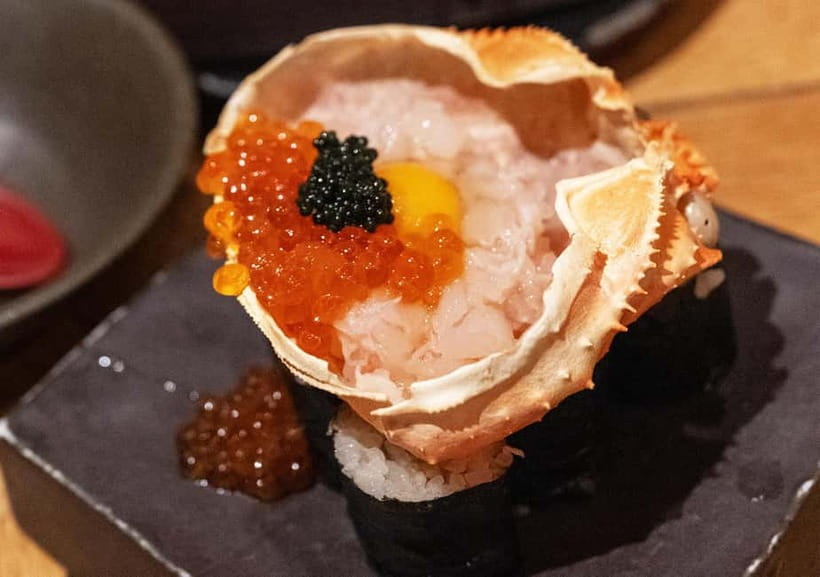
I would recommend it most strongly to a first-time Tokyo visitor who wants nightlife with a human guide rather than a self-directed bar search. It also fits solo visitors, small friend groups, and anyone curious about karaoke but unsure how to begin.
It is a good choice if you enjoy trying unfamiliar food, meeting people, and adapting to the night’s route. The $32 starting price is reasonable for the guide and access, provided you budget separately for drinks, snacks, and karaoke.
I would pause if you need guaranteed seating, a strict vegetarian menu, a quiet evening, or a precise schedule. The bars can be small, food service can run late, and the route changes. Arrive early at the East Exit Police Box, bring cash, and treat the evening as a guided introduction rather than a fixed dinner reservation.
FAQ
Where does the tour meet?
Meet in front of the Shinjuku East Exit Police Box at the East Exit of Shinjuku Station, at 3-38-1 Shinjuku, Shinjuku-ku, Tokyo. The guide will hold a Local Guide Stars sign.
Where does the tour end?
The activity ends back at the original meeting point near the Shinjuku East Exit Police Box.
Are food and drinks included in the $32 price?
No. The price includes the walking tour, local guide, and photos taken during the tour. You pay separately for food and drinks.
Is karaoke included?
Karaoke is part of the planned experience, but drinks and any related charges are not included in the booking price. Ask the guide about the evening’s payment arrangement.
Can people under 20 join?
No. The activity is not suitable for anyone under 20, and Japanese law allows alcohol consumption only from age 20.
Do I need to bring cash?
Yes. Cash is listed as an item to bring, and you will need to pay separately for food and drinks.
What happens if I arrive late?
The tour starts on time. If you are late and miss the group, no refund or rescheduling is available.
Will the tour run if it rains?
Yes. The tour proceeds as scheduled in rainy weather and other normal conditions.
More Night Tours in Tokyo



More Bar Hopping & Izakaya Tours in Tokyo
More Shinjuku Tours in Tokyo
More tours in Tokyo we've reviewed












Shinjuku Tours, compared.
 ★ 5.0Tokyo: Shinjuku Food Tour (13 Dishes at 4 Local Eateries)From $86
 ★ 5.0Tokyo Bar Hopping Tour in Shinjuku (All-You-Can-Drink + Dinner)From $106
 ★ 4.9Tokyo: Shinjuku Local Bar and Izakaya Guided Walking TourFrom $343 hours
 ★ 4.9Tokyo: Shinjuku Food Tour (13 Dishes and 4 Eateries)From $97
 ★ 5.0Tokyo Night Foodie Tour in Shinjuku – Seasonal Sushi, Wagyu BeefFrom $111
 ★ 5.0Tokyo: Shinjuku Local Bar & Izakaya Crawl TourFrom $39