Reviewed · JDM & CAR CULTURE
Tokyo: Private Daikoku JDM Car Culture Tour
Daikoku Parking Area is the main draw here, a working highway rest stop that has become one of Japan’s best-known meeting points for JDM car culture. You ride there in a Toyota Vellfire, cross Rainbow Bridge, and see Tokyo and Yokohama from the expressways rather than from a sightseeing bus.
In This Article
- Five things to know before booking
- Why Daikoku Parking Area is the real attraction
- Leaving your hotel in Tokyo or Yokohama
- Crossing Rainbow Bridge and entering the expressway world
- What happens at Daikoku Parking Area
- A changing mix of JDM and imported cars
- Is $129 per person good value?
- Who will enjoy this private night tour?
- Timing, comfort, and useful preparation
- A practical three-hour flow
- Should you book the Daikoku tour?
- FAQ
- How long is the Tokyo Daikoku car tour?
- Where does pickup take place?
- Where does the tour end?
- What vehicle is used?
- Is the tour private?
- Is a guide included?
- What is included in the price?
I like the private hotel pickup, which saves you from finding an obscure meeting point late at night. I also like the flexibility of a three-hour drive that includes both the car gathering and the city views, with guide Mukarram praised for punctual service and useful background on Tokyo’s car scene.
The main caution is that Daikoku is a real parking area, not a staged car show. Lighting can be poor, the lineup changes constantly, and the meeting may thin out after about an hour. You will see plenty of interesting cars, but no exact model or size of gathering is guaranteed.
Five things to know before booking
- Daikoku is a working rest stop: You see cars arriving and leaving in a real setting, not behind barriers at a formal motor show.
- Pickup covers Tokyo and Yokohama hotels: The van collects you from your accommodation, then returns you to Tokyo or Yokohama.
- The Toyota Vellfire matters: This private luxury van gives you a comfortable base for the expressway ride and is especially useful for small private groups.
- The highways are part of the experience: The route includes the C1 Loop, Metropolitan Expressway, Bay Shore Route, and a pass over Rainbow Bridge.
- The car meet changes by the hour: A mixed collection of classic, modified, and newer cars may appear, but the scene can disperse after roughly an hour.
- Bring a charged phone and camera: You will want both for communication, photos, and the night views.
Why Daikoku Parking Area is the real attraction
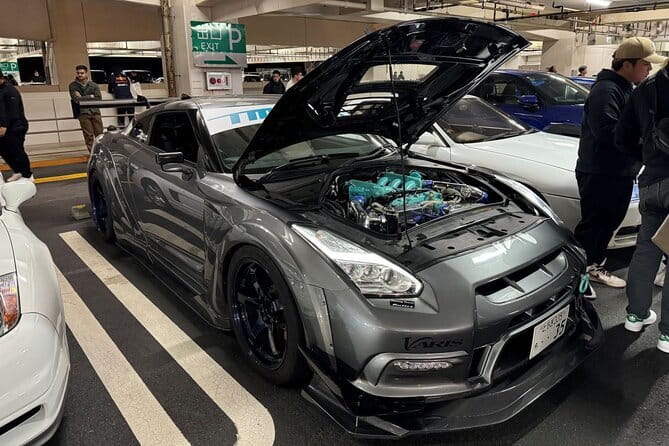
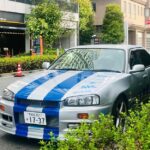
If Japanese car culture first caught your eye through films, video games, tuning magazines, or online clips, Daikoku gives you a chance to see the setting behind that image. The area is known as a meeting point for Japanese cars, and this tour takes you there with transport already arranged.
The appeal is not only the cars. Daikoku sits within the wider expressway network linking Tokyo and Yokohama, so the trip combines a car meet with a moving tour of the region at night. You are not simply dropped at a parking lot and left to find your way home.
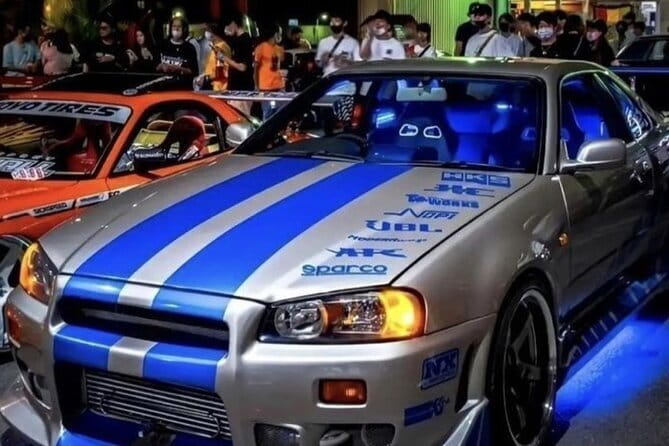
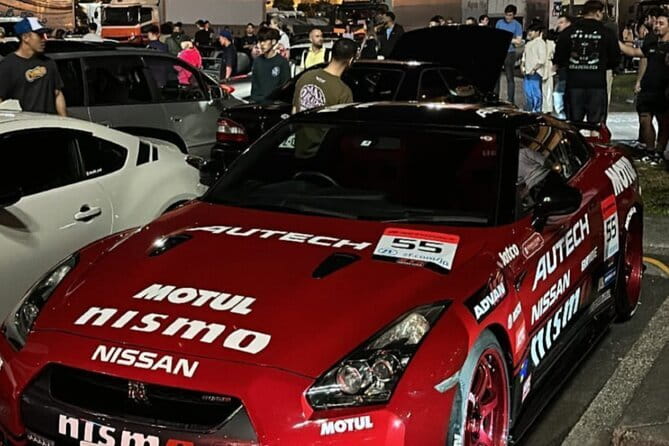
The gathering can include classic models, modified cars, and newer designs. That mix is part of the fun. You might find a car that has never been sold in the United States, as one visitor did with an Alpine A110, or you might find that the lineup is smaller than expected. The point is its changing, local character.
I would set your expectations correctly. This is not a guaranteed parade of rare supercars. Daikoku is a place where cars arrive and depart, so the scene depends on the evening, timing, weather, and the owners who happen to stop in.
A few more Tokyo tours and experiences worth a look
Leaving your hotel in Tokyo or Yokohama
The tour begins with pickup from your hotel or accommodation in Tokyo or Yokohama. You are asked to wait in the hotel lobby from 10 minutes before the scheduled time, a useful detail in a city where large hotels can have several entrances and busy drop-off areas.
Your transport is a Toyota Vellfire luxury van. That gives the tour a different feel from a shared minibus. You have a private group, a driver who can shape the outing around your interests, and no need to manage public transport connections before or after the car meet.
Guide service is offered in English and Japanese, with English listed for the live tour. Guide Mukarram received specific praise for arriving on time, handling the transport well, and explaining local culture and the history of Tokyo’s car scene on the way to Daikoku.
That cultural context is worth having. A good guide can help you understand what you are seeing rather than leaving you to identify cars by badge and body kit alone. The tour is aimed at car enthusiasts, but the highway ride and city views give non-experts something to enjoy too.
Crossing Rainbow Bridge and entering the expressway world
Rainbow Bridge is passed rather than visited. That means you should not expect a long photo stop or time to walk around the bridge. Instead, you see it as part of the drive, with Tokyo’s night scenery unfolding through the van windows.
The route includes the Metropolitan Expressway, the C1 Loop, and the Wangan Highways, including the Bay Shore Route. For fans of Japanese driving games and movies, these names carry extra weight. The tour lets you see the roads in real life, though the experience is sightseeing rather than a race.
I like this part because it gives the outing a sense of place. Daikoku would be less memorable if it were simply an isolated parking lot. The expressways connect the cars to the city, the harbor area, and the visual style that has made Japanese highway driving so familiar in popular culture.
You should also keep the practical side in mind. Expressway traffic and city conditions can affect how much time you spend moving between stops. The tour lasts three hours, so the balance between road time and parking-area time can shift.
What happens at Daikoku Parking Area
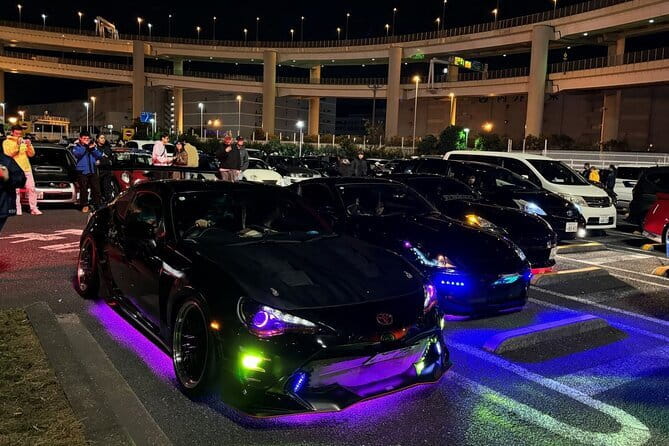
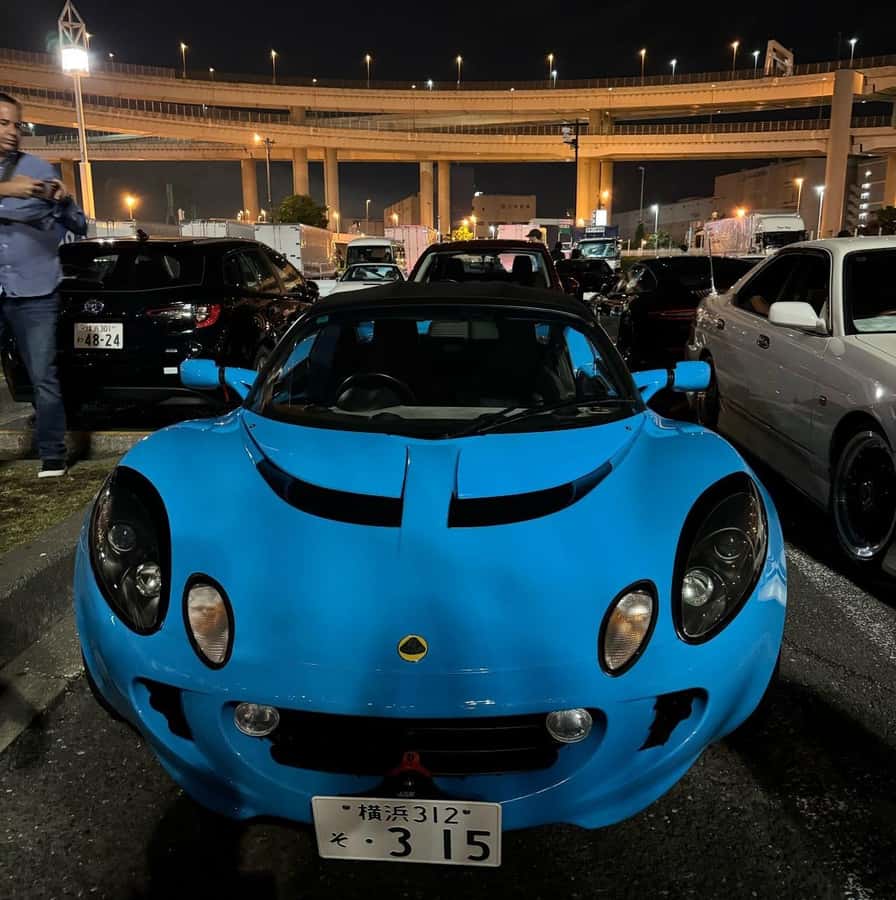
The main stop includes a photo stop, guided sightseeing, scenic views, and time to look around the parking area. You will have a chance to walk among the parked cars and watch new arrivals come through.
The setting is informal. There are no display cards, set routes, or fixed performance schedule. You may see owners talking near their cars, groups examining modifications, and vehicles leaving while others take their places.
That makes the experience feel more genuine than a polished exhibition, but it also creates uncertainty. The parking area is not always brightly lit. One account specifically noted that the meet was poorly lit, so a small camera or phone may struggle with night photography.
The food court and rest facilities are useful bonuses. Food is not included in the $129 price, but you can buy something at the location if the timing suits your group. This is a practical advantage, especially since the tour takes place around a highway stop rather than a central Tokyo restaurant district.
You may want to focus on the cars first and food second. The gathering can change quickly, and one account found that it had dispersed somewhat after a little more than an hour. Cars were still arriving and leaving, but the main selection had already been seen.
A changing mix of JDM and imported cars
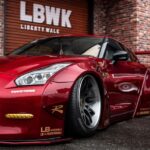
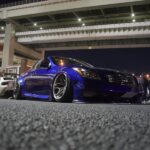
The phrase JDM is often used loosely, so it helps to know what this tour promises. You are going to a Japanese car meeting point with a mix of classic vehicles, customized cars, and newer designs. The experience is about the range of the scene rather than a single manufacturer or model category.
You might see carefully preserved classics beside heavily modified cars. You might also find imported vehicles that are uncommon in other countries. The Alpine A110 sighting is a good example of why the setting can surprise you, even though it is not a Japanese model.
The tour also presents a chance to interact with local drivers. The activity description says you may engage with drivers and even step into a car of your dreams, but this should be treated as a possibility rather than a promise of access to a particular vehicle. Always ask politely and follow the owner’s instructions.
For photographers, the changing lineup is both a benefit and a problem. You have fresh subjects arriving throughout the visit, but you cannot plan a shot list. Bring a camera, charge your phone, and remember that night lighting may limit image quality.
Other private tours in Tokyo

Is $129 per person good value?
At $129 per person, this is not the cheapest way to look at Tokyo after dark. The value comes from what is bundled into a private three-hour outing: hotel pickup and drop-off, a Toyota Vellfire, an English-speaking guide, highway costs, the Daikoku stop, and a bottle of water.
If you tried to arrange the same route alone, the difficult part would not only be paying for transport. You would also need to understand where Daikoku is, how to reach it, and how to return after spending time there. Public transport is not a simple substitute for a direct private ride to this type of highway location.
The price makes more sense for small groups and serious car fans. A group can share the private vehicle while enjoying a route chosen around the car meet. It is also useful if you are staying in Yokohama, since the starting and ending options include both cities.
The value is weaker if you only want a guaranteed lineup of famous cars. Daikoku can be quieter than expected, and the meet may not match the energy shown in online videos. You are paying for access, transport, local guidance, and the chance to see an active meeting point, not for a fixed show.
Who will enjoy this private night tour?
I would recommend it most strongly to people who already care about Japanese cars, tuning, highway culture, or the locations seen in driving games and films. The combination of the C1 Loop, Wangan routes, Rainbow Bridge, and Daikoku gives the outing a clear theme.
It also suits parents traveling with an older child who loves cars. One account described a parent and son enjoying the pickup, cultural background, and photo time together. The private setup makes it easier to keep the pace comfortable and talk with the guide.
You do not need to be able to name every engine or model. The city views, expressway ride, and unusual setting can carry the experience for a general visitor, particularly if you want an evening activity outside the usual temple and shopping routes.
I would think twice if you have back problems or are pregnant, since the activity is not recommended for either. Comfortable shoes are sensible because some walking is involved, and you should not bring alcohol or drugs.
Timing, comfort, and useful preparation
The tour lasts three hours, but starting times vary, so check availability before you plan dinner or another evening activity. Pickup begins at your accommodation, and you should be in the lobby 10 minutes early.
Wear comfortable shoes. The walking is not described as extensive, but you will leave the van to look around the parking area and take photos.
Bring:
- A camera or phone for the cars and city views
- A fully charged smartphone for communication and photos
- Comfortable shoes
- A light plan for food, since meals are not included
The van and water bottle add comfort, but the tour is still built around an outdoor parking area. Weather, lighting, and the changing crowd can affect your visit, so avoid treating the outing like a carefully timed indoor attraction.
A practical three-hour flow
The exact timing can vary, but the experience follows a clear pattern:
- Pickup from your Tokyo or Yokohama hotel
- Expressway drive through the city and toward Yokohama
- Pass by Rainbow Bridge
- Travel along the C1 Loop, Metropolitan Expressway, and Bay Shore routes
- Guided stop at Daikoku Parking Area
- Time for photos, car spotting, and a possible meal
- Return to Tokyo or Yokohama
The road sections make up a meaningful part of the tour. You are getting city views and car-culture context before reaching the main stop, not simply spending three hours inside a parking area.
At Daikoku, I would spend the first few minutes getting your bearings, then look for the cars that interest you most. If the scene is active, take photos early rather than waiting, since cars may leave before the end of your visit.
Should you book the Daikoku tour?
Book this tour if you want private transport to Daikoku, enjoy Japanese car culture, and like the idea of pairing a real car meet with Tokyo and Yokohama highway views. The hotel pickup, comfortable Vellfire, English guidance, and flexible private format make it a practical choice for a small group.
Skip it if your priority is a guaranteed supercar display, bright lighting, or a formal museum-style visit. The meet can be modest, the cars disperse, and the experience depends on what is happening that night.
For the right audience, $129 buys more than a parking-area stop. It buys a guided route through the expressway world that gives Daikoku its meaning. Go with realistic expectations, bring a charged camera, and treat the changing lineup as part of the experience.
FAQ
How long is the Tokyo Daikoku car tour?
The tour lasts three hours. Starting times vary, so you need to check availability for the date you want.
Where does pickup take place?
Pickup is available from any hotel in Tokyo or Yokohama. You should wait in the hotel lobby from 10 minutes before the scheduled pickup time.
Where does the tour end?
Drop-off is available in either Tokyo or Yokohama.
What vehicle is used?
Transportation is provided in a Toyota Vellfire luxury van.
Is the tour private?
Yes. The experience is offered for a private group.
Is a guide included?
Yes. An English and Japanese speaking guide is included, with English listed for the live tour.
What is included in the price?
The price includes transportation, highway costs, the Daikoku Parking Area stop, guide service, and a water bottle. Food is not included.
More Private Tours in Tokyo
More JDM & Car Culture in Tokyo
More tours in Tokyo we've reviewed












JDM & Car Culture, compared.
 ★ 4.8Tokyo: Fast & Furious Tokyo Drift 3 Experience (Kaila Yu SP)From $157
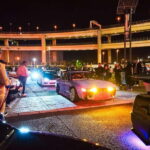
 ★ 4.8Tokyo: FAST&FURIOUS EXPERIENCE Daikoku Tokyo Car ClubFrom $157
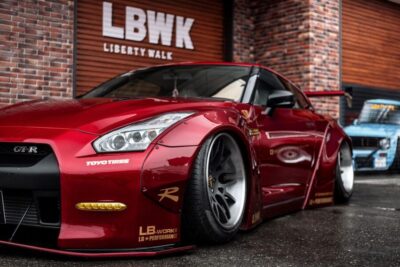 ★ 4.8Tokyo Drift: GT-R Car Club R35 Liberty Walk Daikoku meetingFrom $240
 ★ 4.8Tokyo: Daikoku JDM Fast Furious Drift Style Car ExperienceFrom $123
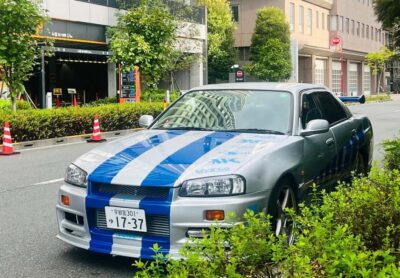
 ★ 4.8Tokyo Drift: GO Daikoku Car Meet R34 Skyline Car ClubFrom $246
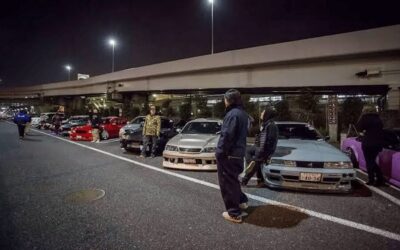
 ★ 4.7Tokyo Drift: Daikoku PA Supreme Car Experience 大黒PAFrom $583 hours