Reviewed · KAMAKURA & ENOSHIMA DAY TRIPS
Kamakura & Yokohama One-Day Tour with English Driver
Kamakura’s 13-meter Great Buddha is the star of this long day south of Tokyo, but the real appeal is range. You move from a seaside island and medieval shrines to bamboo, Chinese food, and a playful ramen museum without changing trains or hauling bags through stations.
In This Article
- Key points to know before booking
- Why this private Tokyo day trip works
- Kotoku-in and the Great Buddha
- Enoshima’s island atmosphere
- Tsurugaoka Hachimangu and Komachi Dori
- Hokoku-ji’s bamboo and Hasedera’s flowers
- Two hours in Yokohama Chinatown
- Shin-Yokohama Raumen Museum
- The English driver and personal service
- What is included, and what is not
- Is the $495 group price worth it?
- Should you book this Kamakura and Yokohama tour?
- FAQ
- What time does the tour start?
- How long does the tour last?
- How many people can join the private tour?
- Is pickup available?
- Is transportation included?
- Are entrance tickets included?
- Is the tour conducted in English?
- What is the cancellation policy?
I like the private vehicle and the freedom it gives your group. I also like the human touch: drivers such as Shah and Zee have helped with photos, timing, local advice, and adjustments for different walking abilities. The catch is simple: eight stops in roughly nine to ten hours makes this a brisk tour, not a slow temple study.
Key points to know before booking
- The Great Buddha leads the day: Kotoku-in’s outdoor bronze Amida Buddha is the clearest reason to visit Kamakura.
- A private car saves time: Pickup and drop-off in Tokyo make a complicated day easier, especially for a group of up to six.
- The route covers three different moods: Kamakura’s religious sites, Enoshima’s coastal attractions, and Yokohama’s food and city culture.
- The schedule is ambitious: Stops range from 30 minutes at Komachi Dori to two hours in Chinatown, so you will see a lot without lingering everywhere.
- Admission costs are extra: Entry to Kotoku-in, Hasedera, Hokoku-ji, and Sankeien Gardens is not included.
- The guides add practical help: Shah has been praised for punctuality, energy, and photography, while Zee has adapted the day for a guest with difficulty walking.
Why this private Tokyo day trip works
Kamakura and Yokohama are close to Tokyo on a map, but they are not one compact sightseeing district. Kamakura spreads across temple neighborhoods and the coast, while Yokohama has its own large city center. Public transport can handle the trip, but you need to plan train connections, walking routes, opening times, and meals.
This tour removes much of that work. You begin at 8:00 a.m. with pickup, ride in an air-conditioned vehicle, and spend the day with only your group. For six people, the $495 group price works out to $82.50 per person before admission and food. For two people, it is $247.50 each, so the value improves sharply with a larger group.
I would think of the price as payment for time and convenience rather than a bargain sightseeing ticket. You are paying for private transportation, an English-speaking driver, pickup and drop-off, and the ability to adjust the day. If your top priority is the lowest possible cost, trains and local buses will be cheaper. If your group wants to connect several spread-out sights in one day, the private setup has a stronger case.
The published duration is described as approximately nine hours in the tour details and approximately ten hours in the overview. Either way, this is a full day. Traffic, the time of year, and how long you spend at each temple can affect the pace, so confirm the expected return time when arranging your day.
A few more Tokyo tours and experiences worth a look
Kotoku-in and the Great Buddha
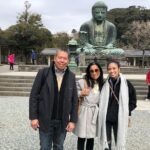
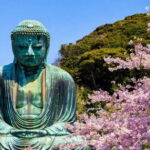
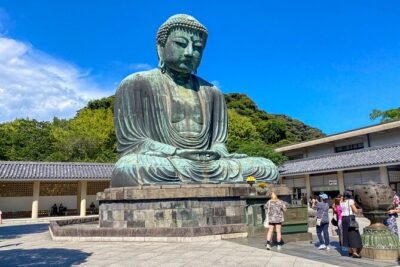
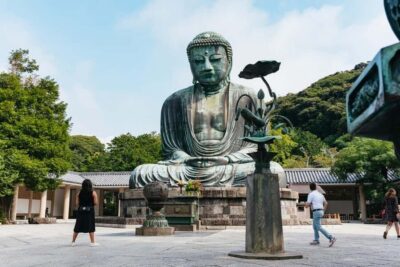
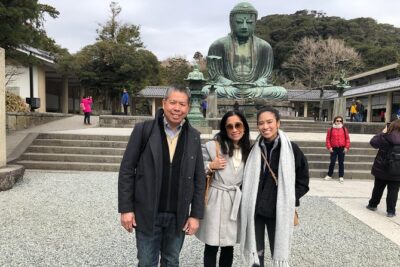
Start with Kamakura’s most famous sight, the Great Buddha at Kotoku-in. The outdoor bronze Amida Buddha is about 13.35 meters high and dates to the medieval era. It once sat inside a large hall, but a tsunami in 1498 destroyed the building. The statue has remained outside ever since.
That open-air setting is what gives the visit its force. You can see the figure against the sky rather than inside a dark hall, and the scale becomes clear as you approach. One hour gives you time to view the statue and temple grounds without turning the stop into a long visit.
Admission is not included, so keep extra money available. The tour description does not specify the current entry fee, and prices can change. I would also avoid assuming that one hour includes a detailed temple presentation. Your driver can offer context and practical help, but this is an English driver tour rather than a full-time specialist lecture.
Enoshima’s island atmosphere
Enoshima changes the tone of the day. Connected to the mainland by bridge, this small island combines a yacht harbor, a wooded hill, shrines, a park, an observation tower, and caves. It is pleasantly touristy, which means you will find plenty to see in a compact area, but it is not a quiet, untouched coastal escape.
The island’s religious center is Enoshima Shrine, a group of shrine buildings linked with Benten, the goddess associated with good fortune, wealth, music, and knowledge. Local legend says Benten created the island before taming a five-headed dragon that had troubled the area.
You have about an hour here, and that is enough for a taste rather than a full exploration. The hill is explored on foot, with paid escalators available. Those escalators may matter if you want to limit uphill walking, though the tour does not state that their fee is included. Mount Fuji may appear on a clear day, but visibility is never guaranteed.
For me, Enoshima is valuable because it gives the itinerary a coastal break between temple visits. The drawback is that an hour may feel short if you want the shrines, viewpoint, caves, and food stalls. Tell the driver what matters most so you do not spread that hour too thin.
Tsurugaoka Hachimangu and Komachi Dori
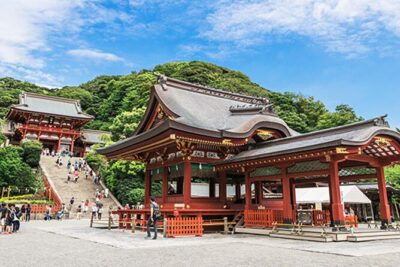
Tsurugaoka Hachimangu is Kamakura’s central shrine and one of the city’s main symbols. It was honored for centuries as the home of gods of war, linking the shrine to Kamakura’s role as the political center of medieval Japan.
The one-hour stop lets you take in the shrine grounds and the sense of ceremony at the city’s core. This is a useful counterpoint to the Great Buddha. Kotoku-in gives you a single powerful statue, while Tsurugaoka Hachimangu presents a larger religious complex woven into the city.
Afterward, you get 30 minutes on Komachi Dori. This is the place for quick browsing, small food purchases, and a look at Kamakura’s modern shopping side. The time is short, so I would not plan a full meal here. Use it for a snack or a quick walk, then save your larger appetite for Yokohama Chinatown or the ramen museum.
The pairing works well, but it demands discipline. A long stop at a shop or food counter can cut into your next temple visit. If you have a particular snack or souvenir in mind, mention it early.
Hokoku-ji’s bamboo and Hasedera’s flowers
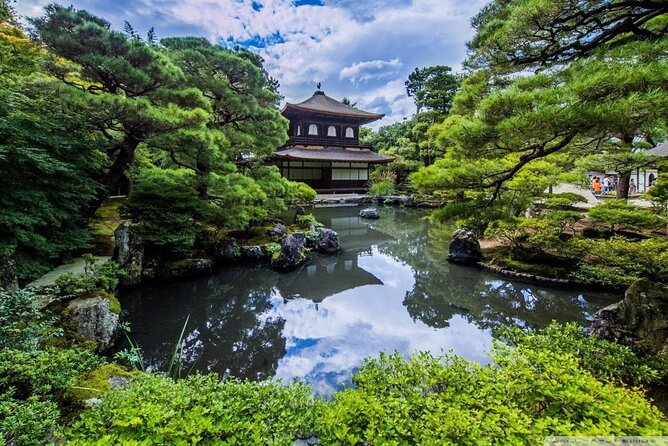
Hokoku-ji Temple is known for its bamboo garden, where tall green stalks create a cooler, more hushed setting. The tour allows one hour here. That is enough to enjoy the grove and the temple grounds without rushing through in minutes.
The bamboo is one of the day’s strongest visual changes. After the open coast, city streets, and broad shrine grounds, the grove offers shade and a more enclosed atmosphere. Entry is not included, so budget separately.
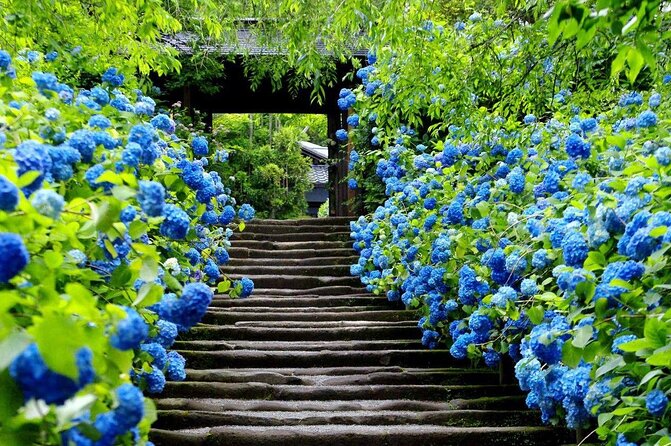
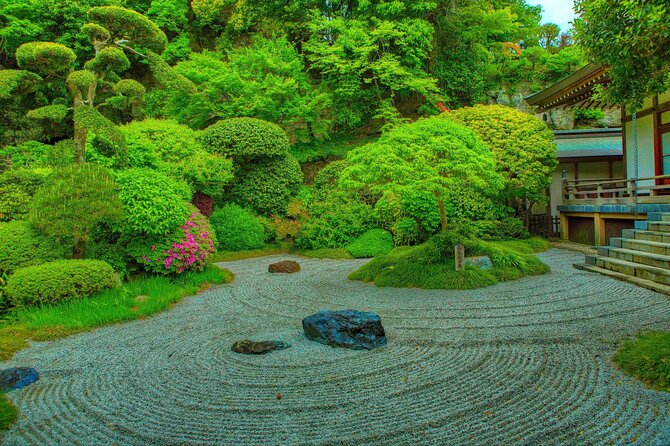
Hasedera receives another hour. It is one of Kamakura’s best-known temples and is associated with flowers in different seasons. The grounds offer a chance to experience another side of traditional Japanese religious culture, with seasonal planting adding interest beyond the buildings themselves.
Entry to Hasedera is also extra. The supplied tour details list admission for Hase-dera as not included, so do not assume temple tickets are covered by the group price. With four major Kamakura temple and shrine stops, admission costs can add up, especially for six people.
This section of the day is also where walking matters most. The tour is private, and Zee has adjusted a visit for a person with difficulty walking, which suggests useful flexibility. Still, the itinerary includes temple grounds, island paths, and shrine approaches. If anyone in your group needs a slower pace, explain that before the morning begins.
A few more Tokyo tours and experiences worth a look

Two hours in Yokohama Chinatown
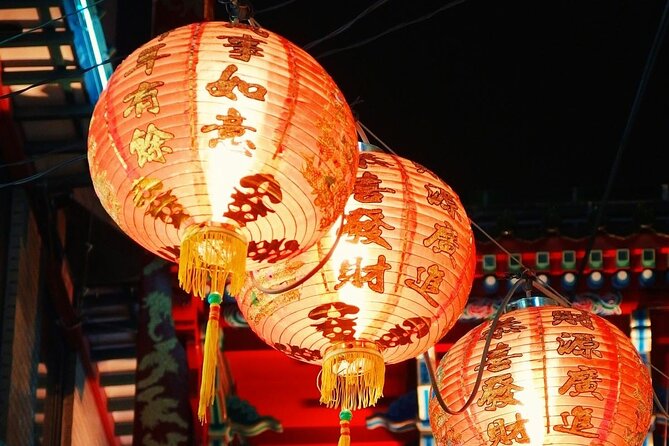
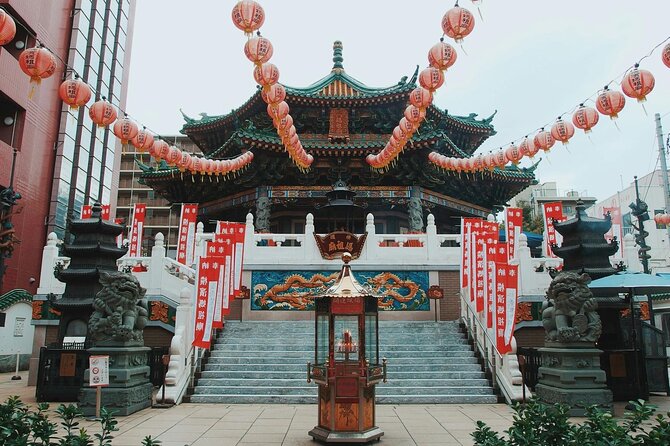
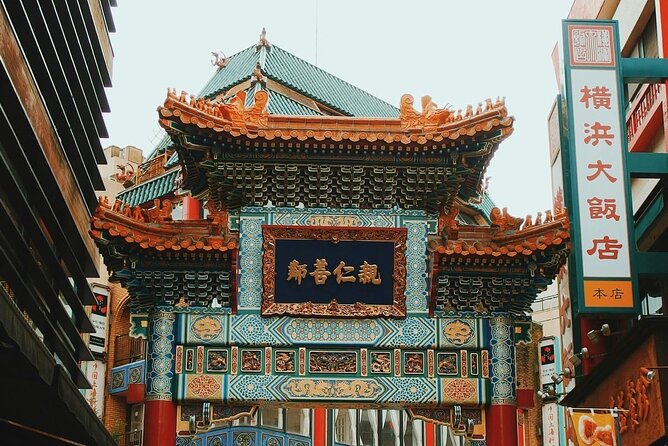
Yokohama Chinatown is Japan’s largest Chinatown, with narrow streets, Chinese restaurants, shops, and colorful gates. It developed after Yokohama opened its port to foreign trade in 1859, when Chinese traders began settling in the city.
Two hours is the most generous stop of the day. That makes sense. Chinatown is not one monument you can check off in 20 minutes. You have time to walk through the gates, choose food, browse shops, and visit Kanteibyo, the brightly decorated temple at the center of the district.
This is the best place to build in a proper meal, though the tour does not include food. Restaurant choices are part of the experience, so ask the driver for help if you want suggestions. The narrow streets can feel crowded at popular times, and the area has more businesses than residents, giving it a strong commercial character.
I like the contrast with Kamakura. The morning is shaped by Japanese temples, shrines, and coastal scenery. Chinatown brings you into Yokohama’s port-city story and Chinese-Japanese food culture. You will not get a complete picture of Yokohama in two hours, but you will get a focused and enjoyable taste.
Shin-Yokohama Raumen Museum
The final listed stop is the Shin-Yokohama Raumen Museum, an indoor food-themed attraction founded in 1994. Its nine ramen shops represent flavors from different parts of Japan, and the interior recreates a Japanese streetscape from 1958, the year instant ramen was invented.
This is more than a restaurant stop. The museum turns ramen into a small cultural exhibit, showing how a national dish can connect regional styles, postwar Japan, and modern food culture. You can choose among several shops rather than committing to one bowl in an ordinary restaurant.
The stop lasts about 90 minutes. Admission is not included, so plan for both the entrance fee and the cost of ramen. Since this comes after Chinatown, you may want to treat it as a smaller tasting stop rather than a second large meal.
The ramen museum also gives the day a lighter finish. After several temples and shrines, a recreated 1958 street scene and a bowl of noodles make a relaxed change. The tradeoff is that it adds another ticket and another food-focused stop to a day that already has plenty of sightseeing.
The English driver and personal service
The strongest practical feature is the driver. This is a private activity, so only your group participates. That means you can ask for photo help, clarify the next stop, and discuss the pace without waiting for a bus full of people.
Shah has been praised for being energetic, punctual, helpful with photos, and good at suggesting sights. Those details matter because this route depends on timing and involves many photo opportunities. A driver who watches the clock and helps with group pictures can make the day feel far less frantic.
Zee has also shown flexibility, including changing the day to suit a person with difficulty walking. I would not treat that as a promise that every route is fully accessible, since the temples, island, and shrine areas have different surfaces and approaches. I would treat it as a reason to communicate your needs clearly before departure.
An English-speaking driver can provide local tips and basic site context, but the experience may not be the same as hiring a dedicated historian or temple guide. If detailed religious, architectural, or political explanation is your main goal, ask how much guiding is included. If you want transport, orientation, photos, and practical help, the format fits better.
What is included, and what is not
The package includes an air-conditioned vehicle and private transportation. Pickup is offered, and mobile ticketing makes the booking side simple.
Several admissions are extra. The provided details specifically exclude entry to Kotoku-in, Hasedera, and Hokoku-ji, and also list Sankeien Gardens admission as not included. Sankeien Gardens is mentioned among Yokohama attractions, but it is not one of the timed stops described here, so confirm whether your group can request it as a replacement or addition.
Enoshima, Komachi Dori, and Chinatown do not list an admission charge. The Enoshima escalators, food, and ramen museum entry are separate matters to clarify before the day begins.
Free cancellation is available up to 24 hours before the 8:00 a.m. start time. A cancellation made inside that window is not refundable, and late changes are not accepted. That is useful flexibility, but the cutoff is based on local time.
Is the $495 group price worth it?
For a full group of six, yes, the price can be sensible. You receive a private vehicle, an English-speaking driver, pickup and drop-off, and a route that would require careful planning by public transport. The ability to adjust the pace adds real value for families or mixed-age groups.
For one or two people, the cost is much harder to justify unless convenience is your main concern. Admission and meals are extra, and the schedule moves quickly. You are not buying an all-inclusive day.
The tour is best for a first visit when you want a broad sampler: one major Buddha, three temple or shrine experiences, a coastal island, shopping, Chinatown, and ramen. It is less suitable if you prefer spending half a day at one temple, hiking Enoshima slowly, or exploring Yokohama in depth.
Should you book this Kamakura and Yokohama tour?
Book it if you have limited time in Tokyo, want a private car, and are traveling with enough people to share the $495 price. Shah and Zee’s practical support, photo help, punctuality, and willingness to adjust the day are meaningful advantages.
Think twice if you are traveling solo, watching every yen, or want a slow, scholarly temple tour. The route is ambitious, admissions are extra, and some stops will be a quick introduction rather than a full visit.
For the right group, this is an efficient way to connect Kamakura’s medieval sights with Yokohama’s food and port culture in one day. Set realistic expectations, choose your must-see stops, and tell the driver about walking needs and meal preferences at the start.
FAQ
What time does the tour start?
The start time is 8:00 a.m.
How long does the tour last?
The experience lasts approximately nine hours in the tour details, while the overview describes it as approximately ten hours.
How many people can join the private tour?
The price covers one group of up to six people. Only your group participates.
Is pickup available?
Yes. Pickup and drop-off are offered as part of the experience.
Is transportation included?
Yes. Private transportation in an air-conditioned vehicle is included.
Are entrance tickets included?
No. Admission to Kotoku-in, Hasedera, and Hokoku-ji is not included. Sankeien Gardens admission is also listed as excluded.
Is the tour conducted in English?
Yes. The experience includes an English-speaking driver.
What is the cancellation policy?
You can cancel up to 24 hours before the start time for a full refund. Cancellations or changes made less than 24 hours before the start time are not accepted for a refund.
More Private Drivers in Tokyo
More Kamakura & Enoshima Day Trips in Tokyo


More tours in Tokyo we've reviewed




Kamakura & Enoshima Day Trips, compared.
 ★ 4.5Tokyo: Kamakura & Enoshima Day Trip including Temple TicketsFrom $589 hours - 570 minutes
 ★ 5.0Mount Fuji, Kamakura, Big Buddha, & Lake Ashi Day TripFrom $109
 ★ 4.7Tokyo: Mt Fuji, Kamakura, Lake Ashi & Big Buddha Guided TourFrom $50
 ★ 4.5From Tokyo: Kamakura & Enoshima 1-Day Bus TourFrom $66
 ★ 4.9Tokyo:Sea of Mount Fuji, Hakone Ropeway, Ōwakudani, EnoshimaFrom $5010 hours
 ★ 5.0Kamakura 8 hr Private Walking Tour with Licensed Guide from TokyoFrom $201