Reviewed · MT FUJI DAY TRIPS
From Tokyo: Mount Fuji Full Day Private Tour With Engish Driver
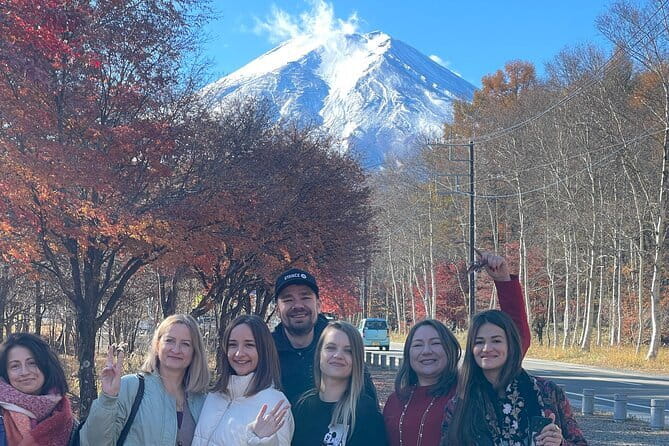
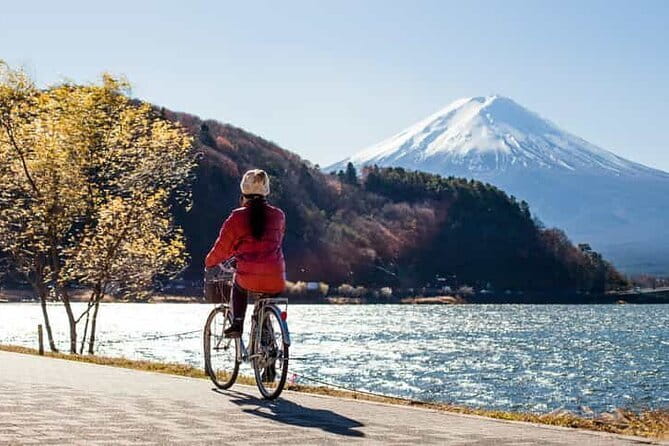
Mount Fuji is the star here, but the best part of this day is how many different views you get of it. You’ll see the mountain behind a pagoda, above old shrine paths, reflected near traditional ponds, and from the high Fuji Subaru Line 5th Station. Chureito Pagoda and Oshino Hakkai are especially strong stops for photographs and atmosphere.
In This Article
- Key points at a glance
- A private route from Tokyo to Japan’s most famous peak
- Kitaguchi Hongu Fuji Sengen Shrine and Fuji’s sacred side
- Oshino Hakkai’s ponds, bridges, and old-style buildings
- Two hours around Lake Kawaguchiko
- Oishi Park for a clean Fuji photograph
- Arakura Fuji Sengen Shrine and the famous pagoda view
- Mt. Fuji 5th Station at high elevation
- How the private vehicle changes the day
- Timing, crowds, and the eight to ten hour schedule
- What the $351 group price really buys
- Weather is the tour’s biggest variable
- Who should book this Mount Fuji day trip?
- Final verdict: a strong private choice when Fuji is clear
- FAQ
- How long does the Mount Fuji private tour last?
- How many people can join the private tour?
- Is pickup available from Tokyo?
- What transportation is included?
- Is lunch included?
- Is the Mount Fuji entrance fee included?
- What happens if bad weather cancels the tour?
I like the privacy of a vehicle for up to five people, and I like the flexible feel of a private day rather than a large coach outing. An early departure is worth considering: one booking left earlier than scheduled and reached Arakura Fuji Sengen Shrine before the crowds grew. The main drawback is the long, weather-dependent day. If clouds cover Fuji, the tour loses much of its visual punch, and the 2,100-yen Mount Fuji fee is not included.
Key points at a glance
- Six stops in one long day: You visit two major shrines, Oshino Hakkai, Lake Kawaguchiko, Oishi Park, and Mt. Fuji 5th Station.
- Private transport for up to five: Your group travels together in an air-conditioned vehicle with WiFi.
- Best photo pairing: Chureito Pagoda and Arakura Fuji Sengen Shrine provide the classic red architecture and Fuji views.
- A useful early-start tip: Reaching Arakura before it becomes crowded can make the steep viewpoint path more pleasant.
- Fuji weather matters: The mountain may be hidden by clouds, and poor weather can lead to a new date or a full refund.
- Budget for extras: Lunch is not included, and the stated Mount Fuji entrance fee is 2,100 yen.
A private route from Tokyo to Japan’s most famous peak
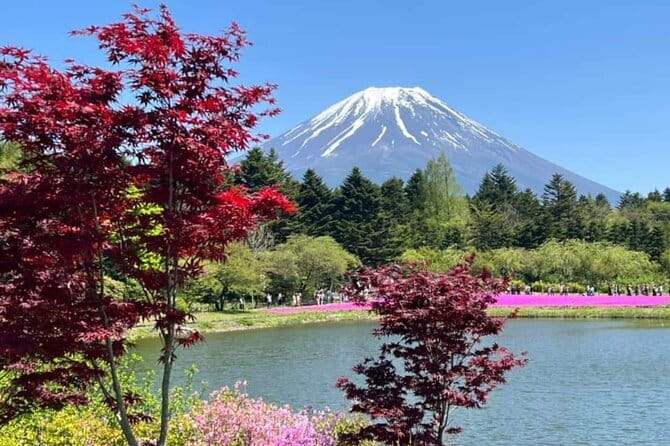
This is an ambitious day trip, lasting about eight to ten hours. You leave Tokyo behind and head toward the Fuji area in a private vehicle, with an English-speaking driver handling the road journey.
That private setup matters more here than it would on a simple city sightseeing tour. The Fuji area spreads across several towns and viewpoints, and the route includes six separate stops. You are not tied to a large group’s pace, and your party of up to five can share the same vehicle.
The price is $351 per group, not per person. For five people, that works out to about $70 per person before food and the additional Mount Fuji fee. For two people, the per-person cost is much higher, so the value improves sharply with a group of four or five.
You should still see this as a convenience purchase, not a low-cost excursion. The value comes from private transportation, a full-day route, hotel pickup availability, and the ability to cover several Fuji-area sights without arranging each transfer yourself.
A few more Tokyo tours and experiences worth a look
Kitaguchi Hongu Fuji Sengen Shrine and Fuji’s sacred side
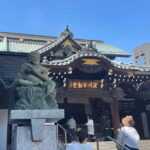
The first listed stop is Kitaguchi Hongu Fuji Sengen Shrine, with about an hour to look around. It is one of roughly 1,300 Asama shrines in Japan, dedicated to the deity associated with volcanoes and Mount Fuji.
The shrine forms part of the Mount Fuji UNESCO World Cultural Heritage site, designated in 2013. That gives this stop more weight than a quick photo stop. You are seeing one of the places where Mount Fuji is treated not only as a natural feature, but also as a sacred presence.
I would use this hour to slow down. The route later becomes more view-focused, while this shrine gives you a cultural beginning. Admission is listed as free, though you should still allow time for walking around the grounds rather than expecting a short roadside visit.
Oshino Hakkai’s ponds, bridges, and old-style buildings
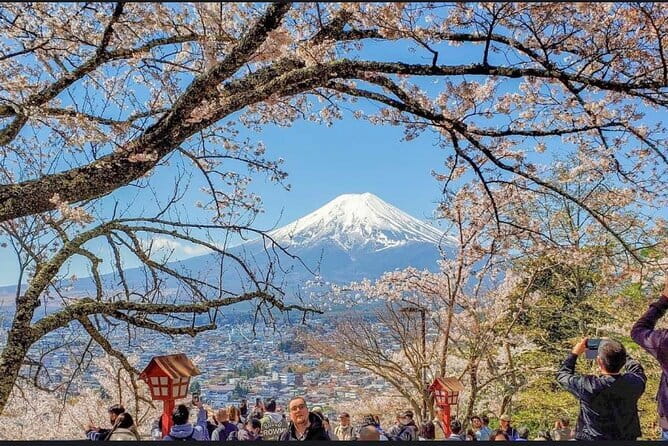
Oshino Hakkai takes about an hour and offers a different kind of Fuji scene. Hakkai means Eight Seas, referring to the eight water pools that form the main attraction.
Pathways and bridges lead you around the ponds. Traditional thatched-roof buildings and water wheels give the area an older rural character, while Mount Fuji may appear behind them when visibility is clear.
This is a good stop for variety. You are not simply looking at the mountain from an observation deck. You can focus on water, architecture, bridges, and village details, then turn around for the larger view.
The catch is that the appeal depends on conditions. If Fuji is covered, Oshino Hakkai still has its ponds and buildings, but the famous mountain backdrop will be missing. Admission is listed as free, and one hour should provide a useful visit without making the whole day feel rushed.
Two hours around Lake Kawaguchiko
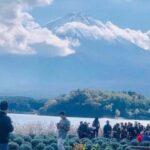
Lake Kawaguchiko receives the longest scheduled visit, at about two hours. It is the second largest of the Fuji Five Lakes by surface area and has a surface elevation of around 830 meters.
That height helps explain the area’s cooler summers and icy winters. The lake is also relatively shallow, with a maximum depth of only 14.6 meters, details that give some context to the place beyond its role as a scenic stop.
For you, the value is time. Two hours gives your group room to enjoy the lakeside at a slower pace, take photographs, and adjust to the weather. The lake provides a broad setting for Fuji views, while the surrounding area offers a change from shrines and compact village paths.
Do not assume that two hours means a fixed set of activities. The supplied details identify Lake Kawaguchiko as a sightseeing stop, not a boat ride or watersports outing. Treat it as open time by the lake, with your exact use of the stop shaped by the day’s conditions and your driver’s route.
Oishi Park for a clean Fuji photograph
Oishi Park in Fujikawaguchiko gets about an hour. Its location near Lake Kawaguchiko makes it a natural continuation of the lake stop, but it offers another angle for views and photographs.
The park is particularly useful for people who want a straightforward Fuji photo without a shrine staircase or traditional village setting. Seasonal color can also affect the look of the area, though the exact display depends on the date of your visit.
I would keep expectations practical. This is a scenic park stop, not a major cultural attraction with a long list of activities. Its value is in the open view and the chance to spend time outdoors before the route turns to another shrine and then climbs higher toward the mountain.
Other private tours in Tokyo


Arakura Fuji Sengen Shrine and the famous pagoda view
Arakura Fuji Sengen Shrine is one of the most recognizable stops on the route. The historic shrine dates to 705 and sits partway up Mount Arakura.
A red torii gate marks the approach, and the shrine’s main hall is connected with prayers for disaster prevention and household happiness. The setting gives you a useful blend of religious tradition, red architectural details, and a high viewpoint.
This is also the stop where timing matters most. The route description identifies about an hour here, but reaching the viewpoint involves going up the hillside. One booking left earlier than the scheduled time and visited Arakurayama Sengen Shrine before it became too crowded. That is a useful clue for planning: an early start can matter more here than at a broad lakeside park.
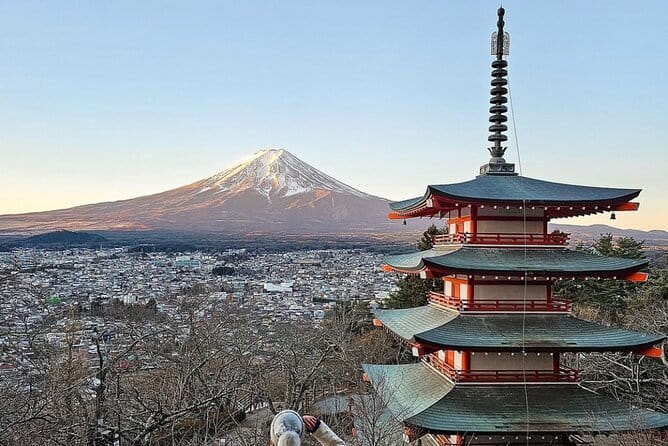
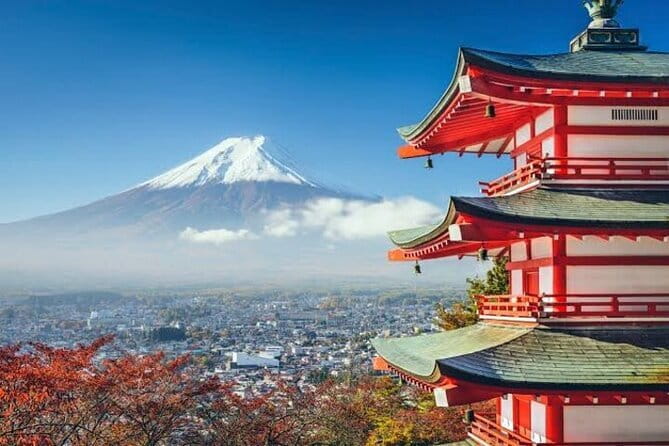
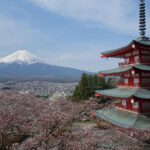
On a sunny day, the view from the top can be stunning, with the five-story Chureito Pagoda in front of Mount Fuji. In spring, cherry blossoms may frame the scene. In autumn, leaves can add warm color. Neither seasonal display is guaranteed, but the basic composition remains one of the strongest photo opportunities in the Fuji area.
You should also be honest about the effort involved. A hillside shrine is not as easy as stepping from a vehicle into a flat park. If your group includes anyone who finds stairs or uphill walking difficult, ask about the exact timing and walking expectations before booking.
Mt. Fuji 5th Station at high elevation
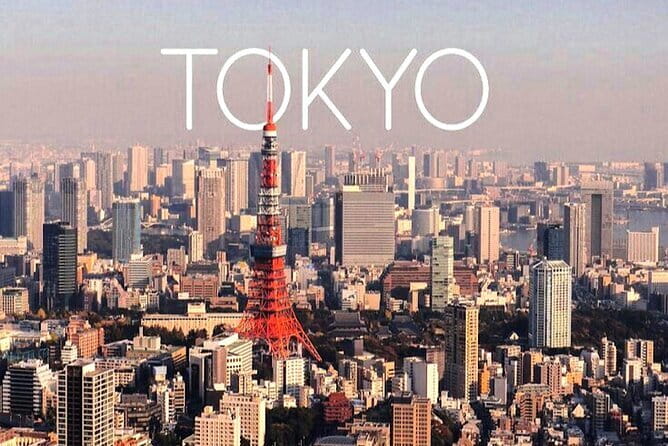
The final major stop is Mt. Fuji 5th Station, reached by the Fuji Subaru Line. The planned visit is about two hours, making this one of the day’s larger stops.
The 5th Station is popular with people who are not climbing Mount Fuji. From the observation area, you can see toward Fujiyoshida and Lake Yamanaka, and Komitake Shrine sits behind the shopping area.
This stop gives you a closer, higher view of the mountain than the lakes and villages below. It also shows the practical side of Fuji tourism, with a shopping area and an observation point rather than only quiet shrine grounds.
The listed Mount Fuji entrance fee of 2,100 yen is not included. Confirm how and when this fee is collected before the day begins, and keep it separate from your food budget. Lunch is also not included, so your group should plan for that cost during the long outing.
The 5th Station is especially sensitive to weather and road conditions. The tour requires good weather, and the experience can be canceled if conditions are poor. You will be offered another date or a full refund in that situation.
How the private vehicle changes the day
The tour includes private transportation in an air-conditioned vehicle, with WiFi on board. Pickup is offered, and the activity is limited to your own group.
For a Fuji day trip, this is a major practical benefit. The itinerary covers several locations across the region, and public transportation would require more planning and could reduce the time available at each stop. A private vehicle also lets your group remain together instead of splitting up across trains or buses.
The English-speaking driver is part of the appeal, but the information supplied does not name the driver or describe the service as a dedicated guiding program. You should therefore think of this as a private sightseeing transfer with an English-speaking driver, rather than assume you will receive a specialist lecture at every shrine.
That distinction helps set fair expectations. If you want a highly detailed historical guide at each stop, ask the provider what the driver’s guiding role includes. If your priority is a private ride between major Fuji sights, the setup is much easier to value.
Timing, crowds, and the eight to ten hour schedule
The day is scheduled for roughly eight to ten hours, which is enough time to visit all six stops but leaves little room for a slow, unplanned pace. Tokyo traffic, road conditions, weather, and crowds can all affect the actual return time.
I would plan for a full day rather than a casual outing. Eat something before pickup, carry water, and wear shoes suited to shrine paths and the uphill approach at Arakura Fuji Sengen Shrine.
The early-start point deserves emphasis. Reaching the pagoda viewpoint before it fills up may improve both the walk and the photographs. The earlier departure described for one booking was beneficial precisely because it put the group at the shrine before the area became too crowded.
The stops also have different rhythms. Kitaguchi Hongu Fuji Sengen Shrine is cultural and reflective. Oshino Hakkai is compact and scenic. Lake Kawaguchiko and Oishi Park are open-air viewing stops. Arakura requires uphill effort. The 5th Station offers height, shopping, and another perspective on Fuji.
That mix keeps the day from becoming repetitive, but it also means you should not expect every stop to feel equally calm or equally photogenic.
What the $351 group price really buys
At $351 for up to five people, this tour can be good value for a family or small group. A full private vehicle, air conditioning, WiFi, pickup availability, and an eight to ten hour route would be difficult to replicate without paying separately for transport and coordinating several regional connections.
For one or two people, the cost per person is less attractive. You are paying for the vehicle and private arrangement, so the price does not fall in proportion to the number of people in your party.
You should also add lunch and the 2,100-yen Mount Fuji entrance fee. The listed stops themselves have free admission, but the total cost is not limited to the advertised group price.
The 93 percent recommendation rate and 4.9 rating from 14 reviews suggest a strong overall response, but the sample is small. I would use those figures as a positive signal, not as a guarantee that the weather, traffic, or driver style will match your hopes.
Weather is the tour’s biggest variable
Mount Fuji often defines the success of this type of day, yet the mountain’s visibility is outside your control. A clear day can connect every stop, from the pagoda and ponds to the lake and 5th Station. Cloud cover can turn the same route into a series of attractive but less dramatic local sights.
The operator requires good weather for the experience. If poor weather causes cancellation, you will be offered a different date or a full refund. That policy is helpful because it recognizes the central role of visibility and road conditions.
Still, do not book this day expecting a guaranteed postcard view. Book it if you would also appreciate shrines, ponds, lake scenery, parks, and a high-altitude sightseeing area when Fuji is partly hidden.
Who should book this Mount Fuji day trip?
I would recommend it most strongly to a group of three to five people that wants a private day outside Tokyo without managing regional transportation. Families and friends can share the fixed vehicle price, and the private format makes it easier to keep the day together.
It also suits photographers and first-time visitors who want several classic Fuji viewpoints in one outing. Chureito Pagoda, Oshino Hakkai, Lake Kawaguchiko, Oishi Park, and the 5th Station each frame the mountain differently.
You should think twice if you dislike long road days, have limited tolerance for uphill walking, or need guaranteed access to every stop in poor weather. The tour is also less cost-effective for a solo visitor or a pair unless the convenience of private transport matters more than minimizing the fare.
Most participants can take part, and the activity is near public transportation, but the supplied details do not provide a specific accessibility plan for the shrine paths or hillside approach. Ask before booking if stairs, uneven ground, or uphill walking are a concern.
Final verdict: a strong private choice when Fuji is clear
I would book this tour if you have a small group, want a private vehicle, and prefer a packed day of varied Fuji sights over a single destination. The combination of sacred shrines, traditional ponds, lake views, parks, the Chureito Pagoda, and the 5th Station gives you a fuller picture of the region than a quick photo stop.
I would not choose it solely for a guaranteed Mount Fuji photograph. Weather can hide the peak, the day is long, lunch costs extra, and the 2,100-yen entrance fee is separate.
The smartest approach is to request an early departure, confirm the pickup details and driver’s guiding role, and budget for the extras. With those expectations in place, this is a practical and well-rounded way for a small group to reach Mount Fuji from Tokyo.
FAQ
How long does the Mount Fuji private tour last?
The tour lasts approximately eight to ten hours.
How many people can join the private tour?
The price covers one private group of up to five people. Only your group participates in the activity.
Is pickup available from Tokyo?
Pickup is offered, though the supplied details do not specify the exact pickup locations or times.
What transportation is included?
The tour includes private transportation in an air-conditioned vehicle, with WiFi on board.
Is lunch included?
No. Lunch is not included in the tour price.
Is the Mount Fuji entrance fee included?
No. A Mount Fuji entrance fee of 2,100 yen is listed as an additional cost.
What happens if bad weather cancels the tour?
If poor weather causes cancellation, you will be offered a different date or a full refund. Free cancellation is also available when you cancel at least 24 hours before the experience start time.
More Full-Day in Tokyo

More Private Tours in Tokyo
More Mt Fuji Day Trips in Tokyo
More tours in Tokyo we've reviewed





Mt Fuji Day Trips, compared.
 ★ 5.0Mt Fuji and Hakone 1-Day Bus Tour Return by Bullet TrainFrom $163
 ★ 4.0Mt Fuji & Hakone Cruise, Drum Show Bullet Train 1 Day from TokyoFrom $149
 ★ 4.4Tokyo Mt Fuji 5th St & Hakone Cruise Bus Tour w/Bullet TrainFrom $15410 hours
 ★ 4.5From Tokyo: Mount Fuji Full-Day Sightseeing TripFrom $6810 hours
 ★ 4.7Tokyo: Mt. Fuji Tour, Hakone Ropeway, Owakudani, Lake AshiFrom $5410 hours
 ★ 4.4Tokyo:Mt.Fuji,Kawaguchiko Oishi Park,Arakurayama Sengen ParkFrom $5410 hours