Reviewed · TOURS
Explore Japan Tour: 12-day Small Group
Japan comes into focus on this trip through contrast: Tokyo’s electric Shibuya Crossing, a quiet ryokan beside Mt. Fuji, old post towns in the Kiso Valley, and Kyoto’s red torii gates and Zen gardens. Shawn and Becki keep the group to eight, which matters in Japan’s crowded stations, narrow restaurants, and busy temple grounds.
In This Article
- Key points to know before you book
- Why this route gives you more than a Tokyo and Kyoto sampler
- Tokyo begins with crowds, temples, and food stalls
- Lake Kawaguchiko brings the trip’s most memorable overnight
- Inuyama Castle and the old Nakasendo road
- Hiroshima and Miyajima add weight and beauty
- Kyoto brings red gates, sake, and temple walks
- Golden Pavilion and a Zen garden
- The final Tokyo day and airport departure
- Hotels, meals, transport, and group size
- Who gets the best value from this Japan tour
- Should you book this Japan itinerary?
- FAQ
- How long is the tour?
- What is the maximum group size?
- Where does the tour start?
- Where does the tour end?
- What accommodation is provided?
- Are meals included?
- Is a Mt. Fuji visit included?
- Does the tour include a bullet train ride?
- How physically demanding is the trip?
- Can I cancel for a refund?
I like two things right away: the mix of major sights and smaller historic places, and the chance to sleep in a traditional ryokan with an onsen and kaiseki dinner. The main caution is the schedule. Twelve days is a fast run through a large country, and the published material also refers to 20 days and three weeks, so confirm the exact length, inclusions, and dates before paying.
Key points to know before you book
- A maximum of eight people makes train travel, meals, and city walks easier to manage.
- The ryokan night near Lake Kawaguchiko adds an important Japanese cultural experience beyond standard hotels.
- Seven dinners and all breakfasts are included, helping control the cost of eating out.
- The route covers Tokyo, Mt. Fuji, central Japan, Hiroshima, Miyajima, and Kyoto in one compact journey.
- Shawn and Becki handle the complicated details, including local transport routes and hotel locations near train stations.
- The non-refundable policy and itinerary confusion call for careful checking before booking.
Why this route gives you more than a Tokyo and Kyoto sampler
Many first visits to Japan focus only on Tokyo and Kyoto. This journey adds the places between them, including Inuyama Castle, the Nakasendo post towns, Hiroshima, and Miyajima. That broader route gives you a better sense of how Japan changes from huge modern cities to small historic communities.
The plan also mixes guided sightseeing with free time. You get organized visits to famous temples and museums, but you are not marched through every hour of every day. Day 11 is set aside for your own Tokyo plans, with the Tokyo National Museum offered as an option.
The cost is $8,648 per person. That is a serious price, but it pays for more than sightseeing. You are buying a small group, hotel arrangements, selected meals, admissions, and help with a transport system that can feel bewildering at first. The value is strongest if you want someone else to manage the details and you would otherwise pay for private guidance, rail planning, and carefully chosen lodging.
It is less compelling if you are already comfortable booking Japanese hotels, using trains, and organizing meals on your own. Japan is very possible to visit independently. This package is aimed at saving time and mental energy, not at being the cheapest way to see the country.
If you're still narrowing it down, here are other tours in Tokyo we've reviewed.
Tokyo begins with crowds, temples, and food stalls
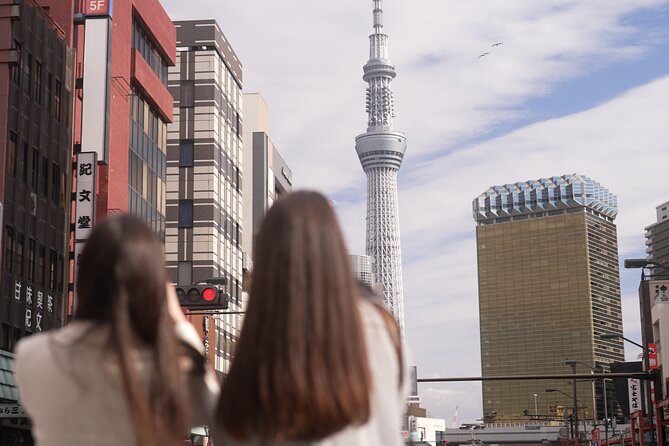
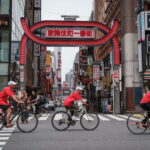
Your first stop is Shibuya Crossing, where several streams of people move across the famous intersection when the signals change. One hour is enough to see the crossing, walk around the area, and get your first feel for Tokyo’s scale. This is a good arrival activity because it is simple and flexible, though it is not a deep introduction to the city.
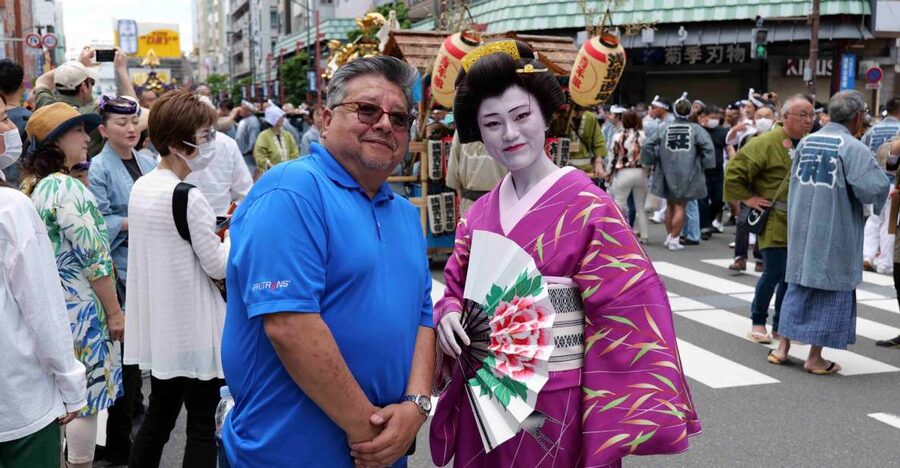
Day 2 shifts to Asakusa and Senso-ji, Tokyo’s oldest Buddhist temple, founded in 645. Give this visit its full two hours. The temple grounds and approach provide a clear first look at Japanese religious architecture, and the area has a more traditional feel than Shibuya.
The Tsukiji Outer Market follows. The market is known for fresh seafood vendors, but the bigger appeal is watching everyday food culture at close range. Your one-hour visit will be brief, so treat it as a focused walk and tasting opportunity rather than a full market tour.
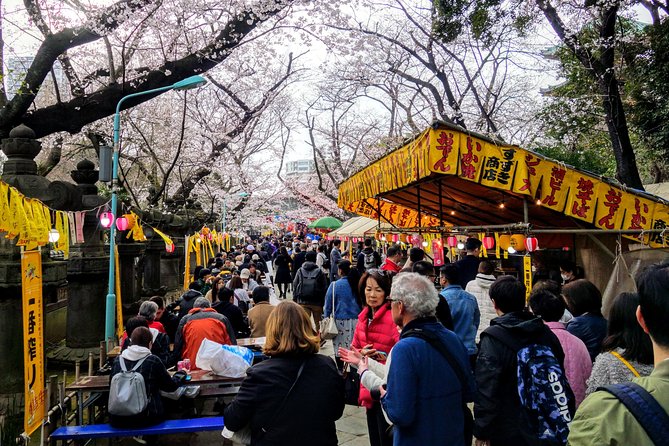
Ueno Park rounds out the day. It is especially appealing during cherry blossom season, though the timing of blossoms is never guaranteed. Ameya Yokocho, with its small shopping alleys, adds a less polished and more local-feeling finish. Two hours gives you room to stroll, browse, and take a break.
Lake Kawaguchiko brings the trip’s most memorable overnight
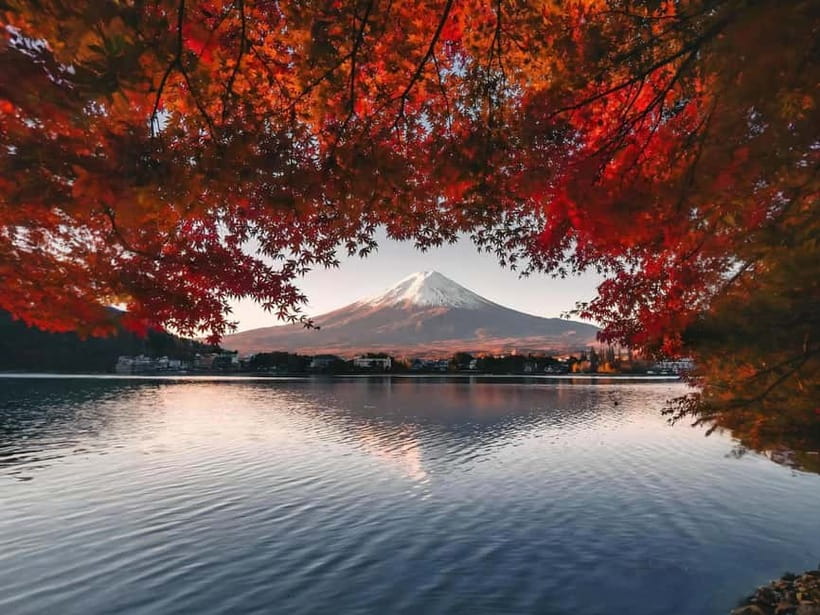
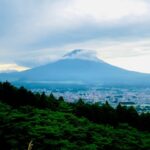
The journey to Lake Kawaguchiko is one of the strongest parts of the plan. You are there for views of Mt. Fuji, then spend the night in a traditional Japanese ryokan. The mountain is weather-dependent, so keep expectations sensible. Clear views are possible, but no itinerary can promise them.
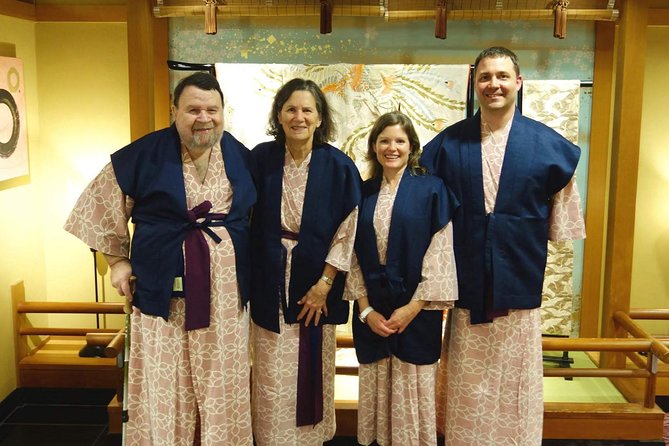
The ryokan is valuable because it changes the rhythm of the trip. Instead of simply touring Japan’s famous sights, you experience a traditional style of lodging, soak in a mineral-rich onsen, and eat a kaiseki dinner. Kaiseki is a carefully arranged Japanese meal, and this dinner is one of the included seven evening meals.
A ryokan can feel different from a Western hotel. Rooms and sleeping arrangements may be more traditional, and the onsen requires following local bathing customs. You should be ready for a cultural experience rather than expecting a standard four-star room.
The day is listed as eight hours, which makes it a full outing before the overnight stay. Pack a small overnight bag if the main luggage arrangement requires it, though that detail is not specified and should be confirmed with the operator.
Inuyama Castle and the old Nakasendo road
Inuyama Castle gives you a welcome change of pace after Tokyo. Built about 480 years ago, it is one of only 12 original castles in Japan and is designated a National Treasure. The four-hour visit should allow time to appreciate both the castle and its setting.
Original castles matter because many famous Japanese castles are reconstructions. Inuyama offers a more direct connection to the country’s feudal past. Castle interiors can include steep stairs and uneven surfaces, so your moderate fitness level will be useful.
Day 5 takes you to Magome-juku and Tsumago in the Kiso Valley. These preserved post towns once served people traveling the Nakasendo route between Tokyo and Kyoto during the Edo period. This is one of the itinerary’s best choices because it moves you away from Japan’s biggest cities and into a slower, more historic setting.
The eight-hour visit suggests a substantial day, not a quick photo stop. You will want comfortable shoes and a willingness to walk on older streets and paths. The route is appealing for people who want atmosphere and architecture rather than another major museum or city district.
Hiroshima and Miyajima add weight and beauty
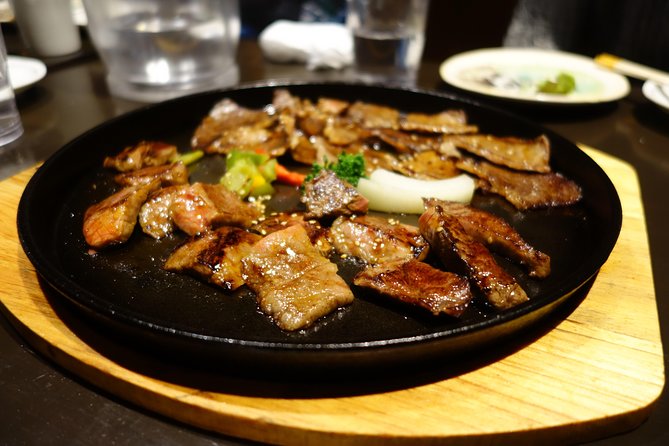
Hiroshima is not just another stop. The Peace Memorial Museum, Atomic Bomb Dome, and Peace Memorial Park ask for attention and quiet. The planned streetcar ride helps you see the city as a living place, not only as a memorial site.
Four hours is enough for a focused visit, but you may find the museum emotionally demanding. The schedule gives you a clear introduction rather than unlimited time for every exhibit. If this subject matters deeply to you, note that the visit is one part of a busy multi-city tour.
The next day takes you by ferry to Miyajima and Itsukushima Shrine. The floating torii gate is one of Japan’s most recognizable sights, and the ferry crossing gives the visit a distinct sense of arrival. You can stroll the island streets and paths, then visit the World Heritage shrine during the four-hour stop.
The torii gate’s appearance can vary with the tide, and the published plan does not specify the timing. Ask about the expected conditions if seeing the gate surrounded by water is a priority. Even so, the shrine and island setting make Miyajima a worthwhile companion to Hiroshima.


Kyoto brings red gates, sake, and temple walks
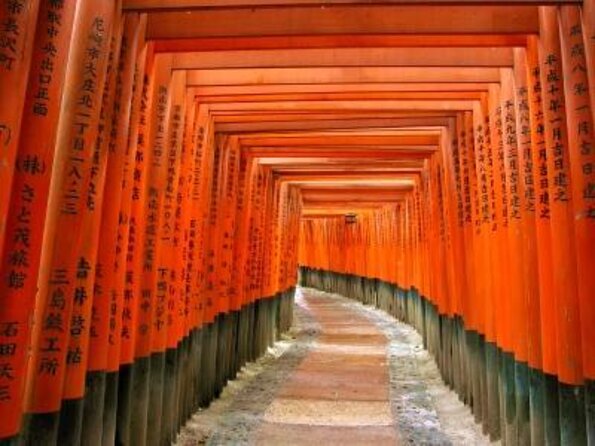
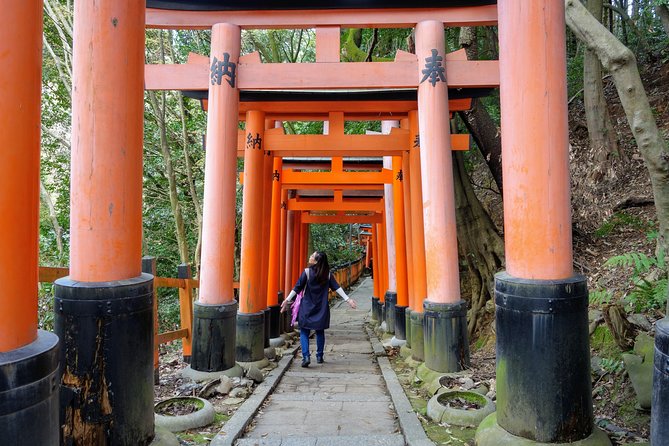
Day 8 begins at Fushimi Inari-taisha, known for its thousands of red torii gates. The shrine dates to 711, and the gates continue up the hillside beyond the first sections. You do not need to walk every gate to appreciate the place, but four hours gives you more freedom than a quick stop.
The site can be crowded near the entrance. Going farther along the route usually changes the feel, though the tour’s timing and walking plan will determine how far you go. Wear shoes suited to slopes and steps.
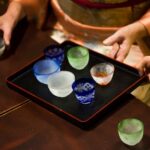
The Gekkeikan Okura Sake Museum follows, with a look at traditional sake-making methods and tastings of several blends. The brewery was founded in 1637, giving the visit a long commercial and cultural background. This is a practical stop for anyone curious about Japanese food and drink, not just temple architecture.
Day 9 focuses on Kiyomizu-dera and the Higashiyama District. The World Heritage temple is paired with old wooden houses and small shops, which makes the four-hour block feel varied. You can see a major religious site, then walk through one of Kyoto’s most atmospheric areas.
This is also a place where crowds can slow you down. Keep some patience for narrow streets and busy approaches. The reward is the chance to move between formal temple grounds and traditional neighborhood streets in one outing.
Golden Pavilion and a Zen garden
Kinkaku-ji, the Golden Temple, is a short one-hour visit. The pavilion is striking, especially when reflected in the pond, but the visit is organized around a set viewing route rather than a long period inside the temple. One hour is realistic and prevents the stop from taking over the day.
Ryoanji follows with another hour. Its Zen rock garden is famously spare. You will not need a long explanation to see its effect, but a guide can help you notice the garden’s composition and the quiet discipline behind it.
The two temples work well together. Kinkaku-ji is visual and ornate, while Ryoanji is restrained and contemplative. If you prefer unstructured time, the short visits may feel rushed, but they make room for the trip’s many other stops.
The final Tokyo day and airport departure
Day 11 is designed as a free day in Tokyo. That flexibility is important after a tightly planned route. You can return to a favorite neighborhood, shop, rest, or take the optional visit to the Tokyo National Museum.
The museum option is listed as an eight-hour activity, though the day is described as free time. Confirm whether admission, transportation, and guiding are included in your specific booking. A free day also gives you a buffer for jet lag, shopping, or anything missed earlier.
On Day 12, you check out and head to Narita International Airport. The plan includes time at the Terminal 1, fifth-floor observation deck before departure. That is an unusual airport touch, but you should confirm your flight timing and transfer arrangements. The supplied details do not clearly state how airport transportation is handled.
Hotels, meals, transport, and group size
The accommodation mix includes three- and four-star hotels plus the traditional ryokan. Hotel locations are described as being chosen to reduce walking to nearby train stations, a useful advantage in cities where a day can involve many steps and transfers.
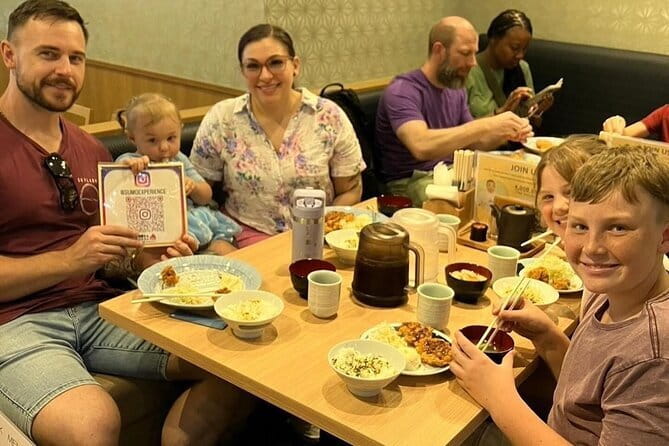
All breakfasts and seven dinners are included. That gives you a reliable start each morning and several organized evening meals, including the kaiseki dinner. Lunches are not listed, so plan to pay for those separately, along with any snacks, drinks, and personal purchases.
The trip is built around public transportation, including Japan’s bullet train. That is a major benefit for a first visit because station transfers and train routes can take time to understand. You should still expect walking, stairs, and the need to keep moving with the group.
A maximum of eight people is small enough for personal attention. Shawn and Becki are described as fluent in Japanese and experienced with local routes, restaurants, and timing. The direct help is likely most useful during train connections and at small local restaurants, where a large tour group would be awkward.
Who gets the best value from this Japan tour
I would consider this trip if you are visiting Japan for the first time and want a clear route through the country without spending weeks planning hotels, trains, and admission tickets. It also suits independent-minded people who like local transportation and small restaurants but do not want to manage every detail themselves.
The route works well for couples and older participants with moderate fitness. You should be comfortable walking for several hours, handling temple steps, riding public transportation, and keeping pace during full-day outings.
You may prefer an independent trip if you want long stays in one city, more time for shopping, or control over every meal. The itinerary is packed, and the published information contains conflicting references to 12 days, 20 days, and three weeks. Get the final schedule in writing before committing.
The experience is non-refundable and cannot be changed after purchase. That policy matters at this price. Confirmation is expected within 48 hours, subject to availability, and the listed opening information shows November 26 to 30, 2025, with Wednesday hours from noon to 4 p.m. Those details do not match a normal 12-day departure format, so ask the operator to clarify the exact start date and operating window.
Should you book this Japan itinerary?
Book it if your priority is a well-organized first look at Japan, with a small group, traditional lodging, major cultural sites, and transport support. The strongest moments are the Mt. Fuji ryokan stay, the Nakasendo post towns, Hiroshima and Miyajima, and the balance between Tokyo and Kyoto.
Think twice if $8,648 feels high for a 12-day trip, or if you prefer to set your own pace. Before paying, confirm whether the trip is 12, 20, or 21 days, exactly what transport and lunches cost, and how the airport transfer works. If those points check out, the personal guidance from Shawn and Becki can make this a sensible choice for seeing a lot of Japan with far less planning work.
FAQ
How long is the tour?
The itinerary is laid out over 12 days, but the supplied description also refers to 20 days and three weeks. Confirm the exact duration with Japan and More before booking.
What is the maximum group size?
The group is limited to eight participants.
Where does the tour start?
The start point is Tokyo, Japan.
Where does the tour end?
The activity ends back at the meeting point, with the final day involving departure for Narita International Airport.
What accommodation is provided?
The tour includes accommodation in three- and four-star hotels, plus a traditional Japanese ryokan near Lake Kawaguchiko.
Are meals included?
All breakfasts and seven dinners are included. Lunches are not listed as included.
Is a Mt. Fuji visit included?
Yes. The tour visits Lake Kawaguchiko for views of Mt. Fuji and includes a ryokan stay, onsen, and kaiseki dinner.
Does the tour include a bullet train ride?
The overview says the journey includes riding Japan’s super-fast bullet train. Confirm the exact rail arrangements with the operator.
How physically demanding is the trip?
A moderate level of fitness is recommended. The route includes city walking, temple grounds, castle visits, public transportation, and full-day outings.
Can I cancel for a refund?
No. The experience is non-refundable and cannot be changed for any reason after purchase.
More tours in Tokyo we've reviewed
Tours, compared.
 ★ 5.0Mt Fuji and Hakone 1-Day Bus Tour Return by Bullet TrainFrom $163
 ★ 5.01-Day Tokyo Bus TourFrom $129
 ★ 5.0Tokyo: Shinjuku Food Tour (13 Dishes at 4 Local Eateries)From $86
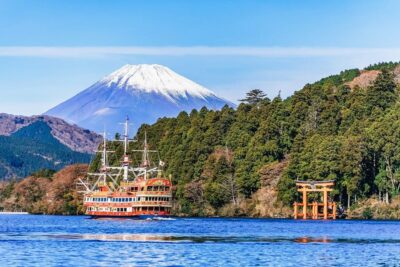 ★ 4.4Tokyo Mt Fuji 5th St & Hakone Cruise Bus Tour w/Bullet TrainFrom $15410 hours
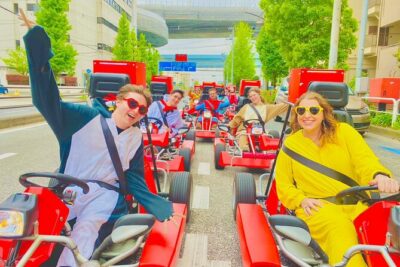 ★ 5.0Flagship 2-Hours Official Street Go-Kart Tour – Tokyo Bay ShopFrom $642 hours to 2 hours 30 minutes (approx.)
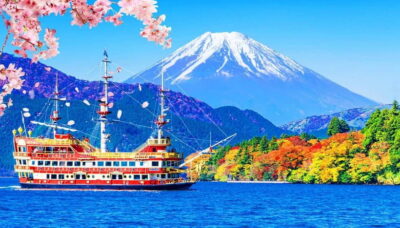 ★ 4.7Tokyo: Mt. Fuji Tour, Hakone Ropeway, Owakudani, Lake AshiFrom $5410 hours