Reviewed · CITY TOURS
Tokyo: Private City Highlights Tour
Tokyo is a huge city, and this private tour tackles its greatest hits in one long day. You can move from Senso-ji and Meiji Shrine to Tokyo Skytree, the Imperial Palace, Shibuya Crossing, Tsukiji, and Harajuku without sorting out every train connection yourself.
In This Article
- Key points at a glance
- One day, many faces of Tokyo
- Starting in Asakusa: Senso-ji and the old city
- Meiji Shrine and the quiet side of Tokyo
- Tokyo Skytree for the widest city view
- Imperial Palace and East Gardens
- Tokyo Tower and the question of two viewpoints
- Shinjuku Gyoen’s green pause
- Shibuya Crossing: Tokyo in motion
- Tsukiji Outer Market and a practical food stop
- Harajuku and Takeshita Street
- Taito City and the final stretch
- How the guide affects the experience
- Who should book this private Tokyo day?
- Should you book it?
- FAQ
- How long is the Tokyo private city highlights tour?
- How many people can join the private group?
- What is included in the $319 price?
- Are entrance fees and lunch included?
- Can the pickup be arranged from an airport, port, or station?
- Which languages are available?
- Can the route be changed during the day?
I like the private format, especially for families or small groups who want to change the plan as they go. I also like the practical help from guide Ahmad, who has been praised for clear English, patience, and adapting the route when weather or walking needs made a difference.
The tradeoff is simple: 11 stops in eight hours is ambitious. You will see a lot, but several places receive only a quick look, and entrance fees and lunch are extra. This works best as a broad first look, not as a slow study of every sight.
Key points at a glance
- Private transport for up to five people: Hotel pickup, a private vehicle, petrol, highway tolls, and WiFi when available are included.
- A useful mix of old and new Tokyo: The route joins Senso-ji, Meiji Shrine, and the Imperial Palace with Skytree, Tokyo Tower, Shibuya, and Harajuku.
- A flexible guide-led day: Ahmad has adjusted routes, accommodated walking difficulties, and changed plans during poor weather.
- Big city views come with extra costs: Skytree and Tokyo Tower entrance fees are not included in the tour price.
- Tsukiji remains a food stop, not the old wholesale market: The outer market offers seafood, sushi, tamagoyaki, and other local foods.
- Best for first-time visitors with limited time: You get orientation across several districts, though the schedule can feel brisk.
One day, many faces of Tokyo
At $319 per group of up to five, this is not a per-person sightseeing pass. A full group pays about $64 each before optional admission tickets and food, which makes the price easier to justify for a family or group of friends.
The value comes from the vehicle and flexibility. Tokyo’s sights are spread across several districts, so private transport can save energy and simplify a day that would otherwise involve repeated transfers. You also have someone handling the route while you focus on the city outside the window.
I would not book this expecting a leisurely eight-hour stroll. The plan includes temples, gardens, observation towers, a market, shopping streets, and famous city crossings. That is a lot of ground. Think of it as a guided introduction, with enough freedom to give extra time to the places that matter most to you.
Hotel pickup and drop-off are included. Pickup is available from hotels, hostels, apartments, or other Tokyo addresses, but not from airports, ports, or stations. Your guide is due in the hotel lobby 10 minutes before pickup, though highway traffic can cause delays of up to 30 minutes.
Other city tours we've reviewed in Tokyo

Starting in Asakusa: Senso-ji and the old city
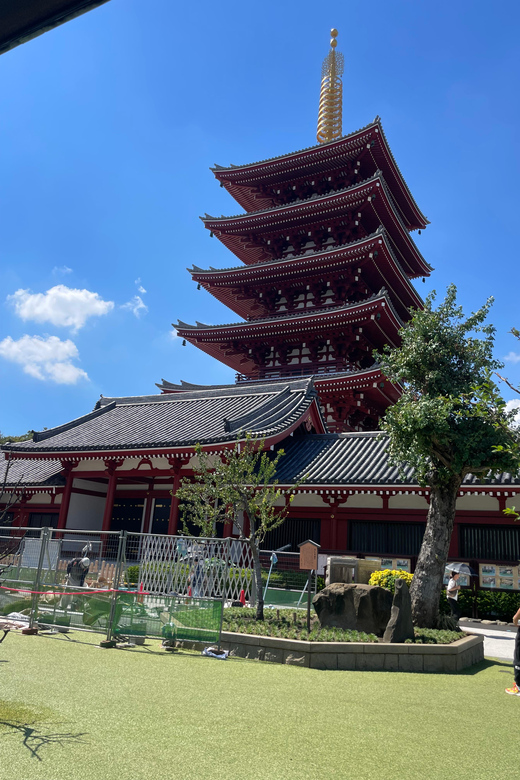
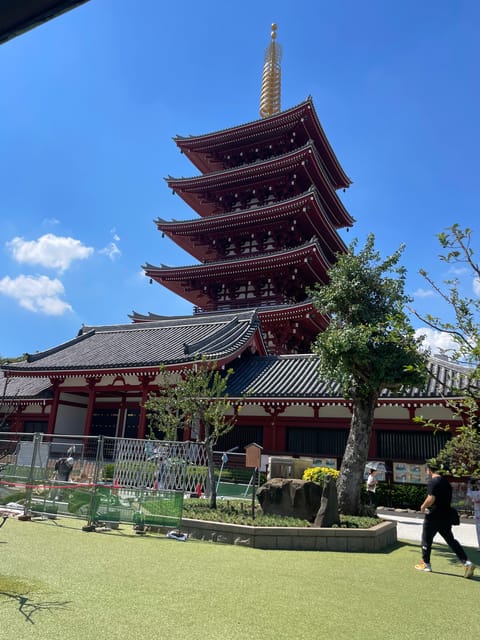
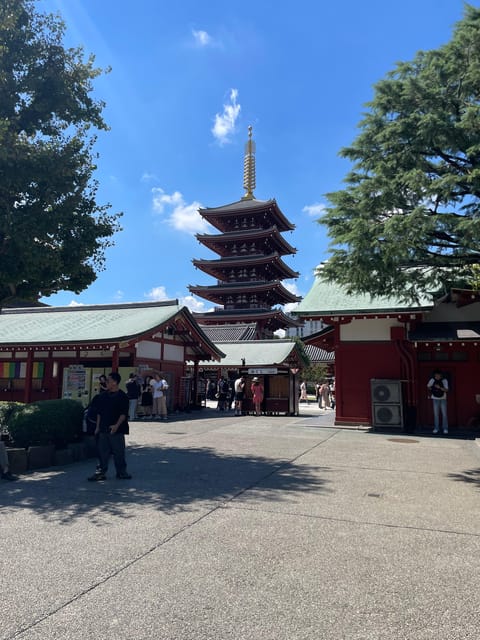
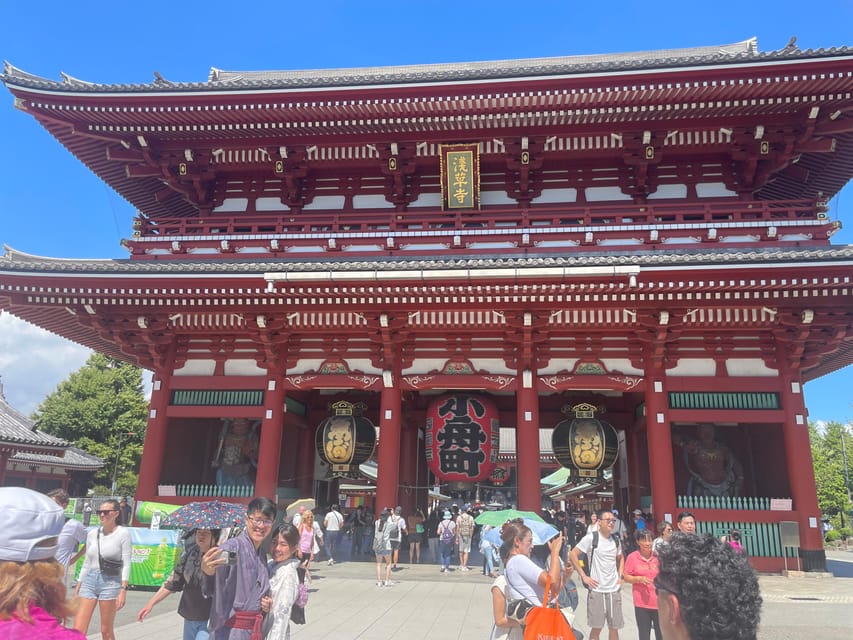
The Asakusa stop gives you Tokyo’s clearest taste of traditional religious culture. Senso-ji is the city’s oldest and best-known Buddhist temple, with a history reaching back to 628 AD.
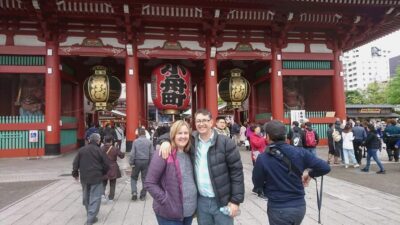
You enter through Kaminarimon Gate, marked by its large lantern, and continue along Nakamise Street. The approach is lined with traditional shops selling snacks, souvenirs, and small crafts before you reach the main temple grounds.
The schedule allows about an hour here. That is enough to walk through the gate, browse Nakamise, see the temple, and take in the atmosphere. It is not much time for a careful look at every building or for a relaxed shopping stop, so tell your guide early if Asakusa is a priority.
The itinerary also names Asakusa Shrine. It is near Senso-ji, but the two are different religious sites: Senso-ji is Buddhist, while Asakusa Shrine is Shinto. That nearby pairing gives you a useful glimpse of Japan’s two major religious traditions in one stop.
Meiji Shrine and the quiet side of Tokyo
From Asakusa, the route shifts to Meiji Shrine. Set in a forested area, this Shinto shrine honors Emperor Meiji and Empress Shoken.
The contrast matters. Tokyo can feel loud and tightly packed, yet Meiji Shrine offers a calmer walk beneath trees before you reach the shrine buildings. You have about an hour for the visit and walk, making this one of the more satisfying stops for anyone who wants a pause from traffic, screens, and concrete.
Wear comfortable shoes. Even with private drop-offs, this is a walking tour in pieces, and the day includes shrine approaches, market lanes, gardens, and shopping streets. If you have limited mobility, tell the provider in advance. One guide was able to drop a guest close to sights to reduce walking, but that kind of adjustment should be arranged clearly before the day begins.
Tokyo Skytree for the widest city view
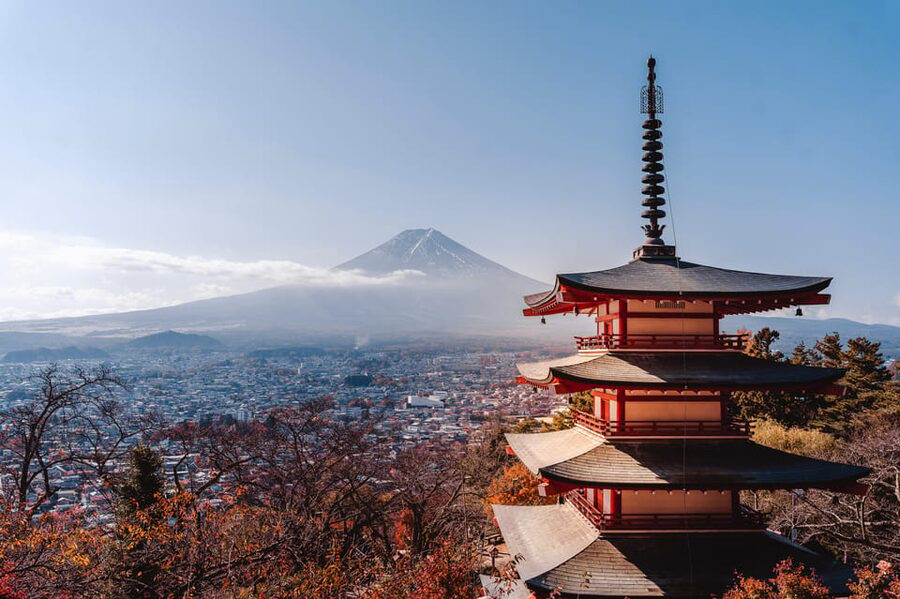
Tokyo Skytree reaches 634 meters, making it Japan’s tallest structure. Its observation decks offer broad views across the city, with possible glimpses of Mount Fuji on a clear day.
The tour allows about an hour for sightseeing here. That time can work well for a view and a few photographs, but admission is not included. Check the ticket cost before booking so the final price does not surprise you.
Skytree is especially useful early in your Tokyo visit because it helps you understand the city’s size. From above, the separate districts on your schedule begin to make sense. You can look toward the dense central areas, the older eastern side, and the spread of buildings far beyond the main tourist zones.
Visibility is the key variable. Cloud, rain, or haze can limit the view, and a weather change may affect how much value you get from an observation deck. Ahmad has shown flexibility during poor weather, so ask about changing the order or replacing a viewpoint with another stop if conditions are bad.
Imperial Palace and East Gardens
The Imperial Palace is the Emperor of Japan’s residence, surrounded by gates, walls, and gardens. The East Gardens are open to the public and provide a chance to walk through part of the palace grounds.
The listed visit is about 45 minutes, which makes this a short stop rather than a full garden outing. You can see the setting and public areas, but do not expect to tour the private residence. This is one place where your guide’s local context can add real value, since the buildings and gates may mean more when you understand their role.
If you are most interested in imperial history or garden design, ask for extra time here and accept that another stop may need to be shortened. The private format makes that possible, but the day still has a fixed eight-hour limit.
Other private tours in Tokyo


Tokyo Tower and the question of two viewpoints
Tokyo Tower receives about an hour on the schedule. Its bright orange-and-white structure is one of the city’s best-known landmarks, and it offers another chance for a high view.
The tour also includes Tokyo Skytree, so you should decide what you want from these two stops. Skytree gives you the greater height and a more expansive view. Tokyo Tower offers a closer look at a landmark tied to Tokyo’s modern identity, with the city arranged around it.
Both tower visits may involve entrance fees, which are not included. You may prefer to visit one observation deck and use the other stop for photographs from ground level. That choice can free up time for Tsukiji, Harajuku, or Shibuya.
This is a good example of why you should discuss priorities with the guide at pickup. If city views are your main goal, keep both tower stops. If food, temples, or shopping matter more, a shorter tower visit may make the day feel less rushed.
Shinjuku Gyoen’s green pause
Shinjuku Gyoen National Garden receives about an hour. After towers, roads, and major crossings, a garden stop gives the day a different rhythm.
The supplied details do not specify which areas you will see or whether admission is included, so ask your guide about the exact plan and any ticket costs. The one-hour visit is enough for a walk through part of the grounds, not a full exploration.
I like having this stop in the schedule because Tokyo sightseeing can become a string of indoor and roadside attractions. A garden gives you room to slow down, even if only briefly. If the weather is poor, this may be one of the stops most likely to change, along with the observation decks.
Shibuya Crossing: Tokyo in motion
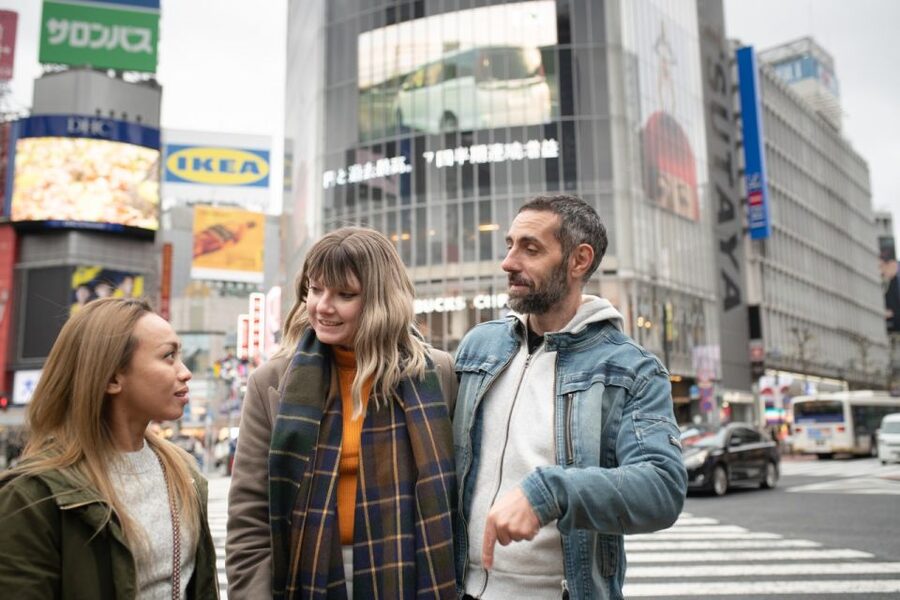
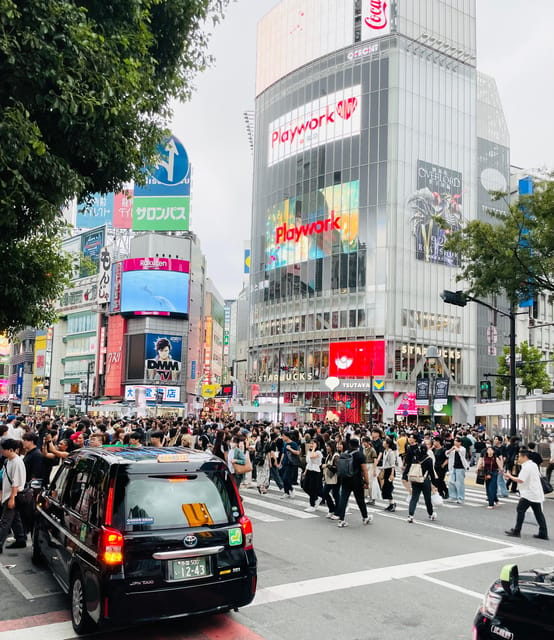
Shibuya Crossing is the famous pedestrian scramble where several streams of people cross at once. It has become a symbol of modern Tokyo and its fast-moving street culture.
The planned visit lasts about 45 minutes. That is enough to watch the crossing, take photographs, and walk around the nearby area. It is not a shopping tour of all Shibuya, so be clear if you want time for stores or cafés.
The crossing itself is free, but finding the best view may require a short walk or a stop in a nearby building, depending on the route your guide chooses. The private vehicle helps with the wider day, but it cannot remove the need to walk once you reach the central district.
For many first-time visitors, Shibuya is the moment when Tokyo’s modern side feels most immediate. It is less about a single monument than about the sensation of the city moving around you.
Tsukiji Outer Market and a practical food stop
The main wholesale market moved to Toyosu, but Tsukiji Outer Market remains a lively place for fresh seafood, sushi, sashimi, and small foods such as tamagoyaki, the Japanese rolled omelette.
No specific visit length is given, so this is one stop where the day’s timing may depend on your interests. You can ask for a quick walk through the stalls or use it as your lunch stop. Lunch is not included, and food purchases are your responsibility.
I would plan this stop carefully. If you want to eat seafood or browse food stalls, tell your guide before the day begins. Otherwise, the schedule may leave you with little time to choose and eat. The market is a better fit for a flexible appetite than for someone expecting a formal sit-down meal included in the tour.
Tsukiji also gives the day a useful local focus. After grand shrines, palace grounds, and famous towers, food shows you a more ordinary side of Tokyo’s daily life.
Harajuku and Takeshita Street
Takeshita Street is associated with Harajuku’s youth fashion, quirky shops, and people-watching. The itinerary allows 30 minutes, so expect a brief look rather than a full shopping session.
That half-hour works if you want to see the street’s style and energy or pick up a small item. It will feel short if you have specific shops in mind. Harajuku is also close to Meiji Shrine, so combining the two creates one of the day’s strongest contrasts: a quiet forest shrine followed by a crowded shopping street.
As elsewhere, tell the guide what you want from the stop. If you care about fashion, Harajuku may deserve more time than Tokyo Tower. If you are focused on temples and gardens, a quick pass may be enough.
Taito City and the final stretch
Taito City appears as a separate 30-minute stop. Since Asakusa is already part of Taito City, clarify how the guide plans to use this time. It may provide extra time in the Asakusa area or another nearby look at eastern Tokyo, but the exact focus is not specified.
This is a useful reminder that the route is customizable rather than fixed in stone. You can ask for more time in a favorite district, remove a stop that matters less, or adjust the order around weather and traffic.
The private vehicle returns you to Tokyo at the end of the eight-hour period. Because Tokyo traffic can be slow, keep the schedule after the tour flexible rather than booking a tight dinner reservation or train departure.
How the guide affects the experience
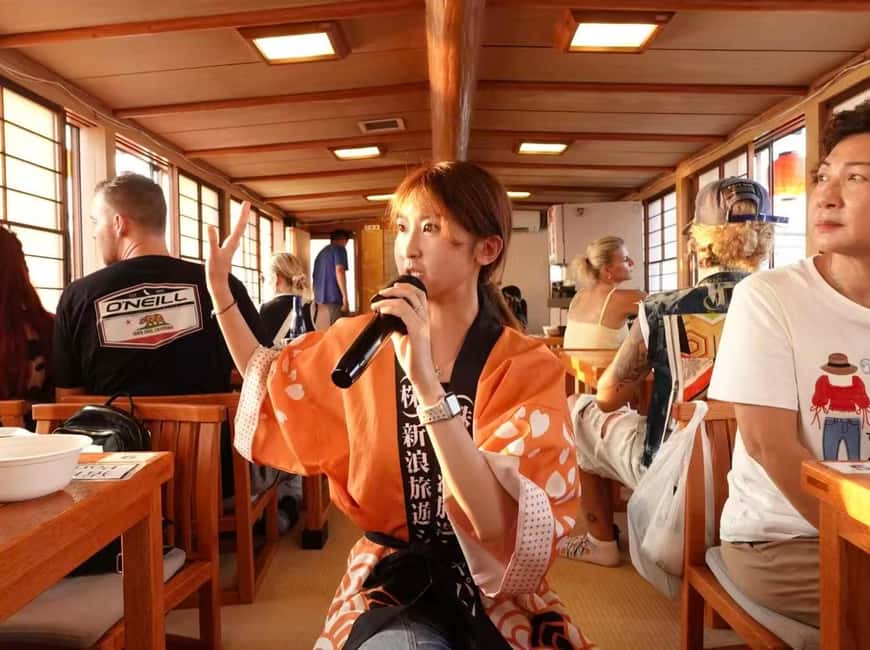
The guide can make or break a day with this many stops. Ahmad has been praised for arriving on time, speaking clear English, listening carefully, and adjusting the route to personal requests. He has also been described as patient and respectful.
Those qualities matter more here than a memorized speech. You need someone who can help decide when to move on, when to stay longer, and how to respond if rain, traffic, or walking limits affect the plan.
The host or greeter language options are English and Japanese. A driver-guide is included if that option is selected, so check the exact package before paying. WiFi is available onboard when conditions allow, but I would still keep your hotel address and key plans saved offline.
Who should book this private Tokyo day?
This tour suits first-time visitors who want a broad introduction without managing Tokyo’s transport system all day. It is also a good match for families, small groups, and people who value hotel pickup and a private vehicle.
The group limit is five people, which keeps the format personal. The price makes the most sense when shared by several people. A solo visitor may find the total cost harder to justify unless convenience and private transport are the main priorities.
You should also consider this tour if you want to shape the day around history, shopping, technology, or city views. The guide can adjust the route, but you need to state those interests clearly. A generic plan that tries to give equal time to every stop will be fast.
It may not suit you if you prefer slow museum visits, long meals, or detailed walks through one neighborhood. Entrance tickets, lunch, shopping, and personal expenses are extra, so budget beyond the $319 tour price.
The experience is wheelchair accessible, though the route includes walking at shrines, gardens, markets, and shopping streets. People over 95 are listed as not suitable for the activity. Tell the provider about car seats, allergies, or other requirements before the day.
Should you book it?
Book this tour if you want to cover Tokyo’s major sights in one private, adjustable day and you are happy with short visits at several locations. The best value comes when four or five people share the $319 price and use the guide’s flexibility well.
Before booking, choose your top three priorities. For example, you might keep Senso-ji, Meiji Shrine, and Tsukiji for culture and food, or choose Skytree, Tokyo Tower, and Shibuya for city views and modern Tokyo. If you explain that choice to Ahmad or your assigned guide at pickup, the day is more likely to feel personal rather than hurried.
Skip it if your ideal Tokyo day means spending hours in one temple district, garden, or market. For everyone else, this is a practical way to get oriented quickly, with enough private flexibility to turn a long checklist into a day that fits your interests.
FAQ
How long is the Tokyo private city highlights tour?
The tour lasts eight hours, including hotel pickup, sightseeing, and return to Tokyo.
How many people can join the private group?
The price covers a private group of up to five people.
What is included in the $319 price?
Hotel pickup and drop-off, private vehicle transport, petrol, highway tolls, and onboard WiFi when available are included. A driver-guide is included if that option is selected.
Are entrance fees and lunch included?
No. Entrance fees, lunch, personal expenses, and other purchases are not included.
Can the pickup be arranged from an airport, port, or station?
No. Pickup is not available from airports, ports, or stations. Pickup can be arranged from hotels, hostels, apartments, or other addresses in Tokyo.
Which languages are available?
The host or greeter options are English and Japanese.
Can the route be changed during the day?
Yes. The tour is customizable, and the guide can adjust the plan based on your interests, weather, traffic, or other requirements. Tell the provider about needs such as car seats or allergies before the tour.
More Private Tours in Tokyo
More City Tours in Tokyo


More tours in Tokyo we've reviewed





City Tours, compared.
 ★ 4.8Tokyo: Private City Highlights Tour with Local GuideFrom $1064 - 8 hours
 ★ 4.8Tokyo: 3-Hour Bike or E-Bike City Highlights TourFrom $453 hours
 ★ 4.8Tokyo: Sumo Morning Practice Tour at Sumida CityFrom $1162 hours
 ★ 4.5Private Haneda Airport (HND) to Central Tokyo City TransferFrom $119
 ★ 4.8Tokyo: 3-hour Guided E-Bike Tour of the City’s Hidden GemsFrom $65
 ★ 5.0Tokyo: 3-Hour Bike/E-Bike Tour of the City’s HighlightsFrom $63