Reviewed · CITY TOURS
Tokyo: City Tour B
Tokyo: City Tour B links Tokyo’s old and new faces in one ambitious day. You’ll begin beneath the wooden torii of Meiji Shrine, pass through Harajuku’s youth-fashion center, ride local trains to Akihabara, walk through Ginza, reach Tokyo Bay in Odaiba, and finish at Shibuya Crossing. The contrast is the point.
In This Article
- Five things to know before booking
- A full day of Tokyo in one clear route
- Meiji Shrine begins with quiet and ceremony
- Takeshita Street shows Harajuku at its most youthful
- Akihabara explains Tokyo’s electronic pulse
- Ginza offers polished Tokyo in a shorter stop
- Odaiba brings the city to the waterfront
- Shibuya Crossing is the grand finale
- What the Spanish guide adds
- Price, transport, and the real value
- Who will get the most from this tour
- Booking details worth keeping in mind
- Should you book Tokyo: City Tour B?
- FAQ
- Is the tour conducted in Spanish?
- How long does Tokyo: City Tour B last?
- Where does the tour begin?
- How early should I arrive?
- Where does the tour finish?
- Is hotel pickup available?
- Is public transport included in the price?
- Is lunch included?
- Can I join with luggage?
- Is the tour wheelchair accessible?
I like the Spanish-speaking format, especially if you want cultural context without constantly translating signs and customs in your head. I also like the route’s practical spread: Meiji Shrine gives you tradition, Akihabara gives you pop culture, and Shibuya gives you the city’s famous high-energy finish. The main drawback is the pace. Six major areas in eight hours means this is a city sampler, not a slow look at each neighborhood.
Five things to know before booking
- You cover six distinct Tokyo districts: Meiji Shrine, Harajuku, Akihabara, Ginza, Odaiba, and Shibuya all bring a different mood.
- The tour is conducted in Spanish: The guide explains the sights and adds tips for the rest of your trip.
- Public transport is part of the experience: Expect trains between the neighborhoods, with transport costing about ¥1,160.
- Ismael has been singled out for his friendly energy: One Spanish visitor described him as kind, enthusiastic, and helpful.
- The finish is well chosen: You end at Shibuya Scramble Crossing, beside the Hachiko dog statue.
A full day of Tokyo in one clear route
Tokyo: City Tour B is built for the first or second day of a Tokyo visit, when you want a broad map of the city. Instead of staying in one district, you move through places that show how Japan balances ceremony, fashion, technology, luxury, reclaimed waterfront, and urban spectacle.
The route takes eight hours. That sounds generous, but the schedule is fairly full. Meiji Shrine receives about 90 minutes, Takeshita Street 40 minutes, Akihabara 80 minutes, lunch 70 minutes, Ginza 40 minutes, Odaiba one hour, and Shibuya 20 minutes. The remaining time goes toward walking and train rides.
That structure has a clear benefit: you get your bearings quickly. The tradeoff is that each area offers more than the tour can cover. If you want long shopping stops, extended photo sessions, or time to browse every arcade in Akihabara, you’ll need to return on your own.
Other city tours we've reviewed in Tokyo


Meiji Shrine begins with quiet and ceremony
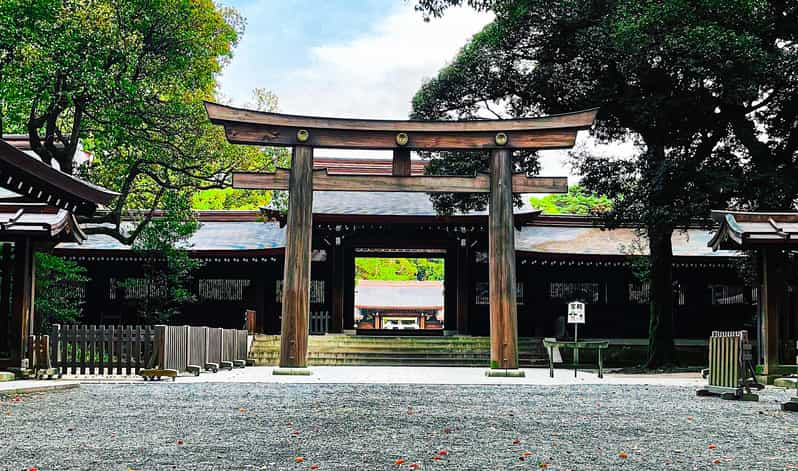
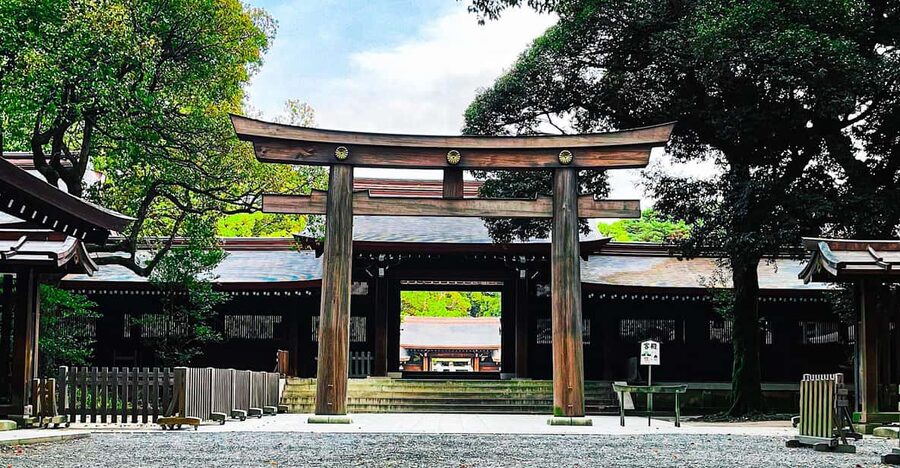
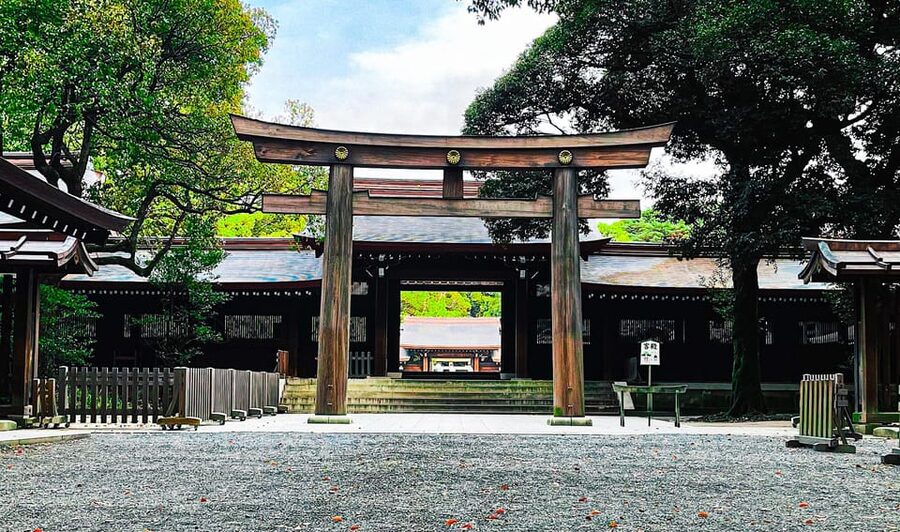
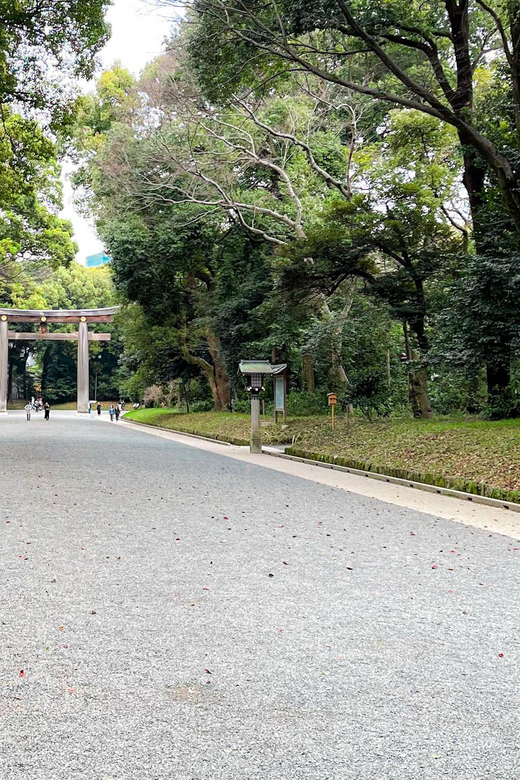
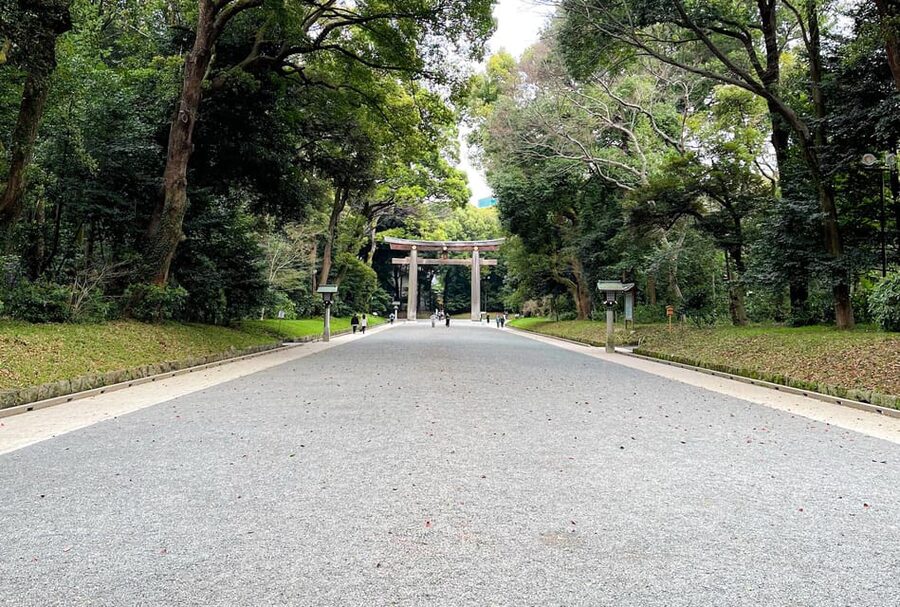
The meeting point is in front of the large wooden torii at the west exit of Harajuku Station. Look for the guide wearing a NIPONEANDO identification badge or a name tag showing NIPONEANDO. Arrive five minutes early, since a busy station area is not the place to begin a last-minute search.
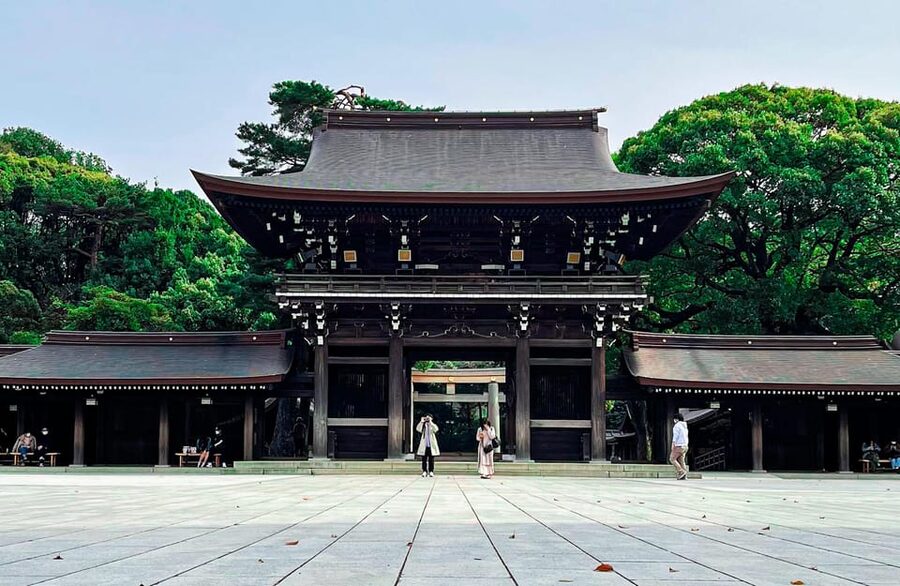
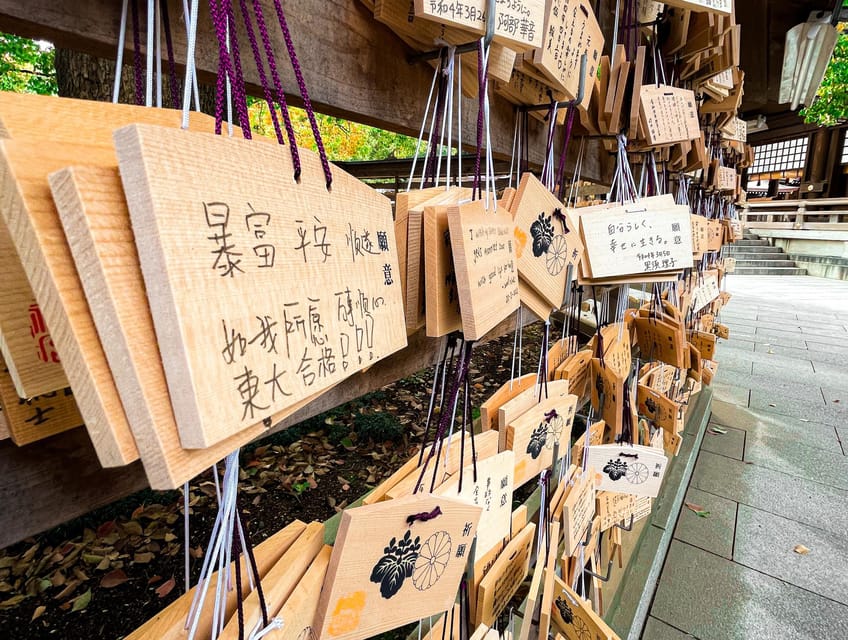
The first visit is Meiji Shrine, reached through Yoyogi Park. The shrine honors Emperor Meiji, associated with Japan’s move away from feudal rule and toward a modern state. The visit lasts about an hour and a half, giving the guide time to explain the setting, customs, and meaning of the shrine rather than rushing you past it.
This is a strong opening because Tokyo does not feel like a wall of glass and neon here. The broad approach, wooden torii, and shrine grounds offer a slower start before the tour moves into Harajuku’s crowded shopping streets. You’ll want comfortable shoes, since this is a walking tour as well as a train-based one.
The schedule does not promise a religious ceremony or a special event. Think of this stop as an introduction to Shinto surroundings and Japanese customs, with your guide helping you understand what you are seeing.
Takeshita Street shows Harajuku at its most youthful
A ten-minute walk connects Meiji Shrine with Takeshita Street. This narrow shopping street is known as a center of Harajuku trends, and the change in mood is immediate. You move from shrine grounds to a district associated with youth fashion, novelty shops, and Tokyo’s playful side.
The guided visit lasts around 40 minutes. That is enough to walk the main stretch and understand why Harajuku became a trend-setting neighborhood, but it is not enough for a serious shopping session. If a particular shop catches your eye, note its location and return later.
I like this pairing with Meiji Shrine. It gives you a quick lesson in Tokyo’s contrasts without requiring a long transfer. You see how tradition and fashion can sit only minutes apart, which is one of the most useful themes of the whole day.
Crowds and tight sidewalks can make this part feel hurried. Keep your bag close, stay with the group, and save larger purchases for another time if you do not want to carry them through the rest of the route.
Akihabara explains Tokyo’s electronic pulse
The group then takes a train for about 25 minutes to Akihabara. This neighborhood is presented as Tokyo’s geek and pop-culture district, with a focus on its technology-minded identity and entertainment culture.
The guided visit lasts about 80 minutes. That is the longest sightseeing stop after Meiji Shrine, and it gives you more room to understand the area than a quick photo stop would. The guide can help connect the signs, shops, and visual overload to the district’s role in modern Tokyo.
Akihabara is a useful stop even if you are not a serious collector. It shows a side of the city that is very different from the shrine and Harajuku. You might find the neighborhood fascinating, noisy, confusing, or all three at once. The tour’s value here is having a Spanish-speaking guide help you make sense of the district instead of simply walking past bright signs.
The 70-minute lunch break takes place in Akihabara. Food and drinks are not included, so budget separately. This is a practical pause after the morning’s walking, but do not expect an elaborate meal as part of the tour. You’ll be choosing and paying for your own food during the break.
Ginza offers polished Tokyo in a shorter stop
After lunch, a ten-minute train ride brings you to Ginza. The guided visit lasts about 40 minutes as you walk through Tokyo’s luxury shopping district.
Ginza gives the day another sharp change of mood. Harajuku is youthful and expressive, Akihabara is technology-focused, and Ginza is more polished and commercial. You’ll see the sort of Tokyo associated with major department stores, upscale brands, and carefully planned city streets.
The short visit works as an introduction, not a shopping expedition. If you want to browse department stores or make a serious purchase, you’ll need to come back later. The benefit is that you see Ginza as part of the city’s wider story rather than mistaking one neighborhood for all of Tokyo.
From Ginza, the group travels by train for about 15 minutes toward Odaiba and Tokyo Bay.

Odaiba brings the city to the waterfront
Odaiba is the tour’s waterfront chapter. The guided visit lasts about an hour, giving you time to see Tokyo from its bay side and understand how different the setting feels from the shrine, shopping streets, and dense urban districts earlier in the day.
The supplied details do not specify exactly which Odaiba attractions you visit, so you should treat this as a general guided visit to the district rather than a promise of a particular museum, view, or landmark. The value lies in the change of setting and the chance to see Tokyo Bay within the same day.
This is also where the route’s use of public transport becomes part of the experience. You are not being carried from one isolated sight to the next in a private vehicle. You’ll ride trains and move through stations, which takes time but gives you a more useful sense of Tokyo’s scale and daily rhythm.
Another 20-minute train ride brings you to Shibuya.
Shibuya Crossing is the grand finale
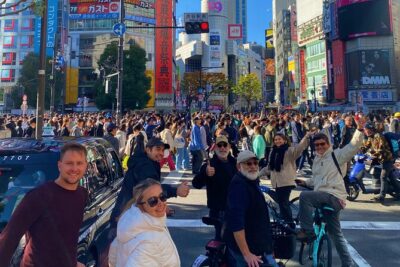
The tour ends in Shibuya City, at Shibuya Scramble Crossing. The guided visit lasts about 20 minutes, and the Hachiko dog statue is included in this final look at the district.
Ending here makes sense. Shibuya delivers the famous Tokyo image of crossing streams, large screens, dense crowds, and constant movement. After a day that began with a quiet shrine, the finish feels deliberately dramatic.
Twenty minutes is enough to orient yourself and take in the crossing, but it is not enough to explore all of Shibuya. You might want to remain afterward, especially since the tour ends at the crossing rather than returning you to the starting point. The route leaves you in a useful area for continuing your evening independently.
The Hachiko statue is nearby and easy to recognize. Your guide can give you the basic story and point you toward the parts of Shibuya you may want to see next. One of the tour’s promises is practical advice for the rest of your trip, and this is a good moment to ask about later plans.
What the Spanish guide adds
The tour is conducted in Spanish, and that is more than a language preference. Tokyo’s customs, neighborhood labels, station systems, and social details can be hard to absorb when you are also trying to follow directions. A guide who explains them in your strongest language can make the day feel less like a sequence of famous names.
The provider is NIPONEANDO. One verified Spanish-language account specifically praised Ismael as friendly, enthusiastic, and helpful. The available information does not guarantee that Ismael will lead every departure, but his approach gives you a useful idea of the service style: close, warm, and focused on helping you continue your trip.
You should also use the guide for recommendations. Ask about places you can revisit, neighborhoods that suit your interests, and practical choices for the rest of your Tokyo stay. The tour is most valuable when you treat it as both sightseeing and orientation.
Some content may be presented in its original language. That matters if you expect every sign, announcement, or material to be translated. The live explanations are in Spanish, but not every element around you will be.
Price, transport, and the real value
The price is $96 per person for eight hours. Public transport costs an additional ¥1,160, and food and drinks are not included. Hotel pickup is also not part of the basic price unless you add the supplement or choose the private tour option.
At that price, you are paying mainly for the guide, the route planning, Spanish explanations, and the convenience of seeing far-flung districts in one day. You are not paying for meals, a private car, or a set of included attractions. The value is strongest if you would otherwise spend time working out the train connections and deciding how to connect these neighborhoods.
The day is ambitious. One Spanish visitor praised the choice of places but noted that the number of stops can feel slightly ambitious. I agree with that assessment. The route gives you a strong first impression of Tokyo, but it cannot offer a deep visit to six separate districts in eight hours.
A private option is available. The guide can pick you up at your hotel or accommodation by public transport, but that transport is not included. A private group may suit families or small parties who want more control, though the same broad route still contains many train rides and fixed travel time.
Who will get the most from this tour
I’d recommend City Tour B to you if you:
- Want a Spanish-speaking guide in Tokyo.
- Are visiting Tokyo for the first time and want a broad overview.
- Like seeing famous districts but also want cultural explanation.
- Are comfortable walking, using trains, and changing neighborhoods several times.
- Want advice that can help shape the rest of your trip.
- Prefer a small or private group option when available.
I’d be more cautious if you prefer slow sightseeing. The tour does not leave much spare time for shopping, lingering over lunch, or returning to a favorite stop. It is also not suitable for unaccompanied minors or people with hearing impairments, according to the supplied conditions.
The tour is wheelchair accessible, but the route uses public transport and includes walking between stations and sights. If you need specific assistance, confirm the practical details before booking.
Large luggage and large bags are not allowed. Leave your main luggage at your accommodation rather than arriving with a suitcase.
Booking details worth keeping in mind
You can cancel up to 24 hours before the tour for a full refund, and you can reserve now while paying later. Starting times depend on availability, so check the schedule before building the rest of your day around it.
The meeting point is very specific: the large wooden torii at the entrance to Yoyogi Park, near the west exit of Harajuku Station. The guide waits there with NIPONEANDO identification. Arriving five minutes early is sensible, especially if Harajuku Station is unfamiliar.
Hotel pickup is optional. For the private tour, pickup takes place at your hotel reception, and the guide will use public transport with you. The basic meeting-point option begins at Meiji Shrine.
Should you book Tokyo: City Tour B?
Book it if you want a Spanish-language overview of Tokyo and value a friendly guide more than long stops at individual sights. The route is well chosen: Meiji Shrine, Takeshita Street, Akihabara, Ginza, Odaiba, and Shibuya give you six very different pieces of the city in one day.
Skip it if your priority is slow exploration, extended shopping, or a private vehicle. The extra transport cost, self-paid lunch, and ambitious schedule should be part of your decision.
For many Spanish-speaking visitors, the strongest reason to book is the combination of orientation and explanation. You finish at Shibuya Crossing with a better sense of where Tokyo’s districts fit together, plus recommendations for what to do next. That makes the $96 price reasonable, provided you are happy to trade depth for range.
FAQ
Is the tour conducted in Spanish?
Yes. The live tour guide language is Spanish.
How long does Tokyo: City Tour B last?
The tour lasts eight hours.
Where does the tour begin?
The meeting point is in front of the large wooden torii at the entrance to the park, near the west exit of Harajuku Station.
How early should I arrive?
You should arrive five minutes before the scheduled meeting time.
Where does the tour finish?
The tour finishes at Shibuya Scramble Crossing.
Is hotel pickup available?
Yes, hotel pickup is available if you add the supplement or choose the private tour option. For the private option, the guide picks you up at your hotel or accommodation by public transport.
Is public transport included in the price?
No. Transportation costs about ¥1,160 and is paid separately.
Is lunch included?
No. Food and drinks are not included. There is a 70-minute lunch break in Akihabara.
Can I join with luggage?
Large bags and luggage are not allowed on the tour.
Is the tour wheelchair accessible?
Yes, the activity is described as wheelchair accessible. It is not suitable for people with hearing impairments, and unaccompanied minors are not allowed.
More City Tours in Tokyo


More tours in Tokyo we've reviewed
City Tours, compared.
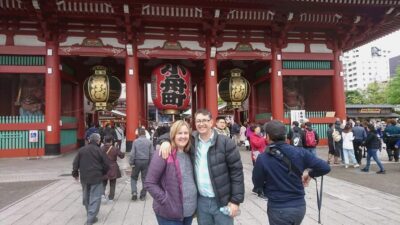 ★ 4.8Tokyo: Private City Highlights Tour with Local GuideFrom $1064 - 8 hours
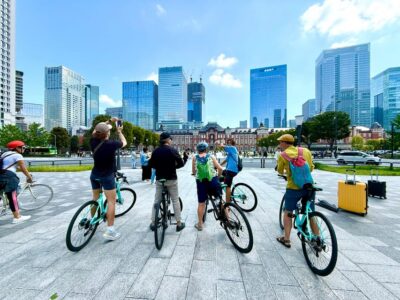 ★ 4.8Tokyo: 3-Hour Bike or E-Bike City Highlights TourFrom $453 hours
 ★ 4.8Tokyo: Sumo Morning Practice Tour at Sumida CityFrom $1162 hours
 ★ 4.5Private Haneda Airport (HND) to Central Tokyo City TransferFrom $119
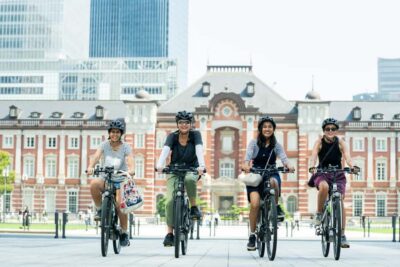 ★ 4.8Tokyo: 3-hour Guided E-Bike Tour of the City’s Hidden GemsFrom $65
 ★ 5.0Tokyo: 3-Hour Bike/E-Bike Tour of the City’s HighlightsFrom $63