Reviewed · TOKYO
Tokyo After Dark: Savor & Sip Like a Local
Tokyo After Dark: Savor & Sip Like a Local turns dinner into a moving tour of Ginza and Tsukishima, with three very different tastes along the way. You browse department-store sweets, cook monja-yaki at the grill, and finish with yakitori and a drink in a casual alley restaurant.
In This Article
- Key points to know before booking
- A Tokyo evening built around three foods
- Meeting the guide at Mitsukoshi Ginza
- Ginza’s Depachika and the delicate world of wagashi
- Tsukishima Monja Street and the hands-on grill
- Yurakucho and yakitori after dark
- What the metro rides add to the evening
- How the guide shapes the experience
- Food restrictions, age limits, and the fine print
- Who will get the most from this food tour
- Should you book Tokyo After Dark?
- FAQ
- How long does Tokyo After Dark: Savor & Sip Like a Local last?
- Where does the tour begin?
- Where does the tour finish?
- Which neighborhoods are included?
- What food is included?
- Are drinks included?
- How large is the group?
- Can people with vegetarian, vegan, or gluten-free diets join?
I like the small eight-person limit, which makes it easier to ask questions and follow a guide through busy stations. I also like the metro ride between neighborhoods. You are not sealed inside a tour bus, and you get a useful lesson in how Tokyo works after dark.
The main caution is the amount of walking and the subway stairs. One participant had to leave early because the route was harder for an 83-year-old husband than expected. Vegetarian, vegan, and gluten-free visitors should also know that suitable alternatives are not available.
Key points to know before booking

- Three foods with very different personalities: Try delicate wagashi, soft and savory monja-yaki, and smoky yakitori in one evening.
- Tsukishima is the unusual stop: The neighborhood is known as the birthplace of monja-yaki, a Tokyo specialty many first-time visitors miss.
- The group is capped at eight: You get more room to talk with the guide and less chance of being split up at restaurants.
- Two metro tickets are included: The train rides are part of the experience, not just transportation between meals.
- Two drinks are included: Choose sake, local beer, or a soft drink, with alcohol served only to people age 20 and older.
- The tour begins and ends in Ginza: Meet at the Lion statue outside Mitsukoshi Ginza, then return to the same meeting point.
A Tokyo evening built around three foods

This is not a tour for one big meal. It is a three-and-a-half-hour stroll through several small food moments, linked by walks and subway rides.
That format works well in Tokyo. The city’s food culture is spread across department stores, neighborhood streets, tiny grills, and station districts. You get a sample of each rather than spending the whole evening at one restaurant.
The experience costs $119 per person. That is not cheap for three food stops, but the price includes a local English-speaking guide, three tastings, two drinks, and two subway tickets. You are also paying for help with ordering, cooking, translation, and local context.
The value is strongest if you are new to Tokyo or unsure about eating in small Japanese establishments. If you already know the city’s food districts and are happy using the metro on your own, the price may feel high. For a first or second night, it can save you the time and nerves involved in planning the route yourself.
If you're still narrowing it down, here are other tours in Tokyo we've reviewed.
Meeting the guide at Mitsukoshi Ginza
The tour starts outside Mitsukoshi Ginza, at the life-size sitting Lion statue near the A7 exit of Ginza Station. This is a sensible meeting point because Ginza Station is served by the Tokyo Metro Ginza, Hibiya, and Marunouchi lines.
Give yourself enough time to reach the correct exit. Tokyo stations can be easy to navigate once you are oriented, but the first meeting is not the moment to guess. Look for the Lion statue at street level, rather than waiting inside the station.
The tour is conducted in English. Guides named in the experience feedback include Yuki, also called Snoopy, Hidenori Tsunematsu, Yoshi, and Kirir. The guide makes a real difference here. You want someone who can explain what you are eating, help with the grill, and point out places worth returning to later.
The small group matters from the start. With no more than eight people, you can hear the guide without standing in a large circle on the pavement. You also have a better chance of getting direct answers about food, neighborhoods, and Tokyo dining customs.
Ginza’s Depachika and the delicate world of wagashi

One early stop takes you into a Ginza depachika, the food hall found in the basement of a Japanese department store. These spaces are excellent for seeing how carefully food is packaged and presented in Japan.
Here, the focus is wagashi, traditional Japanese sweets. Wagashi often use ingredients such as red bean paste and mochi, and they are prized for appearance as well as flavor. The portion is small, which is helpful because the tour has several food stops ahead.
This is a good introduction for anyone who has only encountered Japanese sweets in souvenir boxes. You can learn how they fit into Japanese food culture and why their shapes and colors matter. The experience is less about eating a large dessert and more about noticing a different idea of sweetness.
Not everyone will love the flavor. Red bean paste and sticky rice can be unfamiliar, and one tasting may feel mild compared with Western desserts. If you prefer rich chocolate or creamy pastries, keep an open mind, but do not expect wagashi to taste like cake or candy.
The Ginza stop also gives you a quick look at a polished side of Tokyo shopping. You may find yourself wanting more time to browse, but the tour has a schedule to keep. Treat this as a focused food visit, not a free shopping session.
Tsukishima Monja Street and the hands-on grill

The route then heads to Tsukishima Monja Street, the district associated with monja-yaki. This is the food stop with the most direct connection to local neighborhood eating.
Monja-yaki is a savory batter dish cooked on a hot table grill. It is softer and more fluid than the Osaka-style okonomiyaki many visitors already know. Depending on the restaurant and order, ingredients are mixed into the batter and cooked in front of you.
A major part of the fun is preparing the food yourself. You may be shown how to work the small spatulas and shape the mixture on the grill. That hands-on element makes monja-yaki more memorable than simply receiving a finished plate.
The experience can also be messy and slightly confusing at first. If the guide does not explain the ingredients and cooking method clearly, you may spend more time watching the grill than understanding the dish. Be sure to ask questions. A good guide can explain what is in the mixture and when it is ready to eat.
Some groups also try okonomiyaki at this stop. That gives you a useful comparison between two popular Japanese griddle dishes. One is generally easier to recognize as a set pancake, while monja-yaki has a looser texture and more informal presentation.
Tsukishima is one of the best reasons to choose this tour over a simple Ginza food walk. It takes you to a district that may not otherwise appear on a short Tokyo visit. The neighborhood stop adds a sense of place to the meal, rather than keeping every taste inside central Ginza.
Yurakucho and yakitori after dark

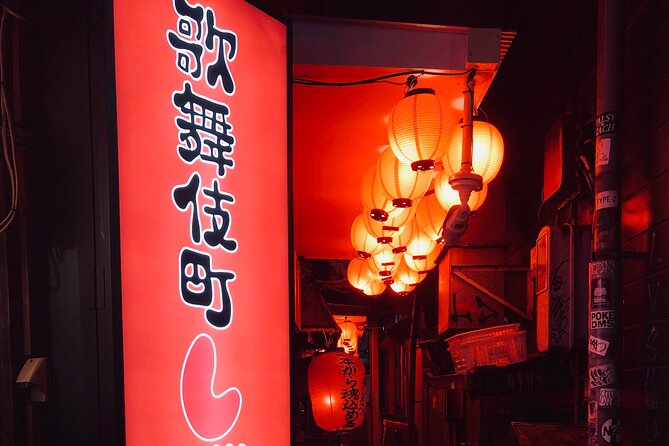
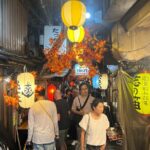
The route includes Yurakucho and a visit to Yakitori Alley in Ginza. This is where the evening takes on a more casual, after-work feel.
Yakitori is chicken cooked on skewers over a grill. You may receive several pieces, including different cuts or preparations, along with vegetables. The smoky, savory food pairs naturally with a drink, and two local drinks are included in the tour.
Your options are sake, local beer, or a soft drink. Anyone under 20 receives a non-alcoholic drink because the legal drinking age in Japan is 20. This is worth noting for families and mixed-age groups before booking.
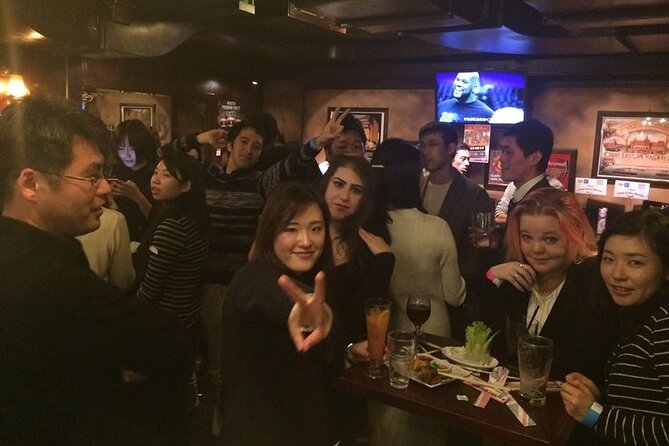
The restaurant setting is casual and bar-like. That is part of the appeal, but it may not suit someone looking for a quiet, formal dinner. You are there for atmosphere, quick conversation, and small plates rather than a long, leisurely restaurant service.
One useful feature is the chance to see how yakitori fits into ordinary city life. This is not just a famous Japanese dish presented in isolation. It is food associated with a relaxed evening out, and the guide can help you understand what you are ordering.
The exact sequence of the tastings can depend on the evening’s route and restaurant arrangements. The advertised experience centers on wagashi, monja-yaki, and yakitori, while some past groups also received an extra sweet such as melon bread or a chocolate-filled crepe. Treat any extra item as a bonus, not part of the guaranteed meal.


What the metro rides add to the evening

Two subway tickets are included, and riding between neighborhoods is more than a practical detail. You get to experience Tokyo the way many residents do, moving from a department-store district to a specialty food street and then back toward Ginza.
The trains also keep the tour moving efficiently. Tokyo is large, and walking between all of these areas would take much longer. The metro lets you cover more ground while still leaving time for food and conversation.
There are stairs and station corridors. That is the key practical issue. If you have limited mobility, trouble with stairs, or a slower walking pace, ask about the route before committing. The experience does not advertise a reduced-mobility option, and one person was unable to complete it because of the walking and subway access.
Wear comfortable shoes. You are not hiking, but the evening combines city walking, restaurant visits, and station transfers. A small group can move efficiently, though you should still expect a fair amount of time on your feet.
How the guide shapes the experience

The food is the main attraction, but the guide is what turns a meal into a useful introduction to Tokyo.
A strong guide can explain why wagashi is valued, how monja-yaki differs from okonomiyaki, and which yakitori pieces you are eating. The guide can also help you continue exploring after the tour by suggesting places to eat and districts to visit.
Several guide names connected with this experience are Kirir, Yuki, Hidenori Tsunematsu, and Yoshi. The most useful reports describe guides who were patient, lively, and willing to answer questions. That matters in a food tour because the names of dishes and the way they are prepared can otherwise pass by too quickly.
The small group allows for more personal attention than a standard city tour. You can ask about ingredients, request clarification, or tell the guide what kinds of food interest you. You should not expect a private tour, but eight people is a manageable number for this style of evening.
The quality of explanation may vary by guide. One account found the food enjoyable but wished for more detail about preparation. I would make a point of asking what you are eating and how locals normally order it instead of waiting for every explanation to arrive unprompted.
Food restrictions, age limits, and the fine print

This tour is not suitable for vegetarian, vegan, or gluten-free diets. The establishments cannot accommodate all dietary requirements, so you should not book it hoping to substitute the main tastings.
The minimum age is 12. Participants under 20 can join, but they receive soft drinks instead of sake or beer. The two included drinks are not a reason to book this tour for children, since the food and late-evening restaurant setting are the real focus.
Extra food and drinks are available for purchase, but they are not included in the $119 price. The three listed tastings are enough for an introduction, not necessarily a full dinner for a large appetite. If you normally eat an early or substantial evening meal, plan your expectations accordingly.
The operator describes the tour as carbon neutral and is a B Corp certified company. That will not change the food route, but it may matter if you prefer to book with a company that has stated environmental and social goals.
Free cancellation is available up to 24 hours before the start time, and you can reserve now and pay later. Check the available start times when booking, since the experience lasts three and a half hours and is designed for the evening.
Who will get the most from this food tour

I would recommend this experience to a first-time Tokyo visitor who wants an easy introduction to several Japanese foods without spending hours researching restaurants.
It also suits you if you enjoy small portions, neighborhood walks, casual dining, and asking questions as you go. The route is especially useful for anyone who wants to see more than the main shopping streets but is not yet comfortable choosing small restaurants alone.
The tour is less suitable if you want a full dinner, have strict dietary needs, dislike public transportation, or find stairs and extended walking difficult. It is also not the right choice if you prefer to control every dish and dining time yourself.
Families with teenagers can join if everyone is comfortable with the pace and food choices. Remember that only people age 20 and above may receive alcoholic drinks.
Should you book Tokyo After Dark?
Book it if you want a social first taste of Tokyo food culture, especially if the idea of monja-yaki and yakitori sounds more appealing than a standard sightseeing route.
The strongest parts are the eight-person group, the Tsukishima stop, and the mix of sweet, savory, grilled, and hands-on food. You also finish with practical knowledge about using the metro and finding casual places to eat.
At $119, the value depends on how much help you want. You are paying for access, guidance, tastings, drinks, and a carefully linked route, not for a large multi-course dinner. For an independent food expert, it may be unnecessary. For most visitors at the start of their Tokyo stay, it offers a friendly way to get oriented and start the night with several new dishes.
FAQ
How long does Tokyo After Dark: Savor & Sip Like a Local last?
The tour lasts three and a half hours. Starting times vary, so check availability when booking.
Where does the tour begin?
It begins outside Mitsukoshi Ginza, at the life-size sitting Lion statue near the A7 exit of Ginza Station.
Where does the tour finish?
The activity ends back at the starting point in Ginza.
Which neighborhoods are included?
The route includes Ginza, Tsukishima Monja Street, and Yurakucho, with the experience beginning and ending in Ginza.
What food is included?
The included tastings are yakitori, monja-yaki, and wagashi. Additional food may be available for purchase.
Are drinks included?
Yes. Two local drinks are included. You can receive sake, beer, or a soft drink. Participants under 20 receive non-alcoholic drinks.
How large is the group?
The group is limited to a maximum of eight participants.
Can people with vegetarian, vegan, or gluten-free diets join?
No suitable options are available for vegetarian, vegan, or gluten-free dietary requirements on this tour.
More tours in Tokyo we've reviewed












Tokyo, compared.
 ★ 5.0Mt Fuji and Hakone 1-Day Bus Tour Return by Bullet TrainFrom $163
 ★ 5.01-Day Tokyo Bus TourFrom $129
 ★ 4.6Tokyo: teamLab Planets TOKYO Digital Art Museum Entry TicketFrom $251 day
 ★ 4.0Mt Fuji & Hakone Cruise, Drum Show Bullet Train 1 Day from TokyoFrom $149
 ★ 5.0Tokyo: Shinjuku Food Tour (13 Dishes at 4 Local Eateries)From $86
 ★ 4.4Tokyo Mt Fuji 5th St & Hakone Cruise Bus Tour w/Bullet TrainFrom $15410 hours