Reviewed · HAKONE DAY TRIPS
Hakone Full-Day Private Tour(Tokyo DEP.) with Government-Licensed Guide
Hakone gives you a sharp change of pace from Tokyo: a volcanic mountain town with Lake Ashi, steaming Owakudani, and clear-day views of Mount Fuji. This private 10-hour outing lets you choose roughly three or four sights instead of following a fixed group schedule.
In This Article
- Key points to know before you go
- Why Hakone makes a worthwhile Tokyo day trip
- The guide is the real value
- Starting at Lake Ashi and Hakone Shrine
- Riding the Hakone Ropeway
- Owakudani, black eggs, and volcanic ground
- Choosing Hakone’s art museums
- Gardens, grass, and quieter temples
- How to plan the ten hours
- What the tour does not include
- Who gets the most from this experience
- Should you book this Hakone day trip?
- FAQ
- How long does the Hakone private tour last?
- What is included in the tour price?
- Are train tickets from Tokyo included?
- Are Hakone transport tickets included?
- Are meals and entrance fees included?
- Is a private vehicle provided?
- Where can the guide meet my group?
- Can I choose which Hakone sights to visit?
- Can I cancel for a full refund?
I like the personal guide and the freedom to shape the day around art, scenery, temples, or volcanic activity. Guides such as Michio, Yoshi, Taka, Nobu, and Yasuko have led these outings, and the best guides can make Japan’s many train, cable-car, ropeway, and bus connections far easier to manage.
The catch is important: this is guide service only. Your train from Tokyo, local transport, meals, and most admission fees are extra, and you meet the guide on foot rather than receiving a private vehicle.
Key points to know before you go
- Choose only three or four sights: The long list of possible stops is a menu, not a promise that you will see them all.
- Expect a full transport day: Hakone’s public transportation is useful but can involve many changes, so the guide’s planning has real value.
- Mount Fuji is weather-dependent: Lake Ashi and the ropeway can offer grand views, but clouds may hide the mountain.
- The guide can shape the day: Pick art museums, gardens, temples, volcanic scenery, or a broad mix.
- Budget beyond the tour price: The listed cost is $279.17 per person, before trains, local fares, food, and paid admissions.
- Plan for walking: Pickup is on foot within a designated Tokyo area, and the tour itself is not conducted in a private car.
Why Hakone makes a worthwhile Tokyo day trip
Hakone is close enough to reach from Tokyo in roughly one or two hours by train, yet it feels like a different Japan. The area sits around the volcanic Mount Hakone caldera, with hot springs, wooded hills, museums, shrines, and Lake Ashi all spread across a fairly large region.
That distance is both the attraction and the problem. You are not simply strolling from one sight to the next. A day may involve trains, mountain railways, cable cars, buses, and the ropeway. One guide described a day involving ten transport changes, which shows how useful a local hand can be when you want to cover several parts of Hakone.
The private format matters here. A large group would need to keep to a rigid route, while you can spend more time at the Hakone Open-Air Museum, skip museums entirely, or focus on the lake and volcanic sites. You still need to make choices. In ten hours, three or four well-chosen stops make more sense than trying to tick off every name on the list.
A few more Tokyo tours and experiences worth a look
The guide is the real value
The price is $279.17 per person, so the value depends heavily on your group size and how much help you want. A solo visitor or couple will pay more per head than a family or small group, but a private guide can save time and reduce the stress of figuring out Hakone’s transport system.
You are paying for planning, explanation, and flexibility, not for a vehicle or a bundle of tickets. The guide meets you at your Tokyo hotel, port, airport, or another designated area, but the pickup is on foot. Confirm the exact meeting point and the expected route before the day begins.
The guide assigned to you may vary. Michio, Yoshi, Taka, Nobu, and Yasuko are among the guides connected with this experience. Taka has particular ties to Hakone and serves as chairman of the Hakone tour guide association. Yoshi has suggested seasonal return visits for cherry blossoms, hydrangeas, and early summer festivals, showing the kind of local timing a guide can add to a visit.
Your guide should also help you decide what to leave out. If Mount Fuji is your priority, give that goal top billing, but remember that clear views depend on the weather. If art is your interest, you may prefer one major museum rather than rushing through several.
Starting at Lake Ashi and Hakone Shrine
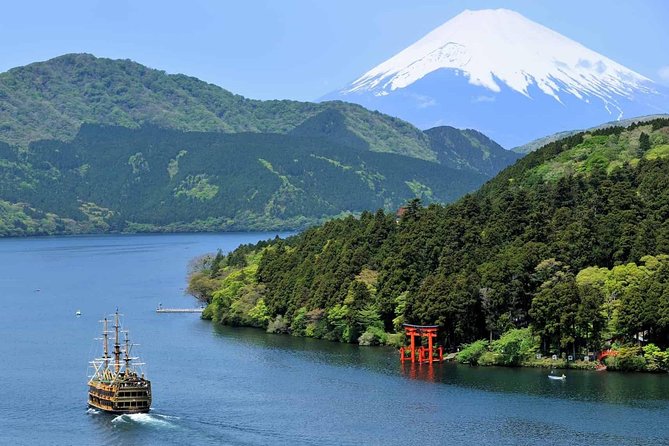
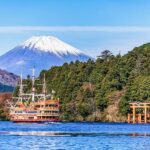
Lake Ashi, also called Lake Ashinoko, was formed in the caldera of Mount Hakone after the volcano’s last eruption about 3,000 years ago. Today it is one of Hakone’s defining views, especially when Mount Fuji appears behind the water.
The suggested lake stop is brief at about ten minutes, which is enough for a quick viewpoint but not a leisurely lakeside visit. Ask your guide how much time the day’s route allows if the lake is a major reason for booking. The lake itself has no admission charge, but transport around the area may cost extra.
Nearby Hakone Shrine gives the day a quieter, more traditional mood. The shrine dates back more than 12 centuries, though its buildings have been destroyed by fire and rebuilt several times. Its setting among the forest makes it a useful contrast to the museums and transport hubs.
A 30-minute stop is enough to see the shrine area at a brisk pace. It is not enough for a long, unhurried visit if you want to pause at every feature. Wear shoes suited to walking and stairs, and let your guide set a realistic pace.
Riding the Hakone Ropeway
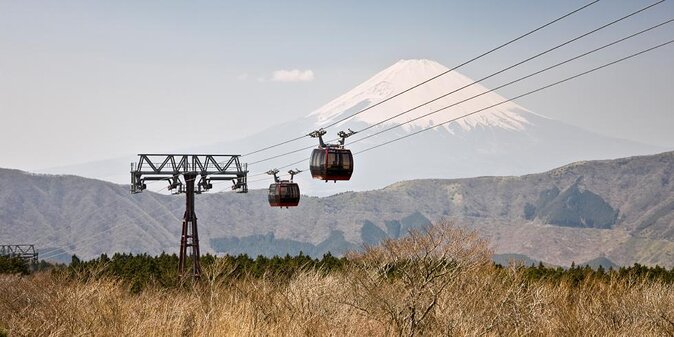
The Hakone Ropeway is part of the popular Hakone Round Course. It links Sounzan Station, at the end of the Hakone Tozan Cablecar, with Togendai Station near Lake Ashi. A 30-minute visit in the schedule usually means riding or using the ropeway as one part of a larger route, not spending half an hour at every section.
This is one of the most practical reasons to have a guide. The ropeway is not an isolated attraction. It connects with other parts of Hakone’s transport network, and the order of your stops affects how much backtracking you do.
The ropeway ticket is not included. You also pay for other public transport used during the day, including the round-trip train from Tokyo, estimated at about 5,000 yen for your own ticket. Ask your guide which transport passes or individual tickets make sense. The Hakone Freepass is specifically not included.
Owakudani, black eggs, and volcanic ground
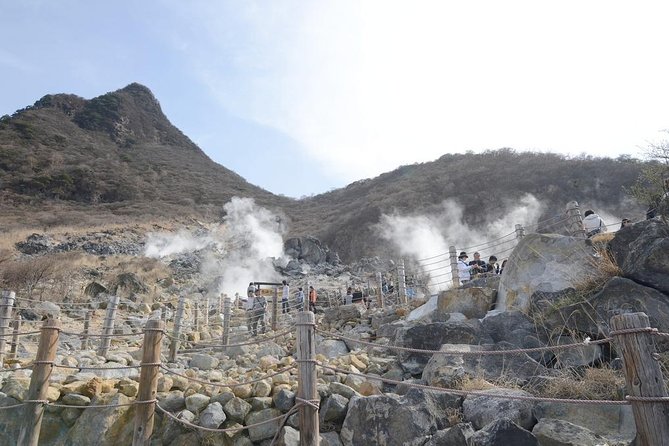
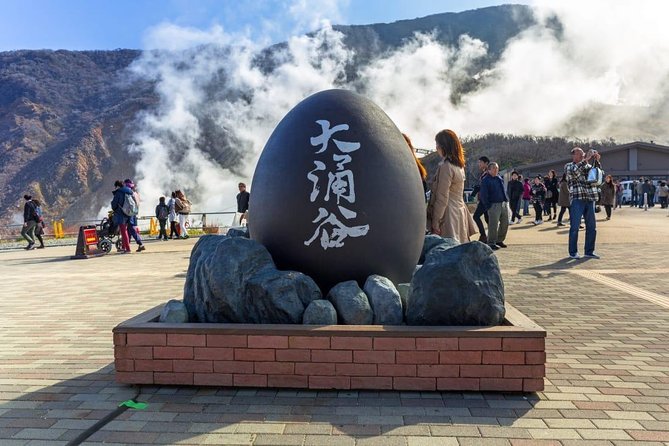
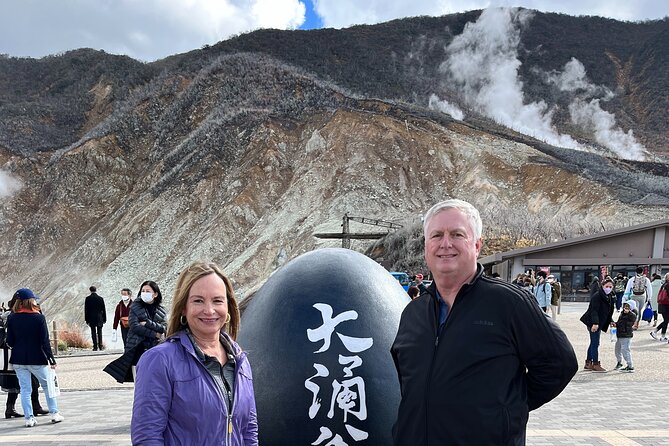
Owakudani is an active volcanic area powered by the geothermal activity that feeds Hakone’s hot springs. Its famous black boiled eggs are prepared in the volcanic environment and are said to bring long life.
The main Owakudani stop lasts about 45 minutes and has no separate admission charge in the stated plan. The experience is less about a single building and more about seeing the volcanic setting, buying the local specialty, and taking in the unusual terrain.
There is also an Owakudani Nature Study Path. This is a separate 40-minute walking trail through the active volcanic area, offering closer views of the geothermal activity. Advance reservation is required, and the entrance fee is 800 yen. Do not assume this trail is part of the standard visit. If it matters to you, arrange it ahead of time.
Owakudani is a strong choice for first-time visitors because it gives Hakone a sense of place. It is also a stop where conditions and timing matter, so your guide can help decide if it fits with the rest of the day.
Other guided tours in Tokyo



Choosing Hakone’s art museums
Hakone has an unusually high concentration of museums, and the choices suit different tastes.
The Hakone Open-Air Museum is the biggest time commitment, at about two hours. It is the area’s best-known art museum and includes a striking stained-glass staircase. Choose it if you want art combined with outdoor space and are willing to give it a large part of the day.
The POLA Museum of Art opened in 2002 to display an extensive private collection built by the company’s late founder. A 30-minute stop is listed, but that gives you only a quick look. If you care about the collection, ask for more time and drop another stop.
The Okada Museum of Art opened in 2013 and presents works from antiquity through the modern era. Its 30-minute slot is also more of a sample than a complete museum visit.
The Hakone Museum of Art in Gora dates from 1952 and was founded by Okada Mokichi. It is another paid stop, so compare it with the Okada Museum before choosing. The names are similar, but they are separate museums.
The Hakone Venetian Glass Museum presents Italian-style buildings, a museum, shops, and a strolling garden around a canal-like pond. It can suit you if you want decorative art and a polished garden setting.
The Narukawa Art Museum focuses on nihonga, or Japanese-style painting. The scheduled ten-minute visit is very short, so it only makes sense if you want a quick look or a scenic stop near the lake.
The Dollhouse Museum Hakone is a smaller, more specialized choice, with dollhouses from around the world. Allow about an hour if miniature displays appeal to you.
Admission fees for these museums are extra. With only three or four total stops, choosing one museum usually works better than trying to combine several.
Gardens, grass, and quieter temples
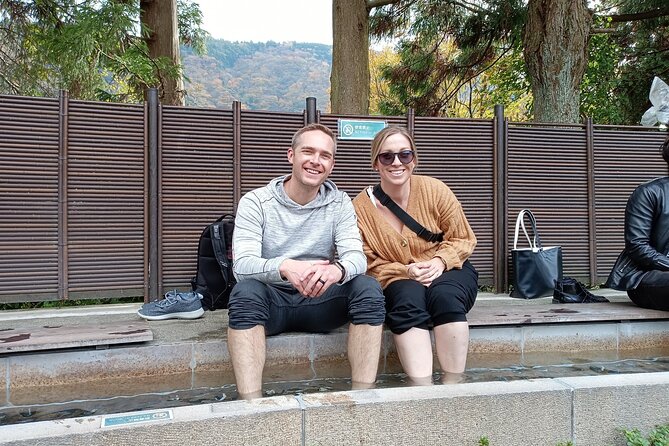
Sengokuhara is known for its tall pampas grass, especially in autumn. The stop lasts about 30 minutes and is best for seasonal scenery rather than a major monument. Admission may be charged, and the weather can shape how enjoyable the open field feels.
Hakone Shisseikaen, the Hakone Botanical Garden of Wetlands, sits in the highlands of Fuji Hakone Izu National Park. Founded in 1976 to preserve wetland plants, it offers a change from the lake, shrine, and volcanic sights. It is a good choice if you enjoy plants and slower walking.
Gora Park is a Western-style garden on the steep slope above Gora Station. It offers a place to pause and enjoy Hakone’s scenery, though the slope is worth remembering if walking is difficult. The park is a paid stop in this plan.
Choanji Temple, a Soto Zen temple in Sengokuhara, dates to 1356. It sits in a quiet area at the base of a hill and has an atmospheric setting with small Buddhist statues. The 30-minute visit is free and provides one of the more peaceful choices on the menu.
These stops work well for a day built around calm places rather than major attractions. They are less likely to satisfy you if your main goal is Mount Fuji or volcanic activity, so tell the guide what kind of day you want.
How to plan the ten hours
The day lasts about ten hours, but that does not mean ten hours of sightseeing. Some of your time goes to the train from Tokyo, transfers inside Hakone, waiting, meals, and walking between stops.
Start with one clear priority. You might choose:
- Lake Ashi, Hakone Shrine, the ropeway, and Owakudani for a classic first visit
- The Open-Air Museum, Gora Park, and one additional museum for an art-focused day
- Lake Ashi, Choanji Temple, Sengokuhara, and Shisseikaen for a quieter outing
- The ropeway, Owakudani, and one museum for a mix of volcano and culture
These are planning examples, not fixed routes. The activity allows around three or four sights from the full selection. Your guide can help adjust the order, but you should not expect to see all 16 listed places.
Tell the guide in advance if you have a firm return time, a particular museum, or a strong wish to see Mount Fuji. A broad request such as show me Hakone leaves too many competing choices for one day.
What the tour does not include
The omissions are substantial enough to shape your budget. Your round-trip train from Tokyo costs about 5,000 yen for your own ticket, and local transportation, admission fees, lunch, and personal expenses are extra.
The private vehicle is not included. This is a public-transport and walking experience, not a chauffeur-driven tour. That can be a plus if you want to use Hakone as locals and independent visitors do, but it may not suit you if you need door-to-door driving.
Guide entry fees are covered only for sights listed under the expected stops, according to the tour information. Since the main price does not bundle most entrance tickets, check the cost of each museum or paid attraction you are considering.
The tour does not allow you to combine separate tour groups. It is intended for one private party, which gives your group control over the pace and choices.
Who gets the most from this experience
I would consider this tour if you have one day for Hakone and do not want to spend that day decoding Japanese transport connections. It is especially useful for a small family or group that can share the guide cost.
It also suits you if you want context at the shrine, museum, and volcanic sites rather than simply taking photographs. The strongest guide experiences have come from careful planning, transport help, and local knowledge of Hakone’s seasonal timing.
I would hesitate if you are comfortable planning public transport yourself and want to keep costs low. The price is not an all-inclusive day trip, and you still pay for trains, local fares, meals, and entries.
The walking requirement matters too. Most people can participate, and service animals are allowed, but the experience is described as a walking tour. Hakone includes slopes, stations, and changes between transport systems.
Should you book this Hakone day trip?
Book it if you want a flexible private day with a licensed English-speaking guide, especially if Hakone’s transport system feels like the main obstacle. Ask for a route built around your top three sights, not a rushed attempt to see everything.
The tour has earned a 4.7 rating from 19 ratings, with 95 percent recommending it, but one booking failed because of a technical notification problem and caused a serious pickup issue. That makes it wise to confirm your meeting details and booking status directly through the official Viator website before departure.
For the best value, gather a small group, budget the extra transport and admission costs, and tell your guide whether Fuji views, art, temples, or volcanic scenery matter most. If that sounds like your kind of day, this is a practical way to turn a complicated Hakone outing into a focused one.
FAQ
How long does the Hakone private tour last?
The experience lasts approximately 10 hours, including travel from Tokyo and movement between Hakone sights.
What is included in the tour price?
The price includes a licensed local English-speaking guide and a customizable visit to around three or four selected sites.
Are train tickets from Tokyo included?
No. The round-trip train ticket from Tokyo is not included and is estimated at about 5,000 yen for your own ticket.
Are Hakone transport tickets included?
No. Public transportation fees inside Hakone are extra, and the Hakone Freepass is not included.
Are meals and entrance fees included?
No. Lunch, meals, most admission fees, and other personal expenses are not included.
Is a private vehicle provided?
No. The experience does not include a private vehicle. It is conducted on foot and with public transportation.
Where can the guide meet my group?
The guide can meet you at your Tokyo hotel, port, airport, or another designated area, with pickup conducted on foot.
Can I choose which Hakone sights to visit?
Yes. You can customize the day by choosing around three or four sights from the available selection.
Can I cancel for a full refund?
Yes, provided you cancel at least 24 hours before the experience start time. Cancellations made less than 24 hours in advance are not refundable, and late changes are not accepted.
More Private Tours in Tokyo

More Guided Tours in Tokyo
More Hakone Day Trips in Tokyo
More tours in Tokyo we've reviewed












Hakone Day Trips, compared.
 ★ 5.0Mt Fuji and Hakone 1-Day Bus Tour Return by Bullet TrainFrom $163
 ★ 4.0Mt Fuji & Hakone Cruise, Drum Show Bullet Train 1 Day from TokyoFrom $149
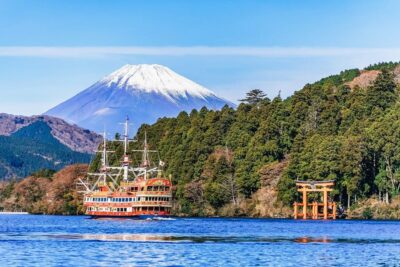 ★ 4.4Tokyo Mt Fuji 5th St & Hakone Cruise Bus Tour w/Bullet TrainFrom $15410 hours
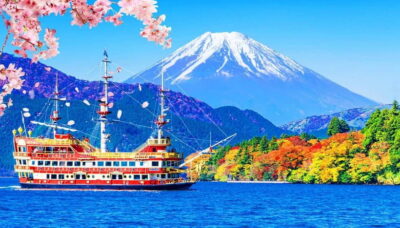 ★ 4.7Tokyo: Mt. Fuji Tour, Hakone Ropeway, Owakudani, Lake AshiFrom $5410 hours
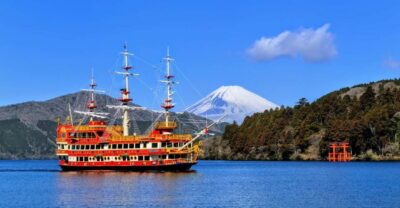 ★ 4.2Tokyo: Mt. Fuji 5th Station & Hakone Cruise 1-Day Bus TourFrom $12911 hours
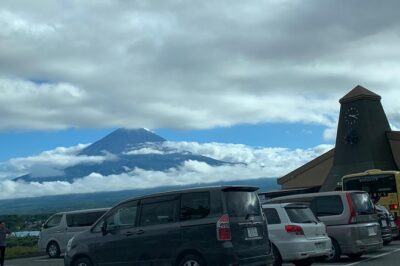 ★ 5.0Private Tour to Mt. Fuji and Hakone (Fully Licenced Operator)From $497