Reviewed · TOKYO
Tokyo: Karate Experience with Former All-Japan Champion
The most unusual part of this Tokyo activity is the chance to train with Ryo, a former All-Japan champion who has spent 20 years in karate. This is not a photo stop in a dojo. You bow in, work through real basics, and finish with controlled, non-contact sparring drills.
In This Article
- Key points to know before booking
- What this karate class is really like
- Starting with a bow and controlled breathing
- Stretching before the technique work
- Breaking punches, blocks, and kicks into steps
- Learning the Standing Zen Training position
- Finishing with safe, non-contact kumite
- Why the small group size improves the lesson
- The instructor, Ryo
- Location, timing, and what to bring
- Is $66.99 a fair price?
- Who should book this experience?
- Booking and cancellation details
- My take: book it for training, not just a souvenir
- FAQ
- How long does the karate experience last?
- Where does the class meet?
- Where does the activity finish?
- How many people can join the class?
- Is the class suitable for beginners?
- What will I learn during the class?
- Are a karate uniform and pads provided?
- Can I cancel for a full refund?
I like the small maximum of eight people, which gives Ryo room to correct posture and adjust the lesson. I also like the balance of culture and exercise: you learn why karate begins and ends with a bow, then spend enough time punching, kicking, stretching, and sweating to feel you did more than watch a demonstration. The main consideration is physical effort. You need moderate fitness, and some kicks may test your hip and leg mobility.
Key points to know before booking

- Train with Sensei Ryo: A former All-Japan champion leads the class and has 20 years of experience.
- A real hands-on lesson: Practice bows, breathing, stretches, stances, punches, blocks, kicks, and non-contact kumite.
- Small groups matter: The class accepts no more than eight participants, allowing room for individual corrections.
- Good for mixed experience levels: Ryo can teach complete beginners and adjust exercises for people with karate or boxing experience.
- Uniform and pads included: You do not need to arrive with karate equipment.
- Central Tokyo setting: Meet at Azumabashi Hall in Sumida City, close to public transportation, with morning and afternoon times available.
What this karate class is really like
This 90-minute session gives you a working introduction to karate rather than a quick martial arts photo opportunity. The pace moves from manners and breathing to mobility, technique, and defensive movement.
The class is based on Kyokushin karate. That matters because the session places clear weight on strong stances, body control, precision, and practical movement. You will not simply copy a few flashy kicks and call it done. Ryo breaks each technique into smaller steps so you can understand how the feet, hips, hands, and posture work together.
The class is suitable for people who have never studied martial arts. It also has enough flexibility for someone who has boxed, practiced another karate style, or trained in martial arts before. If you have prior experience, tell Ryo early. He can use the time to correct familiar problems rather than spend the whole lesson on basic vocabulary.
The class has earned a 4.9 rating from 20 reviews, with 100 percent recommending it. More useful than the score is the pattern behind it: people repeatedly praise Ryo’s clear teaching, friendly manner, good English, and ability to make the lesson both accessible and demanding.
If you're still narrowing it down, here are other tours in Tokyo we've reviewed.


Starting with a bow and controlled breathing

Karate begins before the first punch. Ryo teaches you how to bow properly, reflecting the principle that you start with a bow and end with a bow.
That opening gives the class a useful cultural frame. You are not just learning how to hit a target. You are entering a formal practice built around focus, discipline, and respect. The bow also sets the tone for a class where control matters as much as force.
Next comes deep breathing from the belly. This may seem simple, but it gives you a practical way to settle your attention before movement begins. If you arrive after a busy morning in Tokyo, the breathing work helps shift your mind away from train schedules, restaurant plans, and sightseeing lists.
Do not expect a long lecture on karate history. The value here is direct participation. You learn the custom, try it yourself, and then put that focus into physical work.
Stretching before the technique work
The warm-up targets the main areas you need for karate: leg muscles, hip joints, shoulder blades, and chest. This is important because the class includes kicks and low defensive movements, not just punches from the waist up.
I would treat this section seriously, especially if your normal vacation exercise consists of walking between cafés and temples. You do not need to be an athlete, but you should give your body time to loosen up. One participant with limited mobility found that some kicks were difficult, which is a useful warning for anyone with tight hips or legs.
The stretching also makes the lesson safer and easier to follow. Ryo can watch how you move before asking you to add speed or power. You get a chance to find your balance without immediately worrying about looking polished.
Wear a mindset that allows you to work within your range. You do not need to force a high kick. Good form at a lower height is more useful than an ambitious kick that strains your hip.
Breaking punches, blocks, and kicks into steps

The main instruction covers basic punches, blocks, and kicks, all performed from a proper stance. Ryo divides each technique into several movements, so you learn the order rather than trying to memorize one fast action.
That teaching method helps beginners. A punch is not presented as simply extending your arm. You need to understand the stance, the position of the other hand, the direction of the movement, and the return to a guarded position. Blocks and kicks receive the same step-by-step treatment.
The stance work may be the least glamorous part of the class, but it is where much of the lesson’s value sits. A stable base affects your balance, speed, and ability to defend yourself. Someone with previous training may notice small changes in posture, stomach power, or foot position that make familiar movements feel different.
Ryo’s instruction is described as clear and precise, and his English is strong enough for detailed communication. That makes a difference in a physical class. You need to understand where your weight belongs and how a movement should finish, not merely watch a demonstration from across the room.
The lesson can also be a solid workout. You will stretch, repeat techniques, and practice movement for much of the 90 minutes. It is not a full-contact fight, but you should expect to move steadily rather than stand around waiting for your turn.
Learning the Standing Zen Training position

The Standing Zen Training position is one of the activity’s distinctive elements. It gives you a taste of the still, focused side of karate, not just the attacking and defensive movements.
The position connects to the breathing and concentration work from the opening. You learn to hold your posture, settle your breathing, and pay attention to the body. That contrast is useful: karate includes explosive movement, but it also asks you to become calm and deliberate.
You may find this harder than it looks. Standing still with proper alignment requires attention, especially after stretching and repeated techniques. It is a short lesson in why martial arts training is not only about strength.
For a first-time participant, this part also makes the experience feel more connected to Japanese practice. You are learning a physical position with an emphasis on focus, not just collecting a few impressive moves for a video.




Finishing with safe, non-contact kumite

The final section introduces the essence of kumite, or sparring, without physical contact. Ryo shows you how to respond to attacks such as punches, front kicks, and low kicks.
This is a smart format for a mixed group. Beginners can learn timing and defensive choices without being thrown into a fight. People with prior martial arts experience still get something useful because Ryo can focus on precision, distance, posture, and efficient responses.
The no-contact approach also keeps the class approachable for couples, families, and friends who want to try karate together but do not want bruises as a souvenir. Pads are included, adding another layer of ease, though the session remains technique-focused rather than a competitive bout.
Expect drills and controlled movement, not self-defense guarantees. The class teaches the basic idea of defending against several attacks, but 90 minutes is enough for an introduction, not mastery. You leave with a better sense of how a response is structured and what to practice next.
Why the small group size improves the lesson

The maximum group size is eight people. That is a meaningful limit for a physical class.
A large group would make it harder for Ryo to see whether your stance is correct or whether your kick is coming from the hip. With eight or fewer, there is a better chance of receiving direct feedback. This is especially helpful when participants have mixed ability levels.
Ryo’s teaching style appears to suit that mix. He can keep instructions simple for a first-timer while offering a different angle to someone who has trained in another style. One participant with long-term experience in a different karate system received corrections to posture, stomach power, and sparring technique rather than being treated as a complete beginner.
A private lesson may offer even more personal attention. One booking was described as a one-on-one class, with very clear instruction and time for a companion to take photos and video. Still, the advertised class itself is a small-group experience, so you should not assume a private session unless your booking specifically confirms it.
The instructor, Ryo

Ryo is the heart of the activity. His background as a former All-Japan champion gives him serious competition experience, but his role here is teacher, not performer.
The strongest feature of his instruction is adjustment. He explains techniques in clear steps, demonstrates the movement, and changes the level to suit the people in front of him. That matters if one person in your party is flexible and athletic while another is stiff, nervous, or completely new to martial arts.
His English is fluent enough for precise teaching and conversation after class. The time after training can include discussion about cultural differences and how karate is practiced in different countries. That exchange adds a human element to the workout without taking over the lesson.
You should still expect correction. A good karate class asks you to change how you stand, breathe, turn, and protect yourself. Ryo’s friendly approach makes that easier to accept, but this is not a passive cultural show.
Location, timing, and what to bring
The meeting point is Azumabashi Hall at 1-chōme-23-27 Azumabashi, Sumida City, Tokyo 130-0001. The location is near public transportation, and the central setting makes it practical to reach by train.
Morning and afternoon class times are available. That flexibility helps you fit the activity around sightseeing, though you should still leave enough time to arrive at the hall without rushing. A karate lesson is a poor place to begin the day already flustered.
A karate uniform and pads are provided. The supplied details do not specify what clothing you wear underneath or what changing facilities are available, so check the booking information if that affects your plans. At minimum, plan for movement and physical work rather than ordinary sightseeing clothes.
The activity ends back at the meeting point. That makes the logistics simple, especially if you are building a day around Sumida City or nearby Tokyo sights.
Is $66.99 a fair price?
The price is $66.99 per person. For a 90-minute activity, that is more than you would pay for a casual self-guided cultural stop, but the comparison is not quite fair.
You are paying for a former champion’s instruction, a small group capped at eight, equipment, and direct practice. The value improves if you have always wanted to try karate but lack the confidence to walk into a regular dojo on your own. You receive a structured class, English-language explanations, and a chance to ask questions while you train.
The value is also strong for someone already familiar with martial arts. Ryo can adjust the lesson and offer a different perspective on Kyokushin techniques. One experienced participant used the class to work on posture and sparring skills, showing that this is not limited to first-timers.
For a family or group of friends, group discounts may help. Check the current price for your party before booking, since the listed rate is per person and discounts can affect the final calculation.
I would be less enthusiastic about the price if you want only a short demonstration or a few minutes of posing in a uniform. This activity is best value when you are ready to participate fully.
Who should book this experience?
I would recommend it to:
- First-time martial arts participants who want clear, guided instruction
- Couples or friends looking for an active Tokyo activity
- People interested in Japanese culture beyond food, temples, and shopping
- Karate students who want to compare their style with Kyokushin practice
- Boxers or martial artists who enjoy working on stance, defense, and movement
- Visitors who prefer a small class over a large group demonstration
You should think twice if you have a serious physical limitation that makes stretching, kicks, or repeated stance work difficult. The activity asks for moderate physical fitness, and one part of the lesson may challenge your mobility.
It is also not the right choice if you want full-contact sparring. Kumite is taught without physical contact, with an emphasis on safe movement and defensive technique.
Booking and cancellation details
The experience is often booked about 29 days ahead, so reserve early if you need a particular morning or afternoon time. Confirmation is received at booking, and mobile tickets are available.
You can cancel for a full refund up to 24 hours before the local start time. Changes or cancellations made less than 24 hours before the start are not accepted for a refund.
My take: book it for training, not just a souvenir
Book this class if you want to do something active, learn from a serious Japanese instructor, and leave Tokyo with a better feel for how karate works. The combination of bowing, breathing, stretching, technique practice, and safe kumite gives the 90 minutes a clear shape.
I especially like the small group, Ryo’s ability to adjust the lesson, and the fact that the class works for both beginners and people with prior experience. The only real caution is your physical condition. Tight hips or legs may limit your kicks, and the workout is more demanding than a cultural demonstration.
For a hands-on introduction to Japanese martial arts, this is a well-priced, focused experience. Go ready to move, listen carefully, and accept that your first kick may look less graceful than the instructor’s.
FAQ
How long does the karate experience last?
The class lasts approximately 1 hour and 30 minutes.
Where does the class meet?
The meeting point is Azumabashi Hall, 1-chōme-23-27 Azumabashi, Sumida City, Tokyo 130-0001, Japan.
Where does the activity finish?
The activity ends back at the meeting point.
How many people can join the class?
The group has a maximum of eight participants.
Is the class suitable for beginners?
Yes. The lesson is designed for complete beginners as well as people who have practiced karate or other martial arts before.
What will I learn during the class?
You will learn how to bow, practice deep breathing, stretch, and work on basic stances, punches, blocks, and kicks. The class also includes non-contact kumite training, including responses to punches, front kicks, and low kicks.
Are a karate uniform and pads provided?
Yes. A karate uniform and pads are included.
Can I cancel for a full refund?
Yes. You can cancel at least 24 hours before the experience start time for a full refund. Cancellations or changes made less than 24 hours before the start are not accepted for a refund.
More tours in Tokyo we've reviewed












Tokyo, compared.
 ★ 5.0Mt Fuji and Hakone 1-Day Bus Tour Return by Bullet TrainFrom $163
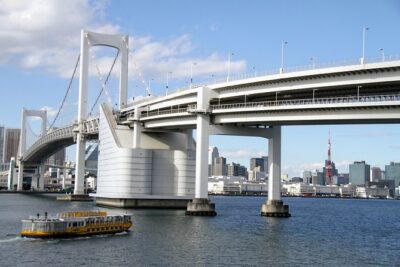 ★ 5.01-Day Tokyo Bus TourFrom $129
 ★ 4.6Tokyo: teamLab Planets TOKYO Digital Art Museum Entry TicketFrom $251 day
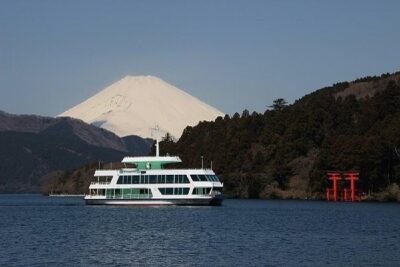 ★ 4.0Mt Fuji & Hakone Cruise, Drum Show Bullet Train 1 Day from TokyoFrom $149
 ★ 5.0Tokyo: Shinjuku Food Tour (13 Dishes at 4 Local Eateries)From $86
 ★ 4.4Tokyo Mt Fuji 5th St & Hakone Cruise Bus Tour w/Bullet TrainFrom $15410 hours