Reviewed · MT FUJI DAY TRIPS
From Tokyo: Mt.Fuji, Lake Kawaguchi, Oshino Hakkai Day Tour
Mount Fuji is the star here, but the day works because you see several very different sides of the mountain in one outing. You get a high viewpoint at the 5th Station or Oishi Park, clear spring-fed ponds at Oshino Hakkai, and the famous pagoda view from Arakura Fuji Sengen Shrine.
In This Article
- Key points to know
- Starting early at Tokyo Mode Gakuen
- Mount Fuji’s 5th Station, when conditions allow
- Oishi Park and the seasonal Fuji view
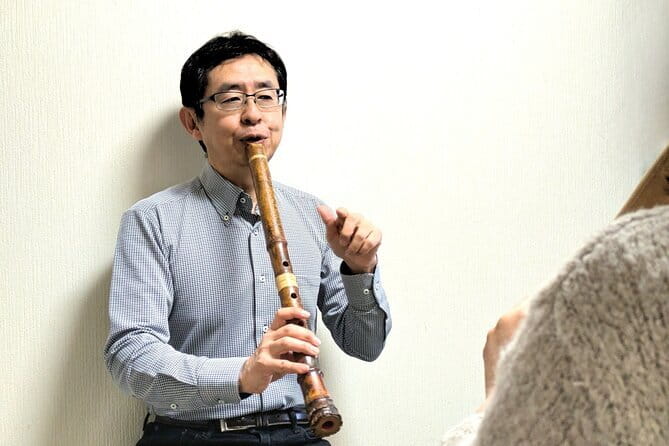
- A short matcha lesson at Lake Kawaguchi
- Oshino Hakkai’s eight clear ponds
- Fujisan Hikawa Watch Shop and the walk to Arakura
- The price and what you actually receive
- Who should book this Fuji day trip
- Practical details before you reserve
- Should you book it?
- FAQ
- Where does the tour start?
- How do I reach the meeting point?
- Is the Mount Fuji 5th Station visited all year?
- Is lunch included?
- Which languages does the guide speak?
- Is the matcha experience a full tea ceremony?
- How much walking is required?
I like the easy transport from Tokyo and the short matcha-making session at Lake Kawaguchi. I also like that guides such as Arpan, Toni, and Diffany have been praised for being friendly, helpful, and full of useful tips. The tradeoff is a long day on the road, with traffic and weather able to change the plan.
Key points to know
- Mount Fuji access depends on the season and weather: The 5th Station is used in the warmer part of the year, while Oishi Park usually replaces it from around late November through April.
- The matcha stop lasts about 30 minutes: A teacher shows you how to make Japanese matcha and serves Japanese snacks, but this is a brief introduction rather than a full tea ceremony.
- Oshino Hakkai offers a quieter Fuji view: Eight ponds fed by melted snow and rainwater create one of the day’s prettiest stops.
- Arakura Shrine requires a 25-minute walk: The bus leaves you near the shopping street, and you walk uphill toward the shrine and its famous Fuji view.
- The $51 price covers the main transport: You still pay for lunch, personal purchases, and any attraction fees not included.
- The tour suits active day-trippers: The schedule includes walking, fixed stops, and roughly five hours of bus time.
Starting early at Tokyo Mode Gakuen

Your day starts at 7:50 a.m. beside Tokyo Mode Gakuen, with departure scheduled for 8:10. Look for a guide holding an EASYGO flag. The meeting point is reachable from Shinjuku West Exit on the JR Line or from Nishi-Shinjuku Station on the Marunouchi subway line.
This is a sensible starting point for a Fuji day trip because the bus can head out of central Tokyo without a hotel pickup circuit. You need to get there on your own, though, so allow enough time to find the building and the guide. The tour returns to the same place at the end of the day.
The ride toward the Fuji area takes about two and a half hours. That is a lot of sitting, but it is also the main reason this tour can cover so much for $51. You avoid figuring out several local train and bus connections, and an English and Mandarin-speaking guide gives directions along the way.
The itinerary is tight. Traffic around Tokyo and the Fuji Five Lakes area can be heavy, and the stated times are only estimates. I would book this as a sightseeing day, not as a schedule with guaranteed minute-by-minute timing.
A few more Tokyo tours and experiences worth a look
Mount Fuji’s 5th Station, when conditions allow

In spring and summer, the tour is scheduled to visit Mount Fuji’s 5th Station. This is the highest point on the mountain included in the outing, at about 2,300 meters, and it gives you a more immediate sense of Fuji’s scale than a distant lakeside viewpoint.
The stop lasts about an hour. That is enough time for photographs, a look around, and a short break. You are not climbing Mount Fuji. You are visiting a mountain access point, so keep your expectations focused on views and atmosphere rather than a hiking experience.
Weather matters a great deal here. Clouds can hide the summit, and road access can change. The tour notes that the 5th Station may be replaced because of weather, and it is generally replaced by Oishi Park from around November 22 through April of the following year.
That seasonal switch is important when comparing this trip with other Fuji outings. Check the likely plan for your date before booking if the 5th Station is your main reason for going. Even in the warmer months, a clear view is never promised.
Oishi Park and the seasonal Fuji view
Oishi Park is the usual alternative during the colder season. It sits by Lake Kawaguchi and gives you a broad view across the water toward Mount Fuji when the weather cooperates.
You get about an hour for photographs and sightseeing. This is a more relaxed stop than the 5th Station, with the lake and open views doing most of the work. It also pairs naturally with the later Lake Kawaguchi visit, so the day still has a strong scenic center even when the high mountain road is not used.
The wording of the schedule can look as if both the 5th Station and Oishi Park are always included. They are not. The provided conditions indicate that Oishi Park replaces the 5th Station during the winter period, roughly late November through April, and weather can cause further changes.
I would bring a camera with a wide setting if you have one, but do not judge the whole experience by a single photograph. Fuji views are famously dependent on clouds, and the tour includes several different viewpoints in case one is obscured.
A short matcha lesson at Lake Kawaguchi

After the Fuji-area sightseeing, the bus travels about 40 minutes to Lake Kawaguchi for a 30-minute matcha experience. A tea teacher shows you how to prepare Japanese matcha in a shop and provides Japanese snacks.
This is a pleasant cultural pause between outdoor viewpoints. You get to do something rather than simply take another photograph, and the session gives you a small taste of the care behind matcha preparation. It is also short enough that it does not swallow the day.
Keep the scale of the activity in mind. This is a simple introduction, not a lengthy formal tea ceremony. The stay is around 30 minutes, so you should expect a demonstration and hands-on preparation rather than an extended lesson in tea etiquette.
The Lake Kawaguchi stop is particularly useful for anyone who wants one cultural element in a scenic tour. If you already have a detailed tea ceremony booked elsewhere in Japan, this part may feel basic. For most visitors, though, it adds variety to a day otherwise built around views and photography.
Oshino Hakkai’s eight clear ponds

The next bus ride takes about 30 minutes, followed by roughly an hour at Oshino Hakkai. This small area is known for eight ponds formed by water from Mount Fuji’s melting snow and rainfall, filtered through volcanic ground.
The ponds give you a different way to appreciate Fuji. Instead of seeing only the mountain’s cone, you see the clean water systems connected to it. The setting is picturesque, and the stop offers plenty of chances for photographs and unhurried sightseeing within the limits of the schedule.
You should not expect a large nature walk. The visit lasts about an hour, and the whole tour keeps moving. Still, Oshino Hakkai is more than a quick roadside photo stop. It provides a change of pace after the lake and mountain viewpoints.
This is also a good place to pay attention to the rules. Smoking, littering, loud behavior, alcohol, and drugs are not allowed on the activity. The setting depends on its water and village character, so respectful behavior matters.



Fujisan Hikawa Watch Shop and the walk to Arakura

After Oshino Hakkai, the bus takes about 40 minutes to the Fujisan Hikawa Watch Shop, also referred to as Hikawa Clock Shop. You get about 10 minutes for a photo stop and brief sightseeing.
The shop is popular because the street view can frame Mount Fuji in a striking way. Ten minutes is enough for a quick photograph, but not for a leisurely look through the area. Keep your camera ready and follow the guide’s timing.
From the shopping street, you walk for about 25 minutes to Arakura Fuji Sengen Shrine, also called Shinkura Fuji Asama Shrine in the tour details. This is one of the most recognizable Fuji viewpoints, combining the shrine grounds, the five-story pagoda, and Mount Fuji when the summit is visible.
The walk is a real part of the experience, not a minor transfer. The tour lists about 40 minutes at the shrine, including guided sightseeing and photographs, but some of that time is spent reaching the viewpoint. Wear comfortable shoes and be prepared for an uphill walk.
This stop suits you if you want the classic Fuji composition seen in many Japan photographs. It may be less suitable if you have difficulty walking or dislike stairs and slopes. The information is mixed on accessibility: the activity is marked wheelchair accessible in one place, but the restrictions say it is not suitable for wheelchair users. The 25-minute walk is the practical detail to trust when deciding.
The price and what you actually receive
At $51 per person, this is a low-cost way to reach several Fuji-area sights from Tokyo. The included bus transportation is the main value. Booking separate trains and local buses to the 5th Station area, Lake Kawaguchi, Oshino Hakkai, and Arakura Shrine would take planning, and the connections would reduce your time at the sights.
The English and Mandarin guidance adds useful structure. Specific guides named in the feedback include Arpan, Toni, and Diffany. Arpan was praised for being caring, Toni for offering historical information and further Japan travel advice, and Diffany for being friendly and well informed. Guide quality can vary by departure, but these comments suggest that the human side of the tour can add real value.
The price does not include lunch, hotel pickup or drop-off, attraction entrance fees, or personal expenses. Since no lunch is supplied, you should plan to buy food during the day or bring something suitable. The provided details do not specify a fixed lunch stop, so do not assume you will have a long restaurant meal.
The $51 fare is best viewed as a transport and sightseeing package. It is strong value if you want the main Fuji-area highlights without renting a car. It is less compelling if you want long visits at each stop, a full tea ceremony, or freedom to change the order.
Who should book this Fuji day trip

I would choose this tour if you have one free day in Tokyo and want a broad introduction to the Mount Fuji area. It works especially well for first-time visitors who prefer a guide and bus rather than a complicated independent route.
You will get the most from it if you enjoy photography, scenic stops, short cultural activities, and a full itinerary. The combination of mountain, lake, ponds, shrine, pagoda, and matcha keeps the day varied.
It is also a good fit for people who value practical guide support. The guides speak English and Mandarin, and no other languages are supported. Friendly guidance and extra tips, such as those credited to Toni, can make a long day easier to manage.
I would hesitate if you need a slow pace or guaranteed access to every stop. Traffic and weather can force changes, and some locations may be skipped. The day includes about five hours of bus travel, a 25-minute walk to Arakura Shrine, and a late return to Tokyo after roughly two hours on the final drive.
The activity is not suitable for babies under one year or people over 75, according to the provided restrictions. Pets, smoking, alcohol, drugs, littering, and excessive noise are not allowed.
Practical details before you reserve

Cancellation is free up to 24 hours before departure, and you can reserve now while paying later. That helps if your Fuji date depends on weather, though a flexible booking does not guarantee clear skies.
The tour runs for one day, with availability and starting times shown at booking. The stated meeting time is 7:50 a.m., and the bus leaves at 8:10. Hotel pickup is not included.
The guide uses both English and Mandarin during the tour. If you need another language, this is not the right choice. You should also confirm the seasonal plan for your date, especially if visiting the 5th Station matters more to you than seeing Oishi Park.
Should you book it?
Book this tour if you want maximum Fuji-area coverage for a modest price and you are comfortable with a long bus day. The matcha stop, Oshino Hakkai ponds, Hikawa street view, and Arakura Shrine keep the outing from becoming a single mountain photo stop.
Skip it if you want a quiet, flexible day or a serious tea ceremony. The schedule is fixed, the 5th Station is weather dependent, and the shrine requires a substantial walk. For an active visitor with one spare day in Tokyo, though, this is a practical way to see several of Japan’s most photogenic Fuji views without arranging the transport yourself.
FAQ
Where does the tour start?
It starts at Tokyo Mode Gakuen. Meet the guide holding an EASYGO flag at 7:50 a.m. The scheduled departure is 8:10 a.m.
How do I reach the meeting point?
You can take the JR Line from Shinjuku West Exit or the Marunouchi subway line from Nishi-Shinjuku to reach the meeting area.
Is the Mount Fuji 5th Station visited all year?
No. The 5th Station is subject to season and weather conditions. From around November 22 through April of the following year, it is generally replaced by Oishi Park.
Is lunch included?
No. Lunch is not included in the activity price.
Which languages does the guide speak?
The live guide speaks English and Mandarin Chinese. Other languages are not supported.
Is the matcha experience a full tea ceremony?
No. It is a simple tea experience lasting about 30 minutes. A teacher shows you how to make matcha and provides Japanese snacks.
How much walking is required?
You need to walk for about 25 minutes from the shopping street to Arakura Fuji Sengen Shrine. The tour also includes walking at the shrine and other sightseeing stops.
More Mt Fuji Day Trips in Tokyo
More tours in Tokyo we've reviewed












Mt Fuji Day Trips, compared.
 ★ 5.0Mt Fuji and Hakone 1-Day Bus Tour Return by Bullet TrainFrom $163
 ★ 4.0Mt Fuji & Hakone Cruise, Drum Show Bullet Train 1 Day from TokyoFrom $149
 ★ 4.4Tokyo Mt Fuji 5th St & Hakone Cruise Bus Tour w/Bullet TrainFrom $15410 hours
 ★ 4.5From Tokyo: Mount Fuji Full-Day Sightseeing TripFrom $6810 hours
 ★ 4.7Tokyo: Mt. Fuji Tour, Hakone Ropeway, Owakudani, Lake AshiFrom $5410 hours
 ★ 4.4Tokyo:Mt.Fuji,Kawaguchiko Oishi Park,Arakurayama Sengen ParkFrom $5410 hours