Reviewed · TOURS
Customized 10-Day Golden Route of Japan Family Tour
Japan packs an astonishing range of experiences into these 10 days: Mt. Fuji views, thatched mountain villages, sacred temples, food markets, and Hiroshima’s peace sites. You move from Tokyo to Osaka with private local guides while the longer rail and bus rides are arranged for you.
In This Article
- Key points at a glance
- What this 10-day Japan route really offers
- Day 1: A soft landing in Tokyo
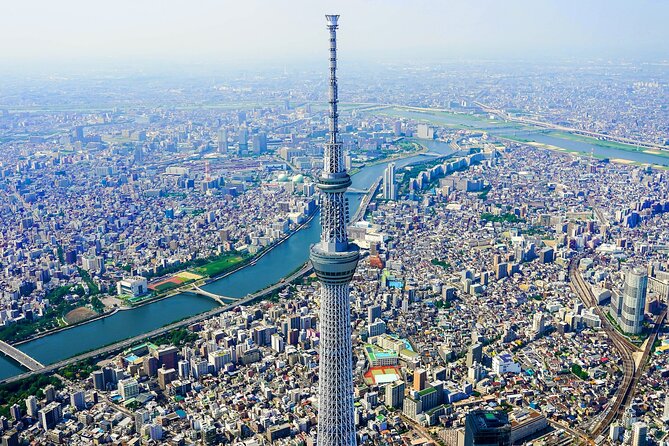
- Day 2: Tokyo’s shrines, palace grounds, and Asakusa
- Day 3: Three views of Mt. Fuji at Lake Kawaguchi
- Day 4: Tokyo to Takayama by train
- Day 5: Shirakawa-go and Kanazawa in one packed day
- Day 6: Kyoto’s old streets and a Gion tea ceremony
- Day 7: Nara’s deer, lantern paths, and giant Buddha
- Day 8: Kyoto gates, statues, markets, and a night train
- Day 9: Miyajima and Hiroshima’s difficult history
- Day 10: Osaka food, shopping, and a final temple
- Is $6,559 per person a fair price?
- Who should book this family tour?
- Should you book it?
- FAQ
- Where does the tour begin?
- Where does the tour end?
- How long is the tour?
- What is included in the price?
- Are international flights included?
- Is this a private tour?
- Is a guide provided every day?
- Is the Mt. Fuji ropeway included?
- Can I cancel the booking for a refund?
I like the mix of famous sights and smaller cultural stops, especially Shirakawa-go, Takayama, Kanazawa, and the tea ceremony in Gion. I also like that this is a private trip, so your family can ask questions, adjust the pace, and avoid being tied to a large coach group.
The catch is the pace. You cover much of central and western Japan, with several early starts, hotel changes, and travel days. The advertised price is also substantial at $6,559 per person, although it includes hotels, breakfast, guides, transport, and admission fees.
Key points at a glance
- Nine hotel breakfasts and twin-share accommodation make the price easier to assess for a family planning a multi-city trip.
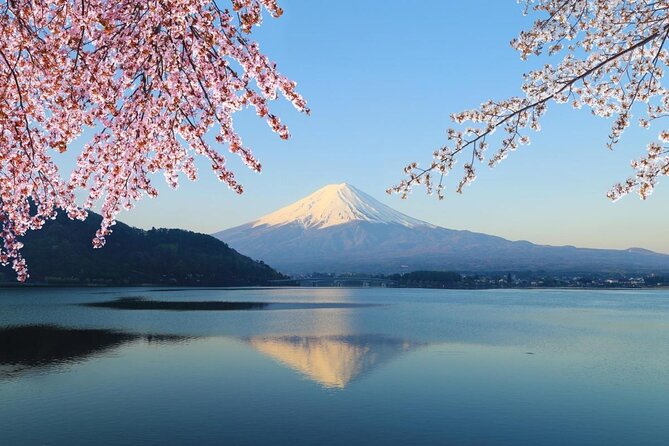
- Lake Kawaguchi gives you several ways to see Mt. Fuji, including a cruise, a short lakeside walk, and the Panoramic Ropeway.
- Shirakawa-go and Takayama add rural Japan to an otherwise temple-heavy route.
- Private guides meet you in several cities, while you handle some train station transfers on your own.
- The route ends with Hiroshima and Osaka, pairing serious wartime history with street food, shopping, and castle grounds.
- The itinerary is full but adjustable, and planning contacts such as Wendy Lee and Emily have been praised for clear communication and personal adjustments.
What this 10-day Japan route really offers
This is not a stay-put family holiday. It is a moving tour through Tokyo, the Japanese Alps, the Hokuriku region, Kansai, Hiroshima, and Osaka. You see a lot, and you trade slow mornings for breadth.
The trip works best if you want an organized first look at Japan without joining strangers on a fixed coach tour. You have private guiding during sightseeing, but you still use Japan’s excellent public transportation. That combination gives you help when a shrine or station feels confusing, while leaving some room for your family to function on its own.
The schedule also has a useful north-south rhythm. Tokyo supplies the big-city start. Takayama, Shirakawa-go, and Kanazawa show a quieter side of Japan. Kyoto and Nara bring the major temple and shrine experiences, while Hiroshima and Osaka provide two very different final chapters.
If you're still narrowing it down, here are other tours in Tokyo we've reviewed.
Day 1: A soft landing in Tokyo
After arriving at Narita or Haneda, a driver meets you and helps you find the shared shuttle bus to your hotel. The transfer takes about 40 minutes, and the rest of the day is free.
That free time matters. Long international flights and the time change can make even an easy sightseeing day feel hard. You can use these first hours to eat near the hotel, buy a drink from a convenience store, or simply get everyone rested before the scheduled program begins.
The airport transfer is assisted, but it is not described as a private car all the way to the hotel. You should be comfortable joining the shared shuttle once the driver has shown you where to go.
Day 2: Tokyo’s shrines, palace grounds, and Asakusa
Your first full day uses public transportation with your guide, a sensible way to get a feel for Tokyo’s scale. The morning starts at Meiji Jingu, a major Shinto shrine set among dense trees in one of the city’s largest green spaces. Traditional weddings are often held here, so you may see the formal side of modern Japanese religious life.
The Imperial Palace area follows, with Kokyo Gaien National Garden, the East Gardens, and Nijubashi Bridge. Do not expect to tour the emperor’s private residence. The value here is the open grounds, carefully planned gardens, and a look at the political heart of the capital.
In the afternoon, Asakusa changes the mood. Enter through Kaminarimon Gate, then walk Nakamise Shopping Street toward Senso-ji Temple. The stalls sell Japanese snacks, folding fans, kimonos, and other souvenirs. This is a good place to try small foods rather than committing to a long restaurant meal.
The day lasts about eight hours and includes plenty of walking. Families should keep an eye on younger children in the crowded shopping street. The private format helps, since your guide can explain what you are seeing and help with the city’s public transit.
Day 3: Three views of Mt. Fuji at Lake Kawaguchi
You meet your guide in the hotel lobby and travel from Shinjuku Expressway Bus Terminal to Lake Kawaguchi by express bus. The ride takes about two hours each way, so this is a full day out of Tokyo.
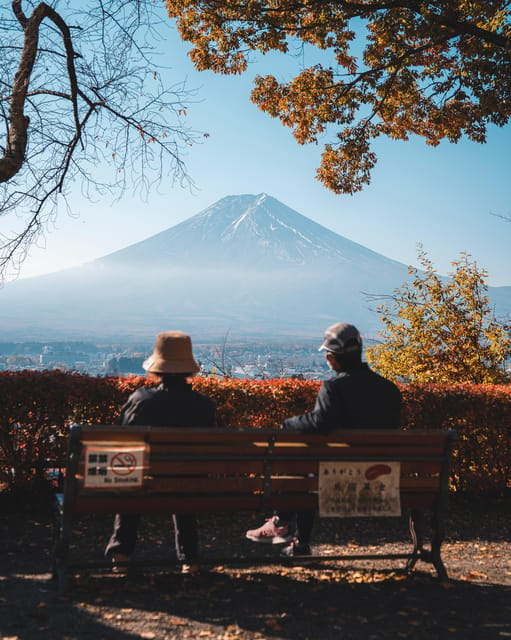
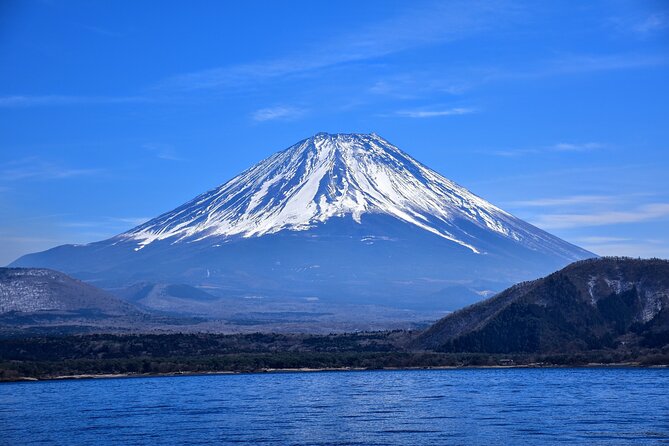
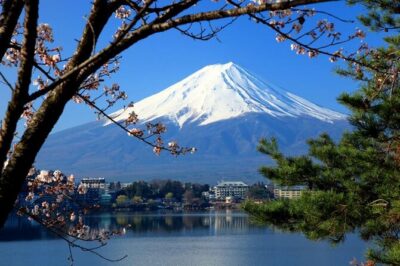
At the lake, you can take a short hike, ride a sightseeing boat, and use the Mt. Fuji Panoramic Ropeway. I like this structure because you do not rely on one viewpoint. The lake gives you a ground-level setting, the boat changes the angle, and the ropeway provides a higher view over the water and mountain.
Mt. Fuji is famously shy about clouds. The itinerary promises access to the area and the ropeway, not a clear summit view. Keep that distinction in mind when deciding how much of your trip depends on the mountain. Even with cloud cover, Lake Kawaguchi offers a pleasant break from Tokyo’s density.
The express bus keeps the day straightforward, but the return trip can feel long after walking and sightseeing. This is one of the days when an early start and sensible shoes will pay off.
Day 4: Tokyo to Takayama by train
Day four is partly independent. You make your way to the station, take a bullet train to Nagoya for about 1.5 hours, then change to an express train for another 2.5 hours to Takayama. Your guide meets you at the station and takes you to the hotel.
This is a useful test of how much independence you want from a private tour. The rail route is arranged as part of the trip, but you are responsible for finding the station and making the transfers. Clear written instructions are important here, especially if you are traveling with children or luggage.
Takayama’s afternoon walk focuses on the Sanmachi Suji district in the old town. You also see Nakabashi Bridge, Takayama Jinya, the former governor’s house, Takayama Showa Kan Museum, and Hida Kokubunji Temple.
Takayama feels very different from Tokyo. The old streets, traditional buildings, and mountain setting give the day a calmer tone, though the schedule still keeps you moving. Your guide accompanies you back to the hotel in the evening.


Day 5: Shirakawa-go and Kanazawa in one packed day
An express bus takes you from Takayama to Shirakawa-go in about an hour. The village is known for its gassho-zukuri farmhouses, with steep thatched roofs designed for heavy snow. About 100 thatched homes sit among rice paddies and mountains, and the village became a UNESCO World Heritage site in 1995.
You visit Wada House, where household tools and past village life come into view. Then you climb to the Ogimachi Castle Observation Deck for the classic view over the village. The walk to the lookout adds effort, but it is the best way to understand how the homes fit into the valley.
Winter brings the famous sight of lit houses under heavy snow, but the itinerary does not limit the trip to winter. Each season changes the village, so confirm your dates and expectations if snow scenes are a major reason for booking.
Later, a 1.5-hour bus ride brings you to Kanazawa. The afternoon includes Kenroku-en Garden, Kanazawa Castle Park, Higashichaya Old Town, and the Nagamachi Samurai District. This is a lot for four hours. You will see the main character of the city, but you will not have much time to linger in every district.
The pairing is ambitious and worthwhile for a first visit. It is also one of the tour’s most tiring transitions, with two bus rides and sightseeing in two destinations.
Day 6: Kyoto’s old streets and a Gion tea ceremony
You travel independently to the station for the Thunderbird express train to Kyoto, a ride of about 2.5 hours. A local guide meets you at Kyoto Station and shows you to the hotel.
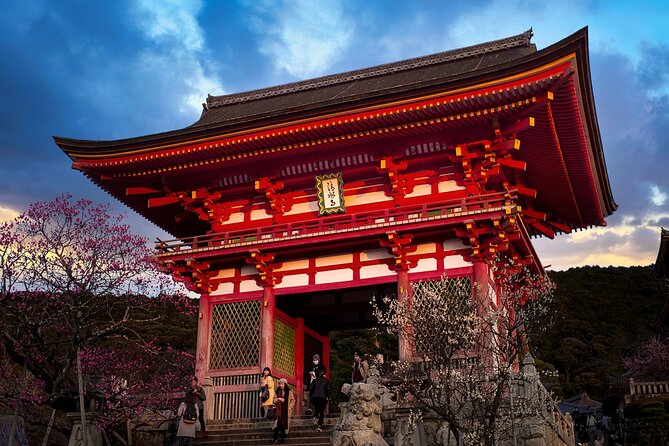
The afternoon begins at Kiyomizu-dera, often called the Pure Water Temple. From there, you walk the stone paths of Sannenzaka and Ninenzaka, lined with specialty shops. These lanes can be crowded, but they are a good setting for browsing sweets, crafts, and small souvenirs.
Yasaka Shrine comes next, followed by a teahouse in Gion. The guide leaves you for about an hour so you can watch a tea ceremony with a maiko performance. This is one of the route’s more distinctive cultural activities because it offers more than a quick photo stop at a temple.
Afterward, you take a taxi back to the hotel on your own. That final transfer is a small but important detail. Have the hotel address available, and make sure your group is comfortable handling the ride without the guide.
Day 7: Nara’s deer, lantern paths, and giant Buddha
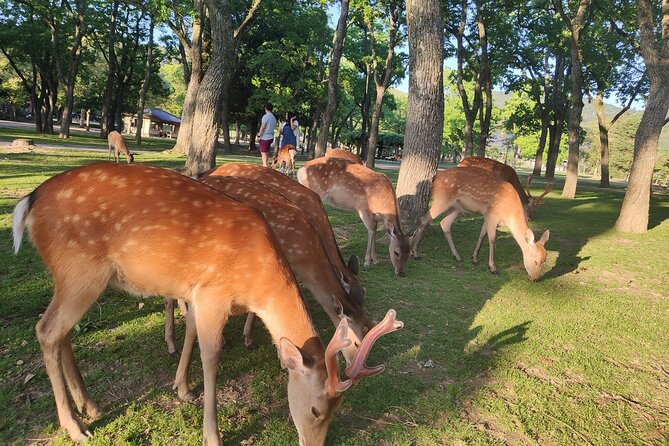
A 40-minute train ride takes you from Kyoto to Nara. The day centers on Nara Park, where temples and shrines are spread through broad green spaces and wild deer wander freely.
The route includes Kofuku-ji Temple and Kasuga Taisha Shrine, reached along an old path lined with moss-covered stone lanterns. You then pass the Nara National Museum before reaching Todai-ji, the Great Eastern Temple, with its enormous bronze Buddha.
The afternoon shifts toward local life. You pass Gango-ji Temple and Goryo Shrine, then walk the quieter paths of Naramachi. This helps balance the grand monuments with older neighborhood streets.
The programmed sightseeing lasts about six hours. Nara is relatively easy to enjoy at a human pace, but the park is broad and walking adds up. Keep food around children, since the deer can be eager when they expect a snack.
Day 8: Kyoto gates, statues, markets, and a night train
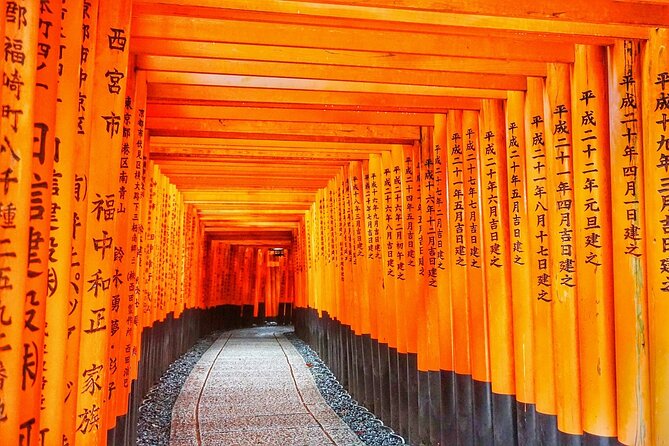
Start at Fushimi Inari Shrine, famous for its long climb through thousands of vermilion torii gates. The guide takes you up the mountain, but you should ask how far the group will go. The full route can require more stamina than a quick shrine visit.
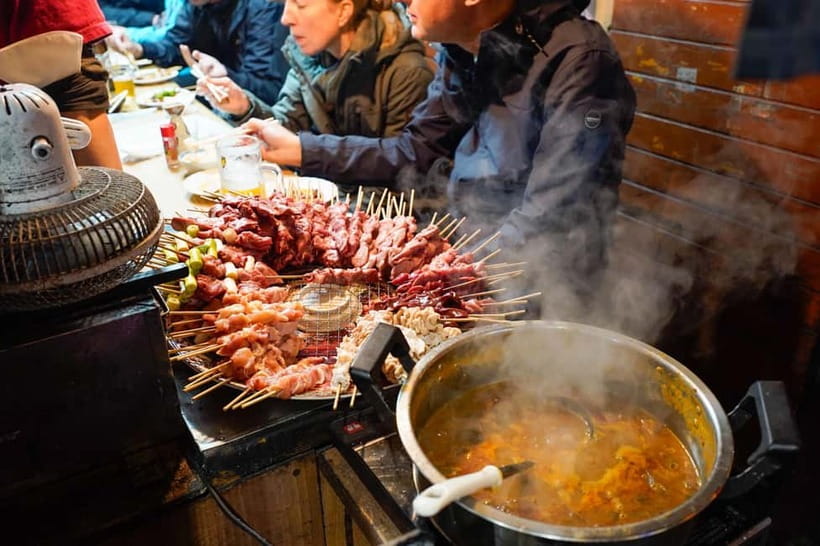
Sanjusangendo follows, with its long wooden hall and rows of Kannon statues. At noon, Nishiki Market brings a welcome food break. You can try dango, tempura, croquettes, and matcha ice cream while walking through a 400-year-old market.
The afternoon stop is Nijo Castle, built by Tokugawa Ieyasu in 1603. Its rooms and grounds offer a look at the power structure of early modern Japan, and the visit gives the day a strong historical anchor.
Then you return to the hotel, collect your luggage, and travel to Kyoto Station for the bullet train to Hiroshima. The listed rail portion takes about two hours. This is a long day with a late transfer, so pack a small overnight bag where it is easy to reach.
Day 9: Miyajima and Hiroshima’s difficult history
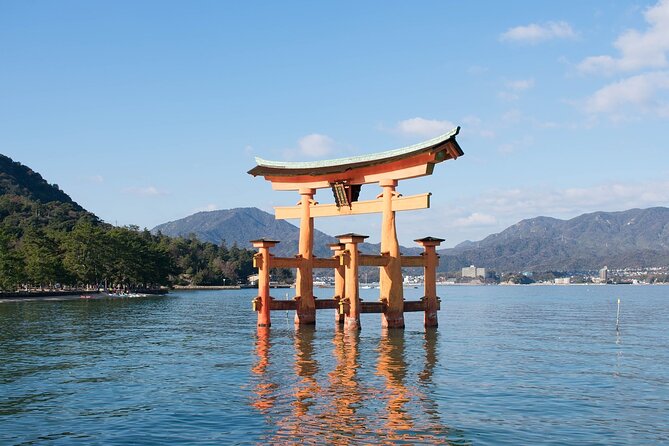
A boat carries you to Miyajima Island, home of Itsukushima Shrine and its famous floating torii gate. The shrine is one of Japan’s most recognizable religious sites, and seeing it from the water gives the visit a special sense of place.
The day then turns serious at the Atomic Bomb Dome and Hiroshima Peace Memorial Park and Museum. The museum’s photographs and surviving objects record the bombing’s human cost. Give this part of the day the attention it deserves. It is not just another stop on a sightseeing checklist.
The schedule allows about eight hours. You will need emotional energy as well as comfortable walking shoes. The contrast between Miyajima’s beauty and Hiroshima’s war memorials is sharp, but it gives the day meaning and range.
Day 10: Osaka food, shopping, and a final temple
Your final day begins with the Osaka Museum of Housing and Living, followed by an outside visit to Osaka Castle and its surrounding park. Since the castle visit is outside, this stop focuses on the exterior and grounds rather than an interior museum tour.
Around noon, you visit Kuromon Market, known as Osaka’s Kitchen. It is closed on Sundays, so check your calendar carefully. Lunch is on your own, which gives your family freedom to choose among the market’s many foods and portion sizes.
The afternoon takes you through Shinsaibashi and Dotonbori, Osaka’s major shopping and entertainment districts. You finish at Shitennoji Temple before returning to the hotel to collect your luggage.
You make your own way to the airport for the flight home. The tour includes arrival assistance in Tokyo, but not a guided airport departure transfer in Osaka. Plan extra time for the final journey, especially if your flight is early.
Is $6,559 per person a fair price?
At $6,559 per person, this is not a budget tour. The value depends on how many people are in your party and how much you value planning support.
The price includes twin-share hotel accommodation, nine breakfasts, the specified bullet trains and express buses, English-speaking guides, and admission fees for the listed sights. It does not include international flights, a Japan visa, or local hotel tax paid on site.
For a family, the private format can justify part of the cost. You avoid assembling hotels in several cities, working out the long Takayama and Shirakawa-go connections, and finding guides separately. The itinerary also has a history of personal adjustments during planning, with Wendy Lee and Emily singled out for prompt replies, clear instructions, and changes made around family preferences.
Still, compare the quote carefully. Hotel standards are described as good and locations as convenient, but the exact hotel names are not supplied here. Ask for those names, room arrangements, and the precise transport details before paying.
The cancellation terms are strict: the experience is non-refundable and cannot be changed for any reason. That makes travel insurance and careful date checking especially important.
Who should book this family tour?
I would choose this trip for a family visiting Japan for the first time, especially one that wants major landmarks but does not want to organize every train, bus, and hotel independently. It also suits families who prefer private guiding and appreciate having English-speaking help in each sightseeing area.
It is less suitable if you want long afternoons in cafés, several nights in one hotel, or time to explore neighborhoods without a schedule. The route is broad, not leisurely.
Most people can participate, and the tour requires at least two people per booking. Because several days involve public transit, stairs, walks, and station changes, you should discuss your family’s needs with the provider before booking.
Should you book it?
Book this tour if your priority is seeing a large slice of Japan in 10 days with the main transport and sightseeing pieces arranged. The strongest parts are the private guides, the variety of destinations, the Mt. Fuji day, the rural detour through Takayama and Shirakawa-go, and the carefully chosen Kyoto and Hiroshima stops.
Do not book it expecting a relaxed holiday. Ask for the hotel list, confirm the Osaka airport plan, check the Sunday closure at Kuromon Market, and make sure every family member accepts the fast pace and strict cancellation terms. If those points work for you, this is a practical way to turn a complicated Japan route into one coordinated journey.
FAQ
Where does the tour begin?
The tour begins in Tokyo, with arrival assistance at Narita International Airport or Haneda Airport.
Where does the tour end?
The sightseeing ends in Osaka. You collect your luggage at the hotel and make your own way to the airport for your flight home.
How long is the tour?
The tour lasts approximately 10 days.
What is included in the price?
The price includes twin-share hotel accommodation, nine breakfasts, specified express buses and bullet trains, English-speaking guides, and entrance fees for the mentioned sights.
Are international flights included?
No. International flights into Tokyo and out of Osaka are not included.
Is this a private tour?
Yes. Only your own group participates, rather than a larger shared sightseeing group.
Is a guide provided every day?
English-speaking guide service is provided according to the itinerary. Some transport segments, including certain train journeys between cities, require you to find your way to the station and travel independently.
Is the Mt. Fuji ropeway included?
Yes. The Mt. Fuji day includes admission for the Lake Kawaguchi activities specified in the program, including the Panoramic Ropeway.
Can I cancel the booking for a refund?
No. The experience is non-refundable and cannot be changed for any reason.
More tours in Tokyo we've reviewed



Tours, compared.
 ★ 5.0Mt Fuji and Hakone 1-Day Bus Tour Return by Bullet TrainFrom $163
 ★ 5.01-Day Tokyo Bus TourFrom $129
 ★ 5.0Tokyo: Shinjuku Food Tour (13 Dishes at 4 Local Eateries)From $86
 ★ 4.4Tokyo Mt Fuji 5th St & Hakone Cruise Bus Tour w/Bullet TrainFrom $15410 hours
 ★ 5.0Flagship 2-Hours Official Street Go-Kart Tour – Tokyo Bay ShopFrom $642 hours to 2 hours 30 minutes (approx.)
 ★ 4.7Tokyo: Mt. Fuji Tour, Hakone Ropeway, Owakudani, Lake AshiFrom $5410 hours