Reviewed · SHINJUKU TOURS
Tokyo: Kimono Experience in Shinjuku Gyoen National Garden
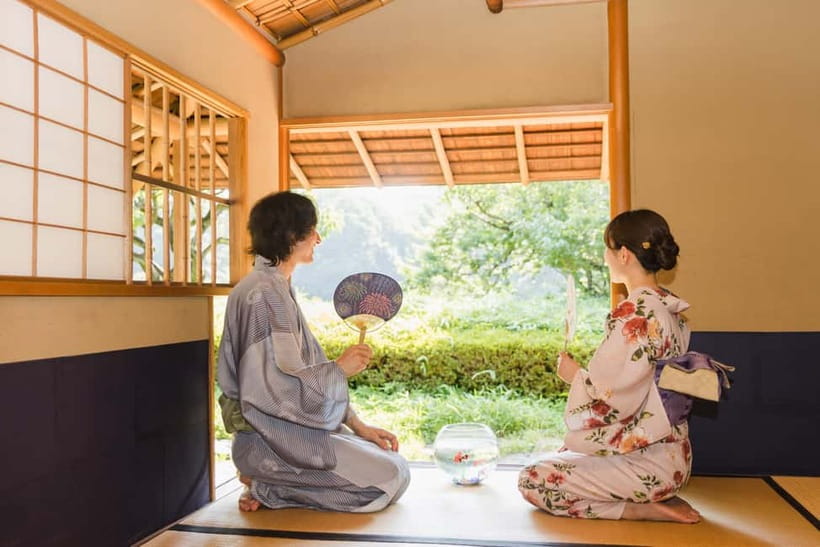
The special appeal here is simple: you put on a real kimono inside Shinjuku Gyoen National Garden, then step straight into one of Tokyo’s calmest green spaces. I like the convenient setting at Rakuu-tei Kouichi Store, a traditional tea room, and the patient staff who help with the outfit, obi, sandals, bag, and basic hair styling. I also like that you can take your time in the garden instead of being rushed through a short photo session.
In This Article
- Key details before you book
- Why this kimono setting works so well
- Finding Rakuu-tei inside Shinjuku Gyoen
- Choosing your kimono or seasonal yukata
- The 60-minute dressing session
- Exploring Shinjuku Gyoen in traditional dress
- What makes the staff important
- Is $38 a fair price?
- Timing, weather, and comfort
- Who should book this experience?
- Booking and cancellation tips
- Should you book the Shinjuku Gyoen kimono experience?
- FAQ
- Is the Shinjuku Gyoen entrance fee included?
- Where does the kimono experience begin?
- How long does kimono selection and dressing take?
- How long can I keep the kimono?
- Can I leave Shinjuku Gyoen while wearing the kimono?
- What is included with the rental?
- Can I wear my own shoes?
The main catch is that you cannot leave the garden while wearing the kimono, and the park entrance fee is extra. You also need to allow time to find the shop, since it can take about 10 minutes to walk from the entrance gate to the tea room.
Key details before you book
- The rental shop is inside Shinjuku Gyoen: You must first pay the separate garden admission fee, then walk to Rakuu-tei Kouichi Store.
- The dressing process takes about 60 minutes: Allow time for choosing your outfit, putting it on, arranging the obi, and completing the basic accessories.
- Your kimono time is flexible: Explore the garden at your own pace until 5:00 PM, or 4:00 PM from October 1 through March 14.
- Summer brings yukata options: Yukata rentals are available from July 1 through September 30, while other seasonal kimono selections are offered at other times.
- You receive the full basic outfit: The package includes the kimono or yukata, obi, tabi socks, traditional sandals, and a Japanese handbag.
- Bring height and body details when booking: Kimono sizing has limits, so this information matters before you reserve.
Why this kimono setting works so well
Many Tokyo kimono rentals place you in a shop near a busy shopping street. This one puts you directly beside a Japanese garden, which changes the mood from the start. After the dressing session, you do not need to find a taxi, cross a major road, or plan a second attraction. You simply walk outside and begin taking in the garden.
Rakuu-tei Kouichi Store operates from the traditional tea room Rakuu-tei. That setting gives the experience a stronger sense of place than a standard clothing rental counter. You are not only picking up a costume for a photograph. You are being dressed in traditional clothing within a garden designed for quiet walks, ponds, trees, and Japanese-style scenery.
I especially like the balance between structure and free time. The staff handle the technical work, then you control the rest of the afternoon. You can stop for photos, walk slowly, or spend your time enjoying the garden without following a guide from point to point.
The activity has a 4.9 rating from 13 published ratings, and the most consistent praise is directed at the staff. Their help with choosing a kimono, putting it on, arranging the hair, and making small adjustments is a major part of the value.
A few more Tokyo tours and experiences worth a look
Finding Rakuu-tei inside Shinjuku Gyoen
The first step is reaching Shinjuku Gyoen National Garden and entering through the correct gate. The rental shop is not outside the park, so you need to buy your garden admission separately before walking to the meeting point.
Allow around 10 minutes from the entrance gate to the tea room. Once inside the garden, the shop may be closer than that depending on the gate you use, but the important point is to arrive early. One person had trouble because Google Maps directed them toward a no-entry gate. Use the official park entrance and follow the directions supplied with your booking rather than relying blindly on the map pin.
This is not a good activity to squeeze between two tightly timed Tokyo appointments. You need time to enter the park, find the tea room, and complete the dressing process. Arriving late reduces the time available for your garden walk and can make the start feel hurried.
Oversize luggage is not allowed. Leave large bags at your accommodation or use suitable storage before arriving. Smoking, alcohol, drugs, pets other than assistance dogs, and party groups are not permitted.
Choosing your kimono or seasonal yukata
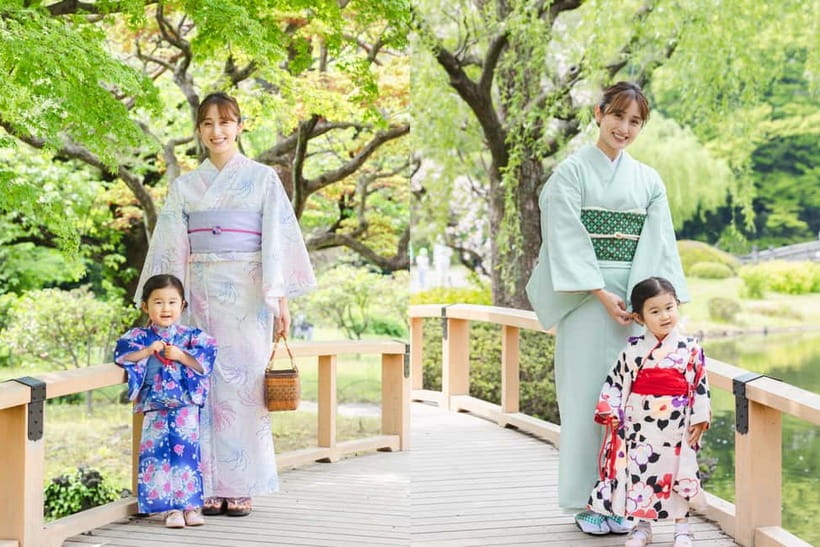
At the tea room, staff help you select an outfit from the available seasonal collection. The exact colors and patterns depend on the season and current stock, so you should provide accurate height and body-type details when booking. Kimono sizing has limits, and this is one of the most important practical points to settle before you commit.
A full kimono rental includes the matching obi belt, tabi socks, traditional sandals, and a Japanese handbag. From July 1 through September 30, the plan includes a yukata option, the lighter summer garment commonly worn in warm weather.
The selection stage is part of the fun, but it can take time. You may need help comparing colors, patterns, and combinations with the obi. The staff are there to guide you, and the experience works best when you do not treat this like a quick clothing pickup.
Basic hair styling for women is included. More elaborate hair arrangements cost extra, as do small accessories such as a traditional umbrella. Those extras can improve photographs, but they are not essential to the basic experience. I would first choose the kimono and see how much time and money you want to add before ordering optional items.
The 60-minute dressing session
Plan on about an hour for selection and dressing. Professional staff arrange the kimono and obi, then complete the basic accessories so the clothing sits correctly and is comfortable enough for a garden walk.
This is where the activity differs from simply renting clothing and dressing yourself. A kimono has layers, ties, and a carefully placed obi. The dressing service saves you from trying to work out the arrangement in a changing room, and it helps the outfit look right in photographs.
Traditional sandals are provided. They may not suit everyone for extended walking, so you are allowed to wear your own shoes if the sandals are difficult. That is a useful concession, especially if you plan to spend several hours walking or have concerns about balance and comfort.
The clothing also comes with a Protection Pack. Minor stains and dirt are covered, so you do not need to panic over every leaf or small mark during your time in the park. Intentional damage and major tears are not covered, so treat the outfit with normal care.
Pregnant women should not book this experience. The dressing process and fit of a kimono make this unsuitable.
Exploring Shinjuku Gyoen in traditional dress
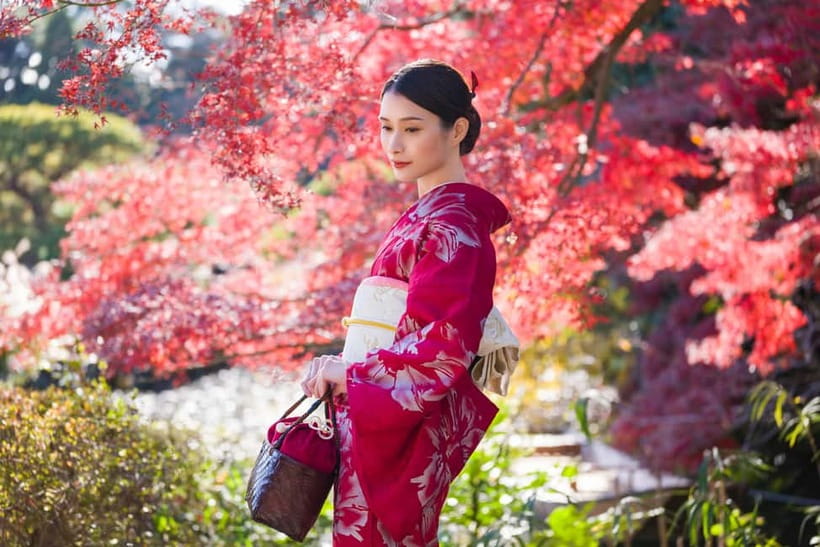
Once dressed, you are free to explore Shinjuku Gyoen within the rental rules. The garden gives you a calm backdrop for photographs and a slower way to experience Tokyo. You can walk with a partner, pose with family, or simply enjoy the change of pace from the city streets.
The garden is the reason this setting works. You can take photos among Japanese-style scenery rather than only outside a shop. A traditional umbrella is available as an optional extra, and it can add a classic touch to photographs, but you pay separately for it.
The time limit is generous if you start early. Return the kimono by 5:00 PM from March 15 through September 30. From October 1 through March 14, the final return time is 4:00 PM. Check the seasonal deadline before planning your garden walk, since the shorter winter return time can catch you off guard.
You must remain inside Shinjuku Gyoen while wearing the kimono. You cannot walk out to nearby Shinjuku streets, visit a restaurant outside the park, or return to the station in the outfit. Think of this as a garden-based cultural activity, not an all-day Tokyo costume rental.
Late returns cost ¥1,100. Keep an eye on the time and leave enough room to walk back to Rakuu-tei, remove the kimono, and complete the return before the cutoff.






What makes the staff important
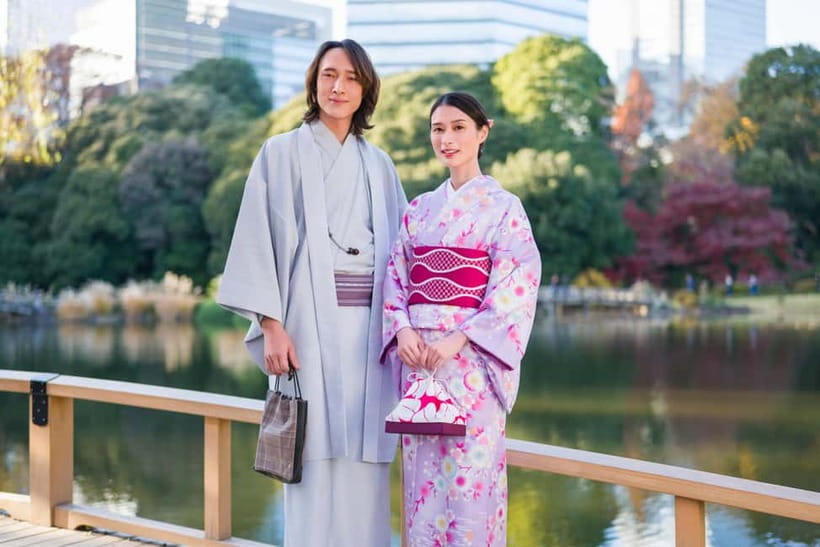
The staff service receives the strongest praise, and I can see why it matters here. Choosing traditional clothing can feel confusing if you do not know which pieces belong together or how the garment should fit. Patient assistance turns that uncertainty into part of the experience.
The team helps with the kimono selection and dressing, and basic hair styling for women is included. That means you can arrive without knowing how to tie an obi or arrange the layers. You still make the key choice of outfit, but trained staff take care of the technical details.
No individual guide names are provided for this activity, so do not expect a named tour guide or a walking tour lecture. The service is hands-on rather than guided. You receive help from the dressing team, then explore independently.
That arrangement suits you if you want cultural clothing, photographs, and free time. It suits you less if you want a structured explanation of Japanese dress, a formal tea ceremony, or a guided tour of the garden. Those are different activities.
Is $38 a fair price?
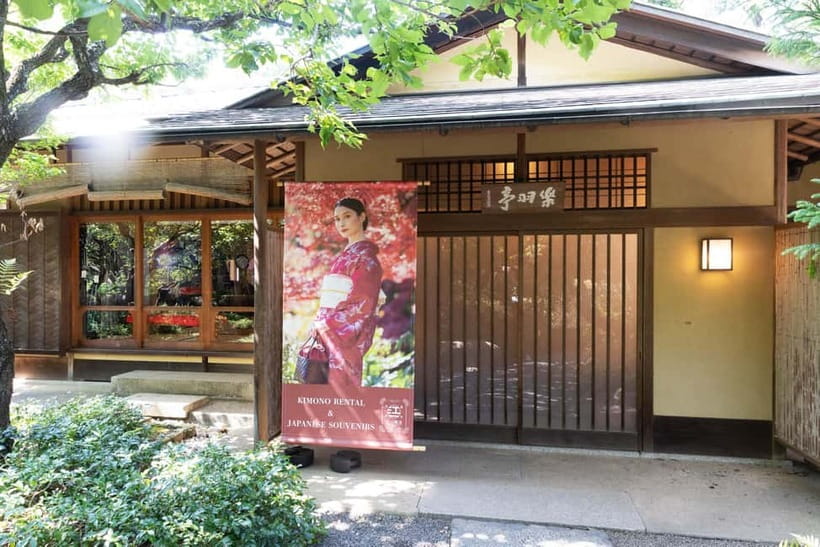
At $38 per person, the price covers more than a garment. You receive the kimono or yukata, obi, tabi socks, sandals, handbag, professional dressing, and basic women’s hairstyling. The Protection Pack also removes some worry about minor dirt and stains.
The separate park entrance fee raises the total cost, and optional accessories add more if you want them. Still, the included clothing package and dressing service make the base price reasonable for a hands-on cultural activity in central Tokyo.
The value depends on how long you use it. If you arrive late, spend only 20 minutes in the garden, and return quickly, the price will feel high. If you allow the full afternoon and take photographs throughout Shinjuku Gyoen, you get more from the rental.
Families and couples may find the experience especially worthwhile because the garden provides a natural setting for shared photographs. It can also suit solo visitors who want a personal cultural memory, though taking self-portraits in a kimono may require more planning.
Timing, weather, and comfort
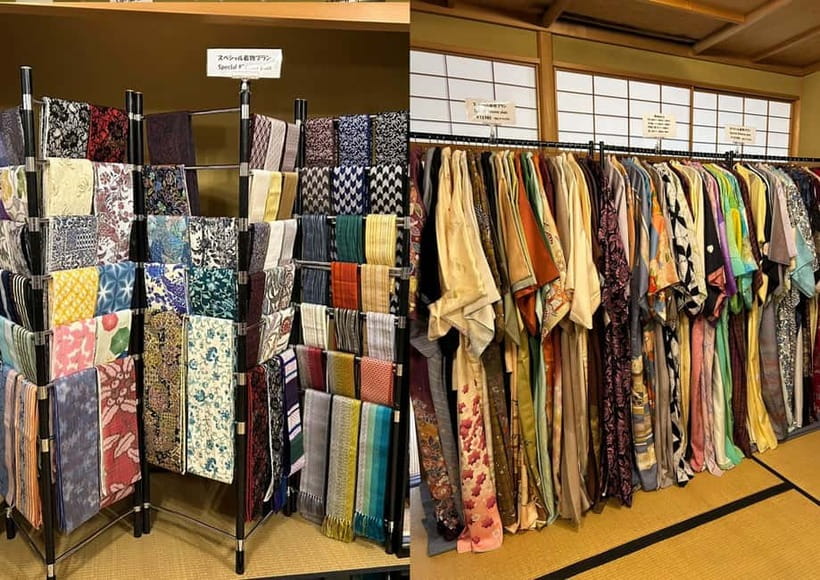
Start with enough time for the walk from the park gate and the one-hour dressing session. A late morning or early afternoon arrival gives you a better chance of enjoying the garden before the return deadline.
Weather can change the plan. In bad weather, the experience may be modified or canceled. Since the main activity takes place outdoors after dressing, check the forecast and keep your schedule flexible.
The kimono may feel restrictive compared with ordinary sightseeing clothes. Traditional sandals can also be awkward, especially if you are not used to them. You may wear your own shoes if the provided sandals are hard to walk in, but you should still plan a slower outing rather than a long-distance city walk.
The experience is not suitable for carrying oversize luggage. Pack light and keep your hands free for the handbag, camera, and small personal items.
Who should book this experience?
I would recommend it to you if you want a cultural activity that feels connected to its setting. The combination of professional dressing and time in Shinjuku Gyoen gives you both an organized service and room to make the afternoon your own.
It is a strong choice for:
- Couples wanting relaxed photographs in a Japanese garden
- Families looking for a shared cultural activity
- First-time visitors who want to wear a kimono without arranging the clothing themselves
- Photographers who prefer garden scenery to busy city streets
- Visitors staying in Shinjuku who can spare several hours
I would think twice if you need to leave the park in the outfit, dislike restrictive clothing, have limited walking comfort, or have a packed schedule. The entrance fee is extra, the shop takes time to reach, and the kimono must return by a strict afternoon deadline.
Basic hair styling is enough for a simple look, but you should budget extra if a more detailed hairstyle or traditional umbrella matters to you. The included package is complete without those additions.
Booking and cancellation tips
Give your height and body type when reserving so the shop can check sizing. Reserve early enough to allow for the separate park admission and the walk to the tea room.
You can reserve now and pay later, which helps if your Tokyo schedule is still changing. Cancellation is allowed up to 24 hours in advance for a full refund. Bad weather may lead to a change or cancellation, so keep your booking details available on the day.
Should you book the Shinjuku Gyoen kimono experience?
Book it if you want the setting and the service together. The tea room location, patient dressing team, full outfit, and long period of free garden time give this more substance than a quick rental for one photograph.
Skip it if you want to tour the city in kimono or need a late-day activity. You cannot leave Shinjuku Gyoen while dressed, and the return time is firm. For a relaxed cultural afternoon with strong photo potential, though, $38 is a fair starting price, provided you add the park admission and arrive with enough time.
FAQ
Is the Shinjuku Gyoen entrance fee included?
No. You must buy admission to Shinjuku Gyoen National Garden separately before reaching the rental shop.
Where does the kimono experience begin?
It begins at Rakuu-tei Kouichi Store, a kimono rental and souvenir shop inside the traditional tea room Rakuu-tei in Shinjuku Gyoen.
How long does kimono selection and dressing take?
The selection and professional dressing process takes about 60 minutes.
How long can I keep the kimono?
You must return it by 5:00 PM, except from October 1 through March 14, when the return deadline is 4:00 PM.
Can I leave Shinjuku Gyoen while wearing the kimono?
No. Kimono rental is limited to inside Shinjuku Gyoen, and you cannot exit the garden while wearing it.
What is included with the rental?
The package includes a kimono or seasonal yukata, an obi belt, tabi socks, traditional sandals, a Japanese handbag, professional dressing, basic women’s hair styling, and a Protection Pack for minor stains and dirt.
Can I wear my own shoes?
Yes. Traditional sandals are provided, but you may wear your own shoes if the sandals are difficult to walk in.
More Shinjuku Tours in Tokyo

More tours in Tokyo we've reviewed








Shinjuku Tours, compared.
 ★ 5.0Tokyo: Shinjuku Food Tour (13 Dishes at 4 Local Eateries)From $86
 ★ 5.0Tokyo Bar Hopping Tour in Shinjuku (All-You-Can-Drink + Dinner)From $106
 ★ 4.9Tokyo: Shinjuku Local Bar and Izakaya Guided Walking TourFrom $343 hours
 ★ 4.9Tokyo: Shinjuku Food Tour (13 Dishes and 4 Eateries)From $97
 ★ 5.0Tokyo Night Foodie Tour in Shinjuku – Seasonal Sushi, Wagyu BeefFrom $111
 ★ 5.0Tokyo: Shinjuku Local Bar & Izakaya Crawl TourFrom $39