Reviewed · TOKYO
LGBTQ+ Tokyo Then and Now
Tokyo’s LGBTQ story comes into focus when you move between Asakusa and Shinjuku 2-chome, two districts that reveal very different sides of the city. You’ll discuss Japan’s past attitudes toward queer life, then see how bars, customs, and local spaces shape the present.
In This Article
- Key things to know before booking
- Why this three-hour evening is worth your time
- Meeting at Kamiya Bar and starting in Asakusa
- Shinjuku and the shift toward modern queer Tokyo
- Dinner at a local restaurant
- Entering Shinjuku 2-chome
- A drink at a local bar
- The guides and the value of a small group
- Price, transport, and practical value
- Who should book this Tokyo LGBTQ tour?
- Should you book LGBTQ+ Tokyo Then and Now?
- FAQ
- Where does the LGBTQ+ Tokyo Then and Now tour meet?
- How long does the tour last?
- Which areas does the tour visit?
- Is transportation included?
- What food and drinks are included?
- Is the tour offered in English?
- How many people can join?
- What is the minimum age?
- What happens if I book alone and the minimum group size is not met?
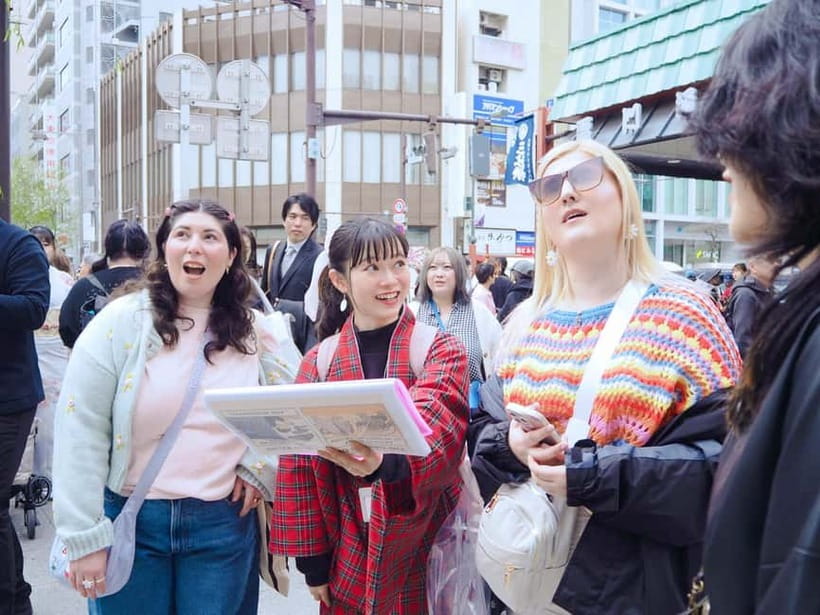
I like the small groups, limited to six, and the way the evening mixes serious cultural context with food and drinks. I also like that guides such as Hiro, Matthew, and Toru have been praised for being warm, funny, flexible, and ready for detailed questions. The main consideration is the walking: three hours includes several stops, standing, and one subway ride, so comfortable shoes matter.
Key things to know before booking

- Asakusa begins the story: See an older Tokyo district at evening and learn how public behavior, privacy, and social custom have shaped queer life.
- Shinjuku 2-chome is the main focus: Get an introduction to Japan’s best-known LGBTQ neighborhood, including the kinds of bars found there and which venues may welcome first-time foreign visitors.
- The guide makes the difference: Recent tours have been led by Hiro, Matthew, Toru, Toru, Yeman, and others, with particular praise for humor, warmth, and local insight.
- Dinner is part of the conversation: A light Japanese meal and one drink are included, with vegetarian options available.
- The group stays intimate: Six people is the maximum, and the tour often runs as a private experience.
- Budget an extra 270 yen: That covers the single subway ride used during the tour.
Why this three-hour evening is worth your time

Tokyo can seem reserved at first. Public affection is not common, and Japanese social life often places a high value on keeping a calm, acceptable public face. That does not mean queer life is absent. It means you need someone who can explain where it takes place, how it has changed, and what a visitor should understand before walking into a small bar.
That is the useful role of this tour. You are not simply shown a street lined with nightlife venues. You are given a framework for understanding why LGBTQ spaces developed as they did, how private and public identities can differ in Japan, and how the local community has maintained its own places and customs.
I especially like the balance between history and ordinary evening life. You may discuss social attitudes and legal issues one moment, then stop for food or a drink and talk about what it is actually like to enter a bar in 2-chome. The experience is educational without becoming a lecture.
The small size helps. With no more than six people, questions can shape the evening. Several guides, including Hiro and Toru, have been described as approachable and willing to adjust their explanations to the group. That matters here, since some people will want cultural background while others will mainly want practical advice about Tokyo nightlife.
If you're still narrowing it down, here are other tours in Tokyo we've reviewed.

Meeting at Kamiya Bar and starting in Asakusa
The meeting point is on the corner outside Kamiya Bar, at 神谷ビル. From there, the evening begins in Asakusa, where you spend about an hour walking and sightseeing.
Asakusa gives the tour a useful opening. It is not presented simply as a gay nightlife district. Instead, the area helps set up the larger discussion about Tokyo, social manners, public affection, and the difference between what is shown openly and what is kept private.
Your guide explains how Japan has viewed LGBTQ people in earlier periods and how those attitudes connect with modern queer life. The details are especially useful for first-time visitors who might otherwise mistake discretion for a lack of community.
Expect a guided walk rather than a formal museum-style history lesson. You will be moving through the neighborhood, stopping to look and talk. Since the pace includes walking and standing, wear shoes you can comfortably use for an evening out.
Asakusa also gives you a chance to start with questions before reaching 2-chome. If you are traveling with a partner, joining alone, or attending as an ally, the guide can place the nightlife discussion in a wider Japanese setting.
Shinjuku and the shift toward modern queer Tokyo

The next major stop is Shinjuku, with about 45 minutes devoted to sightseeing and explanation. This part of the route helps connect the older social background with the modern city.
The tour’s central theme is that queer people in Japan have maintained their own spaces and subcultures despite limited legal protection against discrimination. That does not reduce Japanese LGBTQ life to one simple story. Instead, it points to the ways community spaces can matter when public recognition is uneven.
The discussion also covers how Japanese culture interacts with queer life, and where the two do not always fit neatly together. Guides have explained the different types of gay bars and the customs that can shape each one. This is practical information you are unlikely to pick up from a quick walk through Shinjuku.
The pace is reported to begin quietly before gaining energy as the route reaches newer and busier nightlife areas. That slower opening may suit the subject. You have time to take in the setting and ask questions before the evening becomes more focused on bars and social spaces.
For a first visit to Tokyo, this is one of the tour’s strongest features. You get more than directions to a nightlife district. You learn how to read the area, what kinds of venues exist, and why a bar that looks open to anyone may not work in the same way as a larger foreigner-friendly venue.
Dinner at a local restaurant

After the walking portions, you stop at a local restaurant for about 30 minutes. The price includes a light dinner and one drink. Beer, cocktails, and spirits are listed as drink choices, and vegetarian options are available.
This is not meant to be a long restaurant meal. Think of it as a short Japanese food stop that gives the group a chance to sit down, eat, and continue the conversation in a more relaxed setting.
The food adds real value to the evening. You are not paying only for a neighborhood walk and a bar introduction. You also receive a meal, one drink, and a chance to ask questions while seated. A vegetarian option makes the stop easier for people with that preference, though the supplied details do not specify the exact menu.
The meal also helps the tour avoid becoming too serious. The subject can involve discrimination, social pressure, and changing attitudes. Sharing food gives the group room to talk about everyday culture as well as larger issues.
Do not expect a full dinner that replaces a night out. The meal is described as light and lasts roughly half an hour. If you need a substantial dinner, plan another meal before or after the tour.
Entering Shinjuku 2-chome

The tour then reaches 2-chome, with about 25 minutes of guided walking and sightseeing. This is the part most people are likely waiting for, since Shinjuku 2-chome is Tokyo’s largest and best-known gay neighborhood.
The guide’s role is important here. A visitor walking alone may see signs, narrow entrances, and compact venues without understanding what they mean. Your guide can explain the different bar styles, which places may be more comfortable for foreigners, and which venues may operate as members-only spaces.
That insider context is one of the clearest reasons to book rather than simply visit 2-chome on your own. The district can feel confusing if you do not know the local customs. A short orientation can help you decide how to spend the rest of your Tokyo trip, even if you do not return to the area that night.
The 25-minute walk is not a full tour of every venue. It is an introduction. You will see the area, learn how its nightlife works, and receive enough background to approach it with more confidence.
The district also brings the tour’s main idea together. Japan’s queer community has created spaces that may be private, specialized, or shaped by local custom. 2-chome shows that community life can be active and social even when it is not always displayed in the same way as nightlife in many Western cities.


A drink at a local bar

The final listed stop is a local bar, where you spend about 25 minutes. One additional beer, cocktail, or spirit is included.
This is a useful finish because the tour moves from explanation into a real social setting. You are not only told how Tokyo’s LGBTQ bars work. You get a chance to sit down, have a drink, and ask final questions while the experience is still fresh.
The stop is short, so expectations matter. This is not a bar crawl, and the tour does not promise visits to many venues. It gives you one bar stop after the 2-chome introduction, with the option to use what you learned later on your own.
That limited format is a strength for some people and a drawback for others. If you want an all-night party or a long list of bars, three hours will feel brief. If you want a clear introduction without committing an entire evening to nightlife, the timing is sensible.
The guide can also help explain local etiquette. The supplied details do not promise entry to any particular bar, and venues may differ in their rules and atmosphere. Treat the stop as an introduction rather than a guarantee of access to every type of venue.
The guides and the value of a small group

Guide quality appears to be the biggest strength of this experience. Hiro is described as funny, approachable, and well informed about both Japanese culture and queer life. Matthew has been praised for charm and for finding strong areas and timely local events. Toru is noted for being kind, professional, flexible, and entertaining.
Other guides named by participants include Yeman and Mayo. Since guides can vary by date, you should not book expecting one particular person unless the provider confirms it. The consistent point is the style of guiding: personal, conversational, and open to questions.
The group limit of six is a major advantage. It keeps the evening from feeling like a large lecture and allows the guide to respond to different interests. A couple can ask about queer culture, while a solo visitor can focus on Japanese customs or nightlife etiquette.
The tour often operates privately when there are not many bookings. That can make the experience even more personal, but solo visitors should read the booking terms carefully. If the minimum of two people is not reached, the provider offers an alternate date, a 3,000 yen solo supplement, or a full refund.
Price, transport, and practical value

The price is $95 per person for three hours. Included are a light dinner with one drink and one additional drink at the bar. You also need about 270 yen for the single subway ride.
For Tokyo, the cost is reasonable if you want guided cultural context, not just nightlife access. You are paying for a small group, an English-speaking guide, local food, two drinks, and an introduction to venues that can be difficult to understand from the outside.
The price is less attractive if your only goal is to visit bars. You could spend less by exploring 2-chome independently, but you would lose the historical background and the advice about different types of venues. You would also need to manage the route, food, and social etiquette yourself.
Hotel pickup is not included. It may be available for an added charge if requested, but the listed meeting point is the corner outside Kamiya Bar. Plan your route in advance and allow time to find the building.
Cancellation is flexible: you can cancel up to 24 hours before the start for a full refund. You can also reserve and pay later, which is useful when your Tokyo schedule is still changing.
Who should book this Tokyo LGBTQ tour?

I would recommend it most strongly to first-time Tokyo visitors who want a thoughtful introduction to queer life. It works especially well for couples, solo visitors, LGBTQ people, and allies who want more than a generic nightlife outing.
It is also a good fit if you are curious about Japanese culture but do not know how to approach LGBTQ spaces respectfully. The guide can explain the social setting and help you understand why some bars are open to foreign visitors while others may be private or members-only.
The tour may be less suitable if you want a late-night party, a long meal, or a large number of bar visits. It is also not designed for anyone under 18. Japan’s legal drinking age is 20, although the minimum age for this tour is 18.
The walking and standing should be taken seriously. You will spend time on foot in Asakusa, Shinjuku, and 2-chome, with seated breaks for dinner and drinks. Comfortable shoes are essential.
Should you book LGBTQ+ Tokyo Then and Now?
Book it if you want a compact, personal introduction to Tokyo’s LGBTQ past and present, especially if you are new to 2-chome. The combination of Asakusa, Shinjuku, local food, historical discussion, and a bar stop gives you a fuller picture than a simple nightlife walk.
I would also book it early in your Tokyo stay. The guide can help you understand the city’s queer districts before you return on your own. Choose another activity if you are looking for a long, party-focused evening or a full restaurant dinner.
At $95, the tour earns its price through the small group and the quality of its explanations. The strongest reason to go is not the included drinks. It is having someone like Hiro, Matthew, or Toru explain what you are seeing, answer direct questions, and make a complicated part of Tokyo easier to approach.
FAQ
Where does the LGBTQ+ Tokyo Then and Now tour meet?
The meeting point is on the corner outside Kamiya Bar at 神谷ビル.
How long does the tour last?
The experience lasts three hours.
Which areas does the tour visit?
The route includes Asakusa, Shinjuku, and Shinjuku 2-chome.
Is transportation included?
Transportation is not included. You need about 270 yen for the one subway ride used during the tour.
What food and drinks are included?
The price includes a light dinner with one drink and one additional drink at the bar stop. Beer, cocktails, and spirits are listed as drink options, and vegetarian food is available.
Is the tour offered in English?
Yes. The tour has a live English-speaking guide.
How many people can join?
The group is limited to six participants. It often runs as a private tour.
What is the minimum age?
The minimum age to join is 18. Japan’s legal drinking age is 20, and children under 18 cannot join.
What happens if I book alone and the minimum group size is not met?
You may choose an alternate date, pay a 3,000 yen solo supplement, or receive a full refund.
More tours in Tokyo we've reviewed












Tokyo, compared.
 ★ 5.0Mt Fuji and Hakone 1-Day Bus Tour Return by Bullet TrainFrom $163
 ★ 5.01-Day Tokyo Bus TourFrom $129
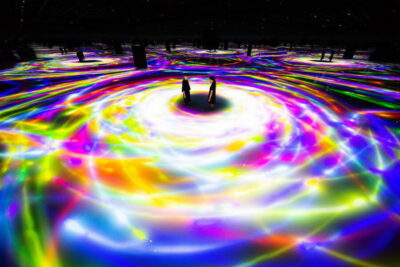 ★ 4.6Tokyo: teamLab Planets TOKYO Digital Art Museum Entry TicketFrom $251 day
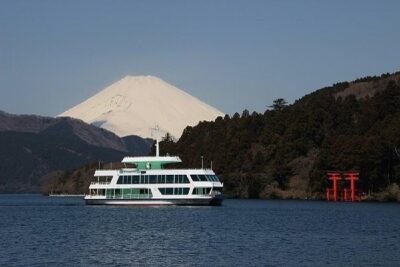 ★ 4.0Mt Fuji & Hakone Cruise, Drum Show Bullet Train 1 Day from TokyoFrom $149
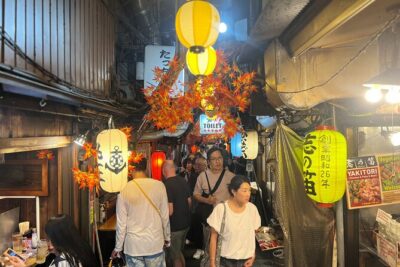 ★ 5.0Tokyo: Shinjuku Food Tour (13 Dishes at 4 Local Eateries)From $86
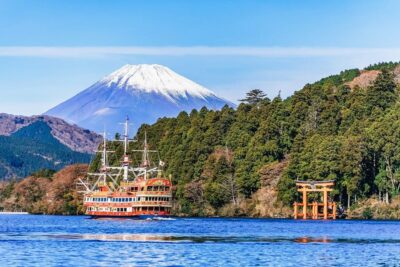 ★ 4.4Tokyo Mt Fuji 5th St & Hakone Cruise Bus Tour w/Bullet TrainFrom $15410 hours