Reviewed · MT FUJI DAY TRIPS
Full-Day Tour to the Picturesque Spots of Mount Fuji
Mount Fuji is the star, but this $49 full-day outing gives you several different ways to see it: framed behind a thatched village, reflected across Lake Kawaguchiko, and paired with the red Chureito Pagoda. You also get a taste of rural Japan without arranging several trains and buses yourself.
In This Article
- Key points to know before booking
- Why this Mount Fuji day trip works well from Tokyo
- Leaving Tokyo and handling the long ride
- Saiko Iyashi-no-Sato Nenba and its thatched roofs
- Oishi Park and Lake Kawaguchiko
- Oshino Hakkai and Mount Fuji’s spring water
- The 400 steps to Chureito Pagoda
- What the guide adds to the day
- Food, cash, and the practical costs
- Weather, seasons, and the Fuji gamble
- Who should book this day trip?
- Should you book it?
- FAQ
- How much does the Mount Fuji tour cost?
- Where does the tour depart from?
- How long is the transfer from Tokyo?
- Which languages are available?
- Are attraction tickets included?
- Is lunch included?
- How many steps lead to the Chureito Pagoda viewpoint?
- Can I cancel the booking for a refund?
I like the mix of scenery and culture, especially Saiko Iyashi-no-Sato Nenba and Oshino Hakkai. I also like the practical value: transport, attraction tickets, tolls, parking, taxes, and an English or Chinese-speaking guide are included. The catch is the long day and uncertain Fuji views, since traffic and clouds can affect both timing and visibility.
Key points to know before booking
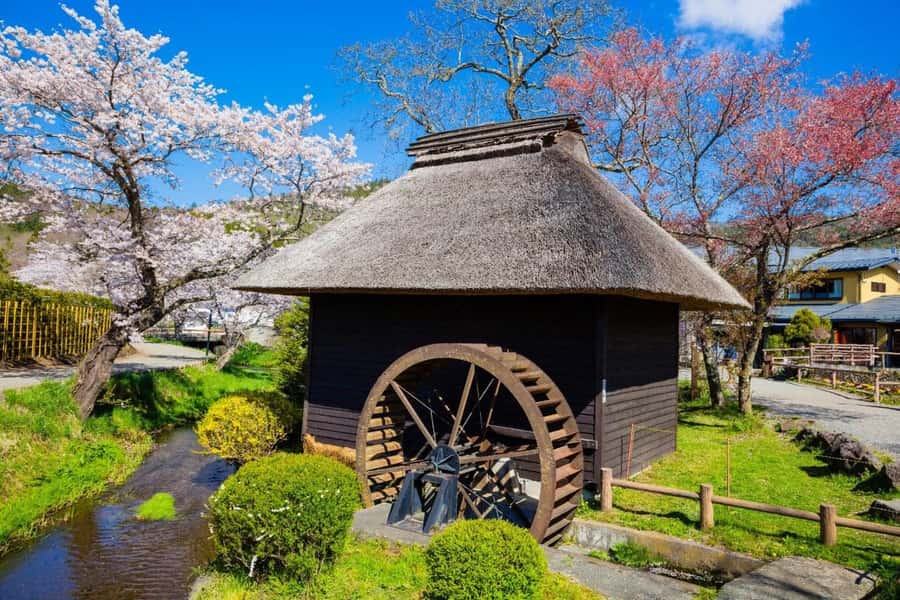
- Four major Fuji-area stops: See Saiko Iyashi-no-Sato Nenba, Oishi Park, Oshino Hakkai, and Arakurayama Sengen Park in one day.
- The famous pagoda view takes effort: Reaching the Chureito Pagoda viewpoint means climbing about 400 steps.
- The tour starts early: Departures are listed for 8:00 AM from Tokyo Station or 8:30 AM from Shinjuku Station.
- Seasonal changes affect the route: During cherry blossom season, the group may visit cherry blossom groves, while autumn brings a Maple Corridor visit instead of Oishi Park.
- Bring cash and walking shoes: Local merchants may not accept cards, and several stops involve walking.
- Guide service is a strong point: English and Chinese are offered, and guide Kevin is specifically praised for clear English and attentive help.
Why this Mount Fuji day trip works well from Tokyo
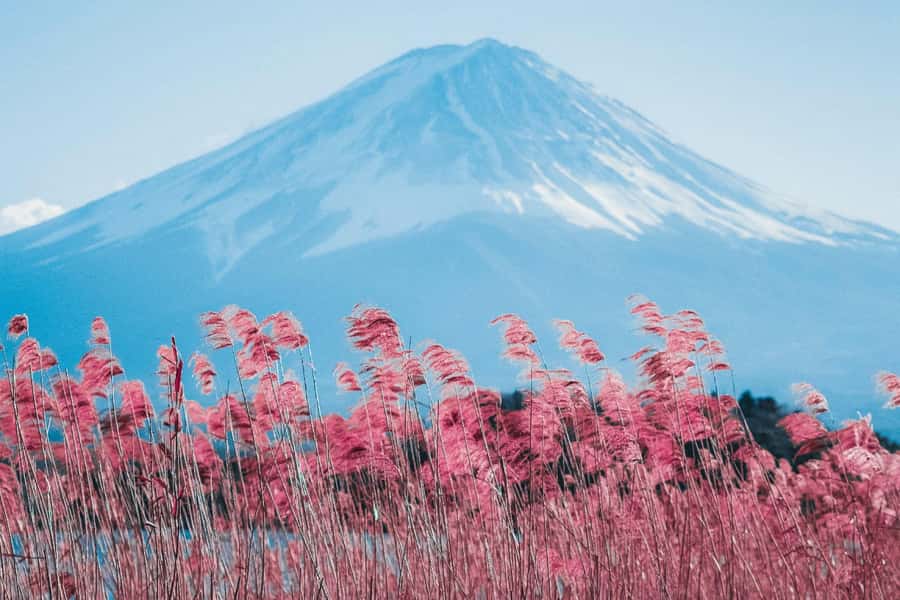
Mount Fuji is close enough to tempt you into a day trip, but reaching the best viewpoints on your own takes planning. You need to match train and bus schedules, allow for transfers, and still hope the mountain appears through the clouds.
This tour removes much of that work. You board in central Tokyo, ride in an air-conditioned vehicle, and follow a planned route around the Fuji Five Lakes area. The ride to the first stop is estimated at about two hours, though traffic can add time.
At $49 per person, the price is attractive for a full day with transport and admission tickets included. You still pay for lunch, drinks, and personal purchases, but there are no extra charges listed for tolls, parking, fuel, environmental fees, or the attractions themselves.
The tradeoff is control. You will not linger wherever you like, and a fixed route can feel brisk at the prettiest stops. One review specifically wished for another 30 minutes at the first and fourth villages. That is useful advice: this is a sightseeing sampler, not a slow countryside walk.
A few more Tokyo tours and experiences worth a look
Leaving Tokyo and handling the long ride
The listed departure times are 8:00 AM from Tokyo Station and 8:30 AM from Shinjuku Station. Your exact meeting point depends on the option you book, so check that detail carefully before setting out.
The estimated transfer to the Fuji area is two hours. On weekends, public holidays, and busy seasonal periods, the roads can slow sharply. I would keep your evening plans flexible rather than booking a tight dinner reservation or a nonrefundable show.
The vehicle has air conditioning, and round-trip transport to the meeting point is included. Smoking, food, and drinks are not allowed inside the vehicle, so eat beforehand and carry water for the walking portions.
This is not a tour for sleeping through the day. The early start, road time, stairs, and several walking stops make comfortable shoes essential. Bring a light layer as well, since you may move between sunny open areas, shaded paths, and cooler lakeside spots.
Saiko Iyashi-no-Sato Nenba and its thatched roofs
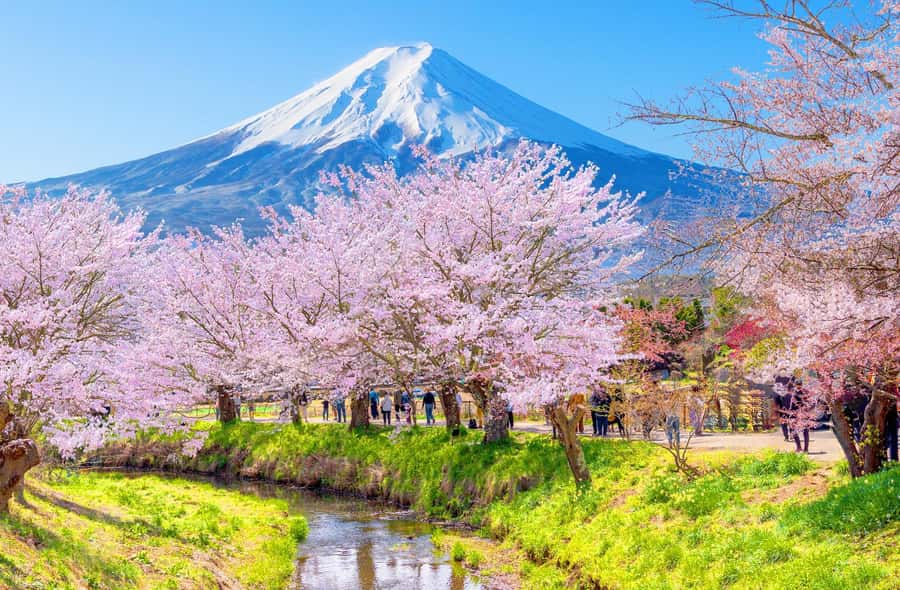
The first main stop is Saiko Iyashi-no-Sato Nenba, where you get about one hour. This carefully reconstructed village recreates a rural Japanese setting from the Heian period, with thatched-roof houses and traditional crafts.
The appeal here is not simply taking another Fuji photo. The village gives the mountain a cultural setting. Instead of seeing Fuji beside a modern road or hotel, you see it beyond old-style buildings that recall the countryside of an earlier Japan.
On a clear day, two thatched houses can frame Mount Fuji in the distance. That view depends heavily on weather, but the village remains worthwhile even if the summit hides. You can look at the architecture, browse traditional craft displays, and get a better sense of how rural homes once looked.
One hour passes quickly. If you enjoy photographs, architecture, or local traditions, you may want more time here. Keep your pace steady and note where the guide asks the group to meet. It is easy to spend too long framing one photograph and then hurry through the rest.
Oishi Park and Lake Kawaguchiko
The tour allows about 40 minutes at Lake Kawaguchiko and Oishi Park. This is the shortest scheduled stop, so think of it as a scenic walk and photo break rather than a full lakeside visit.
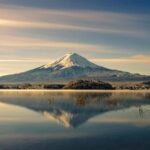
Oishi Park is known for its seasonal plants and open view across the water. The supplied description points to rows of green kochia bushes, reeds, and Lake Kawaguchiko with Mount Fuji beyond it. The colors and planting change through the year, which gives this stop a different feel in each season.
The view is at its best when Fuji is visible and the air is clear. Clouds can cover the upper slopes even when the rest of the day is bright. That is one reason not to judge the whole trip by a single photograph. The mountain can appear and disappear within the same outing.
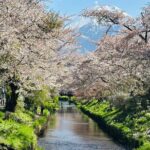
There is an important seasonal adjustment. During the maple season in autumn, the route may go to Maple Corridor instead of Oishi Park. In spring, cherry blossom groves may replace the park. That can be a welcome change, but it means the exact scenery depends on your travel date.
Forty minutes is enough for a walk, photographs, and a quick look over the lake. It is not enough for a relaxed meal or a long shoreline stroll. If this is the stop you most want to enjoy, keep an eye on the clock.
Oshino Hakkai and Mount Fuji’s spring water
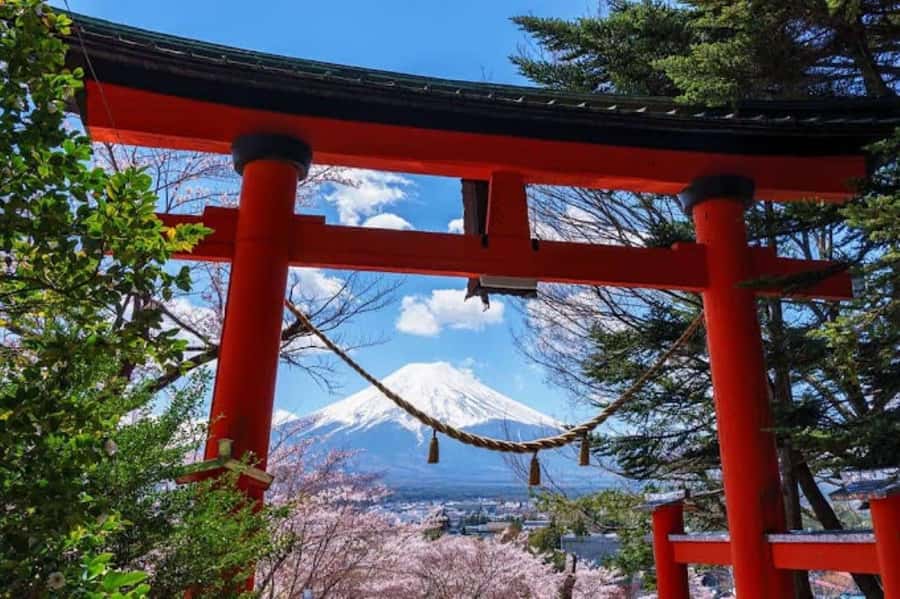
Oshino Hakkai receives about one hour. The area is known for eight clear springs fed by snowmelt from Mount Fuji. The water filters through the mountain before reaching these spring pools, creating the clear water that gives the site its special character.
You can taste the spring water here, an easy and memorable part of the stop. Bring some cash because local merchants may not accept credit cards. The tour does not include meals or beverages, so plan to buy any snacks or drinks separately.
Oshino Hakkai also gives you a chance to see a more traditional village setting, with small shops and local commerce around the springs. It is not as quiet as a remote mountain path, especially during busy periods, but it offers a useful contrast to the open views at the lake.
The one-hour stop gives you time to see the springs, sample the water, and browse. Crowds can make the paths feel tight, especially on weekends and during cherry blossom or maple seasons. Stay close enough to hear meeting instructions, since a delayed return here can affect every later stop.
A few more Tokyo tours and experiences worth a look


The 400 steps to Chureito Pagoda
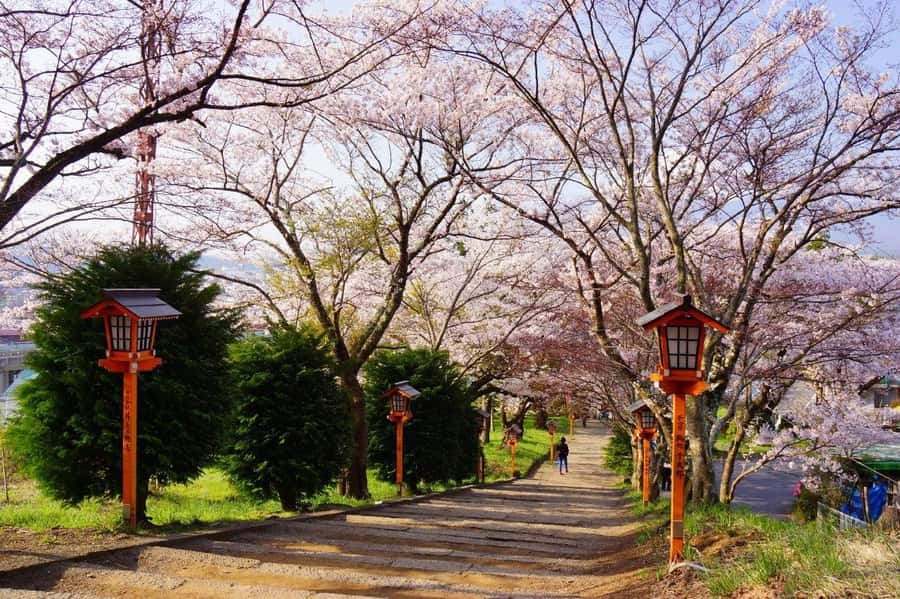
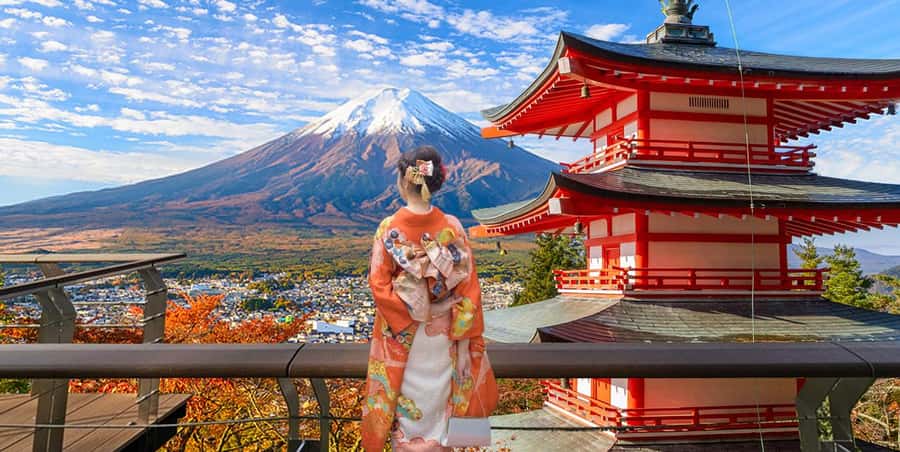
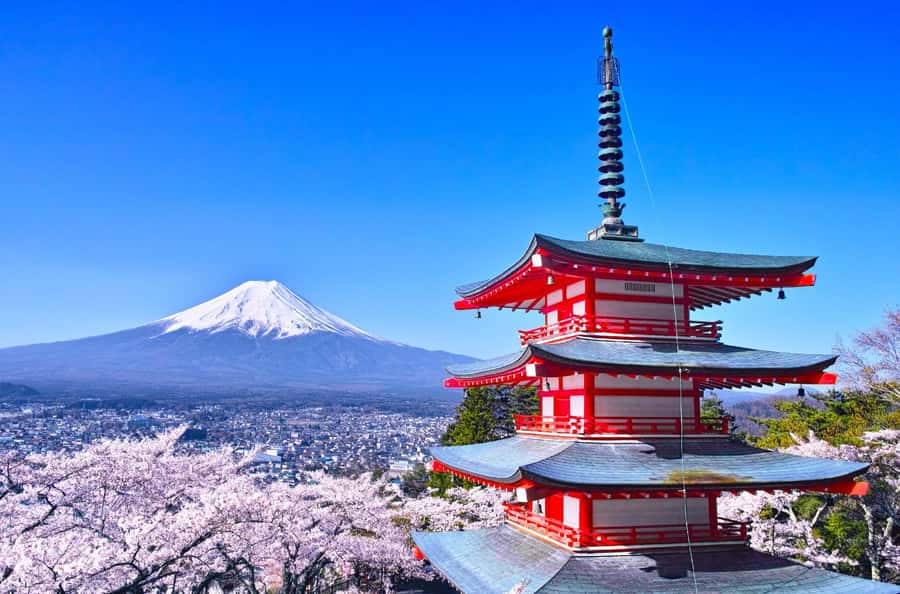
Arakurayama Sengen Park is the final major sightseeing stop, with about one hour. This is where you find the classic composition of Mount Fuji, the vermillion five-story Chureito Pagoda, and the town below.
The viewpoint is reached by climbing roughly 400 steps. That number matters. The stairs are manageable for many people, but they can be tiring after a full day of walking, and the schedule does not allow unlimited rest.
Wear shoes with good support and take the climb at your own pace. If you have a mobility limitation, this tour is not suitable. It is also listed as unsuitable for wheelchair users and pregnant women.
At the top, the reward is a powerful visual link between Japan’s sacred mountain and traditional architecture. The pagoda is not sitting on the mountain itself, but the alignment makes the photograph feel perfectly arranged. Clear weather is again the deciding factor. The pagoda will still be there under clouds, but Fuji may not appear behind it.
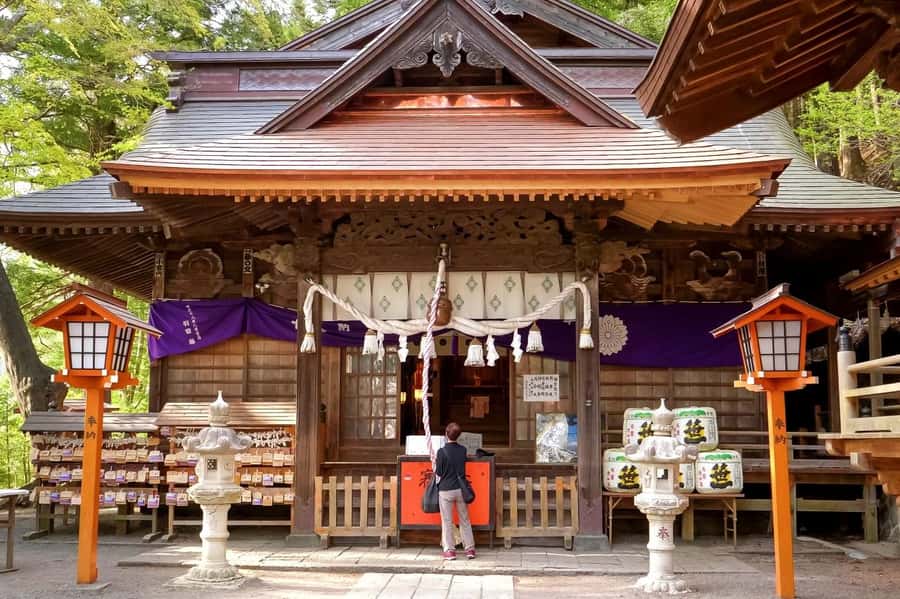
The park also includes Arakura Fuji Sengen Shrine, established in 705. It is dedicated to the deity of Mount Fuji and historically served in rituals connected with calming the mountain’s eruptions. Take a moment to visit the shrine rather than treating the stop as only a staircase and photo platform.
One hour can feel short here. The climb, shrine visit, viewpoint, and descent use most of the allotted time. If you want a calm shrine experience and many photographs, move efficiently from the start.
What the guide adds to the day
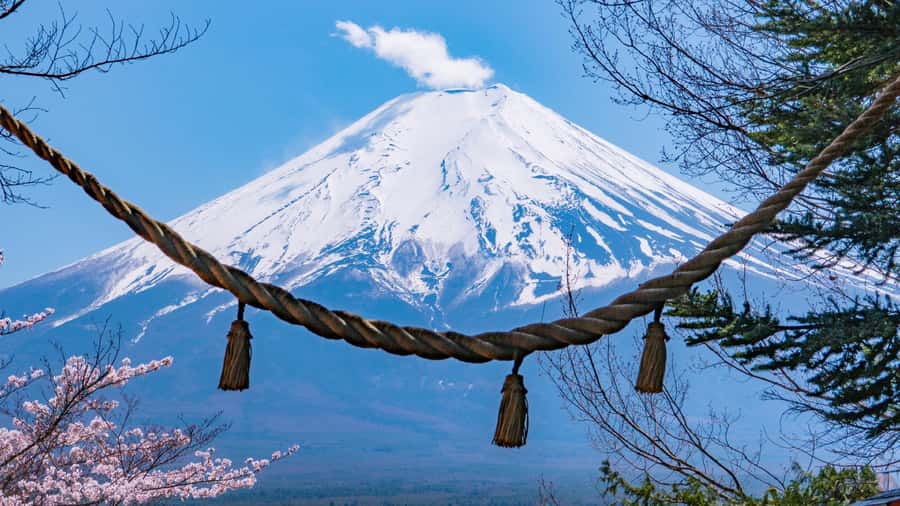
The tour offers professional guidance in English and Chinese. That matters on a day with several stops, because the guide handles meeting times, route changes, and practical instructions while you focus on the scenery.
Guide Kevin has received especially warm praise for speaking very good English, staying attentive, and working hard to make the day pleasant. Another booking described the guide as friendly, with the sightseeing itself praised for its cultural stops and photo locations.
Guides can also help explain why a reconstructed village, a shrine, a spring, and a pagoda matter beyond their appearance. The quality of that explanation can vary by guide and group, but the service is more useful here than on a simple viewpoint transfer.
The group pace may not suit everyone. You need to return to the vehicle on time, and each stop has a fixed window. If your ideal day means sitting by the lake for hours, this route will feel rushed. If you want to cover several famous places in one outing, the structure works in your favor.
Food, cash, and the practical costs
Lunch is not included, and the tour does not promise a specific restaurant. Bring some cash for local shops, drinks, and food because card payment is not always available.
One account of a similar day on this route found the lunch arrangement less appealing because it involved an amusement park where admission had been covered but rides cost extra. That is a useful warning to ask where and how much time you will have for lunch on your particular departure.
At $49, the tour remains strong value if you would otherwise need to purchase several transport tickets and attraction admissions. The low price does mean you should not expect a leisurely private tour, restaurant package, or long free periods at each site.
The included costs are generous: attraction entry, air-conditioned transport, round-trip transfers, taxes, parking, tolls, fuel, and environmental fees. Your extra budget is mainly for food, drinks, and souvenirs.
Weather, seasons, and the Fuji gamble
Mount Fuji is a weather-dependent sight. You can have a pleasant day around the lakes and still miss the summit because of cloud cover. Check the forecast before booking and again before departure, but treat the forecast as guidance rather than a promise.
Spring can bring cherry blossoms, while autumn may bring colorful maple foliage. At those times, the route may replace Oishi Park with cherry blossom groves or Maple Corridor. Lavender fields are also part of the seasonal appeal around the lake area, creating a colorful foreground beneath Fuji when conditions line up.
Peak periods bring two problems: crowds and road congestion. Weekends, public holidays, and blossom or maple seasons can extend the two-hour transfers. The day may finish later than planned, so avoid scheduling anything important that evening.
The scenery is still worthwhile when the mountain is hidden, thanks to the village, shrine, pagoda, springs, and lake. But if your only reason for booking is one perfect Fuji photograph, no day tour can guarantee it.
Who should book this day trip?
I would recommend this tour to you if you are staying in Tokyo and want a broad introduction to the Mount Fuji area without renting a car or working out rural transport. It suits first-time visitors, photographers who want several classic compositions, and anyone who enjoys combining scenery with cultural sites.
It is also a good choice for people who prefer a clear plan. The guide, vehicle, admissions, and route are arranged in advance, leaving you to manage only your own food and purchases.
You should think twice if you dislike early starts, long vehicle rides, stairs, crowds, or fixed schedules. The route is not suitable for people with mobility impairments, wheelchair users, or pregnant women. Bring water and comfortable clothes, and tell the operator at booking if you have a stroller or large luggage.
Should you book it?
Book this Mount Fuji tour if you want maximum variety for a modest price. In one day, you get a traditional village, a lake view, spring water, a shrine, and the Chureito Pagoda viewpoint, with transport from Tokyo taken care of.
Skip it if you want a quiet, slow day or guaranteed mountain views. The best reason to choose it is not one single stop. It is the chance to see how Fuji fits into Japanese nature, religion, architecture, and everyday countryside, all without having to build the route yourself.
FAQ
How much does the Mount Fuji tour cost?
The tour costs $49 per person.
Where does the tour depart from?
The listed departure options are Tokyo Station at 8:00 AM and Shinjuku Station at 8:30 AM. The exact meeting point depends on the option booked.
How long is the transfer from Tokyo?
The estimated transfer time is about two hours each way, but traffic can make it longer.
Which languages are available?
The tour offers professional guidance in English and Chinese.
Are attraction tickets included?
Yes. Entry tickets to the listed attractions are included, along with transport, taxes, parking fees, toll fees, fuel fees, and environmental fees.
Is lunch included?
No. Meals and beverages are not included.
How many steps lead to the Chureito Pagoda viewpoint?
The observation deck requires a climb of about 400 steps.
Can I cancel the booking for a refund?
You can cancel up to 24 hours in advance for a full refund.
More Full-Day in Tokyo
More Mt Fuji Day Trips in Tokyo
More tours in Tokyo we've reviewed












Mt Fuji Day Trips, compared.
 ★ 5.0Mt Fuji and Hakone 1-Day Bus Tour Return by Bullet TrainFrom $163
 ★ 4.0Mt Fuji & Hakone Cruise, Drum Show Bullet Train 1 Day from TokyoFrom $149
 ★ 4.4Tokyo Mt Fuji 5th St & Hakone Cruise Bus Tour w/Bullet TrainFrom $15410 hours
 ★ 4.5From Tokyo: Mount Fuji Full-Day Sightseeing TripFrom $6810 hours
 ★ 4.7Tokyo: Mt. Fuji Tour, Hakone Ropeway, Owakudani, Lake AshiFrom $5410 hours
 ★ 4.4Tokyo:Mt.Fuji,Kawaguchiko Oishi Park,Arakurayama Sengen ParkFrom $5410 hours