Reviewed · HALF-DAY
Tokyo: Personalized Half-day Tour
Tokyo rewards a plan made for you. On this private four-hour tour, you can focus on old temples, food, modern neighborhoods, or a mix of all three instead of following a fixed route. Guide Ian James Kerr is named by several participants as funny, polite, flexible, and full of useful city knowledge.
In This Article
- Key points to know before booking
- A four-hour Tokyo plan built around your interests
- Asakusa and Senso-ji: Tokyo’s old face
- Shibuya Crossing and the modern city
- Meiji Shrine: a quieter pause in the city
- Markets, themed cafes, and less obvious choices
- What $129 per person really buys
- Moving between Tokyo’s far-apart districts
- Who will get the most from this tour
- How to prepare for a better four-hour route
- Should you book Ian’s personalized Tokyo tour?
- FAQ
- How long is the Personalized Half-day Tour?
- How much does the tour cost?
- Is this a private tour?
- Which languages are available?
- Can I choose what to see?
- Are Asakusa, Shibuya Crossing, and Meiji Shrine included?
- Is private transportation included?
- Can I cancel or pay later?
I like the freedom to shape the day, and I like having a local guide who can explain the story behind each stop. The tour can also help a first-time visitor cover more ground quickly, especially when Tokyo feels too large to tackle alone.
The main caution is distance. Asakusa, Shibuya, and Meiji Shrine sit far apart, so you may spend a fair share of four hours on trains, subways, or in a taxi. If walking is difficult, discuss transport and vehicle arrangements before booking, since a private car is not clearly included in the $129 price.
Key points to know before booking

- Ian James Kerr leads the experience: He can guide in English or Japanese and is described as polite, funny, flexible, and well informed about Tokyo.
- You choose the focus: Build the outing around temples, food, markets, themed cafes, modern city life, or a combination.
- The classic route covers three very different areas: Asakusa offers old Tokyo, Shibuya shows present-day city energy, and Meiji Shrine brings a quieter setting.
- The tour is private: You are not sharing the four-hour outing with a large group, which makes changes to the plan easier.
- Transport needs careful thought: Far-apart districts can mean substantial subway or taxi time, and a private vehicle may cost extra.
- The price buys guide time and planning: At $129 per person, value is strongest when you want personal advice and a route built around your interests.
A four-hour Tokyo plan built around your interests
The chief idea here is simple: you do not buy a set sightseeing circuit. You pay for a local guide’s time and for a day shaped around what you want to see.
That matters in Tokyo. The city is not one compact center with all the major sights within an easy stroll. It is a collection of distinct areas, linked by a very good but sometimes confusing rail network. A tailored guide can save you from spending the whole afternoon guessing which neighborhood fits your interests.
Before the tour, think about your priority. You might want old shrines and temples, food markets, unusual cafes, fashion, city views, or a general first look at Tokyo. The more specific you are, the more useful the four hours should be.
Ian James Kerr is the named guide for this experience. Across the available ratings, he receives praise for being helpful, polite, funny, flexible, and good at explaining the city. One person who wanted to see less familiar places found the history lessons especially useful, while another appreciated his willingness to adjust the route.
That flexibility is the strongest reason to choose this tour over a standard sightseeing bus. You can ask for a broad introduction, or you can narrow the focus to something you care about. Just remember that flexibility does not remove Tokyo’s distances. Your chosen stops still need to fit within four hours.
A few more Tokyo tours and experiences worth a look
Asakusa and Senso-ji: Tokyo’s old face
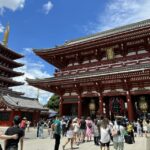
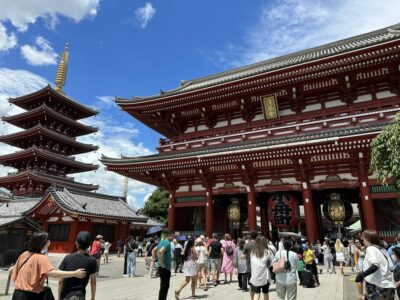
Asakusa is the natural choice if you want a look at Tokyo before the skyscrapers and electronic billboards took over the picture. Its main draw is Senso-ji Temple, one of the city’s best-known Buddhist sites, reached through a street lined with shops selling souvenirs and traditional items.
You can expect a strong dose of atmosphere here. The temple grounds give your guide plenty to explain, from religious customs to the way old Tokyo neighborhoods developed around places of worship. This is a good stop for your first day because it gives you cultural context before you move into the newer parts of the city.
There is a catch. The approach to Senso-ji is highly popular and can feel commercial, particularly along the souvenir shops. If you want quiet lanes and less packaged sightseeing, tell Ian that before the route is set. One three-star rating specifically found the areas too touristy and felt that too much time went to souvenir stores.
That criticism is useful, not a reason to reject Asakusa altogether. Senso-ji is famous for a reason, and a guide can add meaning to a place you might otherwise treat as a quick photo stop. But you should not assume that a famous temple automatically means an intimate local experience.
If your interests lean toward food, ask about adding a traditional market or a food-focused stop. The tour description allows for markets and other custom choices, though it does not promise a particular market. The right question is not simply can we see Asakusa, but what part of Asakusa best suits the way I want to spend my time?
Shibuya Crossing and the modern city
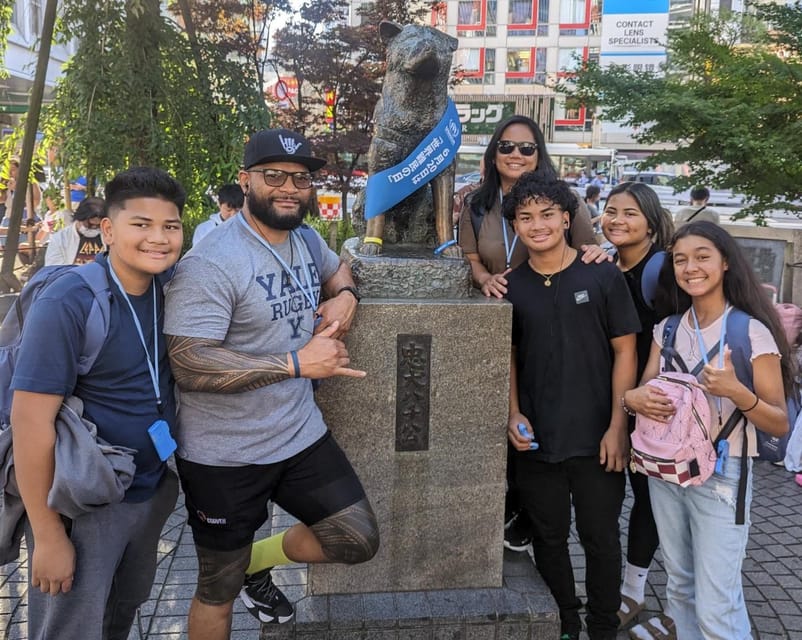
Shibuya Crossing gives you a sharp change of mood. Here, Tokyo is all movement, signs, shopping, and people crossing in several directions at once. It is one of the clearest places to feel the city’s modern identity.
I like this stop as a counterweight to Asakusa. Seeing a temple and then heading into Shibuya helps you understand the contrast that makes Tokyo so appealing. Tradition and new city life are not separated into different worlds here. They sit within the same enormous urban area.
The practical issue is time. Shibuya is not close to Asakusa or Meiji Shrine, and reaching it can require the subway or a taxi. During a four-hour tour, transfers can take away from sightseeing, especially if you want several stops rather than one or two areas explored at a relaxed pace.
A guide helps by making the transport choices for you, but no guide can make the city smaller. If Shibuya is your main goal, build the tour around it rather than trying to add too many distant locations. You will get more from the crossing and nearby streets if you are not watching the clock from the moment you arrive.
This is also a sensible choice for first-time visitors who want a quick introduction to Tokyo’s scale. One five-star rating praised the tour as a good way to see more of the city in a short visit. That benefit is real, provided you accept a quicker pace and some time underground.
Meiji Shrine: a quieter pause in the city
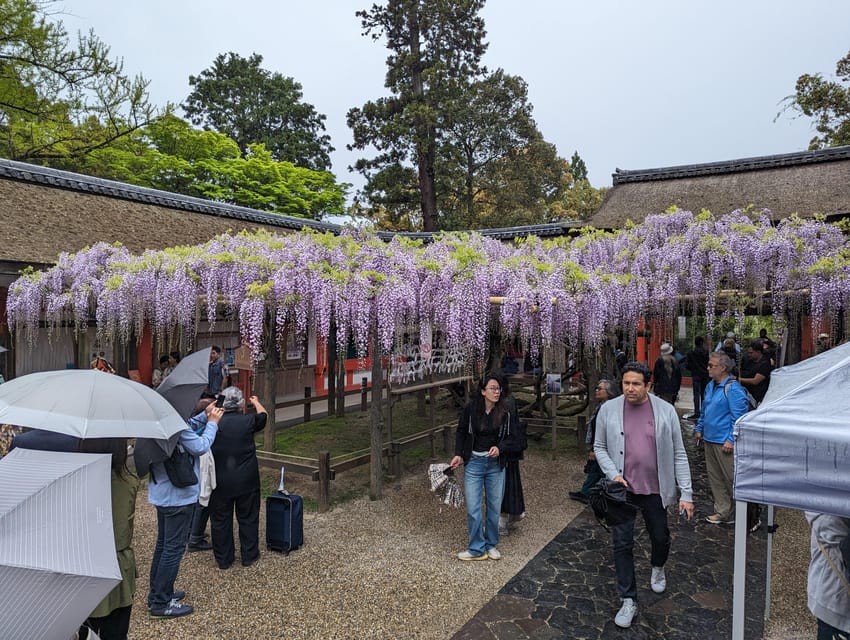
Meiji Shrine offers the calmest setting among the three headline choices. It sits in a wooded area in central Tokyo, giving you a break from traffic, signs, and crowds without requiring you to leave the city.
I would choose this stop if you want a little breathing room in the middle of a busy sightseeing day. The shrine also gives your guide another chance to explain Japanese religious traditions and customs. Its value is less about checking off a famous sight and more about experiencing a slower rhythm.
As with Asakusa, the setting can be more rewarding when you know what you are looking at. A local guide can explain the purpose of the shrine and point out details that are easy to miss when you are simply walking through. The exact depth of that explanation depends on your conversation and interests, so tell your guide what you want to understand.
Meiji Shrine is also part of the distance problem. Pairing it with Asakusa and Shibuya creates a broad cross-city route. That can be exciting for a first overview, but it may feel rushed if walking is slow or if you prefer long visits at each stop.
Markets, themed cafes, and less obvious choices
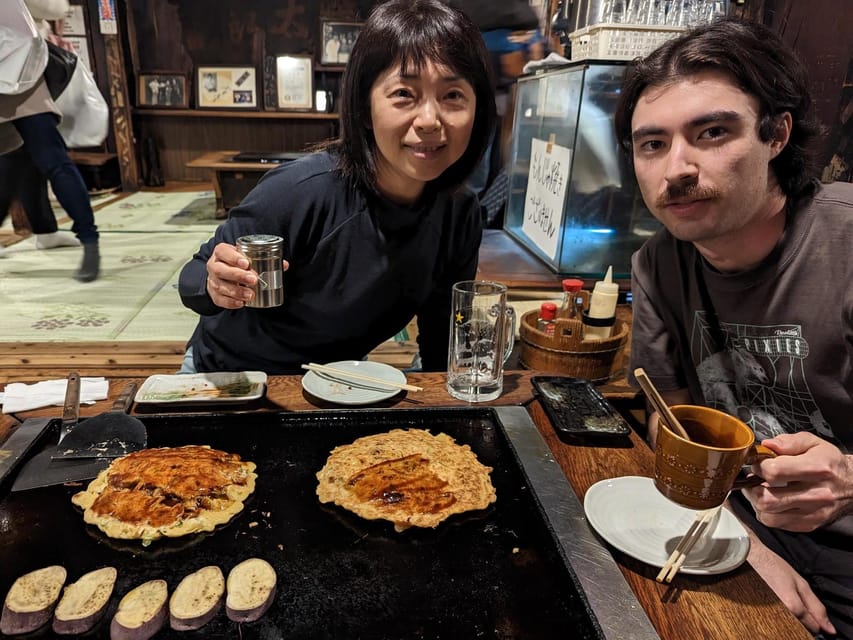
The three headline areas are examples, not a required itinerary. You can ask for traditional markets, themed cafes, or other places that match your interests. The experience is best suited to people who want to make choices rather than accept a prewritten list.
Food-focused planning could work well here. Tokyo has a huge range of eating traditions and neighborhoods, but the supplied details do not identify a particular market, restaurant, or cafe. Ask in advance what can realistically fit into four hours and which costs, if any, would be separate.
The same applies to themed cafes. They can be a fun way to see a playful side of Tokyo, but the tour does not promise admission or a reservation at a specific venue. Treat them as possible additions to discuss, not guaranteed inclusions.
I also like the idea of asking for city stories rather than only famous sights. One person valued the history lessons and another appreciated being taken to places they had not seen before. That suggests the guide’s personal input can add value when you give him room to shape the route around your curiosity.
Still, keep your expectations in check. This is not a promise of secret access or a list of unknown places. It is a private guide service whose usefulness depends on the conversation between you and the guide.
What $129 per person really buys

The listed price is $129 per person. The included value is the personalized service and the guide’s time, not a bundle of entrance fees, meals, or private transportation.
That distinction matters. If you are traveling alone or with a small private group and want direct attention, the price may be fair. You are paying for help with choices, explanations at the sights, and the ability to adjust the route. A standard group tour may cost less, but it will not give you the same control.
The value is weaker if you already know Tokyo well, prefer to explore at your own pace, or only want one neighborhood. In that case, public transport and a self-guided visit may serve you better. Four hours can also pass quickly when several districts are involved.
You should also clarify extra costs before paying. The description says additional elements can be customized, but it does not list what those additions cost. A serious concern arose when a participant who used a cane expected a guide with a vehicle and later faced a reported rental car charge of 110,000 yen. The supplied information does not explain the exact agreement or why that amount applied, so ask directly about vehicle availability, taxi use, and any accessibility-related transport.
Do not assume the $129 covers a car. The safest reading is that it covers the guide and personalized experience. Get the transport plan in writing if you need a vehicle or have limited mobility.
Moving between Tokyo’s far-apart districts
Transportation is not a side issue on this tour. It shapes the quality of the entire four hours.
A route linking Asakusa, Shibuya, and Meiji Shrine crosses a large part of Tokyo. You may use the subway or a taxi between stops. One participant felt that too much time went underground because a companion had difficulty walking, and found the distant locations disappointing.
That experience gives you a useful planning lesson: choose fewer areas if you want more time at each one. For example, an Asakusa-centered visit could allow a closer look at the temple area and a market. A Shibuya and Meiji Shrine combination might offer a smoother contrast between modern Tokyo and a quiet shrine setting.
If you have mobility limits, say so before the day begins. The activity is private, which should make it easier to adjust the pace, but the available information does not promise an accessible vehicle or a specific accessibility service. A cane user should not rely on the basic price to include private driving.
You should also tell the guide if you dislike shopping streets, crowded attractions, or long transfers. The itinerary is flexible, and that flexibility is most useful when you explain what you want to avoid.
Who will get the most from this tour
I see the best match in a first-time visitor with limited time. You can get a guided introduction to several sides of Tokyo, ask questions as you go, and receive context that is hard to find while rushing between major sights.
It also suits a couple or small private group with different interests. One person may want temples, another may want food or modern neighborhoods. A flexible plan can balance those wishes better than a fixed group route.
History and culture fans should consider it if they want explanations at Asakusa and Meiji Shrine. City lovers may prefer a route centered on Shibuya and other modern areas. Food enthusiasts can ask about markets, though specific food stops are not guaranteed.
The tour is less suitable if you need a fully accessible private car, want a slow pace, or expect a quiet local route with no souvenir shopping. It is also not ideal if you want a fixed schedule with every admission and transport cost settled in advance.
The guide’s personality appears to matter here. Ian is described as humorous and flexible, which can make a short private tour feel more natural. At the same time, the experience depends on making your wishes clear. A vague request to see Tokyo may produce a more tourist-oriented route than you hoped for.
How to prepare for a better four-hour route
Before booking, make a short list of three priorities. For example: Senso-ji, a food market, and a shrine. Then list two things you want to avoid, such as souvenir shops and long subway rides.
Ask how many areas can fit comfortably into four hours. If you want Asakusa, Shibuya, and Meiji Shrine, accept that the day will be an overview rather than a slow visit. If you want local flavor and time to stop for food, choose one or two areas.
Clarify the meeting point and transport plan with the provider. The supplied details confirm the guide languages and private format, but they do not specify a meeting location, private vehicle, included admissions, or meals. Those are sensible questions before you commit.
Also consider the cancellation terms. You can cancel up to 24 hours ahead for a full refund, and you can reserve now and pay later. That gives you some flexibility while your Tokyo plans are still changing.
Should you book Ian’s personalized Tokyo tour?
Book it if you want a private introduction to Tokyo and value a guide who can adjust the day around your interests. The strongest points are Ian James Kerr’s reported humor and flexibility, the chance to combine old and modern Tokyo, and the practical help of a local guide during a short visit.
I would book with a clear plan, not with the expectation that every part of Tokyo can be covered comfortably in four hours. Choose a compact route, confirm transport costs, and explain any mobility needs before booking.
For a first visit, $129 per person can be worthwhile when personal attention and local explanation matter more than a low-cost sightseeing circuit. If you want a fully accessible car, a slow pace, or guaranteed stops with all expenses included, ask detailed questions first or choose a more specialized service.
FAQ
How long is the Personalized Half-day Tour?
The tour lasts four hours. Starting times depend on availability.
How much does the tour cost?
The listed price is $129 per person.
Is this a private tour?
Yes. The activity is offered for a private group.
Which languages are available?
The live guide service is available in English and Japanese.
Can I choose what to see?
Yes. The itinerary is designed around your interests. Possible themes include culture, food, modern city life, traditional markets, and themed cafes.
Are Asakusa, Shibuya Crossing, and Meiji Shrine included?
These places are presented as possible highlights of the experience. The route is flexible, so you should confirm your preferred stops with the guide.
Is private transportation included?
The provided details do not clearly state that a private vehicle is included. Subway or taxi travel may be needed between distant areas, and you should ask about vehicle arrangements and extra costs before booking.
Can I cancel or pay later?
You can cancel up to 24 hours in advance for a full refund. You can also reserve your place and pay later, so no payment is required today.
More Half-Day in Tokyo


More tours in Tokyo we've reviewed












Half-Day, compared.
 ★ 4.0Half-day Tokyo Afternoon Tour by Hato BusFrom $41
 ★ 4.6Tokyo: A Half-Day Trip Bus Tour in the MorningFrom $404 hours - 270 minutes
 ★ 4.0Half-day Tokyo Morning Tour by Hato BusFrom $41
 ★ 5.0Tokyo Private Half-Day Tour with a Local – Secrets & HighlightsFrom $143
 ★ 4.9Old and Nostalgic Tokyo: Half-Day Yanaka Walking TourFrom $833h 30m
 ★ 5.0Tokyo Half-Day Canyoning AdventureFrom $60