Reviewed · MT FUJI DAY TRIPS
From Tokyo: Mount Fuji and Hakone Full Customizable Trip
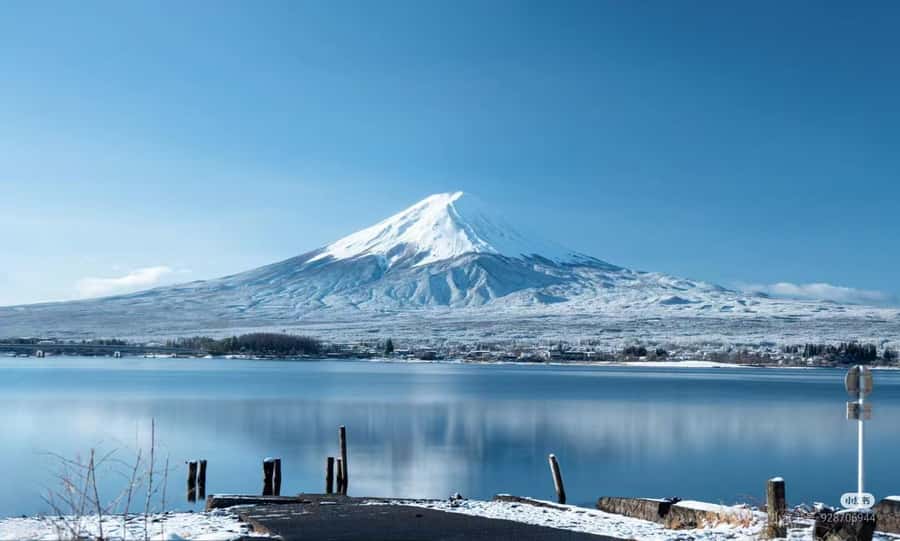
Mount Fuji is the star here, but the real strength of this day trip is that you can shape the route around your group. You might focus on Fuji views and photo stops, add Hakone’s lakes and ropeway, or trade shopping at Gotemba for a quieter shrine or village visit.
In This Article
- Key points to know before booking
- Why a private Fuji day makes sense from Tokyo
- Chureito Pagoda and Arakurayama’s famous Fuji view
- Oshino Hakkai’s ponds and village food
- Fuji’s 5th Station, the highest road-accessible stop
- Lake Kawaguchi and Oishi Park
- Hakone Shrine and Lake Ashi
- Owakudani Valley and the Hakone Ropeway
- Shrines, caves, a castle, and a museum
- Gotemba Premium Outlets for a practical finale
- Lunch, traffic, and the reality of a custom route
- Weather, access, and what to bring
- Who should book this Fuji and Hakone trip?
- Should you book it?
- FAQ
- How long does the tour last?
- How many people can join the private tour?
- What is the price?
- Is hotel pickup included?
- Can I be picked up at an airport or port?
- Which languages are available?
- Are meals included?
- Are attraction tickets included?
- Is the tour wheelchair accessible?
- What happens if bad weather affects the tour?
I like the private air-conditioned van, hotel pickup, bottled water, Wi-Fi, and the chance to adjust the schedule as the day unfolds. I also like the careful response to poor weather: if Fuji disappears behind clouds, your driver can shift the plan or reschedule the outing. The main drawback is time. With 10 to 11 hours including Tokyo traffic, you cannot give every listed stop the attention it deserves.
Key points to know before booking
- A private van for up to five people: The $354 group price becomes much better value when shared by a family or small party.
- A flexible Fuji and Hakone route: You can choose from lakes, shrines, caves, viewpoints, shopping, and ropeway rides.
- Hotel pickup in Tokyo’s 23 wards: Pickup and return are available from qualifying hotels and Airbnbs, but not airports or ports.
- Fuji views depend on weather: Clear winter days often offer the best chance, but no schedule can guarantee an unobstructed mountain.
- English, Hindi, Japanese, Punjabi, and Urdu support: Driver-guides may include Abu and Javad, both praised for punctuality and flexibility.
- Entrance fees and lunch cost extra: Budget separately for food, boat rides, ropeways, museums, and other paid attractions.
Why a private Fuji day makes sense from Tokyo
Mount Fuji looks close on a map, yet a day from Tokyo involves a long round trip and several possible sightseeing areas. Public transport can get you there, but it takes planning and may force you to follow fixed departure times. This private outing gives you a car, a driver, and one day to connect places that are awkward to combine on your own.
The vehicle is air-conditioned and includes a Wi-Fi hotspot, tea, coffee, and bottled water. That matters after a long ride through busy Tokyo and the mountain roads around Fuji and Hakone. You also get help with photos and videos, a small service that can be useful at Chureito Pagoda or beside one of the lakes.
The group limit is five people. At $354 per group, the price works out to about $71 per person for five people, before meals and entrance fees. For one or two people, it is a much more expensive option than public transport. For a family or group that values a private vehicle, the cost becomes easier to justify, especially since fuel, parking, tolls, pickup, and drop-off are included.
Your driver may speak English, Hindi, Japanese, Punjabi, or Urdu. Abu is specifically identified as a driver-guide, while Javad is praised for punctuality, flexibility, smooth driving, and patience with three young children. The exact driver should be confirmed when you book, since the experience can vary by assignment.
A few more Tokyo tours and experiences worth a look
Chureito Pagoda and Arakurayama’s famous Fuji view
Many people picture Mount Fuji with a red pagoda in the foreground. That image comes from Chureito Pagoda in Arakurayama Sengen Park, one of the most recognizable viewpoints in the Fuji area.
The stop includes time for a photo visit, a guided walk, and a safety briefing. You should expect stairs as you climb toward the pagoda, so wear shoes with a solid grip and consider your group’s mobility before making this a top priority.
The view is most dramatic when Fuji is clear, with cherry blossoms in spring or autumn color later in the year. But this is also one of the stops most affected by cloud cover. If the mountain is hidden, the pagoda still offers a cultural and photographic setting, but it may not deliver the classic image you came for.
Chureito and Arakurayama Sengen Park are effectively part of the same sightseeing area, so you should not treat them as two separate major attractions when planning your day. The stated schedule gives roughly an hour at the pagoda and 40 minutes at the park. In practice, that time includes walking, photos, and getting back to the vehicle.
Oshino Hakkai’s ponds and village food
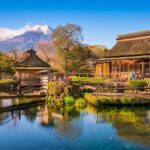
Oshino Hakkai offers a different side of the Fuji region. Instead of a high viewpoint, you get a small village setting with clear ponds, traditional-style buildings, food stalls, and views toward the mountain when the weather cooperates.
A one-hour visit is enough to walk around and sample local delicacies, but it is not a long village stay. The appeal is the contrast with the larger scenic stops. You can slow down, look at the water, browse stalls, and enjoy a snack before returning to the road.
This is a good choice for families because it breaks up the day with short walks and food. It is also useful when clouds block Fuji, since the ponds and village atmosphere remain worth seeing. I would not choose Oshino Hakkai mainly for a long, quiet cultural visit, though. The schedule is too tight for that.
Fuji’s 5th Station, the highest road-accessible stop
The 5th Station is the highest point on Mount Fuji that you can reach by vehicle on this route. It gives you mountain air, broad views, the Komitake Shrine, and nearby walking paths.
The stop lasts about an hour. That lets you explore the shrine area, take photographs, and enjoy the elevated setting without attempting a climb toward the summit. This is a sightseeing stop, not a full Mount Fuji hiking experience.
Conditions can change quickly at this height. Warm clothing is listed as essential, even when Tokyo feels mild. Bring sunscreen too, since the higher setting can mean stronger sun exposure. The road to the 5th Station may also be affected by weather, so your driver may need to alter the day if access becomes difficult.
If seeing Fuji from the mountain itself matters most to you, keep this stop high on your list. If your priority is a broad view of the entire mountain, the lakeside or pagoda viewpoints may be more rewarding when visibility is good.
Lake Kawaguchi and Oishi Park
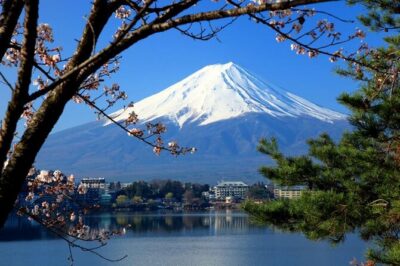
Lake Kawaguchi is one of the strongest all-around stops on the route. You can take a boat cruise, walk beside the water, or simply settle in for a view of Fuji across the lake.
The schedule allows about an hour, including sightseeing and a possible boat ride. That is enough for a brief cruise or a quick lakeside break, but you should not expect a slow afternoon by the water. Boat fees are not included, so ask your driver about the current cost before committing.
Oishi Park gives you another lakeside photo setting. Its value depends heavily on the season and weather, yet the park is a useful alternative if you prefer an open-air stop rather than a paid activity. Since both Lake Kawaguchi and Oishi Park are close in theme, you may want to choose one if you also plan to visit Hakone later.
The choice between Lake Kawaguchi and Lake Ashi is central to your planning. Kawaguchi is the more direct Fuji-viewing stop. Lake Ashi adds Hakone’s shrine and sightseeing area. Trying to give both lakes equal time can leave you hurrying.
A few more Tokyo tours and experiences worth a look
Hakone Shrine and Lake Ashi
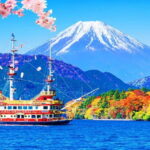
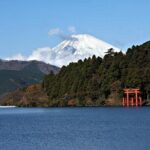
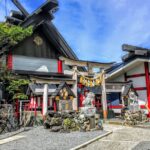
Lake Ashi brings you into the Hakone portion of the trip. The area is known for the red torii gate associated with Hakone Shrine, positioned beside the water. You can visit the shrine, walk near the lake, or spend time at the lakeside.
The suggested schedule gives one hour for Hakone Shrine and about 30 minutes at Lake Ashi. A boat cruise may be available as an option, but you should confirm how it fits your timetable and understand that the cruise may involve an additional fee.
Hakone Shrine is the better choice if you want a spiritual site and a memorable waterside photograph. Lake Ashi is better if you want open views and a quiet pause. The famous torii can be popular, and the walk to viewpoints may take more time than you expect, so avoid promising yourself a relaxed shrine visit if you also want the ropeway and Owakudani.
Owakudani Valley and the Hakone Ropeway
Owakudani Valley adds volcanic scenery to an otherwise lake-and-shrine day. The route includes a guided visit and safety briefing, with about an hour suggested for the stop.
The Hakone Ropeway can provide a wider view of the valley and surrounding area. The schedule allows about an hour for the cable car ride and related sightseeing. Ropeway admission is not included, and the ride depends on operating conditions, so ask about closures or delays on the day.
These stops are especially useful if you want more than postcard views of Fuji. They also make the day feel more varied, but they consume time quickly. If your group includes young children, older adults, or anyone uneasy with steep walks and cable cars, discuss the plan with the driver before locking in this section.
Shrines, caves, a castle, and a museum
The route offers several alternatives for a more cultural or unusual day.
Kitaguchi-hongu Fuji Sengen Shrine is a peaceful religious site at the foot of Mount Fuji. It has long been associated with pilgrims beginning their ascent, and the stop gives you a calmer setting than the major photo points. About 40 minutes is enough for a walk and introduction, though not for a lengthy visit.
Narusawa Ice Cave offers a short underground stop with a guided visit and walk. The suggested time is 40 minutes. Bring warm clothing, since the temperature inside can be low even during warmer months. The cave may not suit everyone, particularly if stairs or confined spaces are difficult.
Odawara Castle provides another cultural option, with about 40 minutes scheduled. It can be a good substitute when you prefer a historic site over another lake viewpoint, but entrance fees are extra.
The Itchiku Kubota Art Museum is also offered as a possible choice. It focuses on intricate kimono art and can appeal to anyone interested in Japanese textile design. Since the museum is not part of the numbered schedule, confirm whether it can fit without cutting another major stop.
Gotemba Premium Outlets for a practical finale
Gotemba Premium Outlets is one of Japan’s largest outlet shopping areas, with Mount Fuji views when the air is clear. The planned visit lasts about an hour, which is enough to browse a few shops but not enough for serious shopping across the entire complex.
This stop suits you if you want brand-name shopping, gifts, or a change of pace late in the day. It may be less appealing if you came mainly for shrines, lakes, and mountain scenery. Shopping can also expand beyond the planned hour, so set a firm limit if you still have a long drive back to Tokyo.
The outlet center is not included in the $354 price beyond transportation. Your purchases are your own expense, of course, and you should not assume the tour price covers attraction tickets anywhere else.
Lunch, traffic, and the reality of a custom route
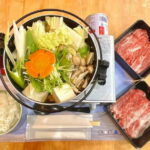
Lunch is planned at a local restaurant for about 40 minutes, but meals are not included. A short lunch keeps the schedule moving, yet it also means you should not expect a long restaurant experience.
The tour lasts approximately 10 to 11 hours, including travel. The vehicle portion alone is listed at about 1.5 hours in one part of the schedule, but the full day from Tokyo can involve much more driving depending on traffic, weather, and your selected stops.
This is where the custom format needs a little discipline. The route lists Chureito Pagoda, Oshino Hakkai, the 5th Station, Lake Kawaguchi, the shrine, the ice cave, Oishi Park, Gotemba, Hakone Shrine, Lake Ashi, Odawara Castle, Owakudani, and the ropeway. You should not expect to visit all of them properly in one day.
I would choose two main themes:
- Fuji views: Chureito, the 5th Station, Oshino Hakkai, and Lake Kawaguchi
- Hakone scenery: Hakone Shrine, Lake Ashi, Owakudani, and the ropeway
- Culture and shopping: a shrine, Odawara Castle, the museum, and Gotemba
You can add a short extra stop if traffic and weather are kind. A clear plan at the start will produce a better day than trying to collect every location.
Weather, access, and what to bring
Mount Fuji is not always visible. One recent outing had clear views for only part of the day, yet the driver adjusted the plan and added more places. That is the practical benefit of a private vehicle: your schedule can respond to the sky instead of forcing you to wait at one viewpoint.
If bad weather or an accident disrupts the tour, it can be rescheduled for another day at your preference. Delayed pickup time can also be added to the outing at no extra charge, according to the operating terms.
Bring comfortable walking shoes, warm clothing, a camera, and sunscreen. You may move from a cool cave or high mountain stop to a sunny lakeside area in the same day.
Pickup is available from hotels and Airbnbs within Tokyo’s 23 wards, including Shinjuku, Shibuya, Chiyoda, Minato, Shinagawa, Toshima, Taito, Meguro, Bunkyo, Nakano, Setagaya, Suginami, Ota, Kita, Arakawa, Sumida, Koto, Itabashi, and Nerima. Odawara pickup is also listed. Airports and ports are not included.
Give a clear meeting point, such as your hotel lobby or a named station exit, and arrive at least 10 minutes early. The driver waits up to 60 minutes after the scheduled pickup time, but a late start will still put pressure on your sightseeing choices.
Who should book this Fuji and Hakone trip?
I would recommend it most strongly to a family or small group of up to five people. The private van makes the price more reasonable when shared, and the flexible plan helps when children need breaks or when your group has different interests.
It also suits first-time visitors who want Fuji, Hakone, shrines, a lake, and perhaps shopping without organizing several train and bus connections. The driver can help with photographs and explain the sites, while the private setting lets you ask for changes.
I would hesitate if you are a solo budget traveler, want a serious hike, or prefer spending half a day at one museum or shrine. Public transport may cost less, and a focused Fuji or Hakone tour may offer a less hurried experience.
Should you book it?
Book this trip if you value door-to-door comfort, a private vehicle, and control over the route. The strongest plan is not the longest list of stops. Choose a few priorities, leave room for weather, and let the driver adjust the order.
At $354 for up to five people, it offers solid value for a group that would otherwise need taxis, tickets, and careful connections. Just remember that lunch and entrance fees are extra, and Fuji views are never guaranteed. For a flexible family day with strong photo opportunities and the option to combine Fuji with Hakone, this is a practical choice.
FAQ
How long does the tour last?
The experience lasts approximately 10 to 11 hours, including travel time.
How many people can join the private tour?
The price covers a private group of up to five people.
What is the price?
The listed price is $354 per group of up to five people. Meals and entrance fees are not included.
Is hotel pickup included?
Yes. Pickup and drop-off are included for accommodations within the stated Tokyo service area, including qualifying Airbnbs.
Can I be picked up at an airport or port?
No. Pickup is not available from airports or ports.
Which languages are available?
Driver-guide support is listed in English, Hindi, Japanese, Punjabi, and Urdu.
Are meals included?
No. Lunch is planned at a local restaurant for about 40 minutes, but you pay for your own meal.
Are attraction tickets included?
No. Entrance fees for places such as boat rides, museums, the ropeway, caves, castles, or other paid sites are not included.
Is the tour wheelchair accessible?
The activity is listed as wheelchair accessible. You should still share mobility concerns or specific accessibility needs in advance.
What happens if bad weather affects the tour?
If bad weather or an accident disrupts the outing, it can be rescheduled for another day at your preference. If pickup is delayed, extra time may be provided so you do not lose part of the experience.
More Hakone Day Trips in Tokyo
More Mt Fuji Day Trips in Tokyo

More tours in Tokyo we've reviewed












Mt Fuji Day Trips, compared.
 ★ 5.0Mt Fuji and Hakone 1-Day Bus Tour Return by Bullet TrainFrom $163
 ★ 4.0Mt Fuji & Hakone Cruise, Drum Show Bullet Train 1 Day from TokyoFrom $149
 ★ 4.4Tokyo Mt Fuji 5th St & Hakone Cruise Bus Tour w/Bullet TrainFrom $15410 hours
 ★ 4.5From Tokyo: Mount Fuji Full-Day Sightseeing TripFrom $6810 hours
 ★ 4.7Tokyo: Mt. Fuji Tour, Hakone Ropeway, Owakudani, Lake AshiFrom $5410 hours
 ★ 4.4Tokyo:Mt.Fuji,Kawaguchiko Oishi Park,Arakurayama Sengen ParkFrom $5410 hours